Conventional Removal Methods Carry Unavoidable Trade-Offs on Aluminium
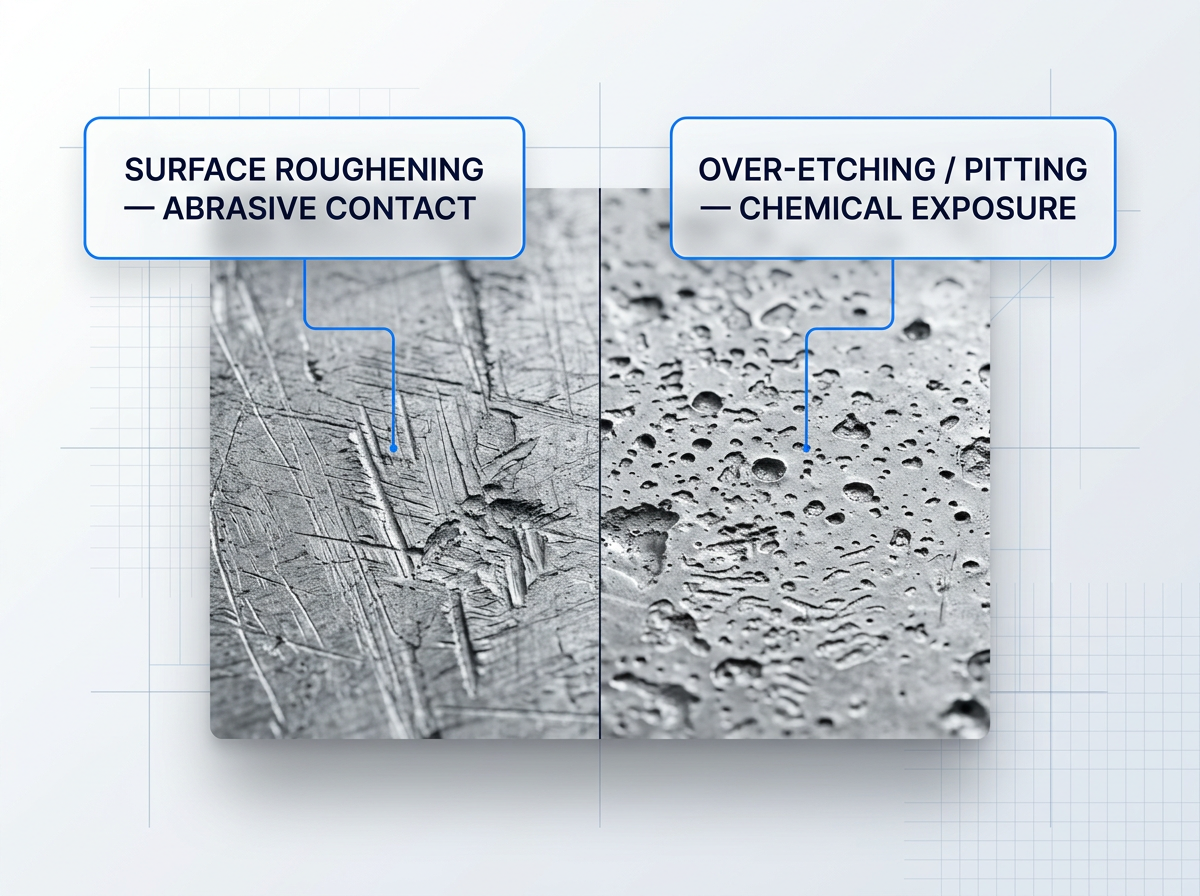
Abrasive methods — sandblasting, wire brushing, sanding — remove material indiscriminately, causing surface roughening and dimensional change. On anodised aluminium the damage is permanent: mechanical abrasion destroys the anodised layer entirely, and no operator skill changes that physical reality.
Acid baths and alkaline pickling dissolve aluminium oxide, but the same chemistry attacks base metal if concentration, temperature, or contact time drifts — producing over-etching and pitting. Chemical methods also generate hazardous waste requiring specialist disposal.
For professionals working with high-value aluminium, the critical question is not "does it remove the oxide?" but "what does it do to the aluminium underneath?"
How Laser Ablation Removes Aluminium Oxide — and Stops There
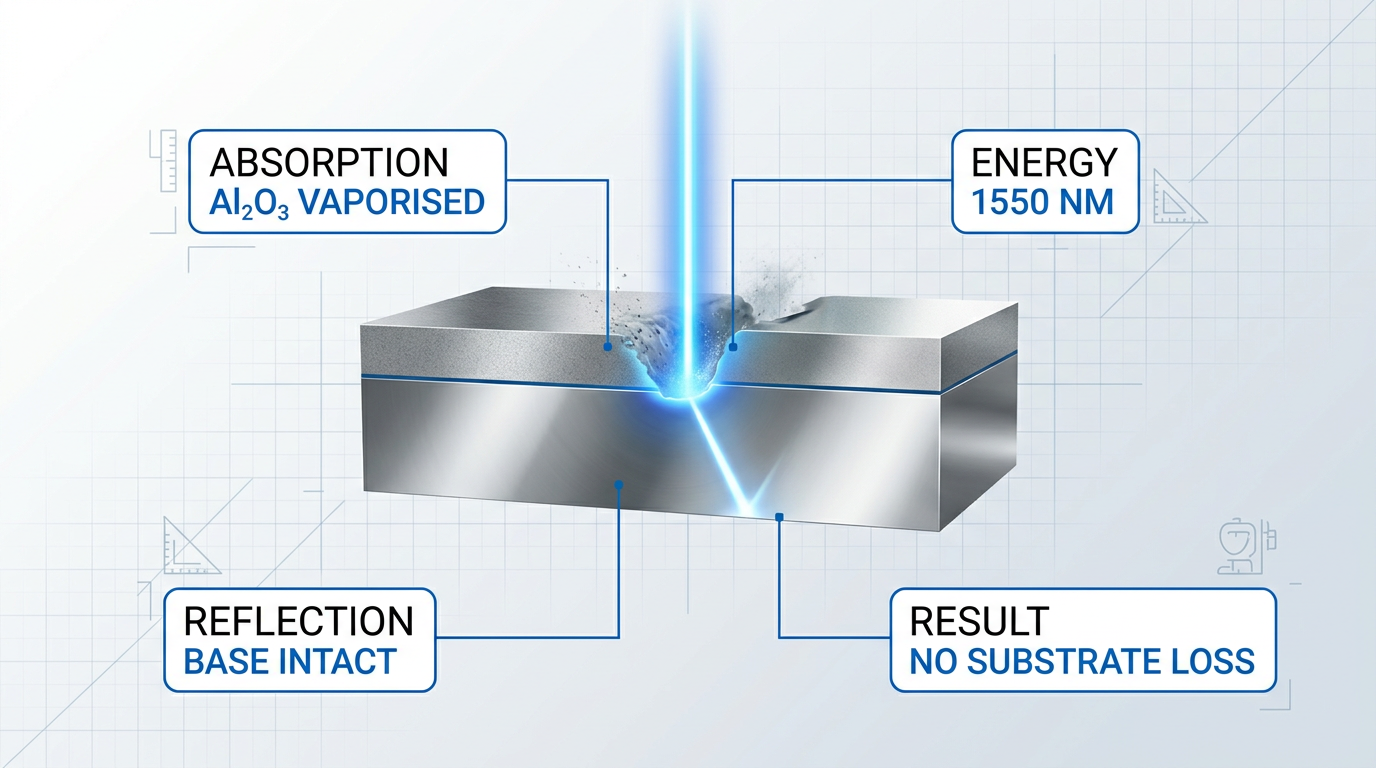
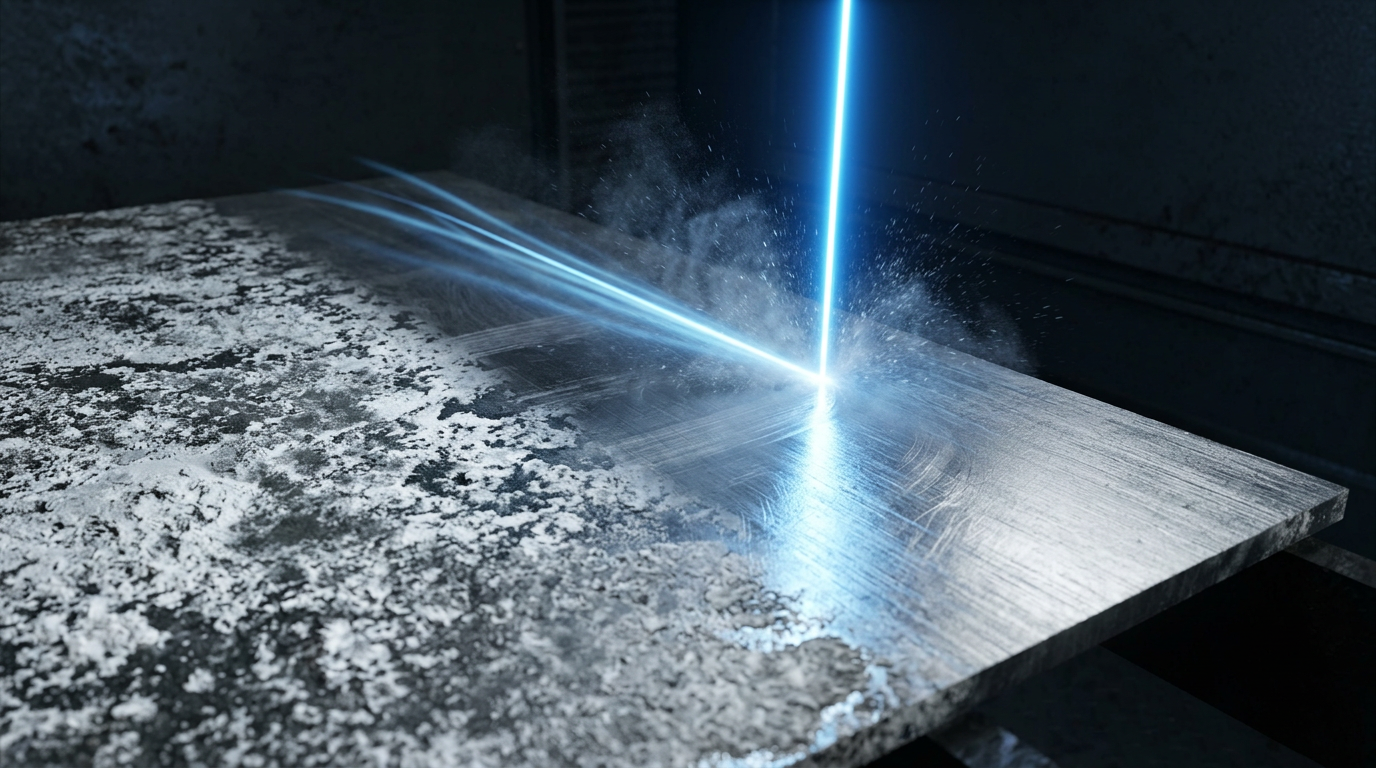
At 1550 nm, Al₂O₃ absorbs the laser energy and is vaporised by pulsed photomechanical and photothermal effects — 100 ns pulses, precisely localised. Once the oxide is gone, the beam meets highly reflective base aluminium and is reflected rather than absorbed. The beam stops not by programming, but because the substrate's optical properties change.
The substrate receives negligible energy: no material loss, no dimensional change, no microstructural alteration. Tunable power (0–100%, up to 300 W) handles thin native oxides and heavy corrosion alike — no tooling changes. The surface emerges oxide-free, geometry intact, ready for welding, coating, or bonding.
Aluminium Oxidation Removal Across Industries and Applications
Laser cleaning removes aluminium oxide across a wide range of industrial applications — from precision aerospace components to high-volume fabrication batches, tooling surfaces, and on-site maintenance work.
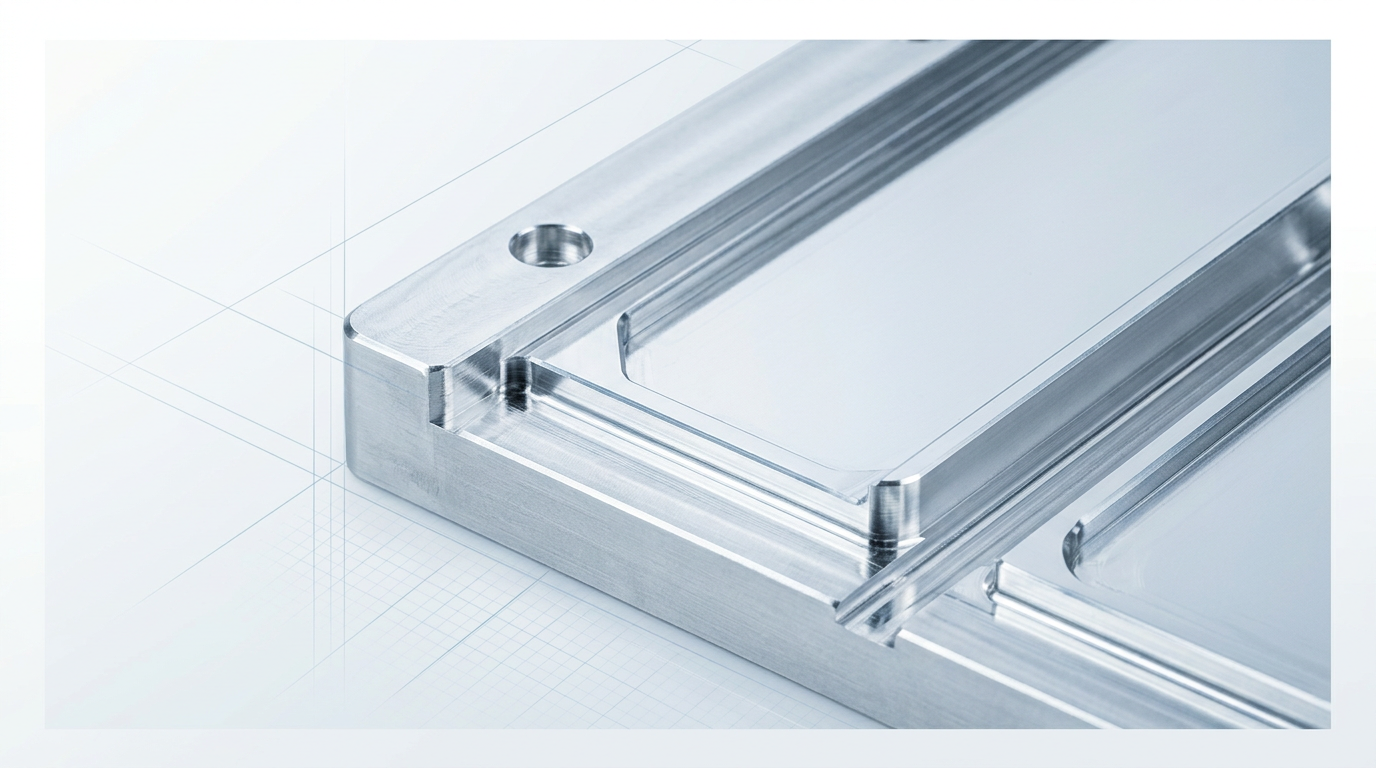
Aerospace: Precision Oxide Removal to Tight Tolerances
Aluminium alloy structural panels and engine components where any material loss is unacceptable. Surface prep held to dimensional tolerances that mechanical methods cannot guarantee.
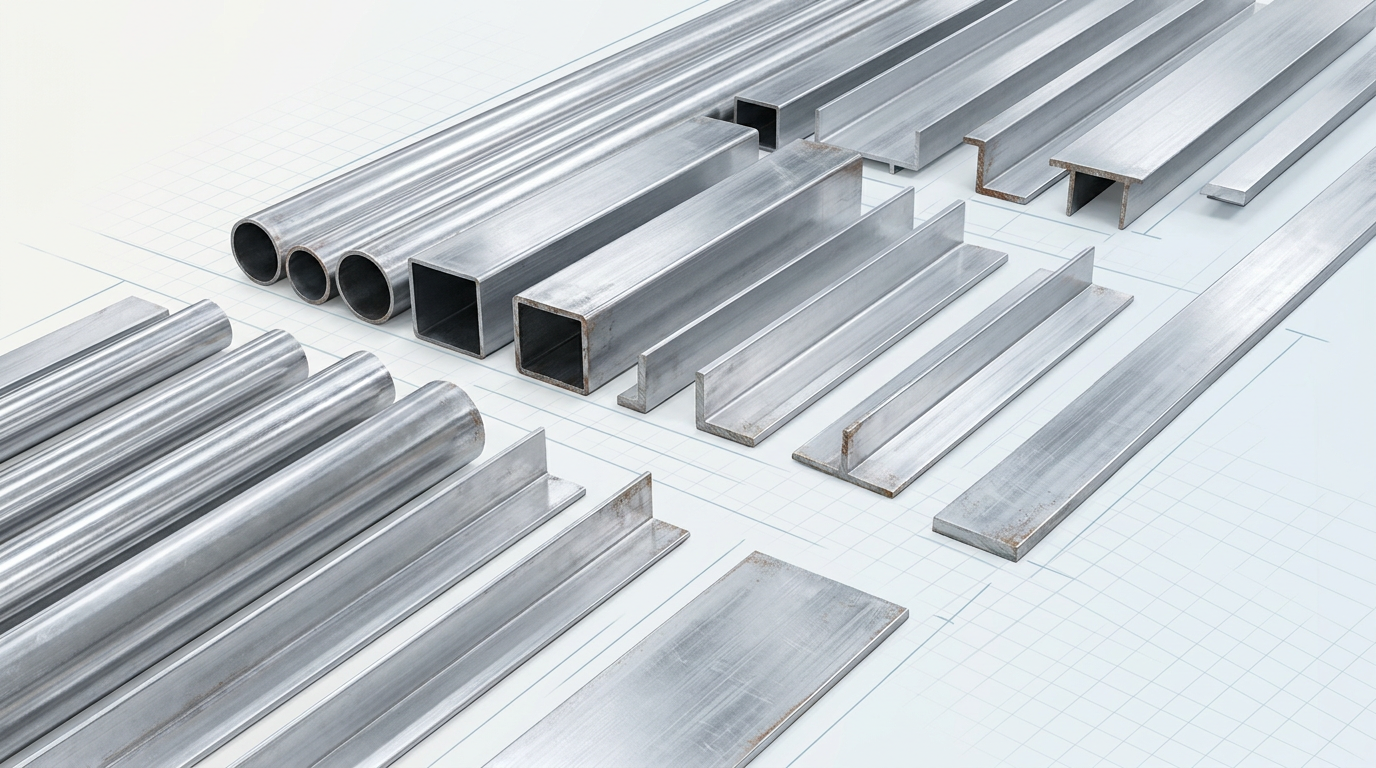
Fabrication: Consistent Weld Prep on Aluminium Batches
Aluminium extrusions and structural sections prepared for joining. Consistent oxide-free surfaces across production batches — the same clean standard before welding or assembly.
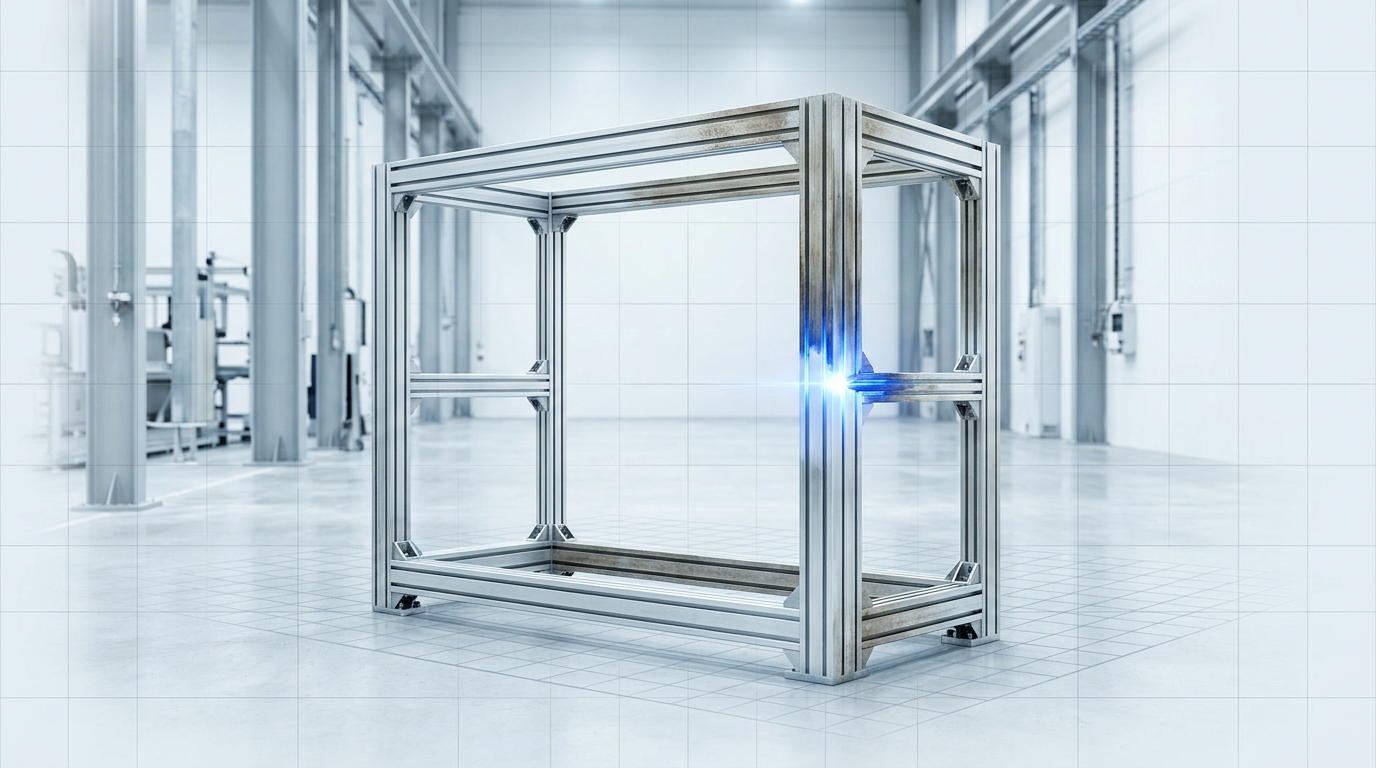
Industrial Maintenance: On-Site Cleaning Without Disassembly
Aluminium plant frames, equipment housings, and infrastructure components cleaned in situ. No disassembly, no transport to a workshop, no facility shutdown required.
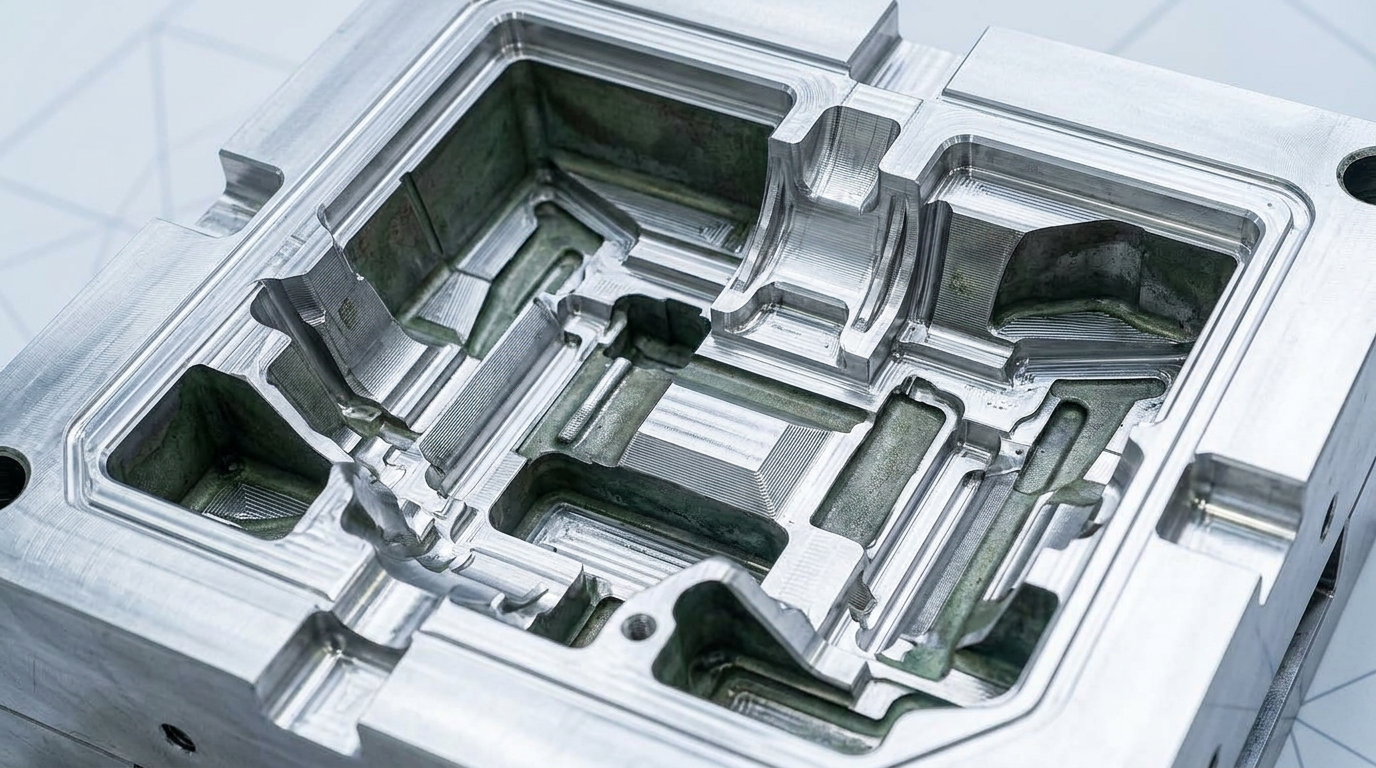
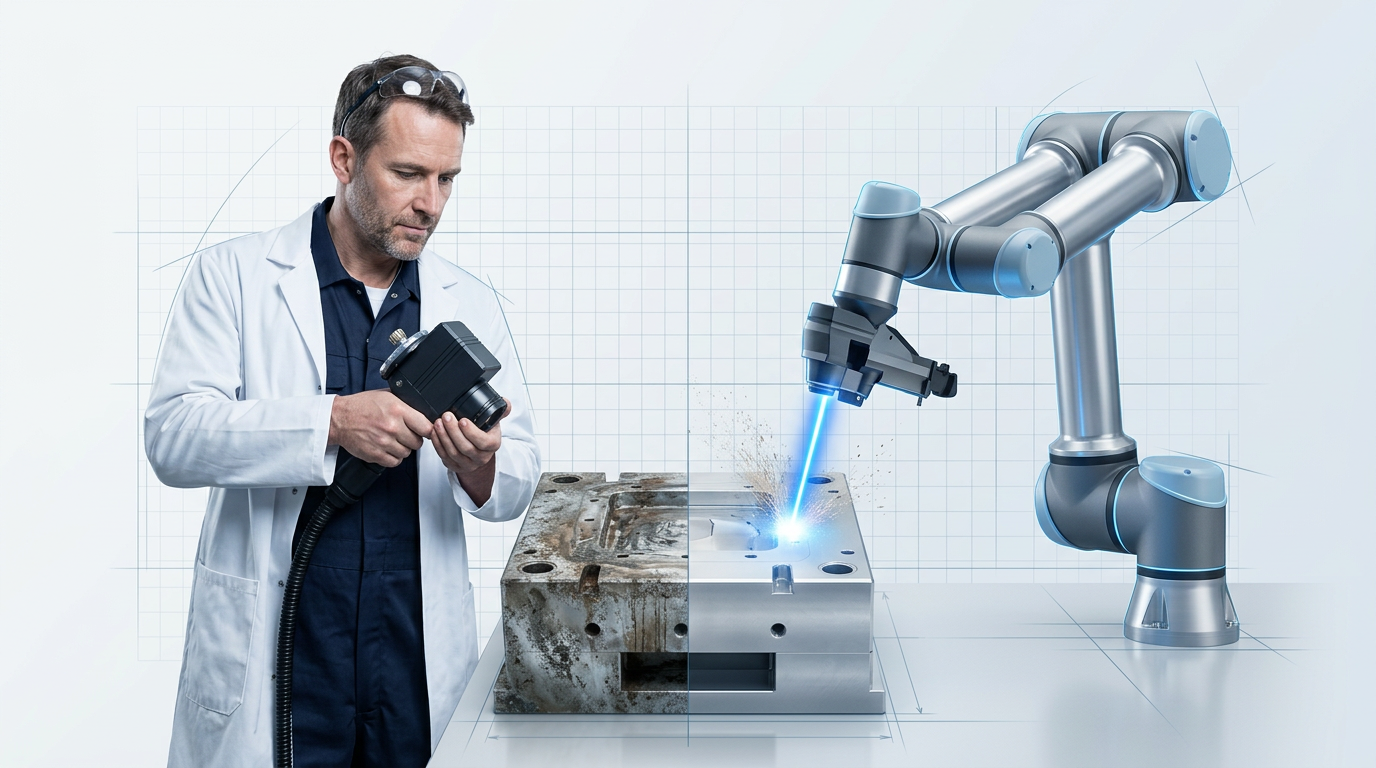
Tooling and Moulds: No Abrasive Wear on Fine Detail
Aluminium mould cavities and tooling surfaces cleared of oxide and release agent residue. Fine mould detail preserved — no abrasive contact, no wear on critical geometry.
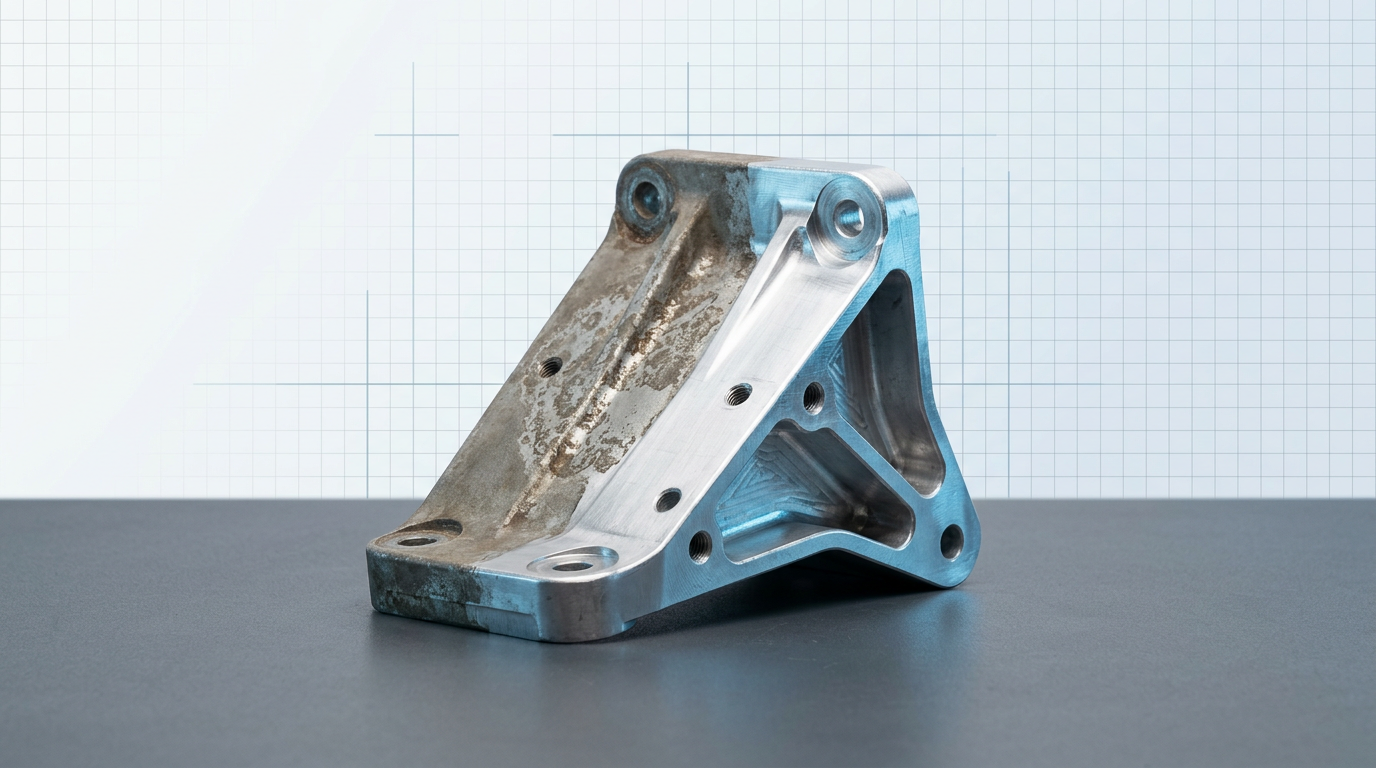
Remanufacturing: Strip Corrosion Before Rebuild or Re-Anodising
Worn aluminium components with corrosion and old coatings stripped before rebuild or re-anodising. Surface restored to base aluminium without dimensional change — ready for next service life.
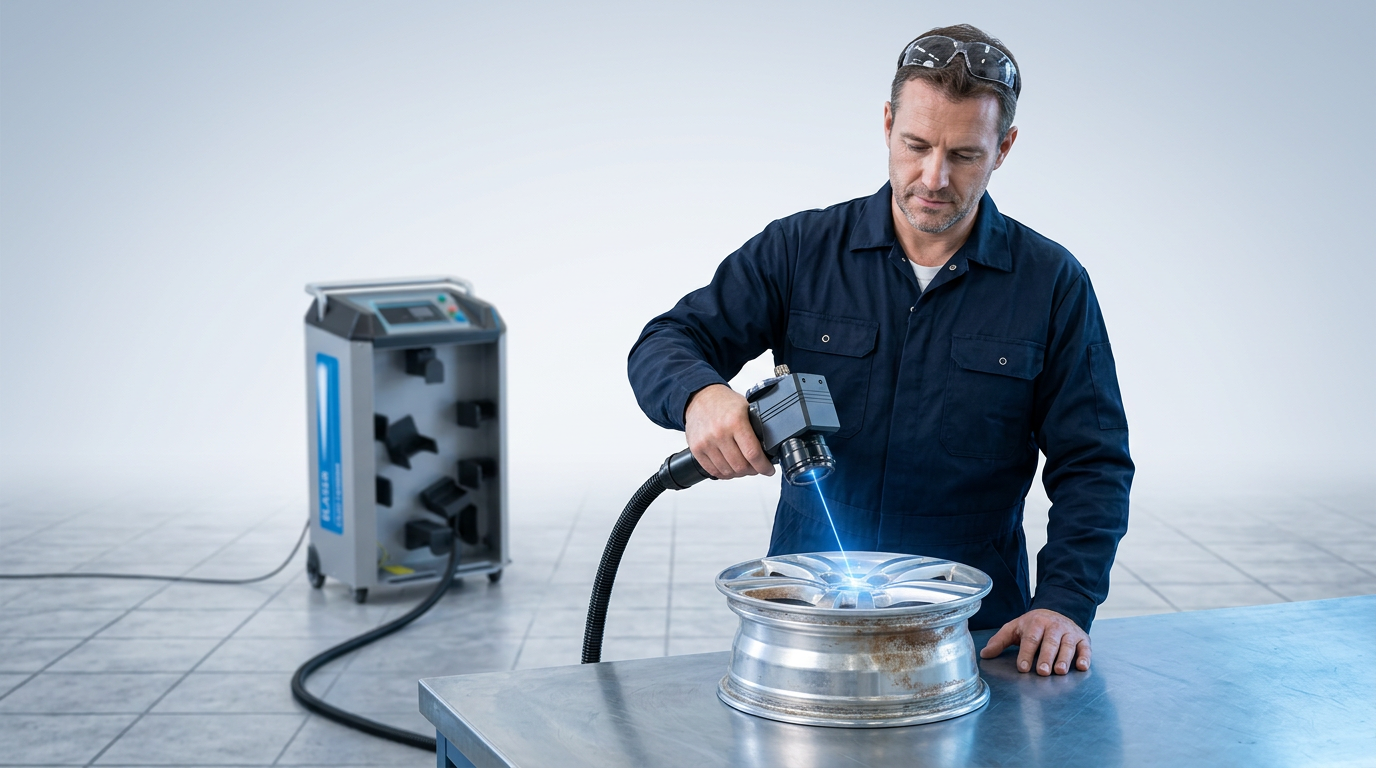
ELASER: Portable Aluminium Oxide Removal, Anywhere On Site
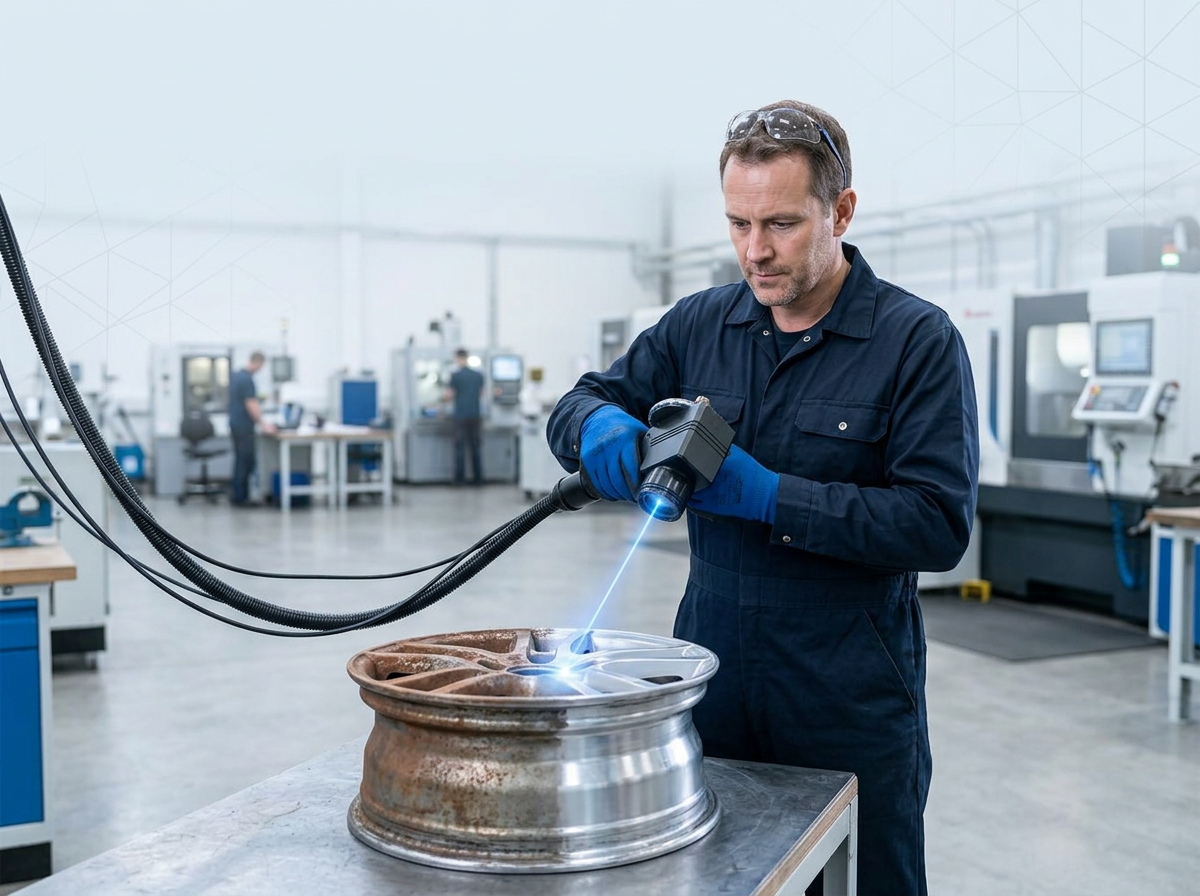
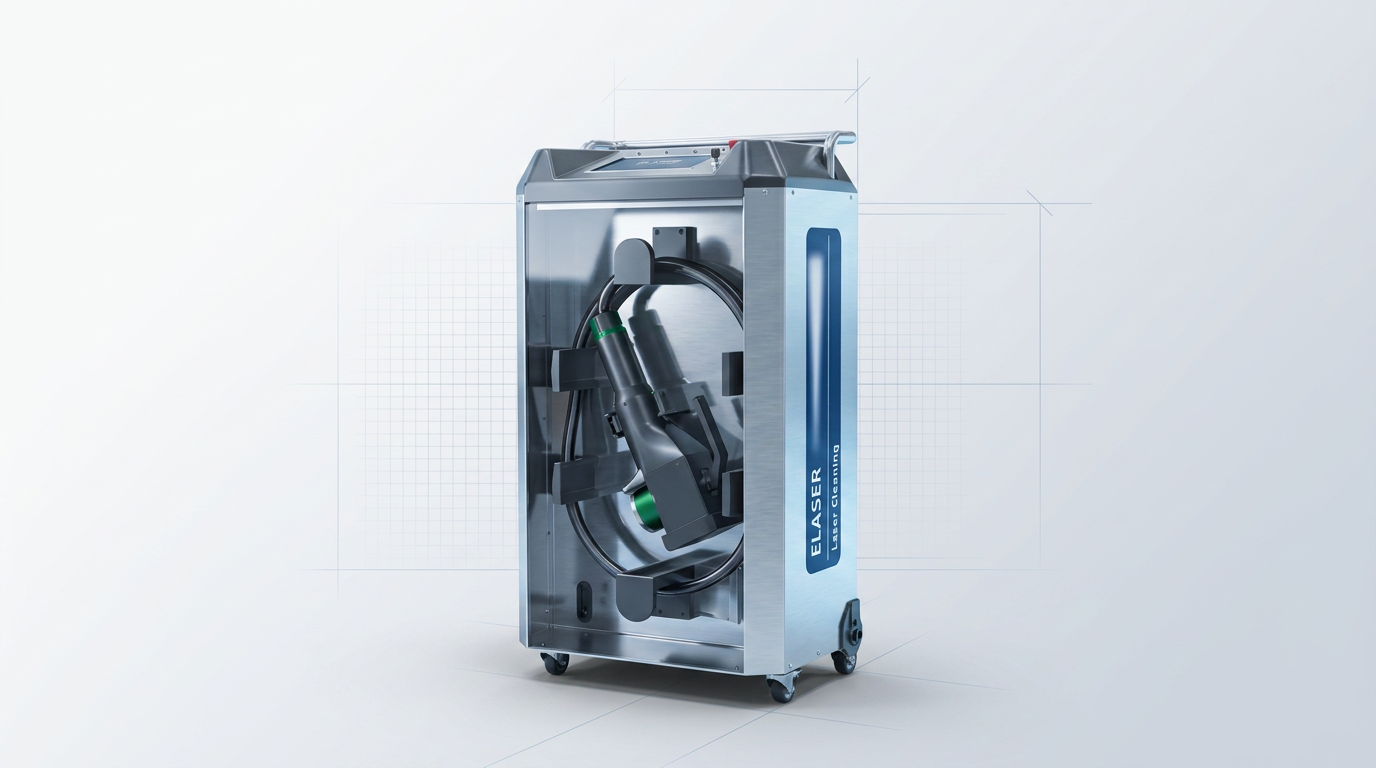
The ELASER-RHZ is the world's only laser cleaner with a reduced hazard zone — WSL's patented technology collapses the laser hazard to a small area around the work, so cleaning runs in open workshops and mixed-use facilities without sealing off the area.
A sub-3 kg handheld scanner with up to 50 m reach means one operator can remove oxidation from aluminium parts anywhere on site. Power tunes 0–100% across a 300 W fibre laser — light surface oxide through tenacious buildup, no retooling.
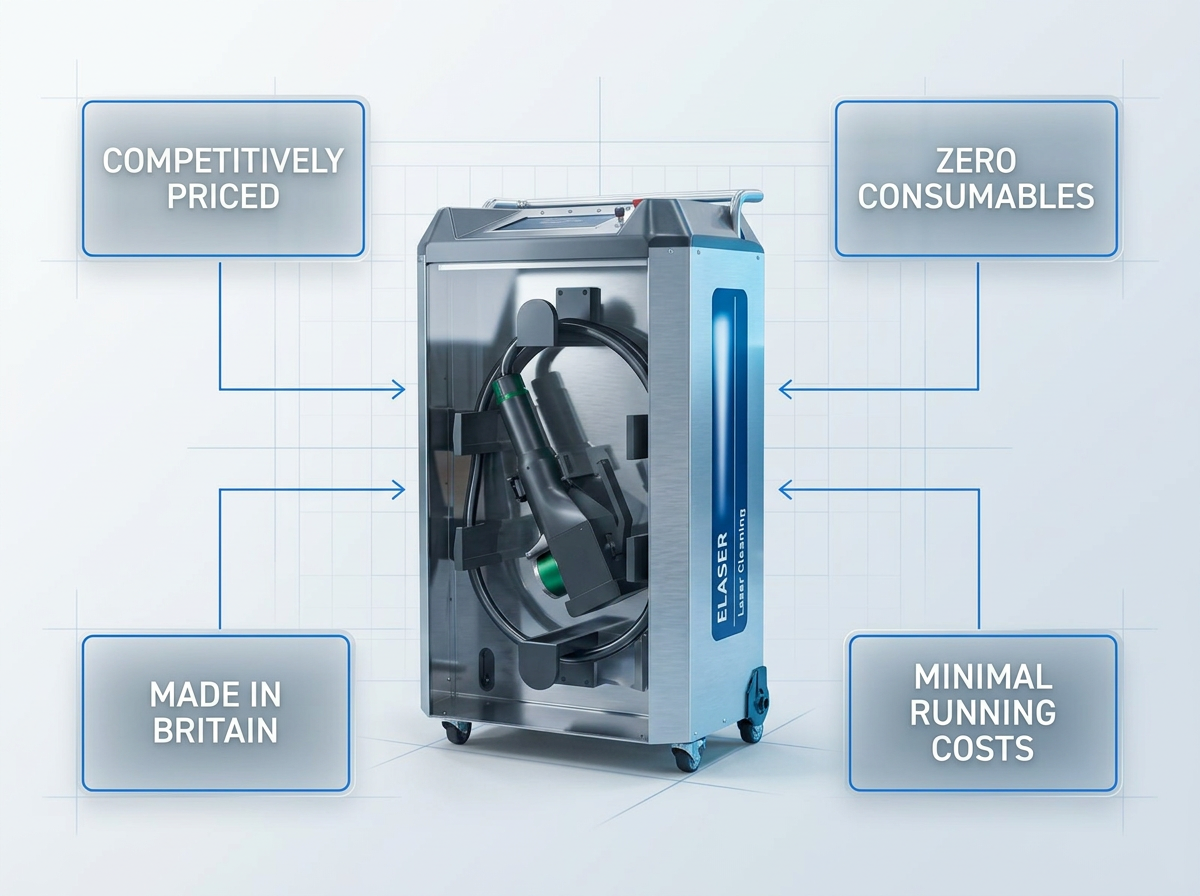
Chemical-free and consumable-free. CE and UKCA certified. Competitively priced, UK-built, with full operator training available.
AutoLASE: Load the Part, Let the System Do the Rest
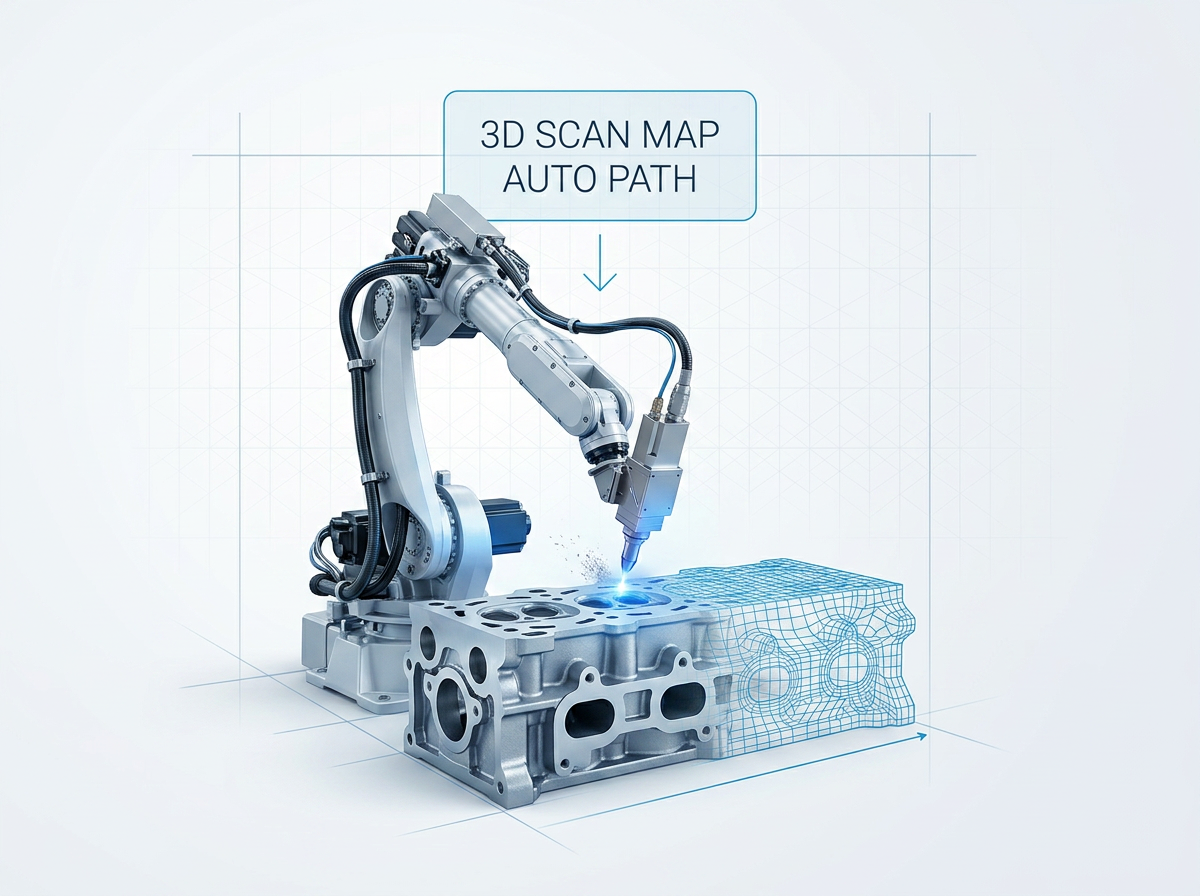
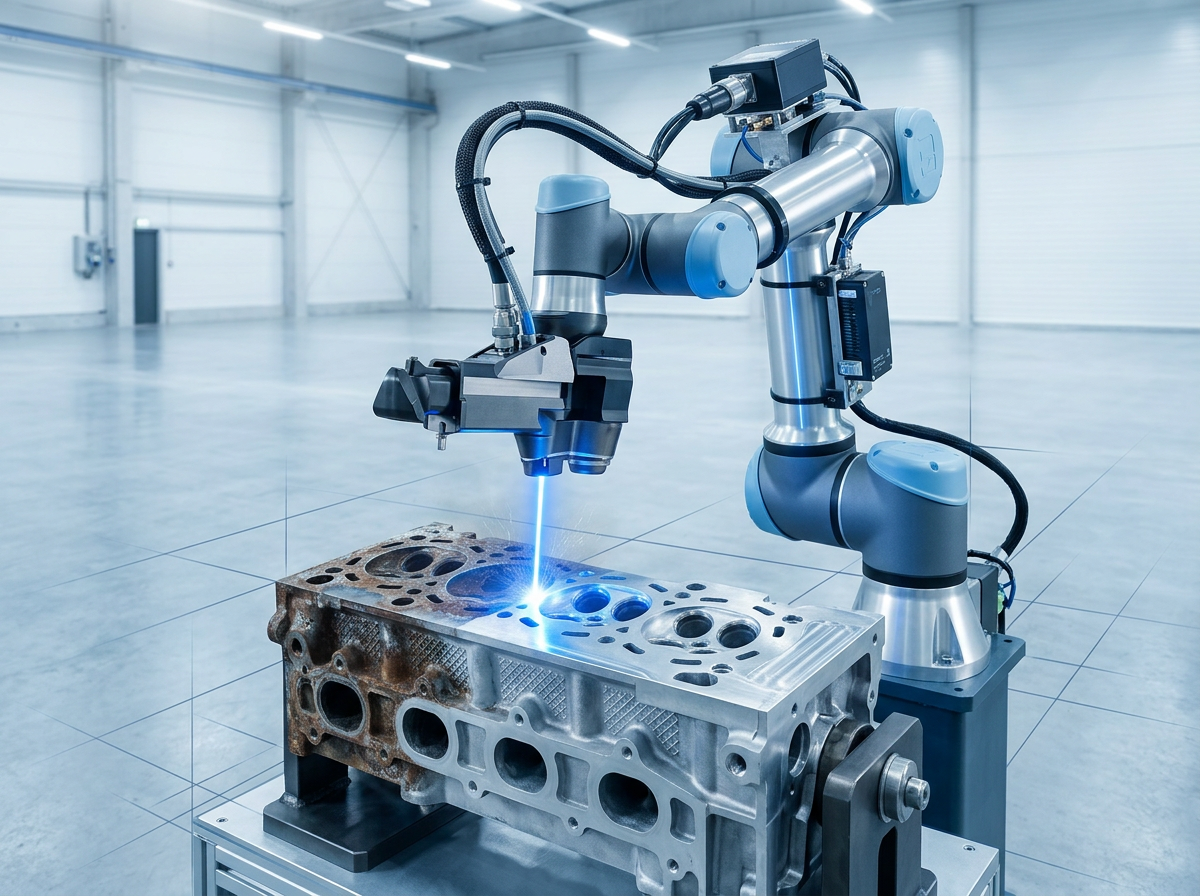
Load an aluminium part and AutoLASE takes over: machine vision scans it, builds a 3D map, and generates the cleaning path automatically. No programming, no path-setting, no knowledge of part geometry required. Anyone can run it.
For production environments, that consistency matters beyond throughput. Every part exits to the same oxide-free standard, every cycle — the variability of manual cleaning across operators and shifts is removed entirely.
An optional RHZ upgrade eliminates the need for an enclosure entirely. WSL's eye-safe Reduced Hazard Zone technology is available nowhere else — no other automated laser cleaner runs without an enclosure.
See the AutoLASE in Full Detail
Load a part, let the system take over. AutoLASE uses machine vision to scan, map, and clean aluminium automatically. No programming required.
ELASER: Portable, Operator-Led
Choose ELASER if your aluminium cleaning work is varied, location-flexible, or operator-directed. A sub-3 kg handheld scanner with up to 50 m cable reach means one person can clean across a workshop or on site — no fixed cell required.
The ELASER-RHZ adds WSL's patented reduced hazard zone: the laser hazard collapses to the immediate work area, so cleaning runs in open workshops and mixed-use facilities without sealing off the space. No other laser cleaner offers this.
AutoLASE: Automated Production Cleaning
Choose AutoLASE if your work is repetitive, volume-driven, or production-integrated. Load an aluminium part and the system takes over: machine vision builds a 3D map and generates the cleaning path automatically. No programming, no path-setting — anyone can run it.
Every part is cleaned to the same standard, every cycle. AutoLASE integrates with your existing robots or is supplied as a complete custom cell. With the optional RHZ upgrade, it operates without an enclosure — a capability no other automated laser cleaning system can offer.
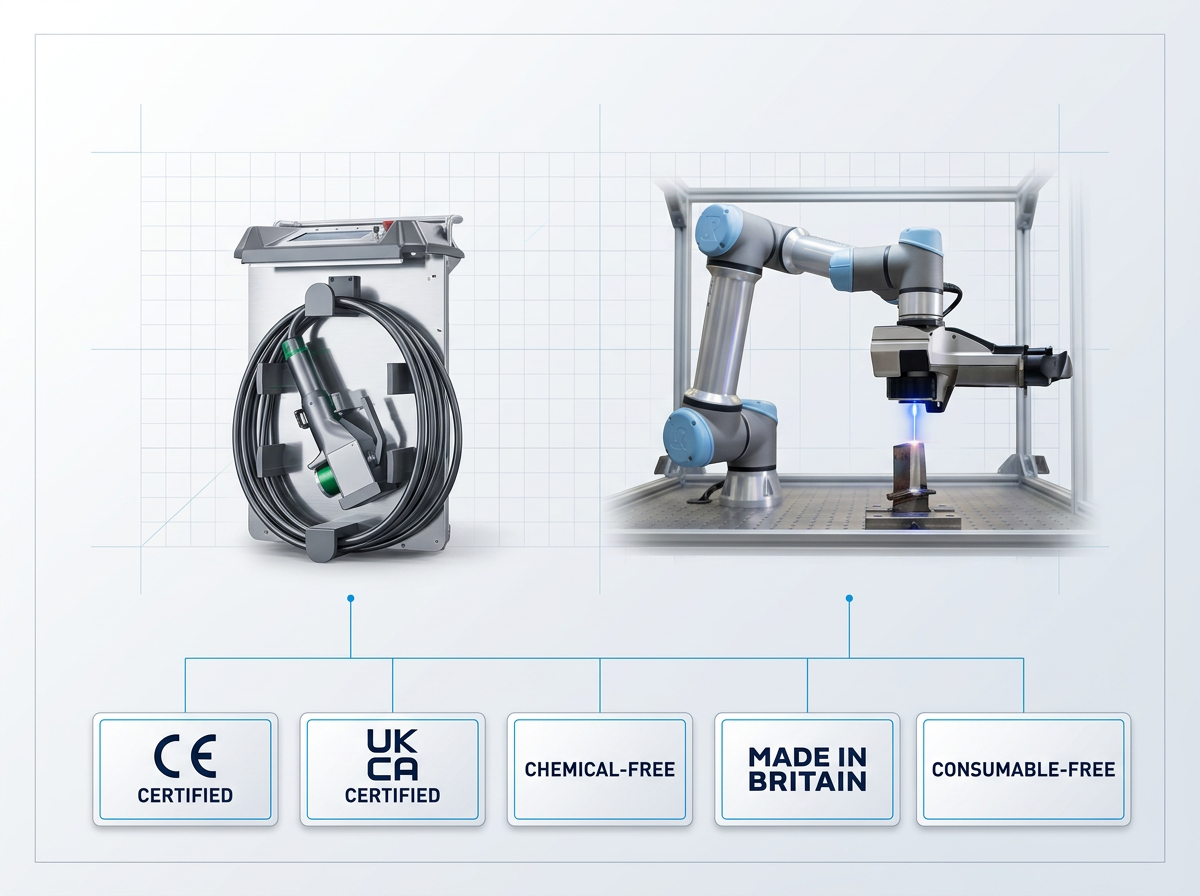
Shared Across Both Systems
Both ELASER and AutoLASE are chemical-free and consumable-free, CE and UKCA certified, and competitively priced — WSL is the European cost leader in industrial laser cleaning.
Both are designed and built in Britain by WSL, the only UK-based laser cleaning manufacturer. Full training and support come directly from the team that built the machine.
Unsure? Talk to WSL
If your application sits between the two profiles — or you're not yet certain which deployment mode fits — WSL's engineers can assess your specific aluminium cleaning requirements and recommend the right system. There's no obligation; it's an expert conversation about your parts and your process.
Hidden Costs Scale With Every Job
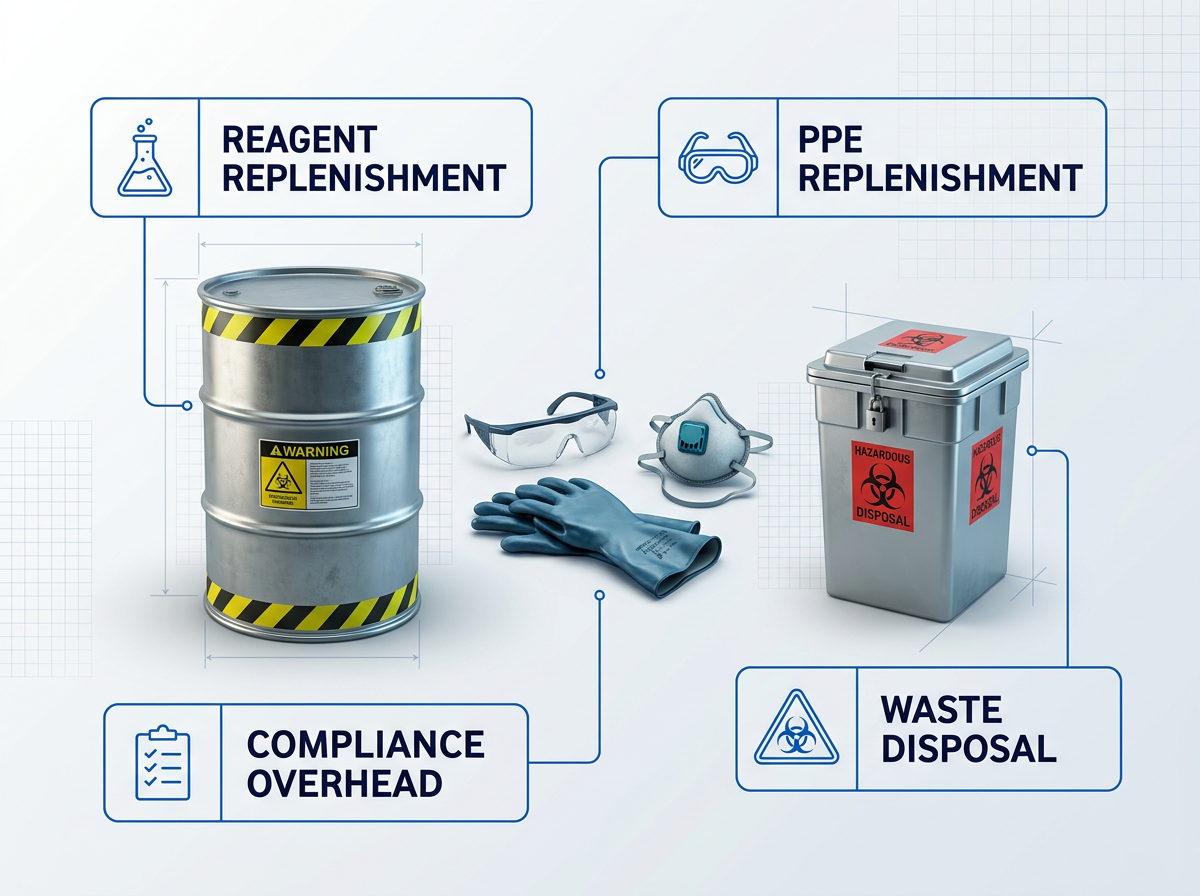
Acid and alkaline chemical cleaning looks inexpensive at point of purchase. The real cost structure is different: reagent replenishment, neutralisation agents, PPE, and hazardous waste disposal all recur with every cleaning cycle.
Buyers typically compare a laser cleaner against a drum of acid — not against the cumulative cost of acid, PPE, disposal, and compliance overhead across years of operation. That comparison systematically underweights what chemical cleaning actually costs to run.
Media, Dust, and the Rework Problem
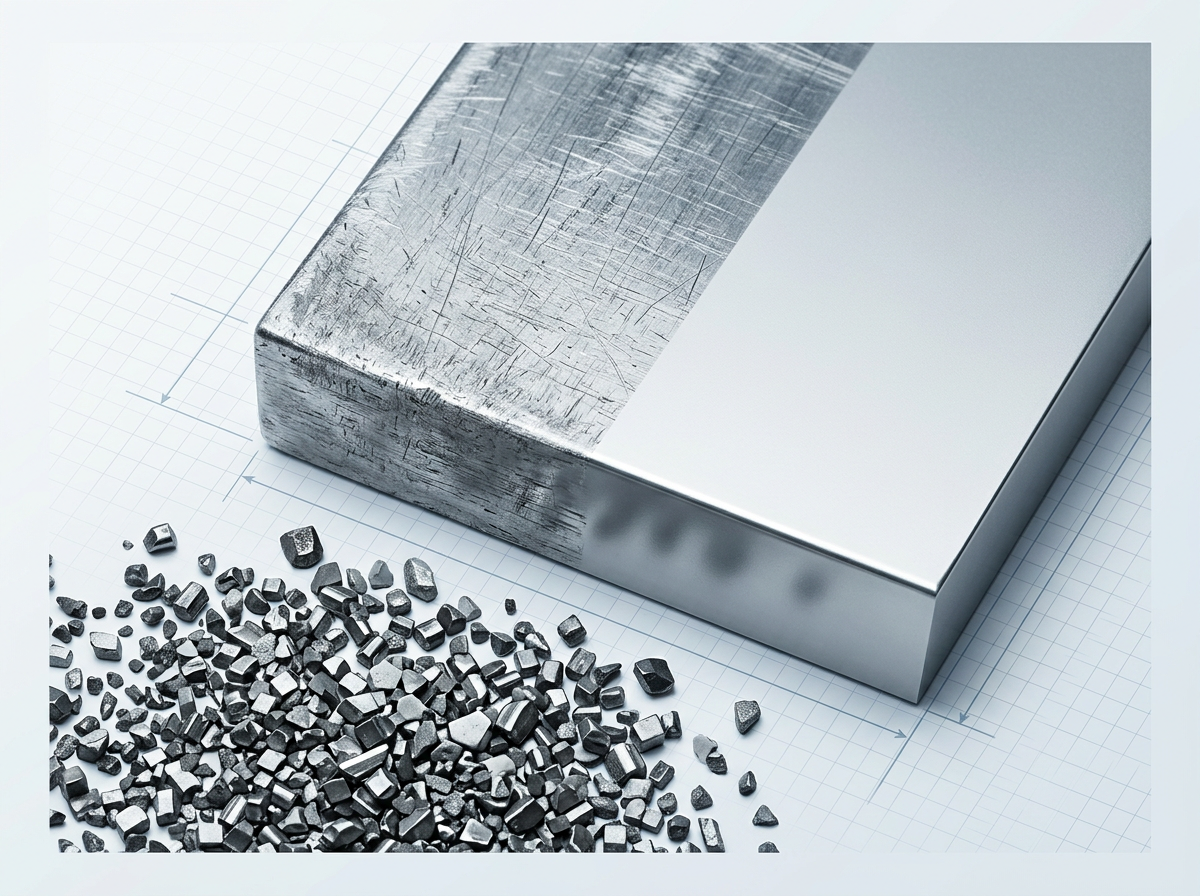
Abrasive cleaning carries media costs, dust containment, and cleanup labour on every job. But the cost that rarely appears in a per-job calculation is rework.
Because abrasive methods cannot distinguish between oxide and base aluminium, a proportion of parts require remediation or are scrapped — anodised layers destroyed, surfaces roughened beyond tolerance. That rework cost is invisible in the media price but very visible in the total cost of running an abrasive cleaning operation on aluminium.
Electricity Only. Nothing Else.
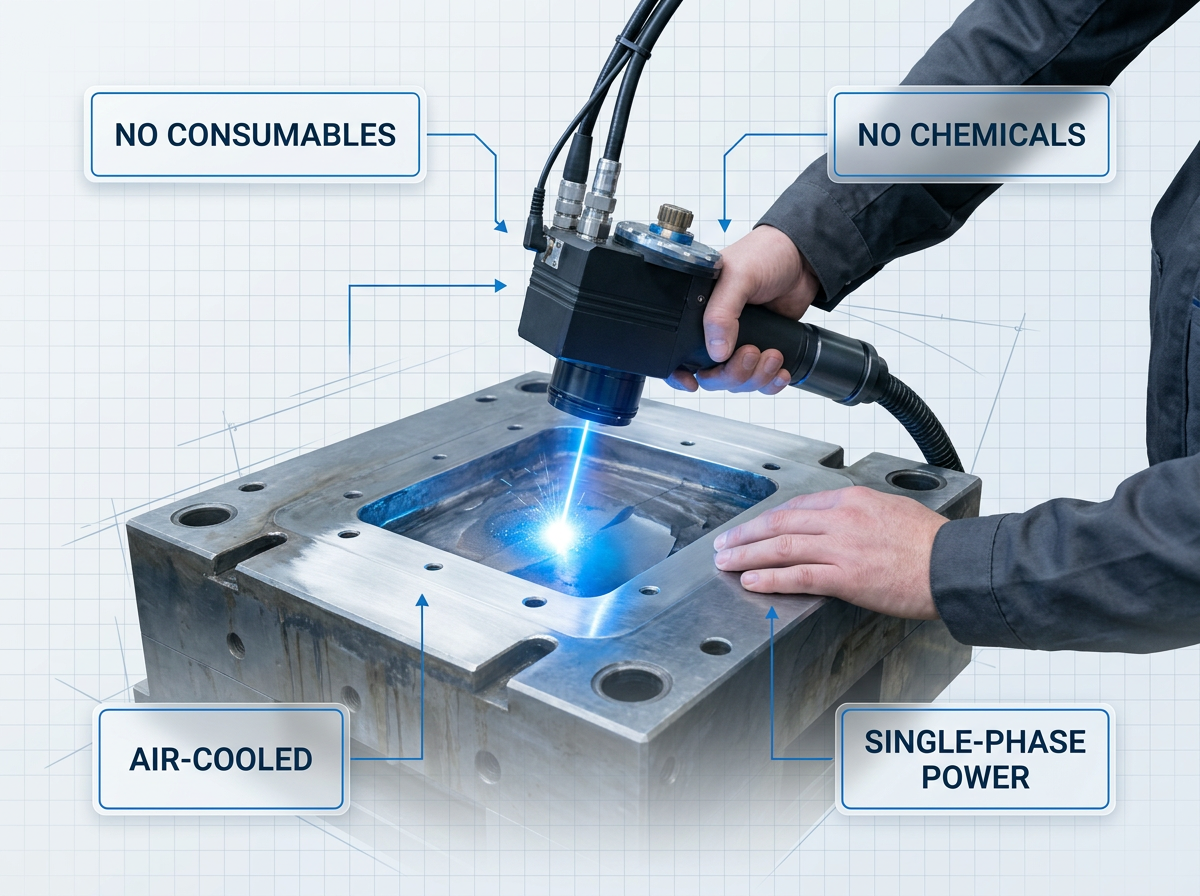
Once the machine is in operation, the running cost of laser cleaning is electricity alone. No consumables, no media, no chemical disposal, no PPE replenishment. Both ELASER and AutoLASE are air-cooled and consumable-free, running on standard single-phase power under 2000 W.
The machine is the cost. The daily running is minimal. For operations removing aluminium oxidation regularly, that cost structure compounds in your favour with every cleaning cycle.
Fewer Parts Remediated, Less Waste
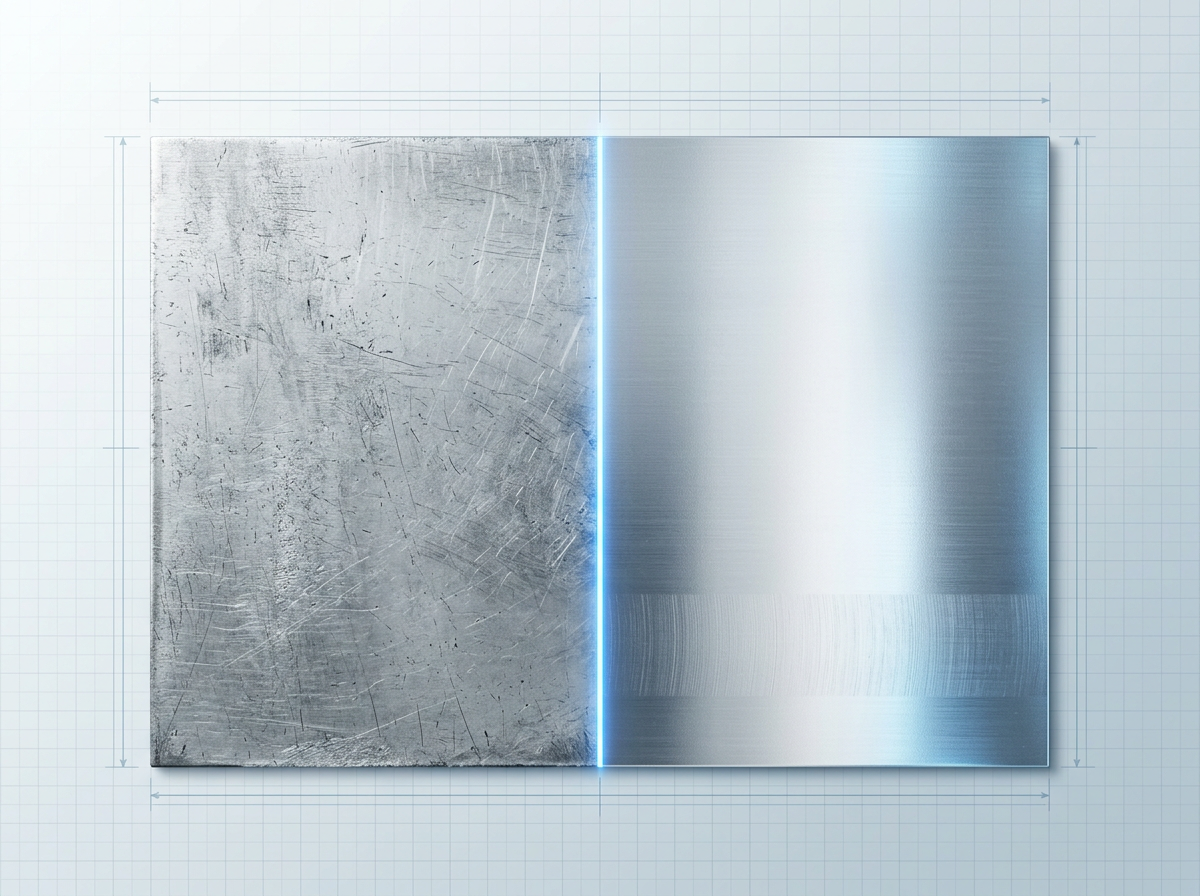
Because the laser beam stops at the base aluminium, cleaned parts leave the process with their substrate intact. No anodised layer destroyed, no surface roughened beyond tolerance. The rework rate drops because the cleaning method itself does not create the damage that requires remediation.
Setup overhead is lower too: no masking, no containment, no soak-and-rinse cycle. The total cost of a cleaning job includes setup, teardown, and rework — laser cleaning compresses all three.
Competitive Pricing, Minimal Running Costs
ELASER and AutoLASE are competitively priced among comparable industrial laser cleaners — achieved through WSL's in-house manufacturing efficiency, not by reducing capability.
Set that against the ongoing cost of chemical replenishment, abrasive media, disposal, and rework across years of regular aluminium cleaning work. For operations running at any meaningful volume, the total cost of ownership shifts decisively in favour of laser cleaning. The economics are not a trade-off — they are the argument.
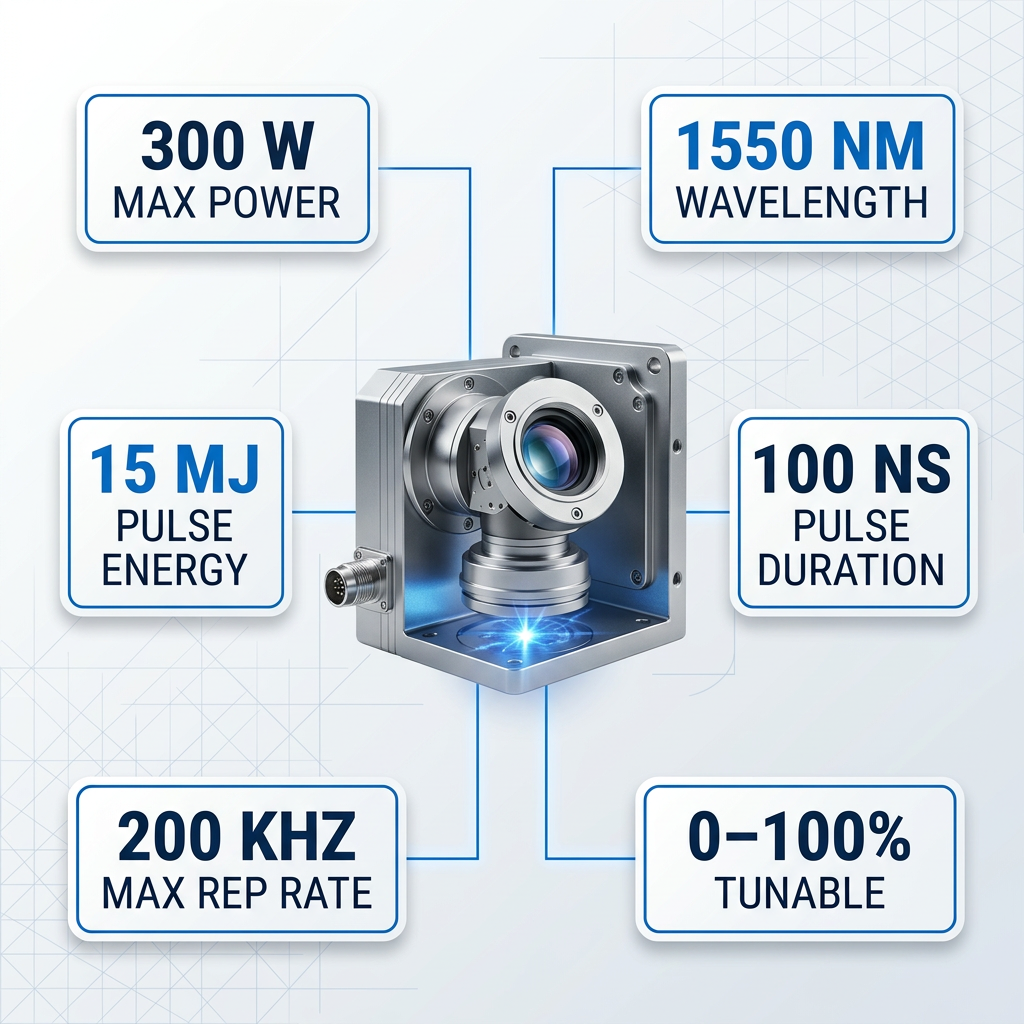
Laser & Power Output
Max power: up to 300 W. Wavelength: 1550 nm — the physical basis for the ELASER-RHZ's reduced hazard zone capability. Pulse energy: up to 15 mJ. Pulse duration: 100 ns. Pulse repetition rate: adjustable up to 200 kHz (CW). Power tunability: 0–100%, spanning light aluminium oxides through to thick coatings on a single machine.
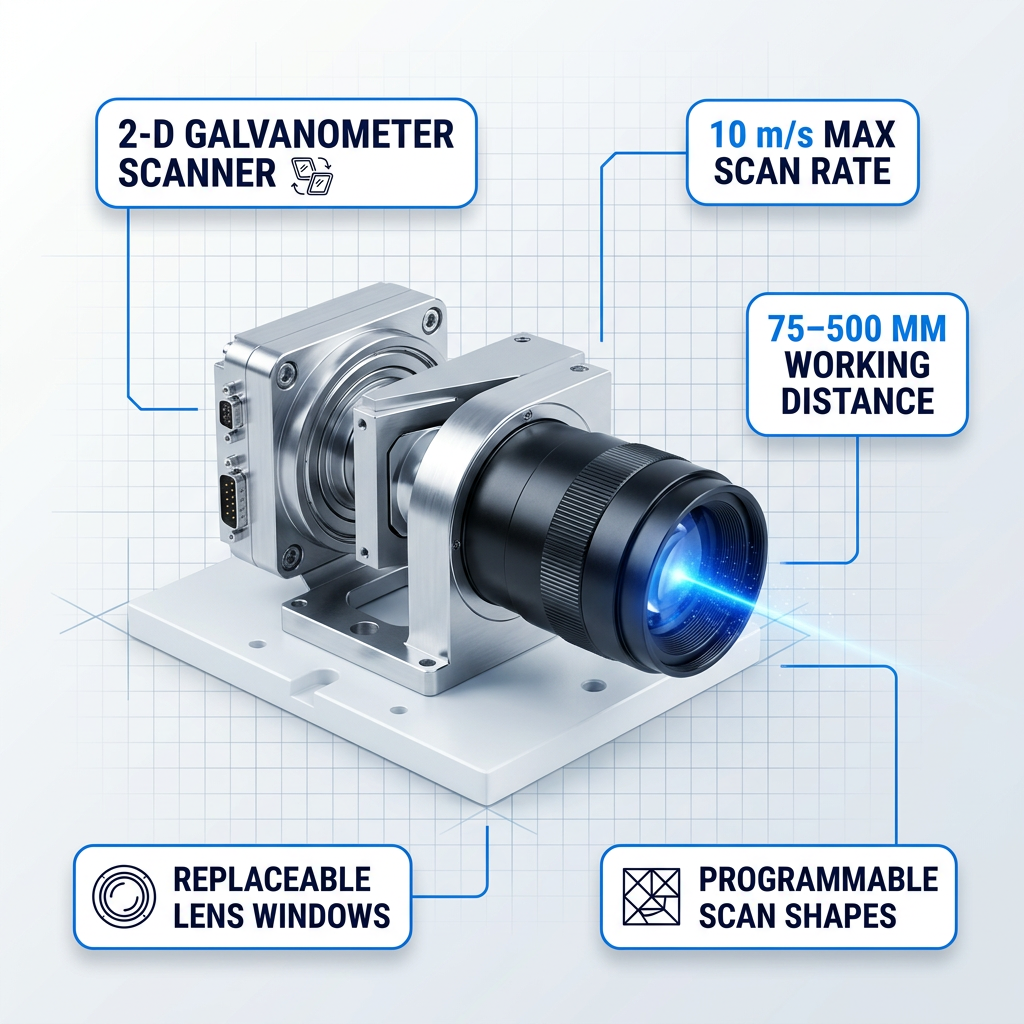
Scanning & Optical Setup
Scanner: 2-D galvanometer with a max scan rate of 10 m/s. Scan shapes are fully programmable via the touchscreen GUI. Lenses: interchangeable F-Theta with a working distance range of 75–500 mm. Lens-protection windows are included as standard and are field-replaceable.
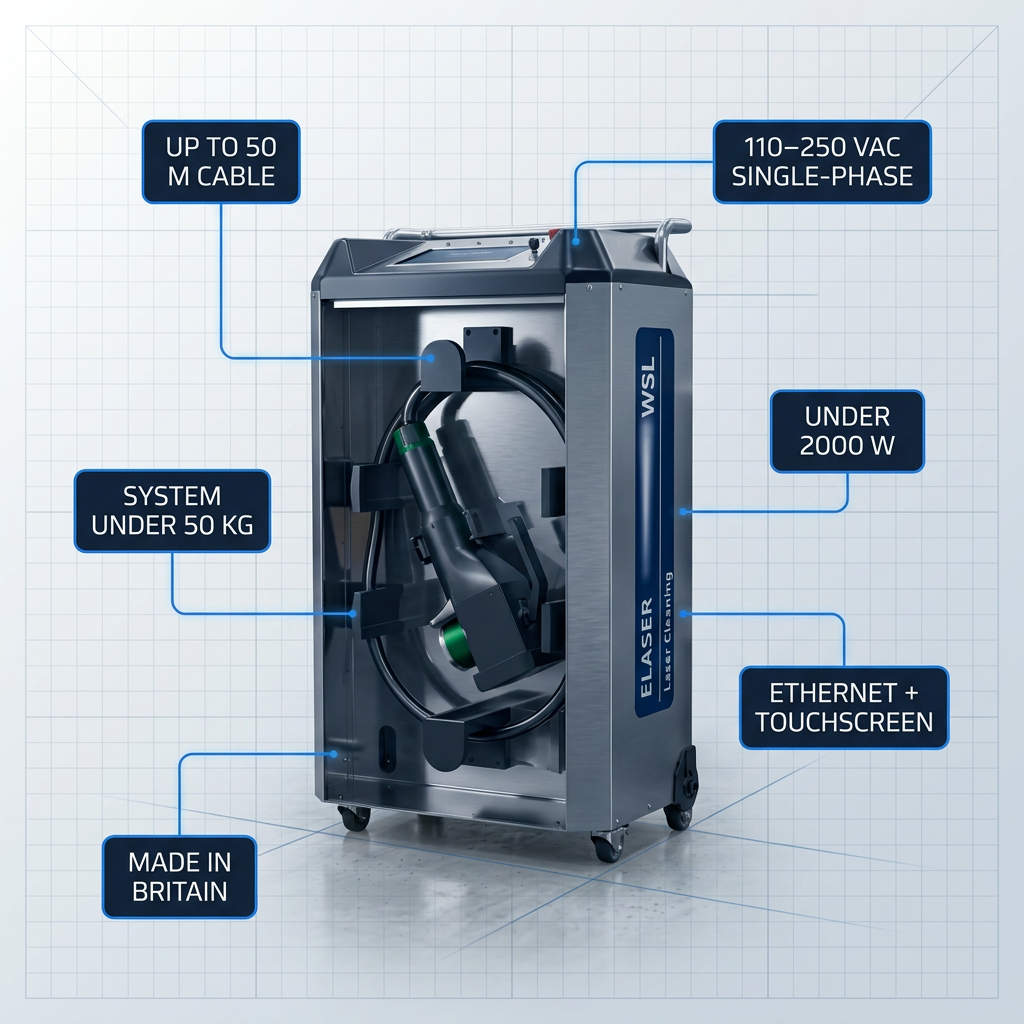
System & Connectivity
Delivery cable: up to 50 m (5 m and 15 m standard lengths). Power supply: 110–250 VAC single-phase. Power consumption: under 2000 W. Interface: Ethernet + touchscreen. Manufacture: Made in Britain. ELASER-specific: handheld scanner under 3 kg; complete system under 50 kg, wheeled. AutoLASE mounts the cleaning head on a robotic arm — the sub-3 kg handheld weight is not applicable in that configuration.
Certifications & Laser Class
Both ELASER and AutoLASE carry CE and UKCA certification. Laser class is available as Class IV or Class I depending on configuration. The 1550 nm wavelength is the physical basis for the ELASER-RHZ's reduced hazard zone — it is the property that enables WSL's patented technology to confine the laser hazard to a small area around the work, making cleaning practical in open and mixed-use facilities.
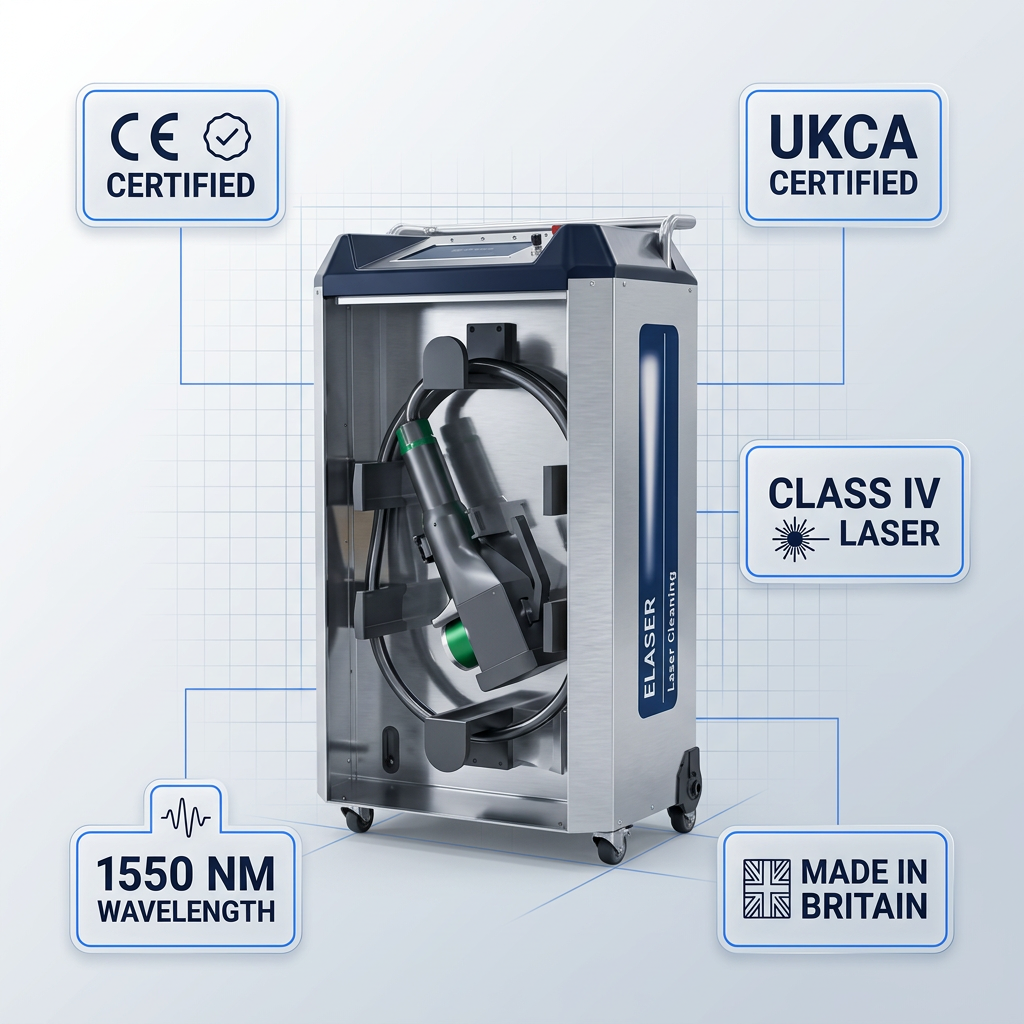
Bespoke Integration Available
If your application has specific integration, process, or configuration requirements, WSL's engineering team is the right starting point. Bespoke engineering is available for both ELASER and AutoLASE. Get in touch to discuss what you need — the team will work through your requirements directly.
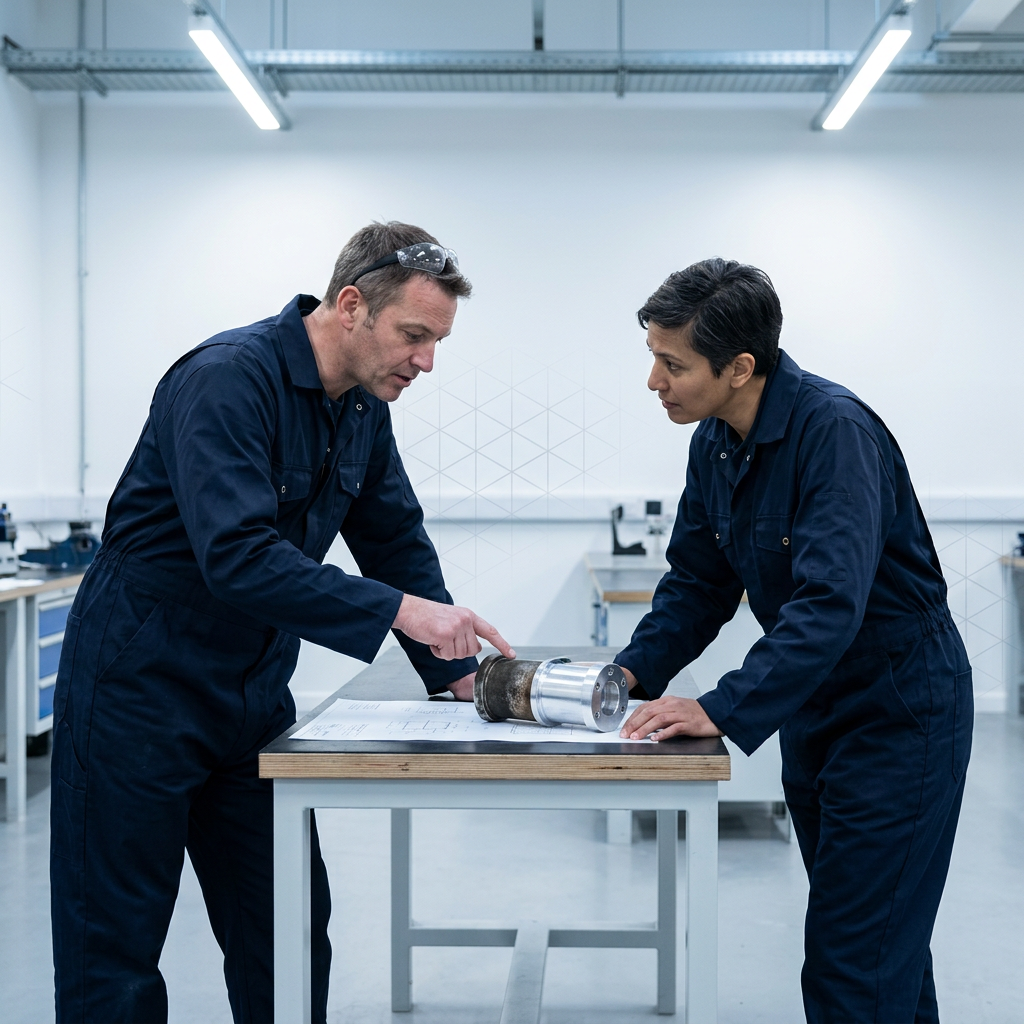
The UK's Only Laser Cleaning Manufacturer
WSL is the only UK-based laser cleaning manufacturer — founded in 2012, designing, building, supporting, and improving every machine in-house. With 200+ years of combined engineering experience and patented world-first technology, this is genuine manufacturing depth, not assembly.
Many laser cleaning suppliers are resellers rebadging third-party machines. That means no in-house engineering when problems arise — slower fixes, slower spares, no real ability to improve the product.
Both ELASER and AutoLASE carry CE and UKCA certification and are available with bespoke engineering for specific requirements.
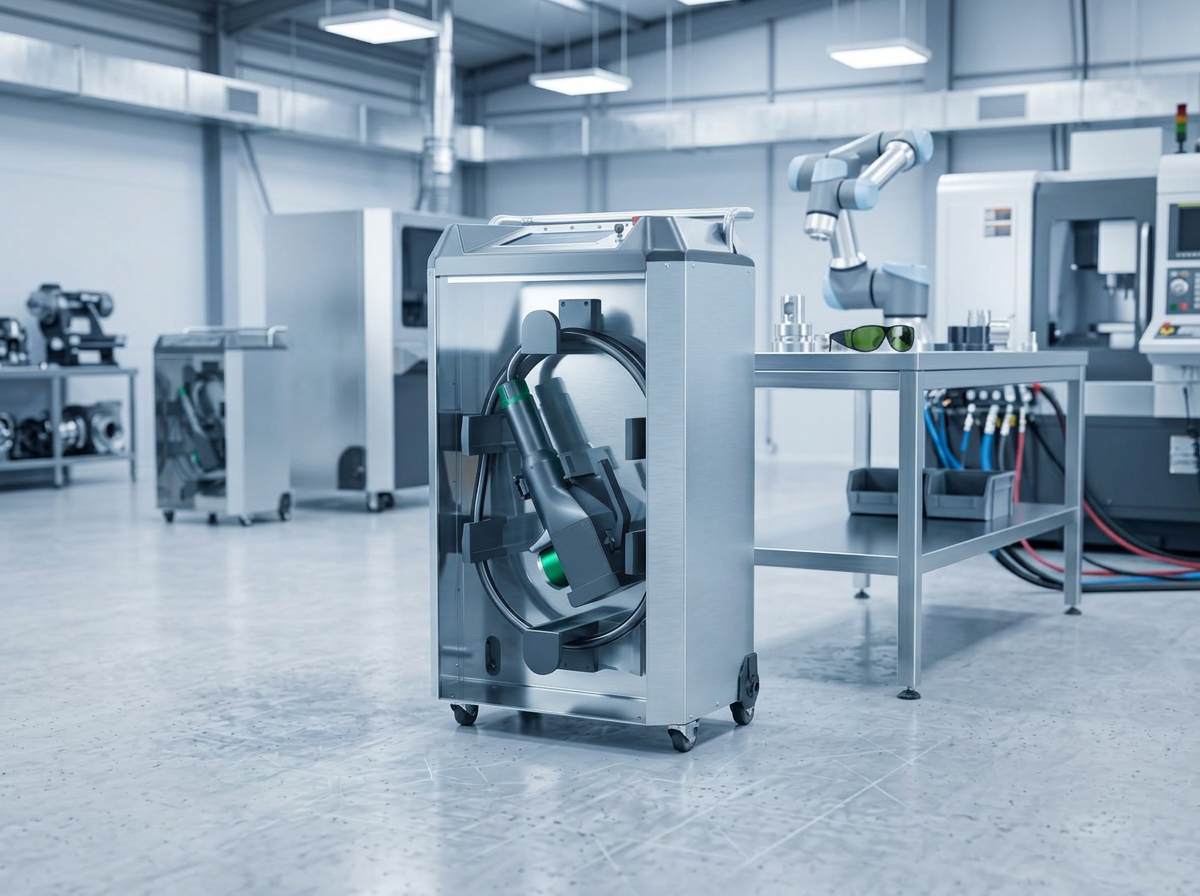
Safe to Operate in Open Workshops and Facilities
Conventional laser cleaning requires the surrounding area to be sealed off and evacuated before work begins. The ELASER-RHZ removes that barrier entirely: WSL's patented, world-first technology confines the hazard to a small area around the work itself, so cleaning continues in open-plan and mixed-use facilities without shutting the area down.
Both ELASER and AutoLASE carry CE and UKCA certification, classified under the IEC 60825-1 framework. WSL also provides first-class operator training — so your team gets the most from the machine from day one.
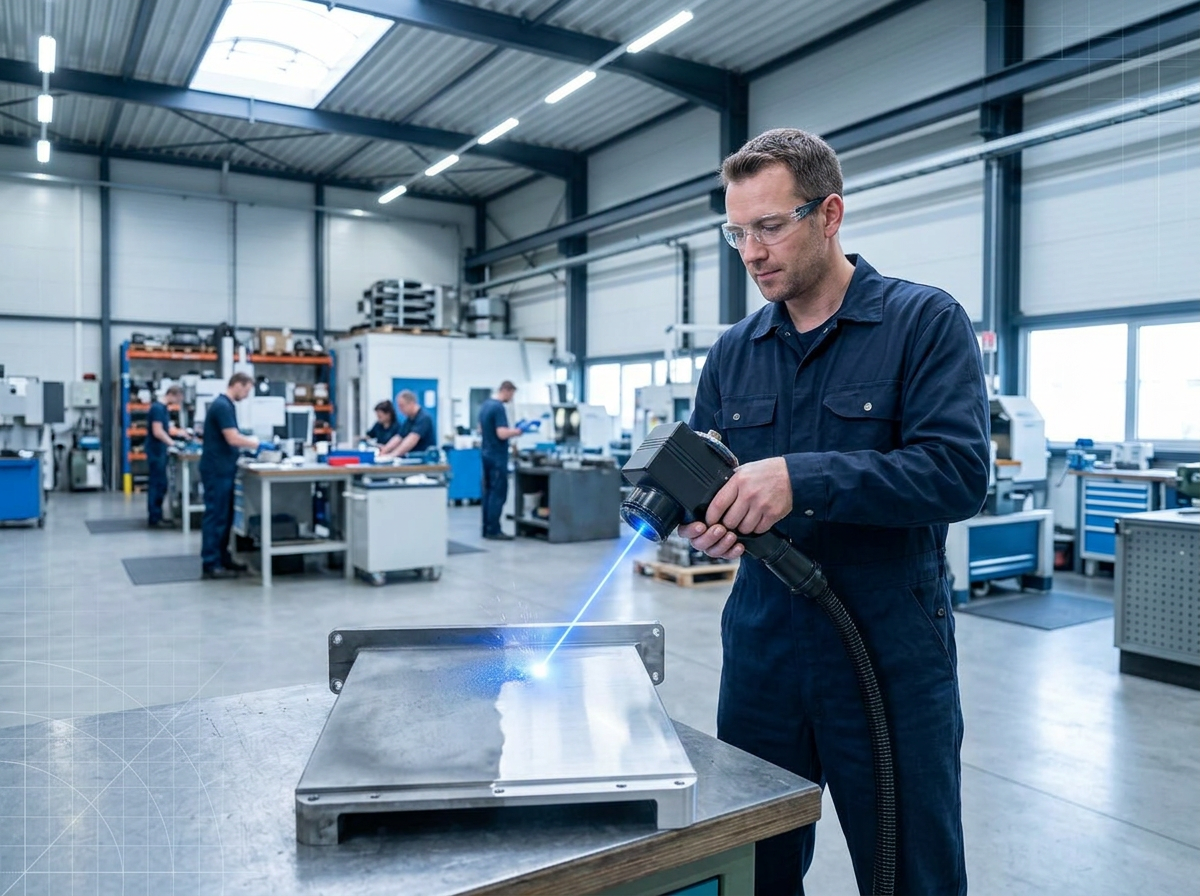
What Sets WSL Laser Cleaning Apart
Six reasons why WSL is the right choice — from world-first safety technology and zero consumables to UK-built engineering and competitive pricing.
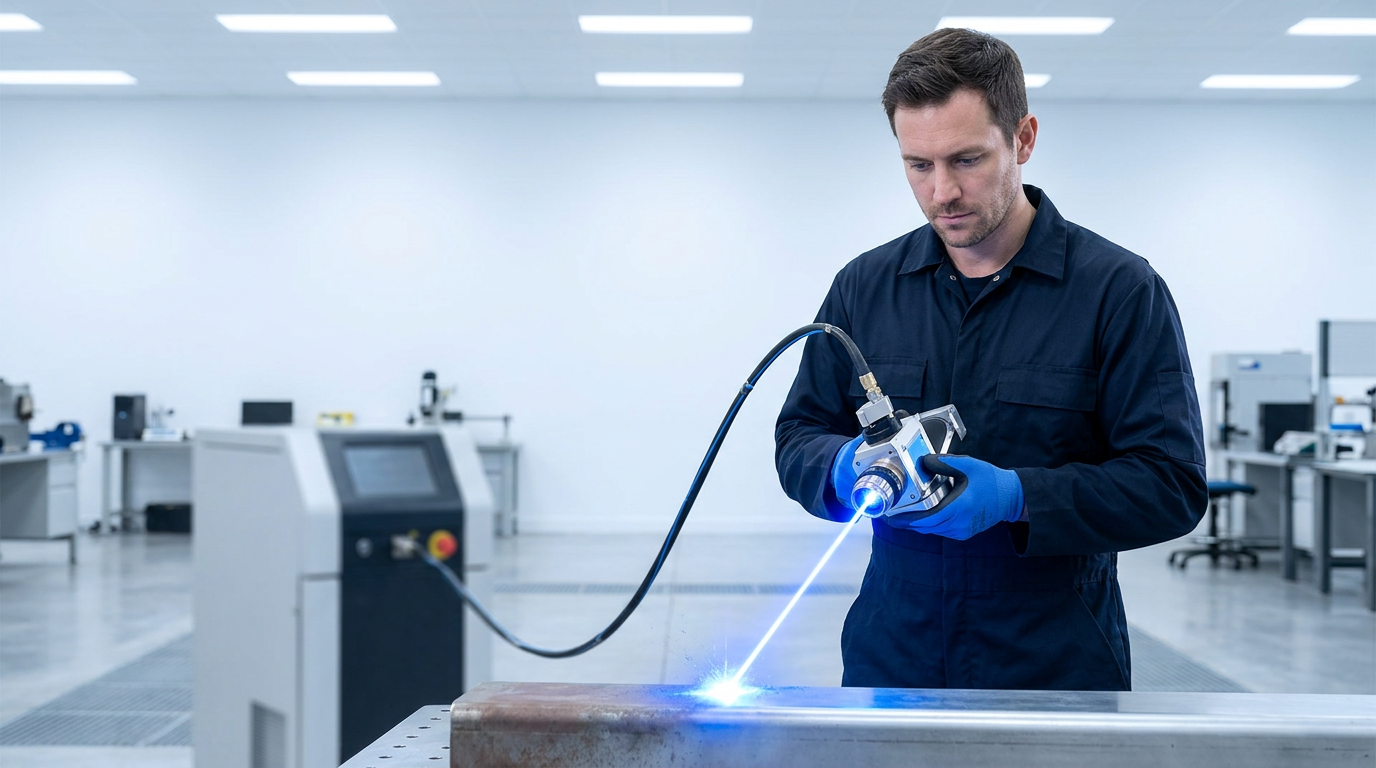
World-First Reduced Hazard Zone Technology
WSL's patented RHZ is the only laser cleaner enabling open-workshop cleaning worldwide.
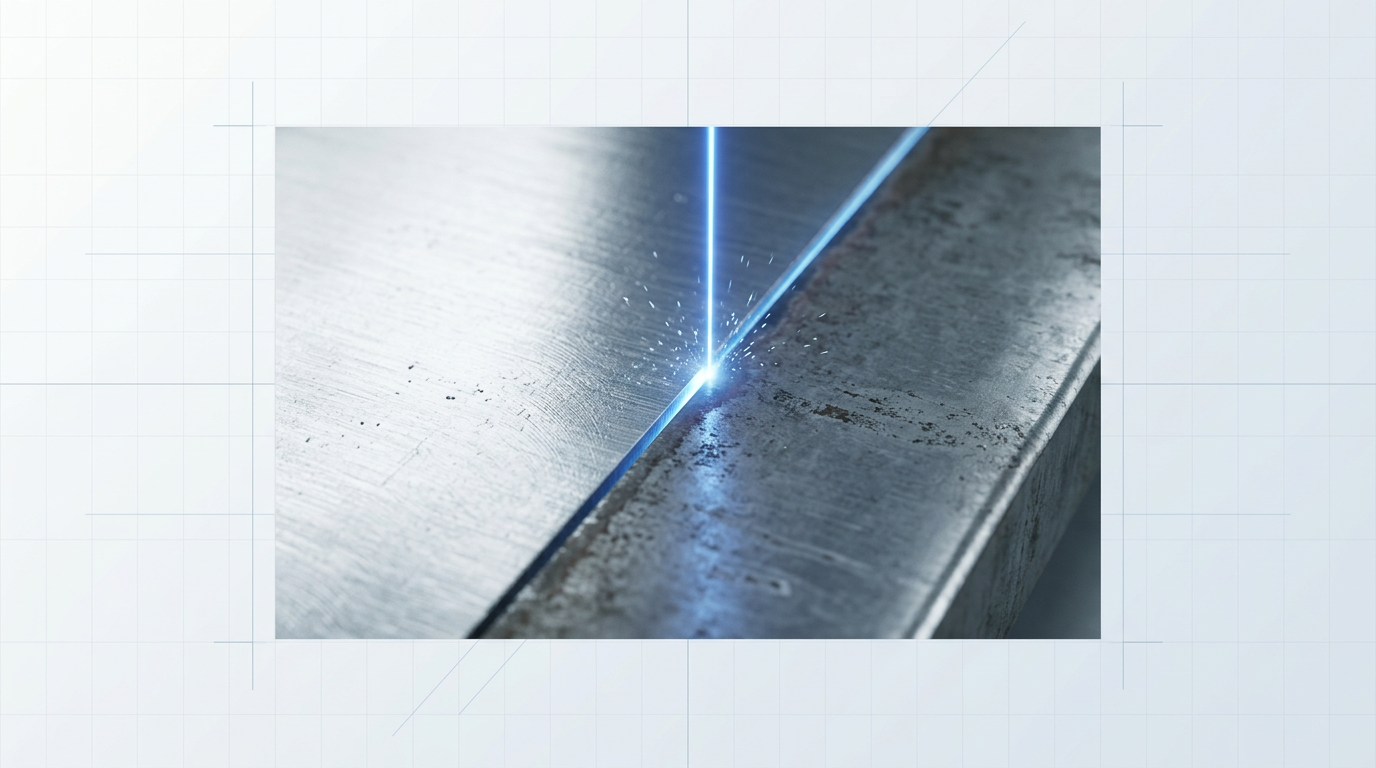
The Beam Stops at the Base Aluminium
Oxide removed, substrate preserved. Minimal material loss by design, less rework.
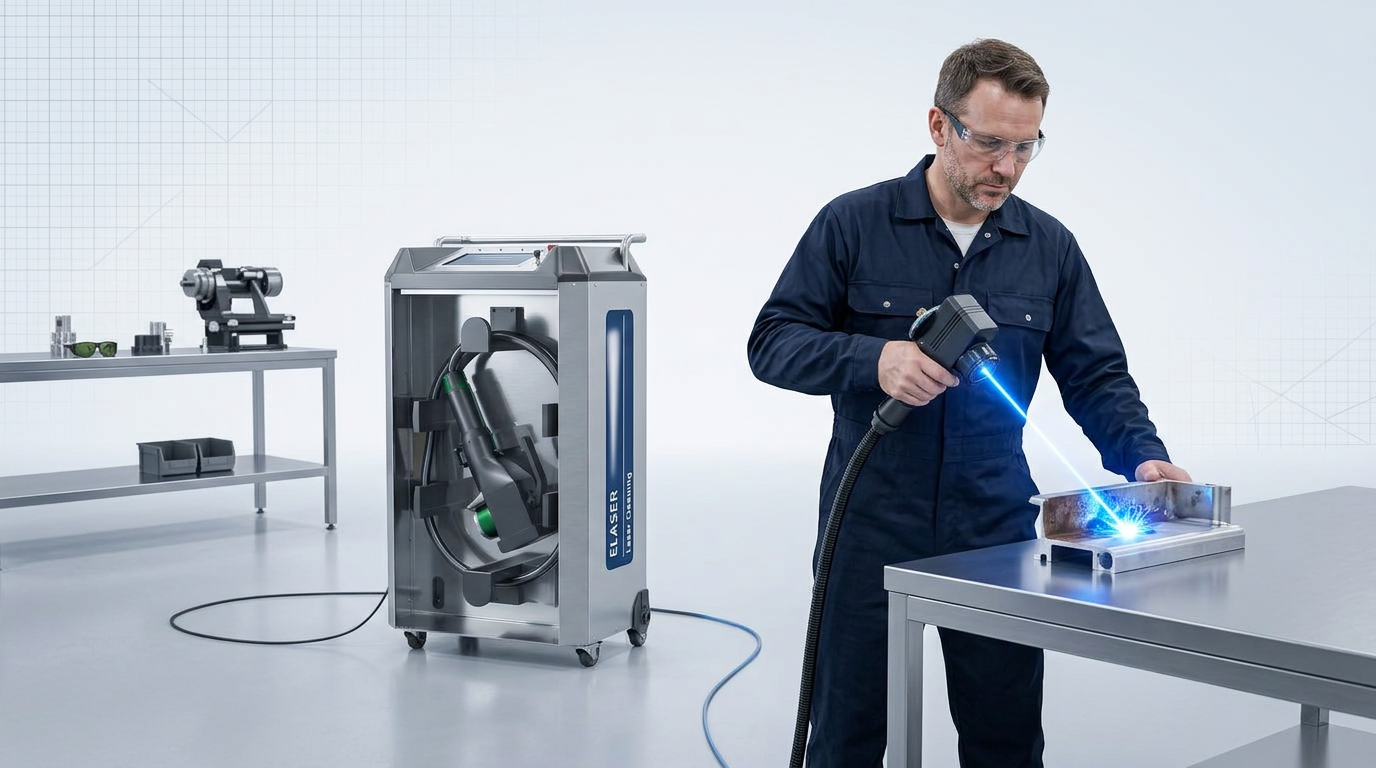
Runs on Electricity Alone — Zero Consumables
No chemicals, no abrasive media, no consumable spend, no hazardous waste disposal.
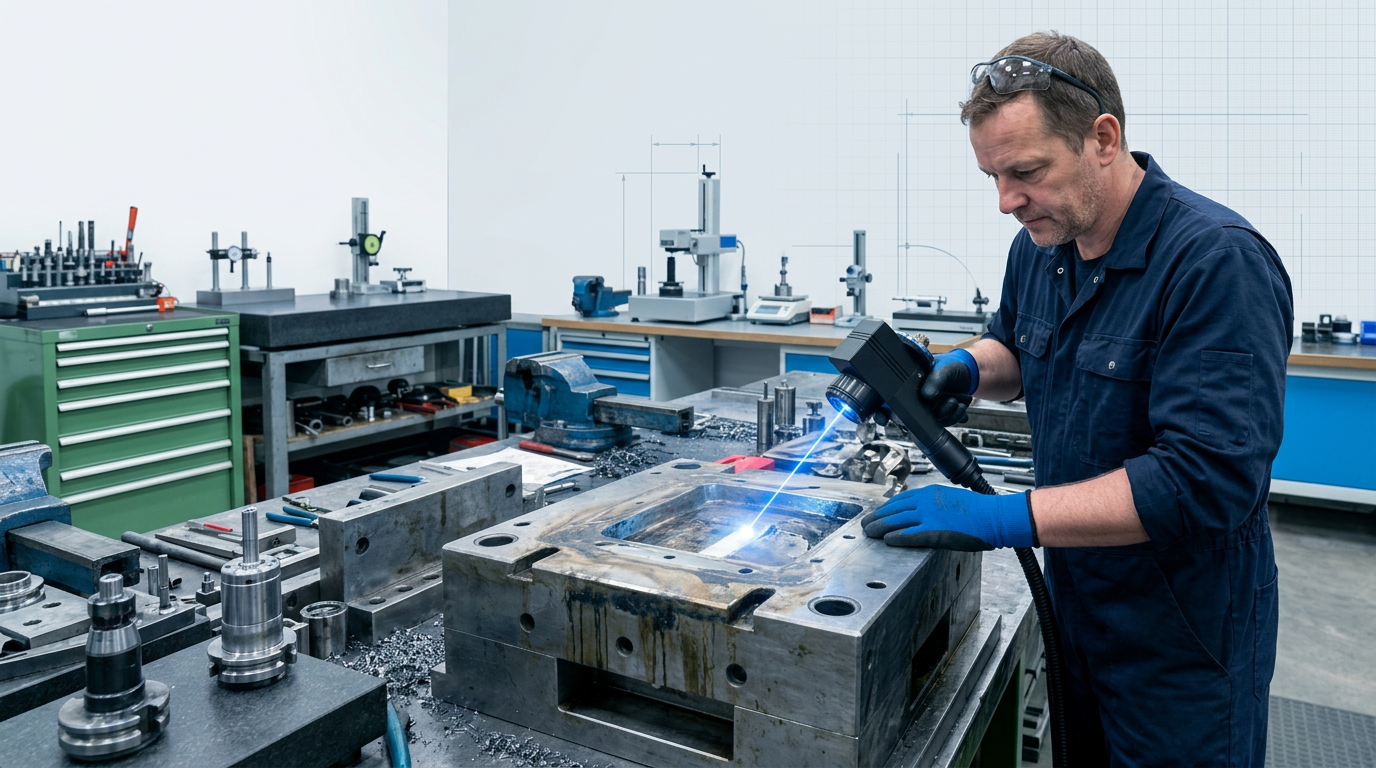
Designed, Built, and Supported in Britain
The only UK laser cleaning manufacturer — in-house engineering, no reseller supply chain.
Portable and Automated — Both From One Manufacturer
ELASER for operator-led work. AutoLASE for production. Same quality, one manufacturer.
Europe's Most Competitive Industrial Laser Cleaner Pricing
Competitive pricing achieved through manufacturing efficiency, not quality compromise.
Frequently Asked Questions: Laser Cleaning for Aluminium Oxidation
Practical answers for buyers evaluating laser cleaning as a method to remove oxidation from aluminium — covering product selection, application fit, and common chemistry questions.
The ELASER-RHZ collapses the laser hazard zone to a small area immediately around the work, so cleaning can continue in open workshops and mixed-use facilities without sealing off or evacuating the surrounding area. Standard laser cleaners require the area to be cleared and secured before work begins — a significant operational overhead in busy production environments. The RHZ removes that barrier entirely. WSL's patented reduced hazard zone technology is a world first; no other laser cleaner offers this capability. Full operator training is provided by WSL for all configurations, so teams are equipped to work safely and confidently from day one.
The choice is about operational context, not capability. Both systems clean aluminium to the same standard. Choose ELASER if your work is varied, location-flexible, or operator-directed — a single technician can clean different aluminium parts across a workshop or on site, with no fixed cell required. Choose AutoLASE if your work is repetitive, volume-driven, or production-integrated — load a part and the system's machine vision scans it, builds a 3D map, and generates the cleaning path automatically, with no programming needed. If your application sits between those profiles, WSL's engineers can assess your specific requirements and advise on the right fit. Get in touch to discuss.
Yes — laser cleaning removes the anodised layer effectively. This is the right approach when the anodised layer itself needs to come off: before re-anodising, before welding through an anodised surface, or when the layer is damaged or contaminated. The laser does not selectively preserve the anodised layer; it ablates the oxide surface, revealing the base aluminium underneath. If your requirement is to remove contamination sitting on top of an anodised layer while keeping the anodisation intact, that is a more nuanced application. Contact WSL directly to discuss your specific part and process — it warrants a direct conversation.
Both ELASER and AutoLASE clean aluminium alloys broadly — alloy composition is not a limiting factor for the process. The systems' tunable power (0–100%, up to 300 W) accommodates different oxide thicknesses and alloy surface characteristics without changing equipment or tooling. For questions about a specific alloy or application, contact WSL — the engineering team can advise on the right parameters for your material.
Yes. Laser cleaning removes the aluminium oxide layer selectively, leaving the base aluminium intact and dimensionally unchanged. Because aluminium oxide has a lower ablation threshold than the underlying metal, the laser vaporises the oxide without removing base material — so the surface retains its original geometry after cleaning. What counts as "restored" depends on the end use. If the goal is an oxide-free surface ready for welding, bonding, coating, or re-anodising, laser cleaning achieves that reliably. The cleaned surface is free of contaminants and residue, with no chemical carry-over and no abrasive particles embedded in the substrate.
Acids — including hydrochloric, sulphuric, and phosphoric acid — and strong alkaline solutions such as sodium hydroxide dissolve aluminium oxide (Al₂O₃) chemically. The practical limitation is that these same agents also attack the base aluminium if concentration, temperature, or contact time is not precisely controlled, creating a risk of over-etching, pitting, and material loss. Laser ablation works differently: rather than dissolving the oxide, it vaporises it through photothermal and photomechanical mechanisms. Because the base aluminium is highly reflective at the laser's operating wavelength, the substrate is not affected once the oxide layer is gone. The two approaches are mechanistically distinct, with different implications for substrate integrity and downstream process requirements.
Vinegar (acetic acid) can remove light surface oxidation from aluminium — it is a mild acid that dissolves thin oxide layers. For domestic or light-duty cleaning of minor tarnish, it can be effective. It is not suitable for firmly embedded, thick, or tenacious oxide layers, and acetic acid is a weak acid that does not aggressively attack aluminium oxide without pre-treatment to expose the base metal. For industrial or precision applications — where surface integrity, dimensional accuracy, or downstream requirements such as welding, coating, or bonding apply — vinegar is not a practical solution.