
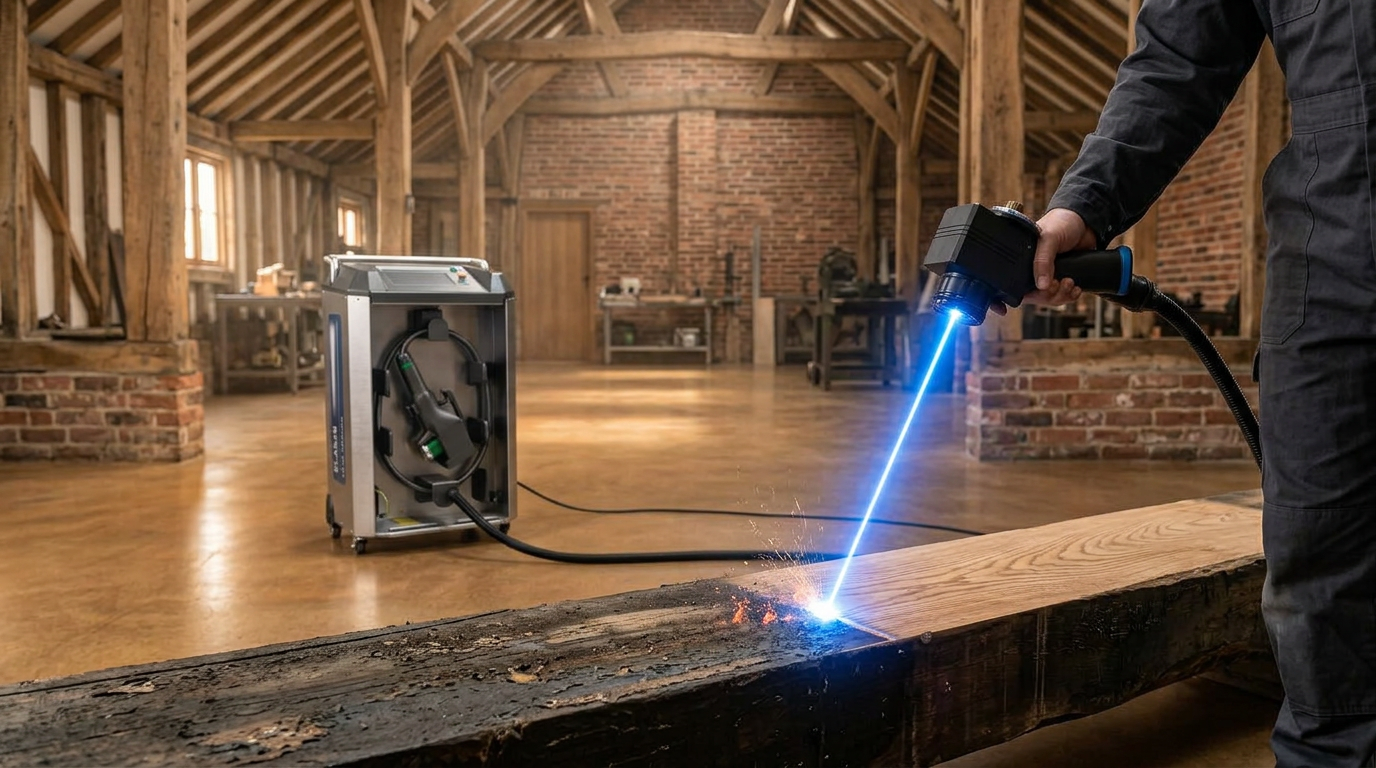
Yes, Laser Cleaning Is Proven Effective on Wood
Laser cleaning reliably removes paint, varnish, limewash, soot, mould, and grime from wood. Peer-reviewed conservation research and real-world restoration practice both confirm it as an established, evidence-backed method.
Wood is a strong candidate because the beam stops at the base material. Chemical strippers soak the grain and leave residue; abrasives erode soft spring grain faster than hard summer grain, permanently altering texture. Laser cleaning lifts the coating while the timber beneath stays intact.
The same method suits heritage limewash on oak framing and thick paint on structural timber across a wide range of applications.
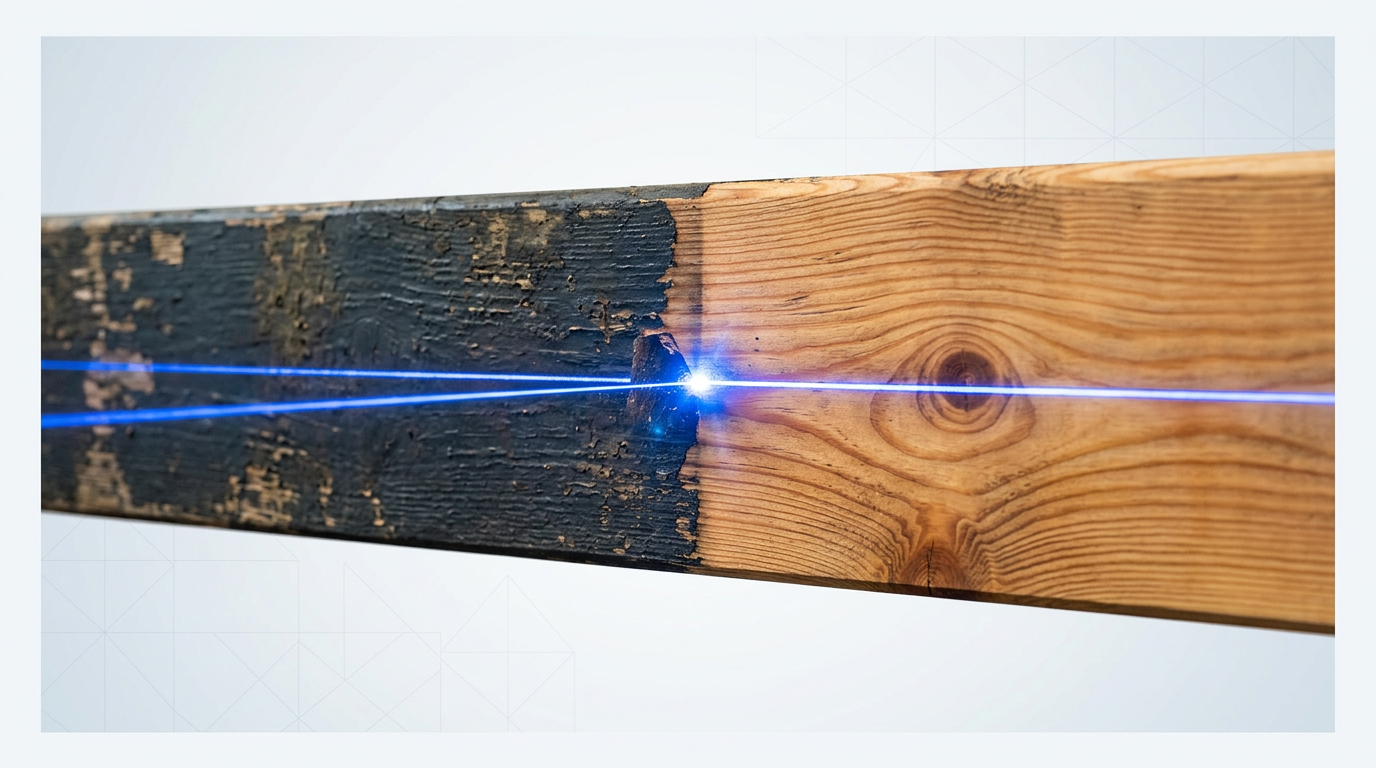
Wood Cleaning Applications: What These Systems Remove
From heritage oak framing to production joinery, these systems handle the full range of timber cleaning tasks — each application without damaging the substrate beneath.
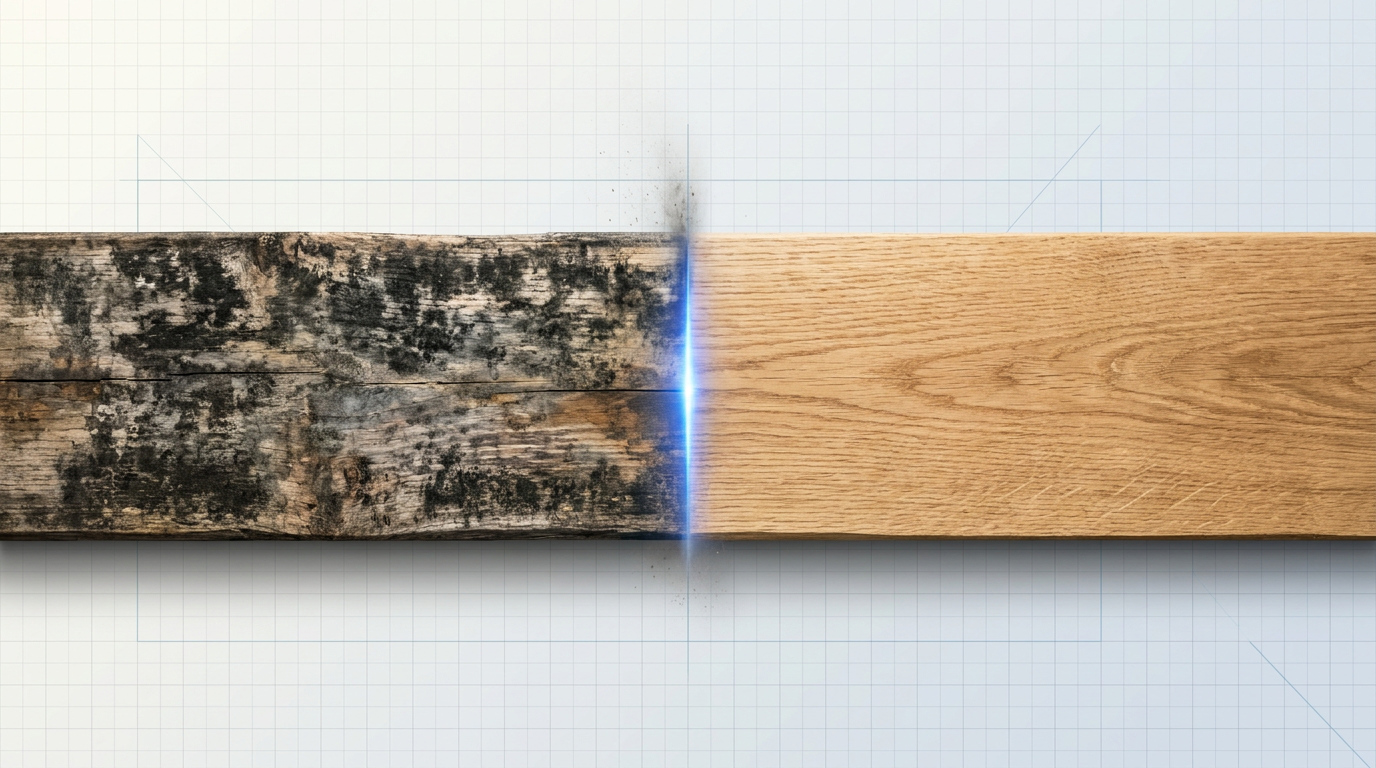
Mould and Biological Contamination Removal
Lifts mould, algae and organic soiling from timber with no water ingress and no chemical residue — protecting the grain from swelling or structural damage.
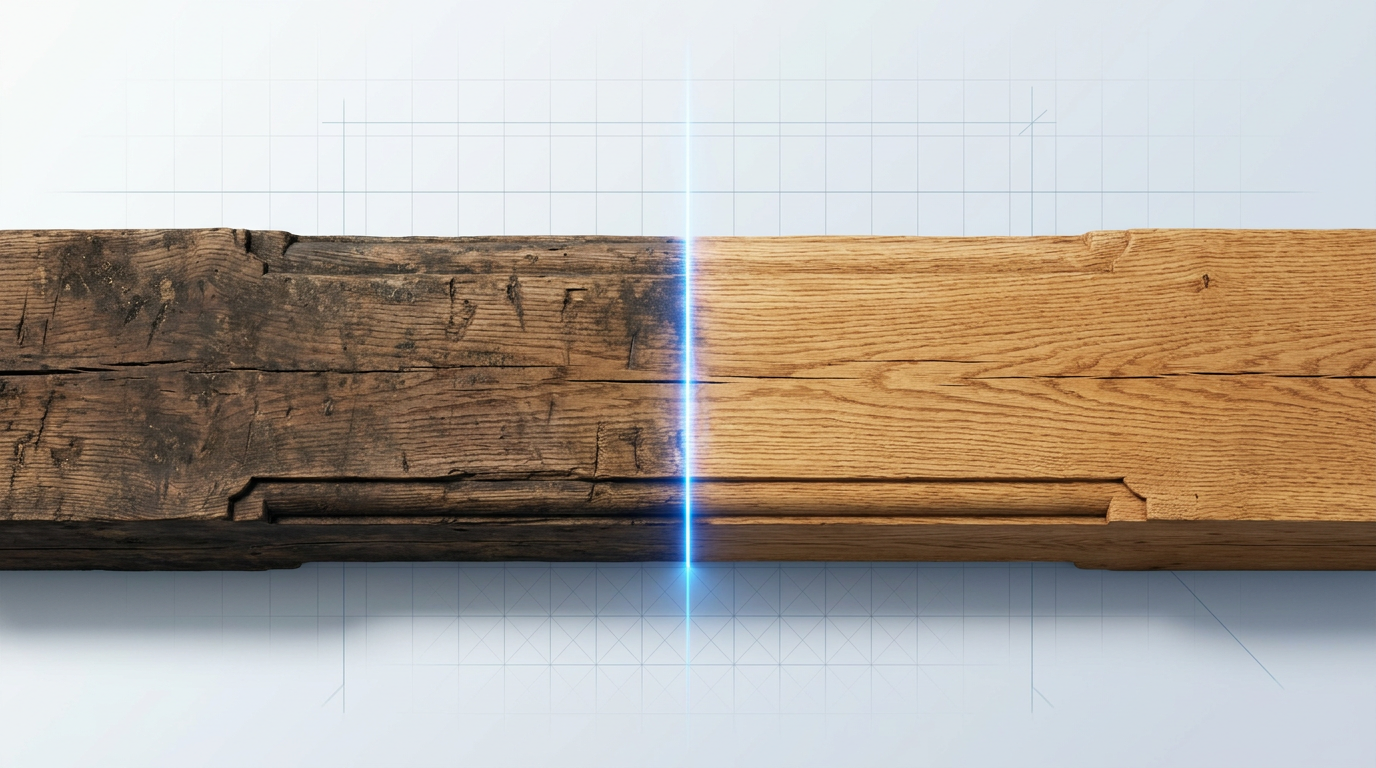
Heritage and Period Timber Restoration
Cleans centuries-old oak framing, carved joinery and gilded panels while preserving patina and historic surface character intact.
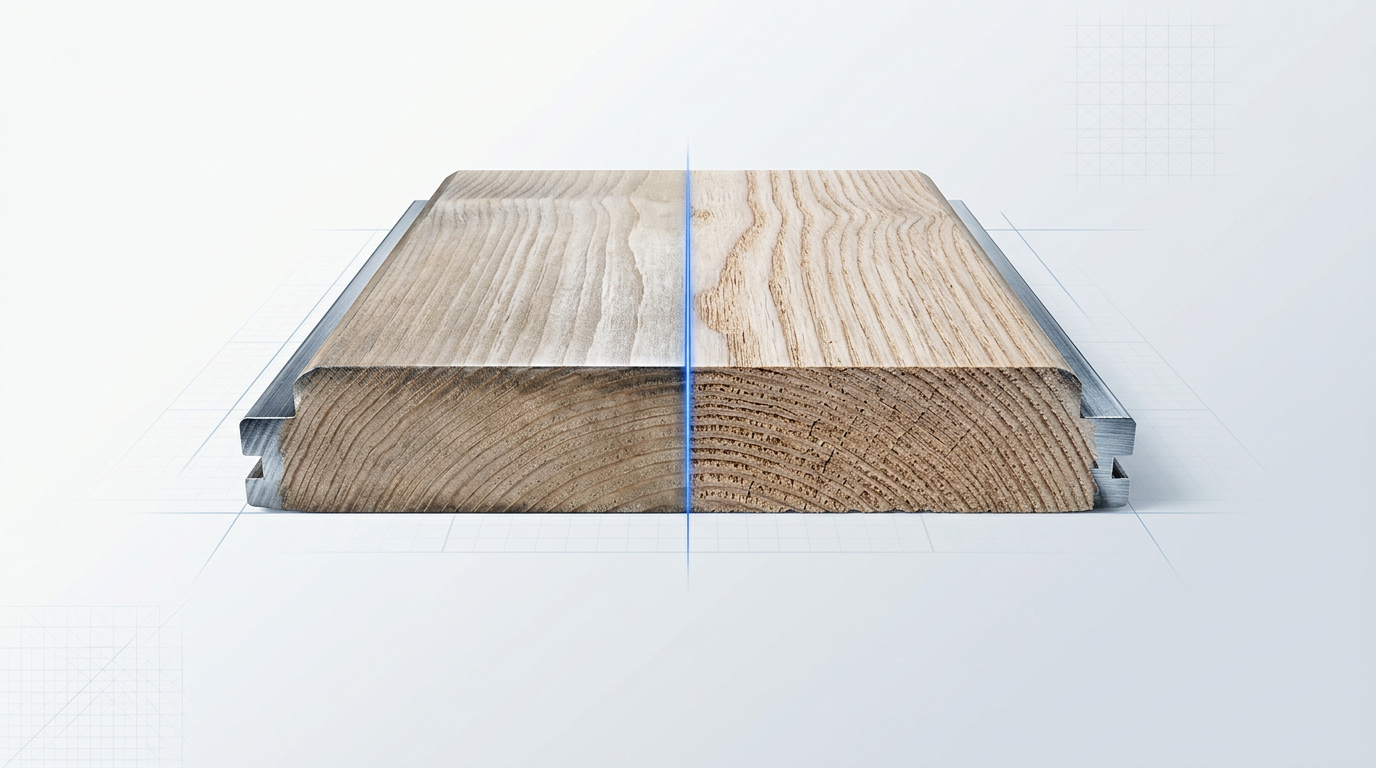
Surface Preparation for Re-Coating and Bonding
Ablates the glazed surface layer left by planing and cutting tools, opening the grain for stronger adhesion on re-coats and glued joints.
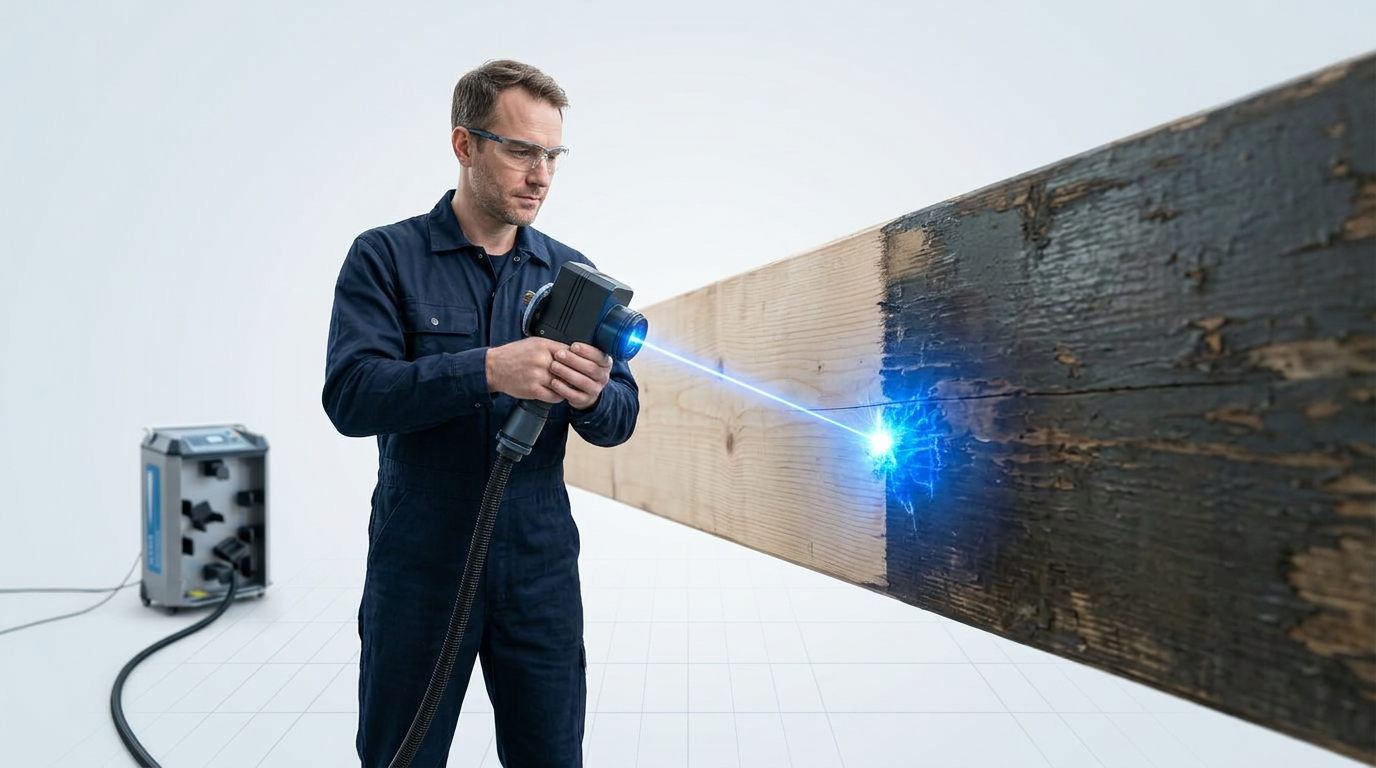
Structural and Building Timber Cleaning On Site
Cleans exposed beams, cladding and decking in place. The system goes to the timber — no dismantling, no site shutdown required.
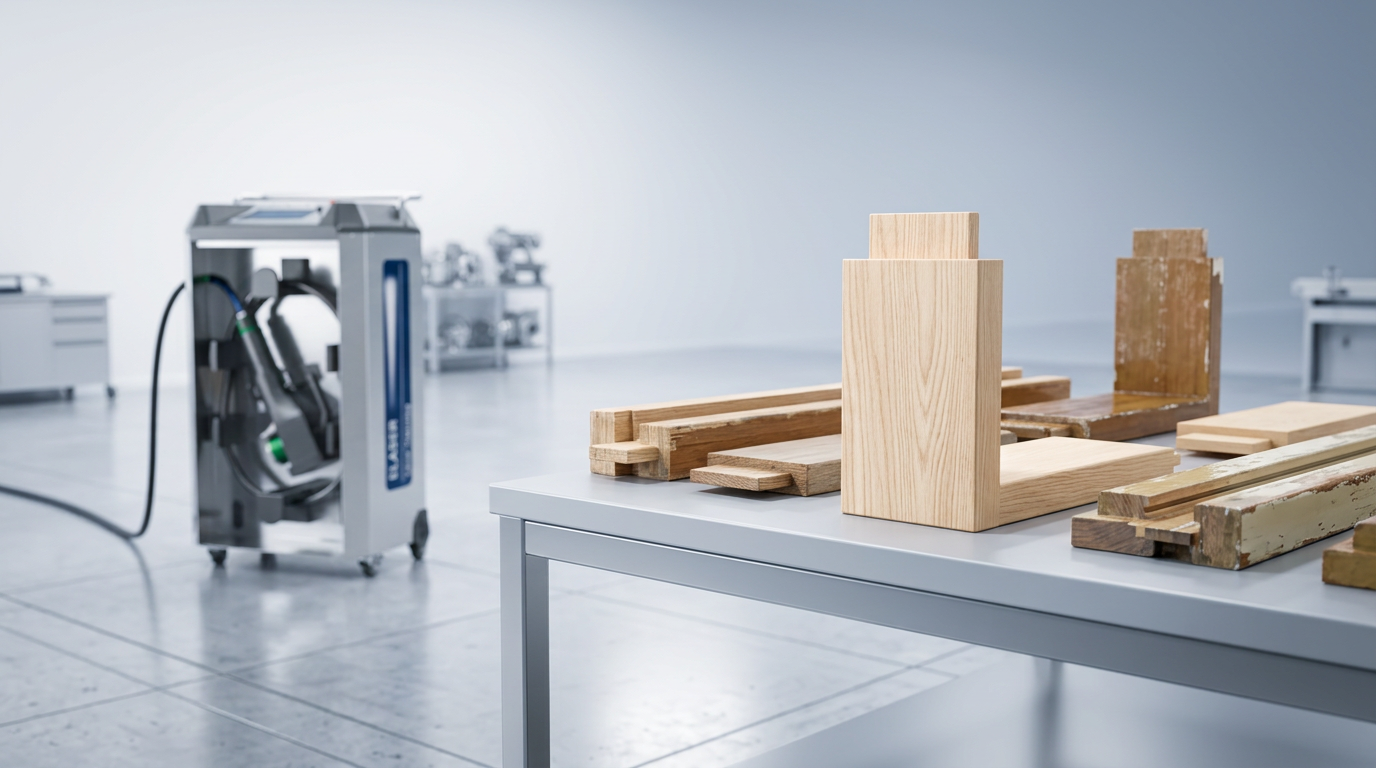
Wooden Components in Manufacturing Workflows
Removes release agents, adhesive residues and production contamination from wood parts. Parts exit clean and ready for the next process step.
ELASER-RHZ: Portable Laser Wood Cleaning, Anywhere
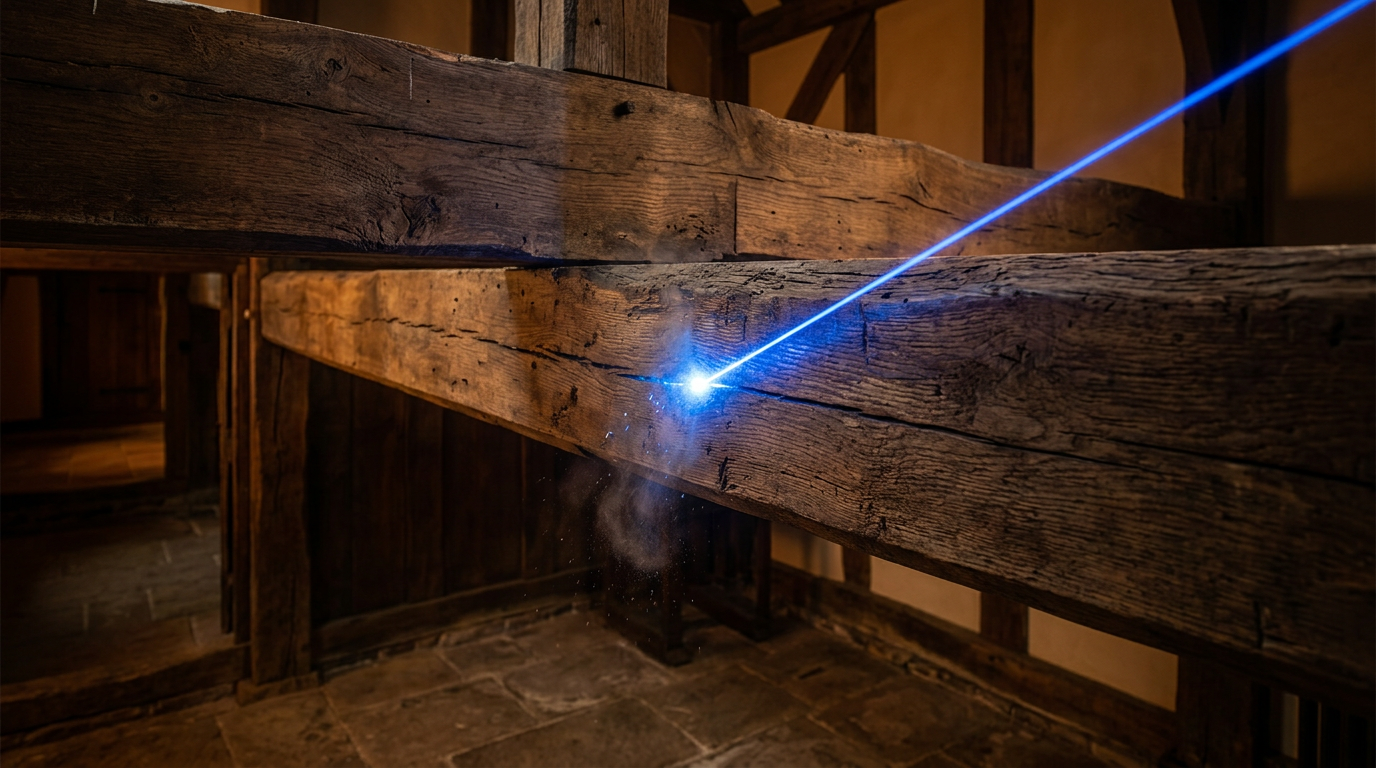
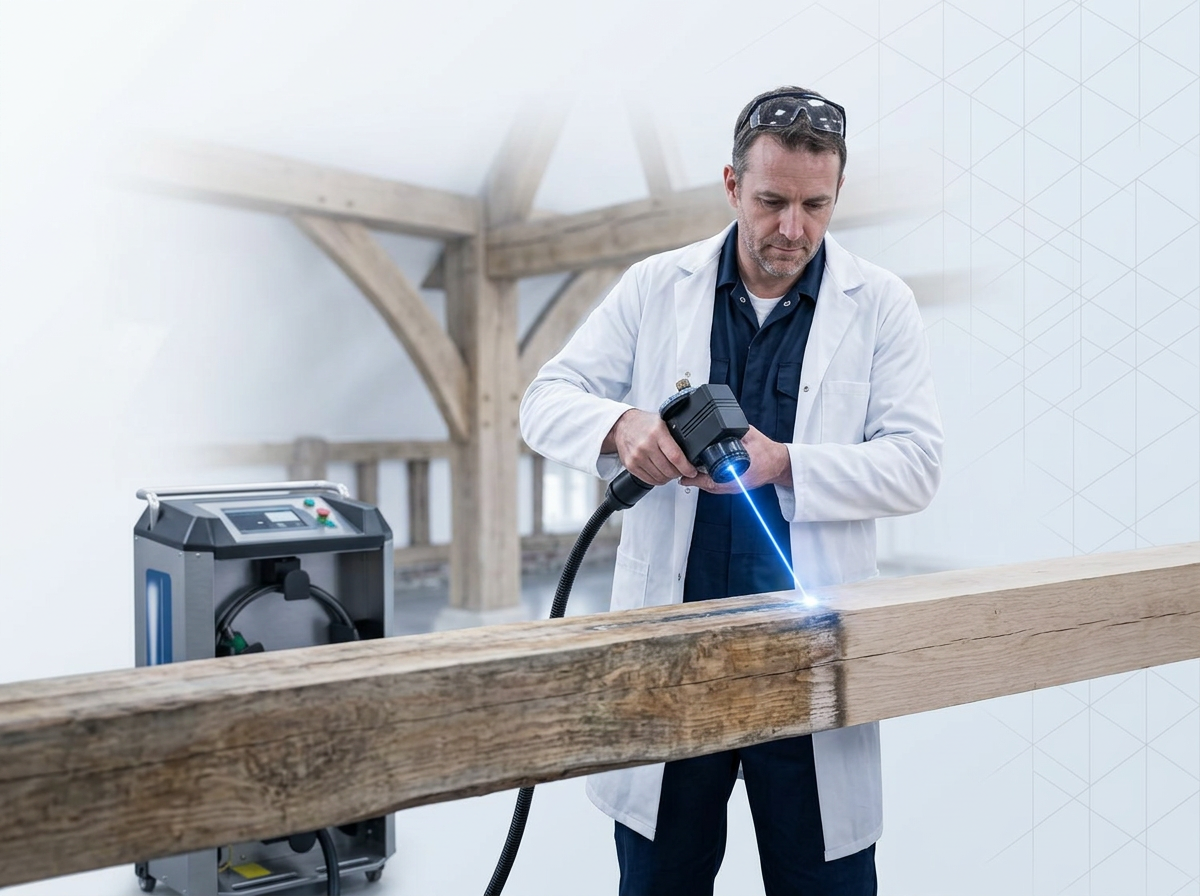
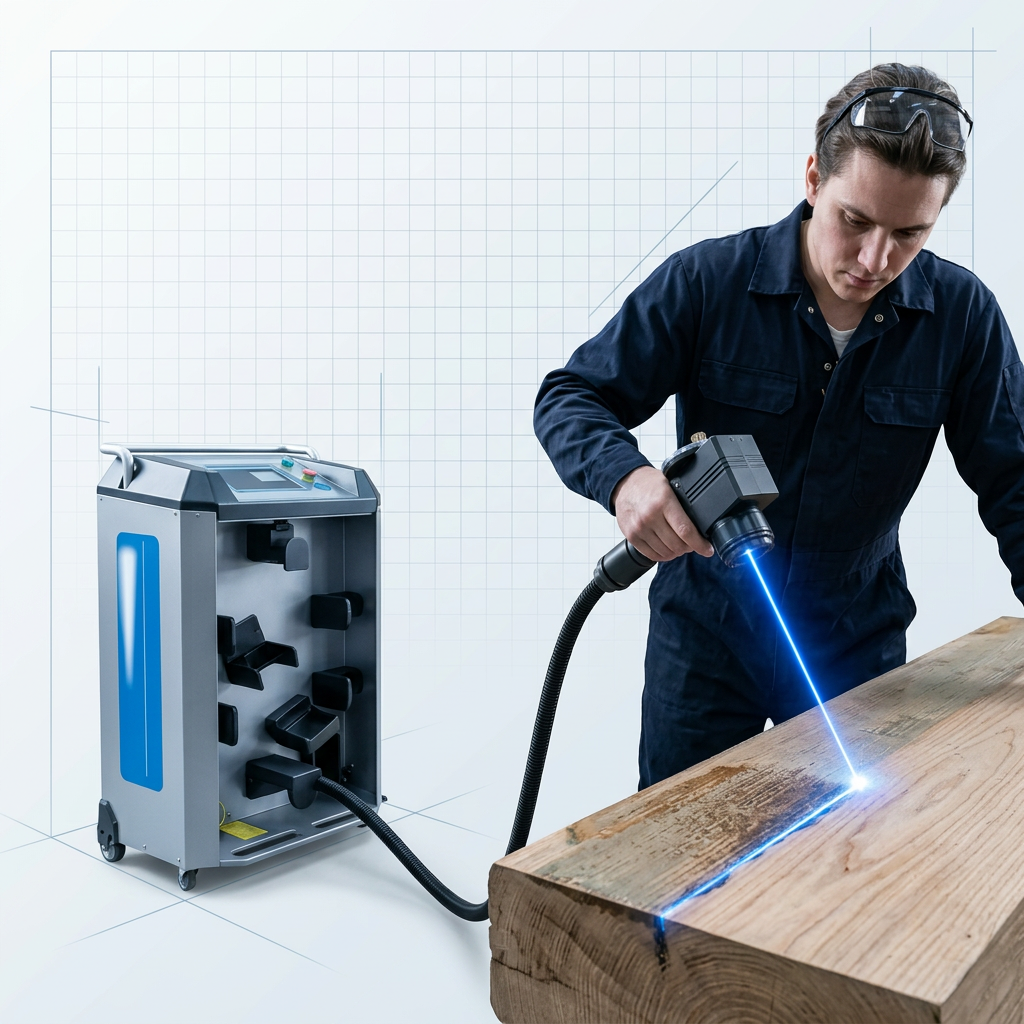
The conventional barrier to laser cleaning on site is the safety cordon — sealing off heritage buildings, clearing open workshops, shutting down mixed-use spaces. Woodrow Scientific's patented, world-first reduced hazard zone technology removes that barrier, collapsing the hazard area so cleaning proceeds in open, publicly accessible environments without evacuation.
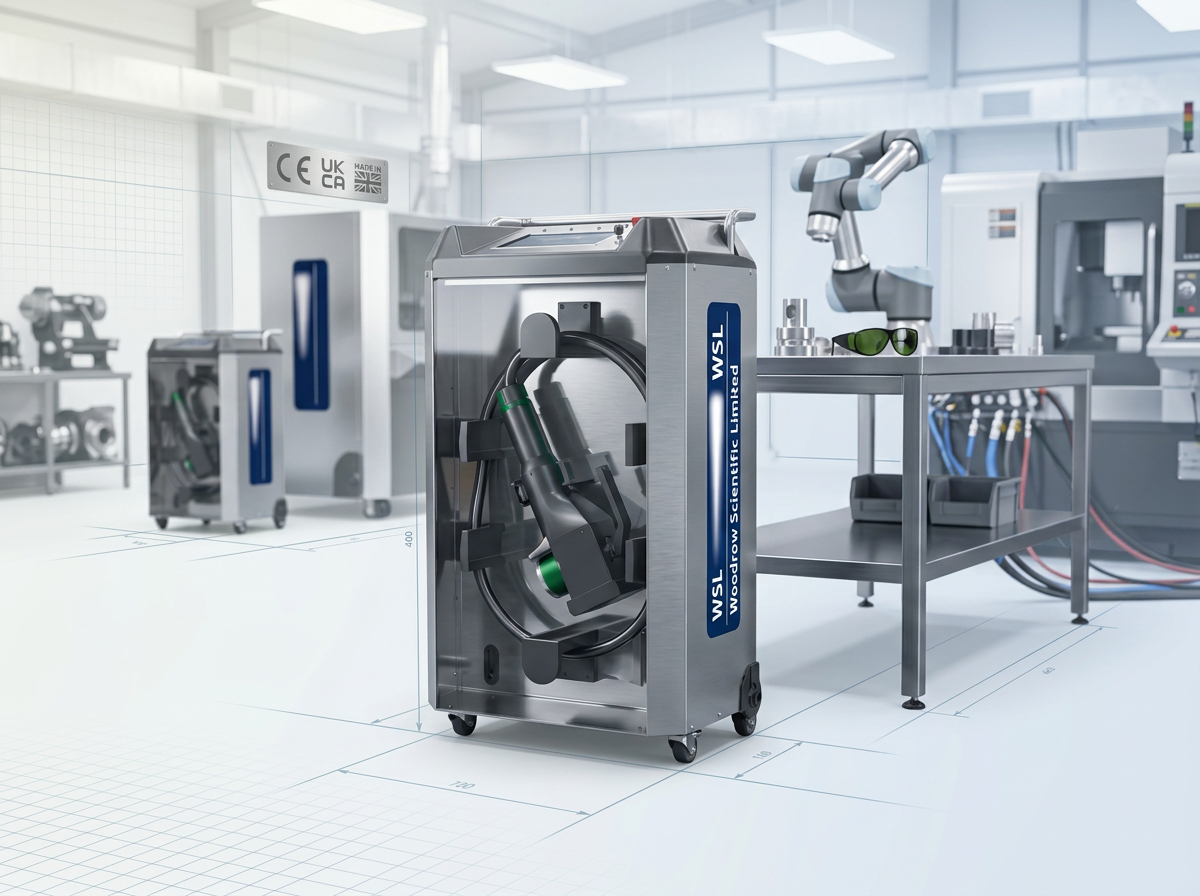
A sub-3 kg handheld scanner, wheeled unit under 50 kg, and up to 50 m of cable put the system wherever the wood is. Power tunes 0–100% (up to 300 W), covering delicate heritage limewash through thick paint on structural timber. CE and UKCA certified, consumable-free, with full operator training from the only UK-based laser cleaning manufacturer.
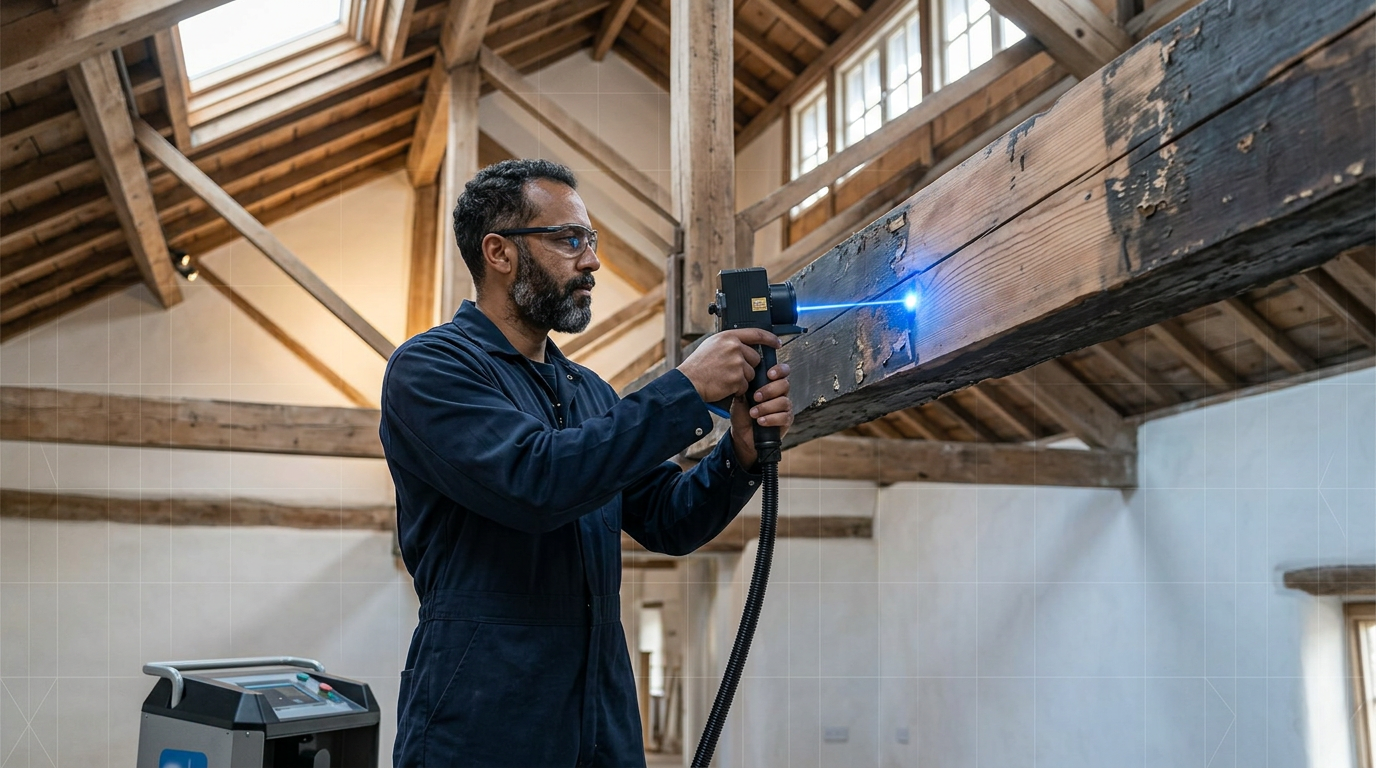
See the ELASER-RHZ in Action on Site
No safety cordon. No site shutdown. The ELASER-RHZ brings portable laser wood cleaning to heritage buildings, open workshops, and client sites — wherever the timber is.
AutoLASE: Automated Laser Wood Cleaning at Production Volume
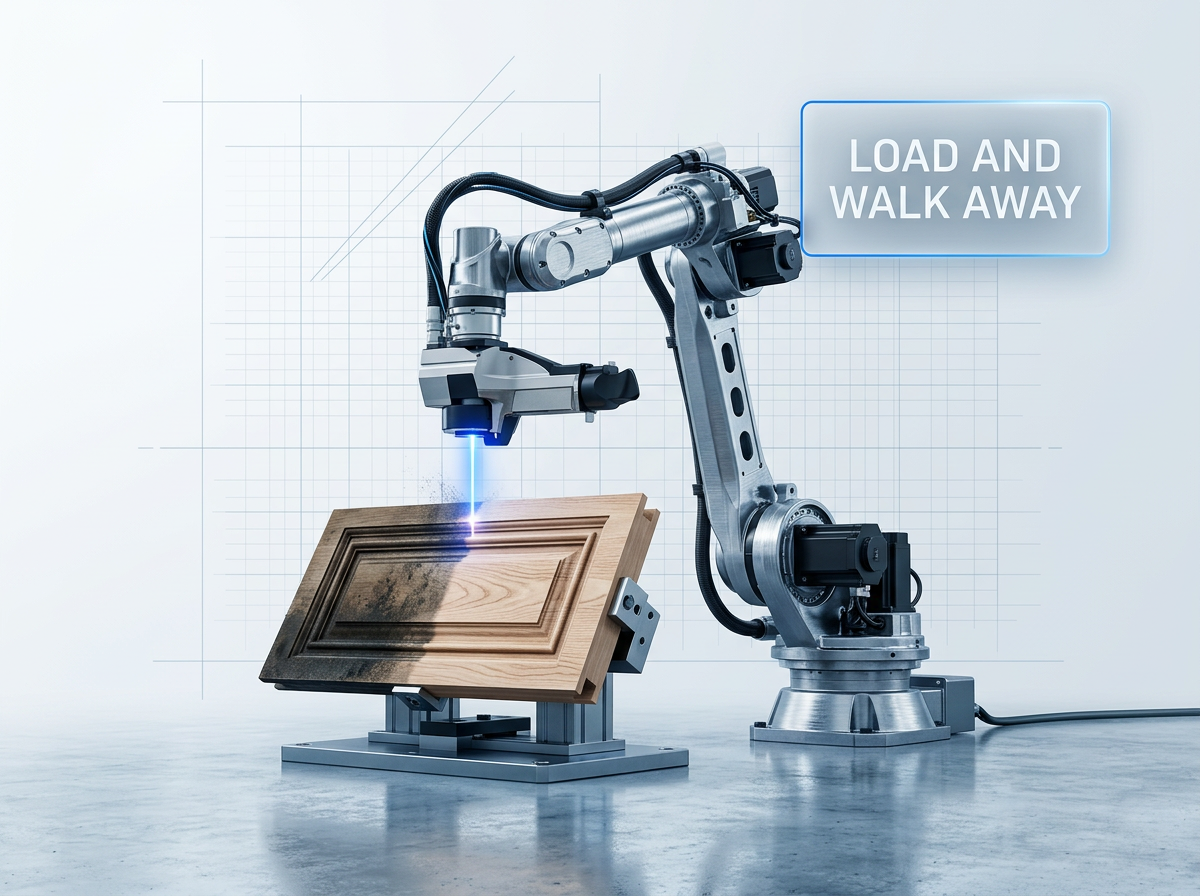
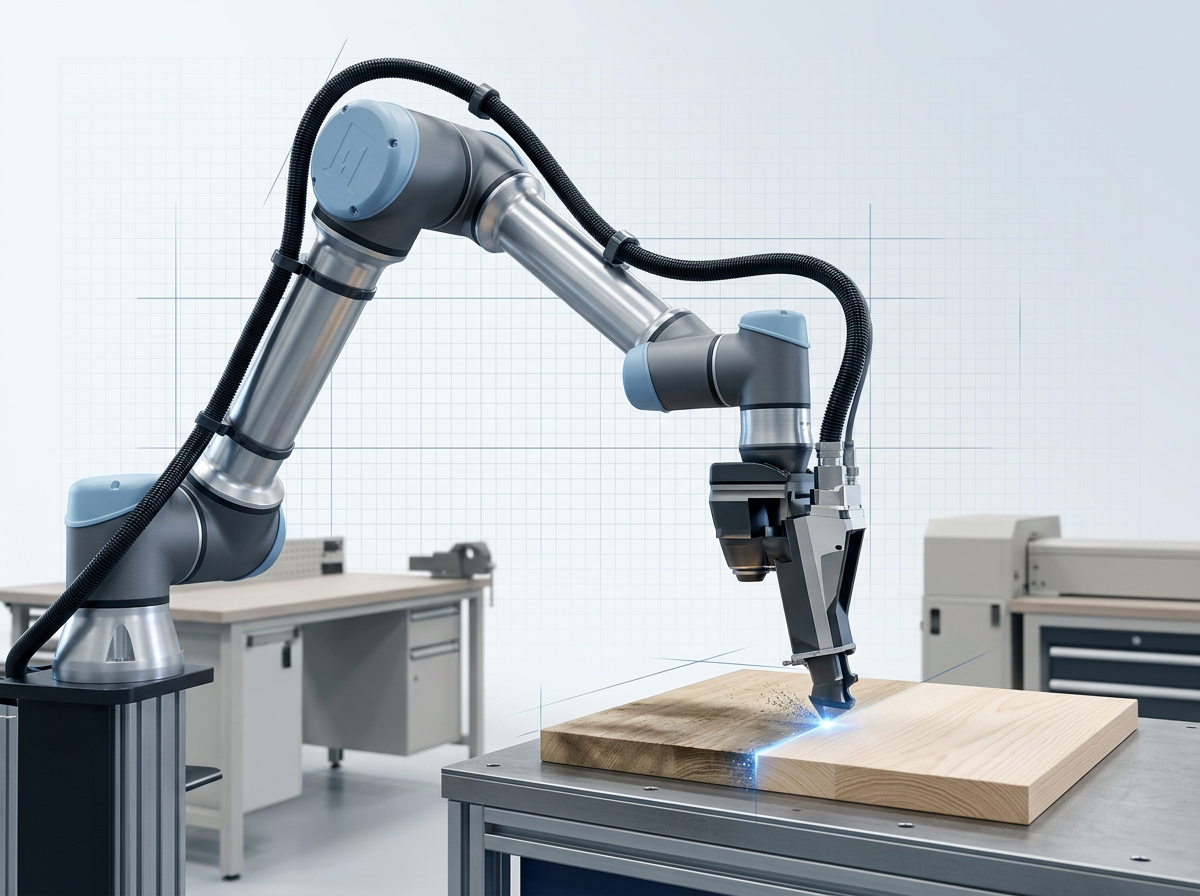
AutoLASE's defining characteristic is how effortless it is to operate. Load a wood component and the 3D machine-vision system scans it, builds a geometry map, and generates the cleaning path automatically. No programming. No path-setting. No specialist knowledge required.
A multi-axis articulated robotic arm carries the laser head through complex profiles and carved surfaces, holding the same cleaning standard on every cycle across every batch.
For facilities where a full safety enclosure is impractical, the optional RHZ upgrade makes AutoLASE the only automated laser cleaning system in the world that can operate without one — integrating with your existing robots or supplied as a complete custom cell.
Permanent Damage to Wood Grain
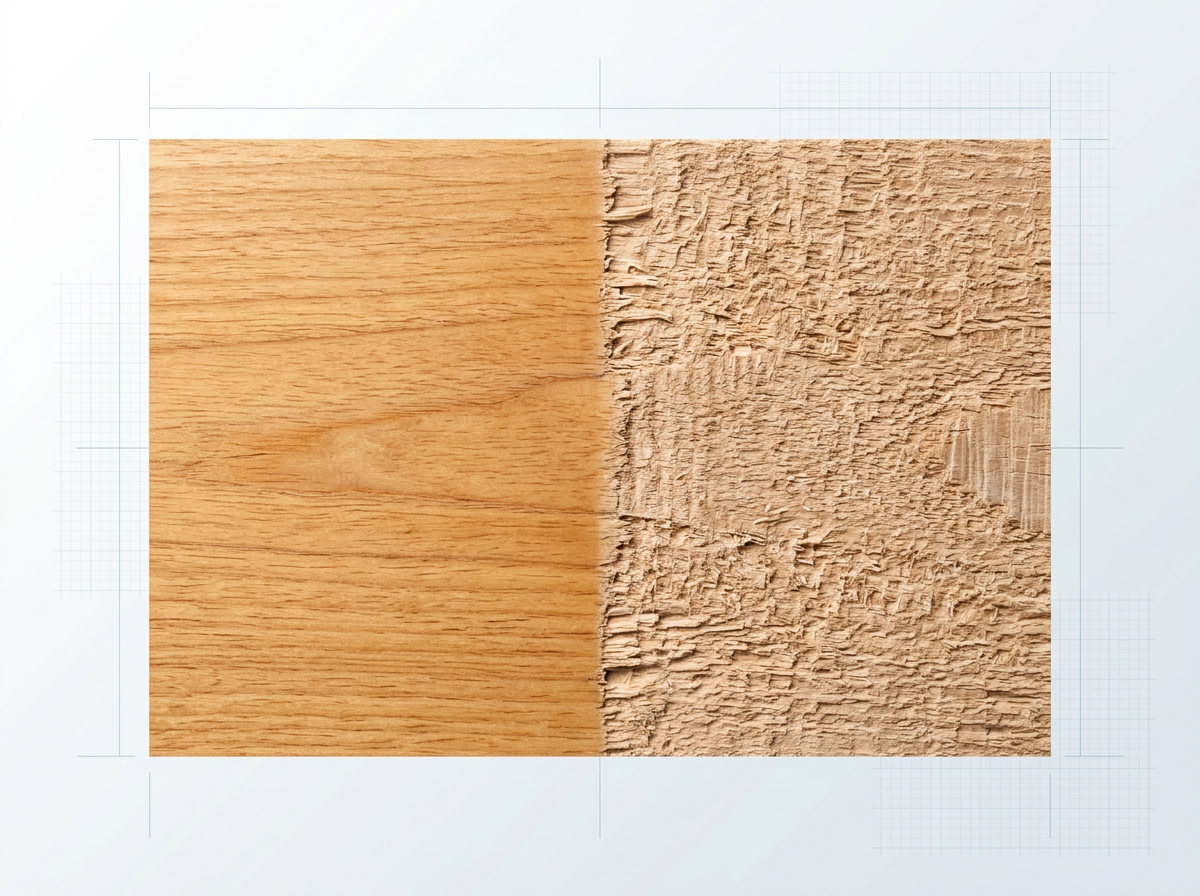
Sandblasting is a blunt instrument on wood. The abrasive stream cannot distinguish between the coating and the timber beneath — both are eroded together. On heritage or architectural timber, the surface texture left is furred and over-worked, with no finishing process able to reverse it.
The damage is permanent. Where original surface character — tool marks, aged patina, historic form — has taken decades to develop, sandblasting removes it in a single pass. For any timber where substrate integrity matters, the method is not appropriate.
Liquid Ingress, Raised Grain, Residue
Chemical strippers work by soaking into the timber. That liquid ingress raises the grain, swells the fibres, and leaves residue that requires neutralisation before any further treatment can proceed. The timber surface needs more remedial work after stripping than before.
Where wood is part of a historic interior — set into plasterwork, built into original fabric — liquid migration causes damage well beyond the cleaned area. Chemical stripping trades one problem for several others, and the post-treatment complexity compounds with each application.
Patina Lost, Surface Character Gone
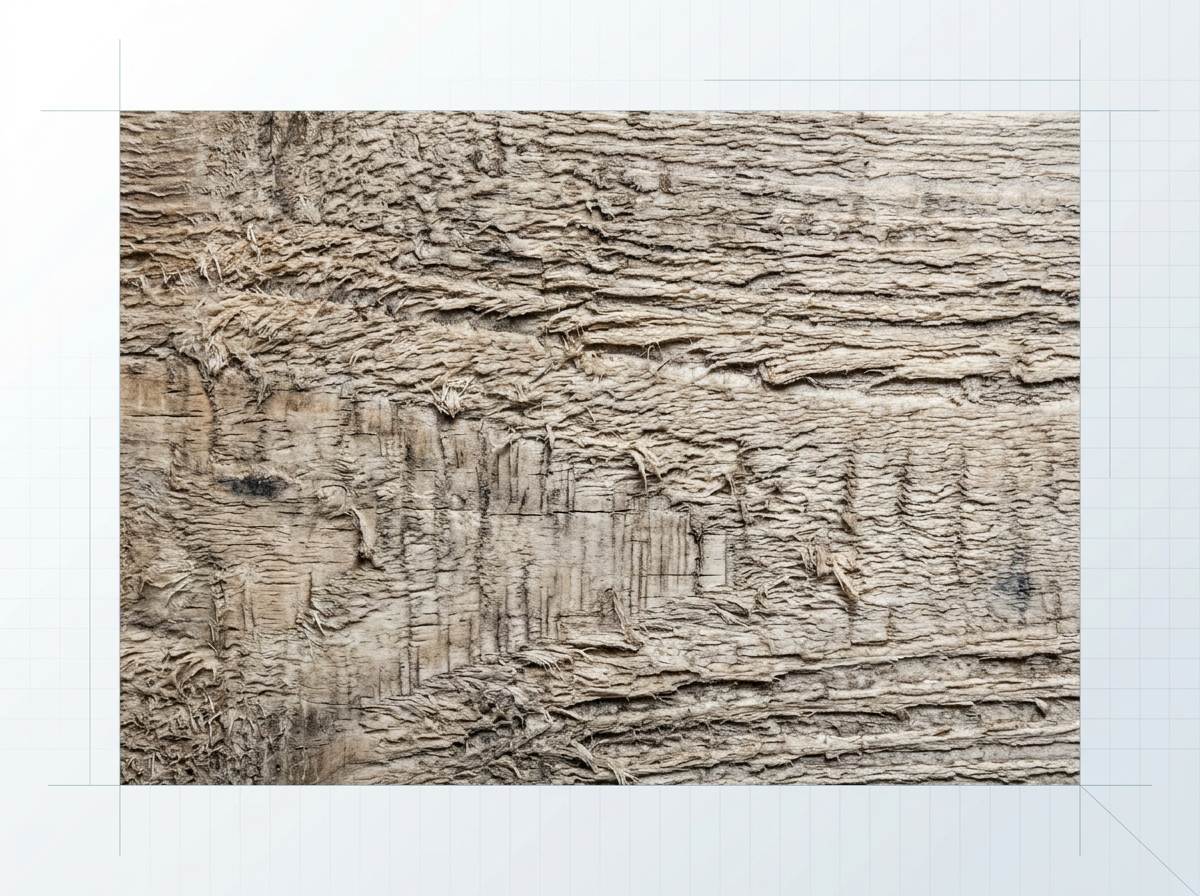
Sanding removes material indiscriminately. The abrasive cannot distinguish between the coating and the wood surface beneath — so both come off together. On historic timber, patina, tool marks, and surface character accumulated over generations are erased in a single pass.
It is also labour-intensive, slow across large areas, and poorly suited to moulded or profiled sections where a flat abrasive cannot follow the form. The loss is not recoverable. Once the original surface is gone, it cannot be restored.
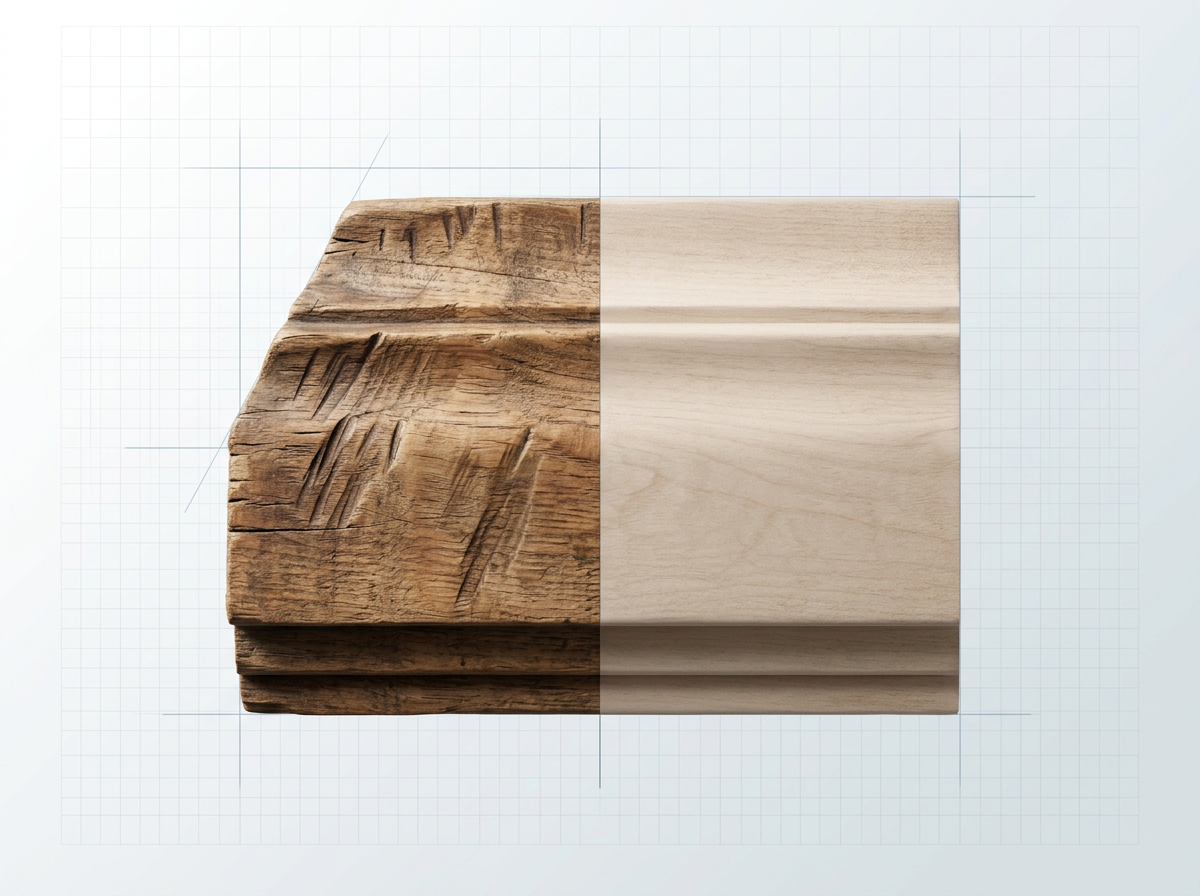
Beam Stops at the Wood
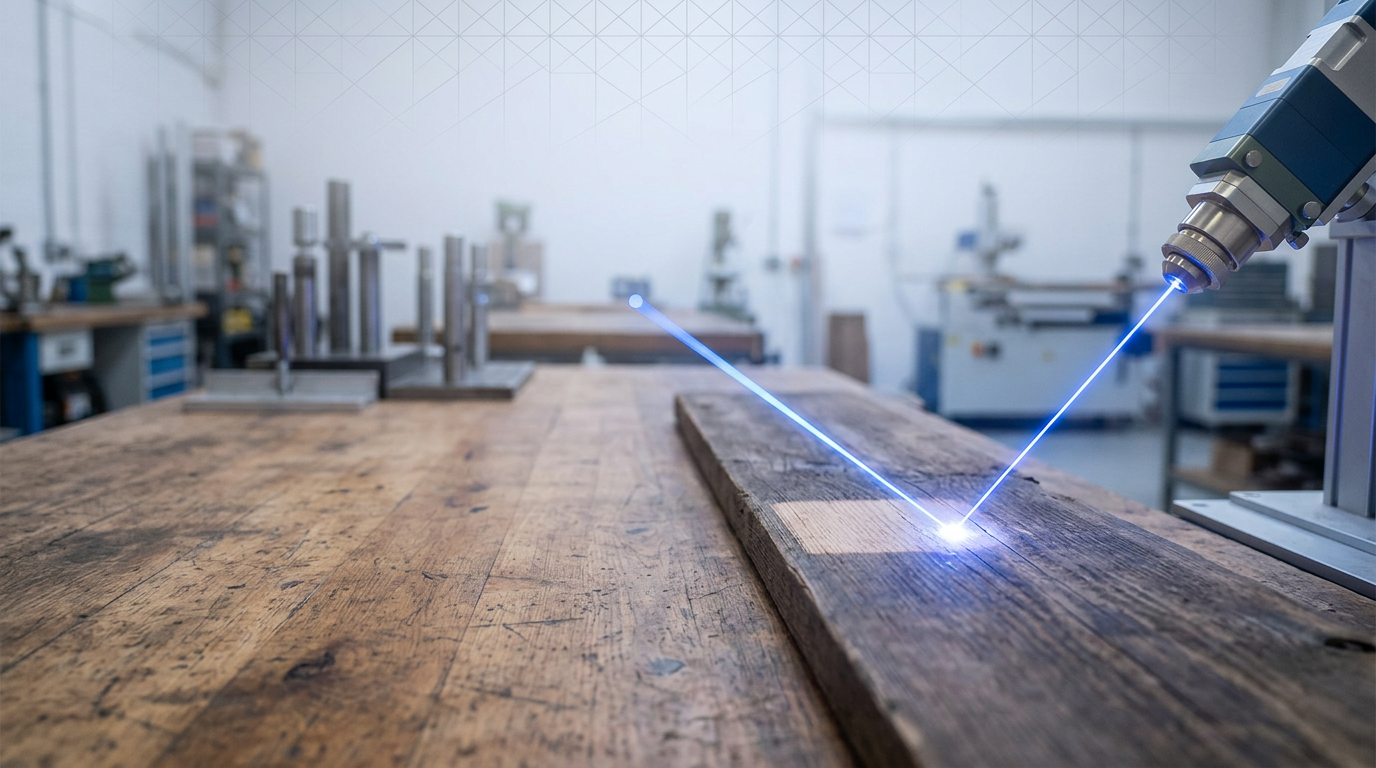
The laser beam lifts the coating, paint, or contaminant without touching the wood below. Grain, colour, and patina are preserved because the beam stops at the substrate — it does not erode, abrade, or wet the timber surface.
The wood exits the process in the same condition it was in before the coating was applied — clean, intact, and ready for the next stage. This is the direct, practical consequence of minimal substrate loss: less rework, fewer failed surfaces, and a result that abrasive and chemical methods cannot replicate.
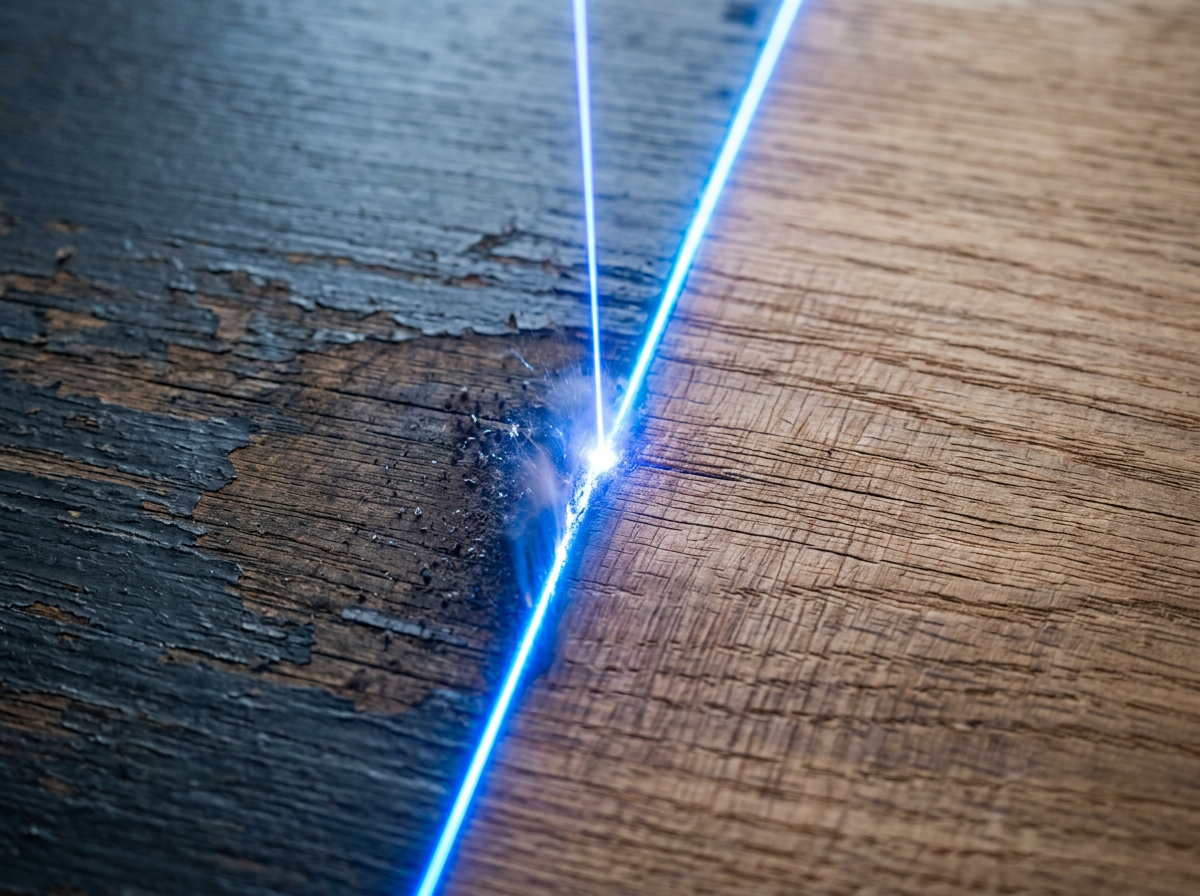
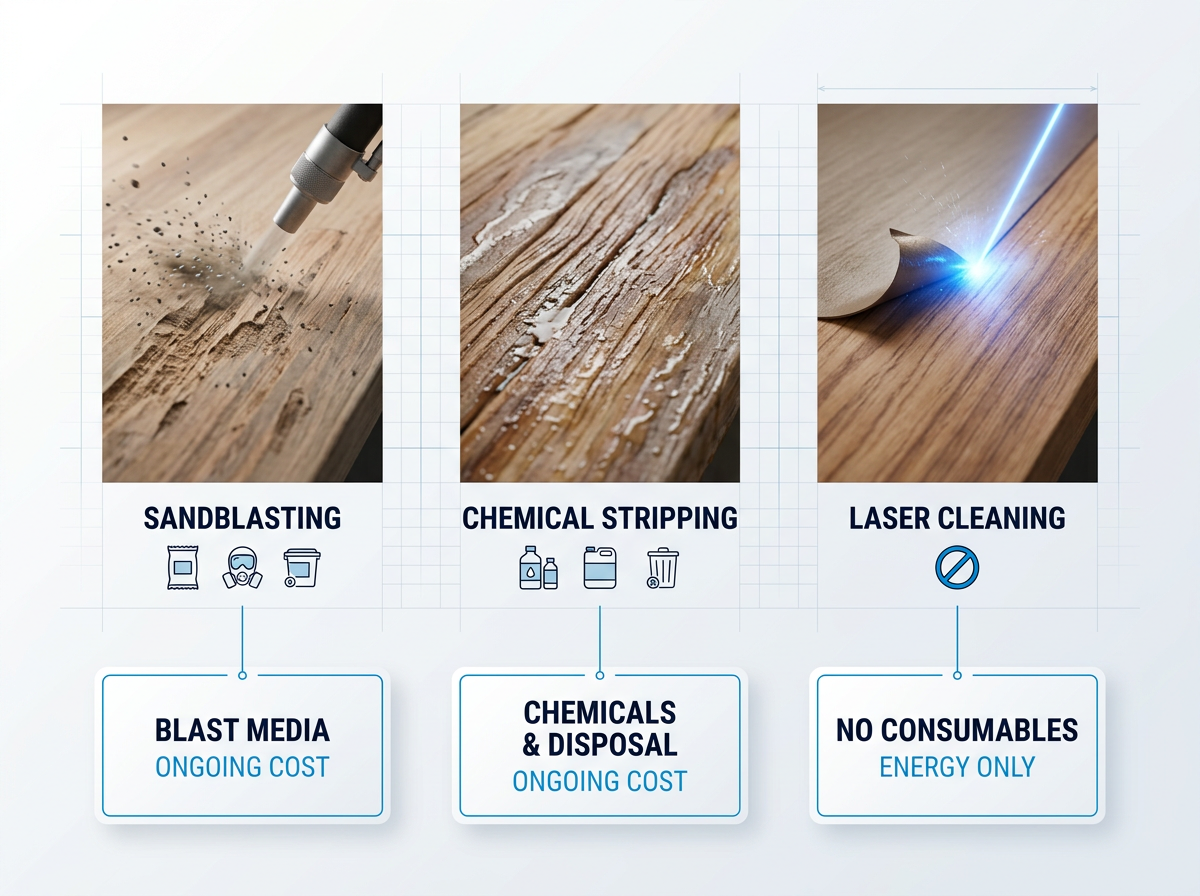
No Consumables, Less Rework
Sandblasting requires blast media. Chemical stripping requires chemicals, neutralisers, and disposal. Sanding requires abrasives, masking, and cleanup. Laser cleaning requires none of these — running costs are energy only, with no consumable spend across the life of the system.
Less substrate damage also means less rework. Fewer failed surfaces, fewer re-treatments, and less labour overhead per job. The system's competitive pricing, combined with these structural running cost advantages, shifts the total cost of ownership decisively in favour of laser cleaning over time.
For On-Site and Open Environments
Choose ELASER or ELASER-RHZ if your work takes you to the job: heritage buildings, architectural woodwork, open workshops, or client sites. The world-first reduced hazard zone technology on the ELASER-RHZ collapses the laser hazard to a small area around the work — making portable laser cleaning genuinely practical where a conventional safety cordon would shut the operation down.
It is also the right fit for service businesses offering laser cleaning across varied jobs, where single-operator portability and flexibility across different surfaces matter most.
For Volume Production and Batch Cleaning
Choose AutoLASE if you are cleaning wood components at production volume. Load the part and the 3D machine-vision system scans it, builds a geometry map, and generates the cleaning path automatically — no programming, no path-setting, no specialist skills required.
For facilities wanting enclosure-free automated cleaning, the optional RHZ upgrade makes AutoLASE the only automated laser cleaning system in the world that can operate without an enclosure. The right fit for batch cleaning, production line integration, and hands-off throughput.
Three Questions to Guide Your Choice
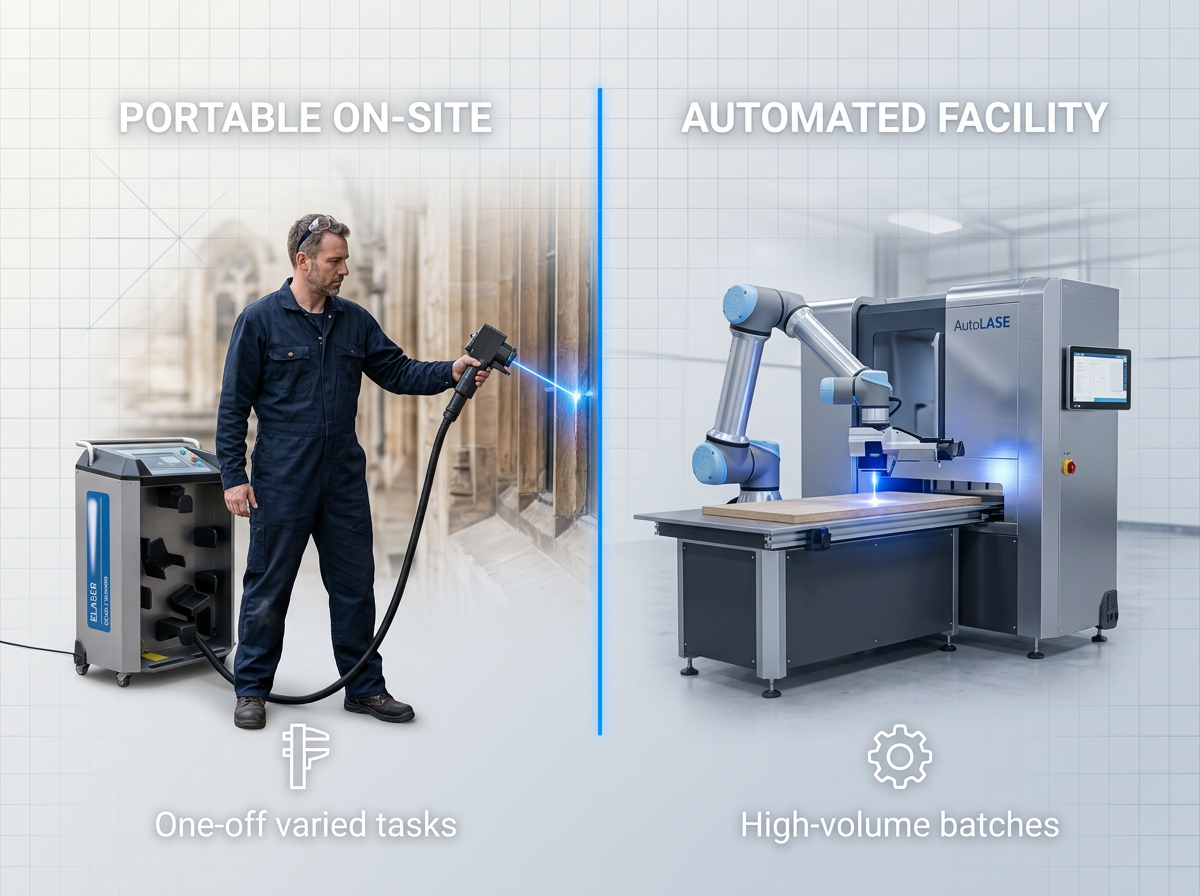
Where does the work happen? If you go to the job — on site, at heritage buildings, across varied locations — ELASER/ELASER-RHZ fits. If the parts come to you in a fixed facility, AutoLASE fits.
Job variety or job repetition? Varied, one-off cleaning tasks suit the portable system. High-volume, repeatable batch cleaning suits the automated cell.
Enclosure preference? AutoLASE operates as standard within an enclosure. Either system with the RHZ upgrade removes that requirement entirely — the only technology in the world that does so.
The Choice Is Fit, Not Quality
Whichever system you choose, you are buying from the only UK-based laser cleaning manufacturer — Woodrow Scientific designs, builds, supports and improves both systems entirely in-house. Both are CE and UKCA certified, consumable-free, and competitively priced as the European cost leader among comparable industrial laser cleaning machines.
Full operator training is available for both. Bespoke engineering and customisation are possible on either platform. The decision between ELASER/ELASER-RHZ and AutoLASE is purely about operational fit — the manufacturing quality, certification standard, and support depth are identical.
Talk to a Woodrow Scientific Engineer
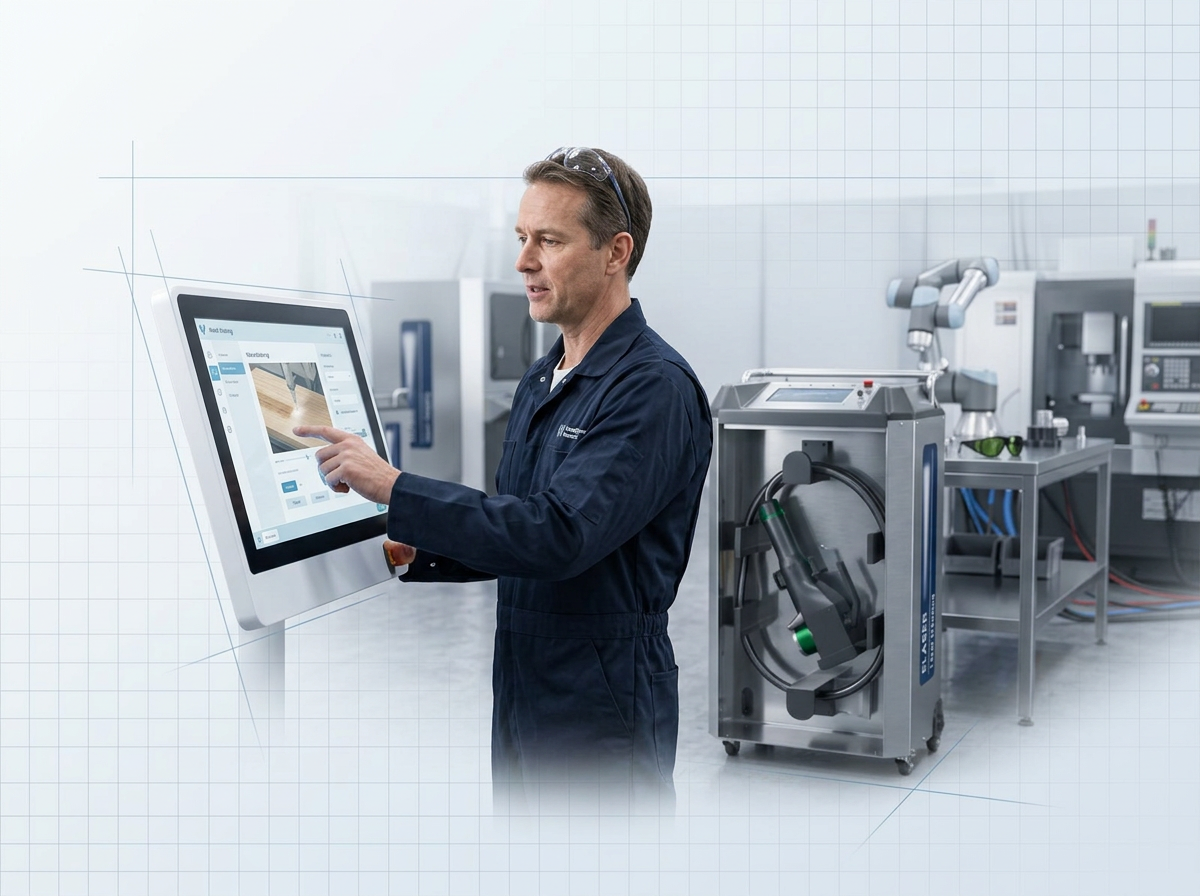
If you are still unsure which system fits your operation, Woodrow Scientific's engineers can help you work it out. They understand the full range of wood cleaning applications — from heritage restoration to production workflows — and will ask the right questions to identify the best fit for your specific situation.
Both systems are available, and bespoke engineering is possible on either. Get in touch to discuss your requirements — there is no obligation, and no sales pressure.
Laser Output Specifications
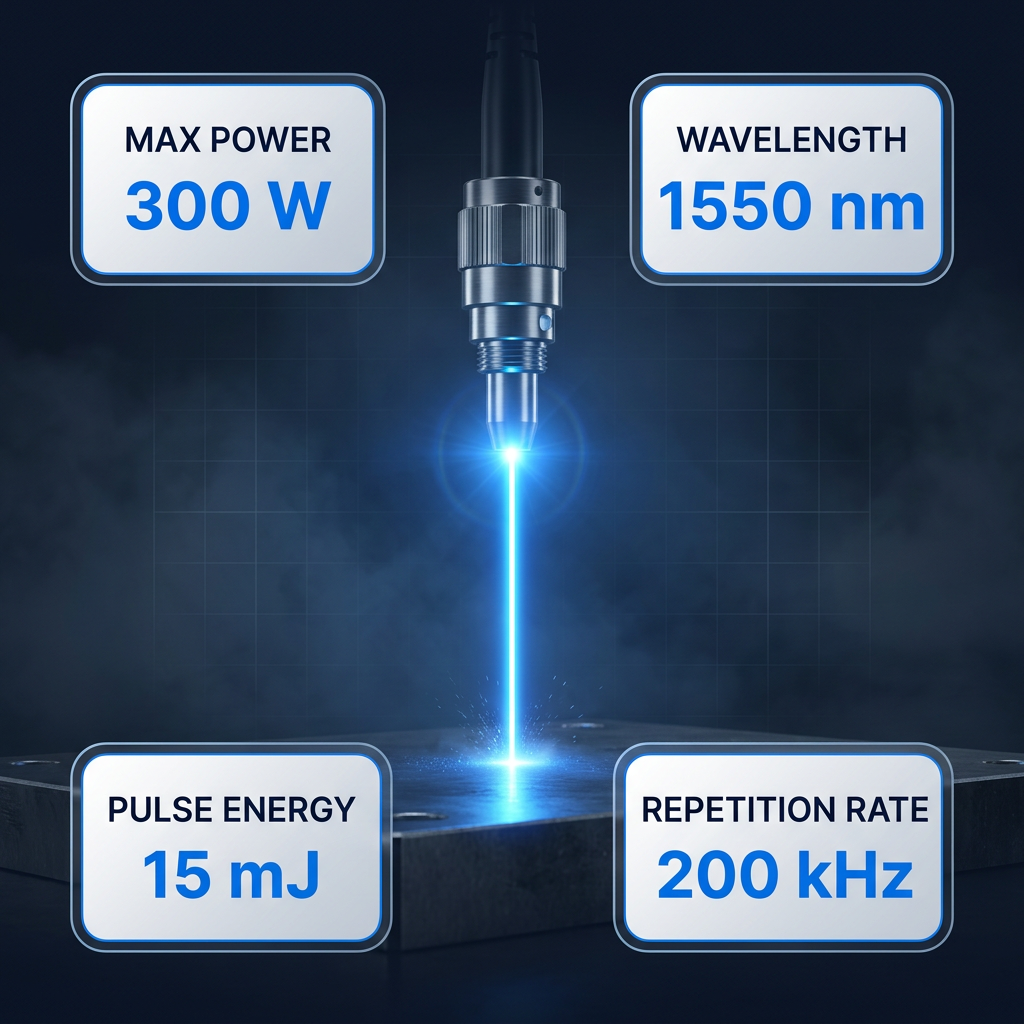
Max power: up to 300 W. Wavelength: 1550 nm (retina-safe / reduced hazard zone on ELASER-RHZ; 1550 nm on AutoLASE). Power tunability: 0–100%.
Pulse energy: up to 15 mJ. Pulse duration: 100 ns. Pulse repetition rate: adjustable up to 200 kHz (CW).
Scanner and Optics Specifications
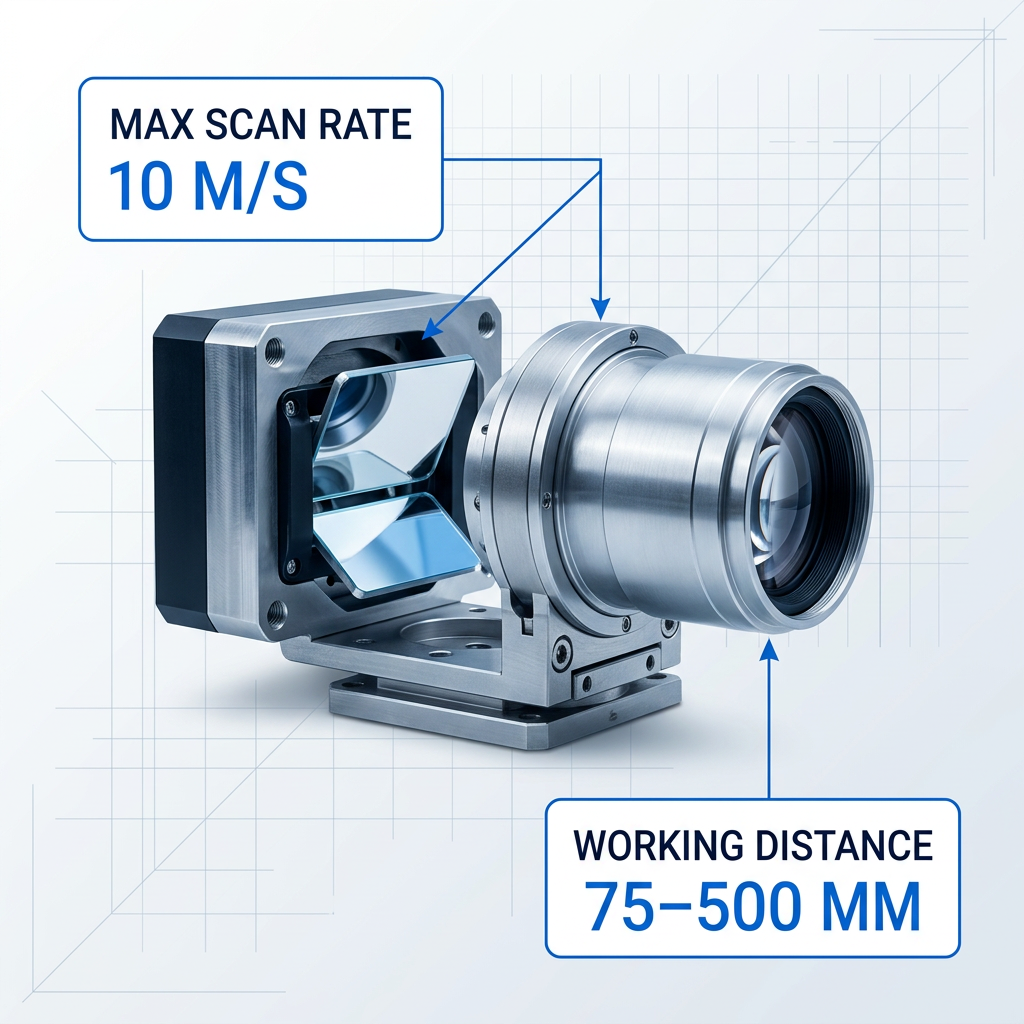
Scanner: 2-D galvanometer. Max scan rate: 10 m/s. Scan shapes: fully programmable via GUI.
F-Theta lenses: interchangeable, 75–500 mm working distance. Lens-protection windows: included and replaceable.
ELASER / ELASER-RHZ Form Factor
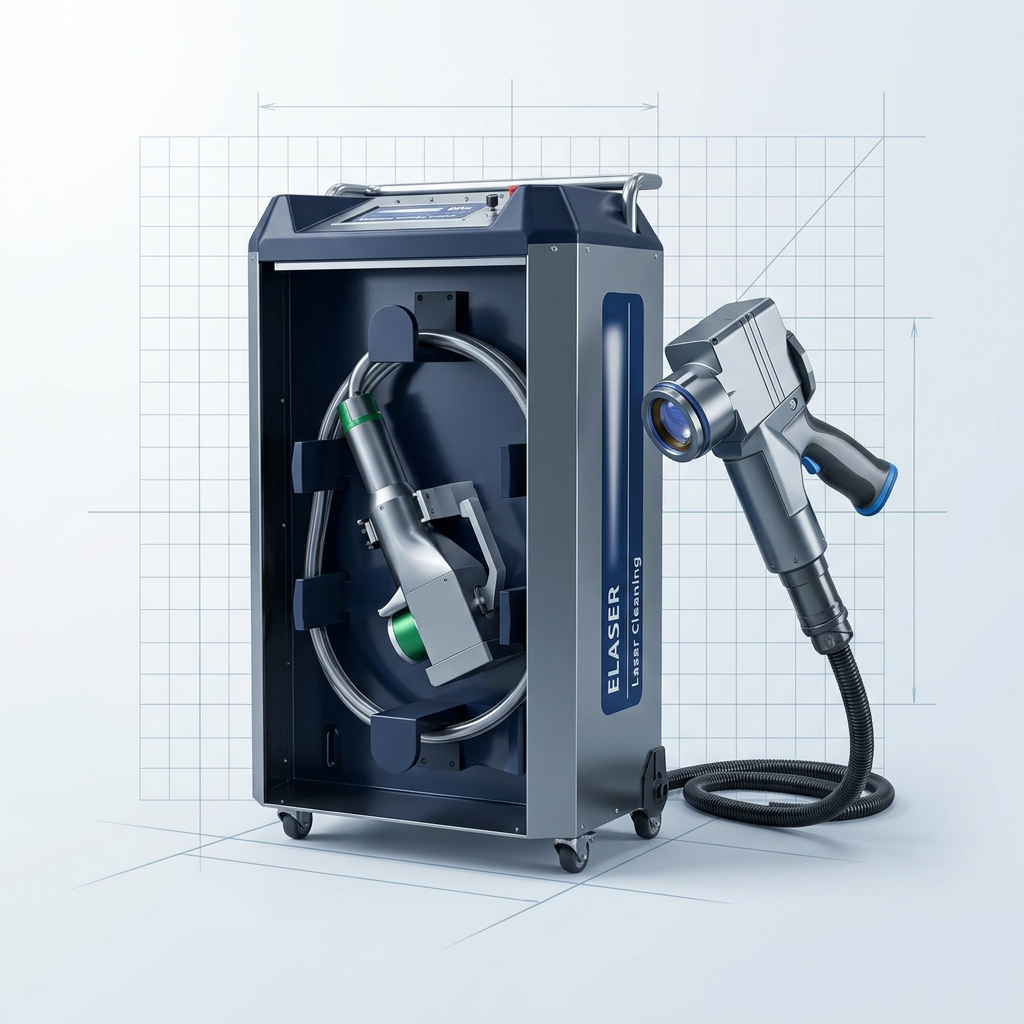
These specifications apply to the ELASER and ELASER-RHZ portable systems. Handheld scanner: under 3 kg. System weight: under 50 kg, wheeled.
Delivery cable: up to 50 m (5 m / 15 m standard lengths). Operation: single-operator. No compressor, water supply or consumables required.
Power Supply and Control Interface
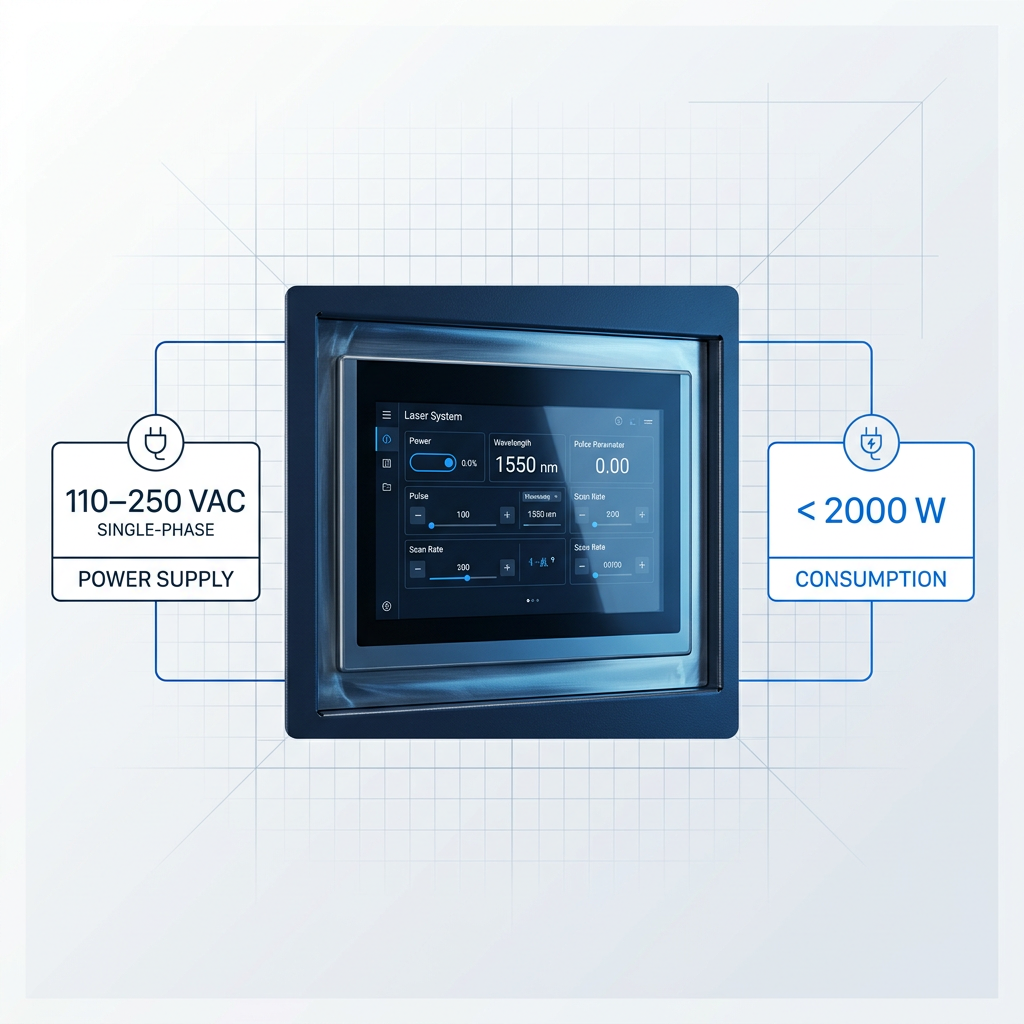
These specifications apply to both ELASER/ELASER-RHZ and AutoLASE. Power supply: 110–250 VAC single-phase. Power consumption: under 2000 W.
Interface: Ethernet and touchscreen. Air-cooled — no water, chiller or coolant circuit required.
Certifications and Manufacture
Laser class: Class IV or Class I — both options available. CE certified. UKCA certified. Made in Britain.
Why Woodrow Scientific: The UK's Only Laser Cleaning Manufacturer
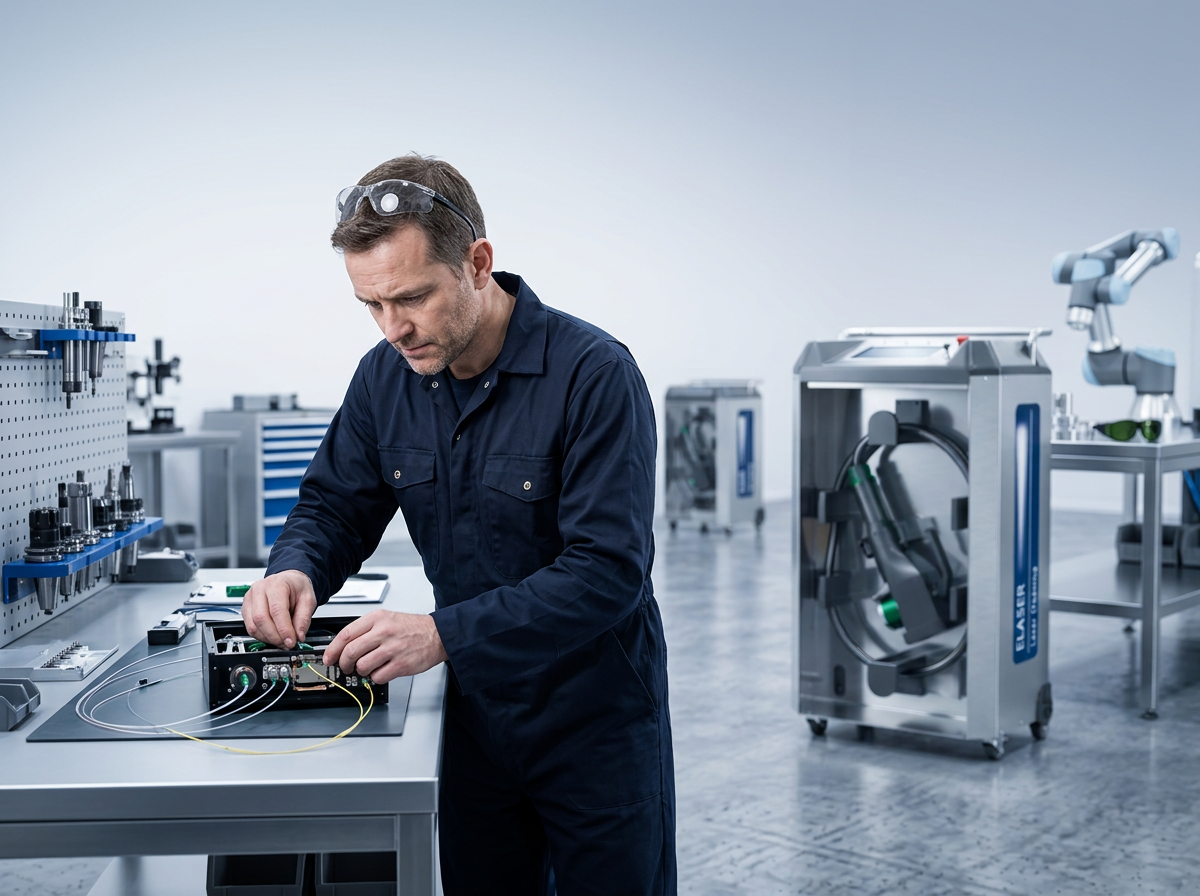
Woodrow Scientific is the only UK-based laser cleaning manufacturer — founded 2012, designing, building, servicing and improving every machine in-house. Much of the laser cleaning market is supplied by importers rebadging third-party hardware: their support depends on supply chains they do not control, and they cannot genuinely improve what they did not build. When a Woodrow Scientific machine needs attention, the engineers who built it resolve it.
That depth is proven by a world-first: the patented reduced hazard zone (RHZ) technology exists nowhere else. You cannot patent a rebadged import — it took 200+ years of combined in-house engineering experience to develop it.
Running Costs Stop at Electricity
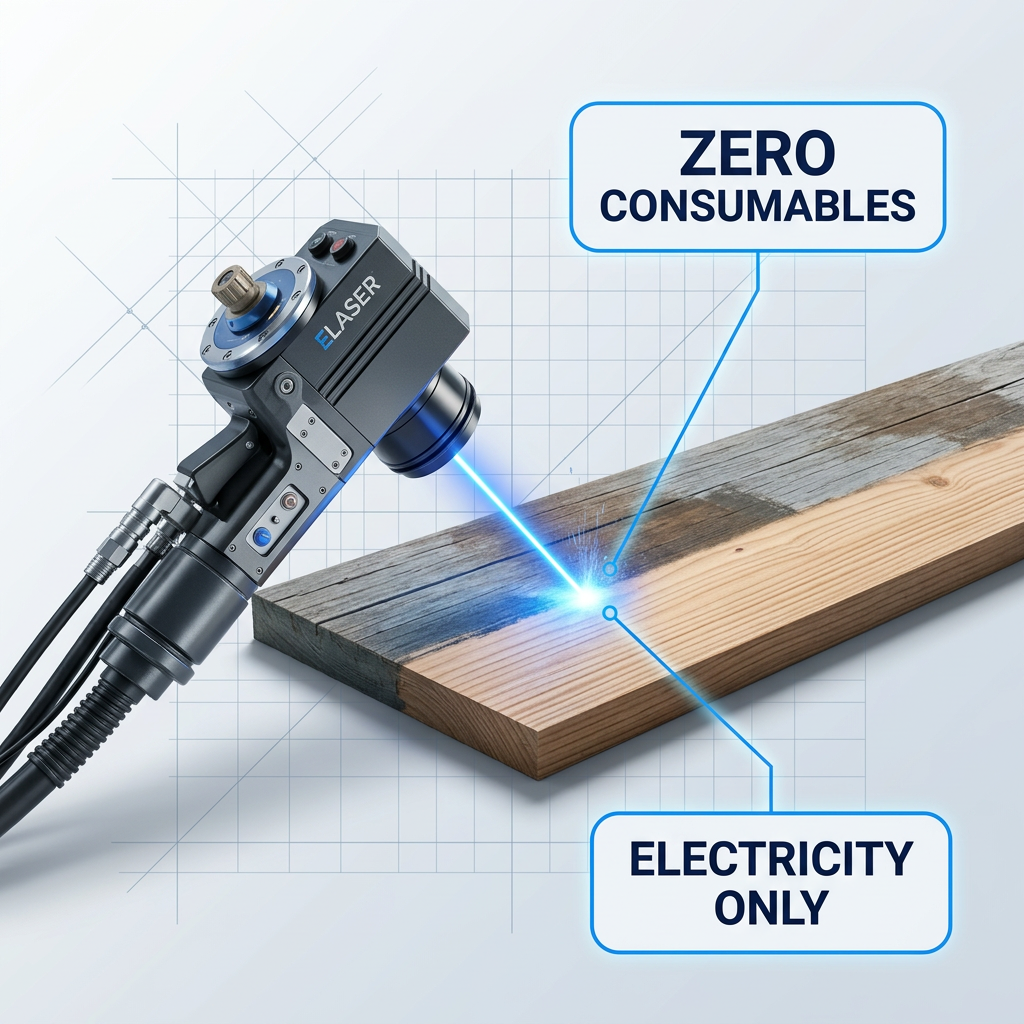
Sandblasting requires blast media. Chemical stripping requires chemicals, neutralisers, and disposal runs. Both carry an ongoing spend that accumulates with every job. Laser wood cleaning has none of these inputs — the only operational cost is electricity.
This is a structural difference, not a marginal saving. Consumable-dependent methods lock you into recurring expenditure across the life of the operation. With ELASER and AutoLASE, that cost category is simply absent.
Preserved Substrate Cuts Downstream Cost
When the beam stops at the wood — removing only the coating or contaminant — the grain, texture, and surface character remain intact. That translates directly into fewer finishing passes, less material loss, and better first-pass results.
Rework is expensive in timber work. Damaged grain means resanding, re-profiling, or in heritage contexts, irreversible loss. Laser cleaning eliminates this cost category by getting the surface right the first time, without touching what lies beneath.
No Setup, No Cleanup, Start Immediately
There is no media to replenish, no chemical bath to prepare, and no masking required before cleaning starts. The system is ready when you are. In production environments, AutoLASE begins a batch the moment a part is loaded. On site, ELASER leaves no residue to clear after the job.
The hidden cost of method changeover and preparation time is real. Eliminating setup and cleanup from every cleaning cycle adds up to a measurable throughput gain across a full production week or project schedule.
Europe's Cost Leader in Laser Cleaning
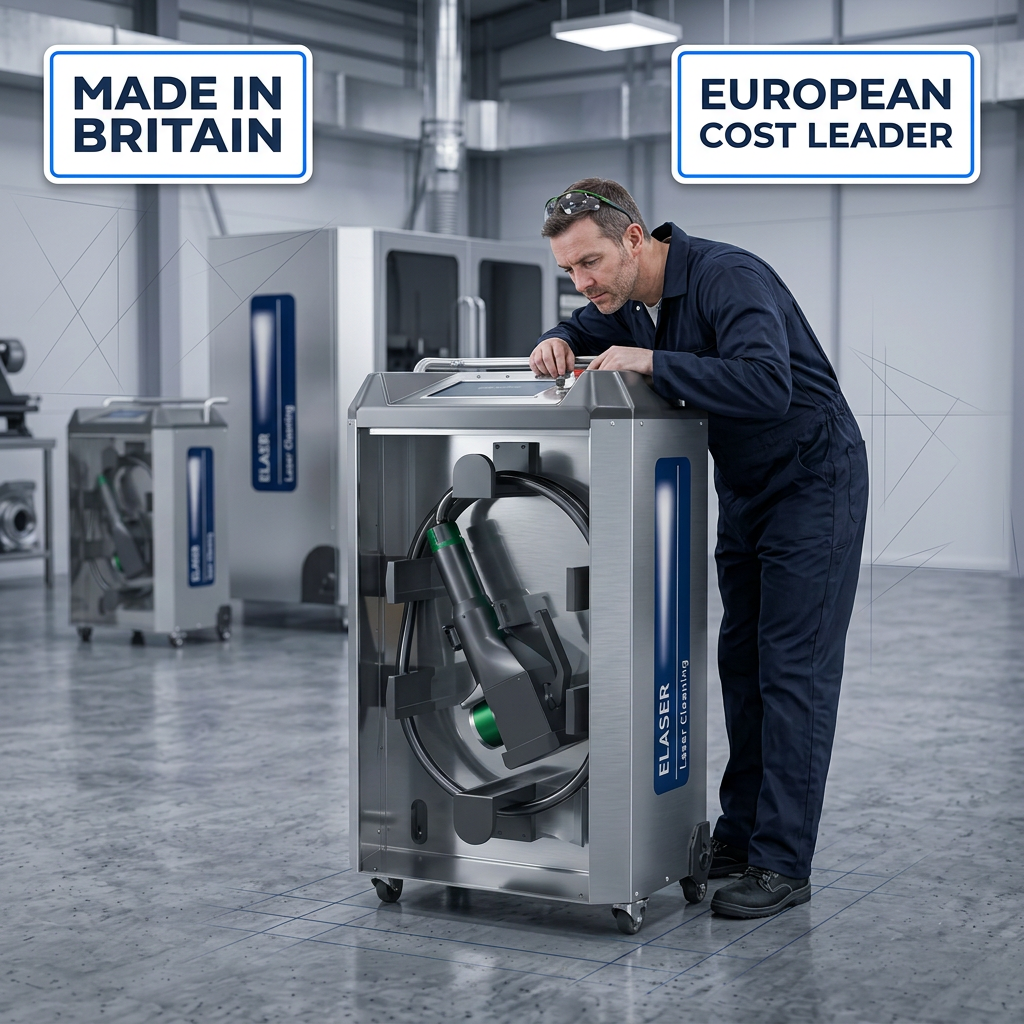
Woodrow Scientific is the European cost leader among comparable industrial laser cleaning machines. That pricing competitiveness is a direct consequence of in-house manufacturing: every system is designed and built by the same team that supports it, removing the margins that come with reselling third-party hardware.
The result is competitive pricing without compromise on quality or capability. Both ELASER/ELASER-RHZ and AutoLASE are priced to reflect what in-house British manufacturing can achieve — not what an import chain requires.
Pricing Configured to Your Requirements
System pricing is tailored to your application and volume. The Woodrow Scientific team will identify the right system — ELASER/ELASER-RHZ or AutoLASE — and configure a quote around your specific cleaning requirements.
It is a straightforward conversation with engineers who understand the full range of wood cleaning tasks. Contact Woodrow Scientific to request a tailored system quote.
Get a Quote for Your Laser Wood Cleaning System
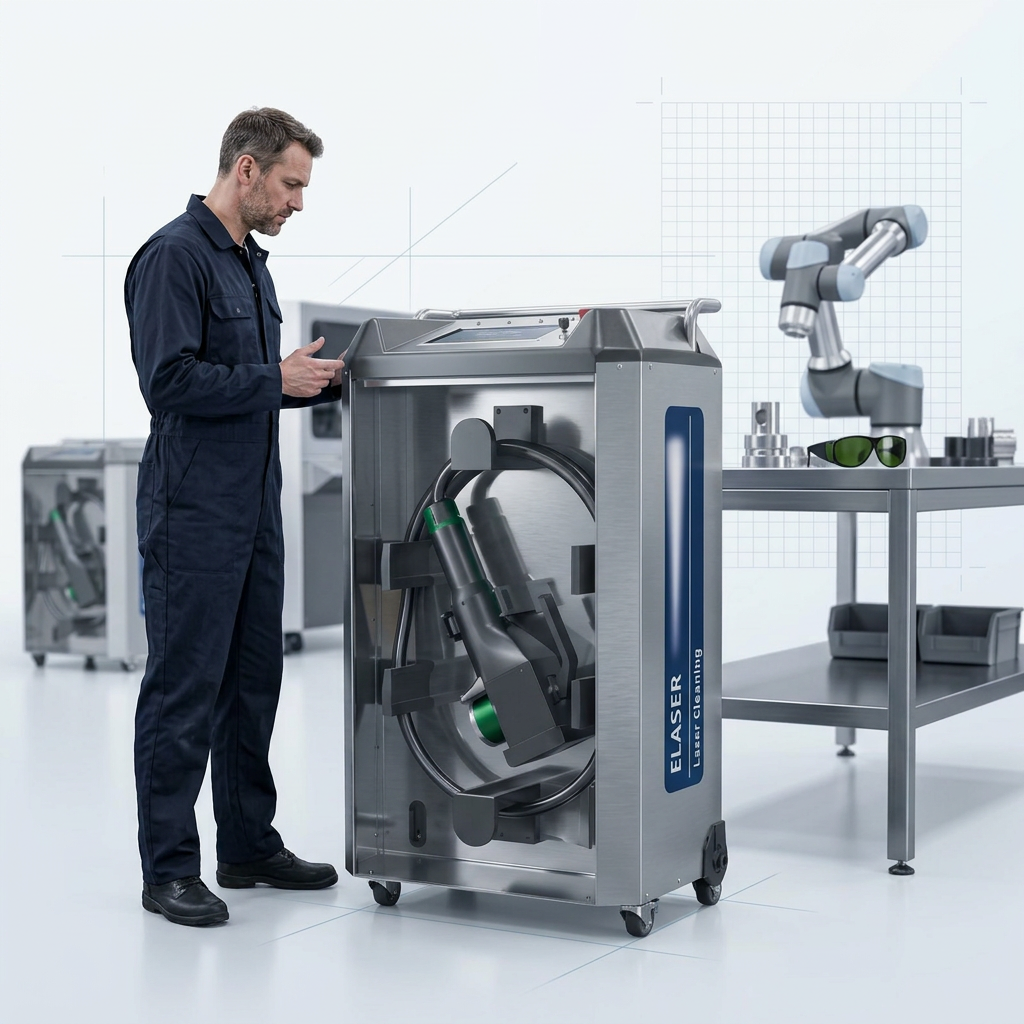
Woodrow Scientific engineers will identify the right system — portable ELASER/ELASER-RHZ or automated AutoLASE — for your application. As the UK's only laser cleaning manufacturer, we configure every quote to your specific requirements.
Frequently Asked Questions: Laser Wood Cleaning
Can't find what you're looking for? Contact Woodrow Scientific directly for expert guidance on your application.
The ELASER-RHZ is Woodrow Scientific's portable laser cleaning system incorporating their patented, world-first reduced hazard zone (RHZ) eye-safe technology. In practical terms, RHZ collapses the laser hazard zone to a small area around the work itself — the operator does not need to seal off or evacuate the surrounding space before cleaning begins. No other laser cleaning manufacturer in the world offers this capability. Wood cleaning most commonly takes place in open workshops, heritage buildings, architectural settings, and public-facing sites: exactly the environments where conventional laser cleaning — which requires a fully sealed-off safety zone — is impractical or impossible. The ELASER-RHZ is what makes laser cleaning genuinely deployable in those settings. Woodrow Scientific provides full operator training with every system. RHZ technology is also available as an upgrade on the AutoLASE automated system, making it the only automated laser cleaner in the world capable of operating without an enclosure.
Both systems cover the full range of timber cleaning tasks: paint, lacquer, varnish and primer stripping; mould and biological contamination removal; heritage and period timber restoration including carved woodwork, oak framing and gilded panels; surface preparation for re-coating and bonding by ablating the compressed surface layer to improve adhesion; structural and building timber cleaning such as beams, cladding and decking; and wooden component cleaning in production workflows covering release agents and adhesive residues. The ELASER and ELASER-RHZ handle on-site and portable work; AutoLASE handles volume production. The right system depends on whether you need to go to the timber or bring the timber to you.
Woodrow Scientific systems are quote-based — pricing is configured to your application, system type, and volume. Contact Woodrow Scientific directly for a tailored quote. On price positioning: Woodrow Scientific is the European cost leader among comparable industrial laser cleaning machines, with competitive pricing achieved through in-house manufacturing efficiency rather than any reduction in quality. The more relevant cost comparison, though, is total cost of ownership. Laser wood cleaning carries no consumables, no blast media, no chemical disposal costs, and less rework from substrate damage. Those running cost advantages compound over time and typically make the TCO case compelling against traditional methods.
Yes — laser cleaning is proven effective on wood. The laser beam ablates the coating or contamination and stops at the base material. Unlike abrasive methods, which erode the softer spring grain along with the coating, or chemical strippers, which soak into the timber and raise the grain, laser cleaning lifts the contaminant without touching the wood beneath. It works across both hardwood and softwood, with power settings tunable to match substrate sensitivity — from delicate heritage limewash removal through to thick paint stripping. The range of what it removes is broad: paint, varnish, lacquer, mould, soot, biological contamination, and adhesive residues are all within scope. Conservation practice and independent research both confirm laser cleaning on gilded wood, polychrome panels, exposed timber framing, and wooden artefacts — it is an established method in heritage restoration as well as industrial applications.
Wood is more heat-sensitive than metal or stone, so settings must be dialled in carefully for each combination of wood type and coating. Power and pulse parameters need to be matched to the specific substrate — this is a genuine practical consideration, though not a fundamental limitation. It simply means taking the time to set up correctly, which Woodrow Scientific's operator training covers directly. Laser cleaning is also not suitable for timber that is structurally compromised by rot or active woodworm. The wood needs to be structurally sound before cleaning; the process removes surface contamination but will not repair a deteriorated substrate. Beyond those two points, the practical scope of laser cleaning on wood is broad — it handles the full range of coatings, biological contamination, and surface deposits that timber cleaning typically involves.
For most wood applications, yes — laser cleaning is the superior choice and can replace sandblasting entirely. Sandblasting erodes the softer spring grain faster than the harder summer grain, leaving a furred, over-textured surface that no finishing process can restore. On heritage timber, architectural woodwork, or any wood where the original surface character matters, that damage is permanent. Laser cleaning preserves grain, colour, and patina because the beam stops at the substrate. The honest edge case: for high-volume stripping of flat, non-heritage timber where surface character is irrelevant, sandblasting can be faster. However, the substrate damage it causes typically generates rework — re-sanding, additional finishing passes, material loss — that erodes the speed advantage when assessed over the full job. On total cost of ownership, laser cleaning carries no consumable costs (no blast media, no disposal) and less rework, so the overall cost comparison often favours laser cleaning even in cases where sandblasting appears faster upfront.