What Does a Laser Stain Remover Remove?
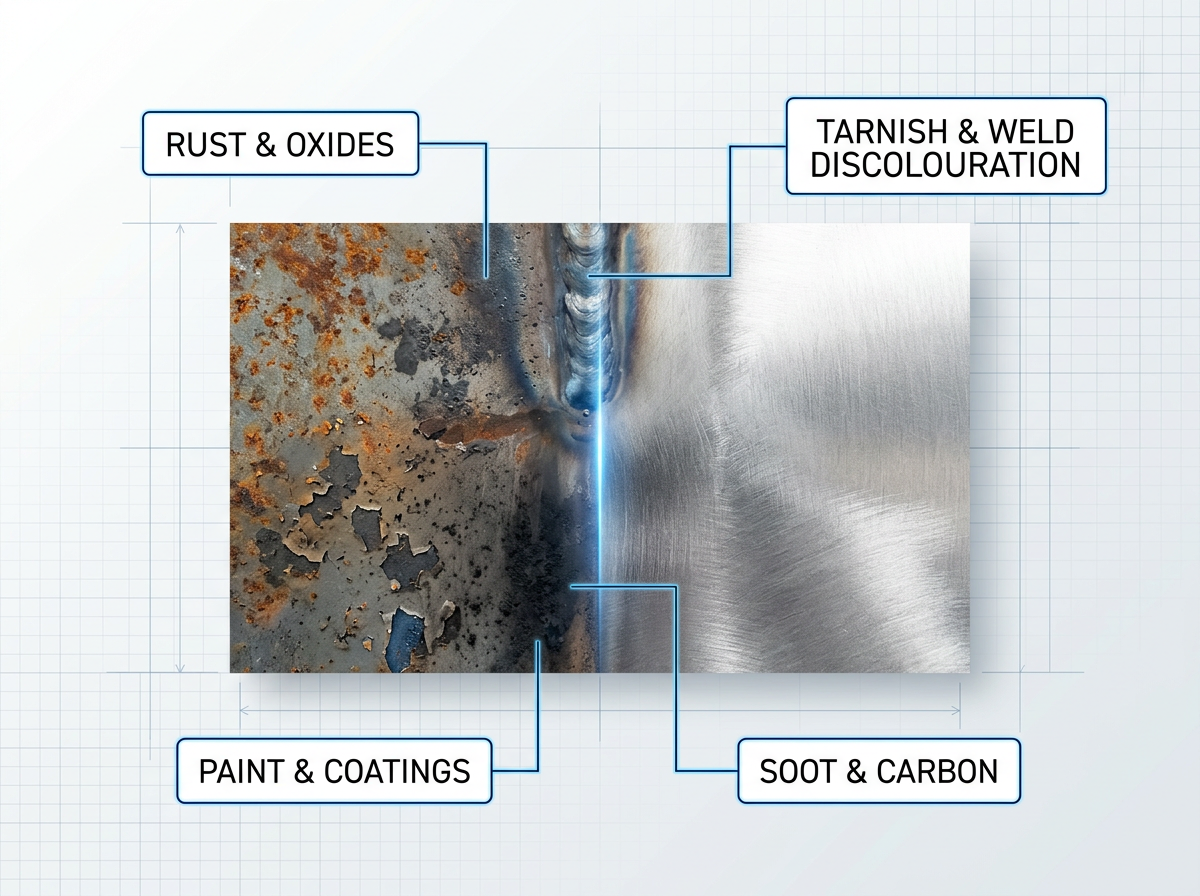
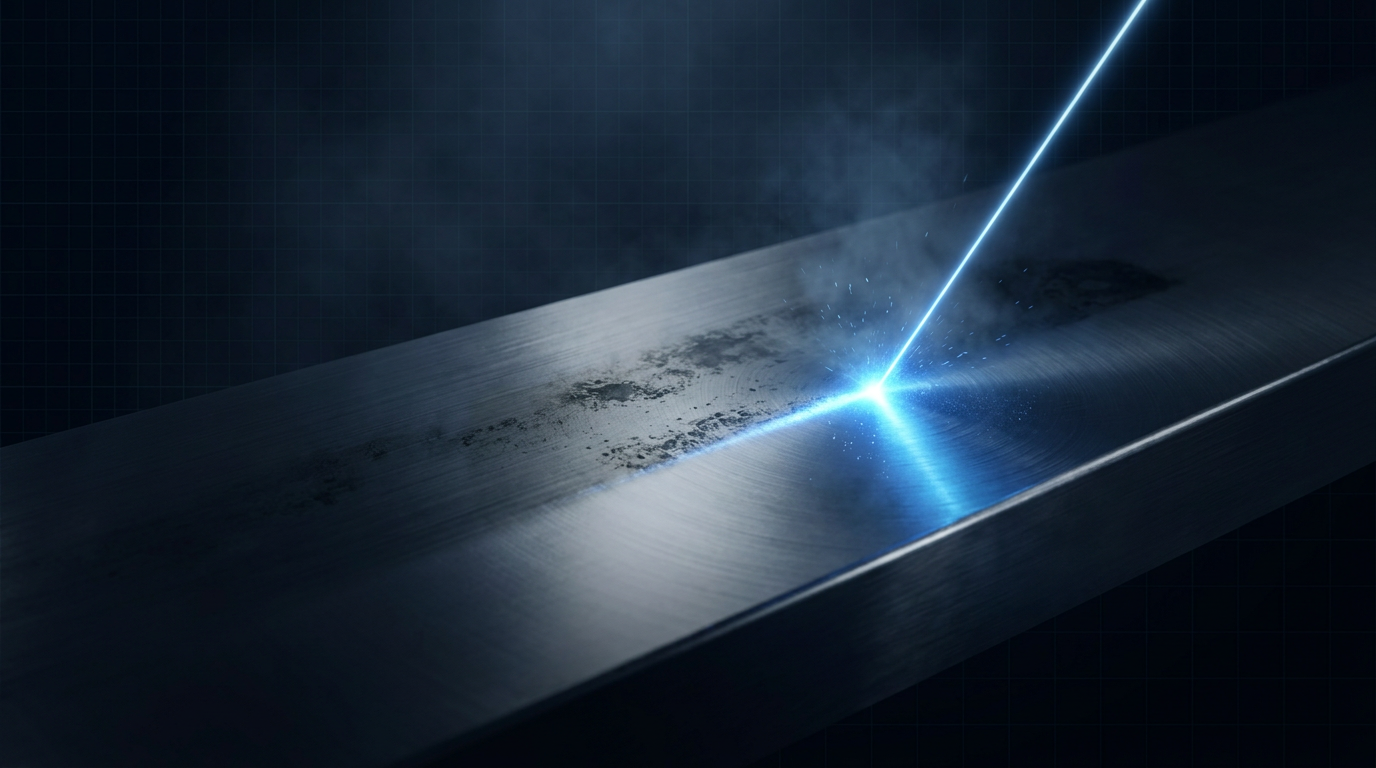
This laser stain remover handles virtually any surface contamination — from light staining through to heavy coatings. Contaminants covered include rust, oxides, mill scale, paint, powder coating, lacquer, primer, oil and grease, carbon and soot, mould, graffiti, adhesives and residues, tarnish, weld discolouration, and release agents.
It cleans steel, carbon steel, aluminium alloys, cast iron, copper, brass, bronze, titanium and galvanised steel, as well as stone, concrete, brick and masonry. Power is tunable across the full range, and the beam stops at the base material — the stain is lifted; the surface beneath is preserved.
How Laser Stain Removal Works
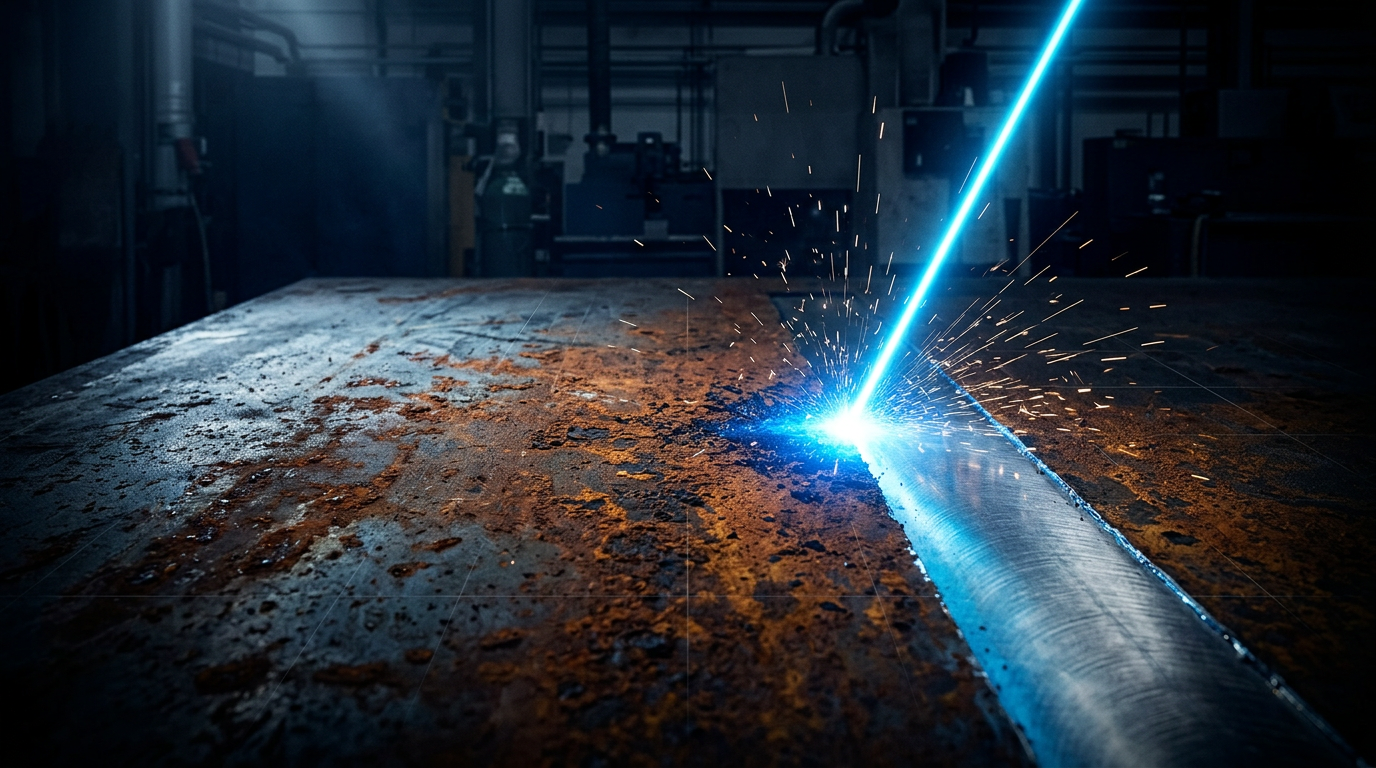
Laser ablation is a straightforward process. Here is how each stage works in practice — from the moment the beam contacts the surface to the final clean result.
Light Does the Work. Nothing Else Required.
No chemicals to mix, no abrasives to load, no water to manage. Laser cleaning uses light alone — nothing to replenish, nothing to dispose of.
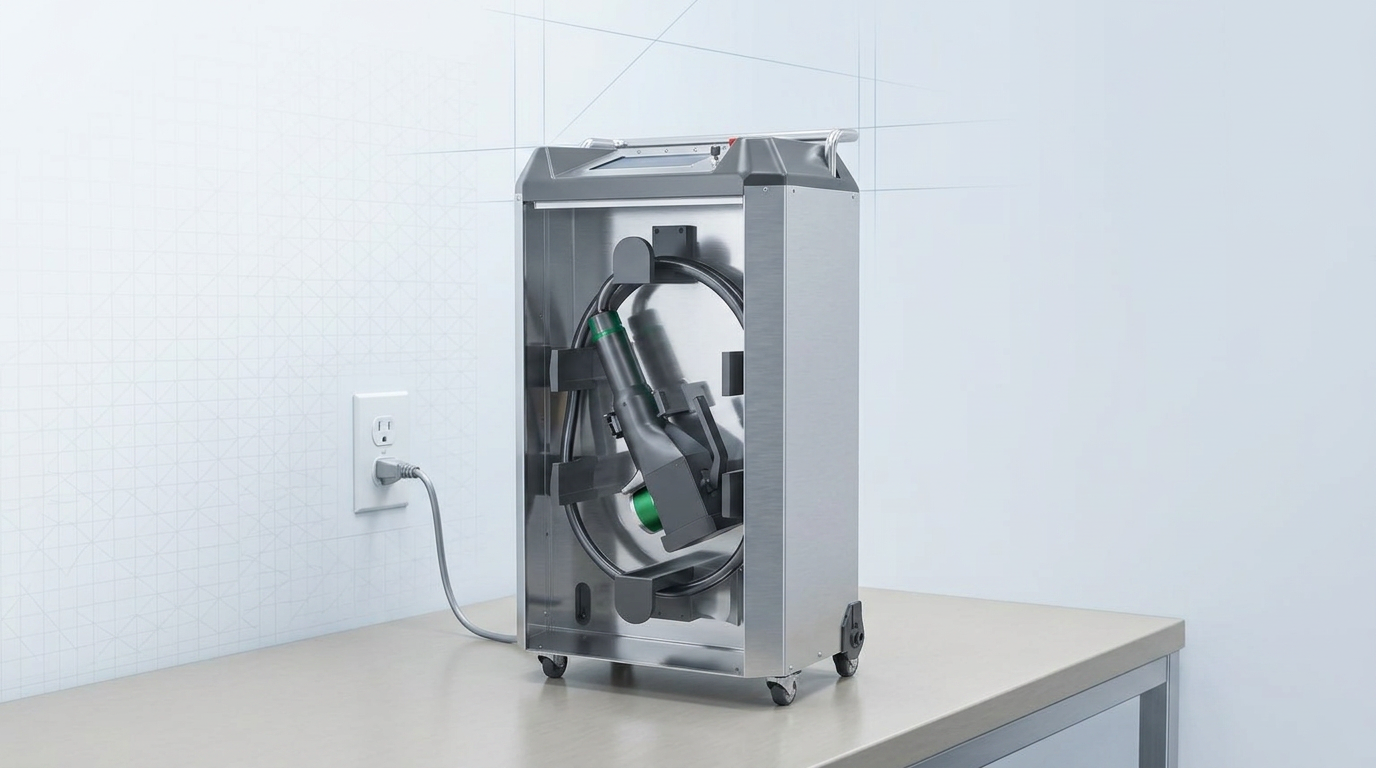
Air-Cooled. Plug In and Operate.
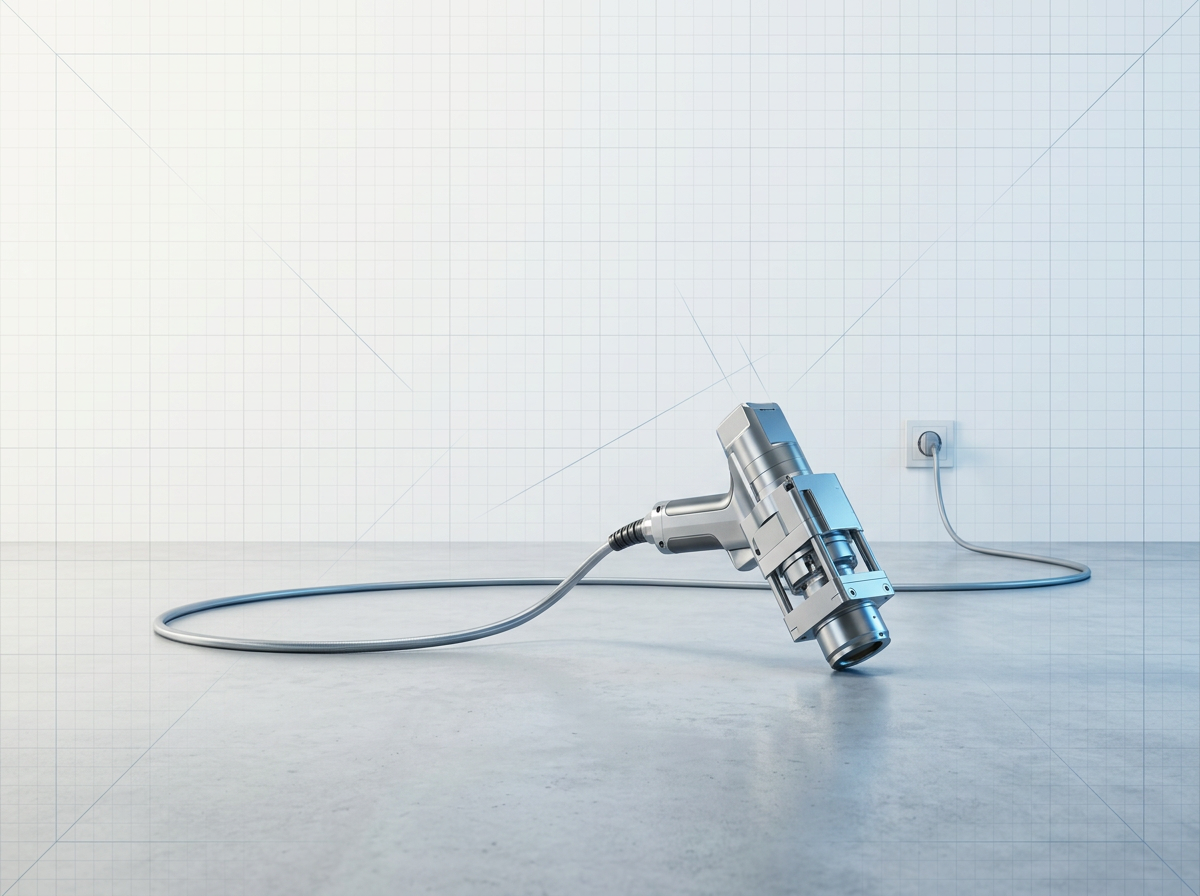
No water supply, chiller, or cooling circuit needed. The system is air-cooled — connect to a standard power outlet and work begins immediately.
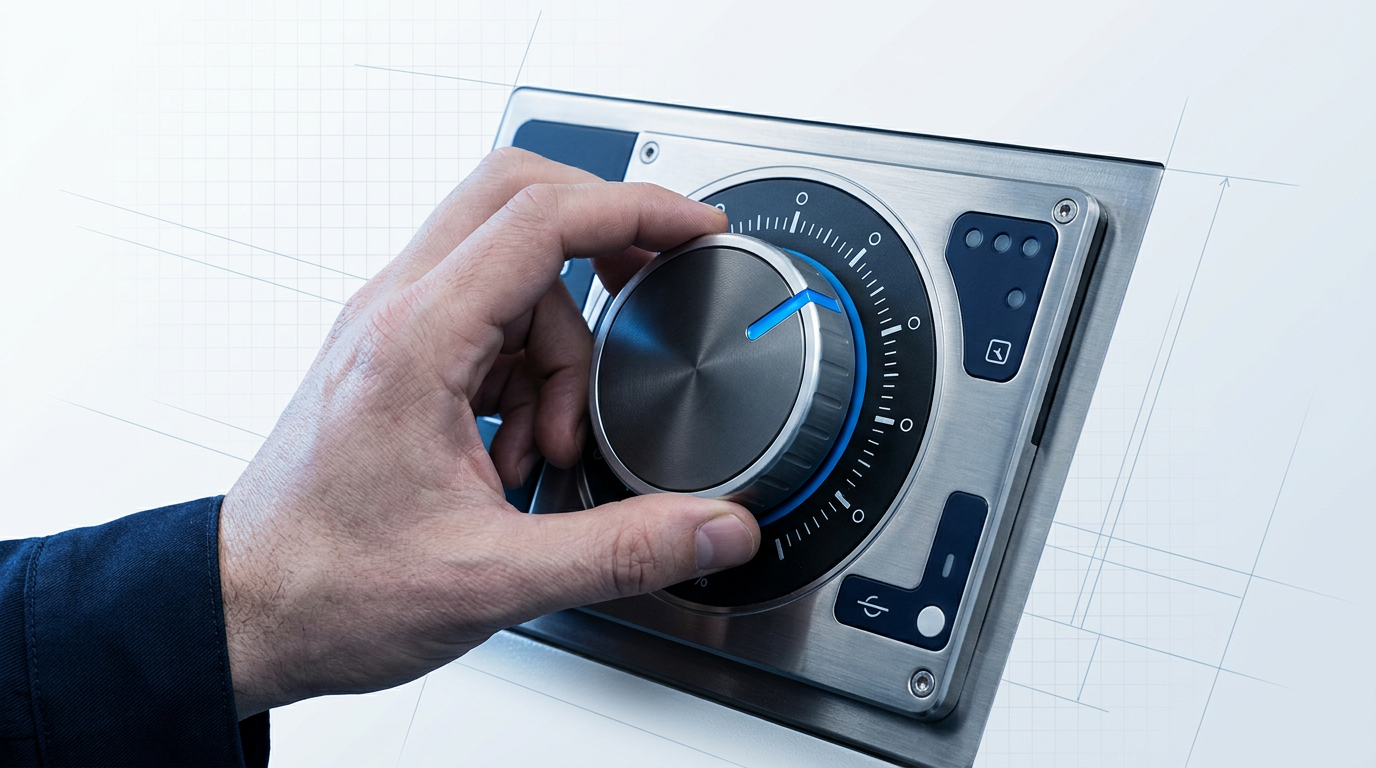
Tunable Power from 0 to 100 Percent
Adjust intensity to match the job. Light tarnish needs a gentle setting; heavy coatings take full power. One system covers the full range.
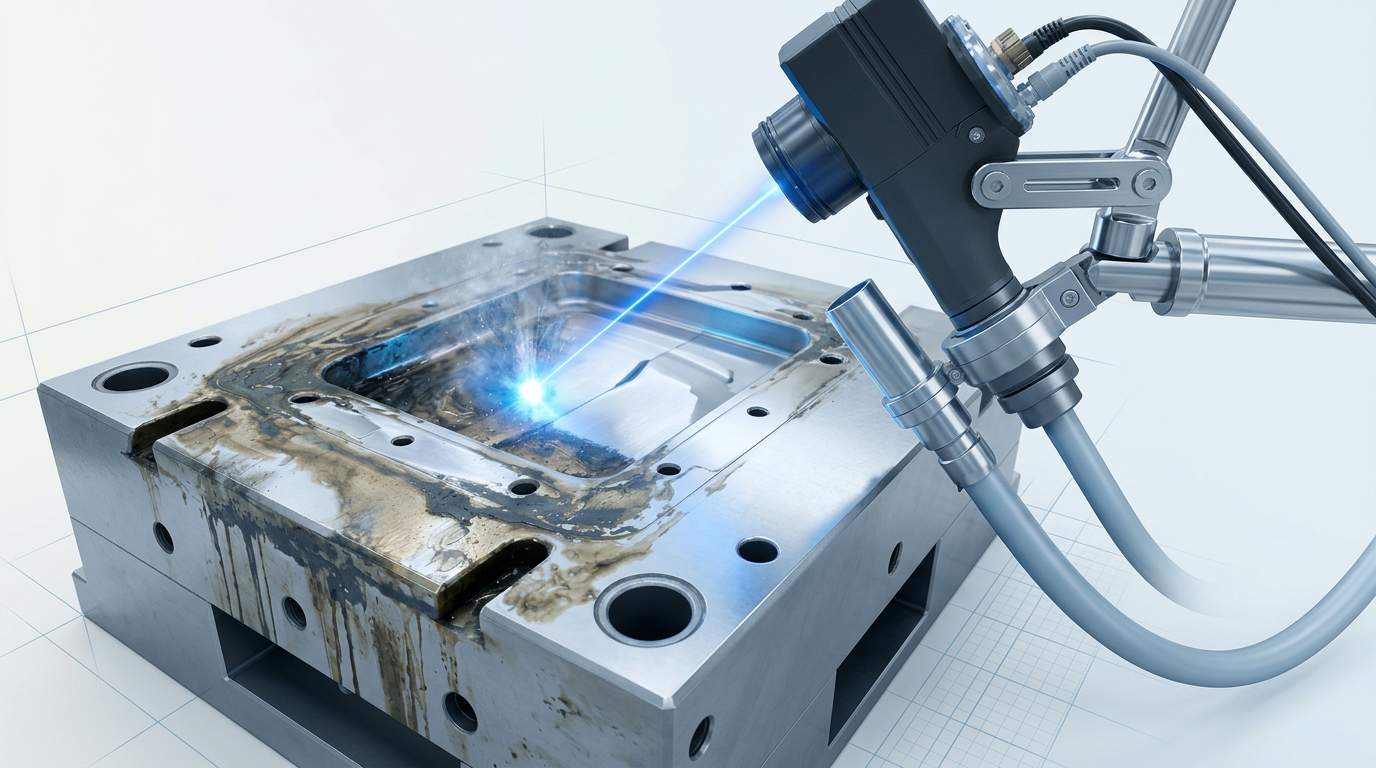
Vaporised Contaminants Extracted at Source
Fumes are captured at the point of ablation. No residue settles, no airborne contamination drifts — the workspace stays clean throughout.
ELASER: The Portable Laser Stain Remover You Take On-Site
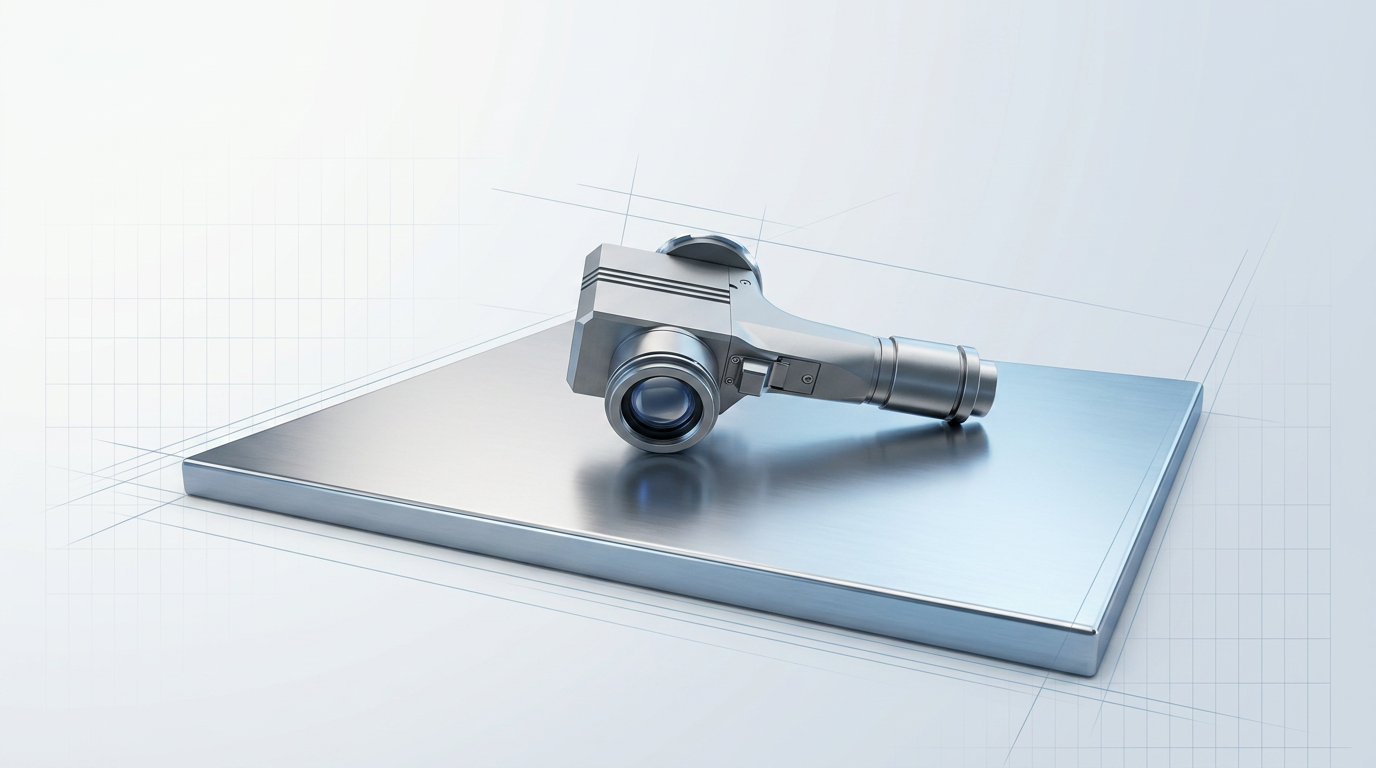
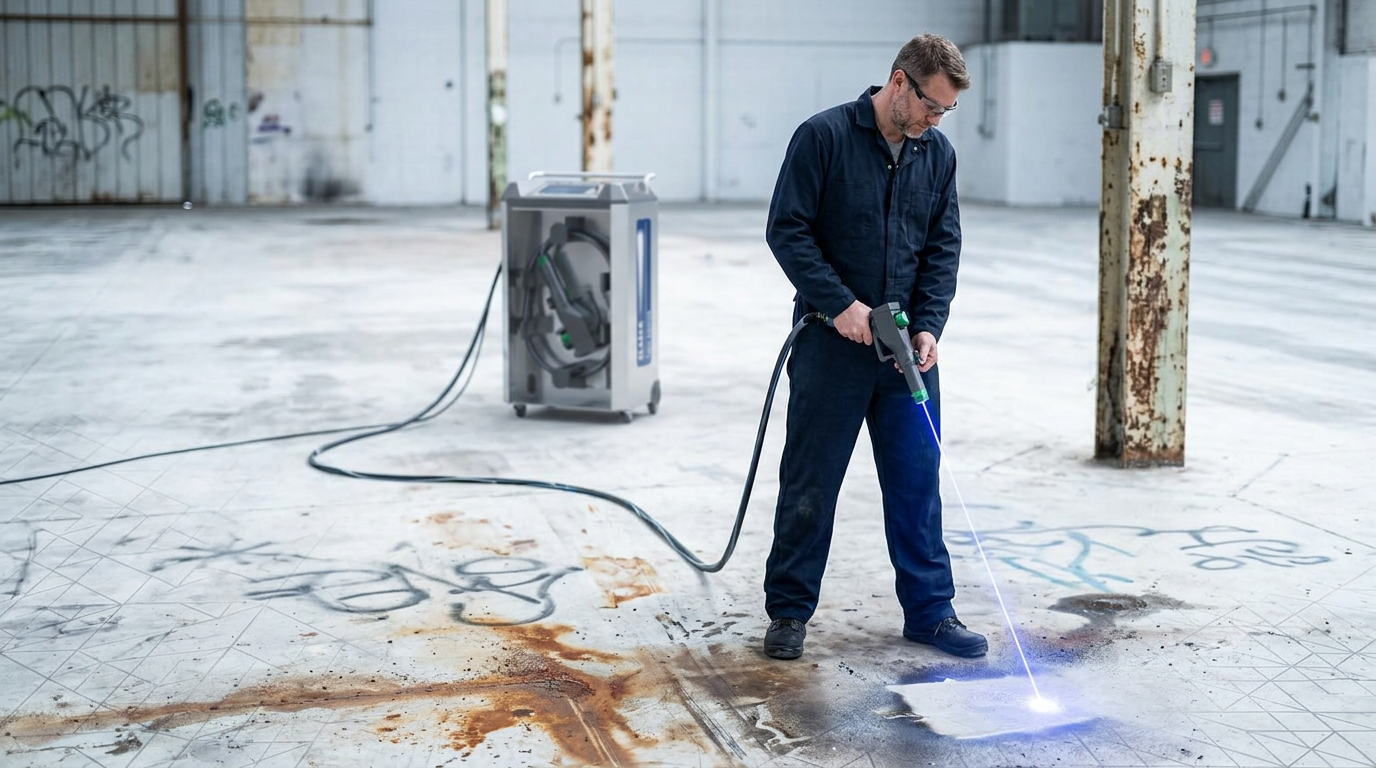
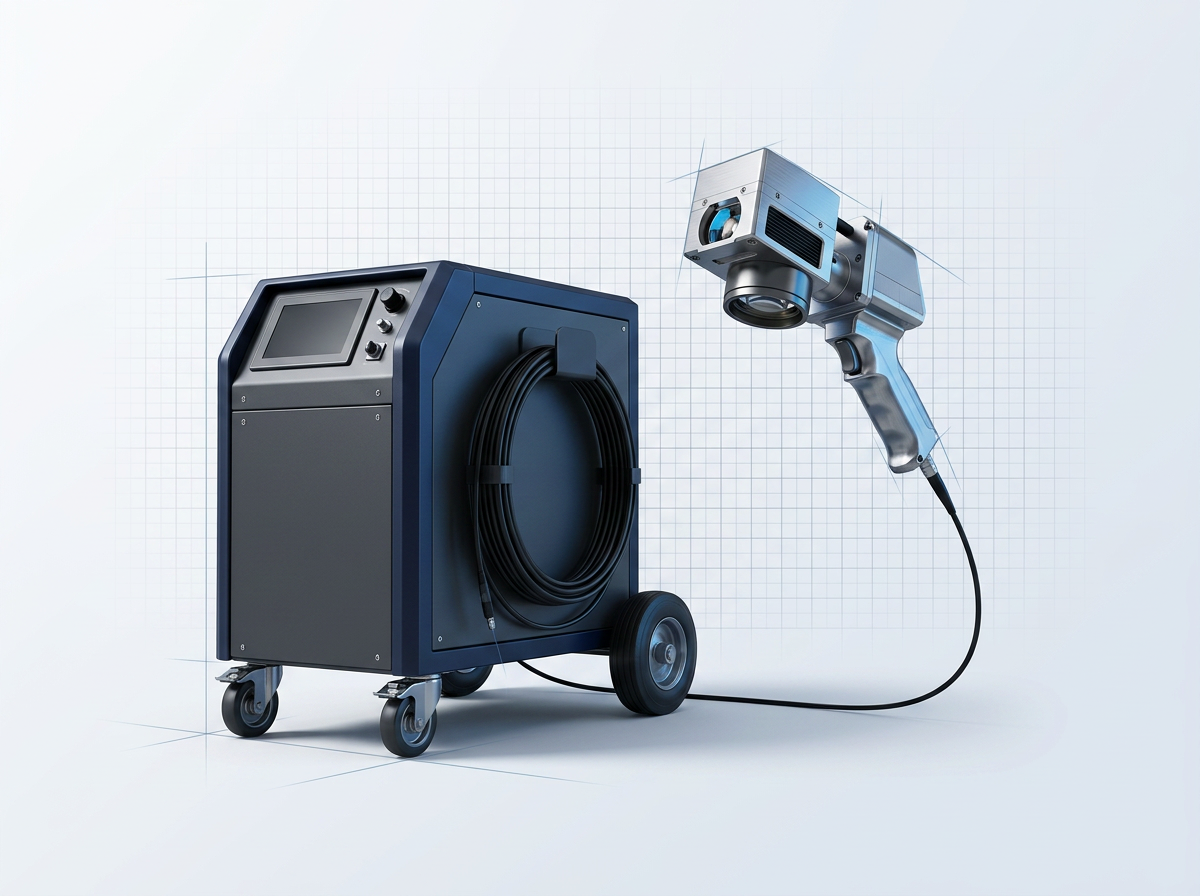
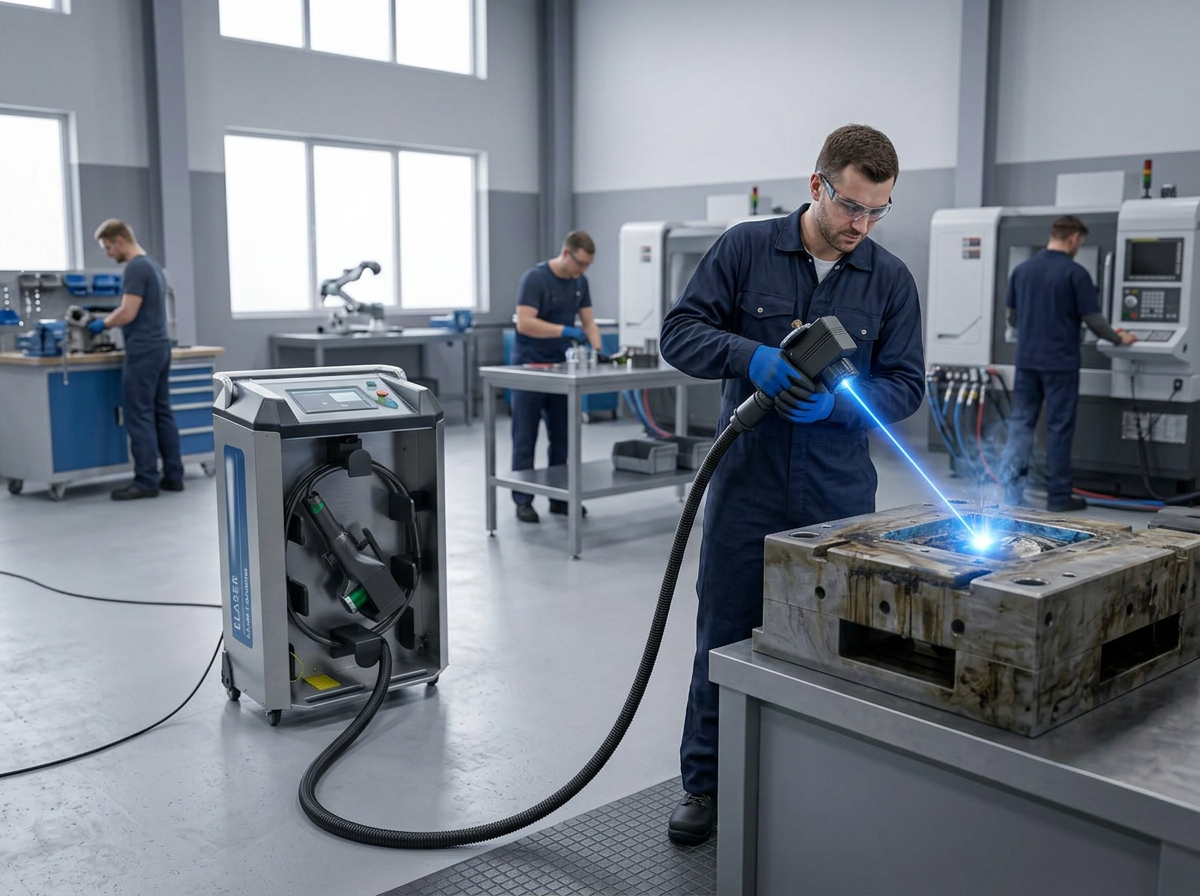
The ELASER is a wheeled unit under 50 kg with a sub-3 kg handheld scanner and up to 50 m delivery cable — one operator, no infrastructure. Up to 300 W of tunable fibre-laser power runs on standard 110–250 VAC single-phase; no water supply or chiller needed.
The ELASER-RHZ adds WSL's world-first, patented reduced-hazard-zone technology. Conventional laser cleaning demands area evacuation; the ELASER-RHZ collapses the hazard zone to a fraction of its normal size, enabling cleaning in open workshops, mixed-use facilities, and public-facing environments without shutting down the surrounding area.
CE and UKCA certified. Built in Britain by WSL — the only UK-based laser cleaning manufacturer.
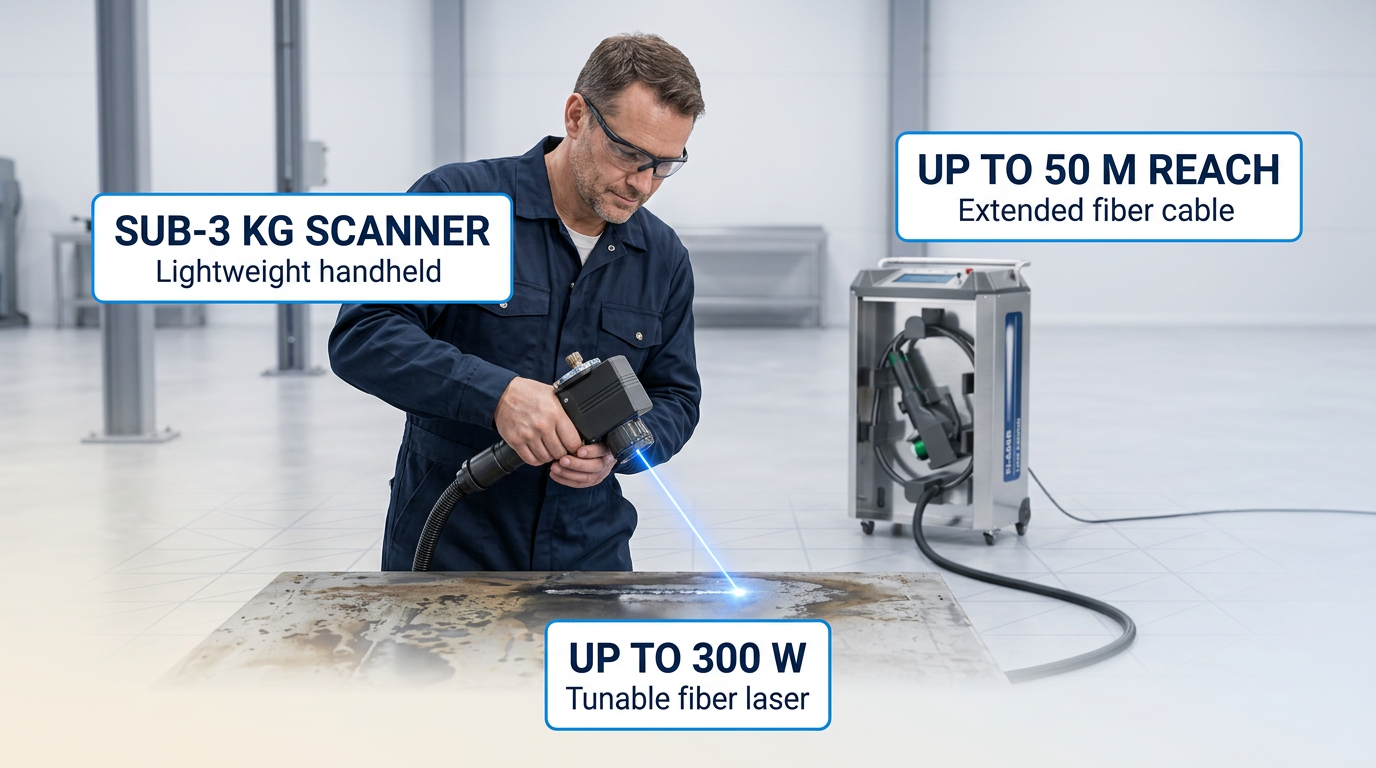
See the ELASER in Full Detail
Portable, air-cooled, and consumable-free — the ELASER is built for real on-site work. Explore the full product page to see specifications, variants, and configurations.
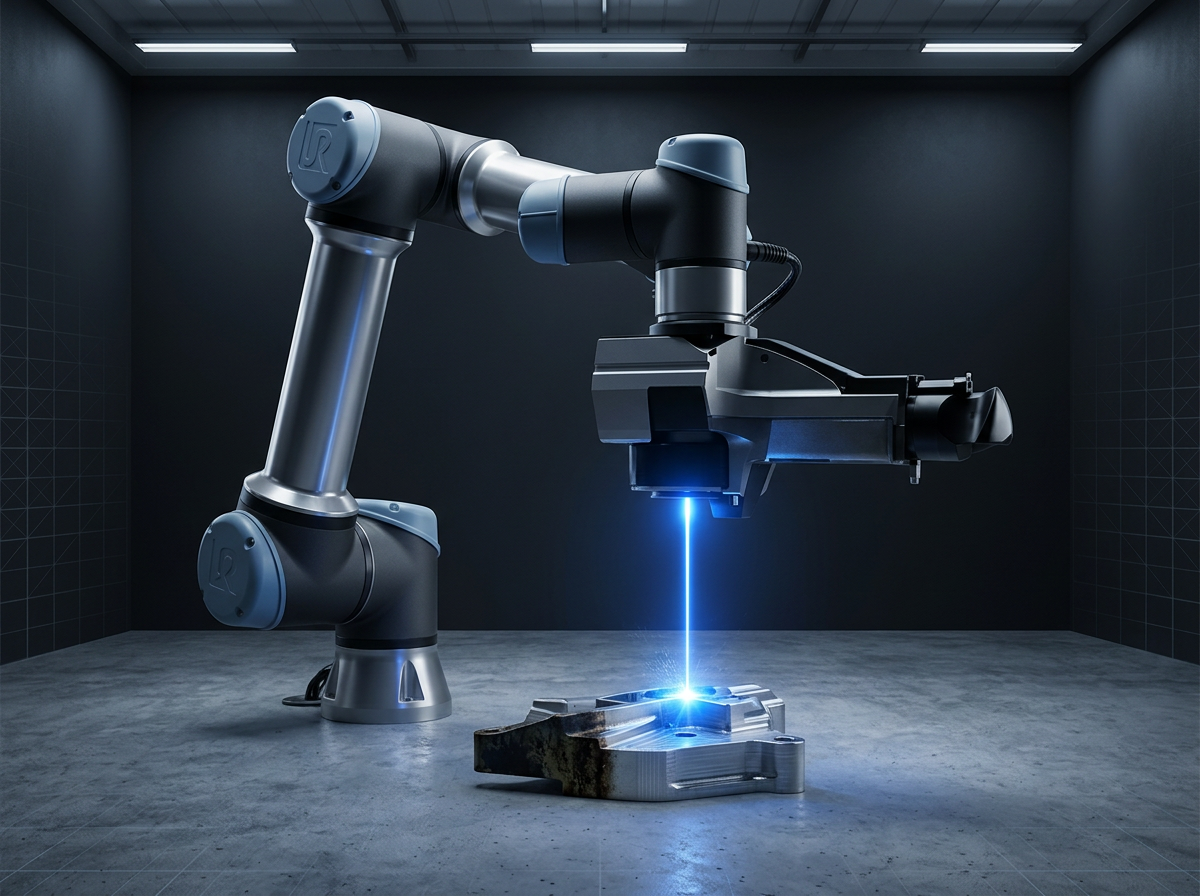
AutoLASE: Automated Laser Stain Removal for Production
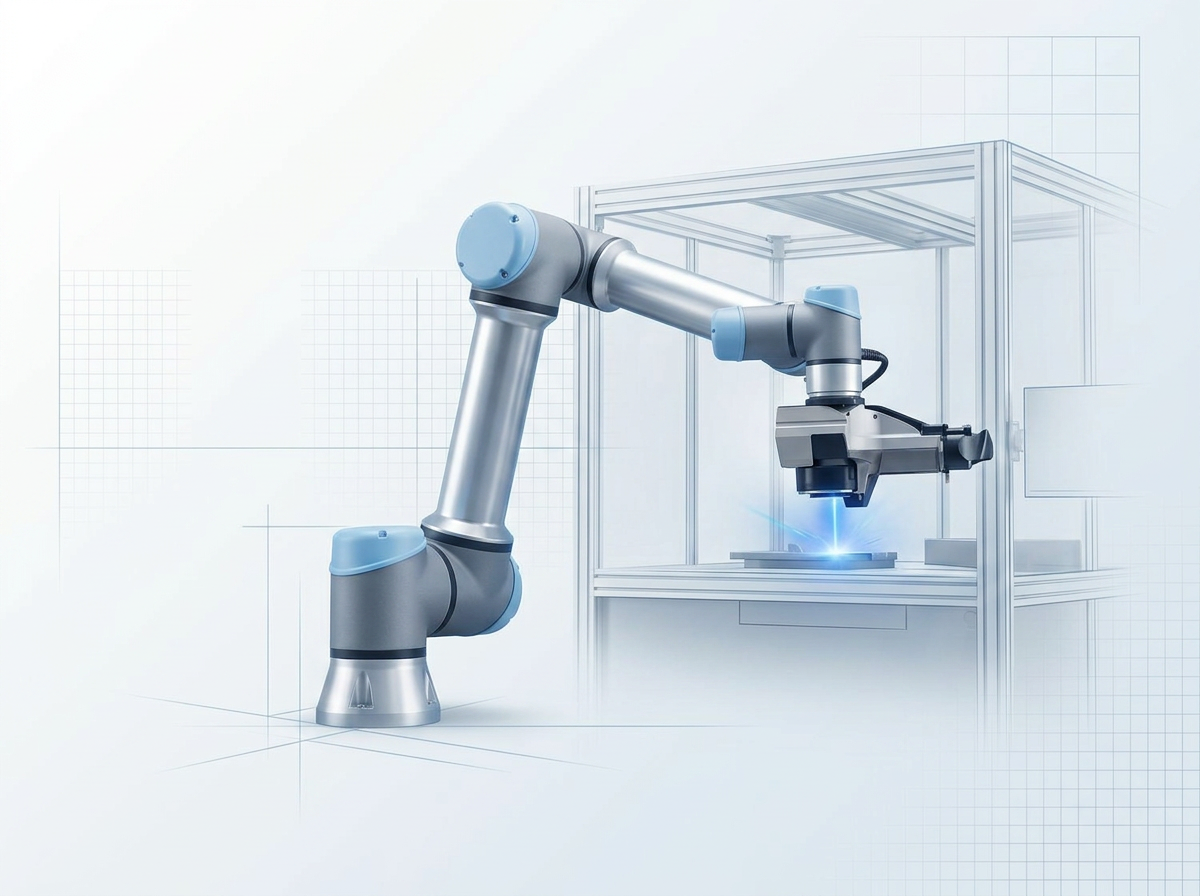
AutoLASE is built for repetitive, high-volume production cleaning. Load the part — machine vision scans it, builds a 3D map, and generates the cleaning path automatically. No programming, no path-setting, no specialist knowledge required. Anyone can run it.
Optionally configured with WSL's patented Reduced Hazard Zone technology, AutoLASE is the only automated laser cleaning system in the world that can operate without an enclosure — a genuine unlock for production environments where enclosures are impractical. CE and UKCA certified, made in Britain.
Laser Stain Removal Applications
From open-air monument restoration to high-volume production lines, laser stain removal works across industries and settings. Find your application below.
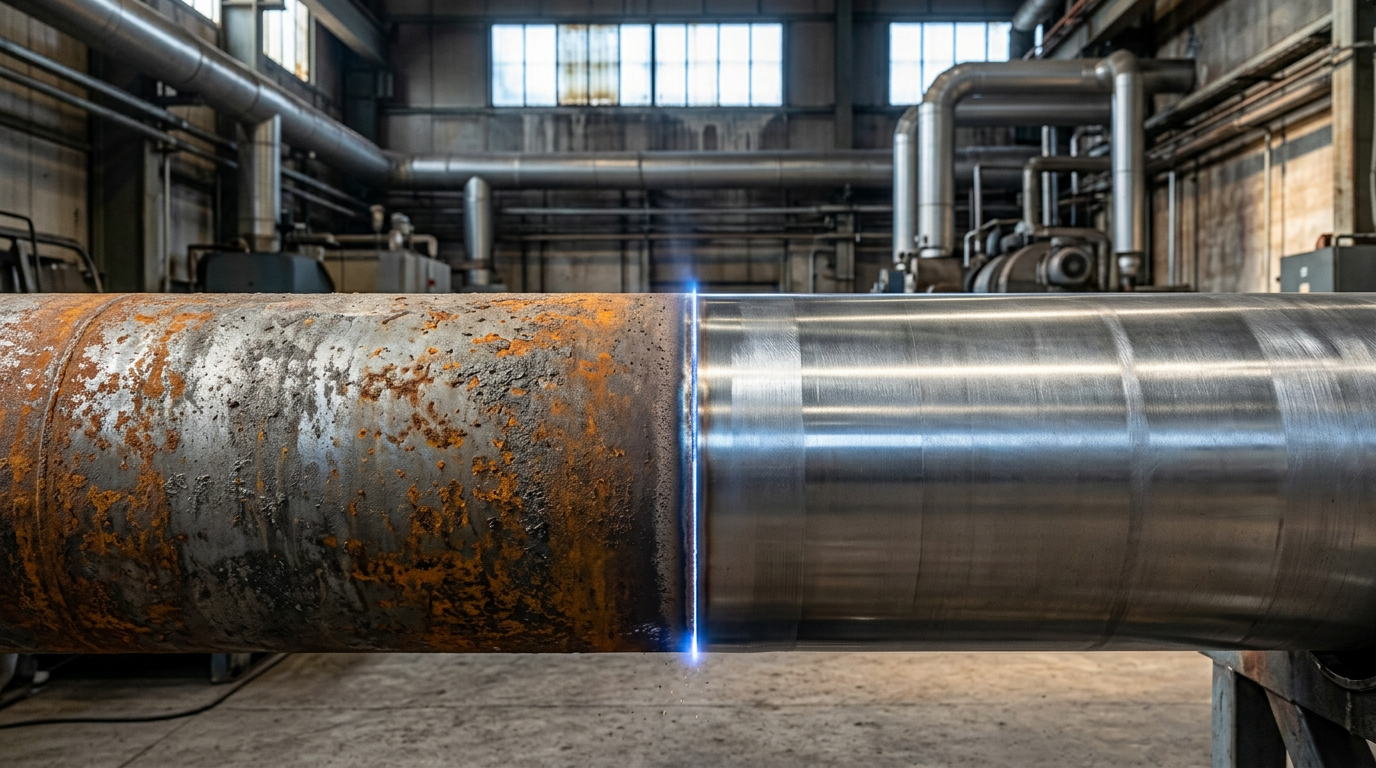
Industrial Maintenance
Clean plant and equipment on site. Nothing to mask off, no media to clear up.
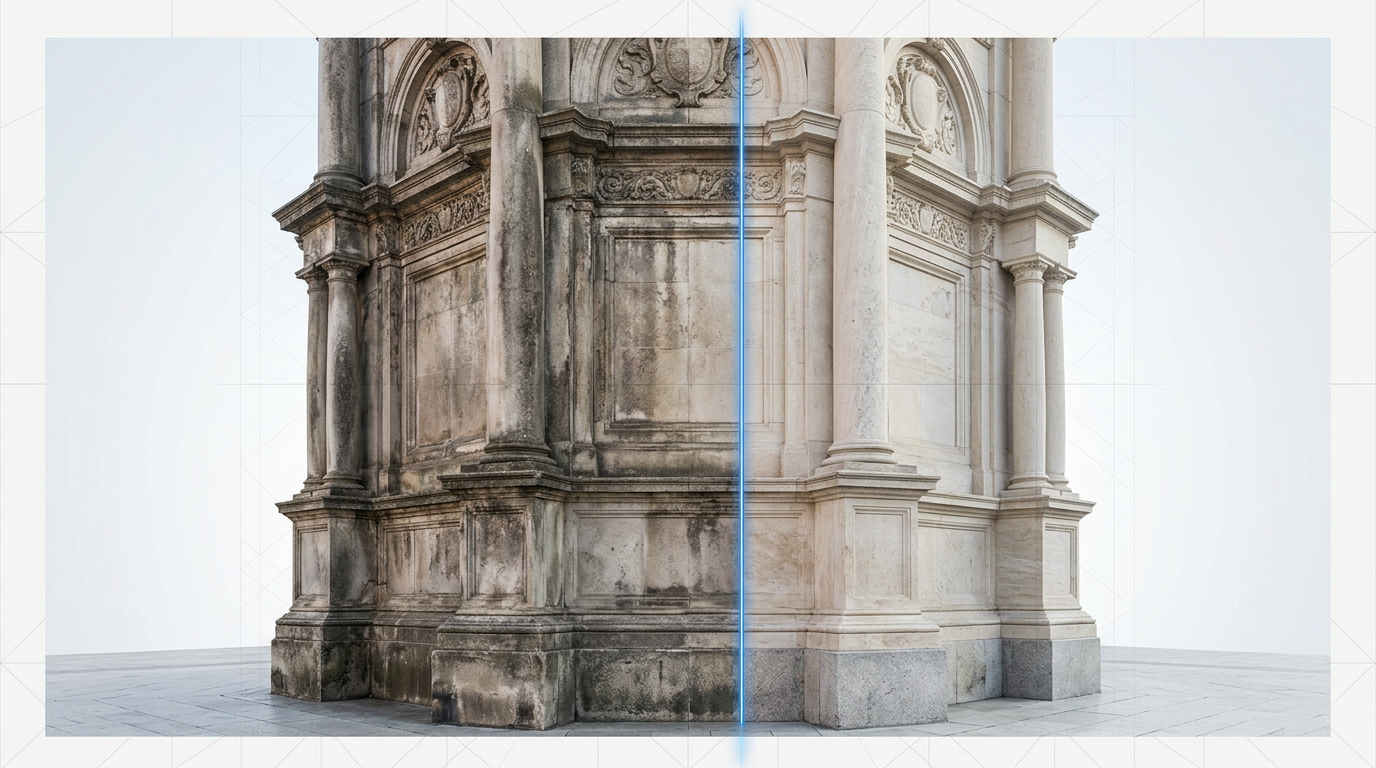
Heritage and Restoration
Restore monuments and listed buildings in public spaces, with no area to seal off.
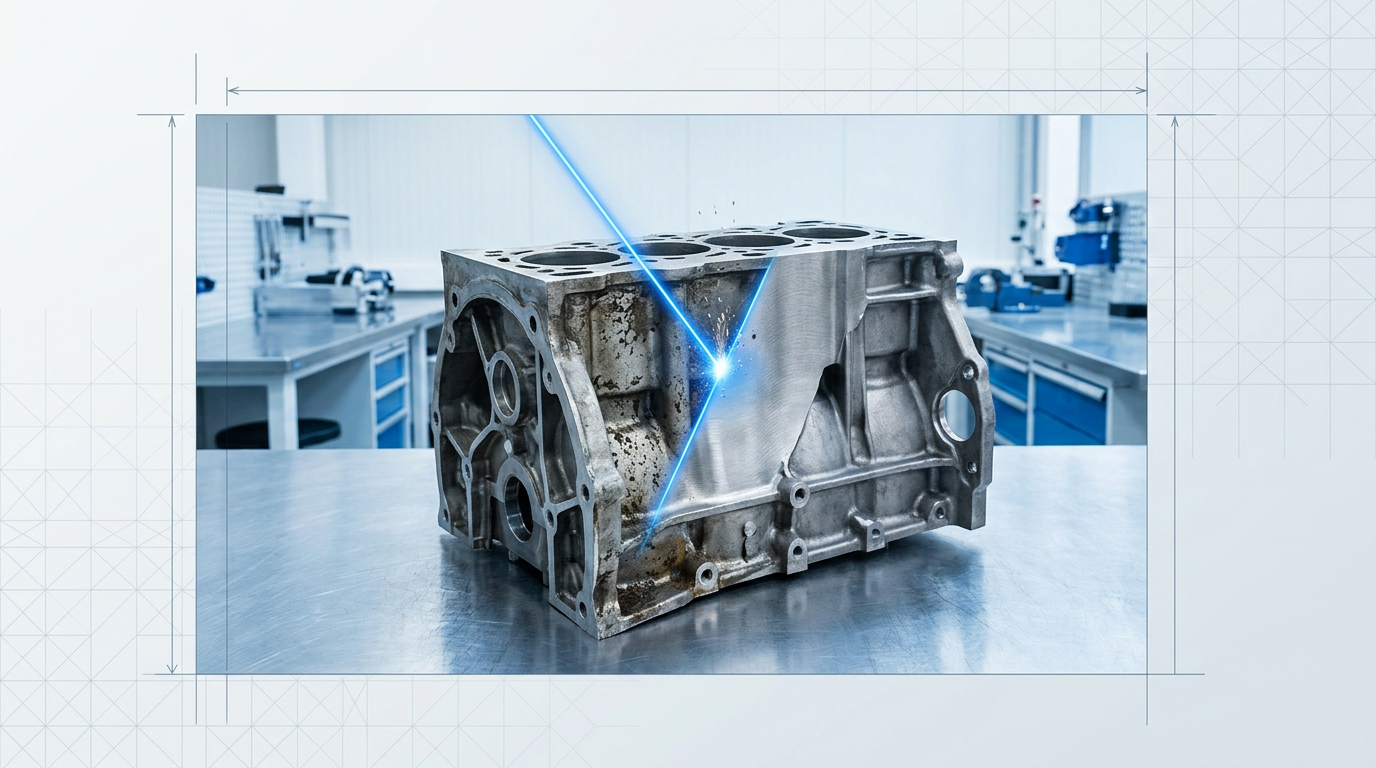
Automotive
Pre-weld prep, rust and paint removal, and EV battery component cleaning — one system.
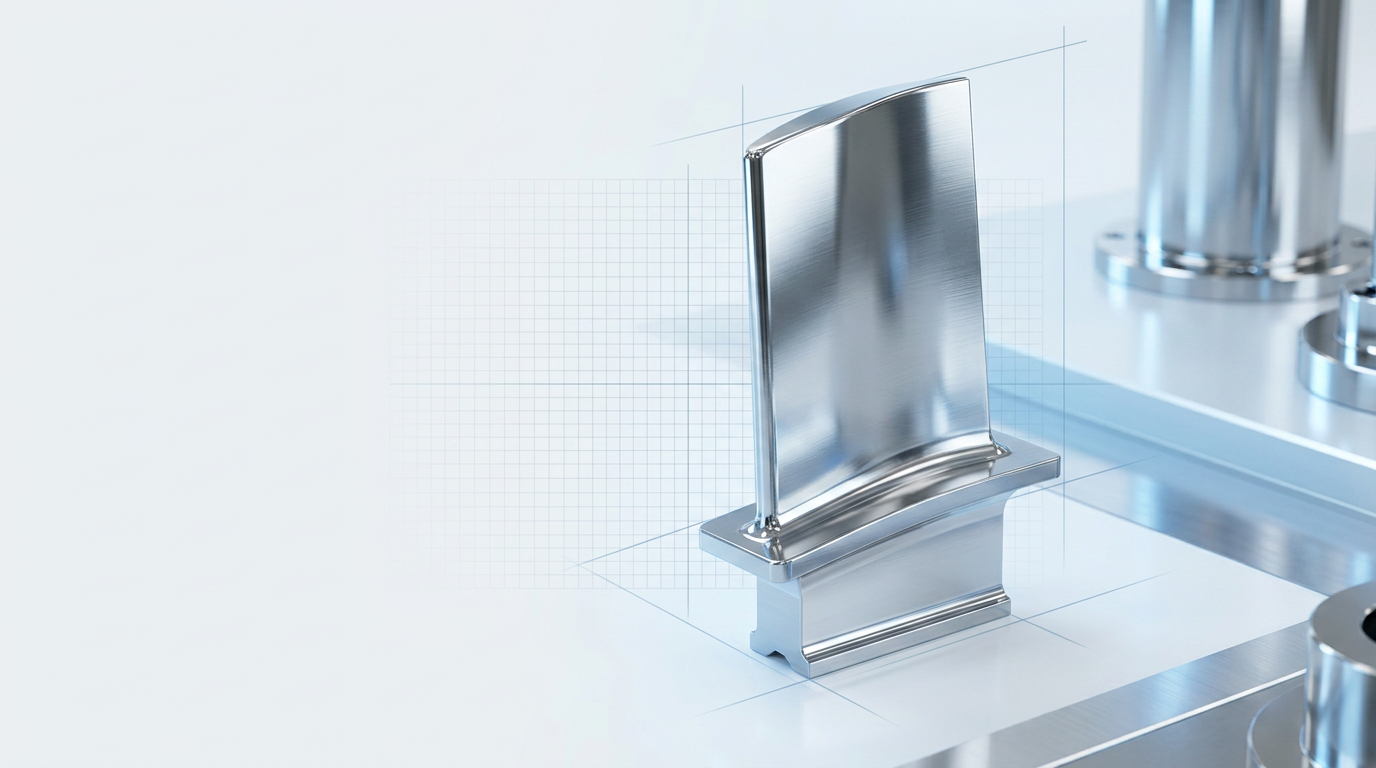
Aerospace
Turbine blades and engine components surface-prepped to tight tolerances, every time.
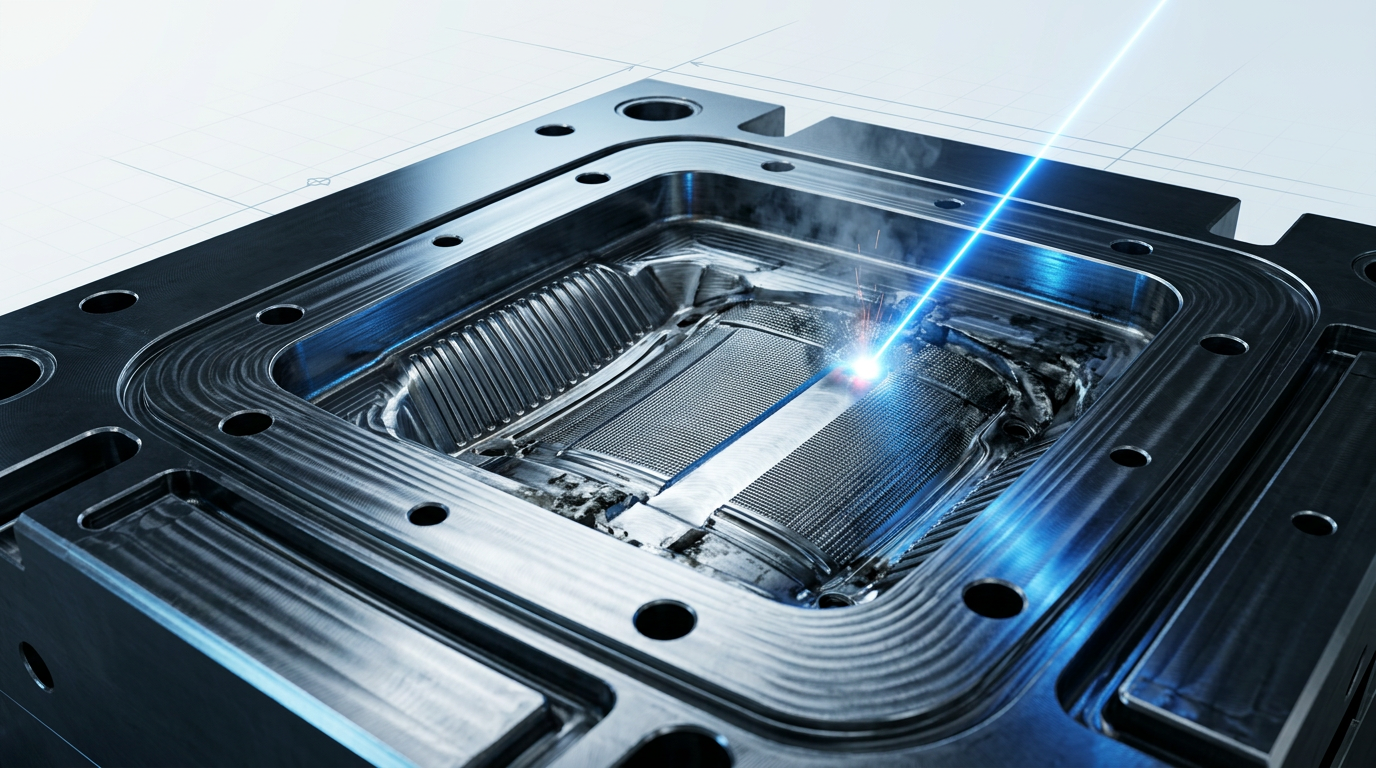
Injection Moulding and Tooling
Strip residue and release agents from moulds in place, without disassembly or abrasive wear.
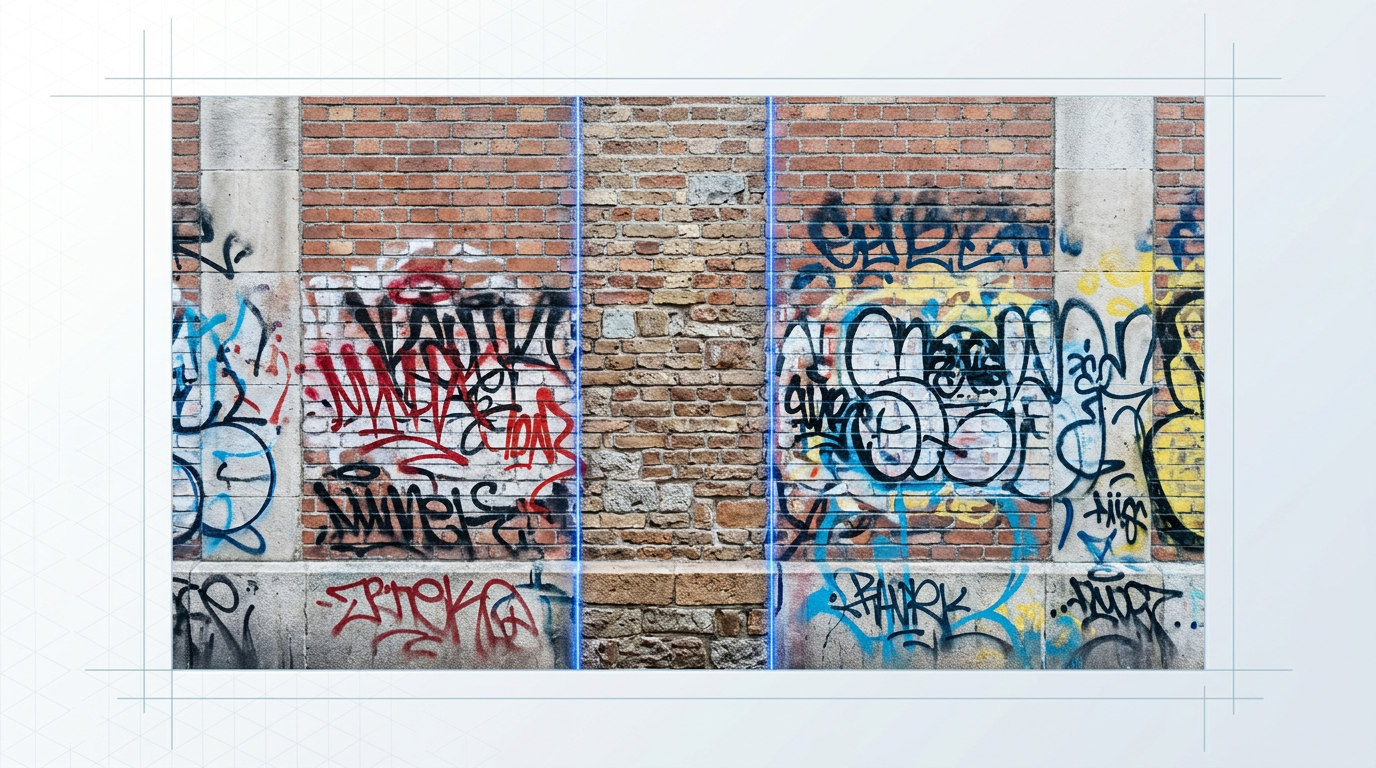
Graffiti Removal
Remove graffiti from public buildings and streets without sealing off the surrounding area.
Launch a Laser-Cleaning Service Business
A portable system and full operator training: your laser-cleaning service, ready to deploy.
ELASER Portable Laser Cleaner
Laser: Up to 300 W at 1550 nm (retina-safe wavelength). Pulse energy up to 15 mJ, pulse duration 100 ns, repetition rate adjustable to 200 kHz, power tunable 0–100%. Scanner: 2-D galvanometer, 10 m/s max scan rate; interchangeable F-Theta lenses, 75–500 mm working distance.
Portability: Handheld scanner under 3 kg; system under 50 kg on wheels; delivery cable up to 50 m. Power: 110–250 VAC single-phase, under 2000 W. Interface: Ethernet + touchscreen.
Laser class: Class IV (standard) / Class I (ELASER-RHZ). Certifications: CE and UKCA. Manufacture: Made in Britain.
AutoLASE Robotic Cleaning System
Laser: Up to 300 W at 1550 nm. Pulse energy up to 15 mJ, pulse duration 100 ns, repetition rate adjustable to 200 kHz, power tunable 0–100%. Scanner: 2-D galvanometer, 10 m/s max scan rate; interchangeable F-Theta lenses, 75–500 mm working distance.
Form factor: Laser head mounted on a multi-axis articulated robotic arm. Power: 110–250 VAC single-phase, under 2000 W. Interface: Ethernet + touchscreen.
Laser class: Class IV (standard) / Class I (with RHZ upgrade). Certifications: CE and UKCA. Manufacture: Made in Britain.
Woodrow Scientific: The UK's Only Laser Cleaning Manufacturer
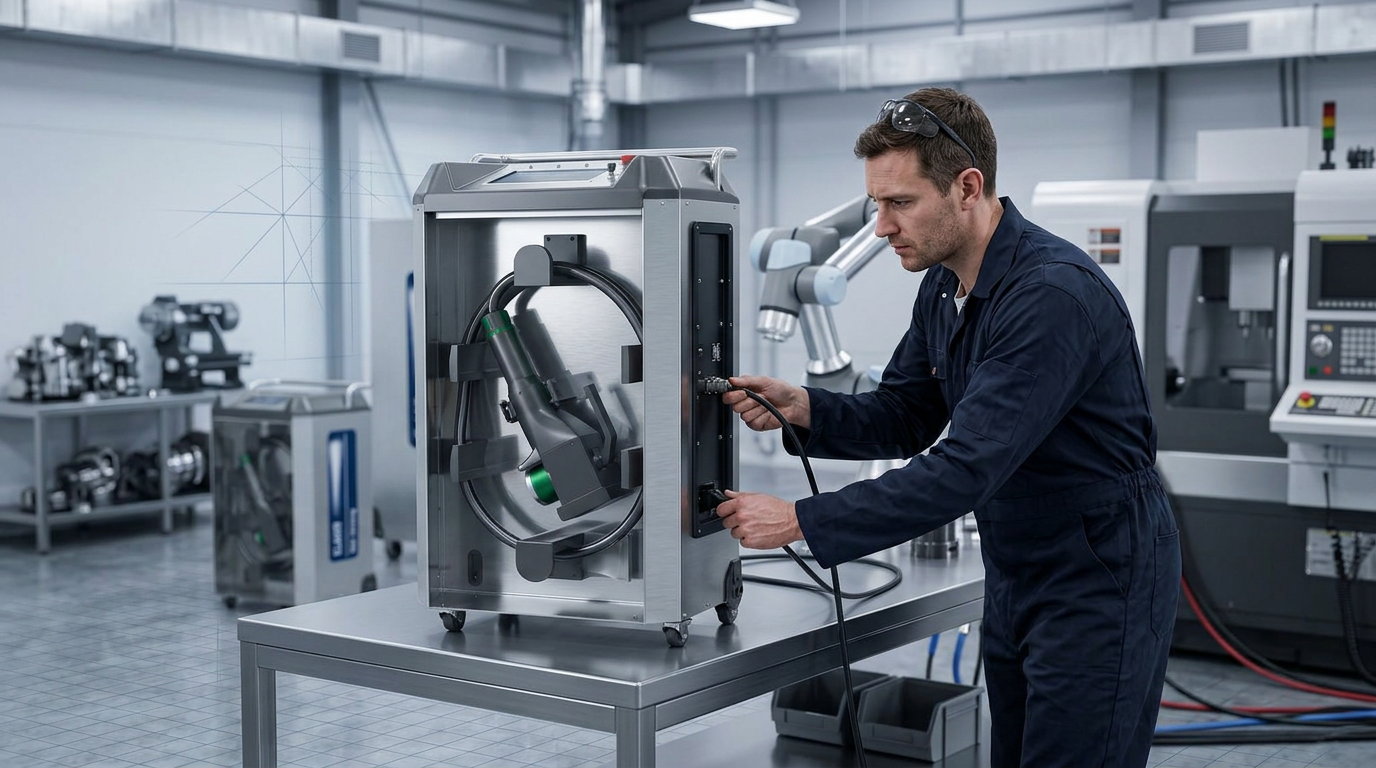
Woodrow Scientific Limited (founded 2012) designs, builds, services, and improves every machine in-house in Britain. Many laser cleaning "manufacturers" are resellers rebadging third-party hardware — no in-house engineering, slower support, no genuine ability to improve the product. WSL is not one of them.
Behind the machines: 200+ years of combined engineering experience, patented world-first eye-safe (RHZ) technology, and CE and UKCA certification. Both systems are the European cost leader among comparable industrial laser cleaners — achieved through in-house efficiency, not quality compromise.
First-class operator training is available. For bespoke requirements, get in touch.
Better TCO, lower running costs
Sandblasting, chemical stripping, and water-jetting all carry ongoing costs: abrasive media, solvents, water infrastructure, waste disposal, and the rework that follows surface damage. Laser cleaning needs only electricity.
Zero consumables, minimal substrate loss, and less downtime add up to a total cost of ownership that the incumbent methods cannot match. Every cleaning job costs less to run, and assets last longer because the substrate stays intact.
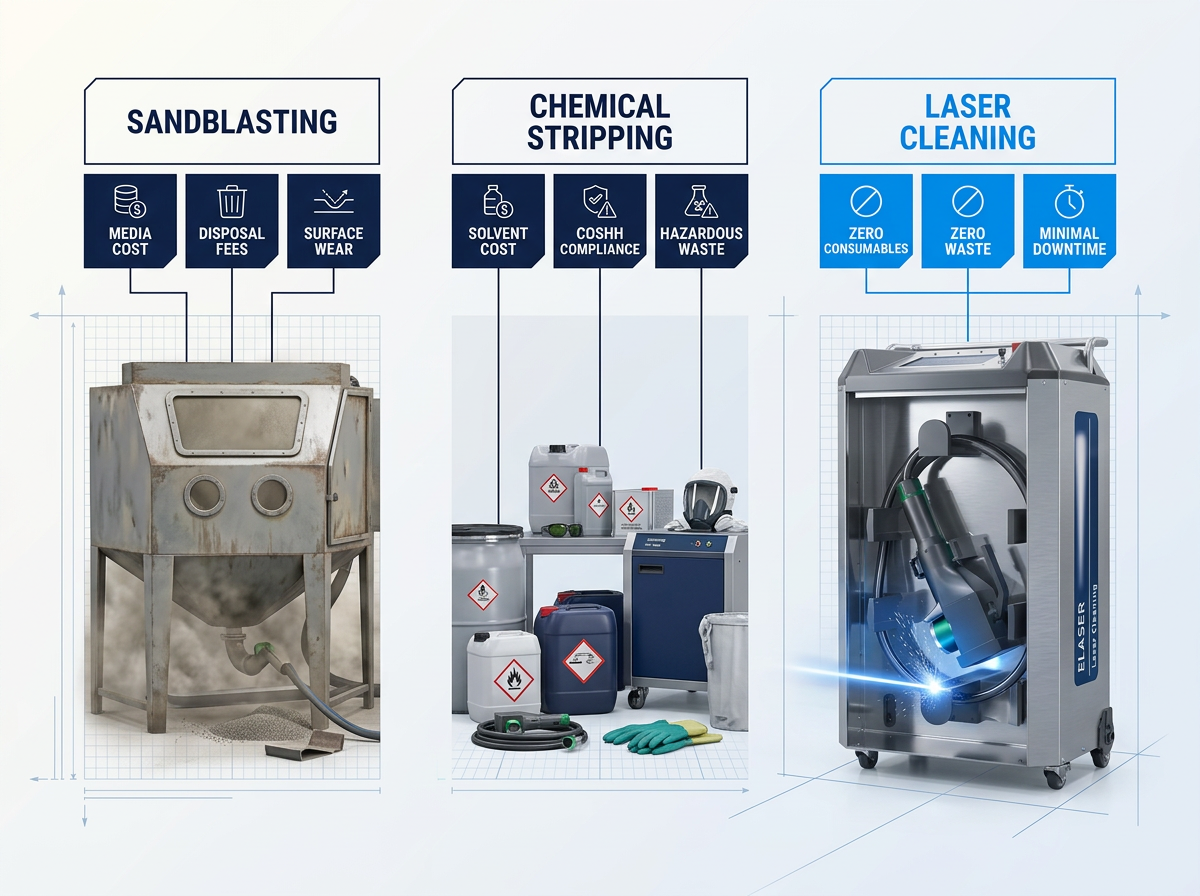
No media, no solvents, no water
Sandblasting requires abrasive media — purchased, stored, and disposed of after every job. Chemical stripping requires solvents with their own procurement and waste management chain. Water-jetting requires a water supply and drainage infrastructure on site.
Laser cleaning runs on a standard power outlet. No media, no chemistry, no water supply, no drainage — the system is air-cooled and self-contained. Every job you run costs less, and there is nothing to reorder, store, or dispose of.
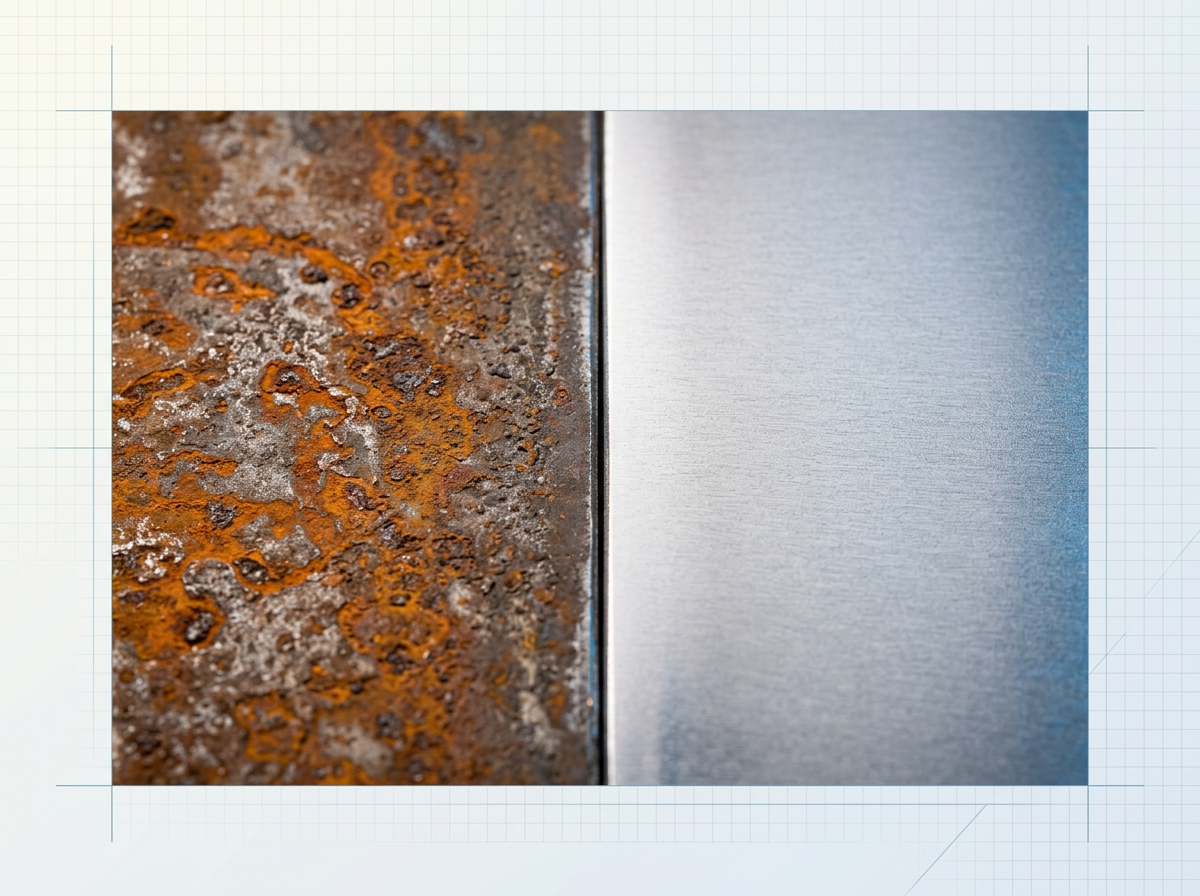
Surface preserved, rework reduced
Abrasive methods remove more than the contamination — they wear the surface beneath it too. That means accelerated asset degradation, tighter inspection tolerances blown, and rework costs that compound over time.
The laser beam is absorbed by the contaminant and stops at the base material. Minimal substrate loss means the asset comes out of cleaning in better condition, lasts longer, and needs less remedial work. It is a quality argument as much as a cost one.
No solvents, no regulatory burden
Chemical stripping brings COSHH compliance requirements, hazardous waste disposal costs, storage obligations, and environmental liability. For a facilities manager or maintenance contractor, that is a significant administrative overhead on top of the cleaning itself.
Laser cleaning uses light alone. No chemistry to manage, no disposal costs, no compliance overhead for the cleaning agent. The process is dry, chemical-free, and sustainable — the regulatory burden of chemical stripping simply does not apply.
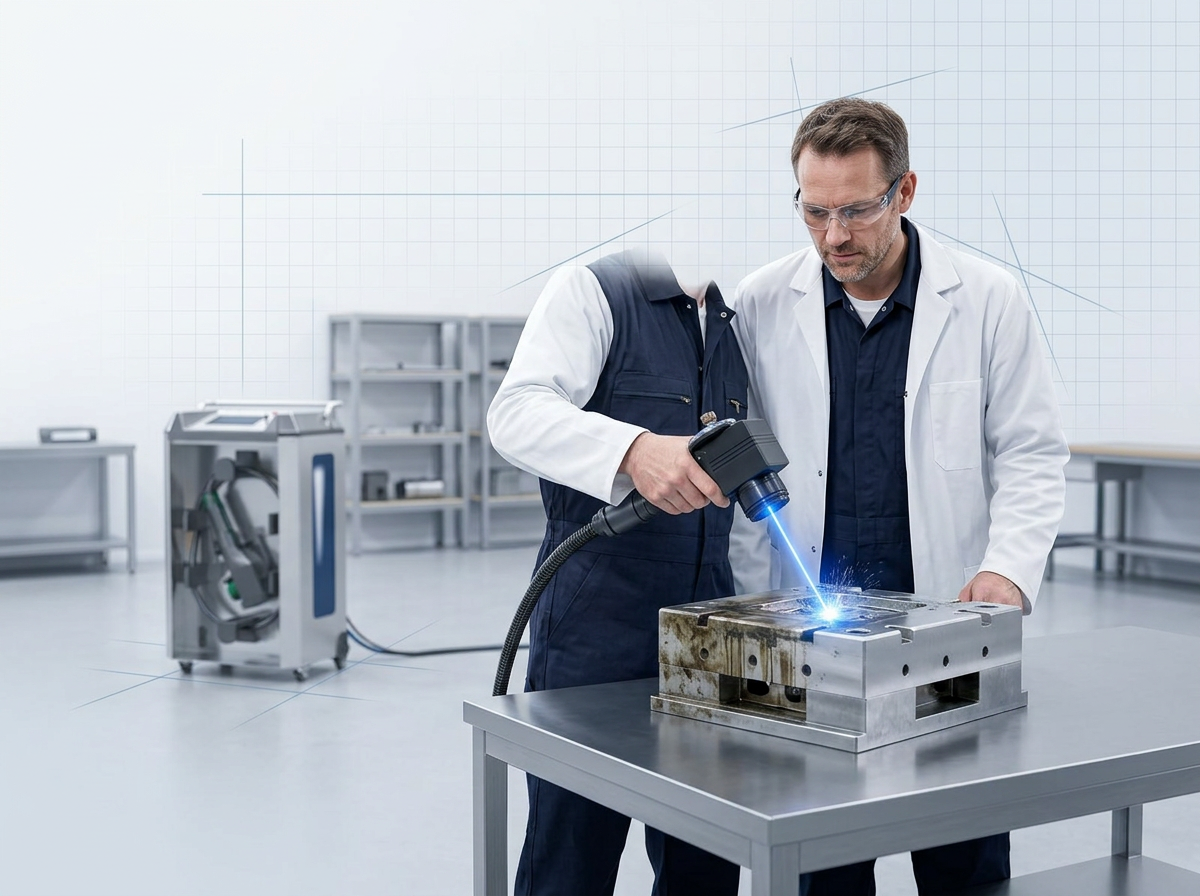
Clean without sealing off the area
Conventional laser cleaning requires the work zone to be evacuated and sealed before operations begin — a real barrier in shared facilities, active production environments, and public-facing settings.
The ELASER-RHZ changes this entirely. WSL's patented, world-first reduced hazard zone technology confines the laser hazard to a small area around the work. Cleaning continues in open workshops, mixed-use facilities, and publicly accessible spaces without shutting down the surrounding area — a capability no other laser cleaner offers.
Laser Stain Remover: Frequently Asked Questions
Find clear answers to the most common questions about industrial laser stain removal — from what it removes and which surfaces it works on, to infrastructure requirements, safety, and how to get a quote.
A laser stain remover is an industrial laser cleaning system that removes surface staining and contamination from solid materials — metals, stone, brick, and masonry — using a process called laser ablation. It has nothing to do with fabric, laundry, or household cleaning products. The beam vaporises the contaminant layer on contact, leaving the base material intact. This is capital equipment for industrial, maintenance, heritage, and service-business buyers — not a consumer product.
Virtually any surface stain or contamination on solid materials. The full list of verified contaminants covered includes: rust, oxides, mill scale, paint, powder coating, lacquer, primer, oil and grease, carbon and soot, mould, graffiti, adhesives and residues, tarnish, weld discolouration, and release agents. If it sits on the surface rather than within the substrate, a laser stain remover will typically handle it.
The system works across metals, stone, and masonry. Verified surfaces include: steel, carbon steel, aluminium alloys, cast iron, copper, brass, bronze, titanium, galvanised steel, stone, concrete, brick, and masonry. Because laser power is tunable from 0 to 100%, a single system handles the full range — from delicate heritage stonework requiring a gentle touch through to heavily scaled industrial steelwork at full power.
No. The laser beam is absorbed by the contaminant layer, which vaporises on contact. The base material reflects the beam and is left intact — substrate loss is minimal by design. This is a meaningful advantage over abrasive methods such as sandblasting or grinding, which wear the surface as well as the contamination. With laser cleaning, the beam stops at the base material, so the underlying surface is preserved.
No. The system is air-cooled — there is no water supply, chiller, cooling circuit, compressor, or abrasive media required. The only infrastructure needed is a standard single-phase power supply (110–250 VAC). That makes it genuinely plug-and-go: deployable on any site, indoors or outdoors, wherever a power socket is available.
Yes — the ELASER-RHZ is specifically designed for use in open workshops, mixed-use facilities, and publicly accessible spaces. Woodrow Scientific's patented Reduced Hazard Zone (RHZ) technology collapses the laser hazard zone to a fraction of the size associated with a conventional laser cleaner, enabling cleaning operations without sealing off or evacuating the surrounding area. Full operator training is provided with every system, equipping users with the knowledge and confidence to operate safely across a wide range of environments.
The distinction is use case. ELASER is a portable, handheld system built for flexible, on-site deployment — one operator takes the system to the work, across varied surfaces, sites, and tasks. AutoLASE is an automated robotic system designed for repetitive, high-volume production cleaning: load the part, and machine vision scans it, builds a 3D map, and generates the cleaning path automatically — no programming required. Both systems use the same core laser technology, remove the same contaminants from the same surfaces, and are manufactured in-house by Woodrow Scientific in the UK.
Contact Woodrow Scientific directly to discuss your application and receive a tailored quote. The team can advise on whether the ELASER or AutoLASE is the right fit for your requirements, and bespoke configurations are available for specific applications. Pricing is quote-based — get in touch to start the conversation.