Does Laser Rust Removal Actually Work?
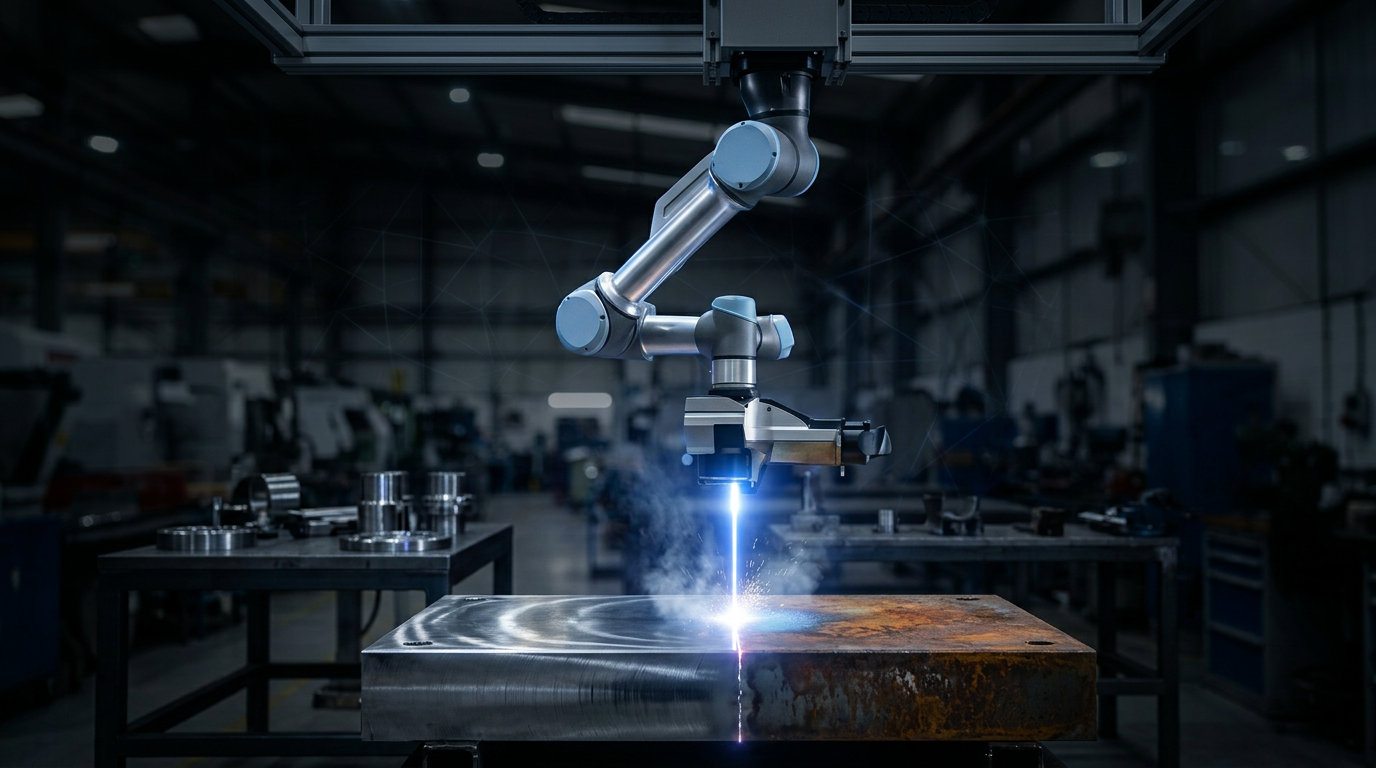
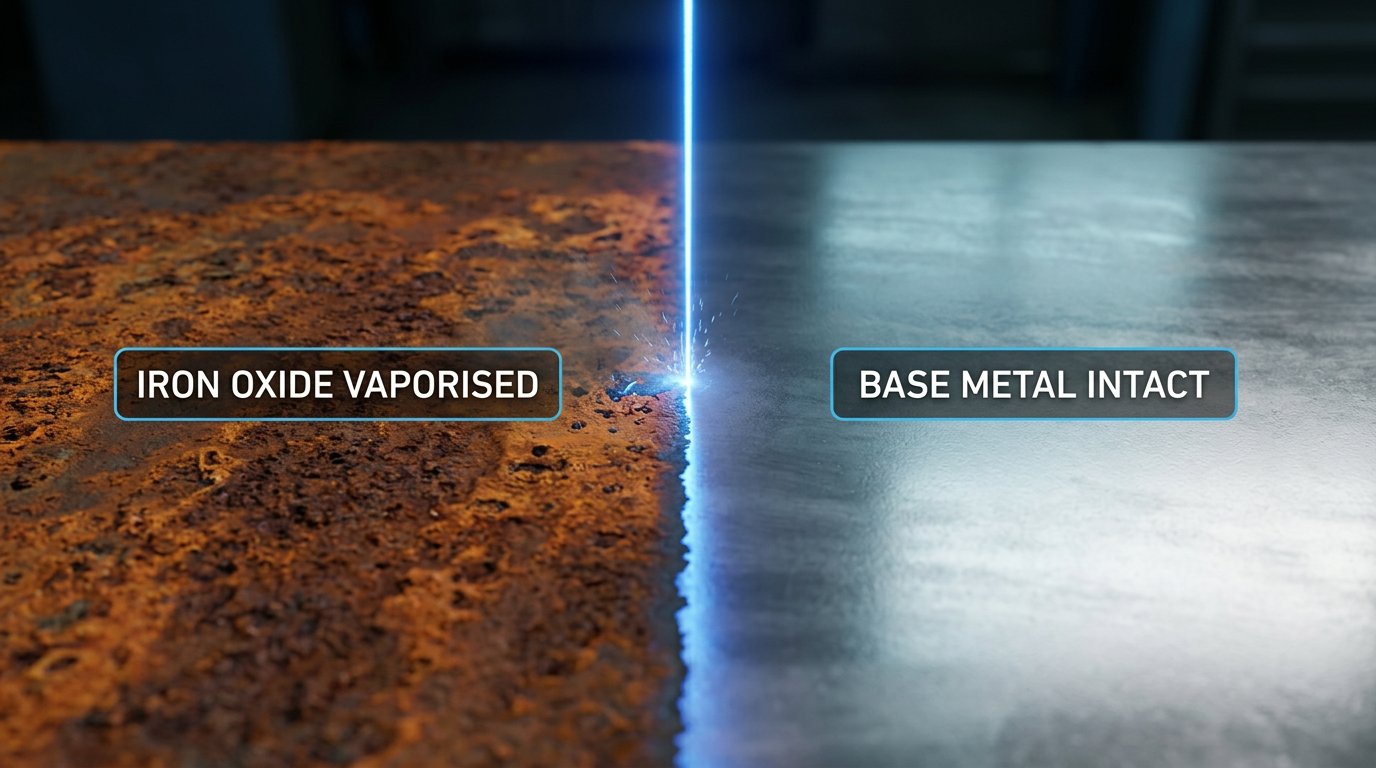
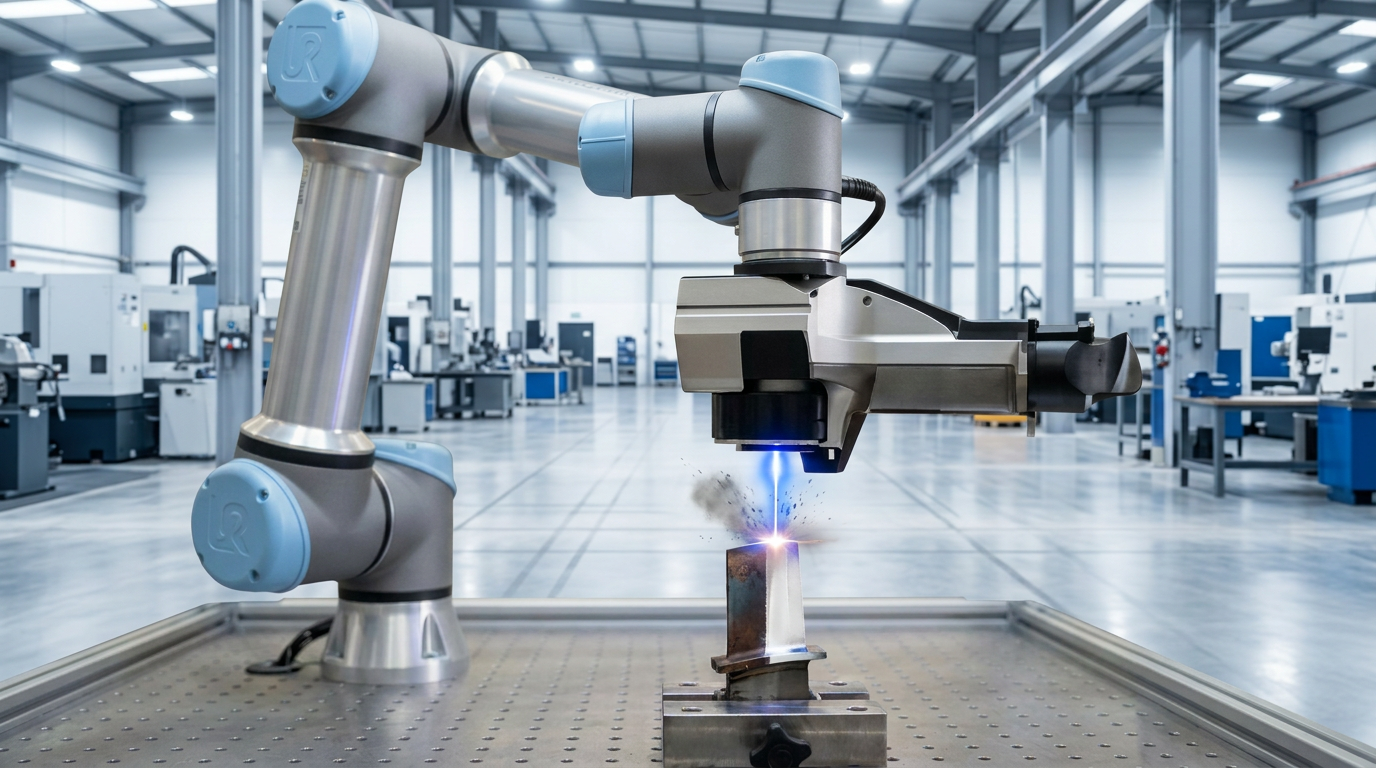
Laser removing rust works through selective absorption: iron oxide absorbs pulsed laser energy far more readily than the base metal beneath it, so the beam vaporises the contaminant layer and stops at the substrate. Part geometry and tolerances are preserved — nothing is abraded away indiscriminately.
This is established production technology, in active use across automotive, aerospace, and heavy industry. Pulsed fibre lasers give precise, tunable control over energy delivery, matching output to rust grade and substrate sensitivity.
AutoLASE applies the same proven process automatically, consistently, on every cycle.
How AutoLASE Works: Load, Scan, Clean
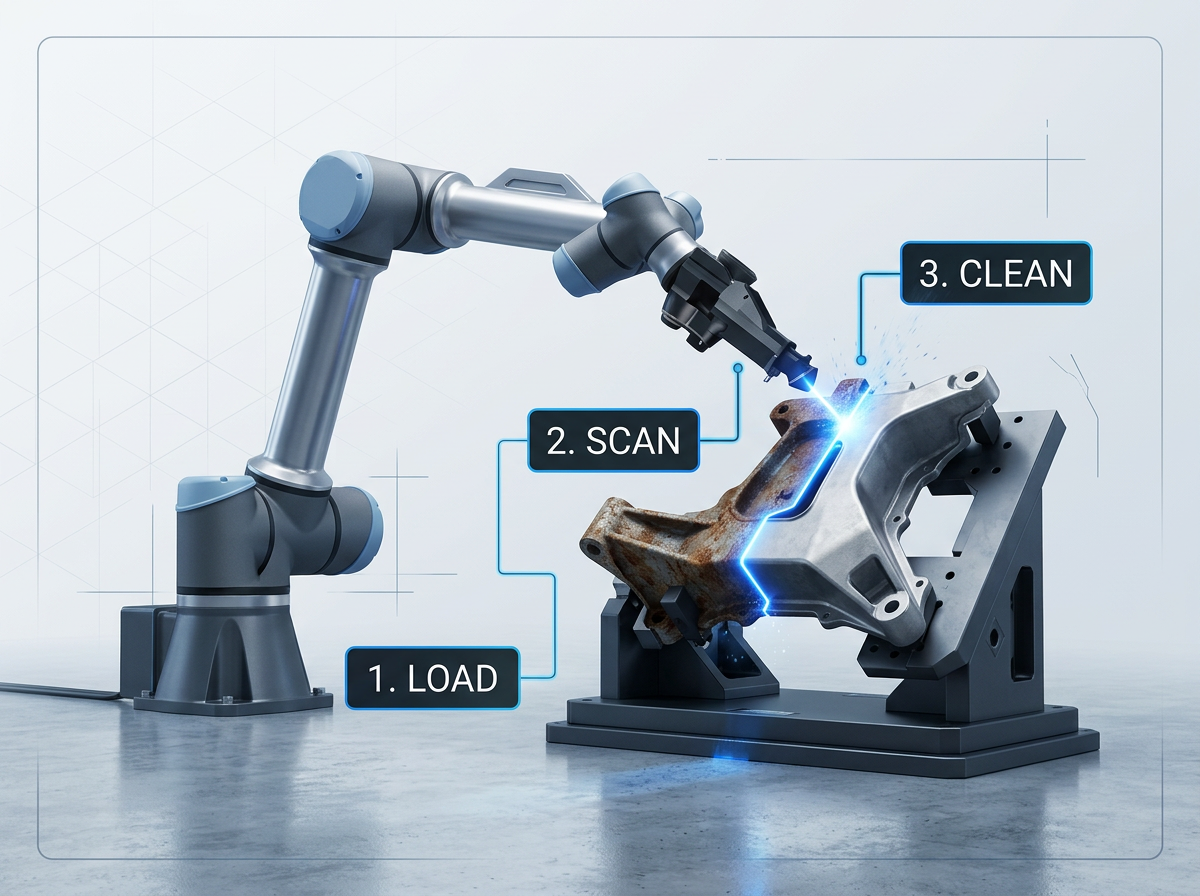
Place the part in the cell — that is the operator's entire job. AutoLASE's machine vision scans it, builds a 3D surface map, and the control software generates the optimal cleaning path automatically. No CAD file, no path programming, no knowledge of part geometry required. The articulated robotic arm then executes that path, reaching every angle and contour of complex 3D parts.
Because the path is generated fresh from each scan, every cycle runs to the same standard regardless of who loaded the part. No operator skill, no setup variation.
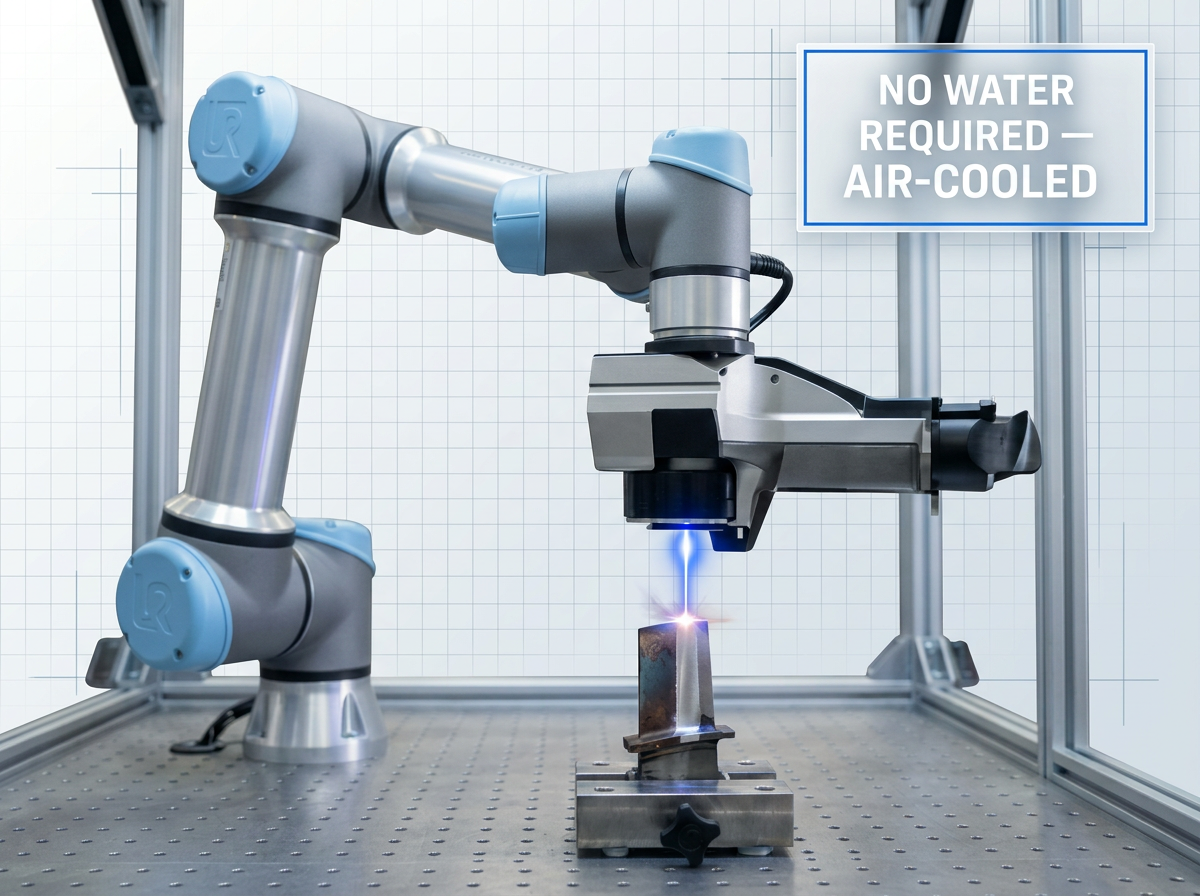
No chiller, no coolant circuit
AutoLASE is air-cooled — no water chiller, no coolant circuit, no plumbing infrastructure of any kind. For facility planning, this matters: commissioning requires a power connection, not a plumbing contractor. There is no coolant circuit to maintain, no chiller to service, and no risk of water-related downtime. The system integrates into an existing production environment without structural modification, reducing both installation lead time and the ongoing maintenance overhead that a water-cooled system carries throughout its operating life.
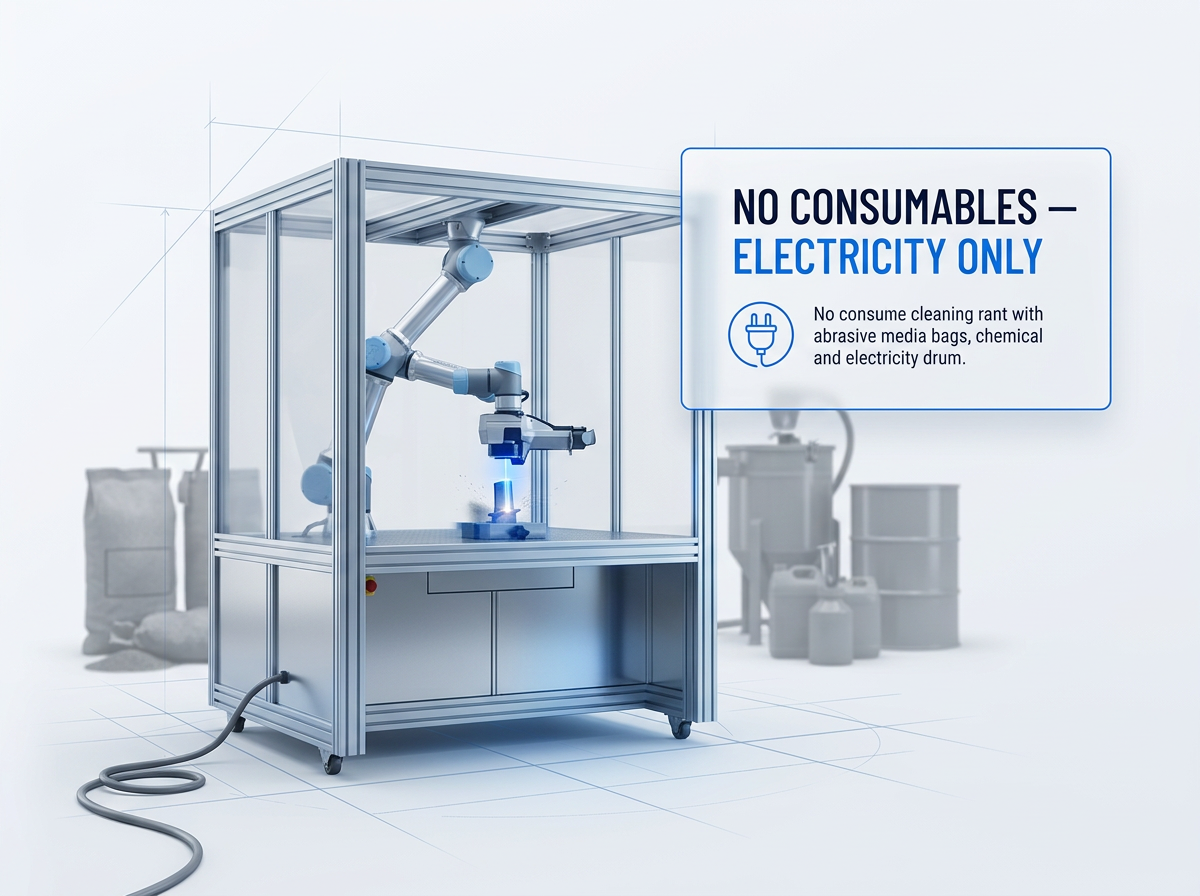
Electricity is the only input
AutoLASE uses laser light alone. There is no abrasive media to procure or dispose of, no chemicals to handle, and no replacement consumables in the cleaning process. Sandblasting carries ongoing media costs, media disposal costs, and substrate wear that shortens part life. Chemical stripping adds procurement, waste handling, and regulatory overhead on top. With AutoLASE, those cost lines do not exist. Running costs reduce to electricity, and that structural difference compounds across every shift, every batch, and every year of the system's operating life.
No waste, no disposal obligations
Chemical stripping generates a liquid waste stream that requires licensed disposal, dedicated storage, and ongoing compliance management. AutoLASE produces no chemical waste. There is no hazardous liquid to handle, no waste contractor to schedule, and no storage obligation for chemical agents. For operations managers in regulated manufacturing environments, this removes a compliance burden entirely — not just from the cleaning process itself, but from the facility's waste management obligations. The cost saving is both direct (disposal fees eliminated) and indirect (staff time and compliance overhead removed).
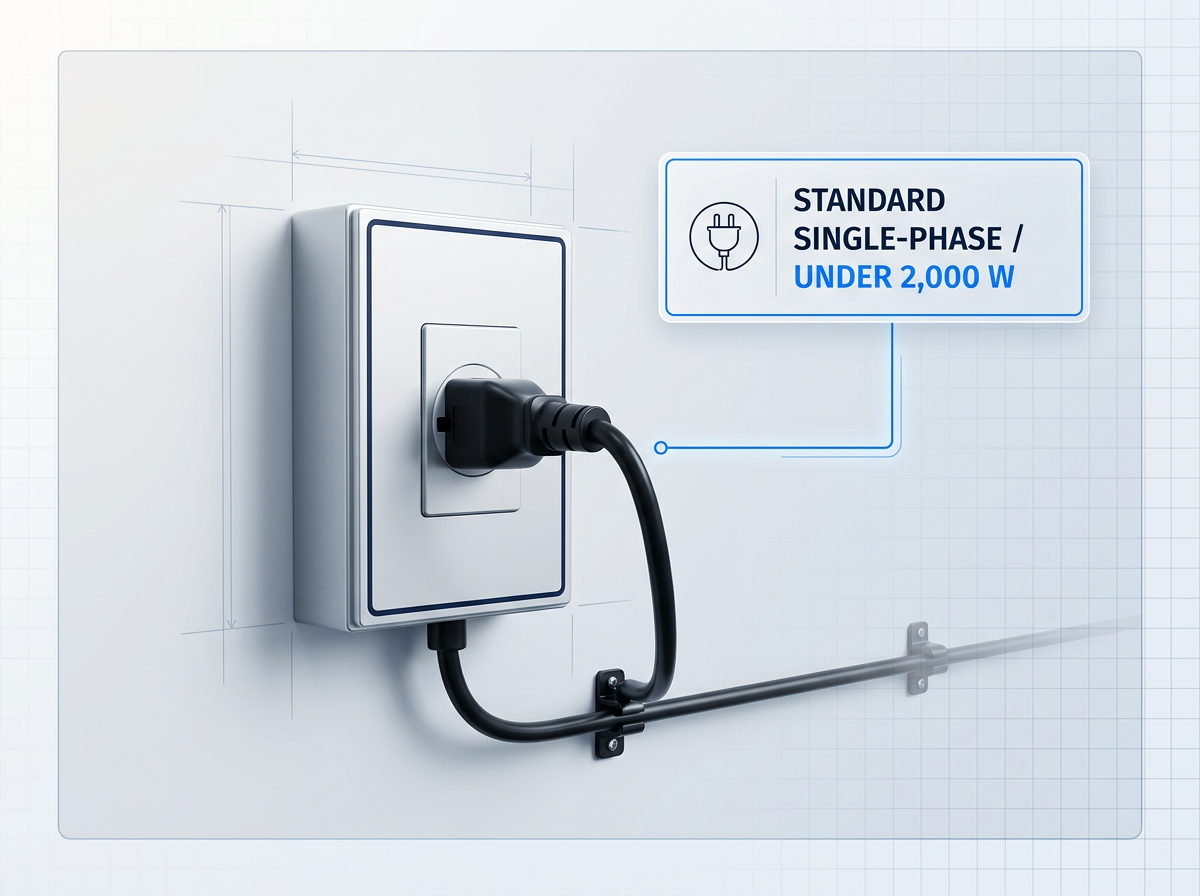
Standard single-phase power supply
AutoLASE draws under 2,000 W from a standard 110–250 VAC single-phase supply. No three-phase circuit, no dedicated electrical infrastructure, no upgrade work before commissioning. The system connects to the kind of supply already present in virtually any production facility. For engineers assessing integration feasibility, this removes one of the common barriers to deploying industrial laser equipment — the system fits the building as it stands, not the building as it would need to be rewired.
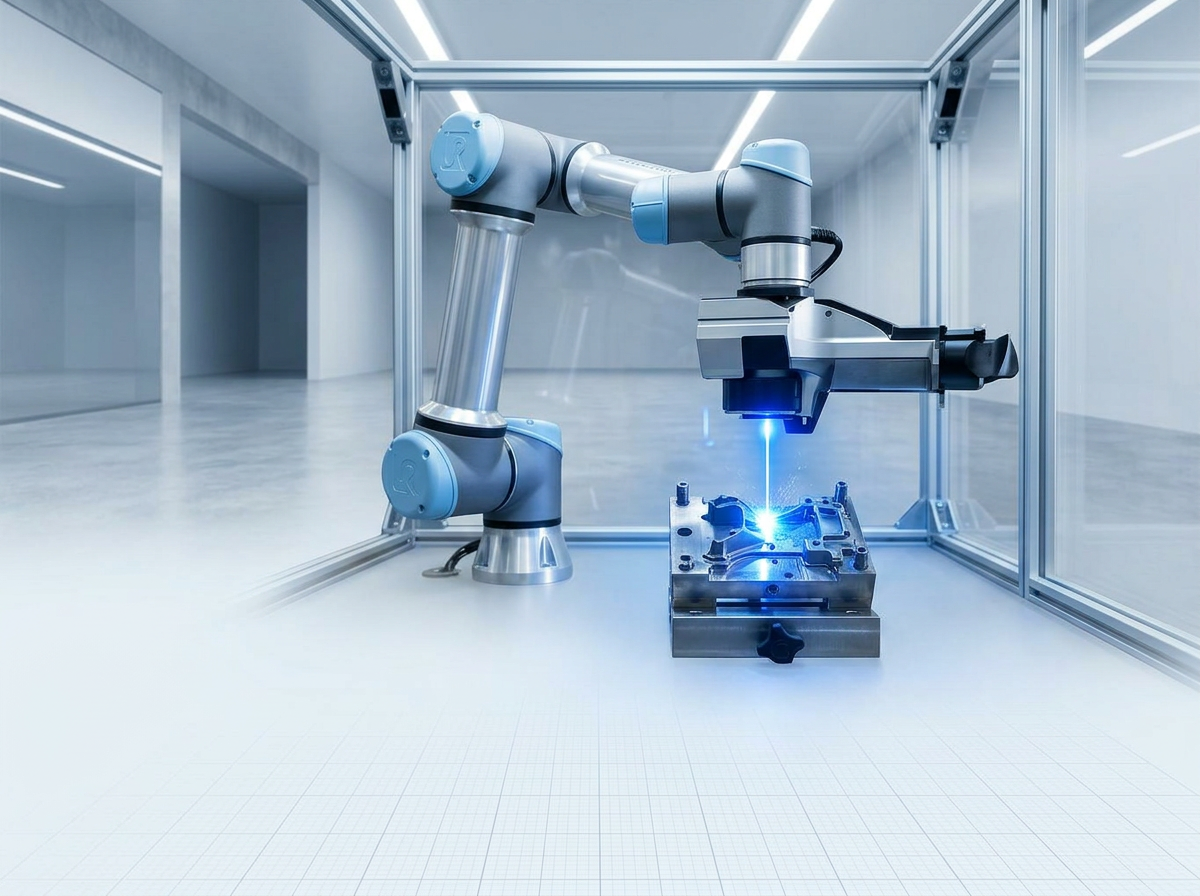
Beam stops at base material
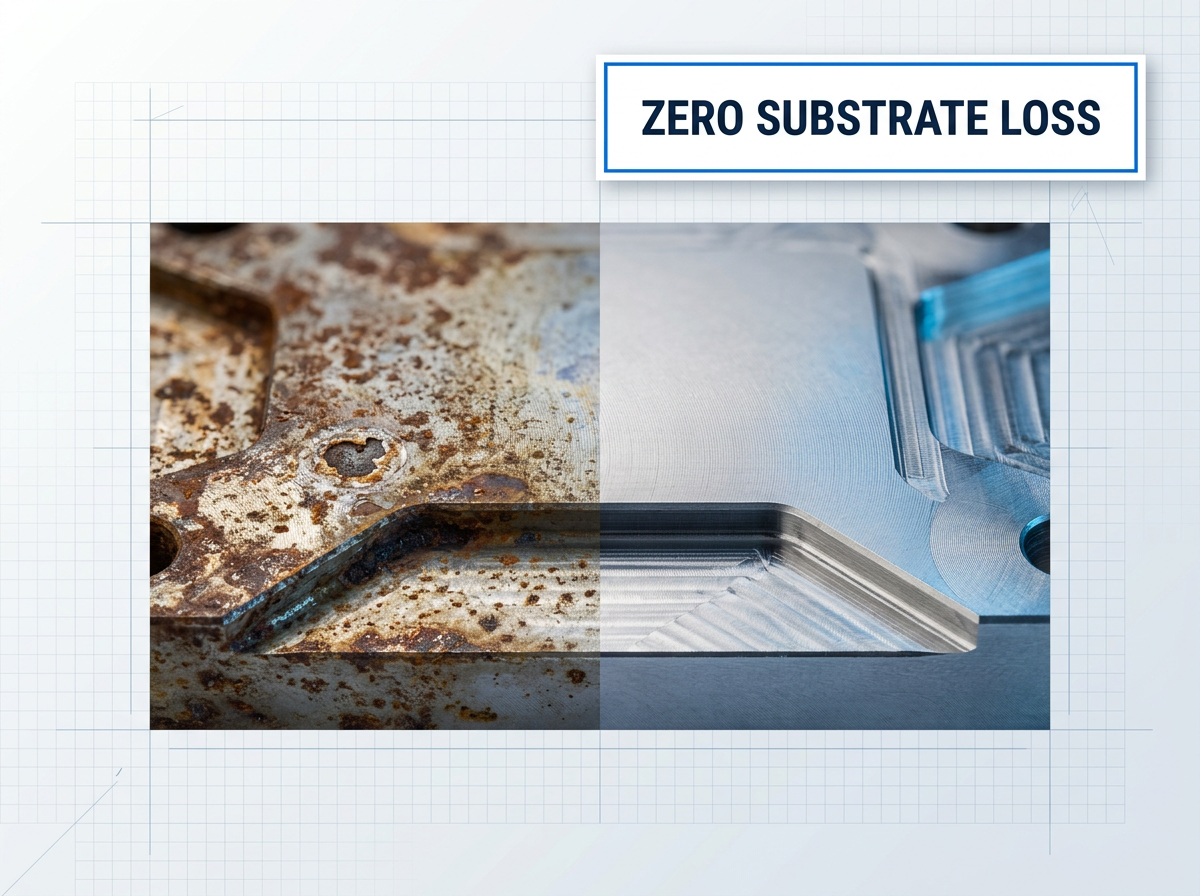
AutoLASE removes the contaminant only. The beam stops at the base material, leaving part geometry and tolerances intact. Abrasive methods carry a hidden cost that rarely appears in the consumable line: substrate damage that generates rework, rejected parts, and re-inspection cycles. Those costs accumulate across every batch. With AutoLASE, parts leave the cleaning cell ready for the next process step without dimensional loss or surface degradation, reducing downstream inspection overhead and scrap rates over the system's full operating life.
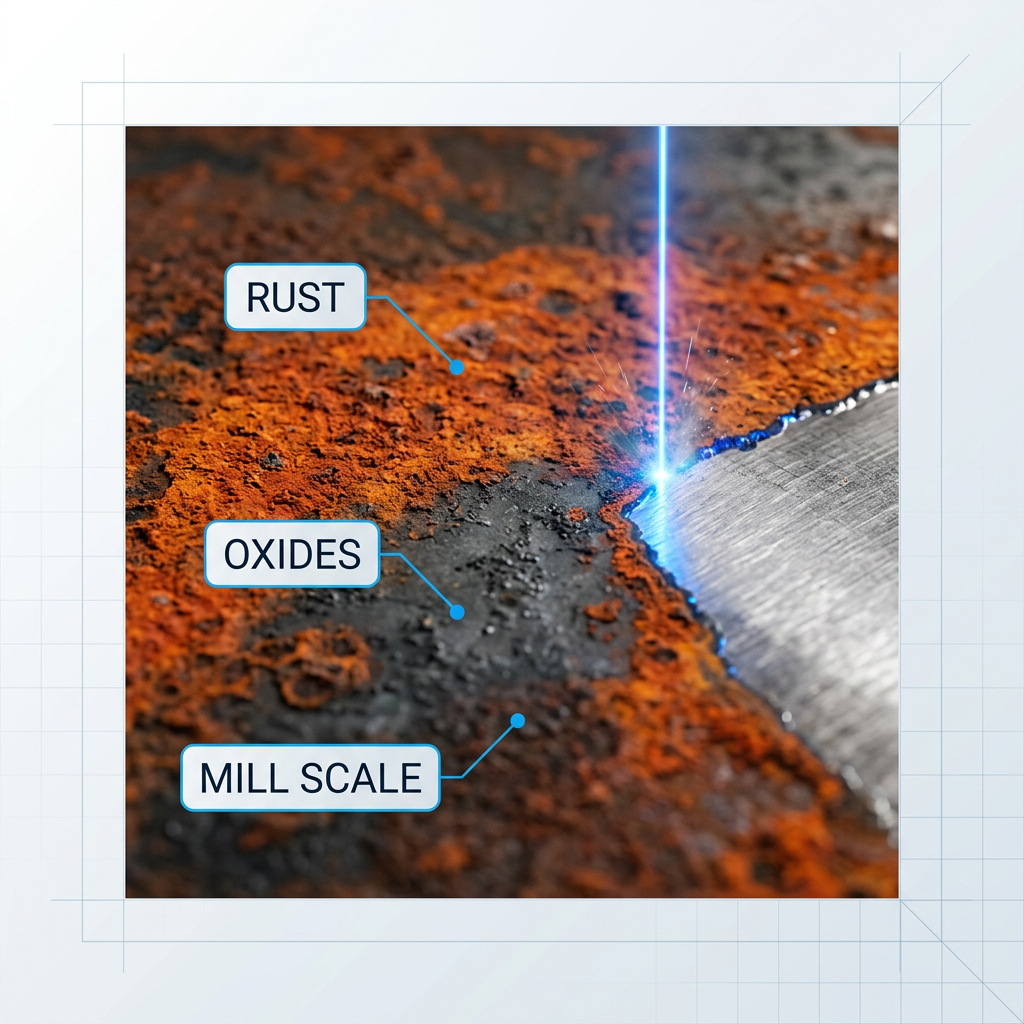
Rust, oxides, mill scale — gone
AutoLASE is built for the core industrial rust removal task: rust, iron oxides, and mill scale on production metal parts. Load the part and the system scans it, builds a 3D surface map, and generates the cleaning path automatically — no operator programming, no knowledge of part geometry required. The same consistent result is delivered every cycle, regardless of part complexity or operator experience.
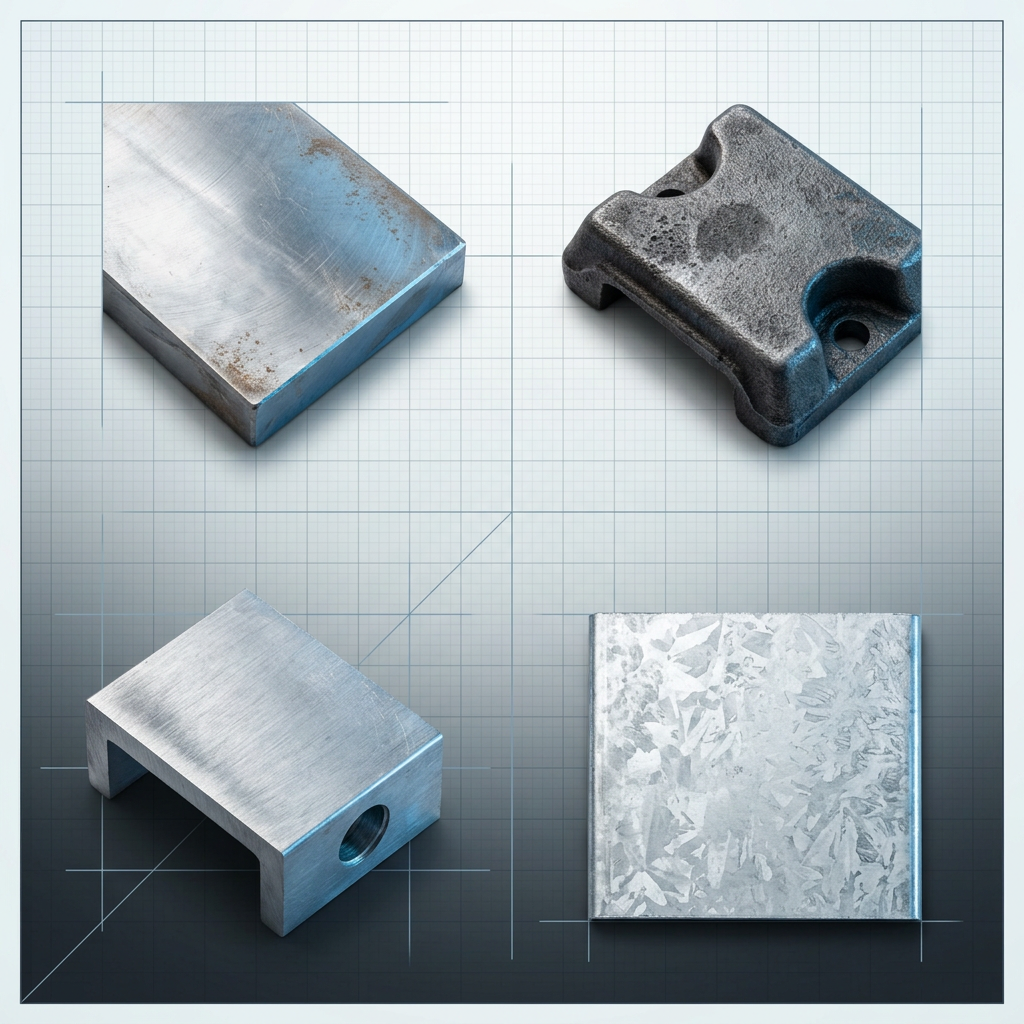
The metals corrosion affects most
AutoLASE cleans the metals most commonly affected by corrosion in industrial production: steel, carbon steel, cast iron, aluminium alloys, and galvanised. These are the surfaces where rust and oxide build-up most often interrupt pre-treatment, welding prep, and remanufacturing workflows. Coverage is not incidental — it maps directly to where industrial rust removal is needed most.
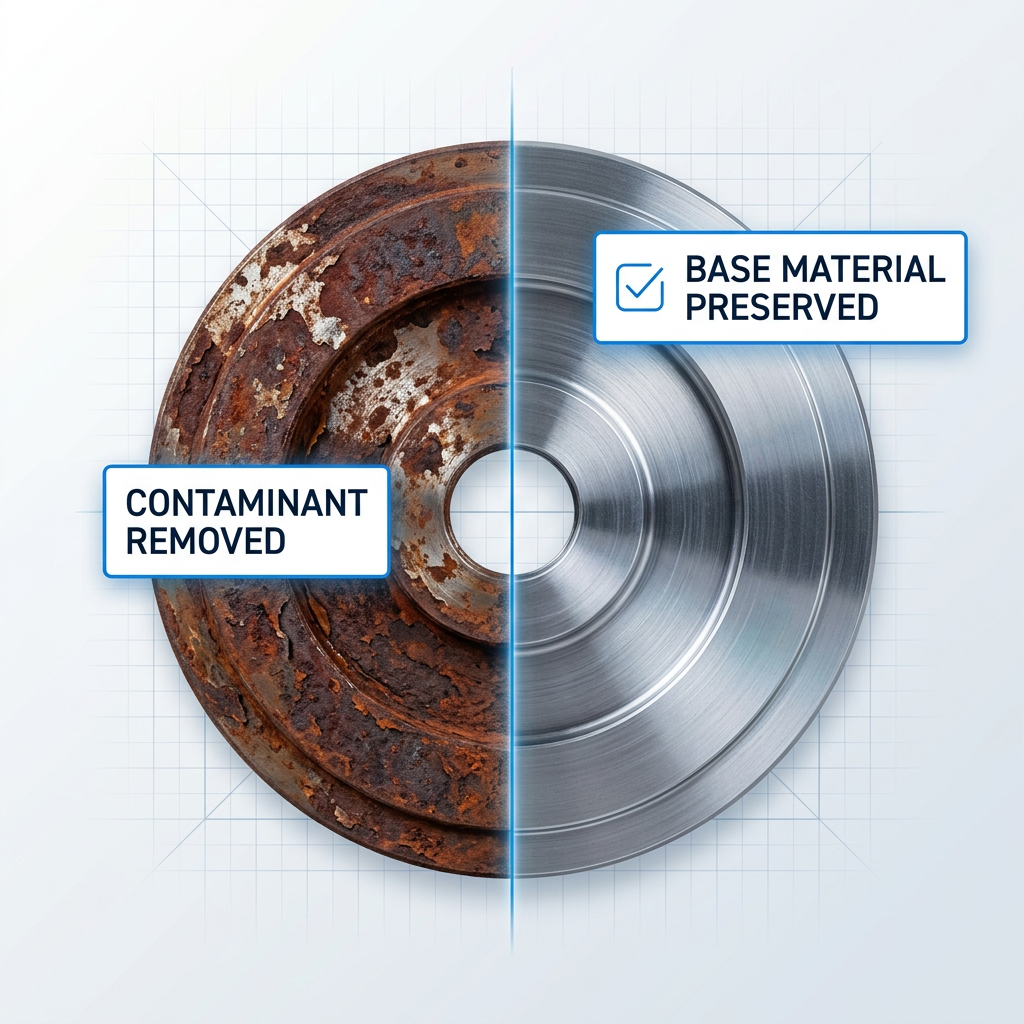
Beam stops at base metal
Laser ablation is selective: the pulsed beam is absorbed by the contaminant layer and stops at the base material. Part geometry, tolerances, and surface finish are preserved — untouched by the cleaning process. Because AutoLASE generates the cleaning path from a 3D scan rather than manual programming, beam placement is consistent every cycle. Where abrasive methods erode the substrate and chemical stripping can attack it, AutoLASE removes only what needs removing.
One system, full contaminant range
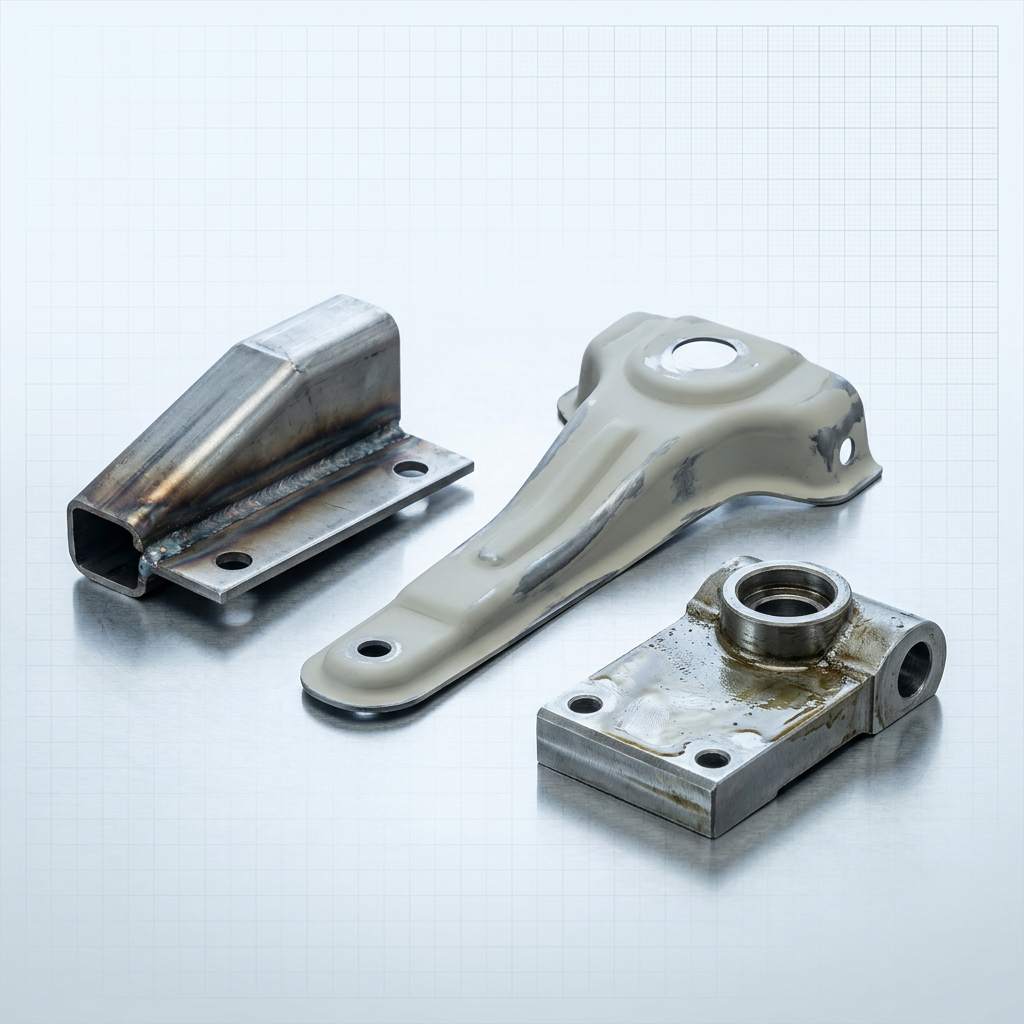
Beyond rust and oxides, AutoLASE handles the full pre-treatment and maintenance cleaning range: weld discolouration, paint, primer, oil and grease, carbon and soot, and release agents. One system covers what would otherwise require separate processes for each contaminant type — reducing equipment overhead and keeping production lines moving without changeovers.
Tunable power, no changeovers
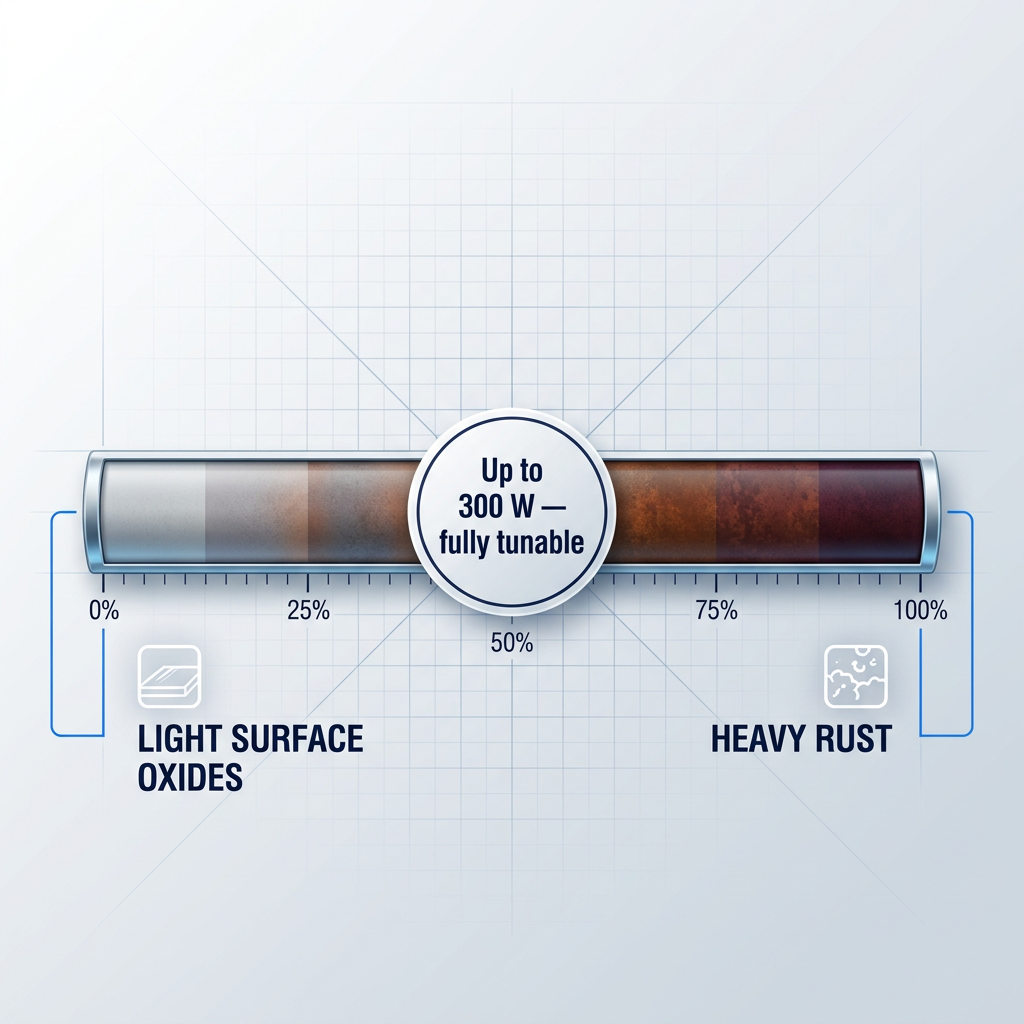
AutoLASE's fibre laser is tunable from 0–100% power, with output up to 300 W and pulse repetition rate adjustable up to 200 kHz. Light surface oxides and heavy rust sit at opposite ends of the contamination spectrum — the same system handles both without changing tooling or reconfiguring the cell. Dial the parameters to the task; no changeover, no separate machine.
Industrial Rust Removal Applications: Where AutoLASE Works
AutoLASE's automated laser cleaning capability spans the production contexts where rust and oxide removal matter most. Across every application below, the operational value is the same: load the part, and every cycle delivers the same cleaning standard — regardless of operator, shift, or batch size.
Automotive: Engine, Driveline and EV Battery Parts
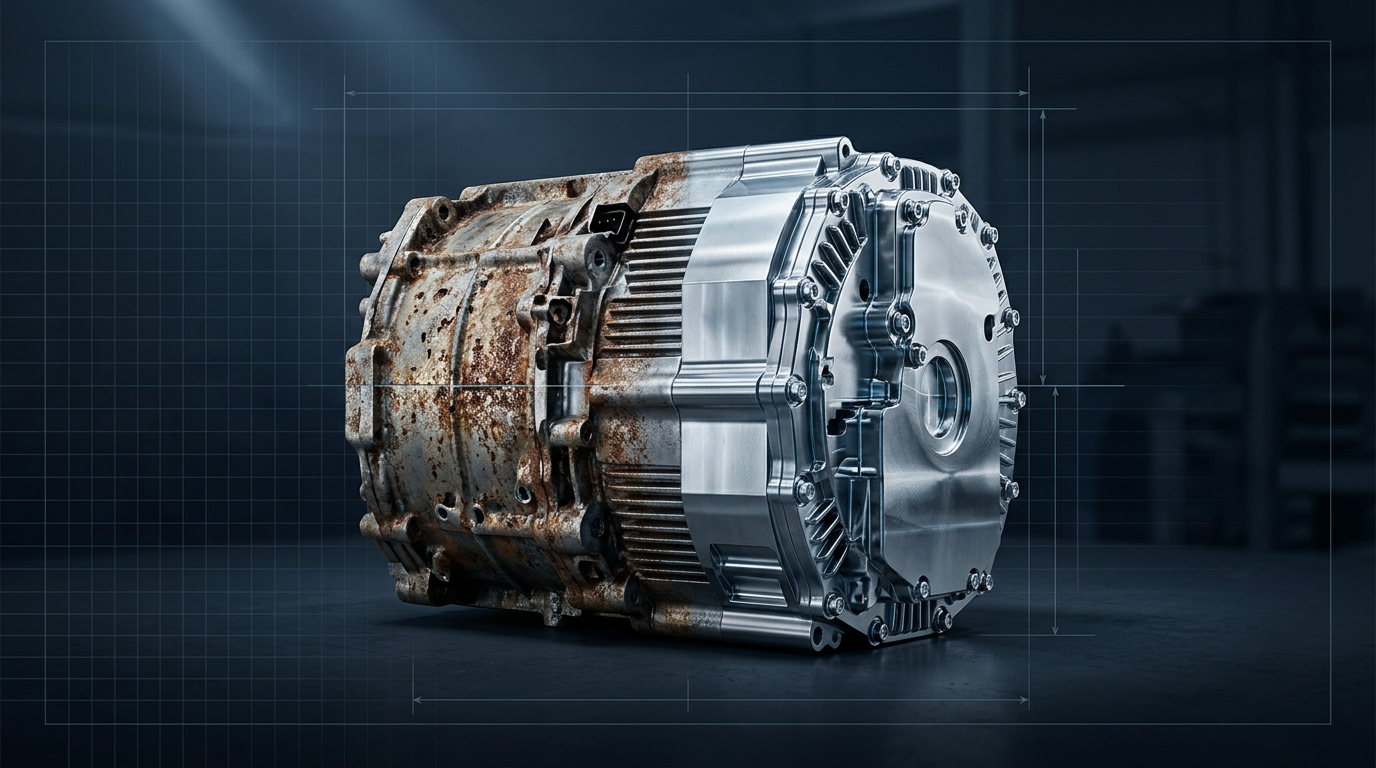
Consistent surface prep on engine, driveline, and EV battery components, cycle after cycle.
Remanufacturing and Refurbishment: Worn Component Prep
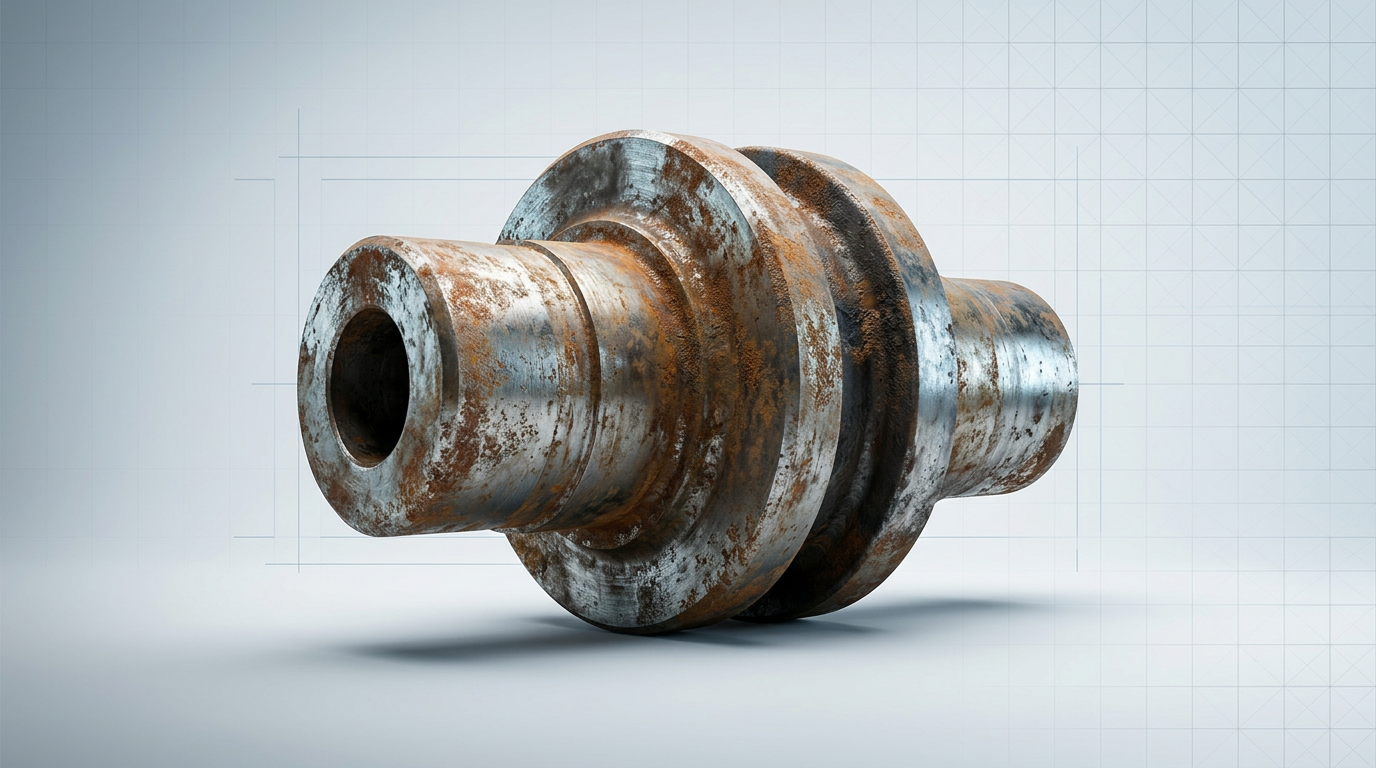
Worn components cleaned consistently and ready for inspection, with no abrasive wear on the part.
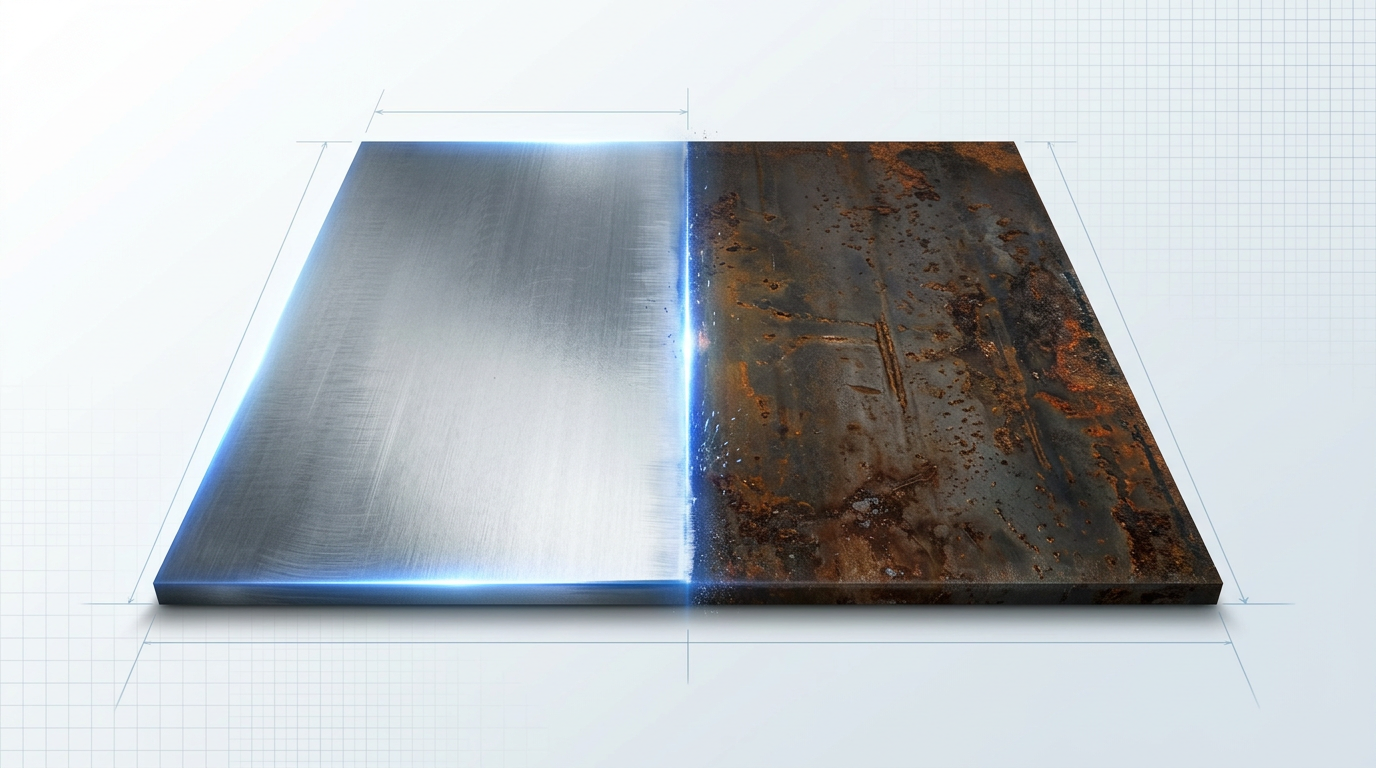
Manufacturing Pre-treatment: Before Coating, Painting or Welding
Chemically clean, adhesion-ready surface delivered automatically — no masking, no media contamination.
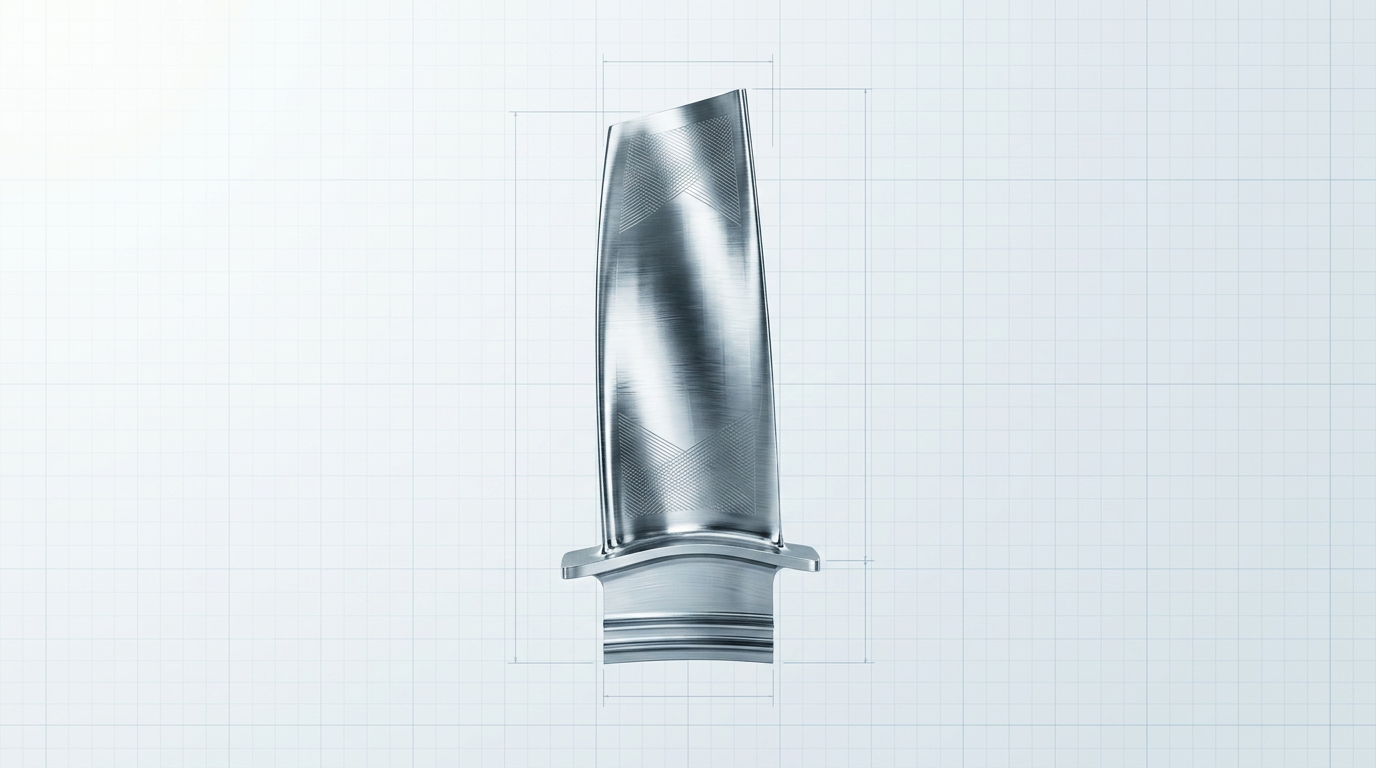
Aerospace: Turbine Blades, Vanes and Engine Parts
Surface prep held to tight tolerances, the same standard on every cycle.
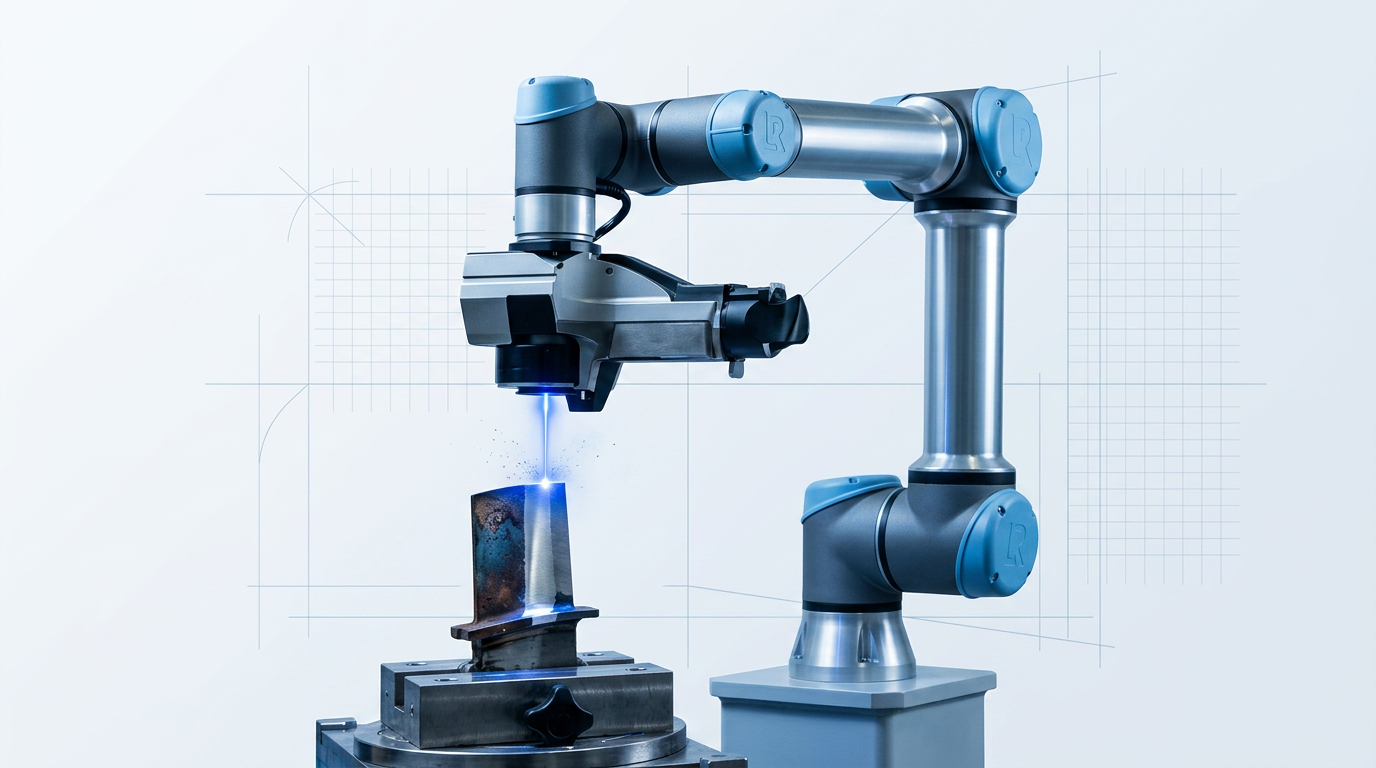
Same Standard, Every Part, Every Shift
Every part cleaned to the same standard, regardless of operator, shift, or batch size.
See AutoLASE Across Every Application
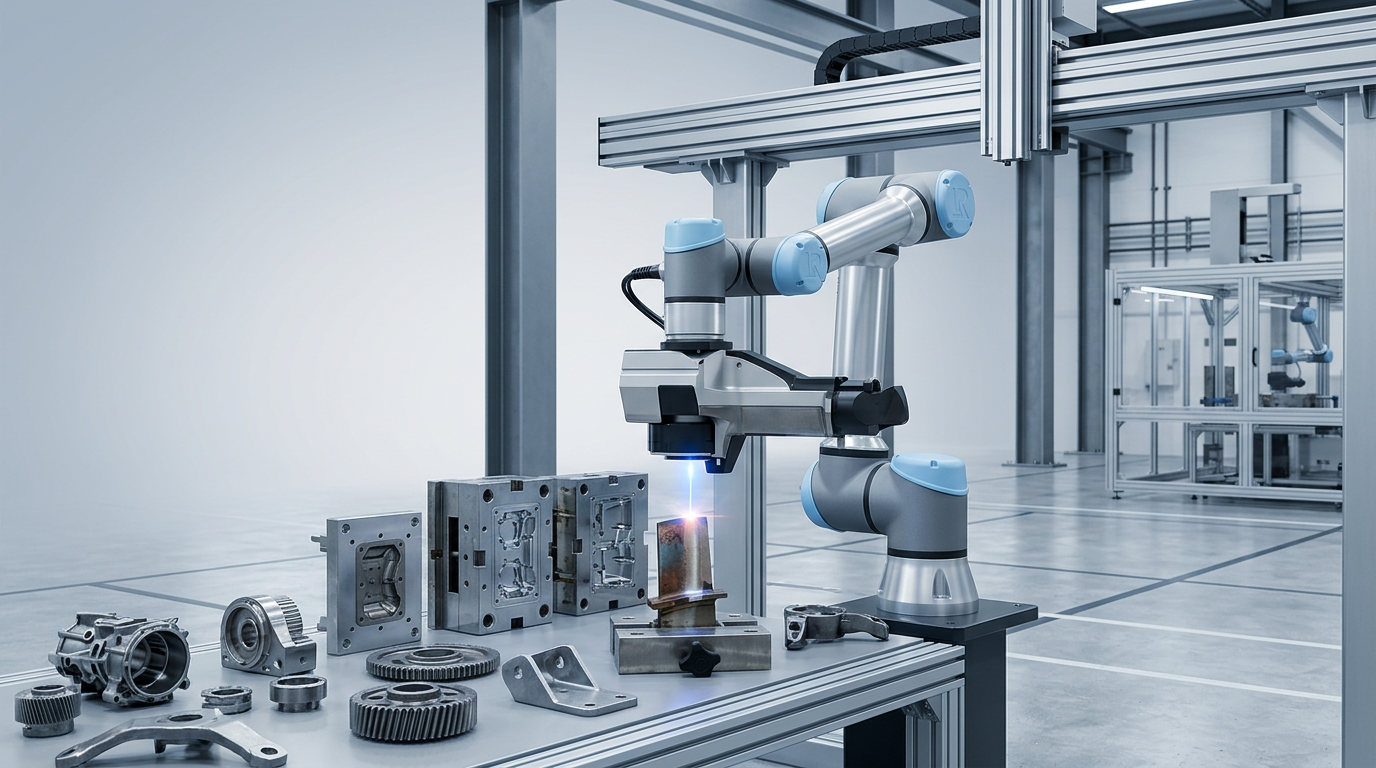
From remanufacturing to EV battery production, AutoLASE delivers the same cleaning standard on every cycle. Explore the full system — specifications, configurations, and integration options.
Laser Parameters
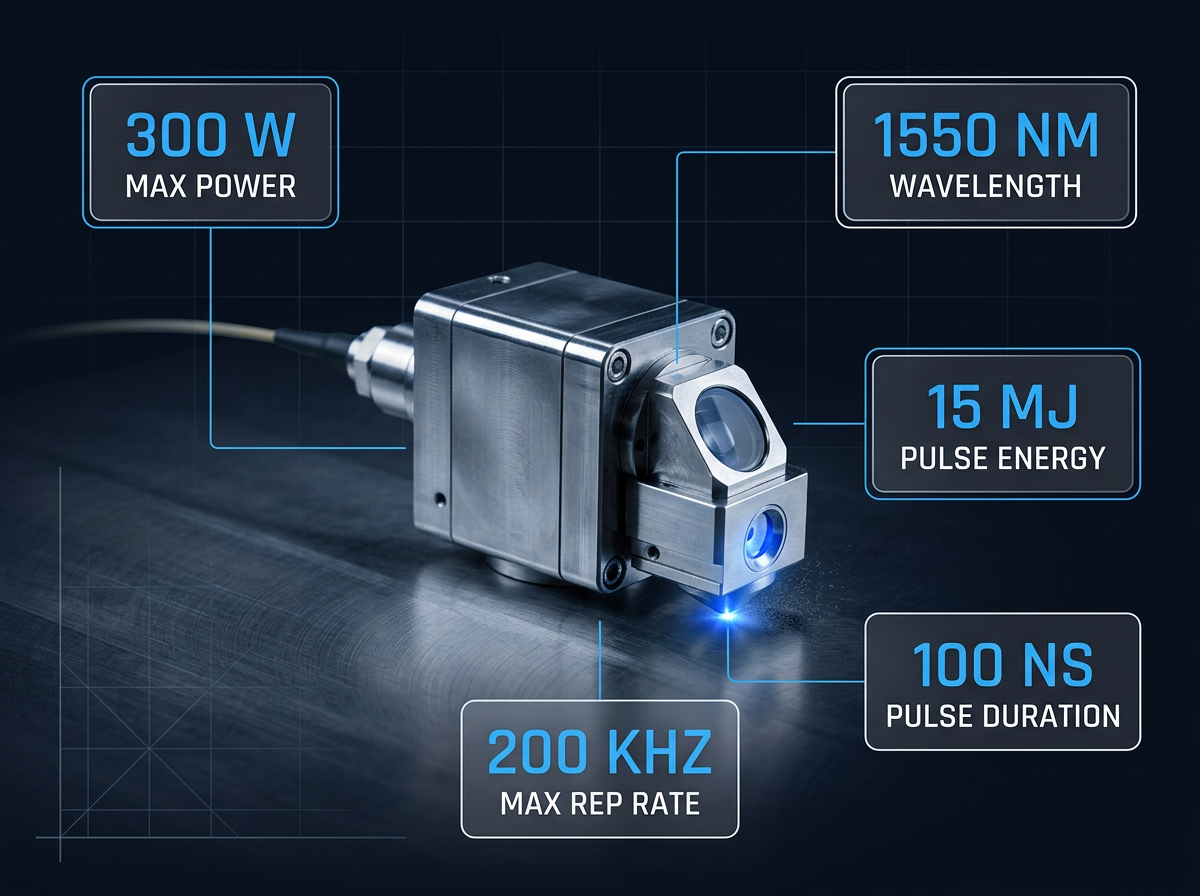
Maximum power: 300 W. Wavelength: 1550 nm.
Pulse energy: up to 15 mJ. Pulse duration: 100 ns. Pulse repetition rate: adjustable up to 200 kHz.
Power & Tunability
Power tunability: 0–100%. A single system spans light surface oxides through to thick coatings without changeover.
Power supply: 110–250 VAC single-phase. Power consumption: under 2,000 W.
Scanner & Optics
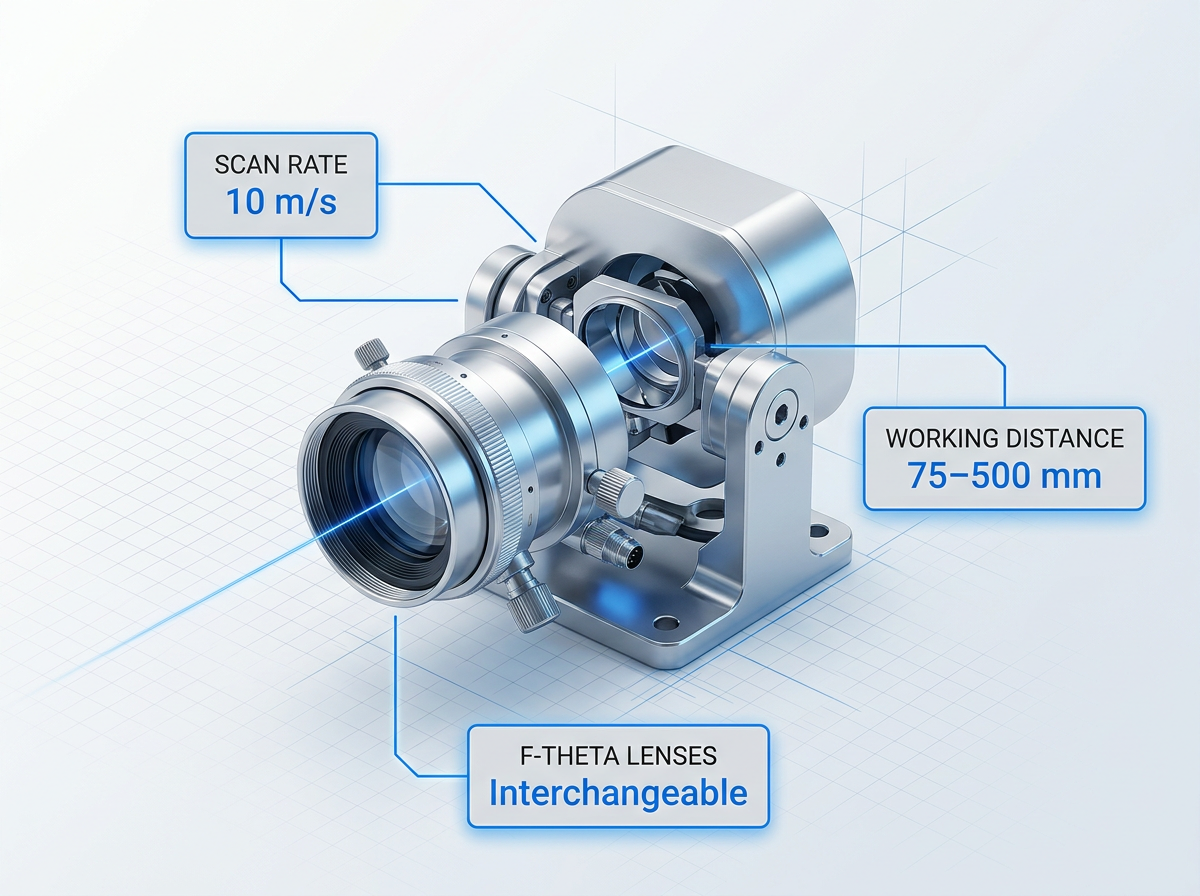
Scanner: 2-D galvanometer, maximum scan rate 10 m/s. Scan shapes fully programmable via GUI.
Lenses: interchangeable F-Theta lenses, working distance range 75–500 mm. Lens-protection windows included and replaceable.
Certifications & Interface
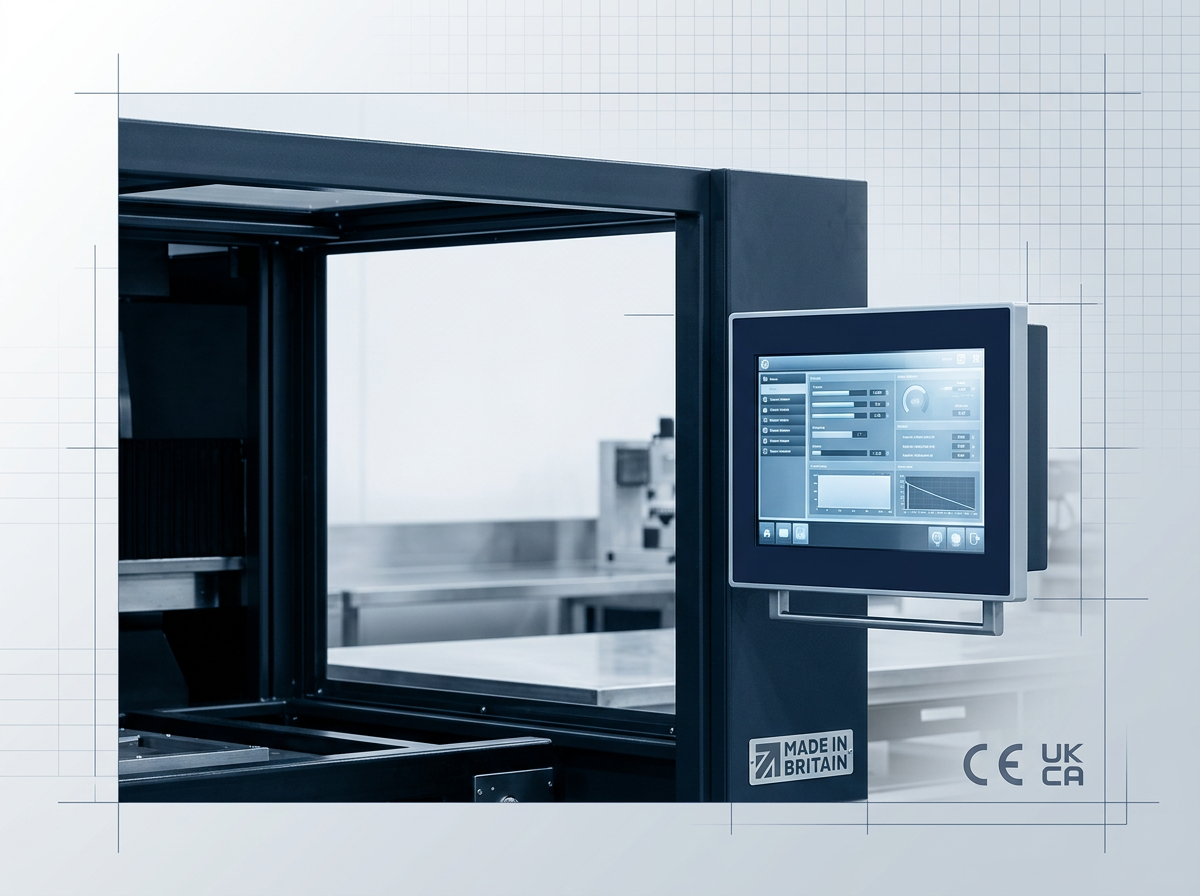
Laser class: Class IV (standard configuration); Class I (RHZ configuration). Interface: Ethernet and touchscreen.
Certifications: CE certified and UKCA certified. Manufactured in Britain.
Enclosure-Free Operation: The AutoLASE RHZ Option
Every conventional automated laser cleaning cell is a Class IV system requiring a sealed enclosure. AutoLASE with the optional RHZ upgrade changes that — WSL's patented, world-first eye-safe technology collapses the hazard zone to a small area around the work, delivering Class I classification with full industrial cleaning performance.
No enclosure means no sealed area to build out, no dedicated floor zone to manage, and no access shutdown for loading, inspection, or maintenance. The cell integrates directly into an open production environment, on your terms.
Built by the Only UK Laser Cleaning Manufacturer
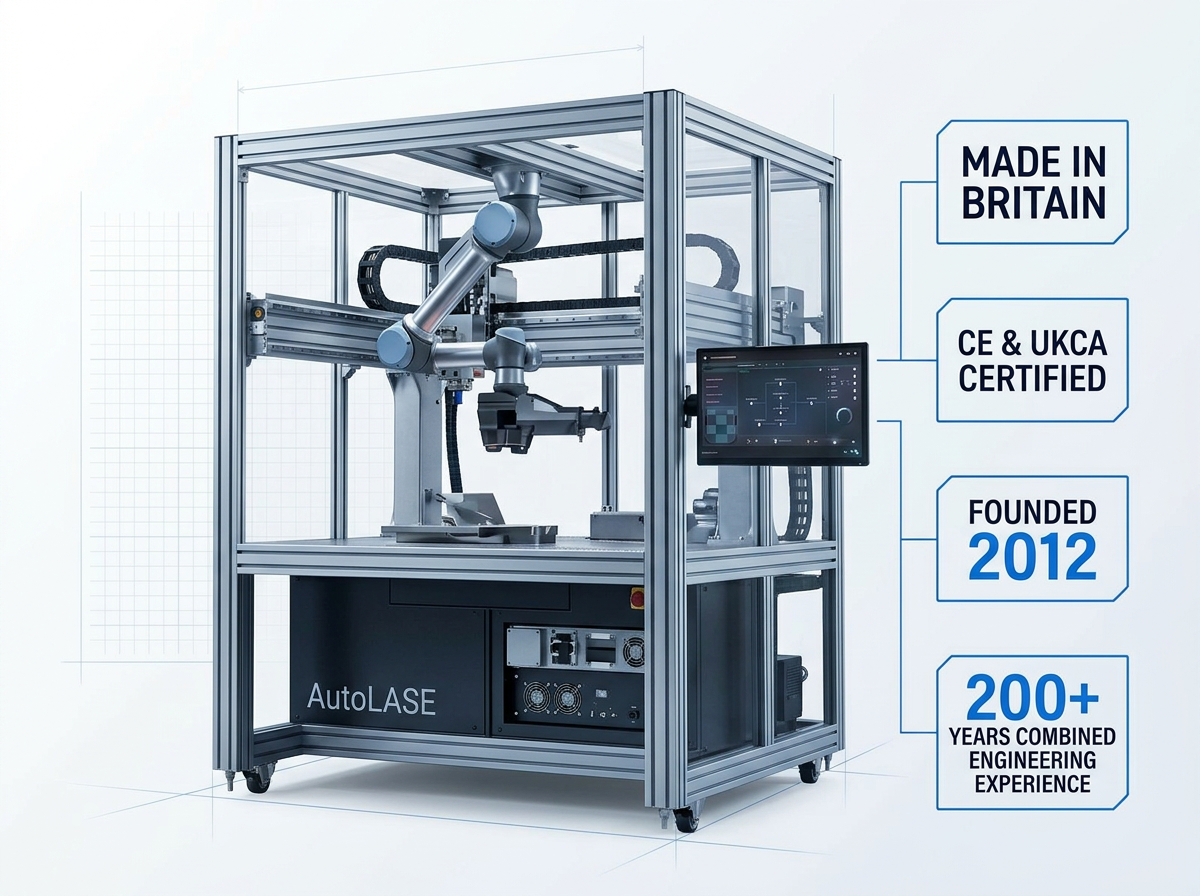
When evaluating capital equipment, the question worth asking is: who actually built this machine? In laser cleaning, a significant portion of the market consists of resellers rebadging imported systems. Woodrow Scientific Limited designs, builds, services, and improves AutoLASE entirely in-house — which means in-house engineering support, genuine spares, and the ability to actually develop the product.
Founded in 2012, WSL brings 200+ years of combined engineering experience, CE and UKCA certification, and patented world-first technology. AutoLASE is Made in Britain.
WSL supports buyers through commissioning and provides bespoke integration and customisation. Contact WSL to discuss your specific requirements.
Need a Portable Option? ELASER for Flexible Rust Removal
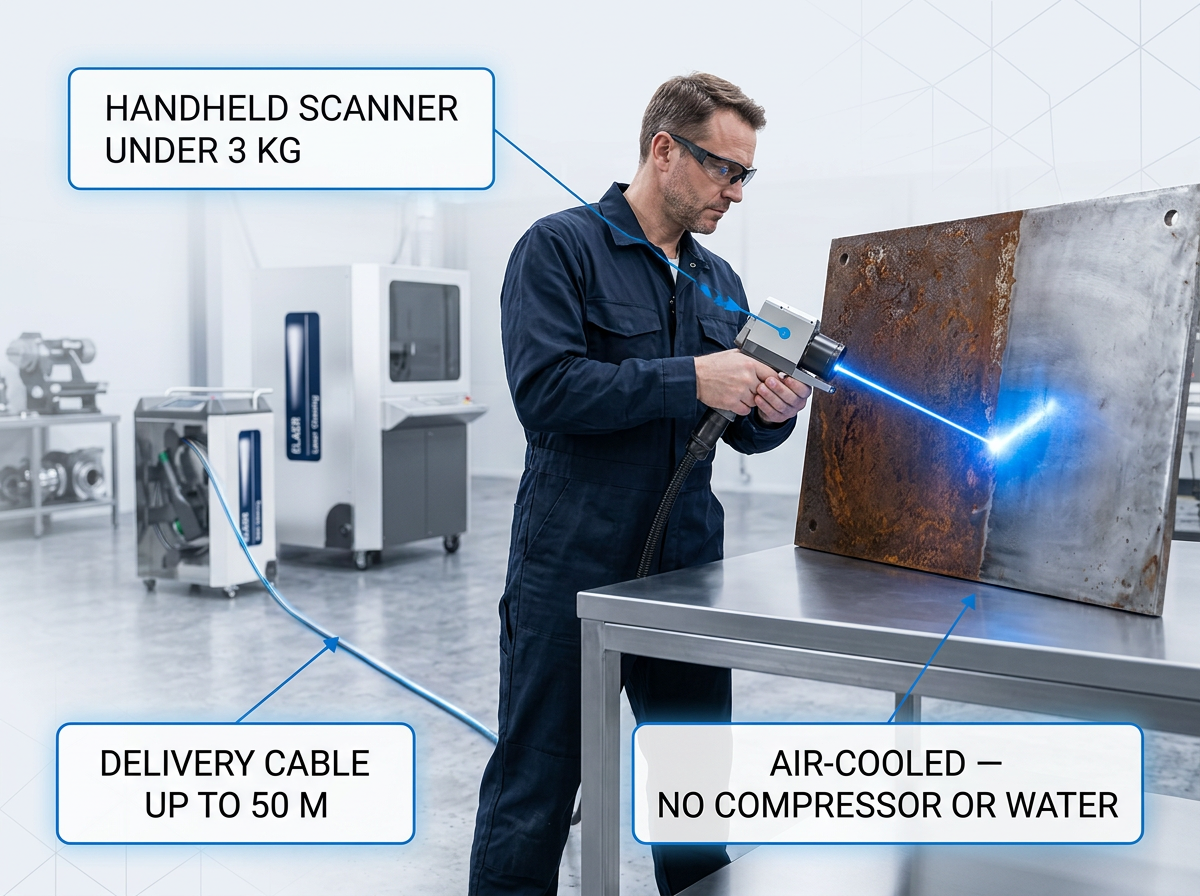
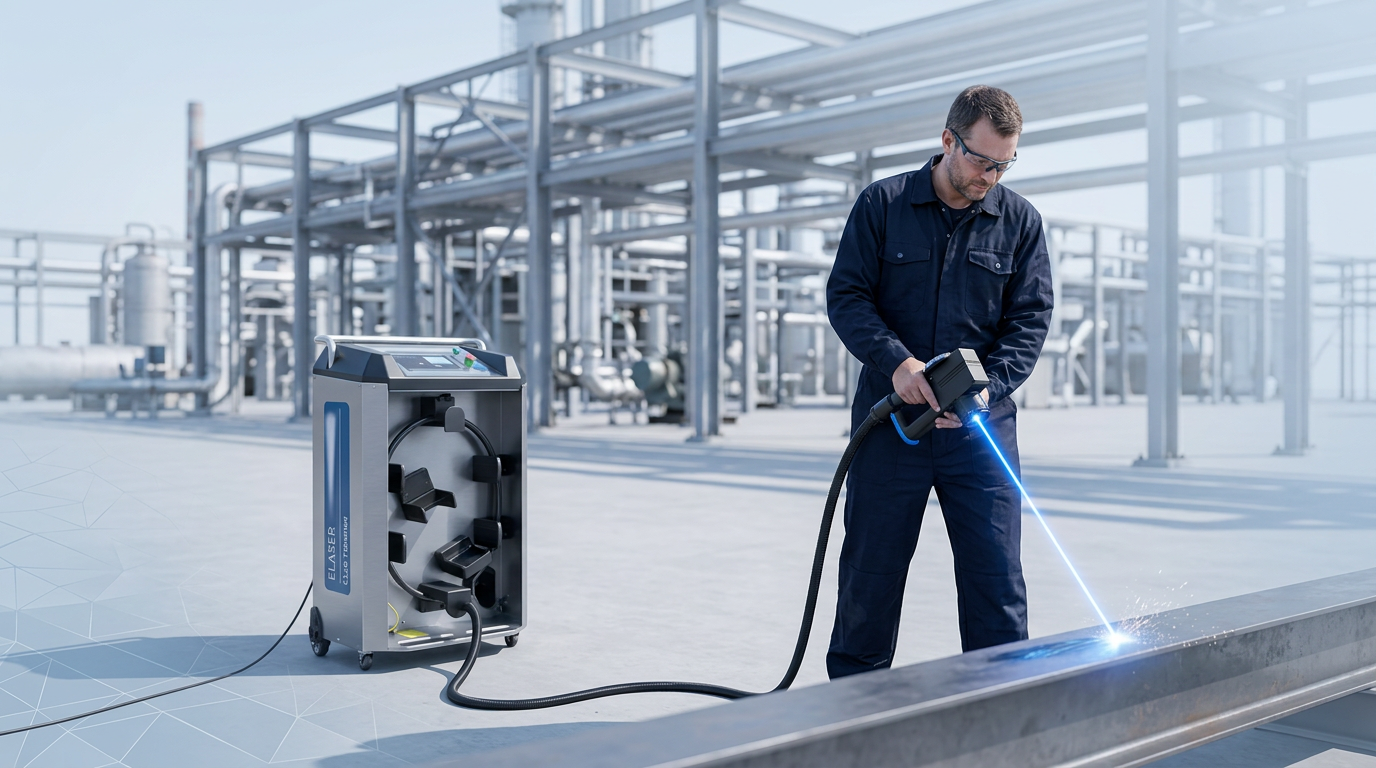
AutoLASE is built for fixed production lines with repeatable, high-volume cleaning. If your work moves between sites, varies job-to-job, or requires taking the machine to the part, the ELASER is WSL's answer: a wheeled, single-operator system under 50 kg with a handheld scanner under 3 kg and a delivery cable reaching up to 50 m — no compressor, no water.
It shares the same air-cooled, consumable-free architecture as AutoLASE. The ELASER-RHZ variant adds WSL's patented, world-first eye-safe technology, collapsing the hazard zone to a small area around the work — enabling cleaning in open workshops without sealing off the area.
Explore the ELASER: Portable Laser Rust Removal
If your work moves between sites or varies job-to-job, the ELASER brings the same laser cleaning capability in a portable, single-operator format. See the full system on the ELASER product page.
AutoLASE: Competitive Pricing, Lower Total Running Costs
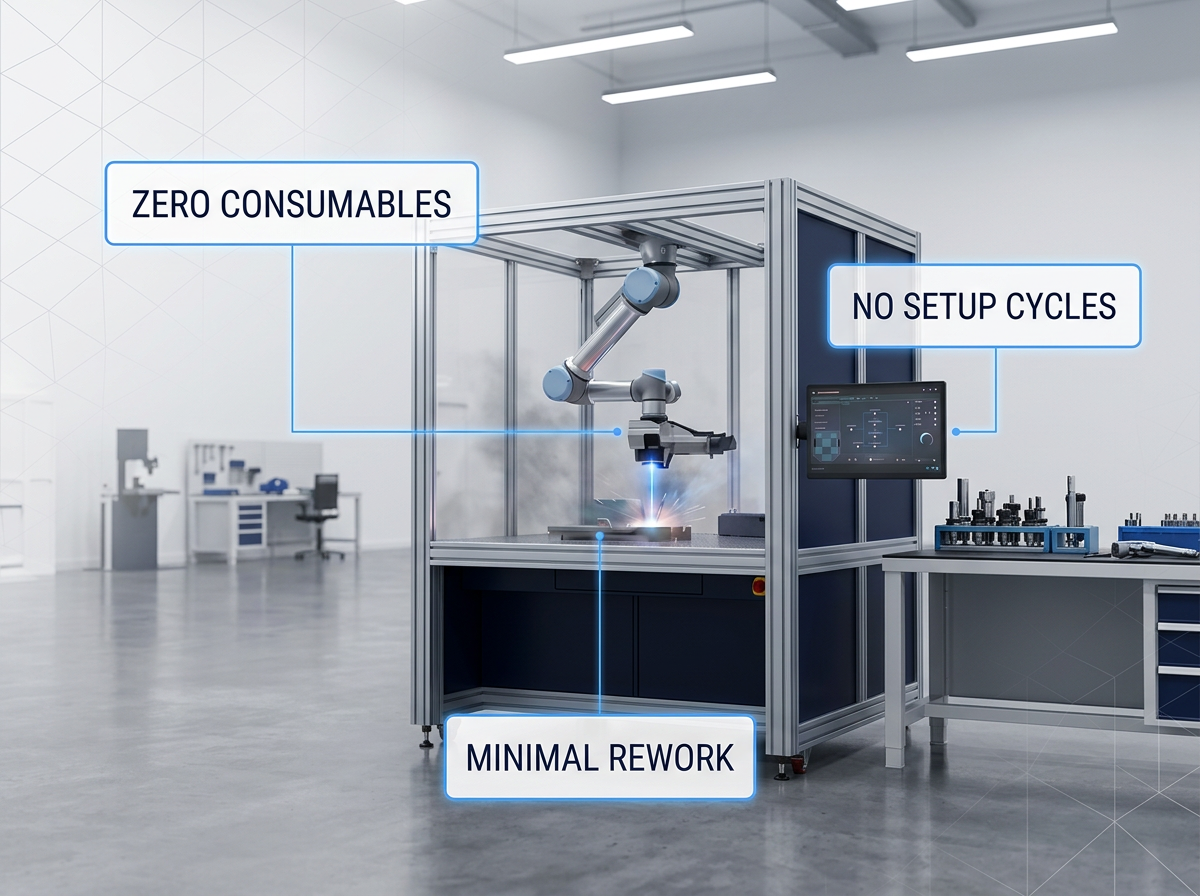
The right frame for evaluating a laser cleaning system is total cost of ownership, not sticker price. AutoLASE runs on electricity alone: zero consumables, no abrasive media to procure, no chemicals to handle, and no setup or cleanup cycles between runs. Minimal substrate loss means fewer rejected or reworked parts — a cost that rarely appears in a sandblasting budget but accumulates steadily.
Among comparable automated laser cleaning systems in Europe, AutoLASE carries the most competitive upfront pricing — achieved through WSL's in-house manufacturing and operational efficiencies, not by cutting quality. Priced on application; contact WSL for a quote.
Specify Your AutoLASE System With a WSL Engineer
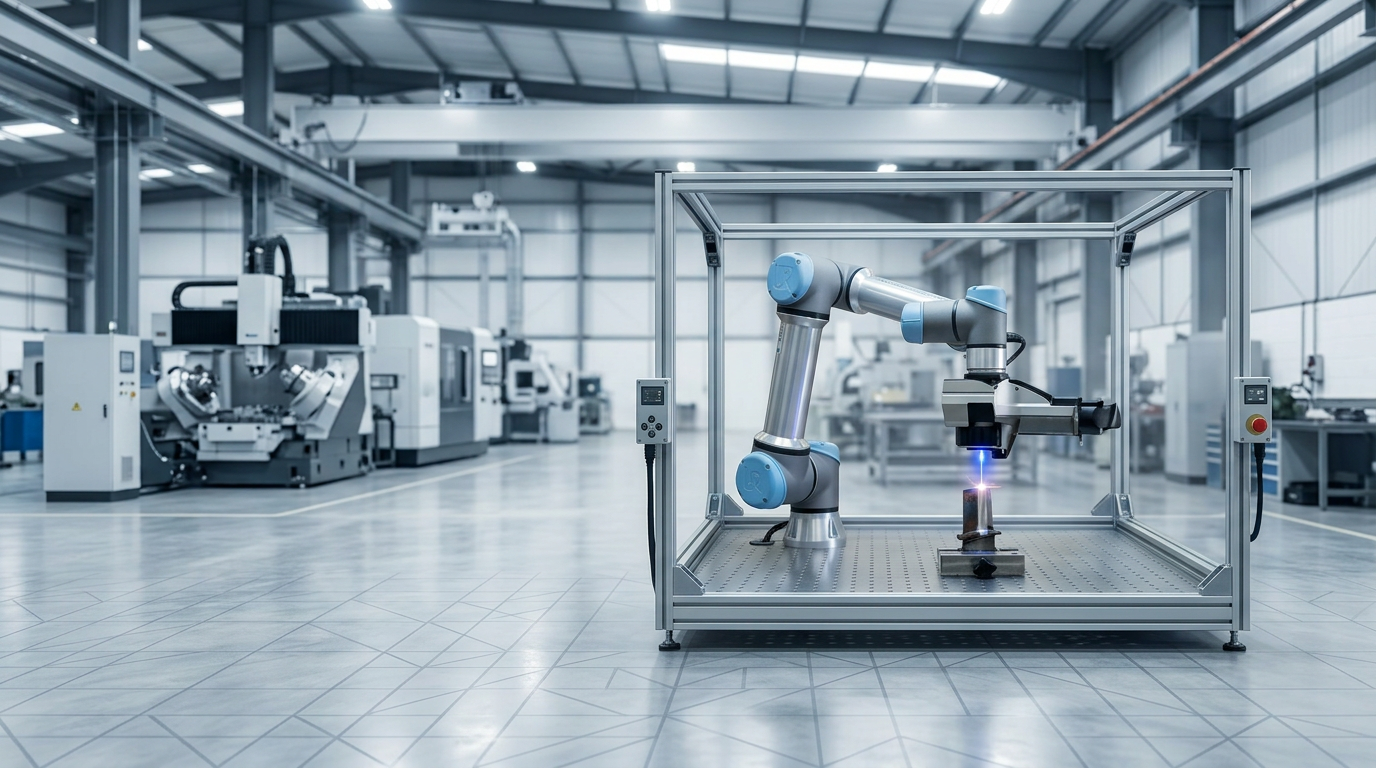
AutoLASE attaches to your existing robots or is supplied as a complete custom cell. WSL works directly with you to specify the right configuration and supports you through commissioning and training — from the engineers who built the machine.
Laser Rust Removal: Frequently Asked Questions
Technology and AutoLASE questions answered for industrial buyers evaluating laser rust removal.
Two things set AutoLASE apart. First, it just works when you load the part. The machine-vision system scans the part, builds a 3D surface map, and generates the cleaning path automatically — no manual programming, no path-setting, no knowledge of part geometry required. Any operator can run it from day one. Second, AutoLASE is the only automated laser cleaning system in the world that can operate without a full safety enclosure. WSL's patented Reduced Hazard Zone (RHZ) technology — a world-first, exclusive to WSL — allows AutoLASE to be upgraded to a Class I configuration, collapsing the laser hazard zone to the immediate cleaning area and removing the need for a sealed room or enclosure entirely.
In standard configuration, AutoLASE operates as a Class IV laser system, and appropriate laser safety controls apply — WSL provides full safety and operation training for every installation. With the optional RHZ upgrade, AutoLASE becomes a Class I system with a dramatically reduced hazard zone, and no full enclosure is required. This is WSL's patented, world-first technology — no other automated laser cleaning system offers it. For facility planning, the practical implication is significant: no dedicated sealed area, no enclosure build-out, and considerably more flexibility in how and where the cell is positioned on the production floor.
Yes — laser rust removal works, and the physics explain why it is reliable. Iron oxide (rust) absorbs pulsed laser energy far more readily than the base metal beneath it. The beam vaporises the contaminant layer through selective ablation and stops at the substrate, leaving part geometry and surface finish intact. This selectivity is what makes the process dependable for production use, not just laboratory conditions. Pulsed fibre laser technology gives precise control over energy delivery — pulse duration and power are tunable to match rust grade and substrate sensitivity, so the same system handles light surface oxides and heavier corrosion without damaging the part. The process is established in production environments across automotive, aerospace, and heavy industry. AutoLASE applies this same physics automatically, holding the same cleaning standard on every cycle without relying on operator judgement or skill.
Pricing depends on configuration and application — AutoLASE is contact-for-quote. The more useful evaluation lens, however, is total cost of ownership. Laser rust removal carries zero consumables (no abrasive media, no chemicals), requires no water infrastructure, and eliminates the setup and cleanup cycles that create downtime with abrasive or chemical methods. Minimal substrate damage also means fewer rejected parts and less rework — costs that rarely appear in a consumables line but accumulate significantly over a system's operating life. Among comparable automated laser cleaning systems in Europe, AutoLASE is the most competitively priced — a result of WSL's in-house manufacturing and engineering efficiencies, not a reduction in capability or build quality. Contact WSL to discuss your application and receive a configuration-specific quote.
For high-volume, repeatable industrial rust removal, a pulsed fibre laser system is the engineering-correct choice. Pulsed fibre lasers deliver precise control over pulse duration — operating in the nanosecond regime — which allows energy delivery to be matched to rust grade and substrate sensitivity. This is what enables selective ablation of iron oxide without transferring damaging heat to the base metal. The result is consistent, controlled rust removal across a range of contamination levels on the same system. For production environments specifically, the system should also remove the dependency on operator skill for path generation — otherwise, cleaning quality varies with the person running the machine. AutoLASE combines a tunable pulsed fibre laser (up to 300 W, adjustable from 0–100% power) with 3D machine-vision path generation, so the system determines the optimal cleaning approach autonomously. No programming, no setup expertise — the engineering answer, fully realised in a production cell.