
Do Laser Paint Removers Really Work?
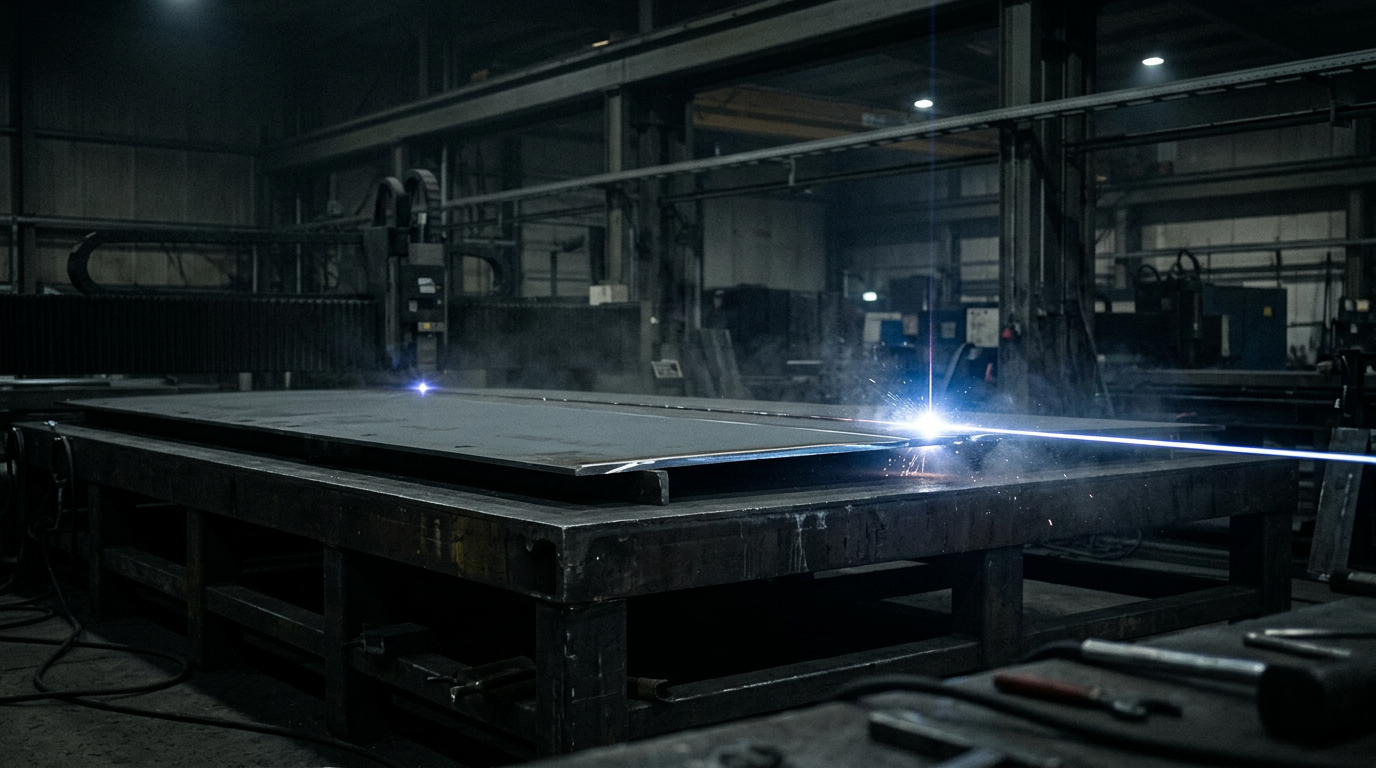
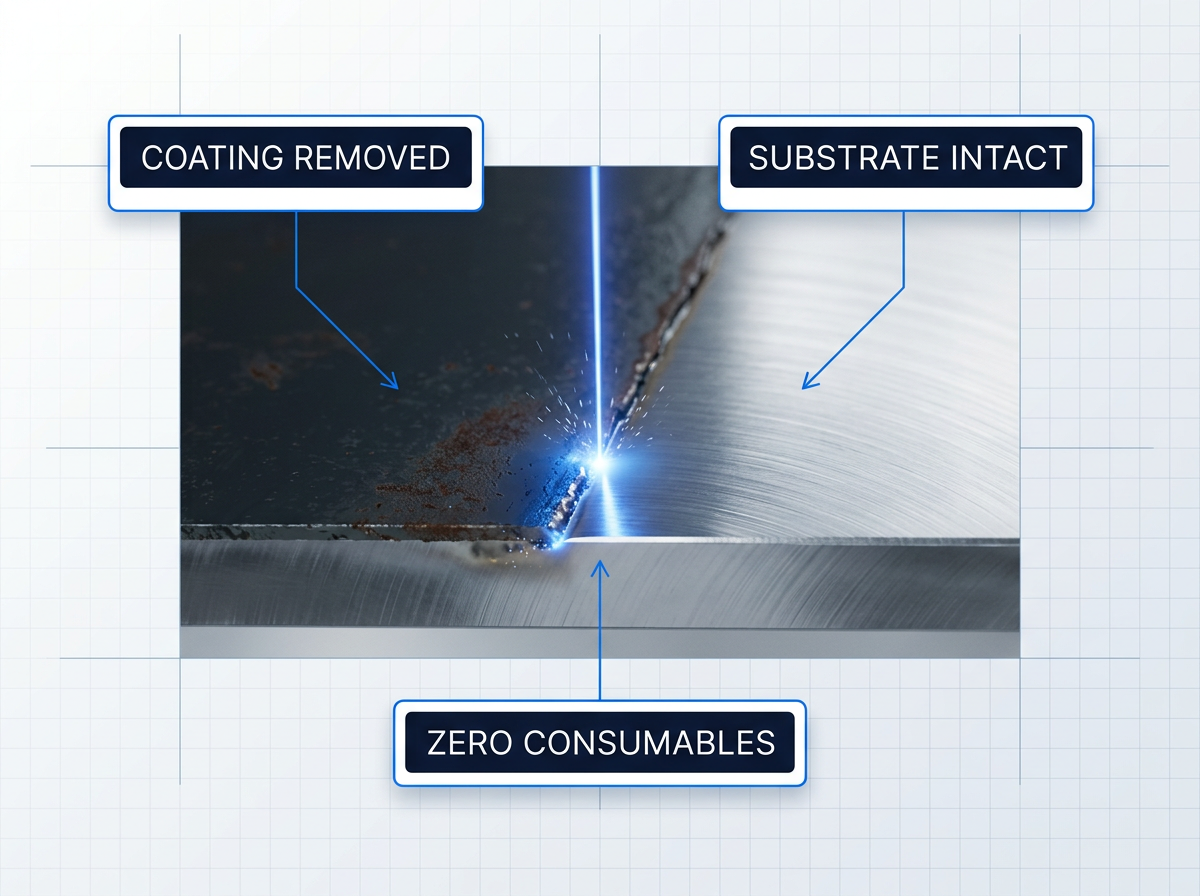
Yes — and the physics explains why. Organic coatings such as paint, primer, lacquer and powder coating absorb laser energy and vaporise on contact. The substrate beneath reflects that same energy and remains completely intact. No mechanical force, no chemical reaction: the coating is gone and the base material is untouched. This is selective ablation, and it is why the process is reliable across industrial use.
The technology handles the full range of organic coatings and contaminants across metals, masonry and stone — proven in automotive, aerospace, remanufacturing and heritage restoration, where substrate integrity is non-negotiable.
Chemical Stripping: The Full Overhead
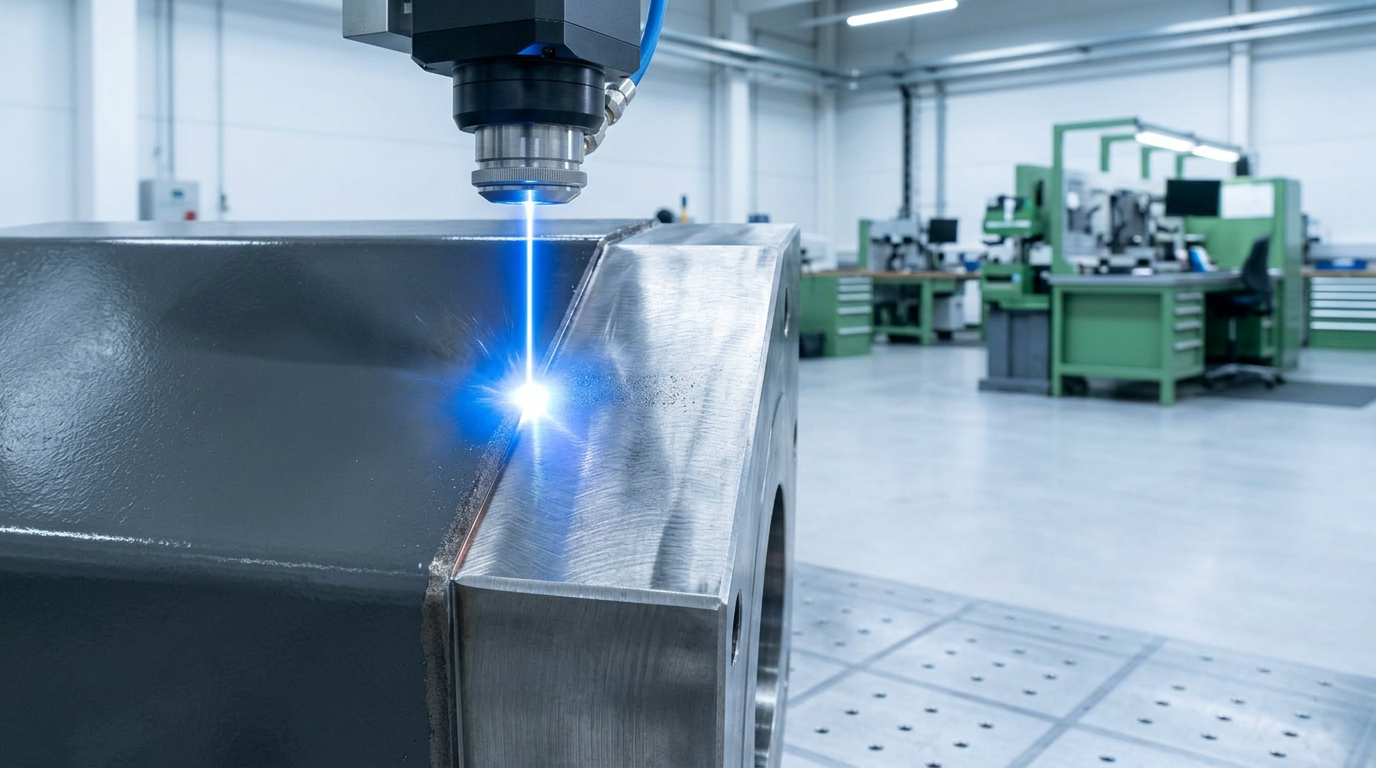
Chemical paint stripping requires procurement and storage of hazardous materials, mandatory PPE for every operator, EPCRA annual inventory reporting, and regulated disposal of chemical waste — all before a single square metre of paint is removed.
Masking non-target surfaces, managing dwell times, and arranging compliant waste collection are operational constants. Laser eliminates this entire overhead. No chemicals to source, store, or dispose of. No compliance reporting tied to chemical inventory. These cost categories do not get reduced — they cease to exist.
Sandblasting: Damage, Dust, and Disposal
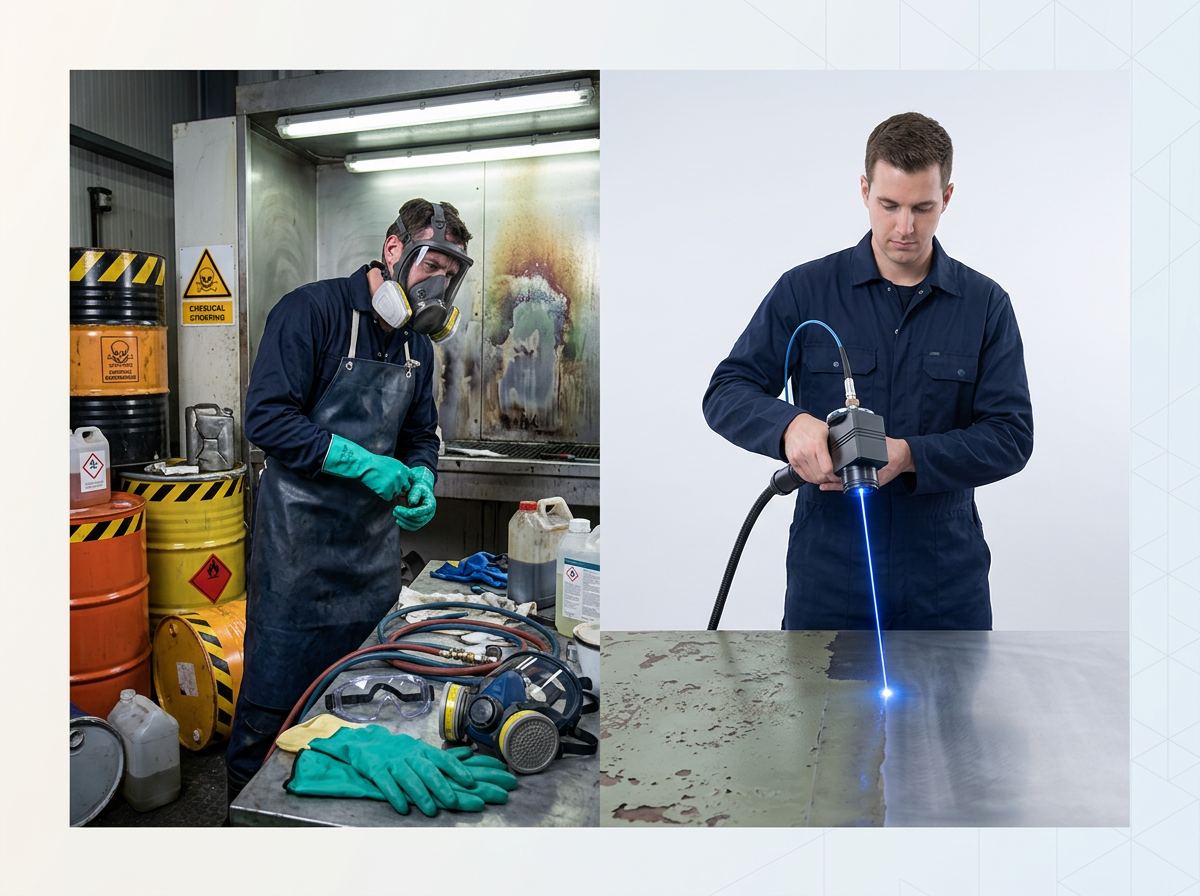
Abrasive blasting imposes a distinct cluster of operational costs: substrate damage risk from mechanical abrasion, daily cleanup of spent media and paint debris, ongoing consumable replenishment, and mandatory containment structures with HEPA-filtered exhaust ventilation.
Substrate damage is not just a quality issue — it is a throughput cost. Excessive surface profile depth triggers re-blasting or additional coating thickness, adding rework cycles before the part can move forward. OSHA requires Type CE airline respirators, full PPE, and separate change areas for blasters. Laser removes none of this — it replaces all of it.
No Consumables. No Rework. Parts Ready.
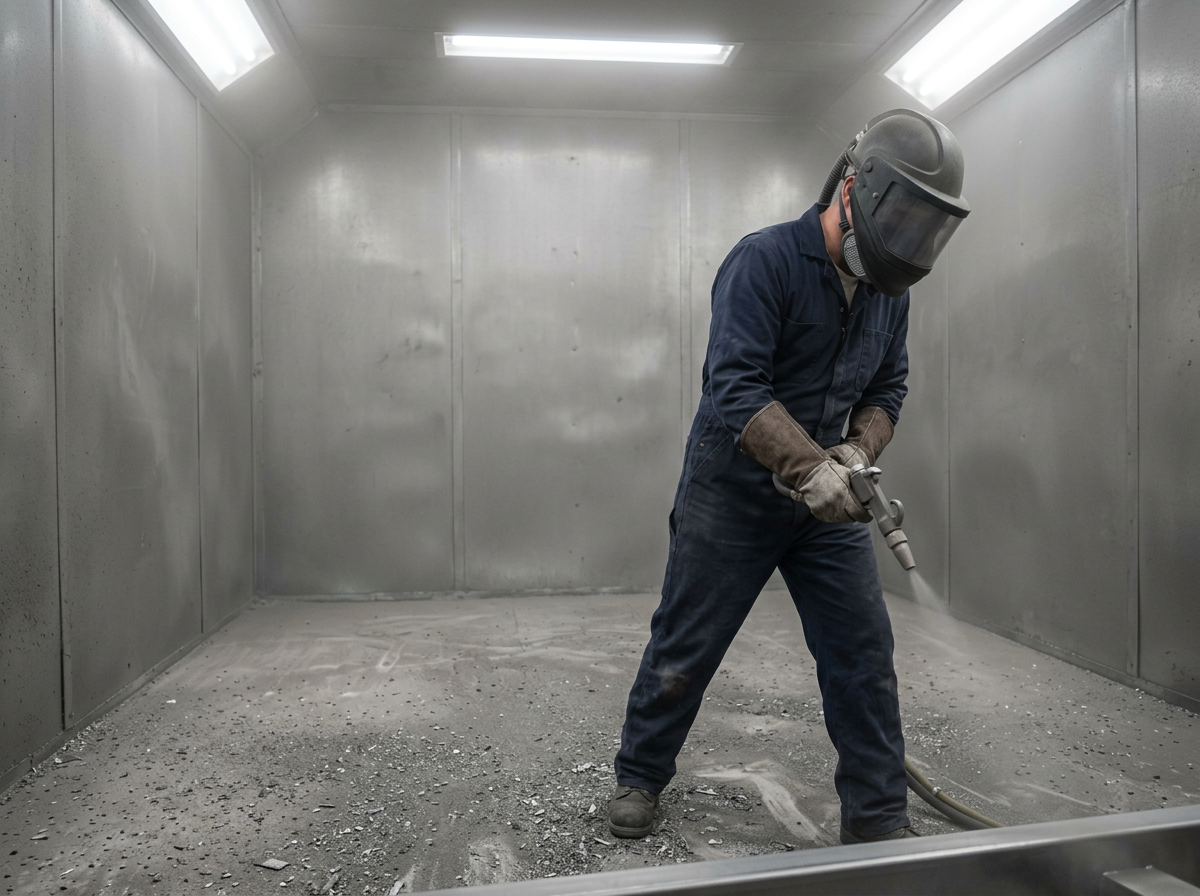
Laser ablation is self-limiting: the beam is absorbed by the coating and stops at the base material, leaving the substrate unaffected. Ablation depth can be controlled within 5–10 µm, so parts exit the process within tolerance and ready for the next step — no remediation, no re-profiling.
The running cost is electricity. There is no blast media to replenish, no chemicals to procure, and no waste to sort or dispose of beyond small quantities of extracted particulate. According to Laser Focus World, laser stripping operating costs run around $6/hour — a figure that carries no consumable overhead at all.
ELASER: Portable Laser Paint Removal, Any Location
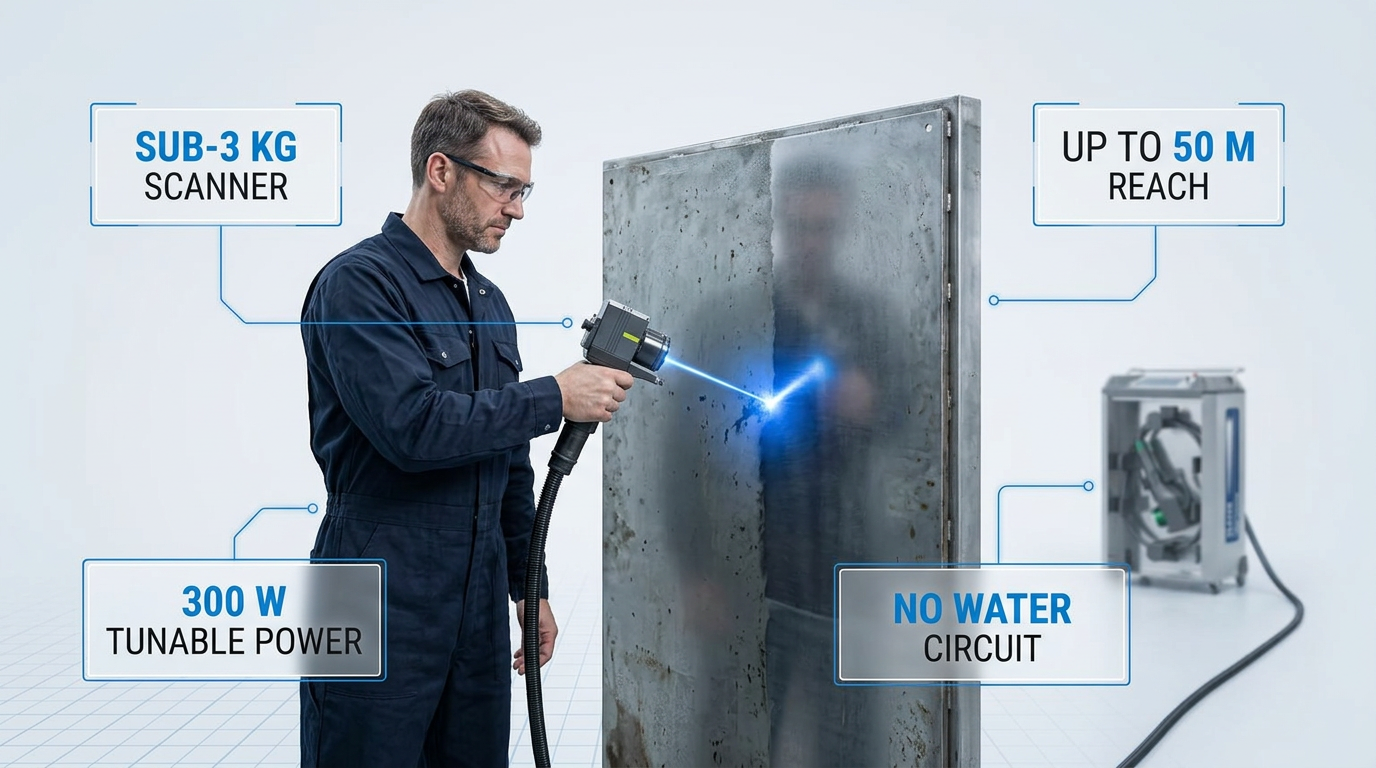
The ELASER-RHZ is the world's only portable laser paint removal system with patented reduced-hazard-zone technology — collapsing the laser hazard zone to a fraction of conventional size. Work in open workshops, mixed-use facilities, and public-facing environments without sealing off the area.
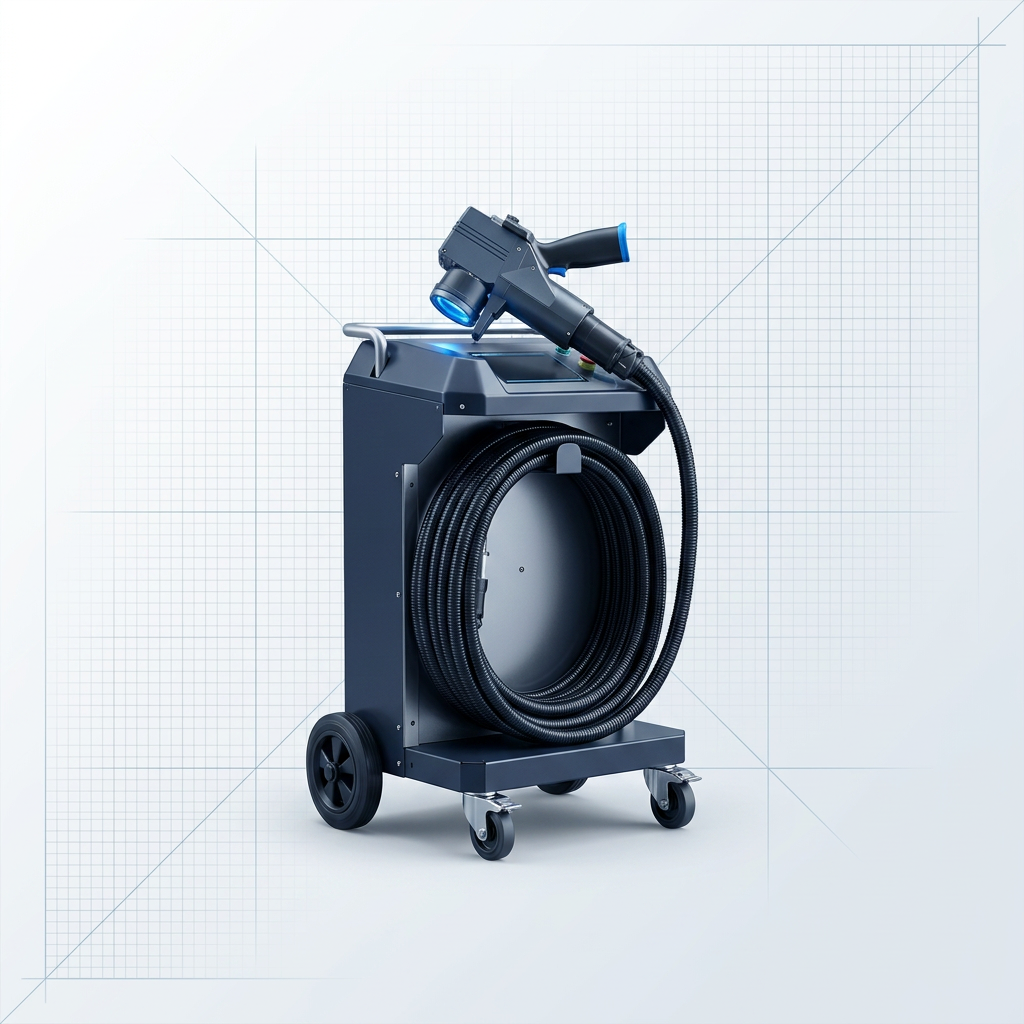
One operator. A sub-3 kg handheld scanner, a wheeled unit under 50 kg, and up to 50 m of delivery cable. Plug into any 110–250 VAC single-phase supply — no compressor, no water circuit, no consumables.
Power tunes 0–100% (up to 300 W), handling light oxides through thick paint, primer and powder coating. Air-cooled, self-contained. CE and UKCA certified. Made in Britain.
AutoLASE: Automated Paint Removal for Production Volumes
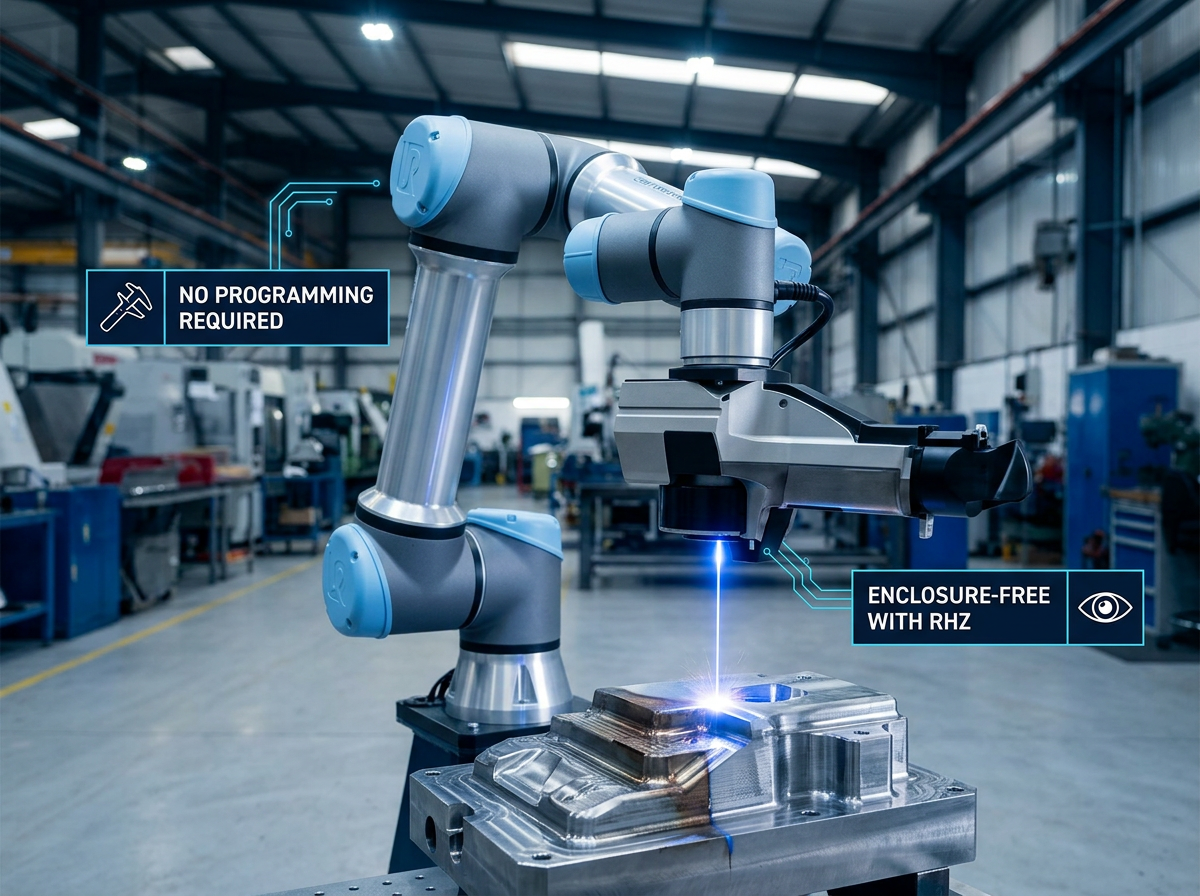
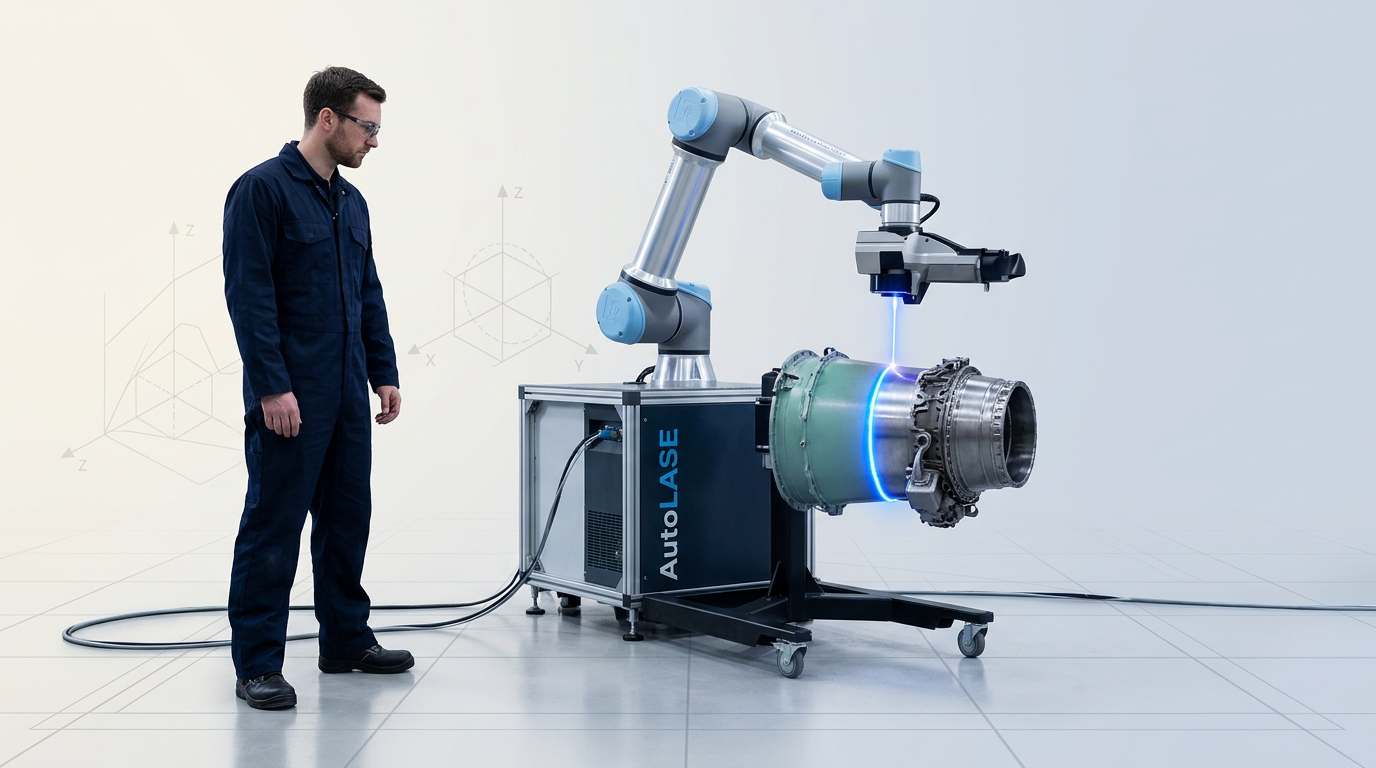
Load the part. AutoLASE does the rest. Machine vision scans the component, builds a 3D map, and generates the cleaning path automatically — no programming, no path-setting, no knowledge of part geometry required.
Every cycle holds the same cleaning standard, eliminating operator variability across production runs. The multi-axis articulated arm reaches complex 3D contours and works with your existing robots — or AutoLASE is supplied as a complete custom cell.
Where open-floor footprint matters, the optional RHZ eye-safe upgrade makes AutoLASE the only automated laser paint removal system that operates with no enclosure whatsoever.
See AutoLASE in Full Detail
Machine vision, 3D mapping, automatic path generation — no operator input required. Explore the AutoLASE product page to see full specifications and capabilities.
Industrial Applications for Laser Paint Removal
From production lines to listed monuments, laser paint removal fits a wide range of industrial workflows. Find your application below and see what the technology delivers in your operational context.
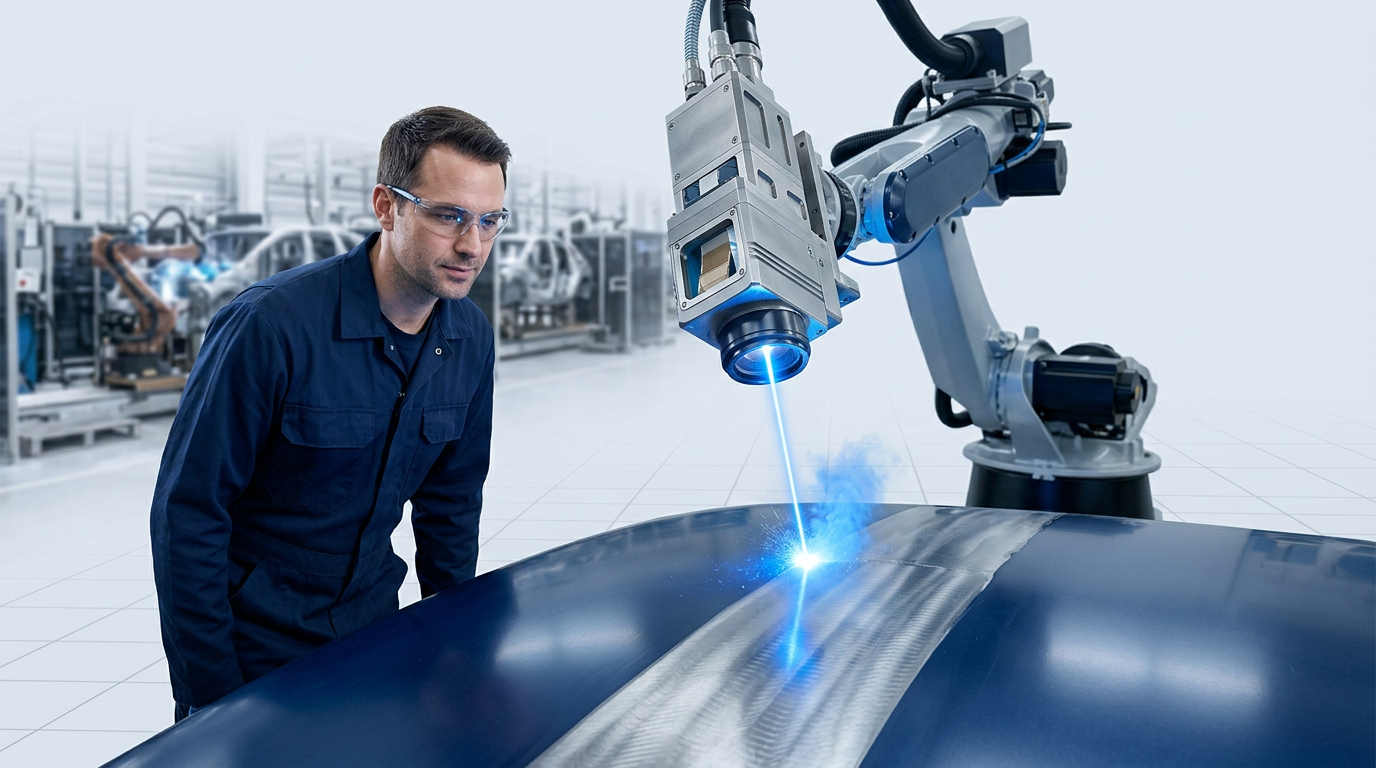
Automotive
Pre-weld prep, rust stripping, and EV battery tray cleaning — consistent results, part after part.
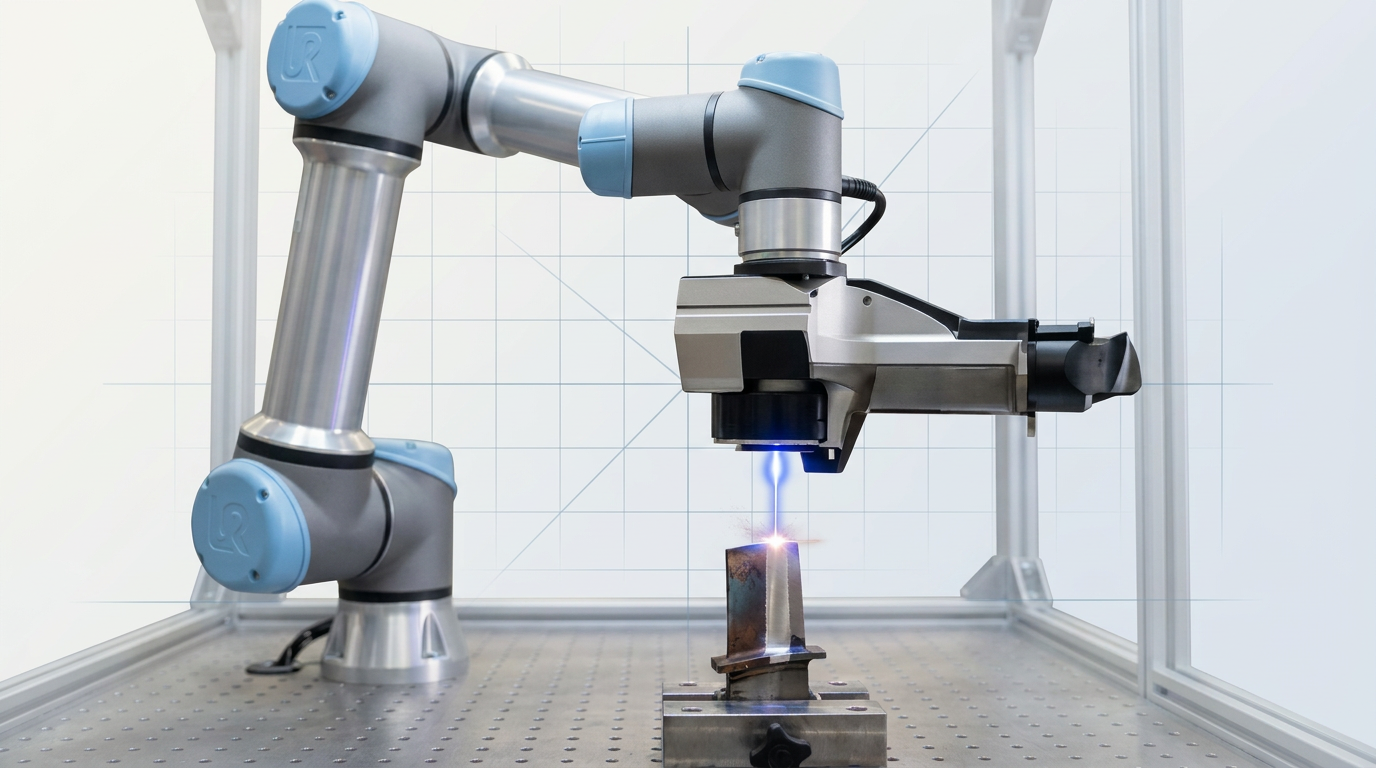
Aerospace
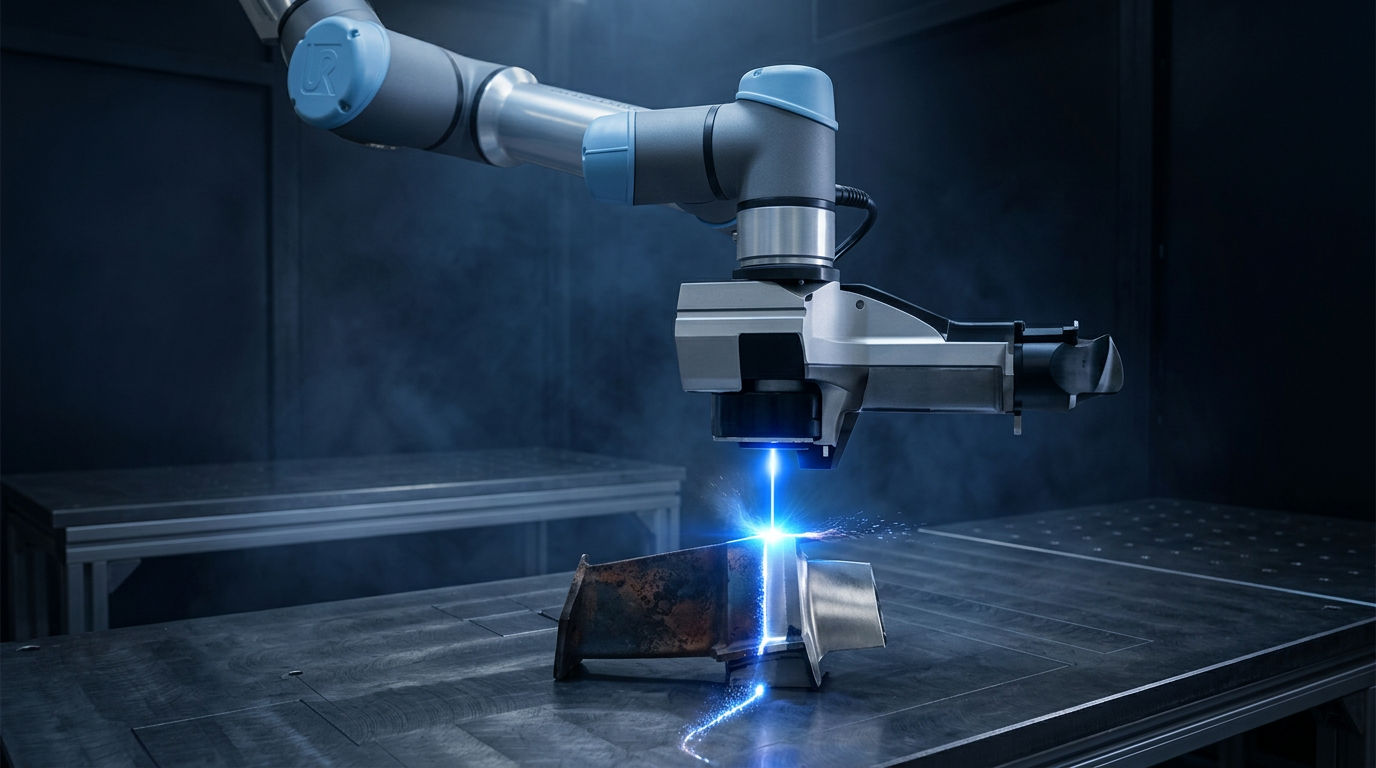
Coating removal from turbine blades and airframe components, held to tight tolerances every cycle.
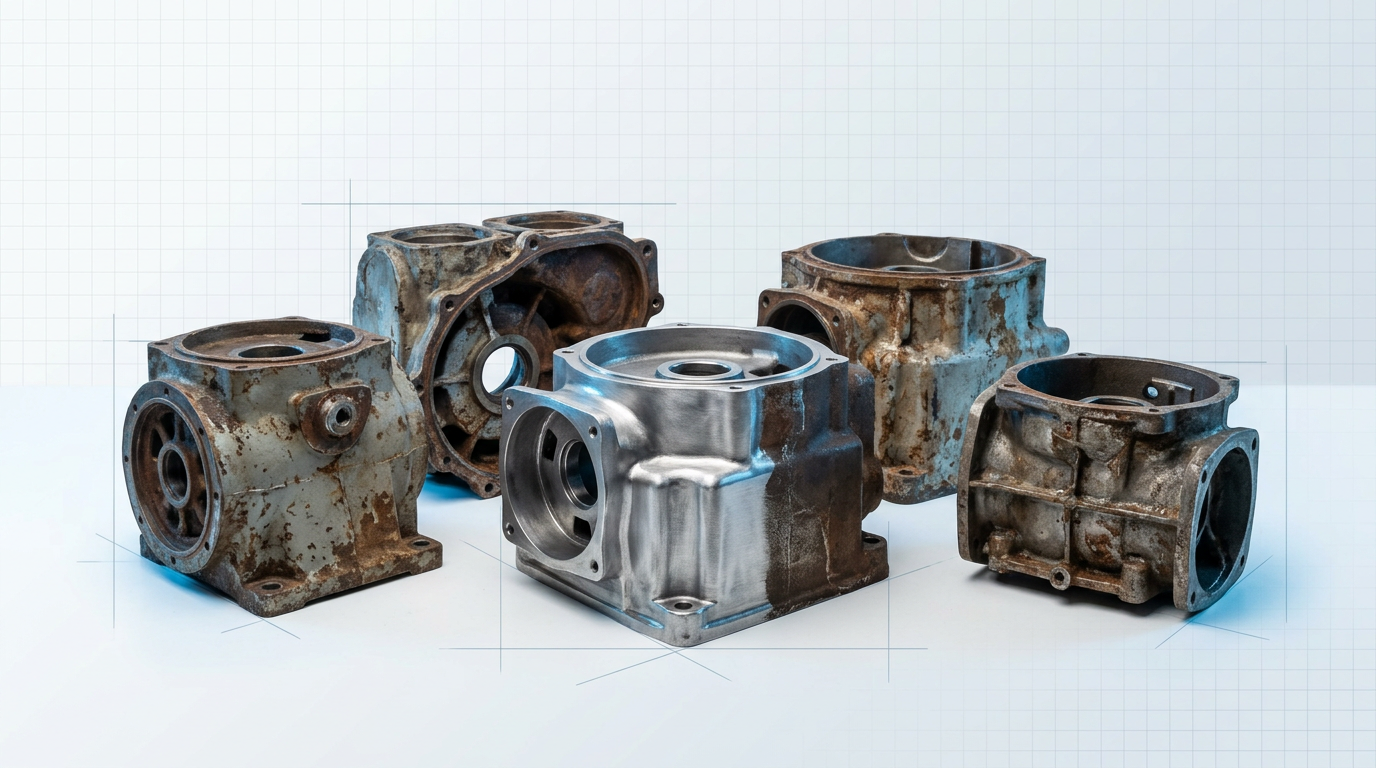
Remanufacturing and Refurbishment
Corrosion, old coatings, and contamination stripped from worn components — batch-consistent, ready for rebuild.
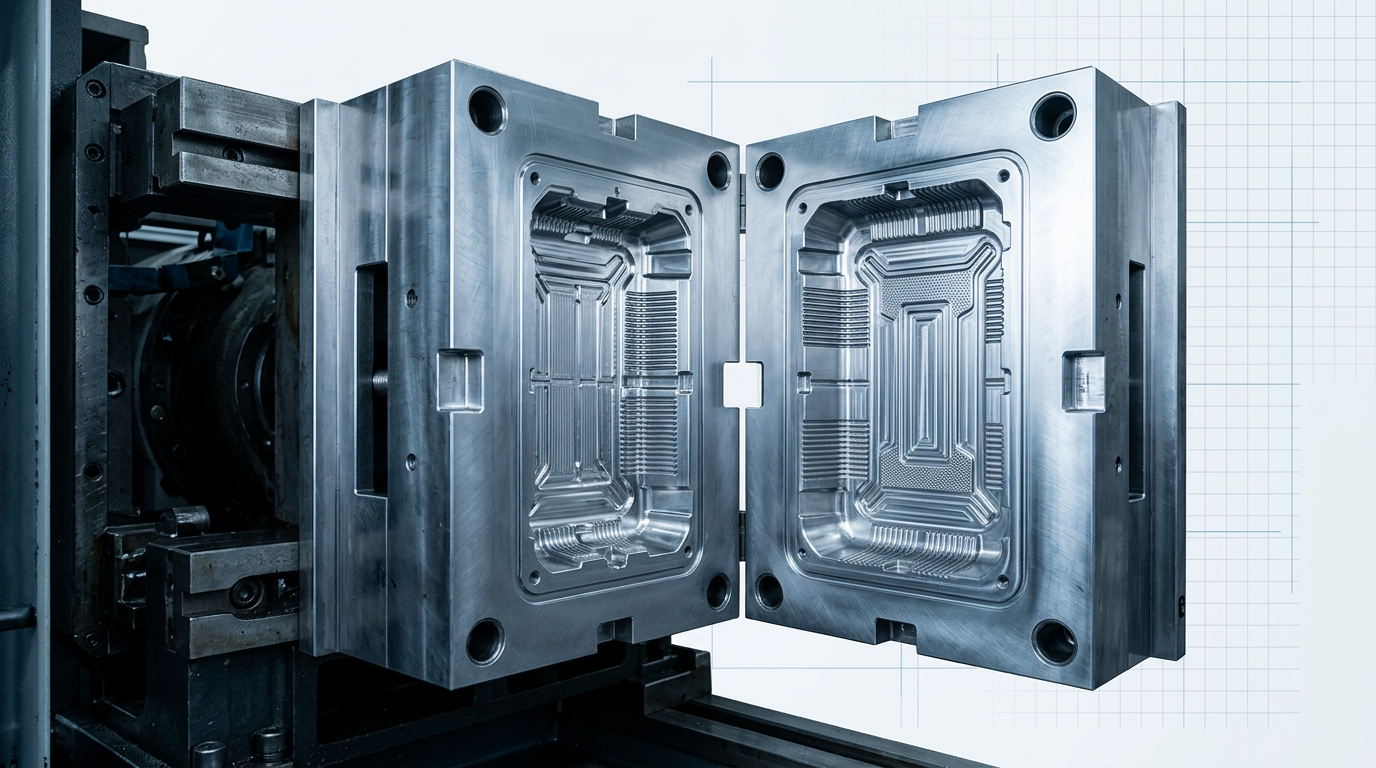
Injection Moulding and Tooling
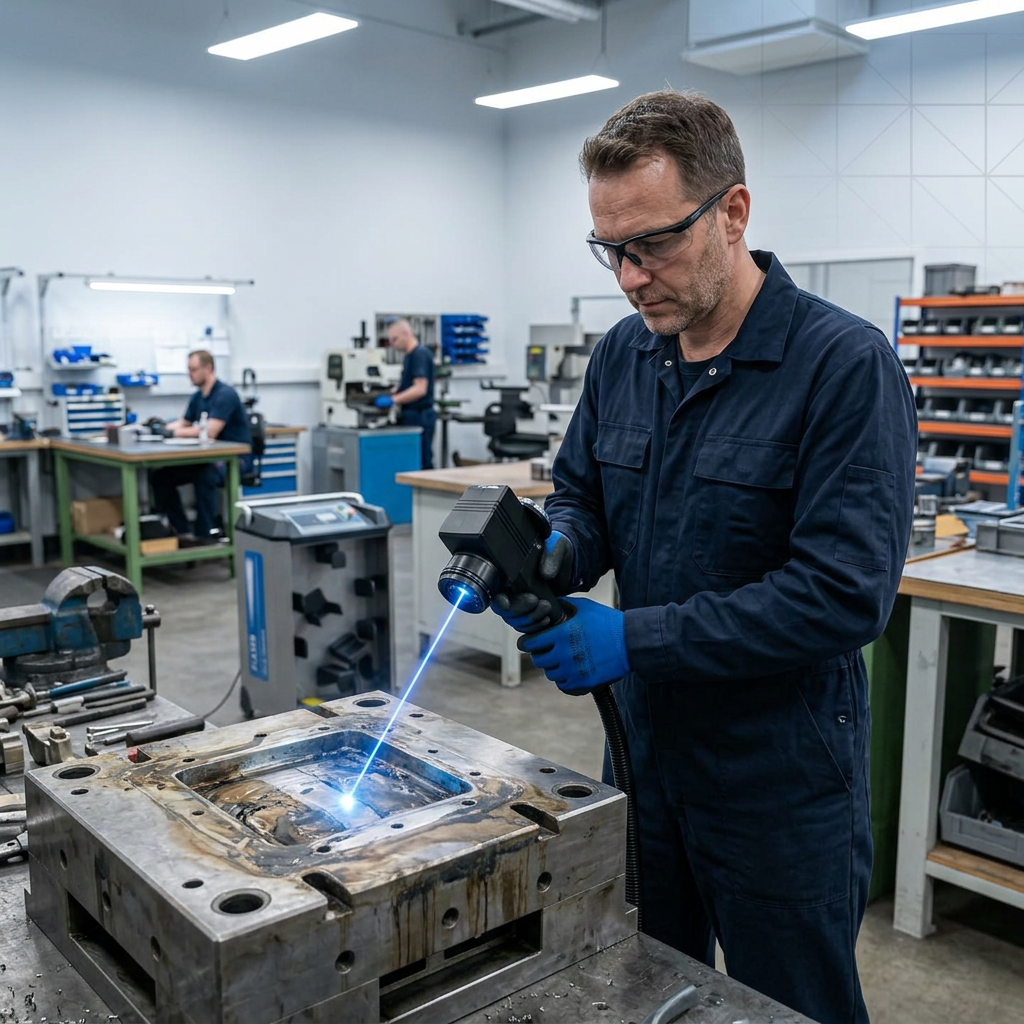
Release agents and residue removed in place — no disassembly, no abrasive wear on cavities.

Heritage and Restoration
Paint and corrosion lifted from irreplaceable surfaces, deployable in public spaces via ELASER-RHZ.
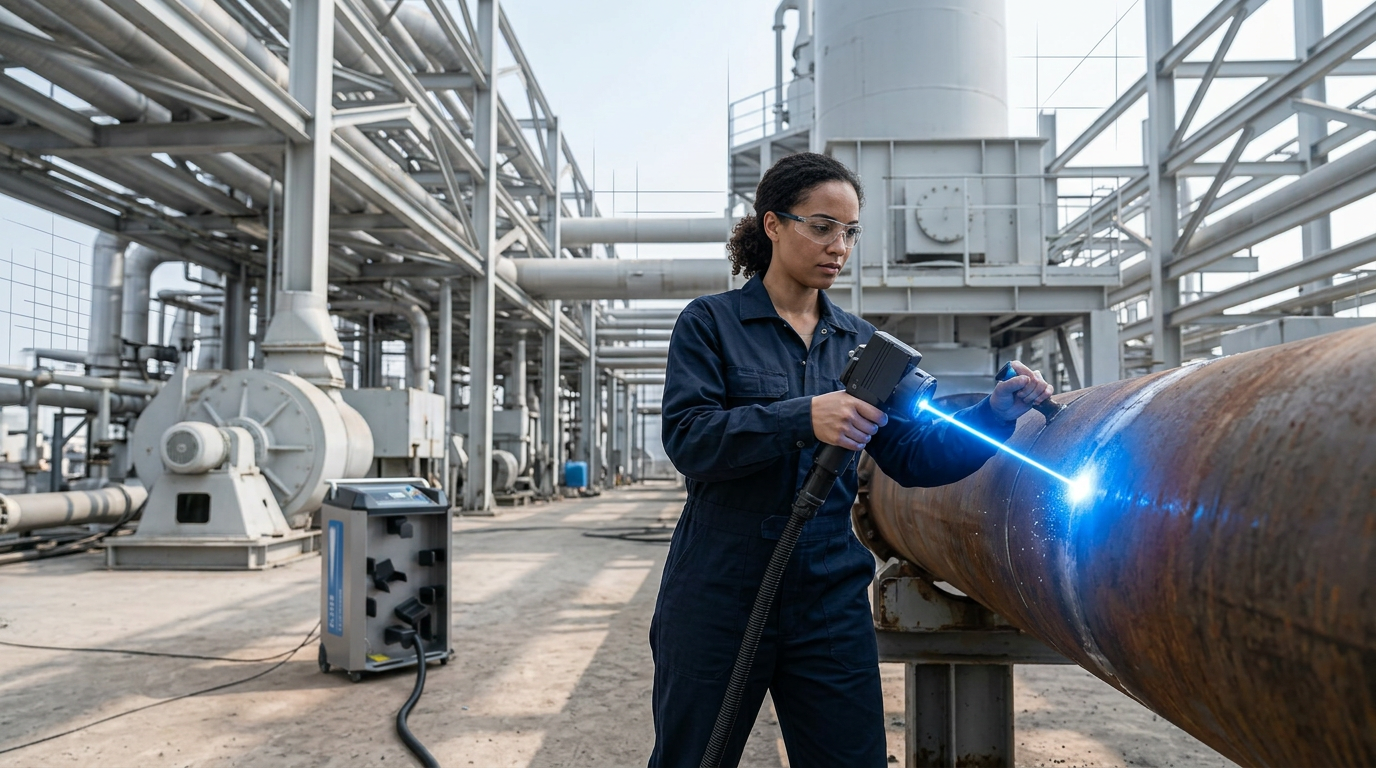
Industrial Maintenance
On-site cleaning of plant, pipes, and structures — nothing to mask, no media to clear.
Total Cost of Ownership: The Right Evaluation Frame
Across every application covered above, the same question follows: what does this cost to operate? The answer is where laser paint removal systems make their strongest financial case.
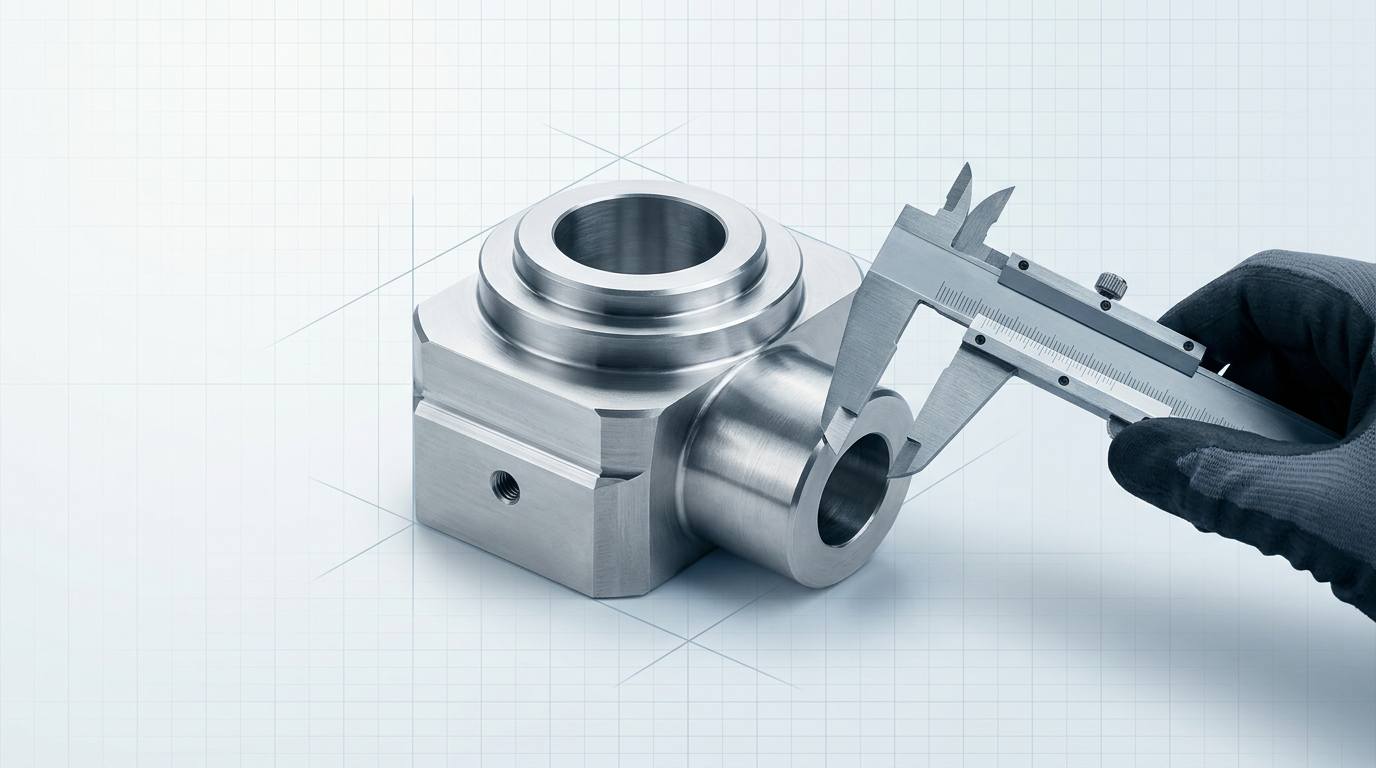
Substrate Integrity Means Fewer Rejected Parts
The beam stops at the base material, so parts exit the process within tolerance. Fewer rejections and less remediation translate directly into throughput savings.
No Shutdown, No Cleanup: Less Downtime Per Part
No area shutdown, no cleanup cycle, no drying time. The process restarts immediately after the laser pass, keeping operational availability high.
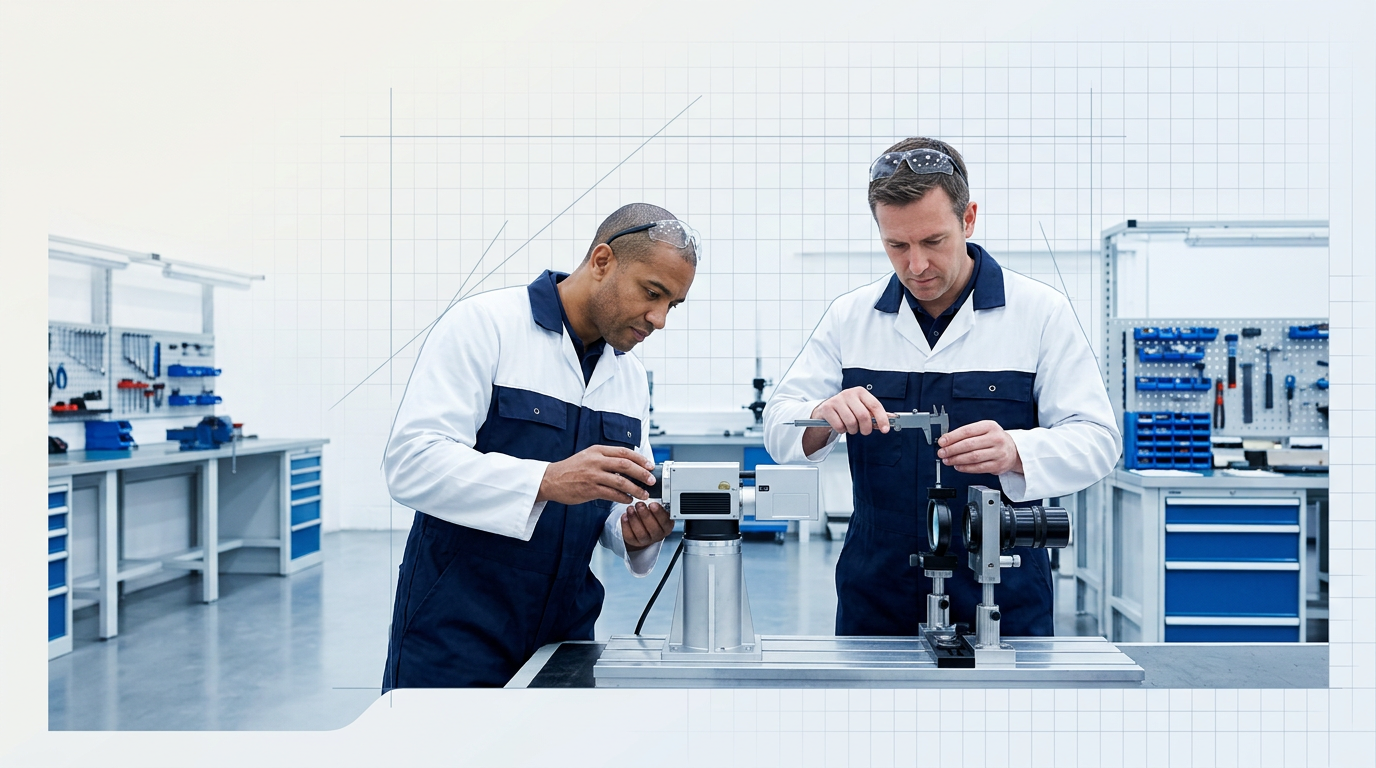
Competitive Pricing Among Comparable Industrial Laser Cleaners
WSL is the European cost leader — competitively priced against comparable industrial laser cleaners, with that position earned through in-house manufacturing efficiency, not quality compromise.
Long Service Life, Minimal Maintenance Overhead
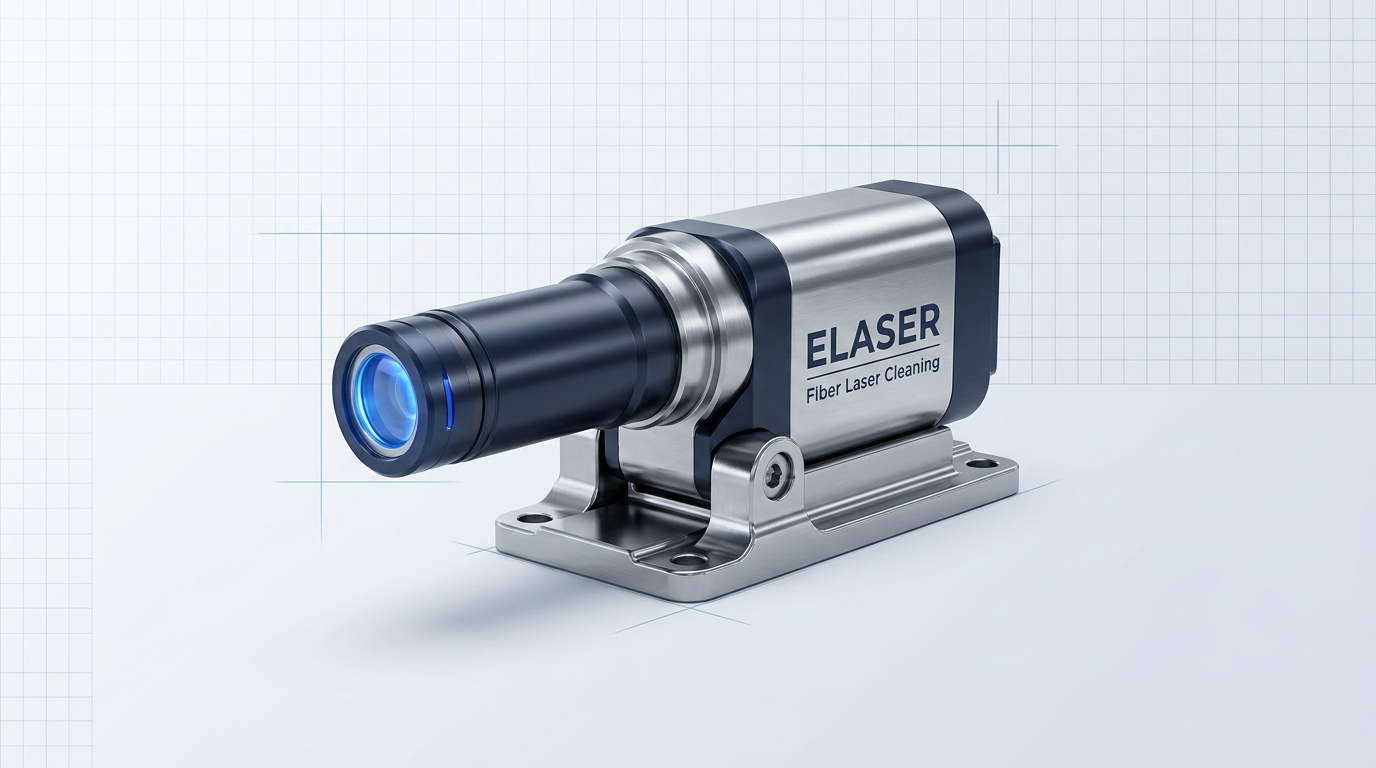
Air-cooled fibre laser technology with no consumable wear parts keeps maintenance costs structurally low across the system's full service life.
Core Laser Parameters
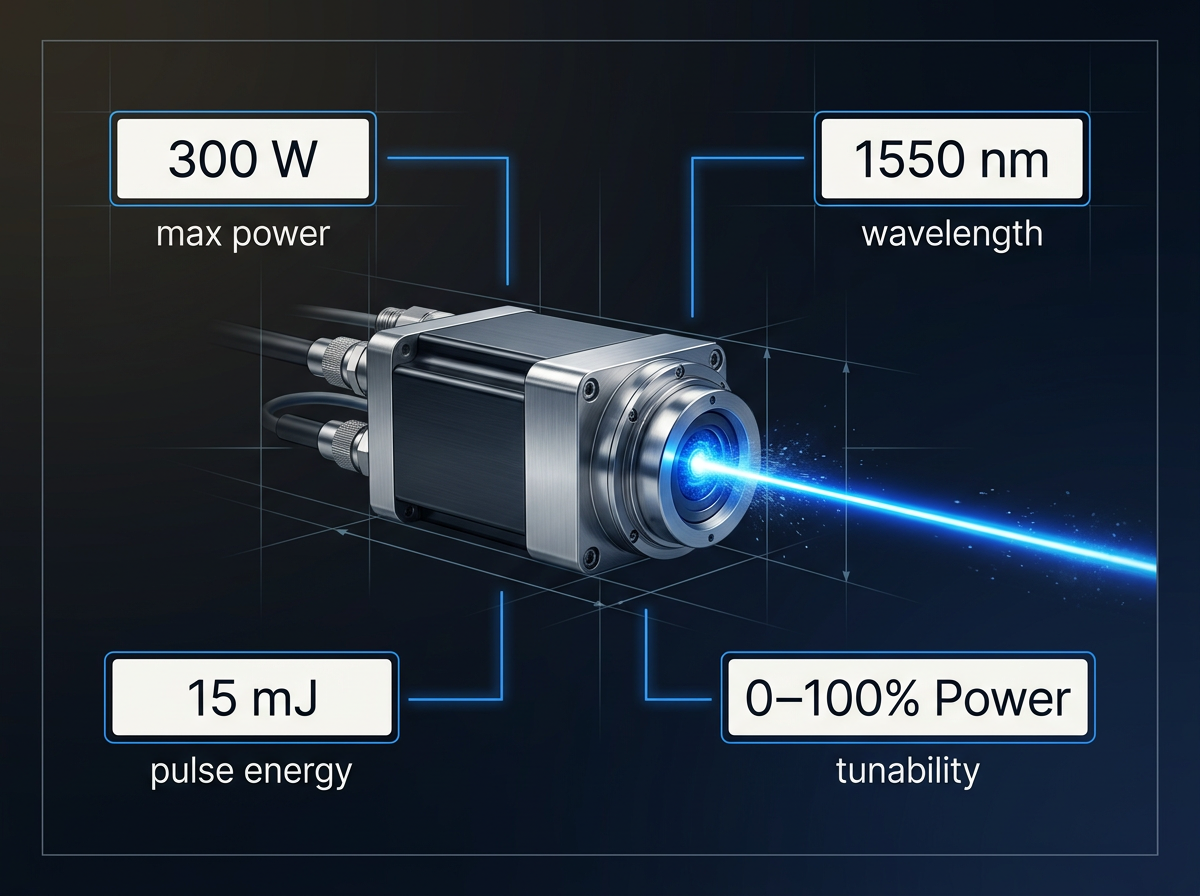
These specifications apply to both ELASER/ELASER-RHZ and AutoLASE, which share the same core laser platform. Max power: up to 300 W fibre laser. Wavelength: 1550 nm — the retina-safe band that underpins the reduced hazard zone (RHZ) configuration. Pulse energy: up to 15 mJ. Pulse duration: 100 ns. Pulse repetition rate: adjustable up to 200 kHz (CW). Power tunability: 0–100%, covering light oxides through thick coatings on a single system.
Delivery and Optical Specs
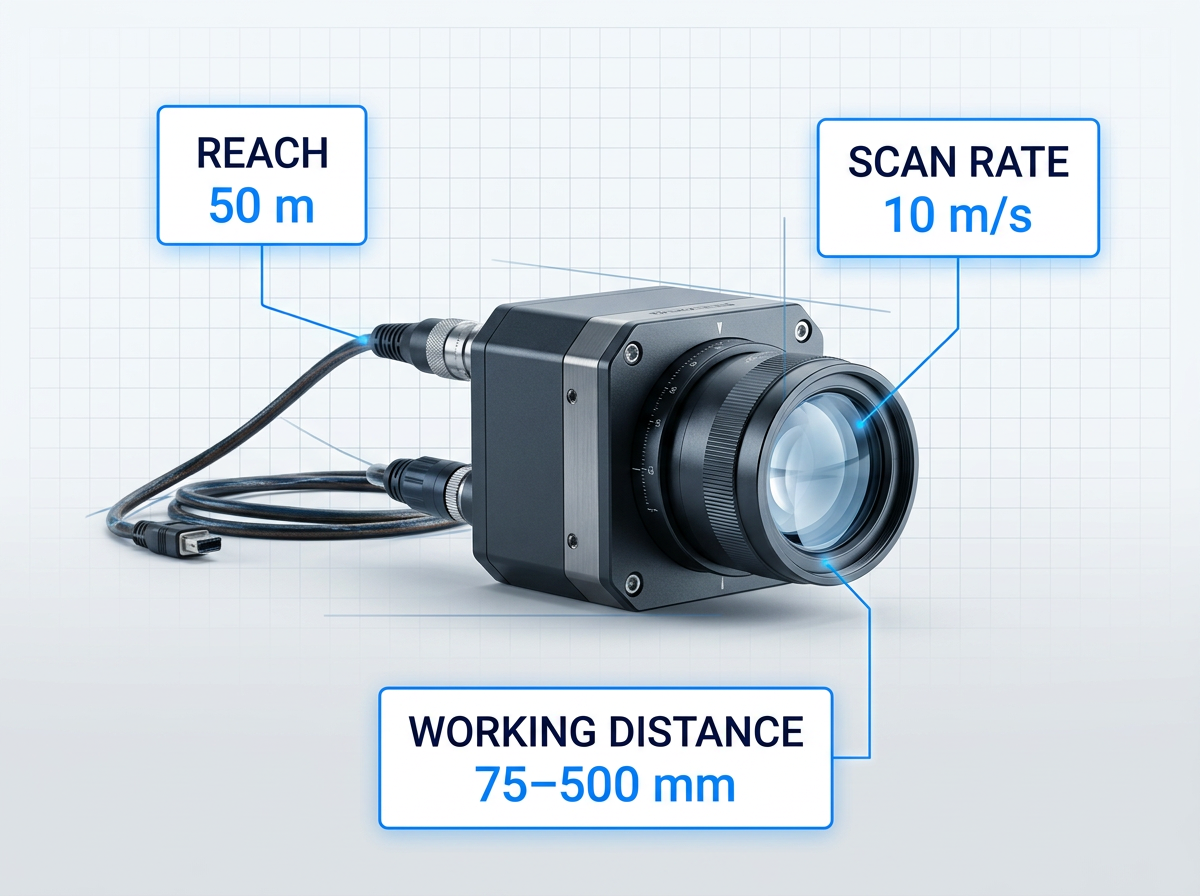
Scanner: 2-D galvanometer with a maximum scan rate of 10 m/s. Scan shapes are fully programmable through the GUI. F-Theta lenses are interchangeable across a 75–500 mm working distance, accommodating a wide range of part sizes and geometries. Delivery cable: up to 50 m (5 m and 15 m options supplied as standard), enabling single-operator deployment across large structures or at distance from the main unit.
Physical and Electrical Parameters
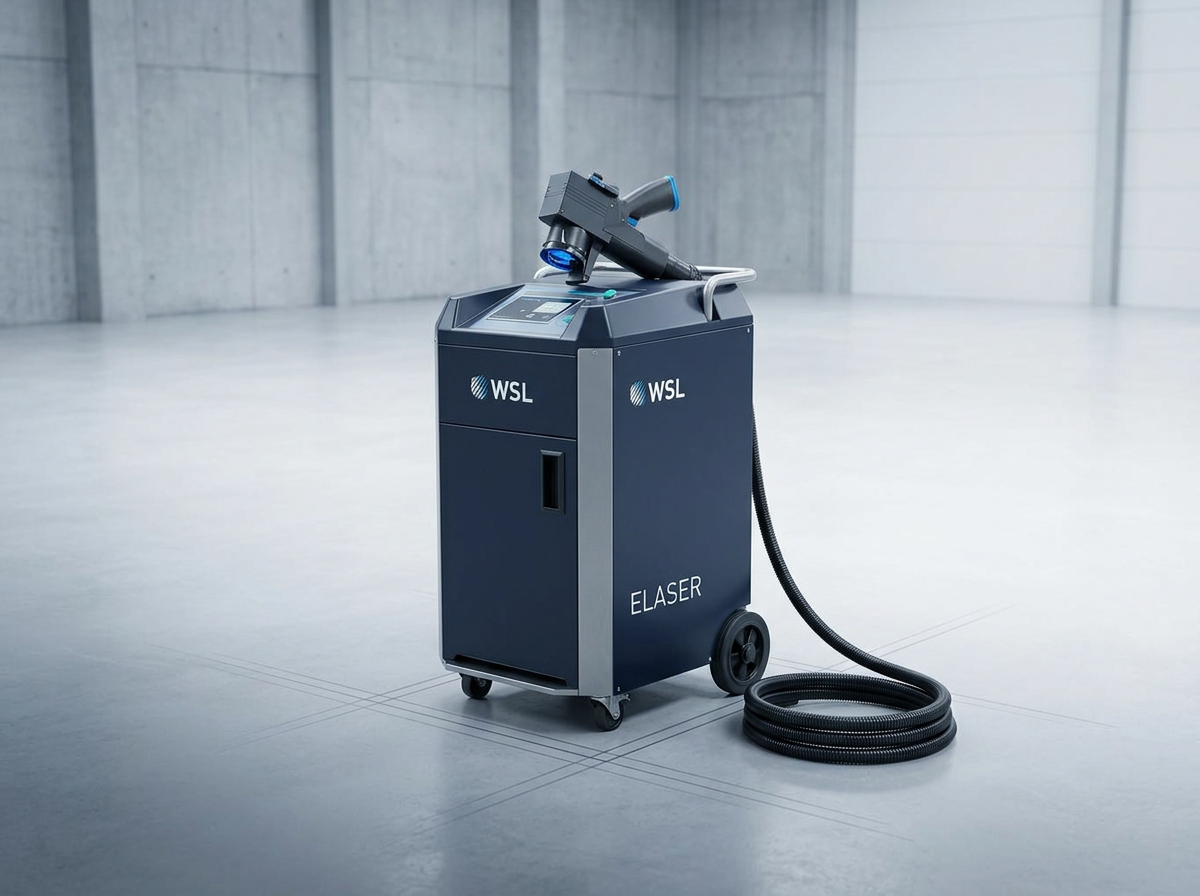
Handheld scanner: under 3 kg. Full system: under 50 kg, wheeled for site mobility. Power supply: 110–250 VAC single-phase — compatible with standard industrial and domestic supplies worldwide, with no specialist infrastructure required. Power consumption: under 2000 W. Control interface: Ethernet connectivity plus touchscreen. The system is self-contained and air-cooled; no compressor, chiller, or external utilities are needed.
Compliance and Provenance
Laser class: Class IV in standard configuration; Class I with the RHZ enclosure, enabling open-space operation. Certified to CE and UKCA standards. Manufactured in Britain — designed, built, and supported in-house by Woodrow Scientific Limited.
Built and Supported in the UK: The Woodrow Scientific Advantage
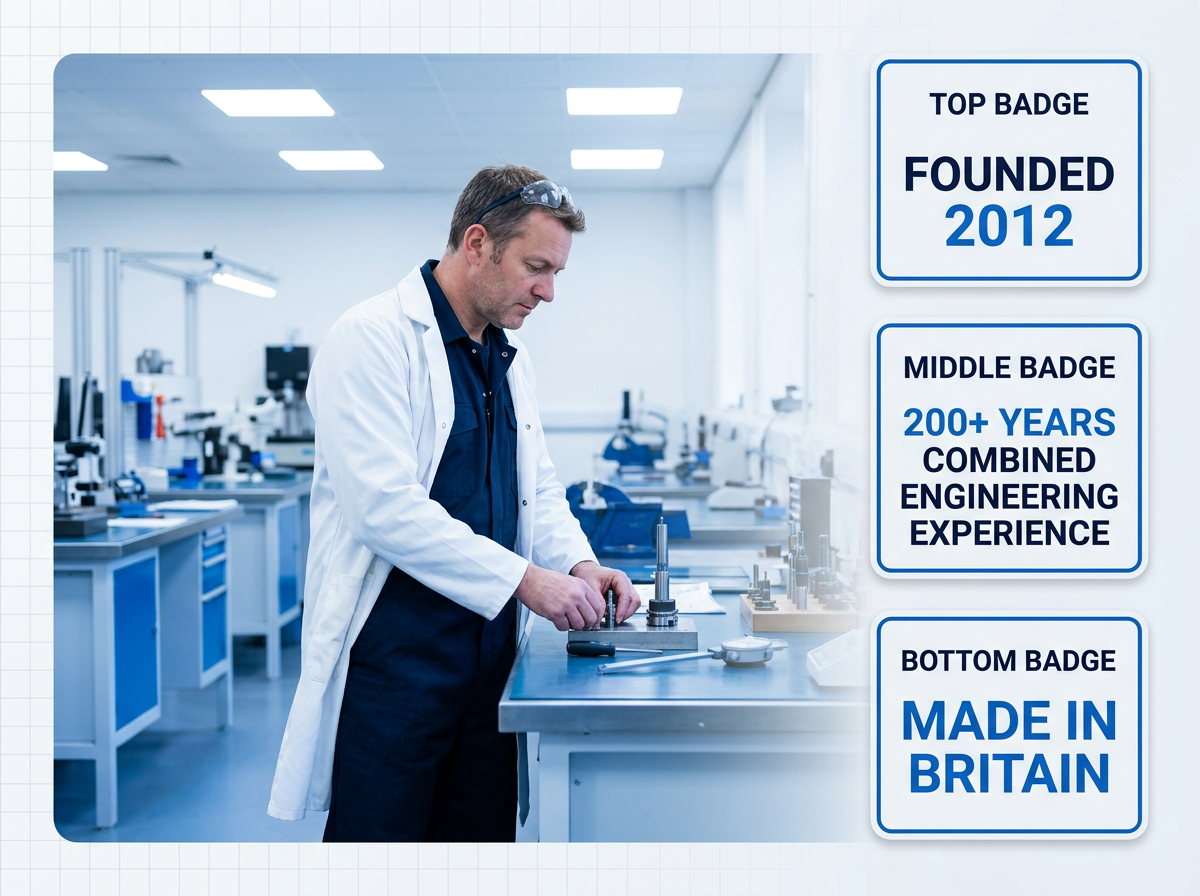
Woodrow Scientific is the only UK-based laser cleaning manufacturer — designing, building, servicing, and improving every machine in-house since 2012, with 200+ years of combined engineering expertise. Many apparent manufacturers in this market are importers rebadging third-party hardware, which means slower support and no genuine ability to fix or develop the product.
Because WSL built the machine, WSL can diagnose and resolve issues directly — no intermediaries. That in-house capability also produced patented, world-first RHZ eye-safe technology: proof this is not commodity hardware. Operator training and bespoke engineering are both available. For custom requirements, get in touch.
Portable. Single-Operator. Go Anywhere.
A sub-3 kg handheld scanner with up to 50 m of delivery cable, on a wheeled system under 50 kg. One person can deploy it, move it, and run it — no compressor, no consumables, no specialist infrastructure.
Tunable 300 W fibre laser (0–100%). Air-cooled, single-phase power supply. Plug in and go. Ideal for flexible deployment across varied parts, locations, and environments. CE and UKCA certified. Made in Britain.
World-First Eye-Safe Open-Space Cleaning
The ELASER-RHZ carries WSL's world-first patented eye-safe technology — the only laser cleaner of its kind. It collapses the laser hazard zone, enabling paint removal in open workshops, mixed-use facilities, and public-facing environments without sealing off the area.
No full evacuation. No production shutdown. Ideal where conventional laser cleaning cannot go. Same portable platform, same tunable 300 W power. CE and UKCA certified. Made in Britain.
Load the Part. It Cleans Itself.
Load the part and machine vision scans it, builds a 3D map, and generates the cleaning path automatically — no programming, no path-setting, no knowledge of part geometry required. Anyone can run it.
A multi-axis articulated robotic arm reaches complex 3D contours. Works with your existing collaborative or industrial robots, or supplied as a complete custom cell. Consistent results, every cycle. CE and UKCA certified. Made in Britain.
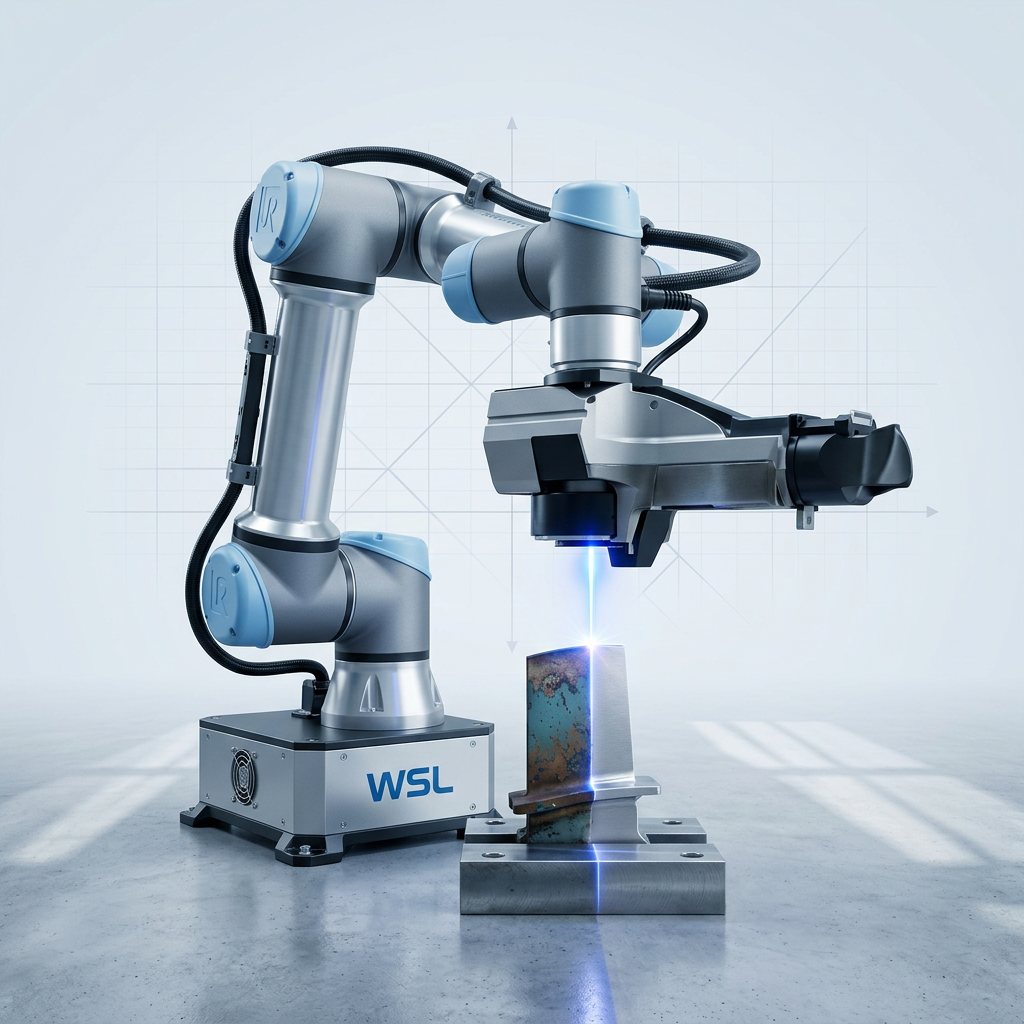
Automated Laser Cleaning. No Enclosure Needed.
AutoLASE configured with WSL's eye-safe RHZ technology is the only automated laser paint removal system in the world that operates without an enclosure. No enclosure means no enclosure cost, no footprint constraint, and no limit on part size.
An exclusive, world-unique capability: no other system can offer enclosure-free automated cleaning. Ideal for facilities where a conventional enclosed cell is impractical or open-floor operation is required. CE and UKCA certified. Made in Britain.
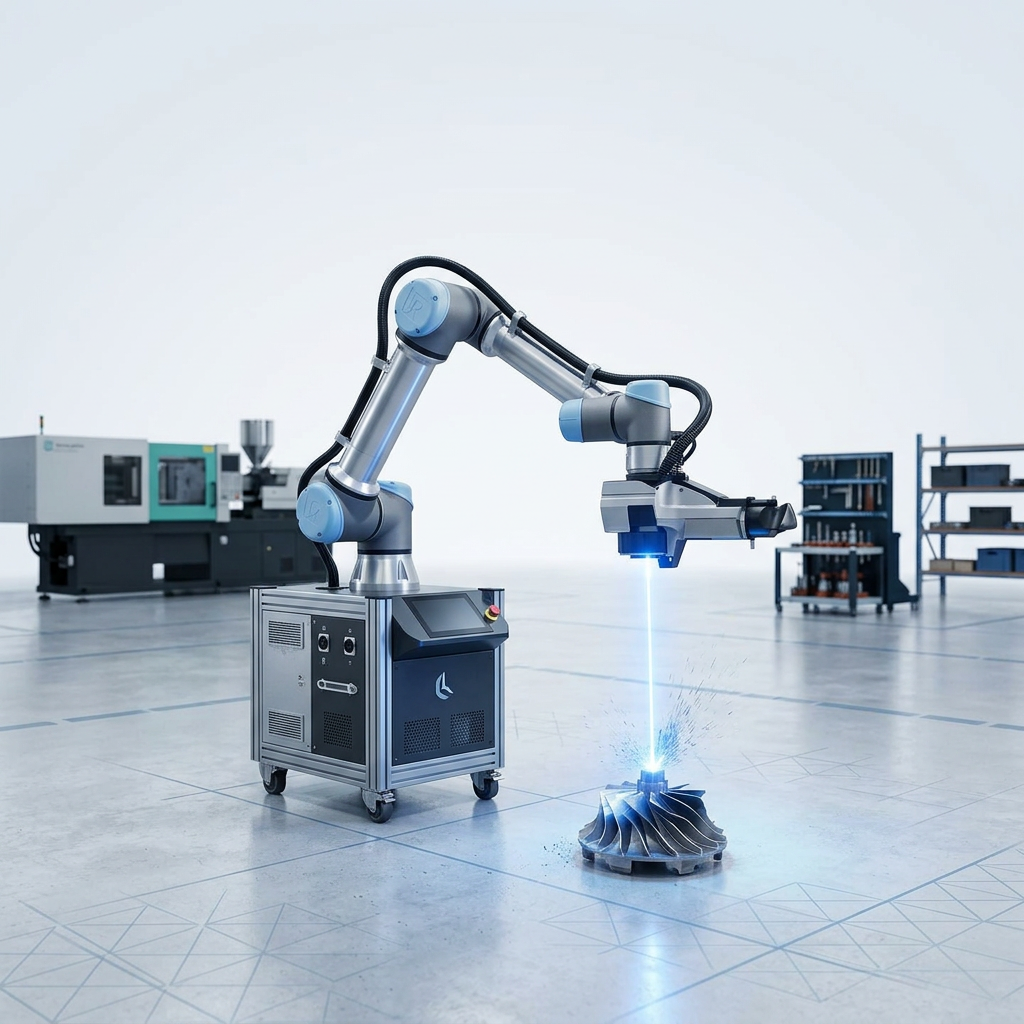
One Laser Core. Two Configurations.
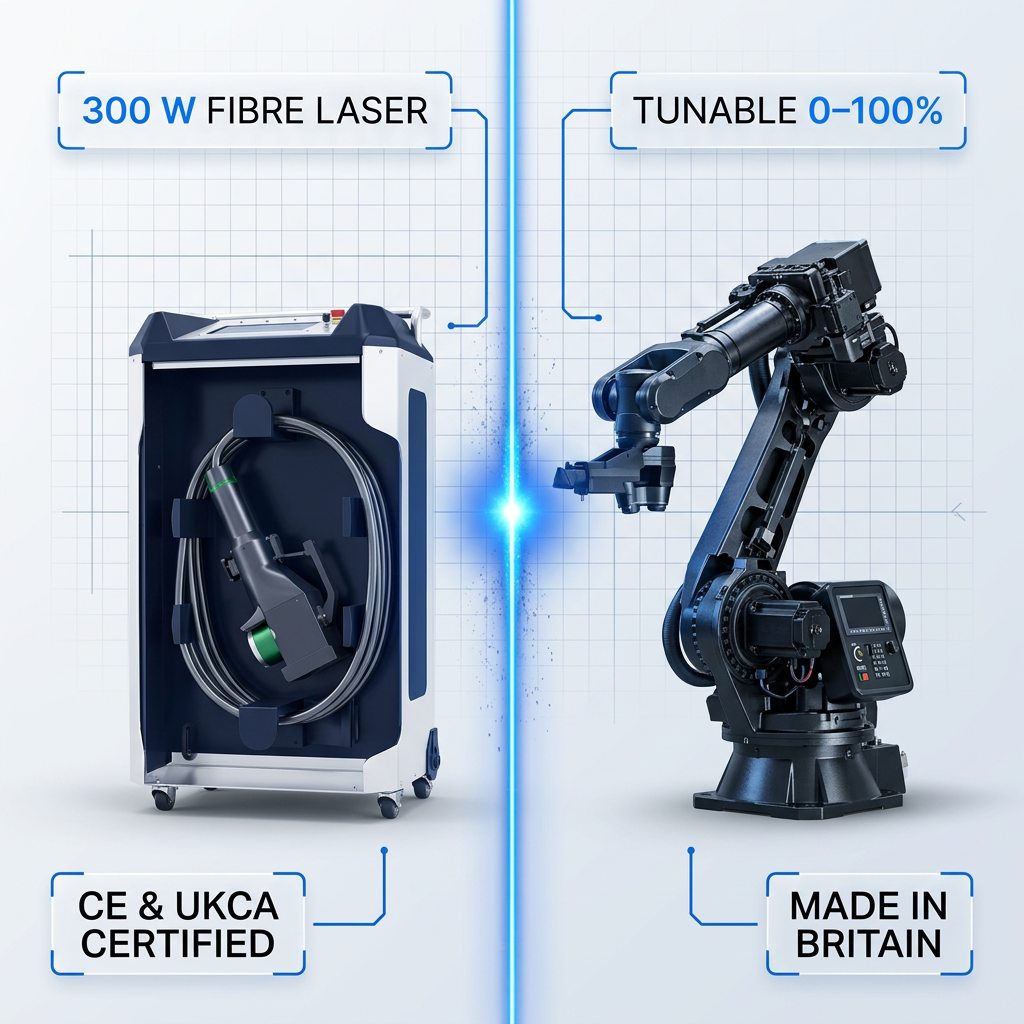
ELASER and AutoLASE share the same 300 W fibre laser core, tunable 0–100% — one platform handles light oxides through thick paint, primer, powder coating, and lacquer. Air-cooled, no consumables; running cost is electricity alone.
Both CE and UKCA certified. Both Made in Britain by Woodrow Scientific — the only UK-based laser cleaning manufacturer, designing, building, and supporting every machine in-house. Whichever configuration fits your workflow, the laser at its heart is the same.
Frequently Asked Questions
Common questions about WSL's laser paint removal systems, answered directly. If your question isn't covered here, get in touch and our engineering team will help.
A wide range of surfaces and coatings — all handled by a single system without changing equipment. Surfaces include steel, aluminium alloys, cast iron, copper, brass, bronze, titanium, and galvanised metals, as well as stone, concrete, brick, and masonry. Coatings and contaminants removed include paint, powder coating, lacquer, primer, rust, oxides, mill scale, adhesives, graffiti, oil and grease, carbon, soot, mould, tarnish, weld discolouration, and release agents. Both the ELASER and AutoLASE share the same surface and contaminant coverage, with power tunable from 0–100% to handle everything from light oxides through to thick coatings.
The ELASER-RHZ carries WSL's patented, world-first eye-safe technology — the only laser cleaner of its kind anywhere in the world. It collapses the laser hazard zone to a fraction of conventional size, confining it to a small area immediately around the work. A standard laser cleaner requires a formally controlled laser zone: the surrounding area must be sealed off and personnel cleared before work can begin. The ELASER-RHZ removes that requirement entirely. Paint removal can take place in open workshops, mixed-use facilities, and publicly accessible spaces — heritage sites, graffiti removal on public infrastructure, active production floors — without evacuating the area or shutting down adjacent operations. No other laser cleaner offers this capability.
With a standard laser cleaning system, a controlled laser zone is required — some level of area management applies before work can start. With the ELASER-RHZ or the AutoLASE configured with the RHZ upgrade, the hazard zone is confined to a small area immediately around the work. No full facility evacuation, no production shutdown, and no sealed-off zones are needed. This is precisely what makes the RHZ configuration so significant for facilities where downtime is costly or where cleaning must happen alongside other operations.
They are differentiated by use case, not by capability tier — both share the same 300 W fibre laser platform, tunable 0–100%. The ELASER is portable and operator-guided: a sub-3 kg handheld scanner on a wheeled system under 50 kg, deployable by a single operator across varied parts, locations, and environments. It is the right choice where flexibility matters. The AutoLASE is automated and vision-guided: load the part and machine vision scans it, builds a 3D map, and generates the cleaning path automatically — no programming, no path-setting, no knowledge of part geometry required. It is the right choice for repetitive production volumes where consistent results every cycle matter more than portability. Neither is superior; they solve different problems.
Yes — laser systems require proper safety and operational training before use. WSL provides first-class laser cleaning safety and operation training as part of the offering. Buyers are not left to self-certify or figure it out independently; WSL's team handles training so operators are ready to work confidently and correctly from the outset.
Yes. The AutoLASE attaches to your existing collaborative or industrial robots, or can be supplied as a complete custom cell — whichever fits your setup. Bespoke engineering and customisation are available across both the ELASER and AutoLASE. The specifics depend on your application and requirements, so the right step is to get in touch with WSL directly to discuss what integration would look like for your production line.