
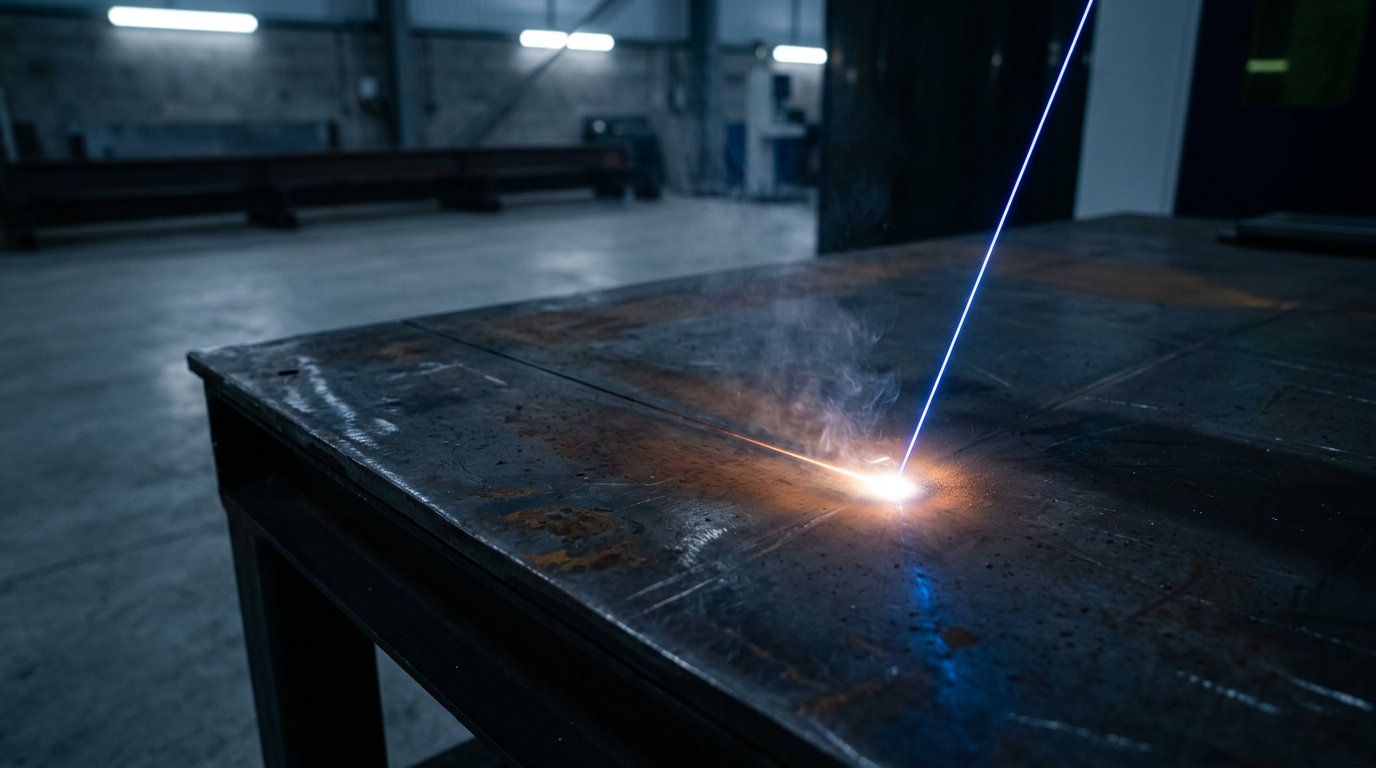
What Is a Cleaning Laser?
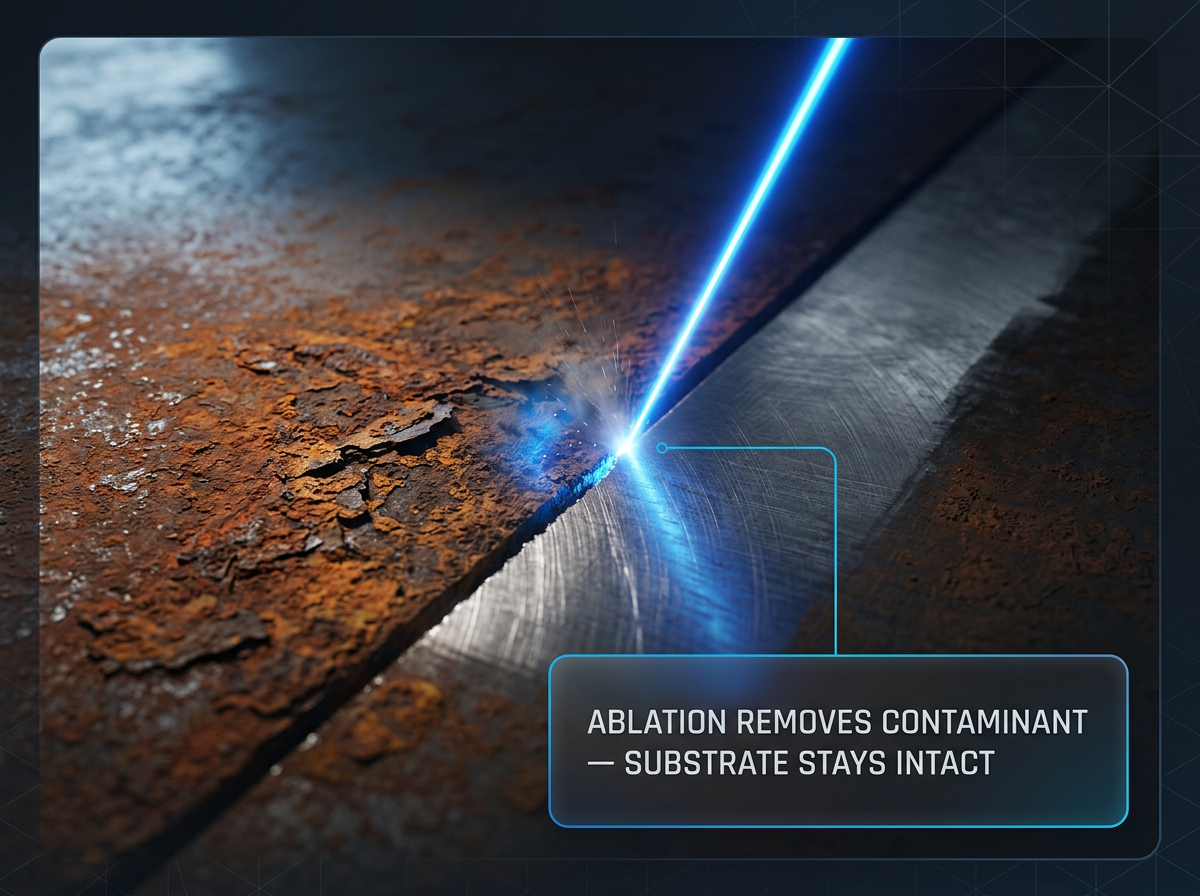
A cleaning laser uses focused fibre laser energy to remove surface contaminants — rust, paint, oxides, and coatings — through a process called laser ablation. The beam vaporises the contaminant layer while leaving the base material completely intact.
This works because different materials absorb laser energy at different thresholds. The laser is tuned to the contaminant's threshold, not the substrate's, so the beam stops precisely at the surface beneath. No blast media, no chemicals, no water — the laser is the only cleaning agent required.
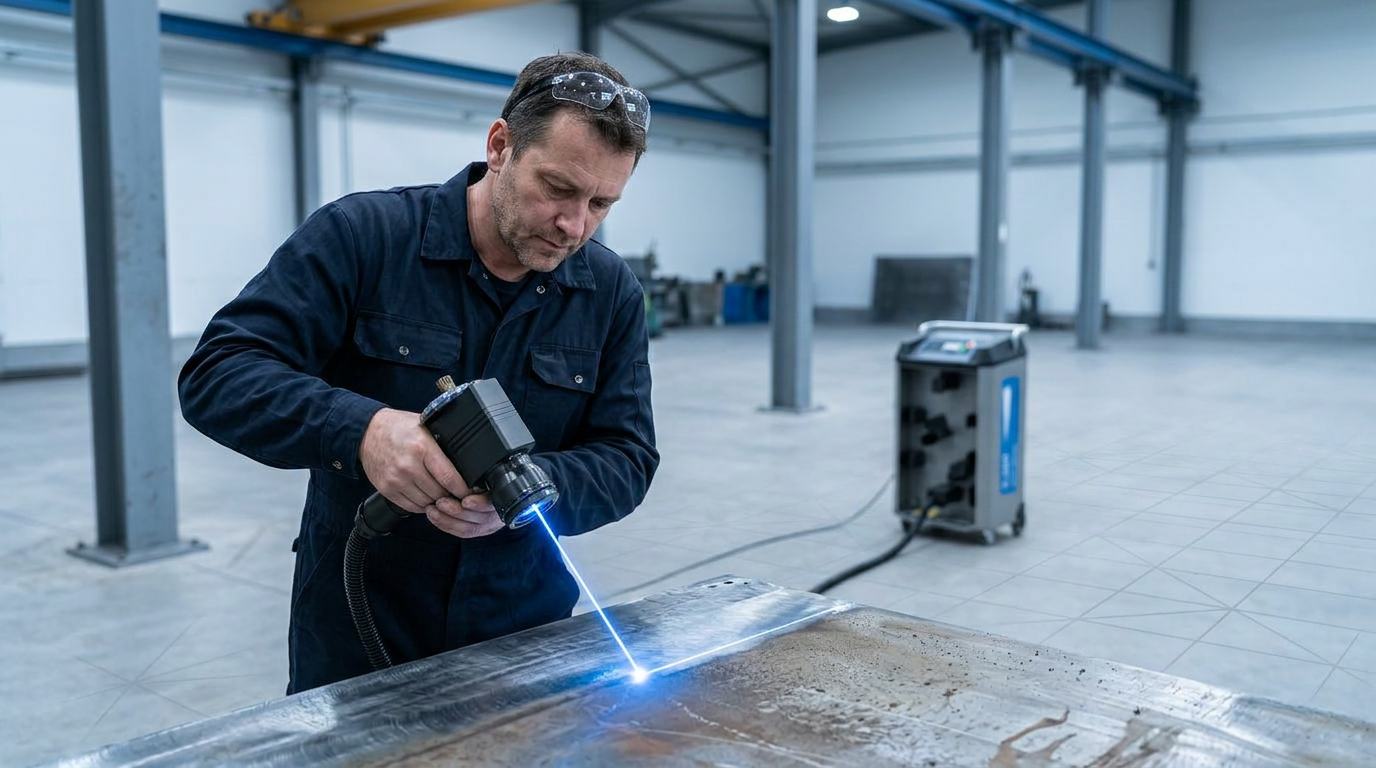
ELASER-RHZ: World-First Eye-Safe Portable Laser Cleaning
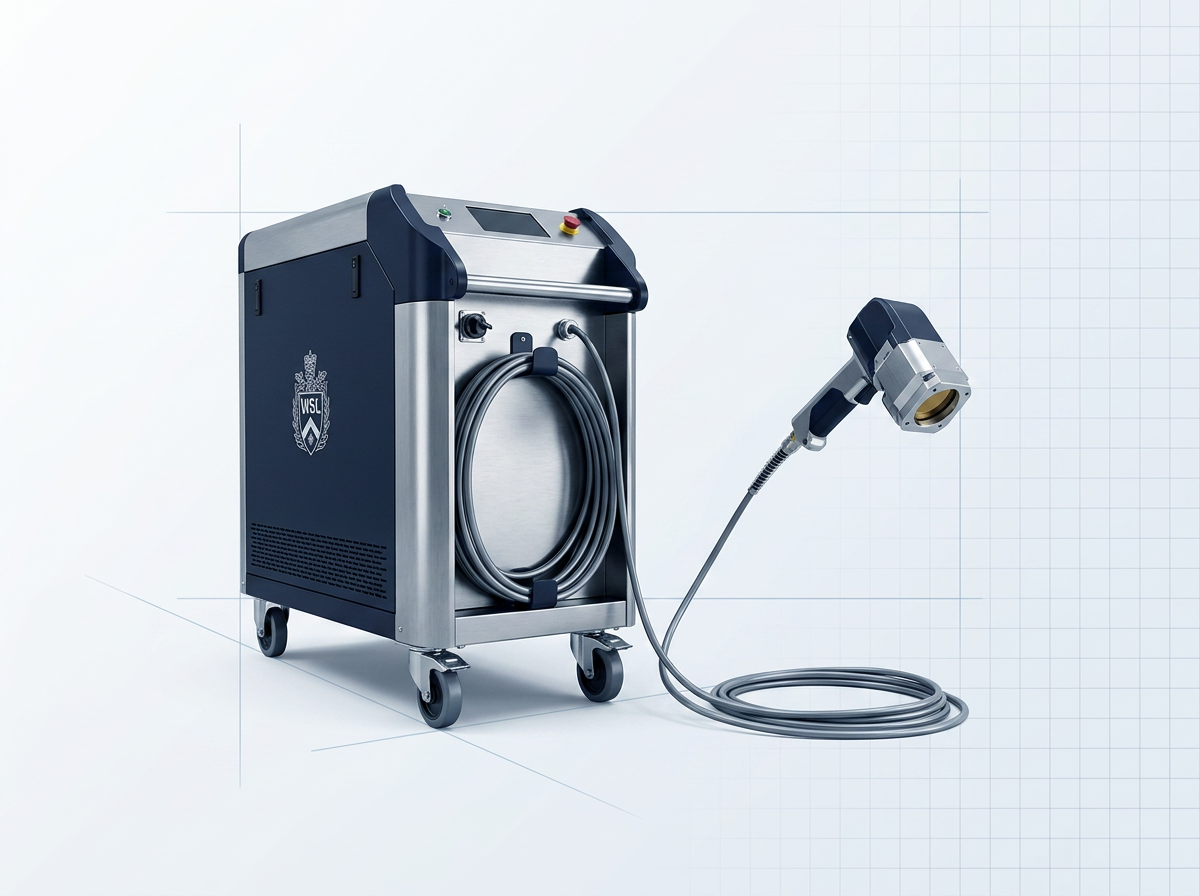
The ELASER-RHZ is the world's only portable laser cleaner with Reduced Hazard Zone (RHZ) technology — WSL's patented 1550 nm system that collapses the laser hazard to a small area around the work. Where conventional portable laser cleaning requires full area evacuation, the ELASER-RHZ does not, unlocking cleaning in open workshops, mixed-use facilities, and publicly accessible spaces.
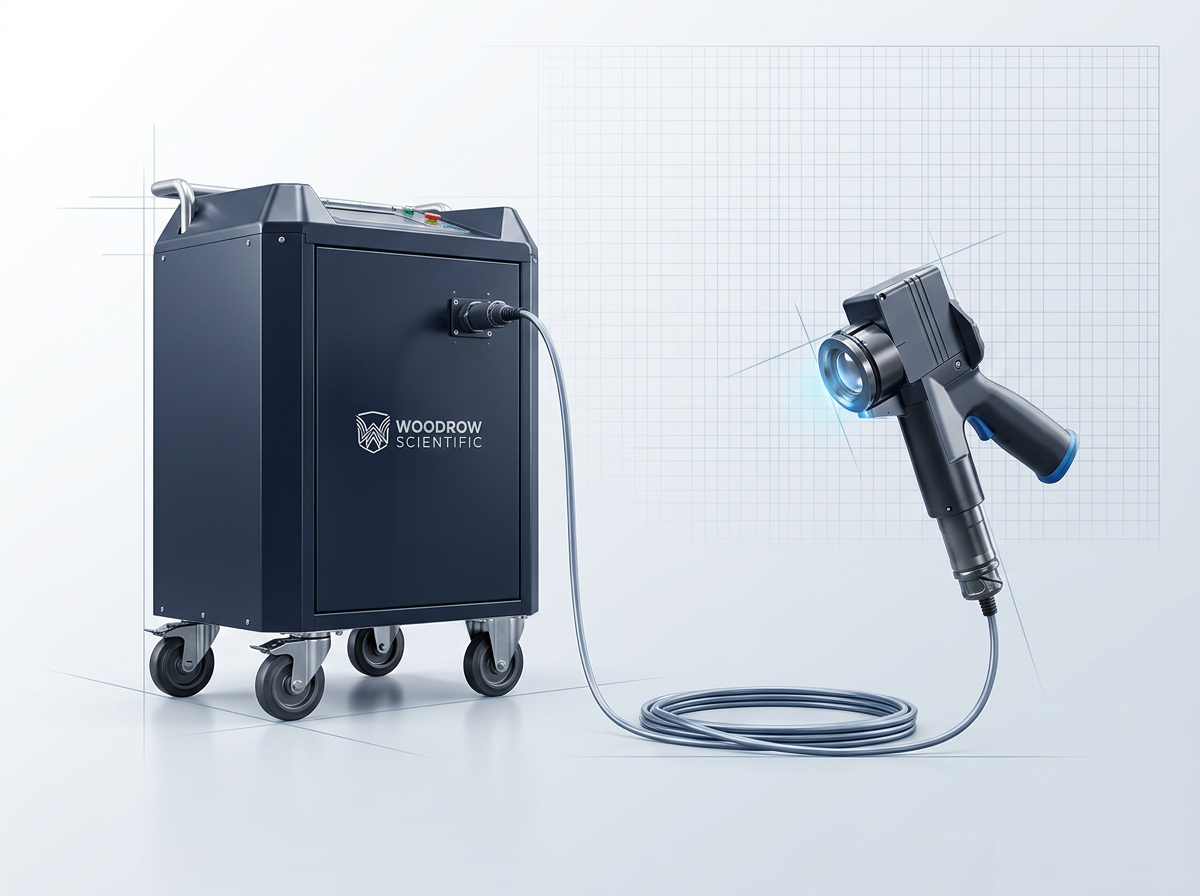
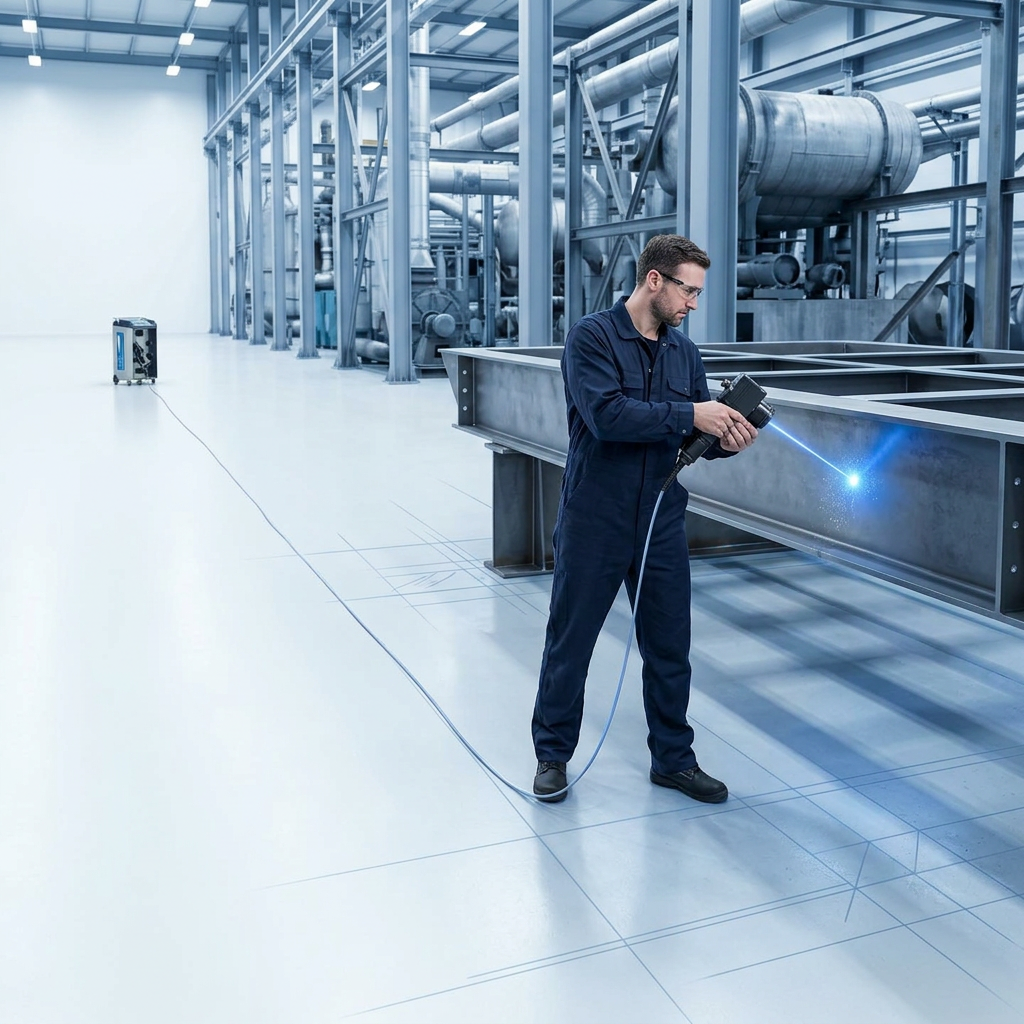
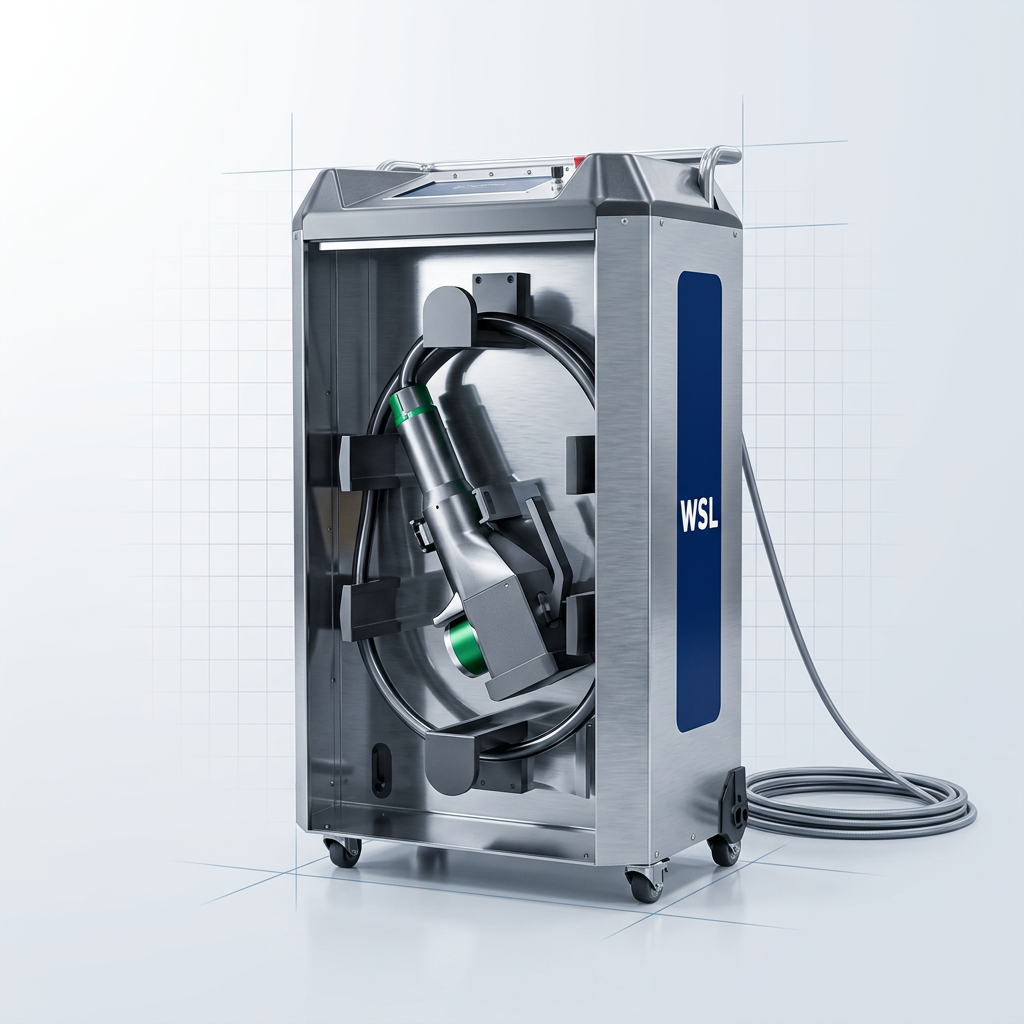
The wheeled system weighs under 50 kg, with a sub-3 kg handheld scanner and up to 50 m cable reach — single-operator, no compressor, no consumables.
Up to 300 W, tunable 0–100%: one machine spans light oxides through thick coatings.
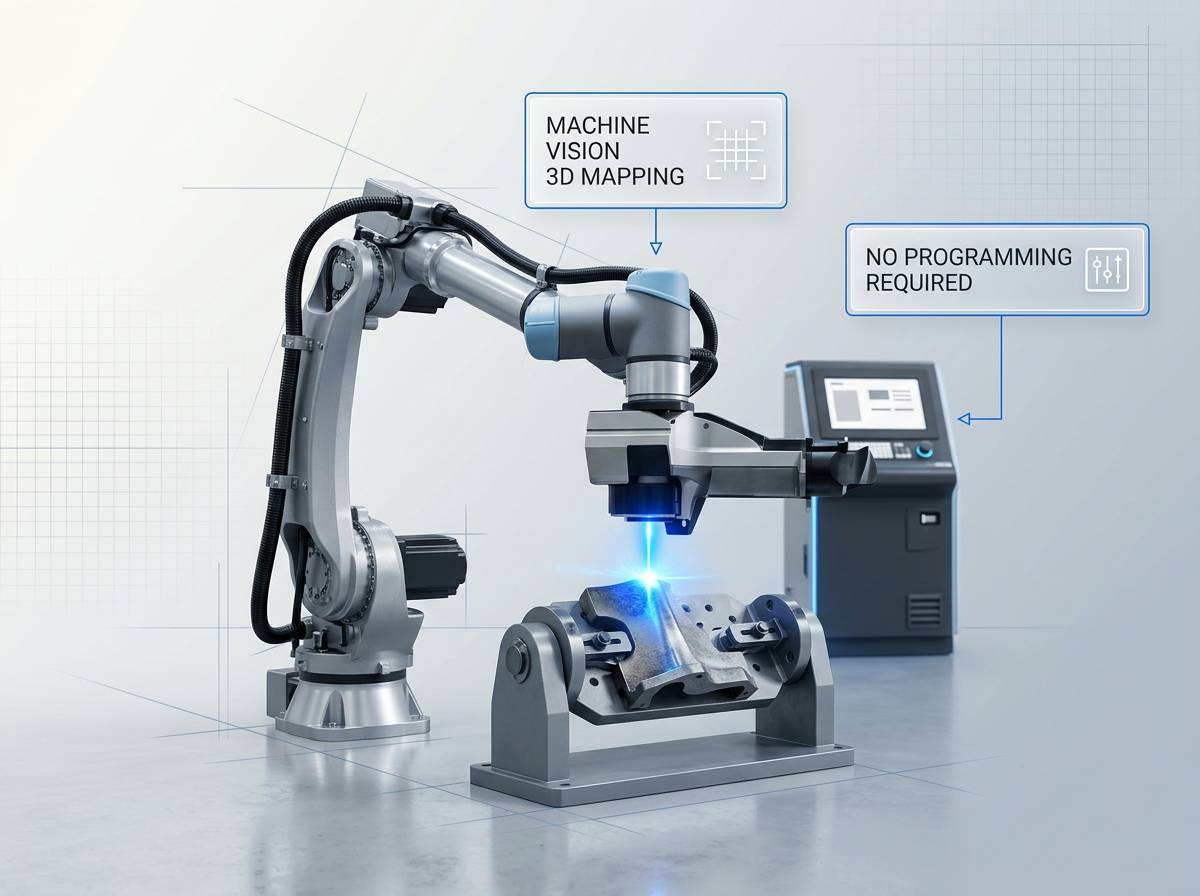
AutoLASE: Automated Laser Cleaning for Production Lines
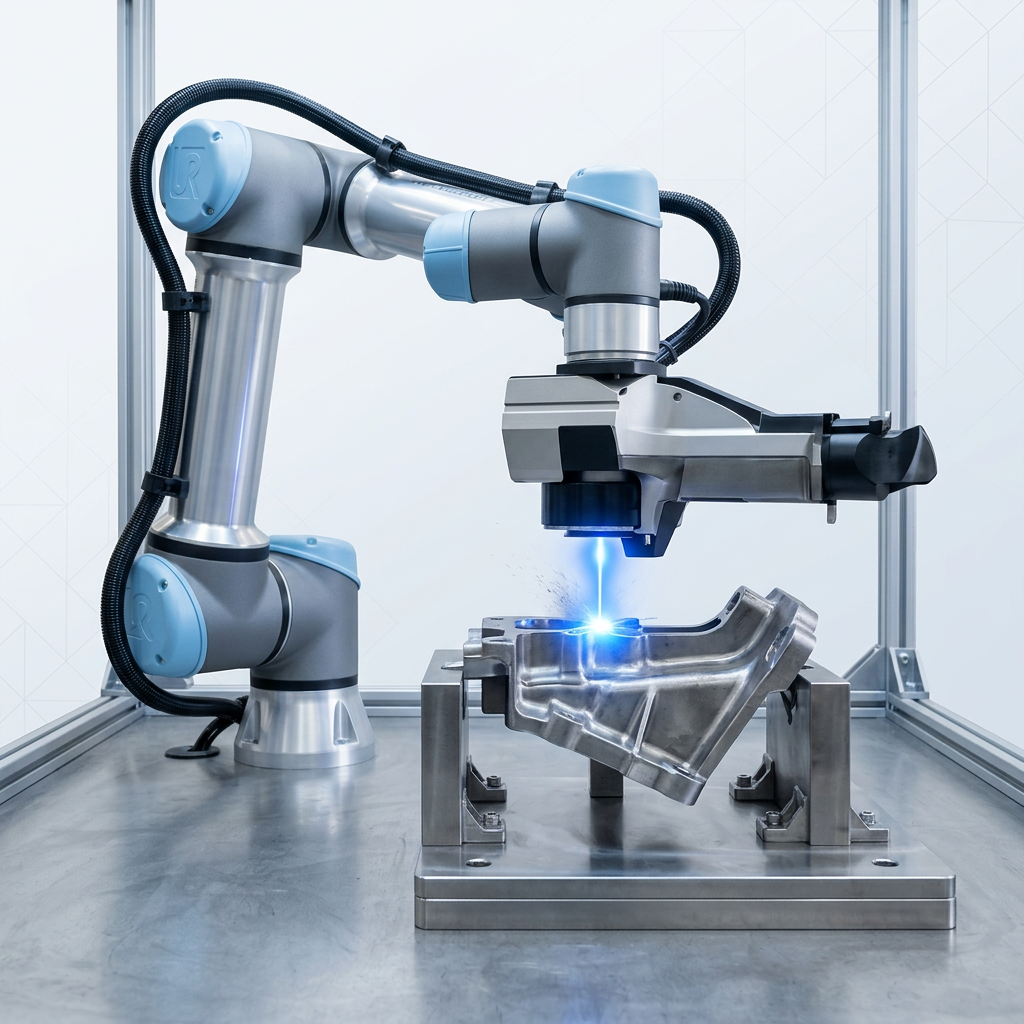
Load the part — AutoLASE does the rest. Its machine-vision software scans the component, builds a 3D map, and generates the cleaning path automatically. No programming, no path-setting, no knowledge of part geometry required. Where conventional automated systems need a technician to configure each run, any operator can load a part and start a cycle.
AutoLASE can also be configured with WSL's eye-safe RHZ technology — the only automated laser cleaning system in the world that operates without an enclosure. The articulated robotic arm reaches complex 3D contours; up to 300 W, 0–100% tunable, air-cooled, no consumables.
Industries and Applications These Systems Serve
From production lines to public monuments, ELASER and AutoLASE cover a wide range of cleaning tasks across industry. Find your context below and see which system fits your operation.
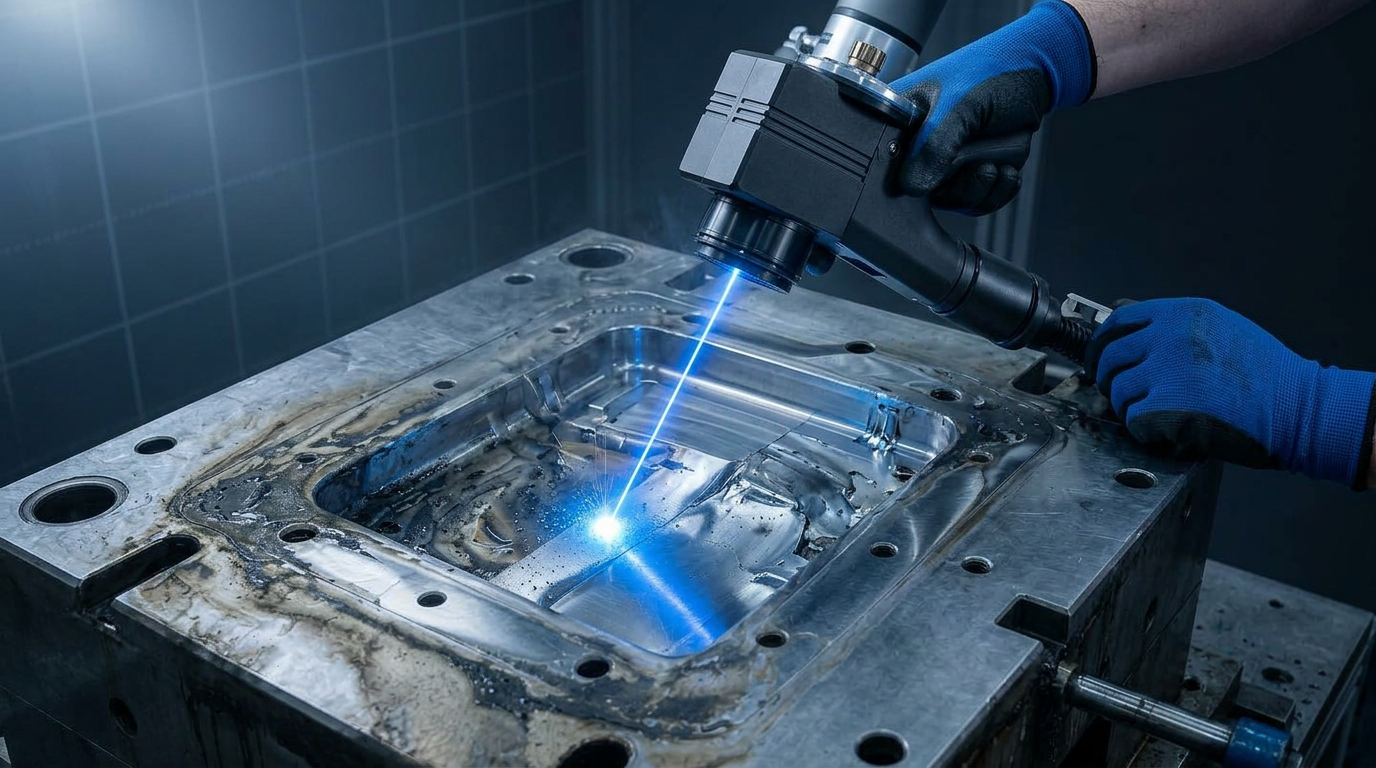
Injection Moulding and Tooling
Strip release agents and residue from mould cavities in place — no disassembly, no abrasion.
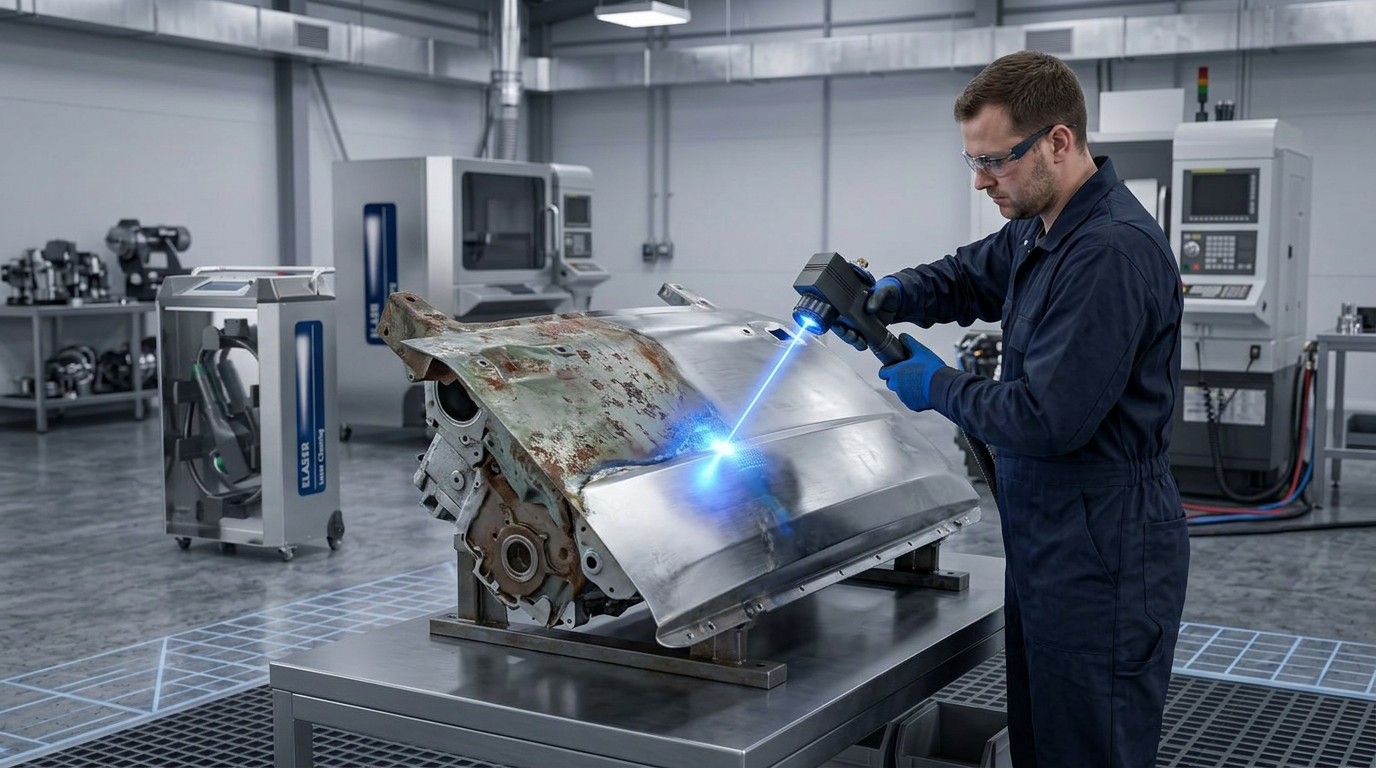
Automotive: Bodyshop, Driveline and EV Components
Pre-weld prep, rust removal, EV battery components: ELASER flexes on-line; AutoLASE handles volume batches.
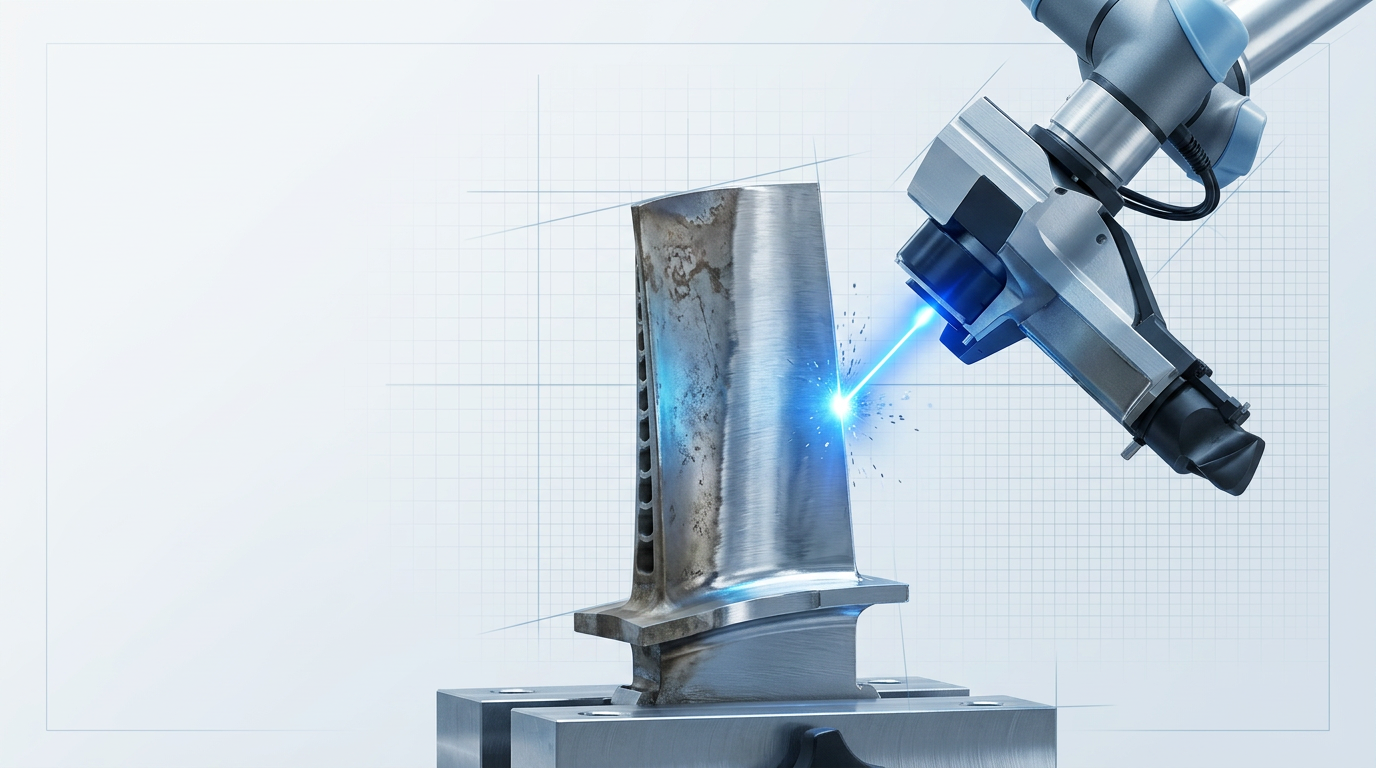
Aerospace Components and Surface Preparation
Turbine blades and engine parts cleaned to tight tolerances — AutoLASE holds the same standard every cycle.
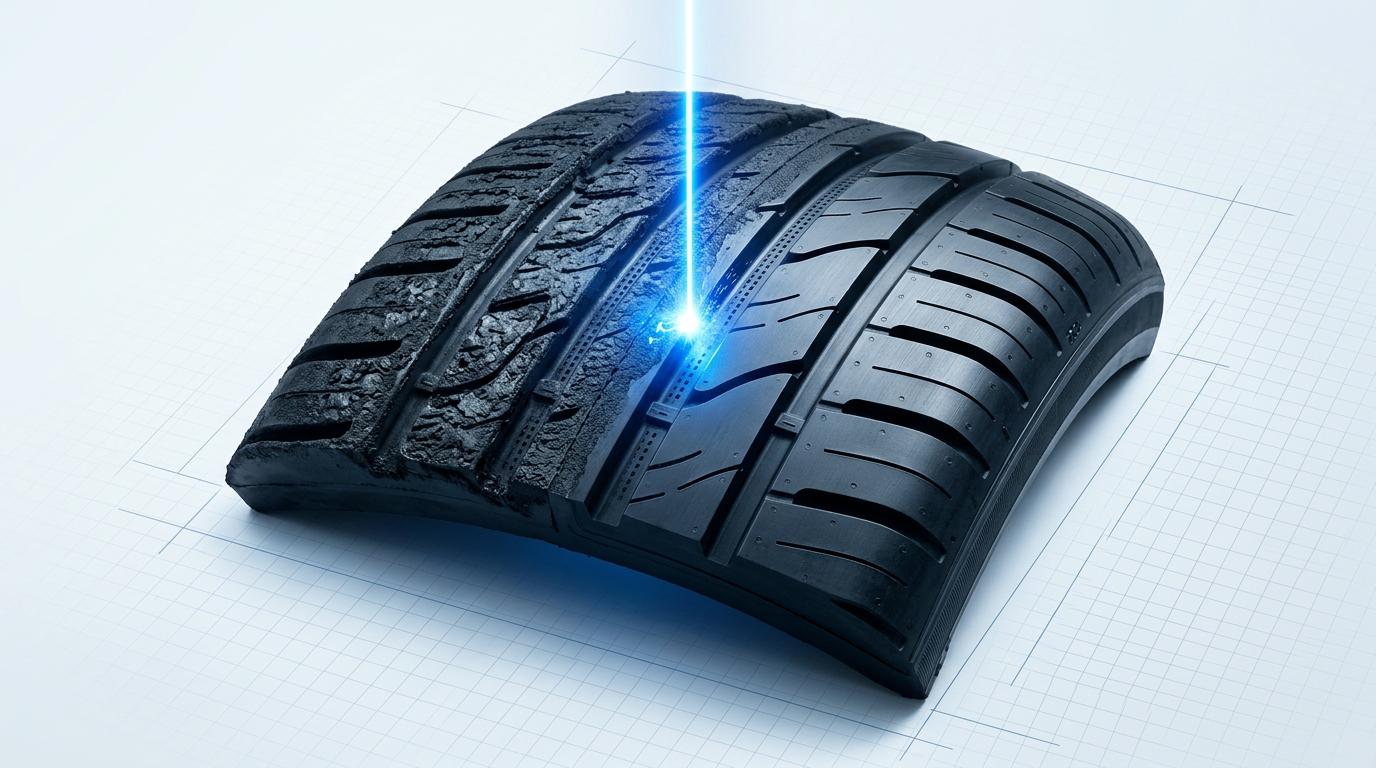
Tyre and Rubber Mould Cleaning
Remove vulcanisation residue from moulds, segments and vents — no abrasives, no mould wear.
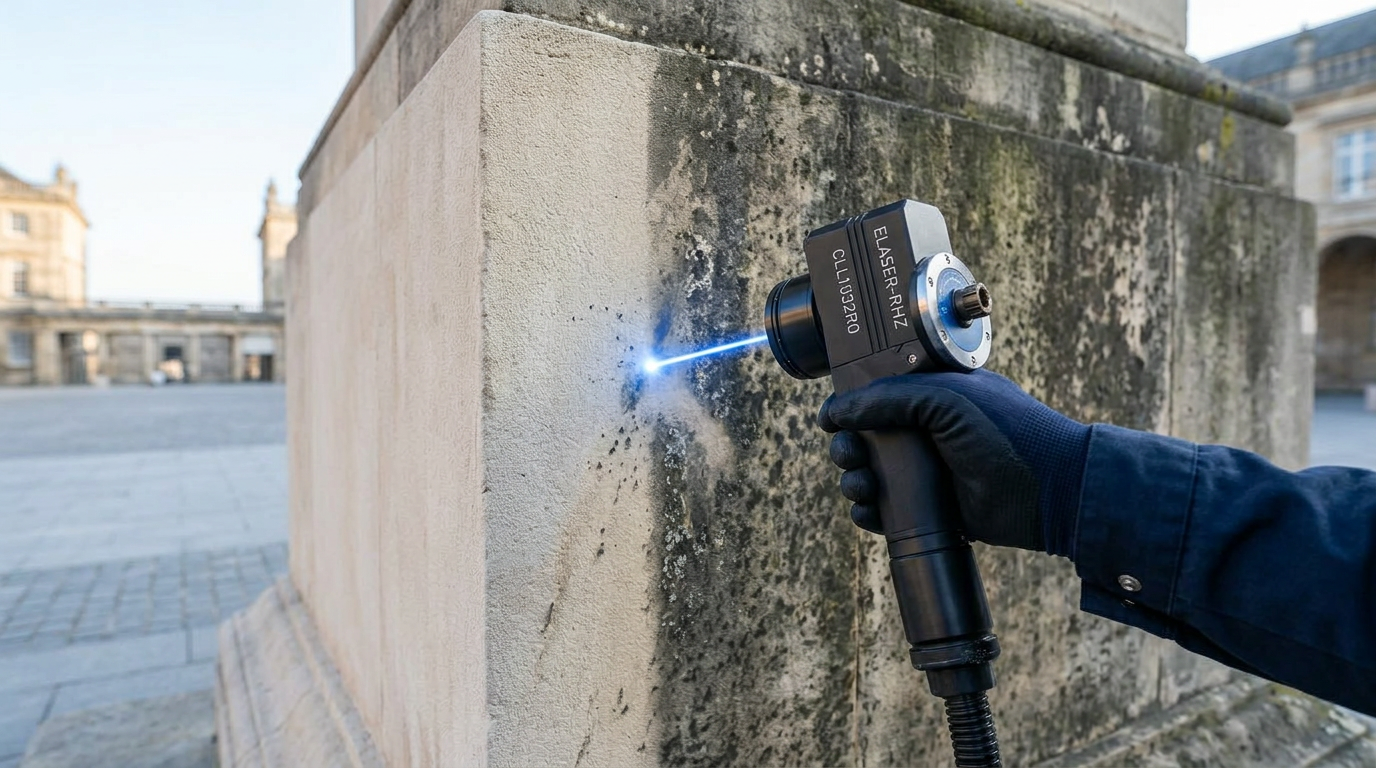
Heritage, Restoration and Graffiti Removal
Gentle on original surfaces; ELASER-RHZ enables cleaning in publicly accessible spaces without evacuating the area.
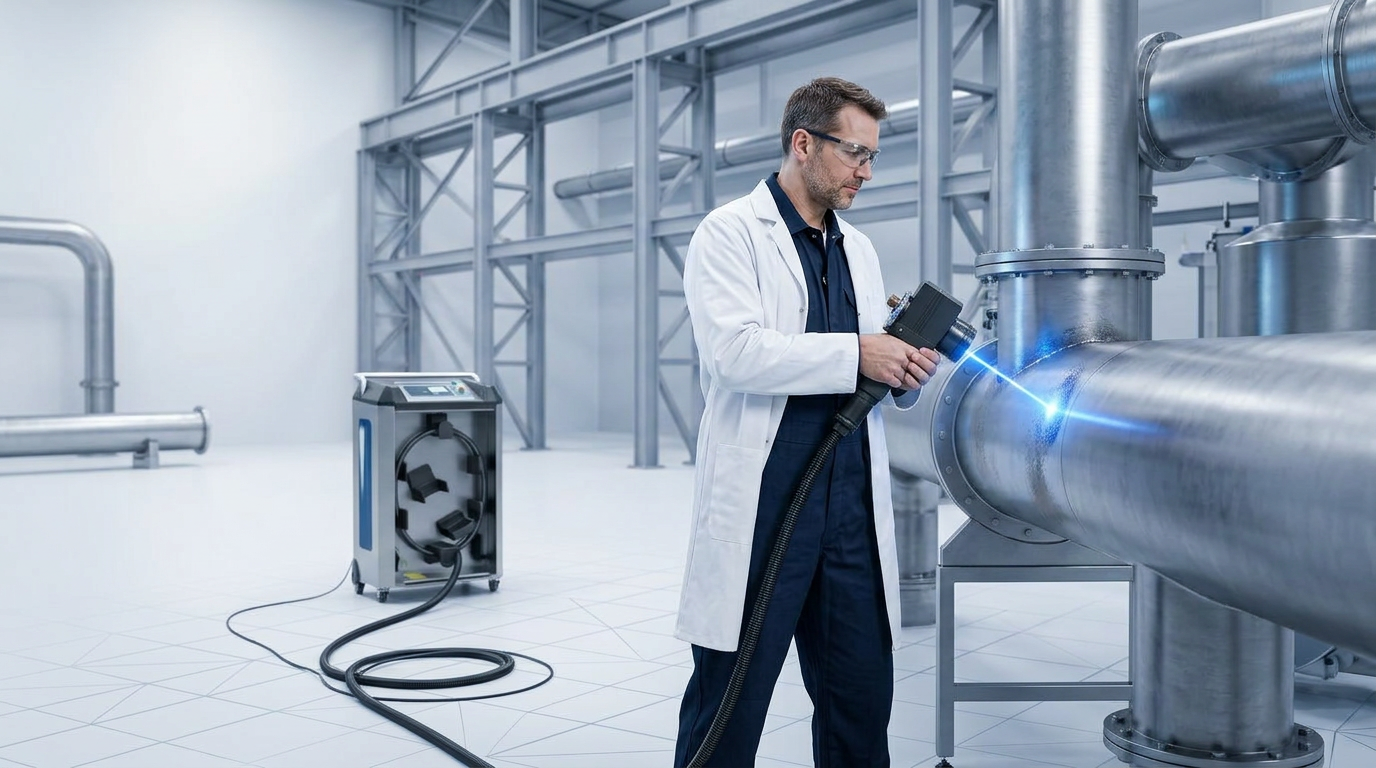
Industrial Maintenance: On-Site Plant and Infrastructure
ELASER's 50 m reach cleans plant in place — nothing to mask, no media to clear.
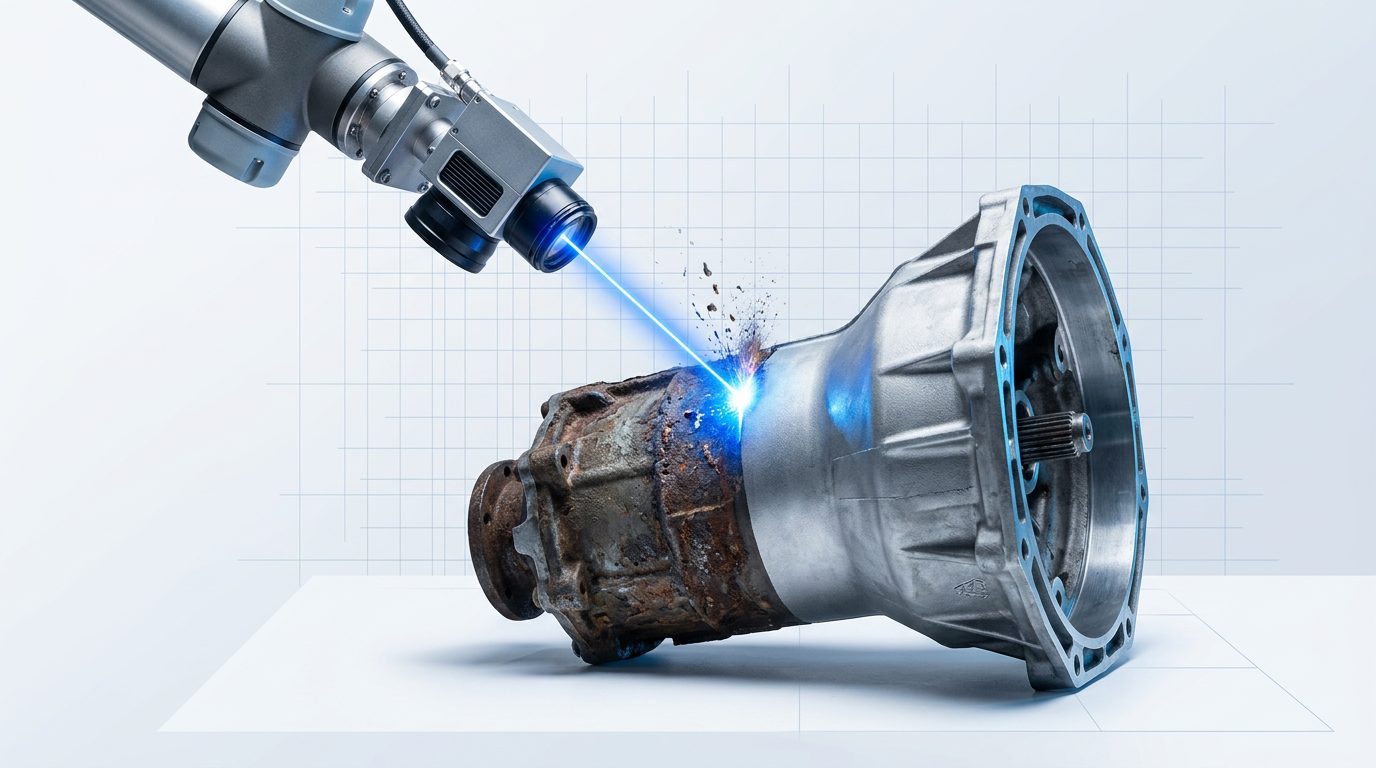
Remanufacturing and Refurbishment
AutoLASE strips corrosion and coatings from worn components — batches cleaned consistently, ready for inspection.
See the System Built for Your Application
From automotive prep to mould cleaning and on-site maintenance, the ELASER and ELASER-RHZ are built around the jobs you have just read about. Explore the product that fits your operation.
Laser Source and Power
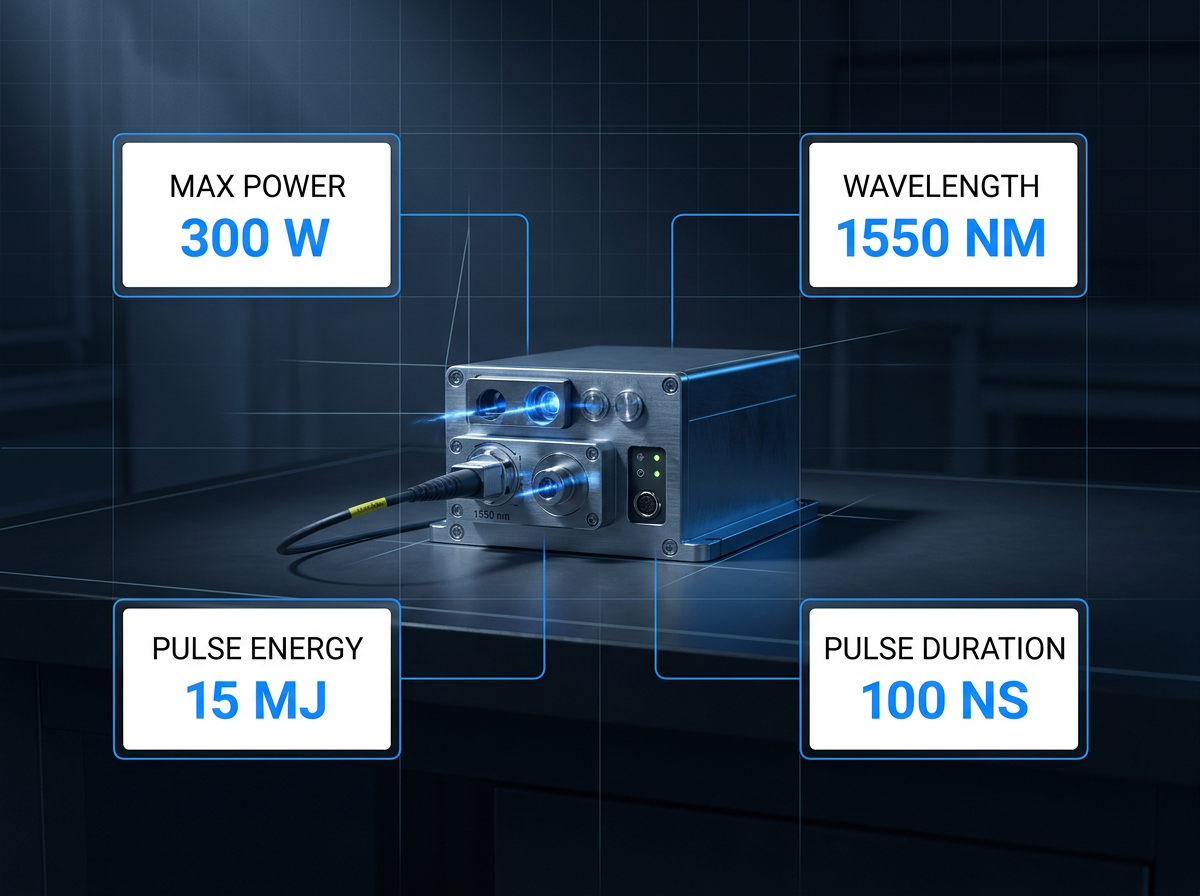
Max power: up to 300 W. Wavelength: 1550 nm — the technical basis for the ELASER-RHZ's reduced hazard zone capability. Pulse energy: up to 15 mJ. Pulse duration: 100 ns. Pulse repetition rate: adjustable up to 200 kHz (CW). Power tunability: 0–100%. Laser class: Class IV or Class I, depending on configuration.
Scanner and Optics
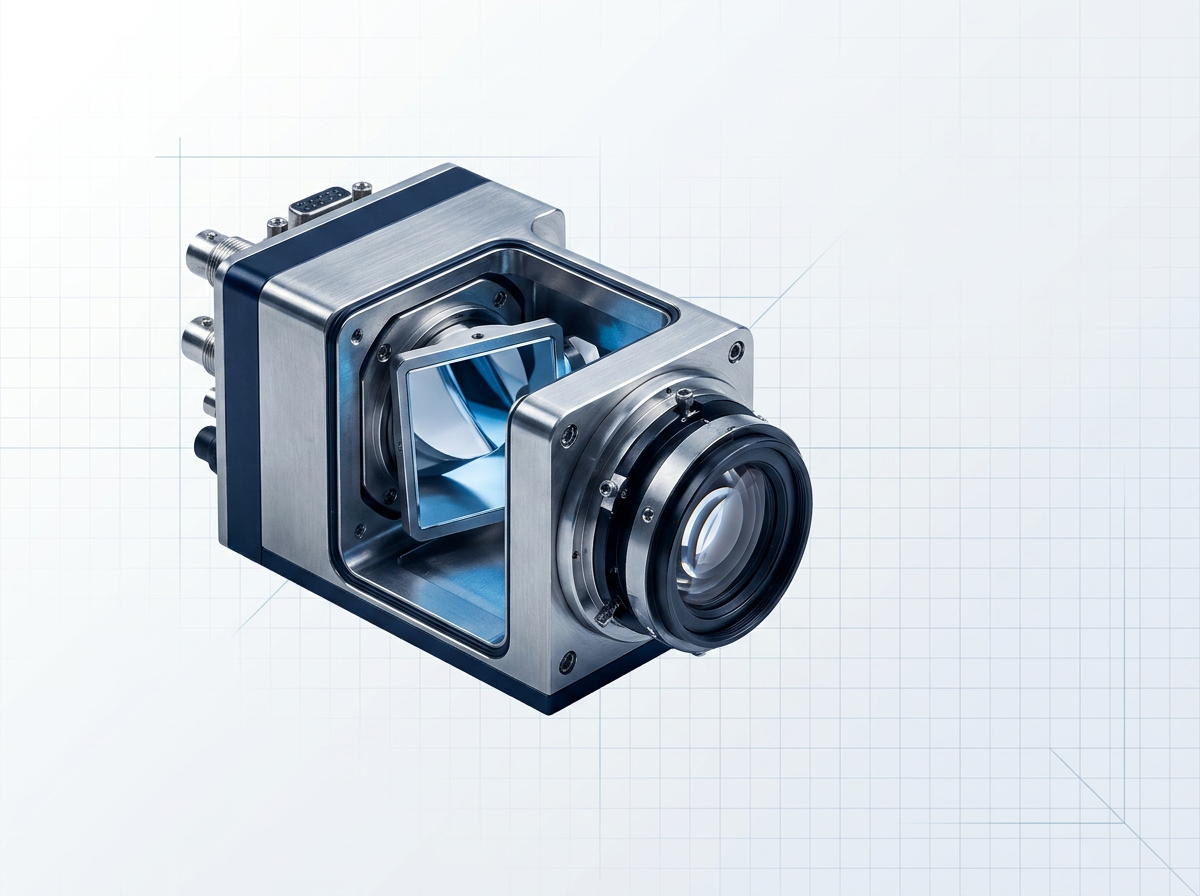
Scanner: 2-D galvanometer, max scan rate 10 m/s. Scan shapes: fully programmable through GUI. F-Theta lenses: interchangeable, 75–500 mm working distance. Lens-protection windows: included and replaceable.
Physical Form and Delivery
Delivery cable: up to 50 m (5 m / 15 m standard). ELASER system weight: under 50 kg, wheeled unit; handheld scanner under 3 kg. AutoLASE configuration: robotic arm. Power supply: 110–250 VAC single-phase. Power consumption: under 2000 W.
Interface and Control
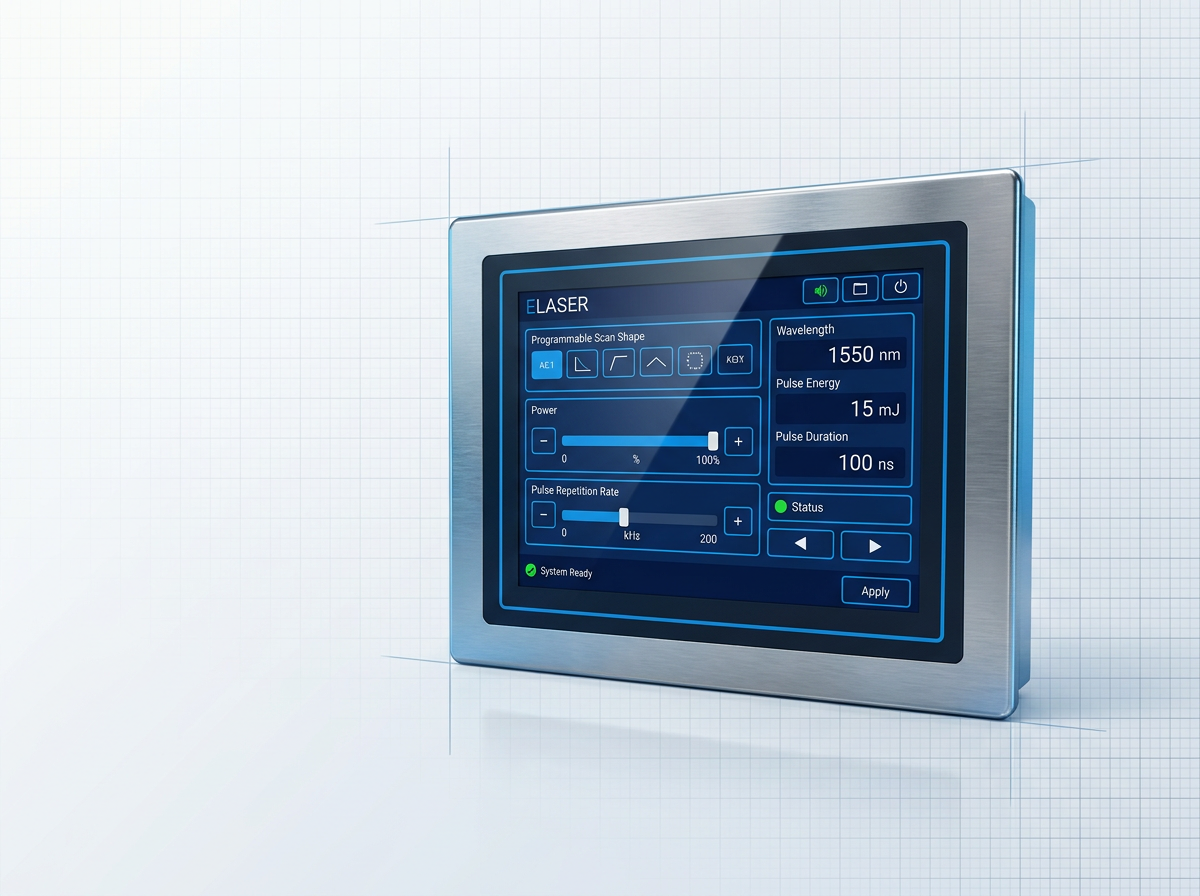
Interface: Ethernet and touchscreen. Scan shapes: fully programmable through GUI. Cooling: air-cooled — no water, chiller or coolant circuit required. Power supply: 110–250 VAC single-phase — no special electrical infrastructure required.
Certifications and Origin
Laser class: Class IV or Class I, depending on configuration. CE: certified. UKCA: certified. Manufacture: Made in Britain.
TCO Is the Right Measure
Evaluating a cleaning laser on purchase price alone misses the full economic picture. The correct lens is total cost of ownership: what the system costs to run over its working life.
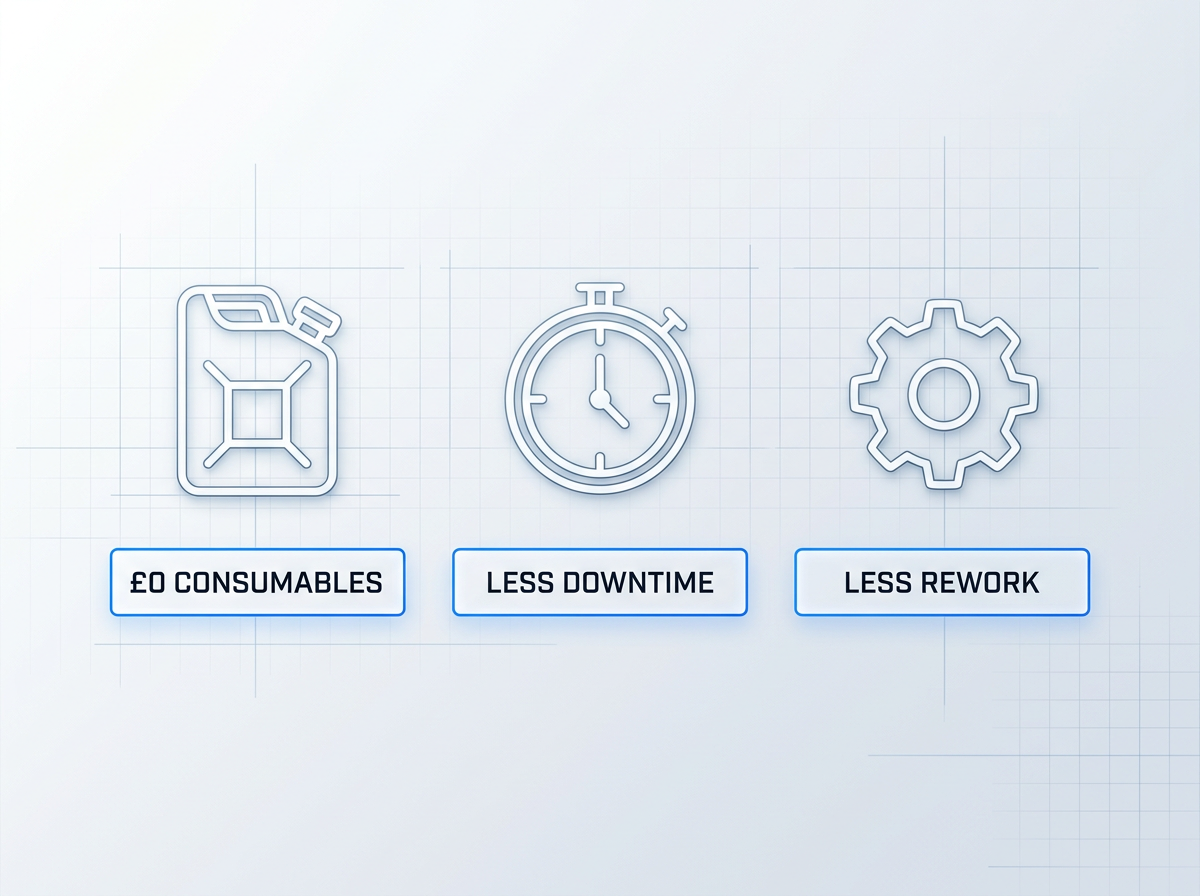
Three TCO drivers work in laser cleaning's favour. Zero consumables — no blast media, chemicals, or water to buy, store, or dispose of. Less downtime — no media management, no post-clean clear-up. Less rework — minimal substrate loss means parts are preserved, cutting costly repair cycles. Together, these structural advantages build a compelling investment case.
Structurally Lower Running Costs
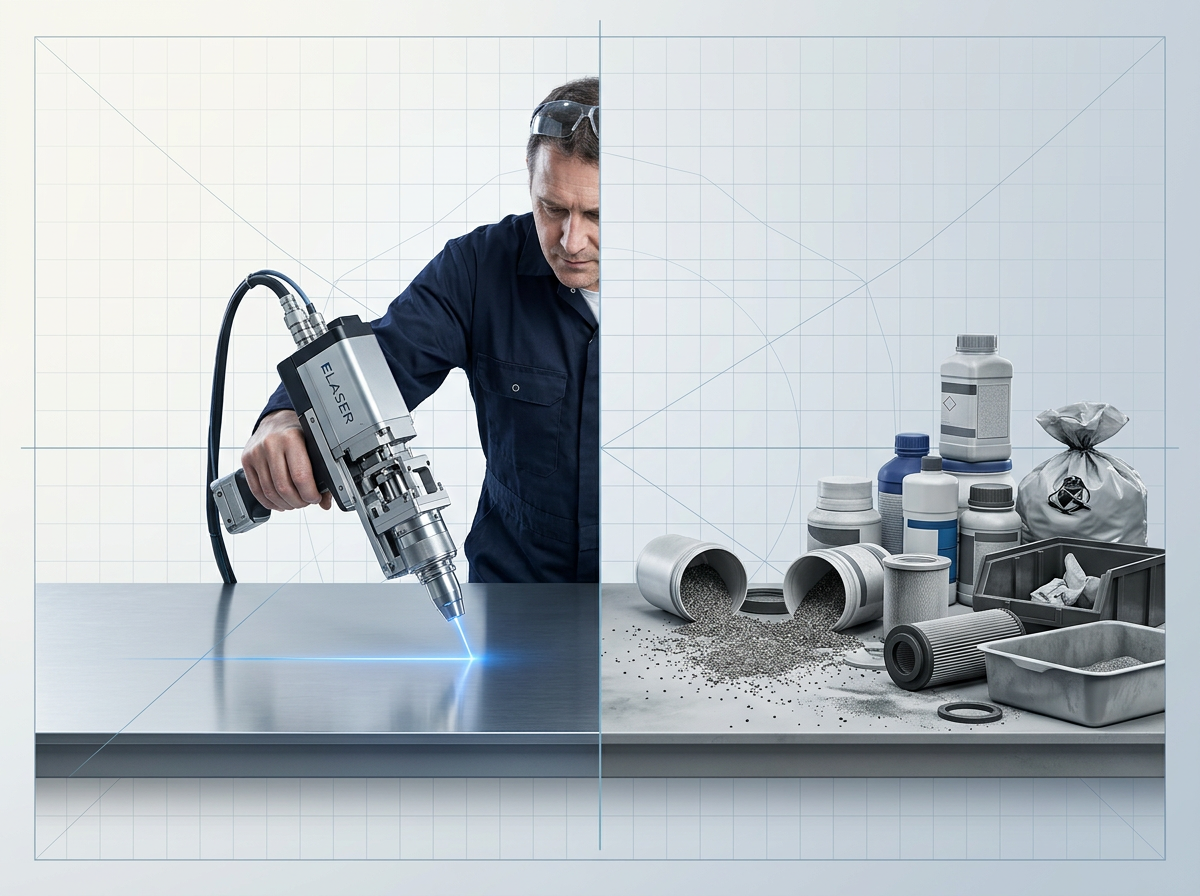
Sandblasting, chemical stripping, and water-jetting all carry ongoing running costs: consumable media, chemical procurement, specialist waste disposal, and the labour overhead of managing and cleaning up after each process. Those costs accumulate with every job.
Laser cleaning runs on energy alone. No consumables to purchase, no disposal costs, reduced labour per cycle. When you account for the full operational picture across months and years of use, the economics of laser cleaning are strongly favourable — and that is the right basis for any capital equipment comparison.
What Drives System Cost
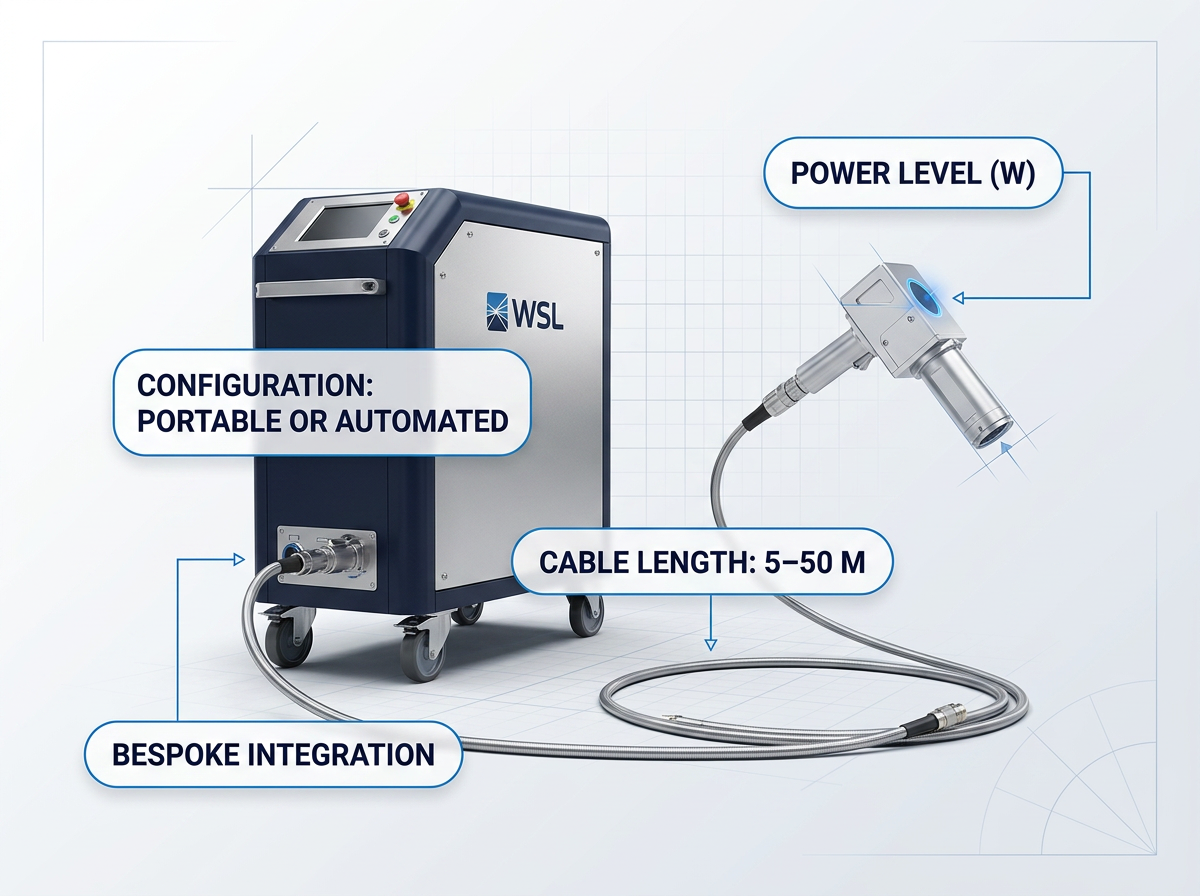
Four variables shape the price of a laser cleaning system. Power level is the primary driver — higher wattage capability increases cost. System configuration matters too: a portable ELASER or ELASER-RHZ is configured differently from an AutoLASE automated cell, and each carries its own cost profile.
Delivery cable length affects the specification — standard lengths are 5 m and 15 m, with options up to 50 m. Finally, any bespoke engineering or integration requirements for your specific application will influence the final quotation. Understanding these variables helps frame the conversation before you request a quote.
Competitive Pricing, No Compromise
WSL is the European cost leader in industrial laser cleaning — the most competitively priced systems among comparable machines in the market. That position is achieved through in-house manufacturing efficiencies, not by cutting quality or capability.
Pricing is by quotation, tailored to your specific application, configuration, and requirements. Share the details of your cleaning task and we will provide an accurate assessment. No pressure, no vague estimates — just a clear, application-specific figure.
Manufacturer vs Reseller: Why the Difference Matters
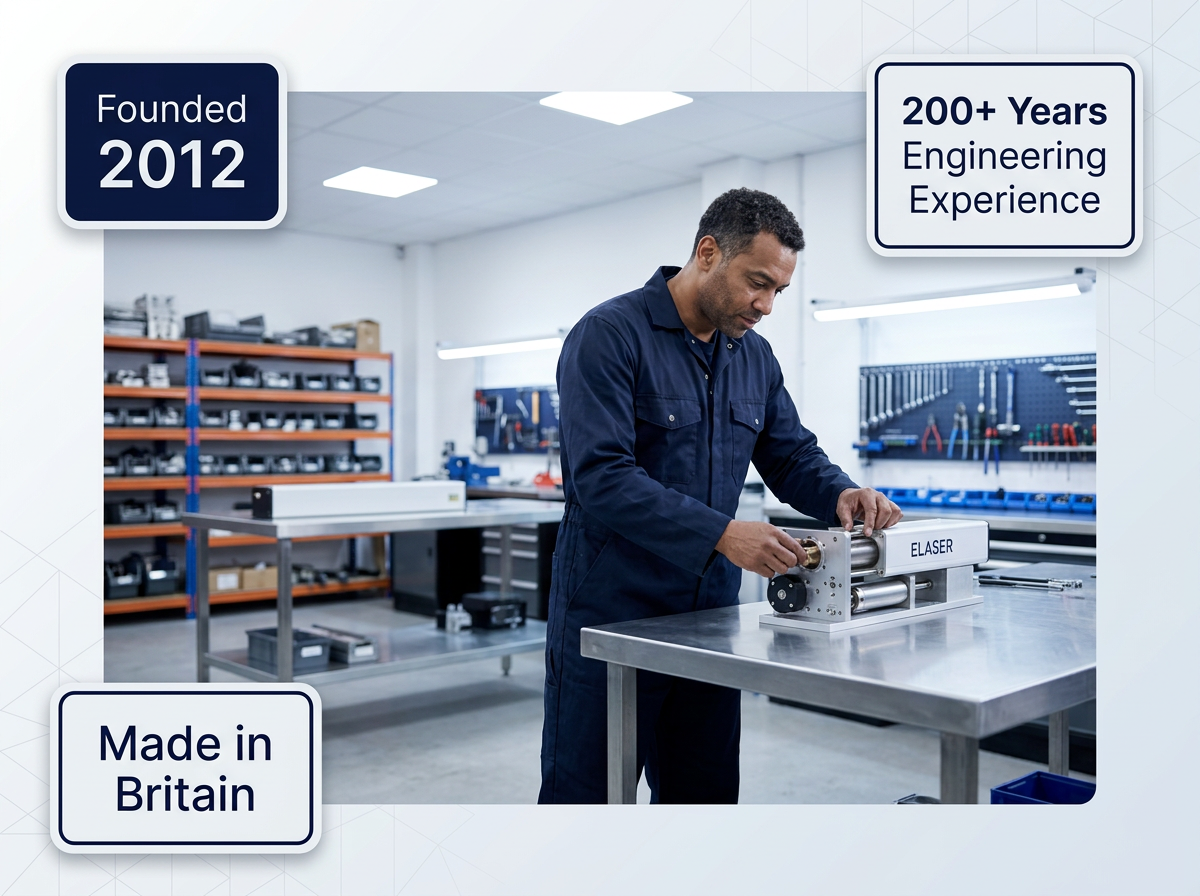
Much of the laser cleaning market is supplied by resellers and importers rebadging third-party machines. For buyers, that means support routed through an intermediary with no in-house engineering — slower spares, no ability to fix problems at source, and no genuine capacity to improve the product over time.
WSL is the only UK-based laser cleaning manufacturer. Founded in 2012, with 200+ years of combined engineering experience, WSL designs, builds, services and improves every machine in-house — including patented world-first technology. CE and UKCA certified. When something needs resolving, the engineers who built it are the engineers who fix it.
No Area Evacuation Required
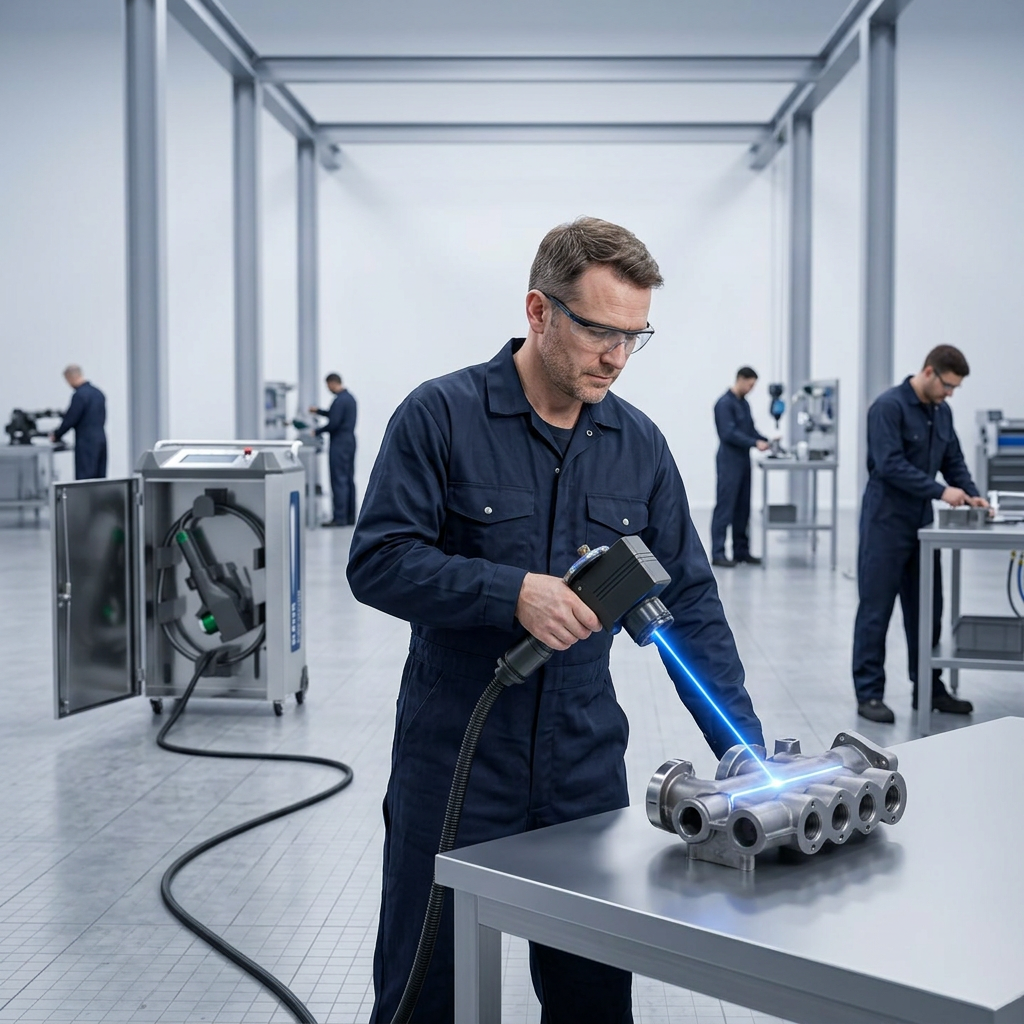
Every other cleaning laser on the market operates as a Class 4 system, requiring controlled hazard zones, area evacuation, and restricted access before work can begin. The ELASER-RHZ is the only laser cleaner in the world that changes this. WSL's patented Reduced Hazard Zone (RHZ) technology collapses the hazard to a small area around the work itself, enabling cleaning in open workshops, mixed-use facilities, and public-facing environments — with no shutdown, no barriers, and no cleared area required. No competitor offers this.
Load the Part, It Runs
Competing automated laser cleaning cells — from Laserax, 4JET, LASCAM, and others — all require a technician to program cleaning paths before the system can process a part. That means specialist knowledge, setup time, and a barrier every time a new component is introduced.
AutoLASE requires none of this. Load the part: machine vision scans it, builds a 3D map, and generates the cleaning path automatically. No programming, no path-setting, no knowledge of part geometry needed. Anyone can run it.
50 m Reach vs the Market
The ELASER's delivery cable extends up to 50 m, placing the laser unit well away from the work and giving a single operator genuine freedom across large structures or in-place plant. By comparison, 4JET's JETLASER ships with a 15 m fibre cable, and the Netalux Needle's standard cable is 4.5 m (5.7 m extended). For maintenance tasks where the laser unit cannot sit immediately beside the work, reach is a practical constraint — and 50 m removes it.
Built Here, Supported Here
A significant portion of the laser cleaning market is supplied by integrators and resellers using third-party laser sources — Lasertronics, for example, states on its own site that its systems are paired with German made lasers. That model typically means slower resolution when something needs fixing, with no in-house engineering to address root causes.
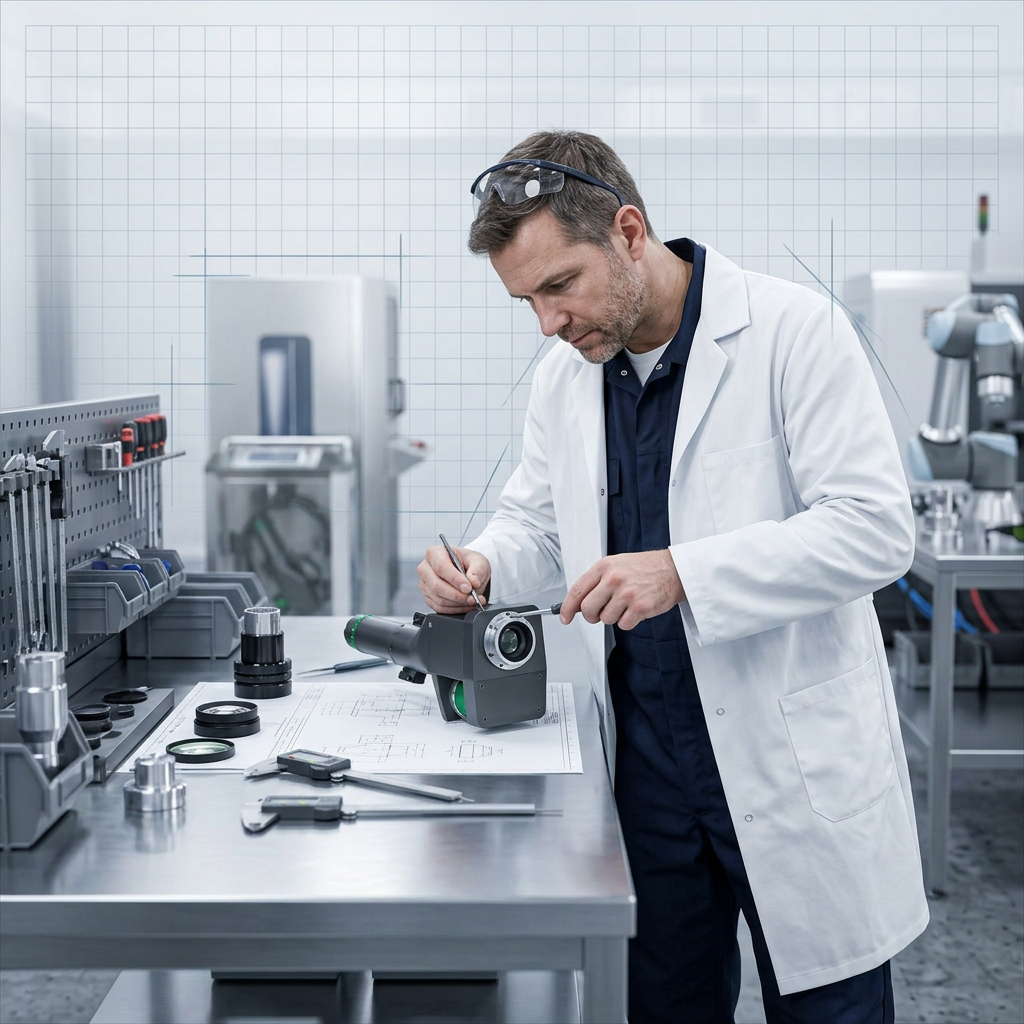
WSL designs, builds, and improves every machine in-house at its UK facility, with 200+ years of combined engineering experience behind the team.
European Cost Leader
Among comparable industrial laser cleaning machines from established European manufacturers, WSL is the cost leader. P-Laser's published pricing starts from €60,000 for low-power units and reaches €390,000 at 1,000 W. 4JET's JETLASER starts at €219,000. WSL's competitive position is the product of in-house manufacturing efficiency — not a reduction in capability or build quality.
Training, Support, and Customisation
WSL's in-house manufacturing model extends well beyond the sale — into operator training, direct engineering support, and bespoke system development for both ELASER and AutoLASE.
Support From the Engineers Who Built It
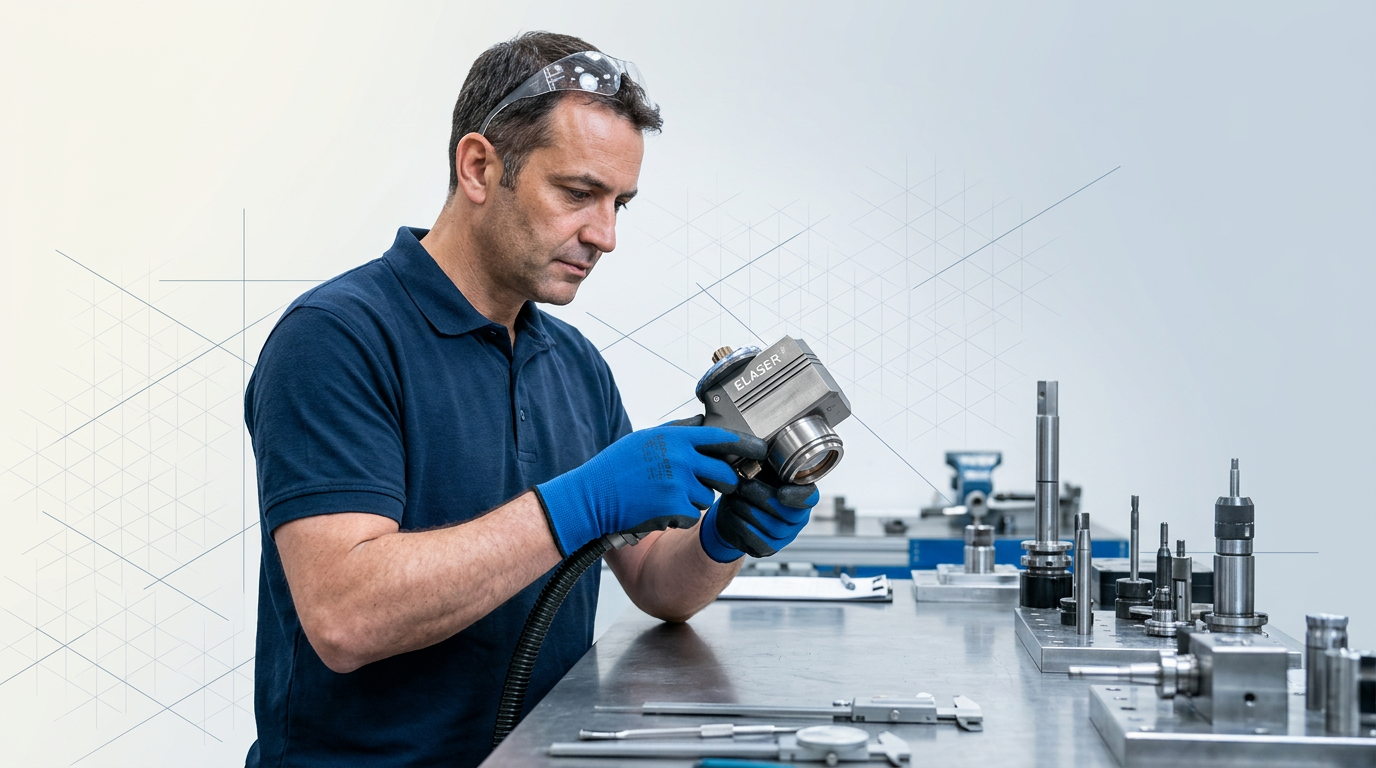
WSL designs and builds every machine in-house. When you need support, it comes from the engineers with direct knowledge of your system.
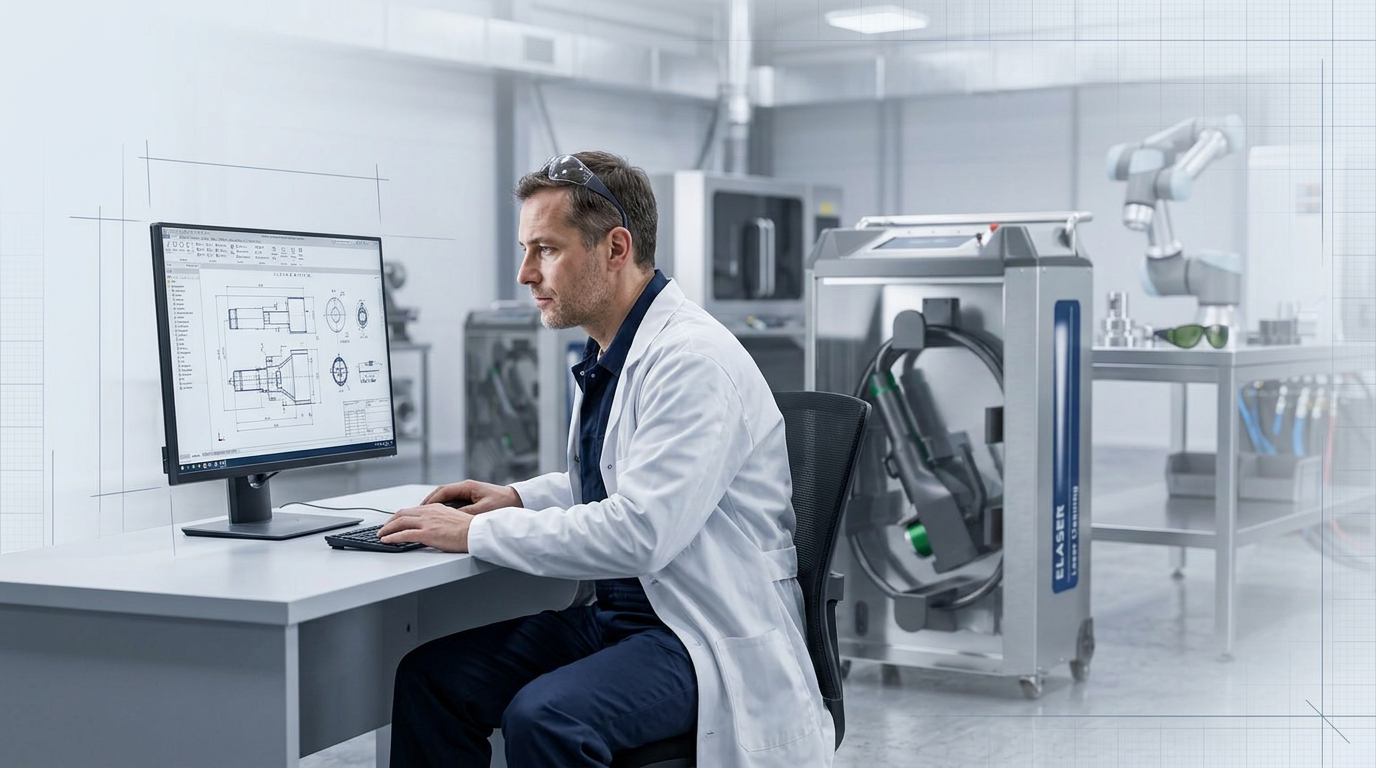
Bespoke Engineering and Customisation
Both systems can be engineered to your specific requirements. Get in touch to discuss your application and what is possible.
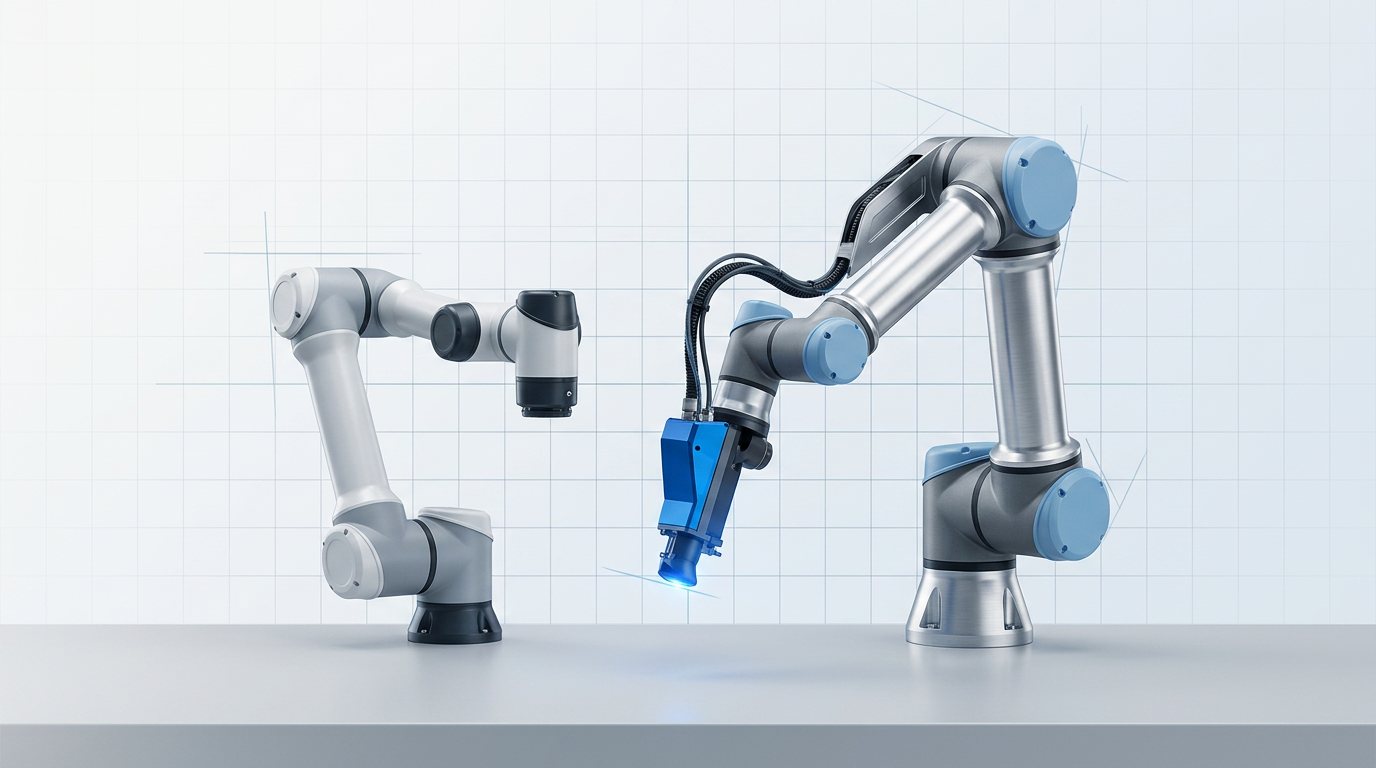
Flexible Robotic Integration
AutoLASE attaches to your existing collaborative or industrial robots, or is supplied as a complete bespoke cell — whichever fits your operation.
Talk to the Engineers Behind the Machines
Tell us about your cleaning application and we will recommend the right system, whether that is ELASER, ELASER-RHZ, or AutoLASE, and provide a tailored quotation. No pressure — just expert guidance from the people who built it.
Frequently Asked Questions About Laser Cleaning Machines
Common questions from buyers evaluating cleaning lasers, answered directly.
The best laser cleaner is the one that best matches your technical requirements, backed by a manufacturer who designs and builds in-house, offers genuine support, and prices competitively. Four criteria are worth evaluating carefully: technical capability, manufacturer credibility, support infrastructure, and value. On in-house manufacture, WSL is the only UK-based laser cleaning manufacturer — it designs, builds, services and improves every machine itself, rather than rebadging third-party systems. On safety innovation, WSL's ELASER-RHZ carries patented Reduced Hazard Zone (RHZ) technology — a world-first that collapses the laser hazard zone to a small area around the work, enabling cleaning in open workshops and publicly accessible spaces where conventional laser cleaning cannot operate. No other manufacturer offers this. On automation ease, WSL's AutoLASE uses machine-vision software to scan a loaded part, build a 3D map, and generate the cleaning path automatically — no programming, no path-setting, no specialist knowledge required. On pricing, WSL is the European cost leader among comparable industrial systems, achieved through in-house manufacturing efficiencies. Evaluate on those criteria and the answer becomes clear.
Conventional laser cleaning systems operate as Class IV lasers, which under HSE guidance require a designated laser hazard zone, controlled or restricted access to that zone, and trained operators before work can begin. In practice, this means sealing off areas, evacuating nearby workers, and managing access — overhead that has historically made laser cleaning disruptive in busy or shared facilities. WSL's ELASER-RHZ addresses this directly. Its patented Reduced Hazard Zone (RHZ) technology confines the laser hazard to a small area immediately around the work, eliminating the need to seal off or evacuate surrounding areas. This makes cleaning practical in open-plan workshops, mixed-use facilities, and publicly accessible spaces. WSL provides full safety and operation training for all ELASER, ELASER-RHZ, and AutoLASE operators as standard — so whichever system you use, your team is properly prepared.
If you are asking about buying a laser cleaning machine: pricing is by quotation, and WSL is the European cost leader — the most competitively priced industrial laser cleaning machines among comparable systems, achieved through in-house manufacturing efficiencies rather than any compromise on quality. If you are asking about running costs: laser cleaning has zero consumables — no blast media, no chemicals, no water. Combined with less downtime and less rework (because the beam stops at the base material, leaving the substrate intact), the total cost of ownership compares very favourably to traditional cleaning methods. The right measure when evaluating a laser cleaning system is total cost of ownership, not purchase price in isolation. Contact WSL for a tailored quotation based on your specific application and requirements.
Yes — laser cleaning works, and the mechanism is well established. Every material has a different ablation threshold: the energy level at which laser light causes it to vaporise. A correctly configured laser cleaning system is tuned to the threshold of the contaminant, not the substrate beneath it. The beam vaporises the rust, paint, oxide, or coating; the base material, with its higher threshold, is left intact. This is not experimental technology. It is in active use across aerospace (turbine blade prep, component cleaning), automotive (pre-weld surface prep, rust and paint removal), injection moulding (in-place mould cleaning), heritage restoration (stone, metal, masonry), and industrial maintenance. WSL's ELASER and AutoLASE systems are deployed across these sectors, removing contaminants including rust, mill scale, paint, powder coating, oxides, release agents, carbon, and more — from metals, stone, brick, and concrete.
A cleaning laser (or laser cleaning machine) is a machine that uses focused laser energy to remove surface contaminants — rust, paint, oxides, coatings, grease, carbon, and more — from a substrate by laser ablation, without chemicals, abrasives, water, or physical contact with the underlying material. The laser beam vaporises the contaminant layer; the base material is left intact. WSL's ELASER and ELASER-RHZ (portable, handheld systems) and AutoLASE (robotic automated cell) are examples of industrial laser cleaning machines used across manufacturing, aerospace, automotive, heritage restoration, and maintenance applications.
When correctly configured, laser cleaning causes minimal substrate loss. The principle is the ablation threshold: every material has a different energy level at which laser light causes vaporisation. A properly set up laser cleaning system is tuned to the contaminant's threshold — the beam removes the contaminant and stops at the base material, which has a higher threshold and is left intact. This makes laser cleaning considerably gentler on substrates than sandblasting or abrasive methods, which remove material indiscriminately. Both WSL's ELASER/ELASER-RHZ and AutoLASE are designed with minimal substrate loss as a core principle. The result is less rework, better surface preservation, and cleaning that is safe for precision components, heritage materials, and high-value tooling.