
What Determines the Price of a Laser Cleaning Machine?
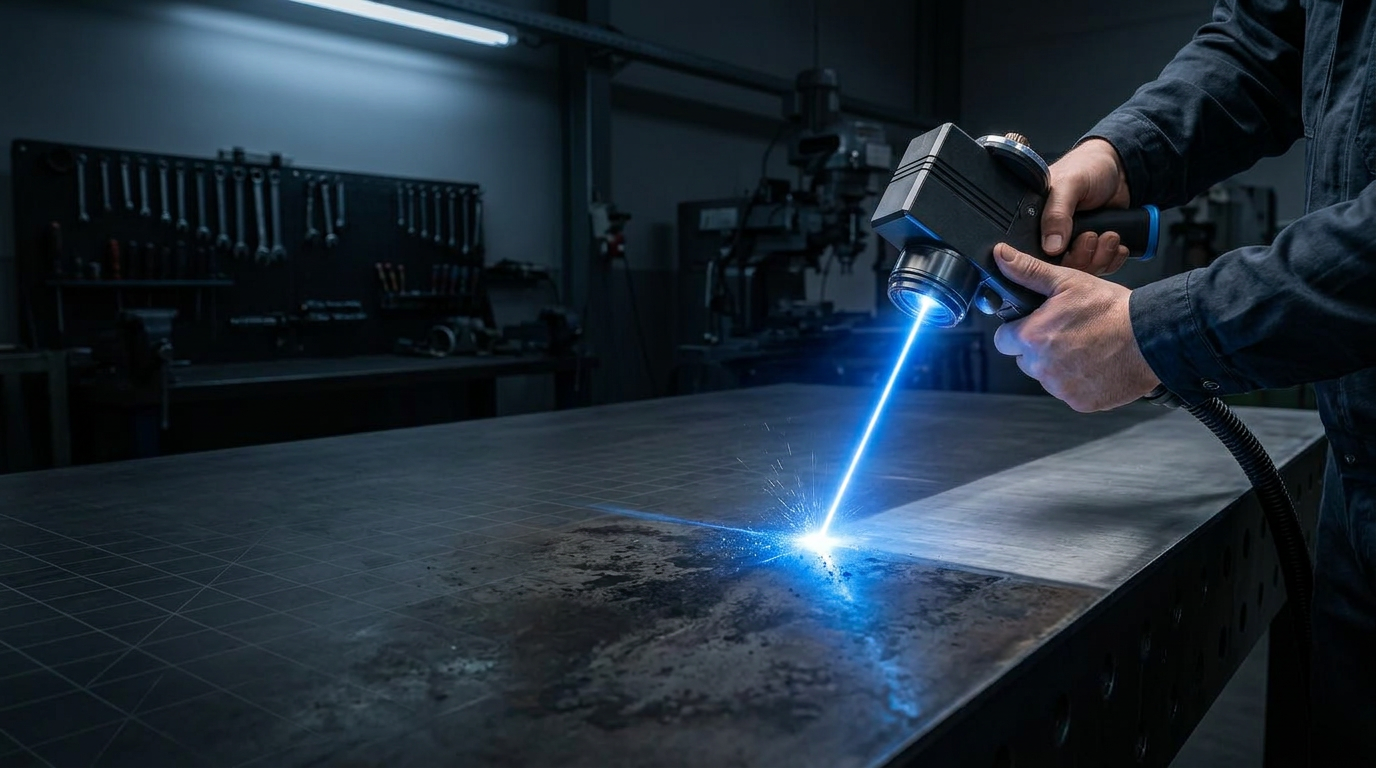
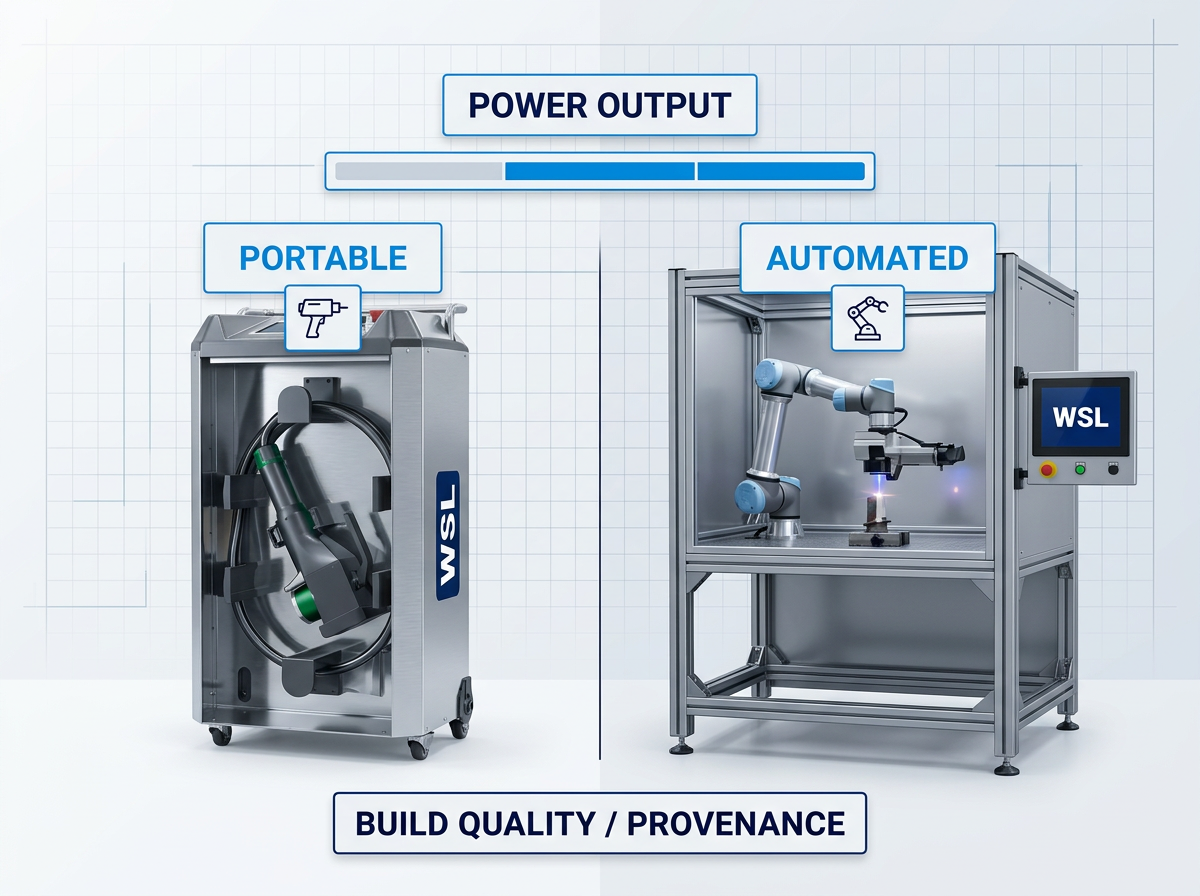
Power output is the primary driver: higher wattage delivers faster throughput across larger surfaces, expanding the range of viable applications. Pulsed systems command a premium over continuous-wave machines — they remove contamination selectively without heating the substrate, a precision advantage reflected directly in price.
Automation level creates the sharpest price divide. Portable handheld units suit flexible, operator-led cleaning; robotic automated cells suit high-volume production where consistency and labour removal justify a significantly higher capital outlay.
Finally, consider provenance. In-house manufactured machines carry embedded support and spares capability that rebadged imports cannot match — a cost factor beyond the sticker price.
ELASER & ELASER-RHZ: Portable Laser Cleaning, Competitively Priced
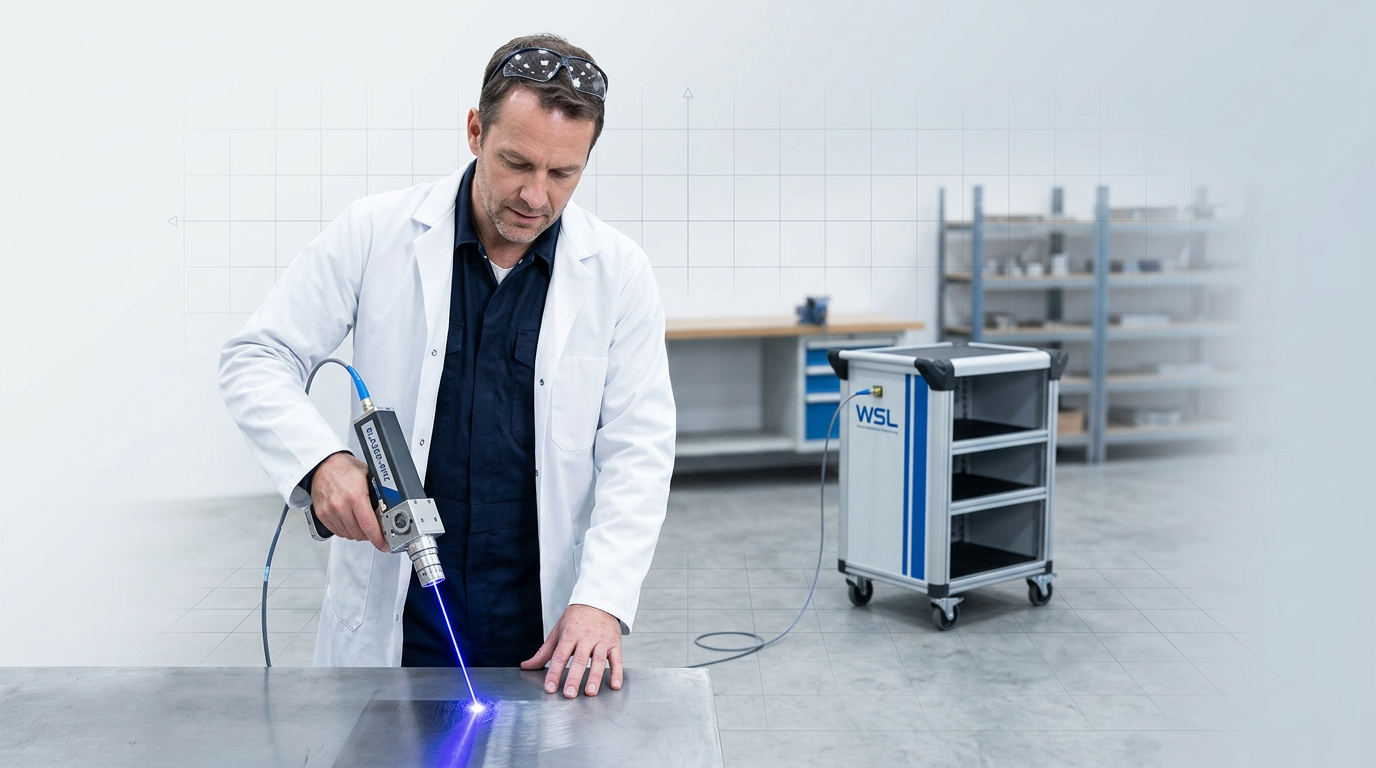
The ELASER-RHZ carries WSL's world-first patented RHZ technology, collapsing the laser hazard zone to a fraction of conventional size — enabling cleaning in open workshops, mixed-use facilities, and public-facing settings where standard laser cleaning cannot operate. As the European cost leader, it delivers the most competitive upfront pricing in the industrial pulsed portable segment through in-house engineering efficiency.
The only UK-based laser cleaning manufacturer, WSL designs, builds, and supports every machine in-house since 2012. Up to 300 W, 0–100% tunable, sub-3 kg scanner, 50 m cable reach. No compressor, no water, no consumables. CE and UKCA certified. Made in Britain.
AutoLASE: Automated Laser Cleaning — Load the Part, Walk Away
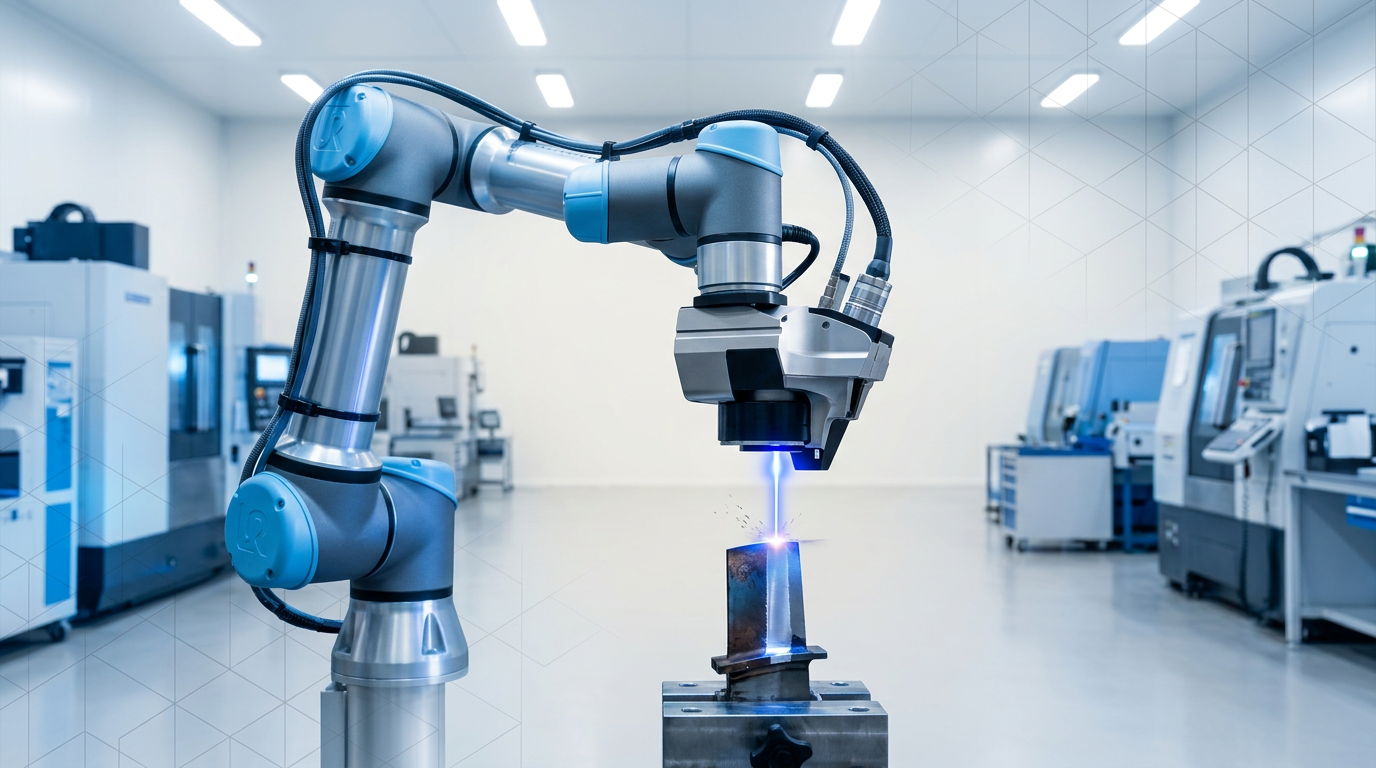
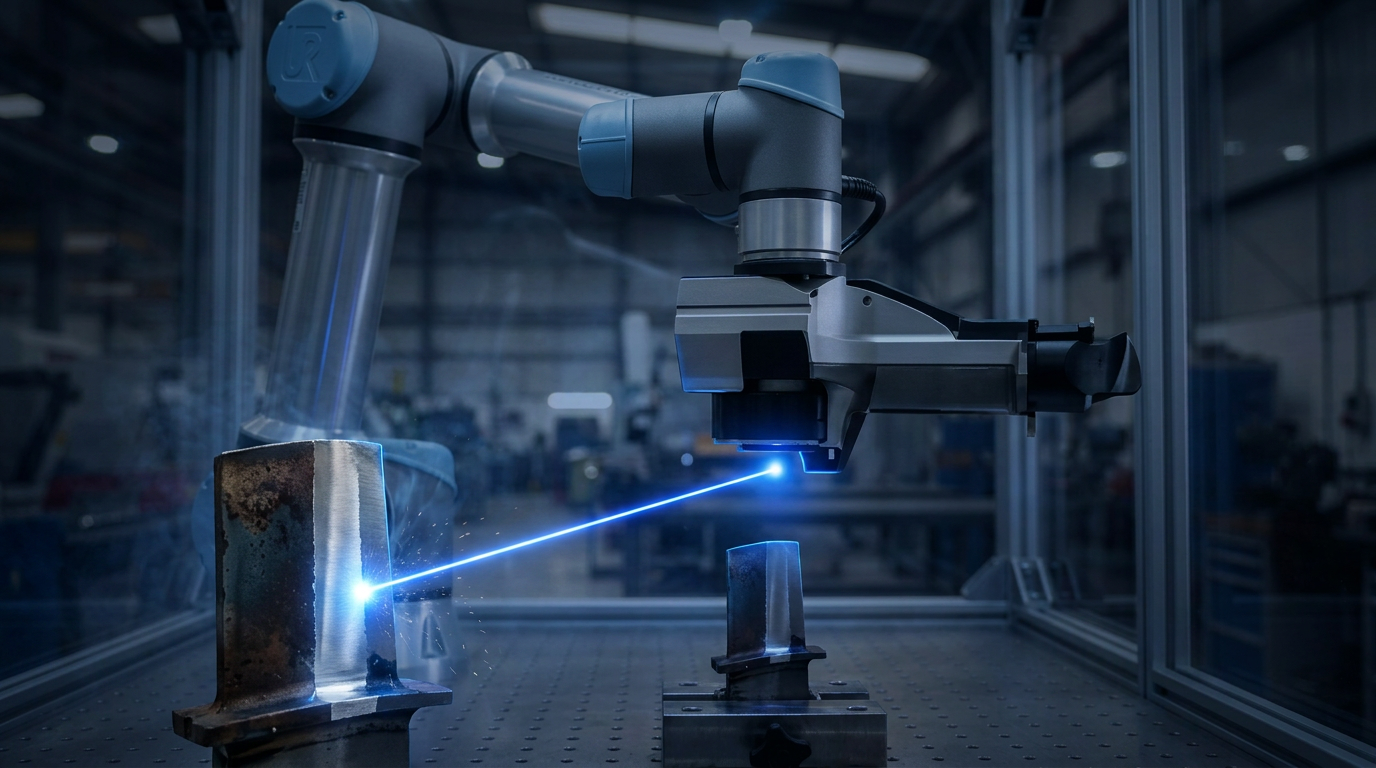
Load a part into AutoLASE and the system does the rest. Machine vision scans it, builds a 3D map, and generates the cleaning path automatically — no programming, no path-setting, no specialist knowledge required. With the optional RHZ upgrade, it is the only automated laser cleaning system in the world that operates without an enclosure.
Up to 300 W fibre laser, tunable 0–100%, on a multi-axis articulated arm. Attaches to your existing robots or supplied as a complete custom cell. CE and UKCA certified, Made in Britain, and the most competitively priced automated laser cleaning system in Europe.
Suited to injection moulds, automotive, aerospace, tyre and rubber moulds, and remanufacturing.
See AutoLASE: Automated Laser Cleaning in Detail
Load the part, walk away. Explore the full AutoLASE specification, capabilities, and optional RHZ upgrade on the product page.
Capital Cost Is One Line
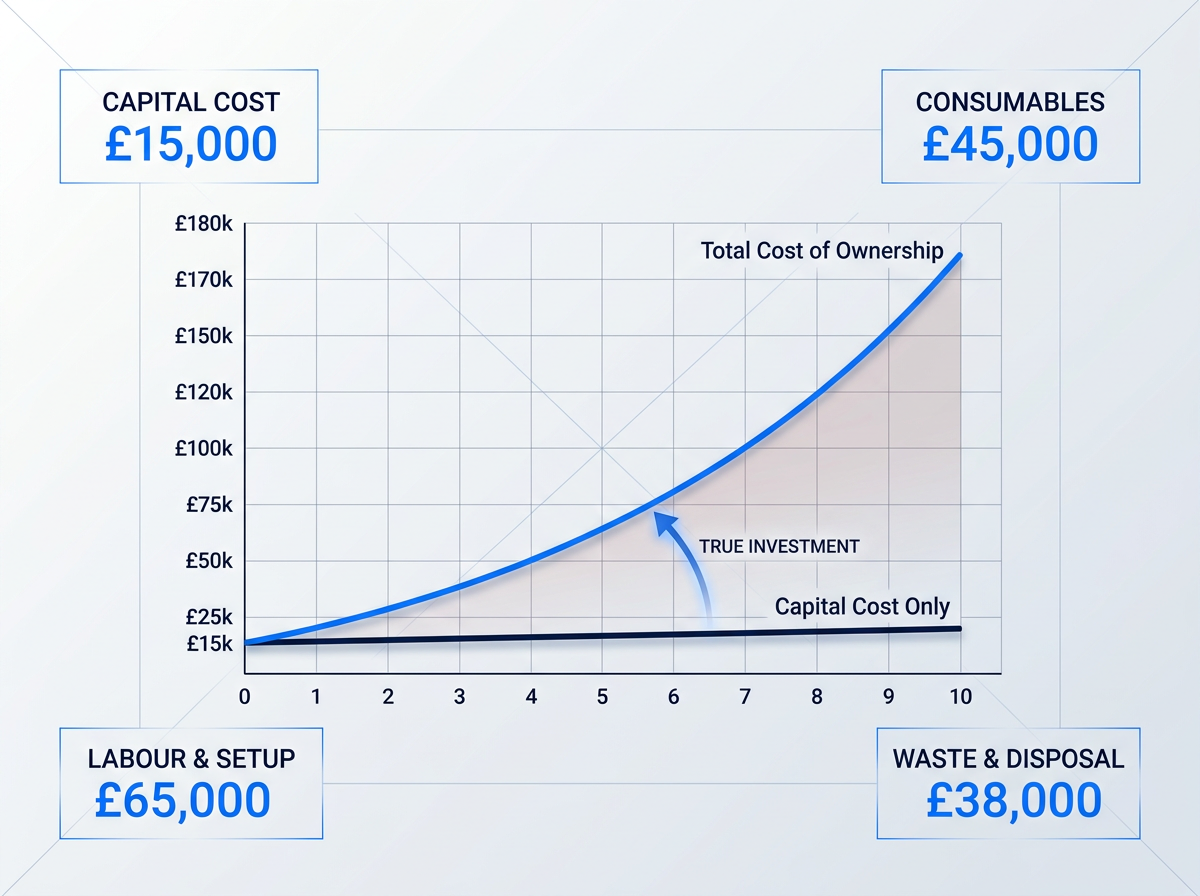
Comparing cleaning methods on capital cost alone is professionally incomplete. The correct frame for evaluating capital equipment is total cost of ownership: the sum of upfront cost, consumable spend, labour, waste disposal, rework, and operational overhead across the machine's working life.
Consumable-dependent methods accumulate costs every day they run. Those costs rarely appear on the same line as the purchase price — but they are just as real. The tabs that follow address each TCO axis in turn.
Laser Cleaning Runs on Electricity
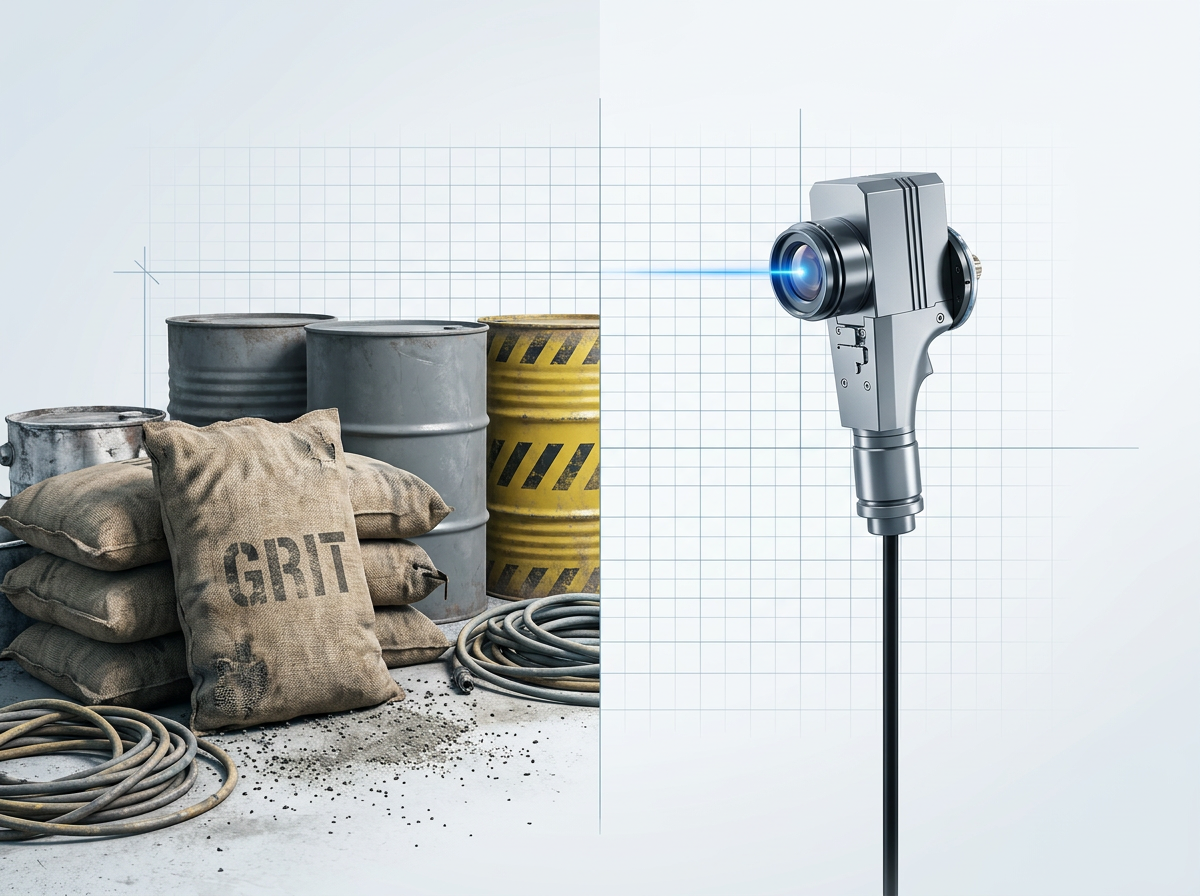
Sandblasting requires continuous abrasive media — grit, shot, or equivalent — replenished on every job. Chemical stripping requires solvent procurement plus hazardous waste collection, transport, and disposal compliance. Both costs accrue throughout the machine's life.
Laser cleaning uses electricity alone. Published operational comparisons put monthly running costs at around £0.50 per hour versus upwards of £50 per hour for sandblasting in materials and logistics — a structural cost difference that compounds significantly over time, regardless of the specific figures at any given site.
Setup Overhead That Adds Up
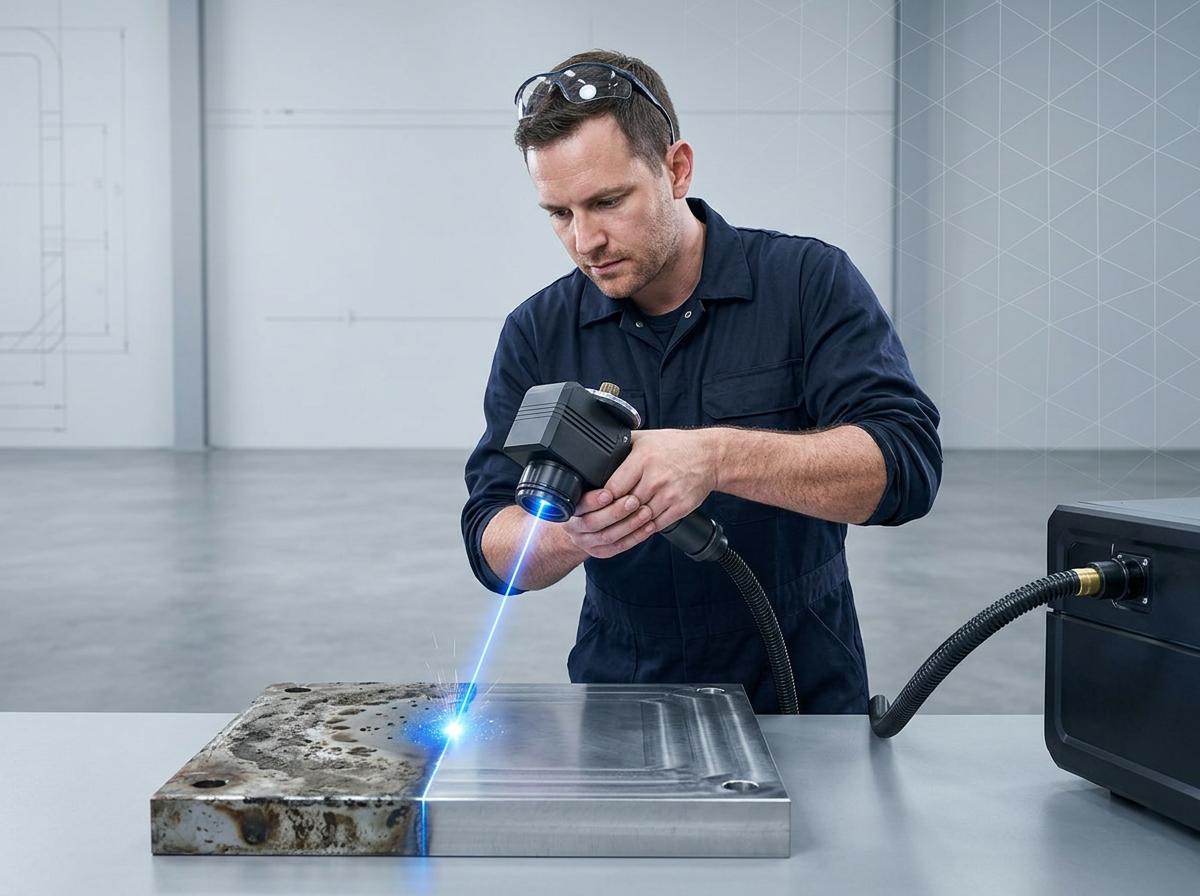
Sandblasting and chemical stripping carry significant labour overhead beyond the cleaning operation itself: masking surfaces not to be cleaned, loading and clearing blast media, applying and neutralising chemicals, and post-clean cleanup. Studies on fully burdened strip rates confirm that setup and cleanup time is a major component of the true labour cost — often invisible in a simple hourly rate comparison.
Laser cleaning requires none of this. A single operator turns the system on and cleans. Nothing to mask off, no media to load or dispose of, no chemical rinse stage. That labour differential compounds across every job.
Rework Costs Money Too
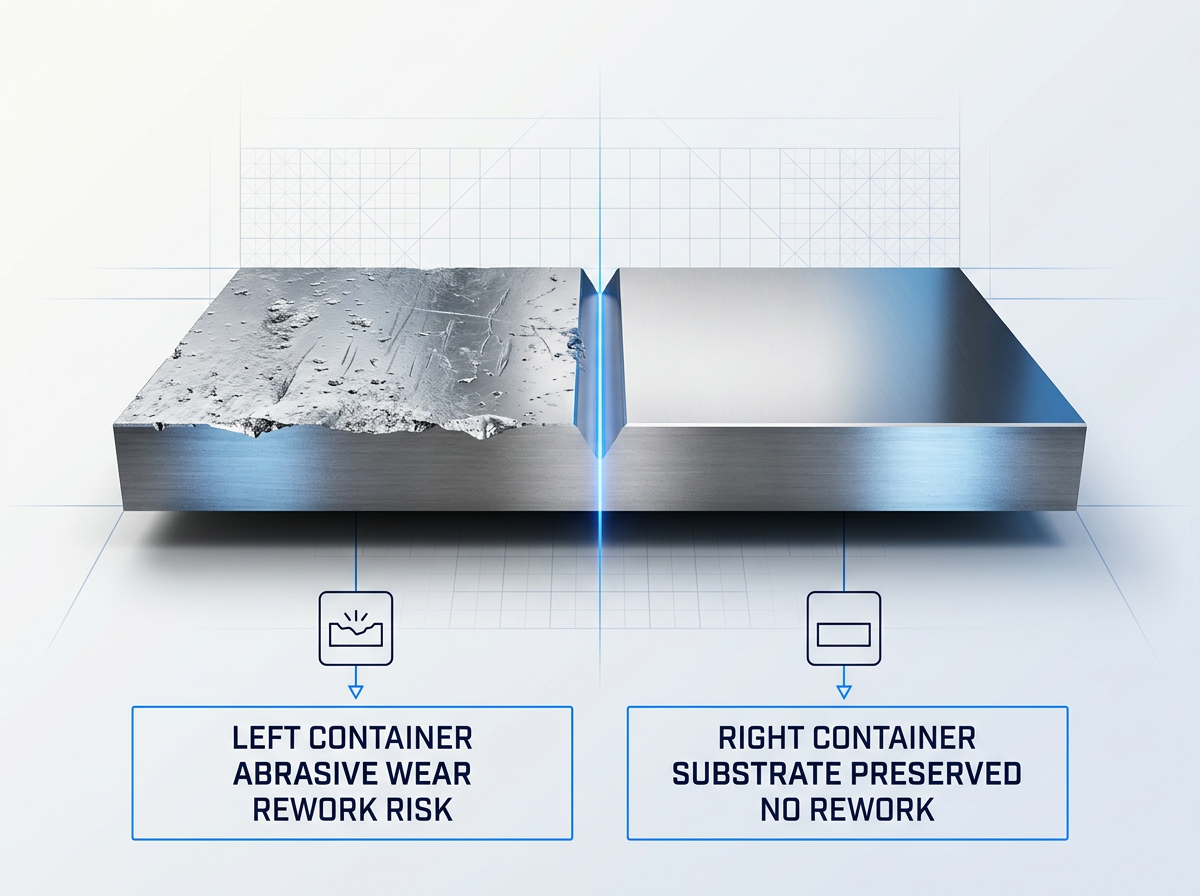
Abrasive cleaning methods remove material from the substrate as well as the contaminant. Surface erosion is inherent to the process — leading to dimensional change, surface fatigue, and in precision applications, rework or part rejection. In mould cleaning, for example, published application data confirms that sandblasting cannot guarantee preservation of fine surface detail or high-gloss finishes, while laser cleaning can.
Laser cleaning is selective: the beam ablates the contaminant and stops at the base material. Fewer rejects, longer part life, and less rework are direct cost consequences — ones that never appear on a capital cost comparison.
RHZ Eliminates Area Shutdown
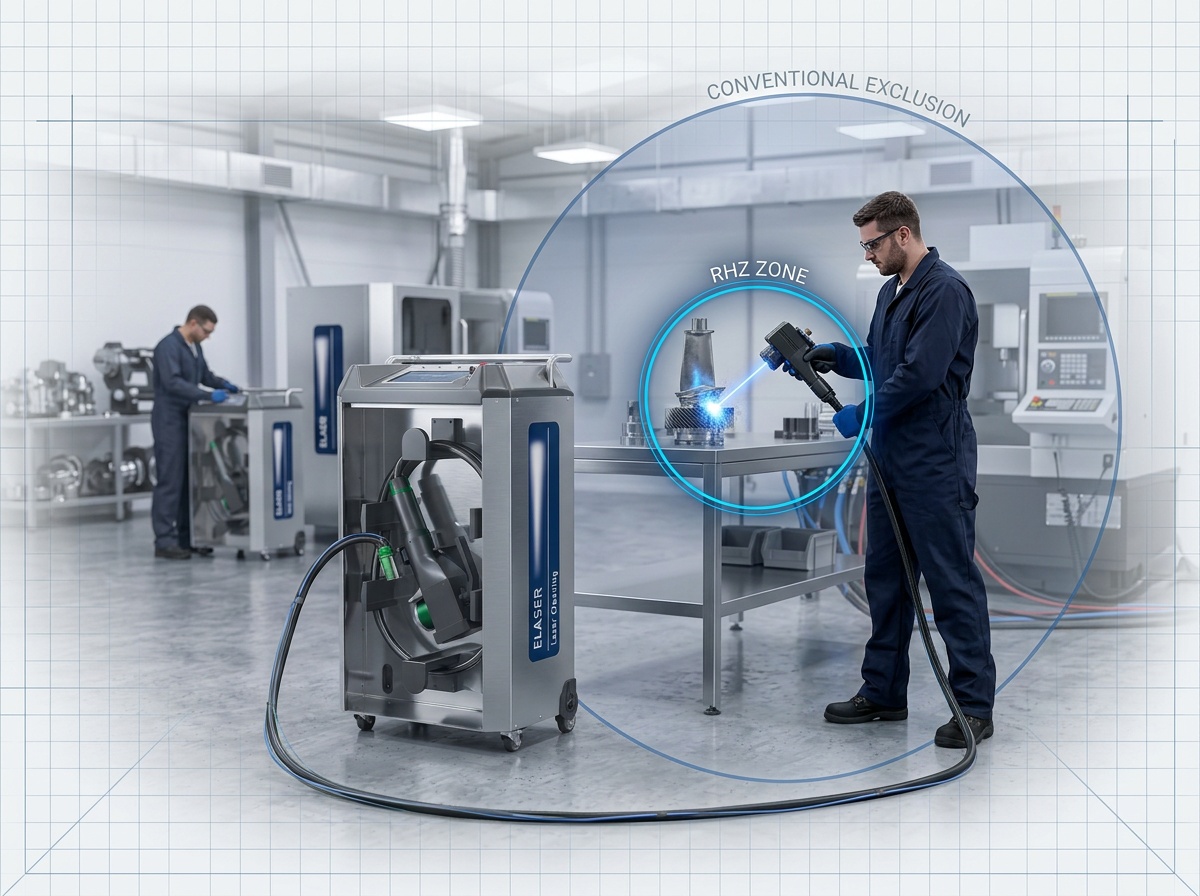
Conventional laser cleaning requires area evacuation and exclusion zone management before work begins. Production stops, personnel clear the area, zones are established. That overhead is a real operational cost — and it applies to standard laser systems as much as to any other method.
WSL's patented RHZ (Reduced Hazard Zone) technology collapses the hazard zone to a small area around the work. No full area shutdown. No production halt. Continuous operation in open-plan and mixed-use facilities. Available on both ELASER-RHZ and AutoLASE (with optional RHZ upgrade), this is an exclusive WSL capability with a direct, measurable impact on operational cost.
Why Buy from a Manufacturer, Not a Reseller?
A significant portion of the laser cleaning market is made up of resellers and importers rebadging third-party hardware. The distinction matters: who built your machine determines who can fix it, improve it, and support it when it counts.
Many Sellers Did Not Build What They Sell
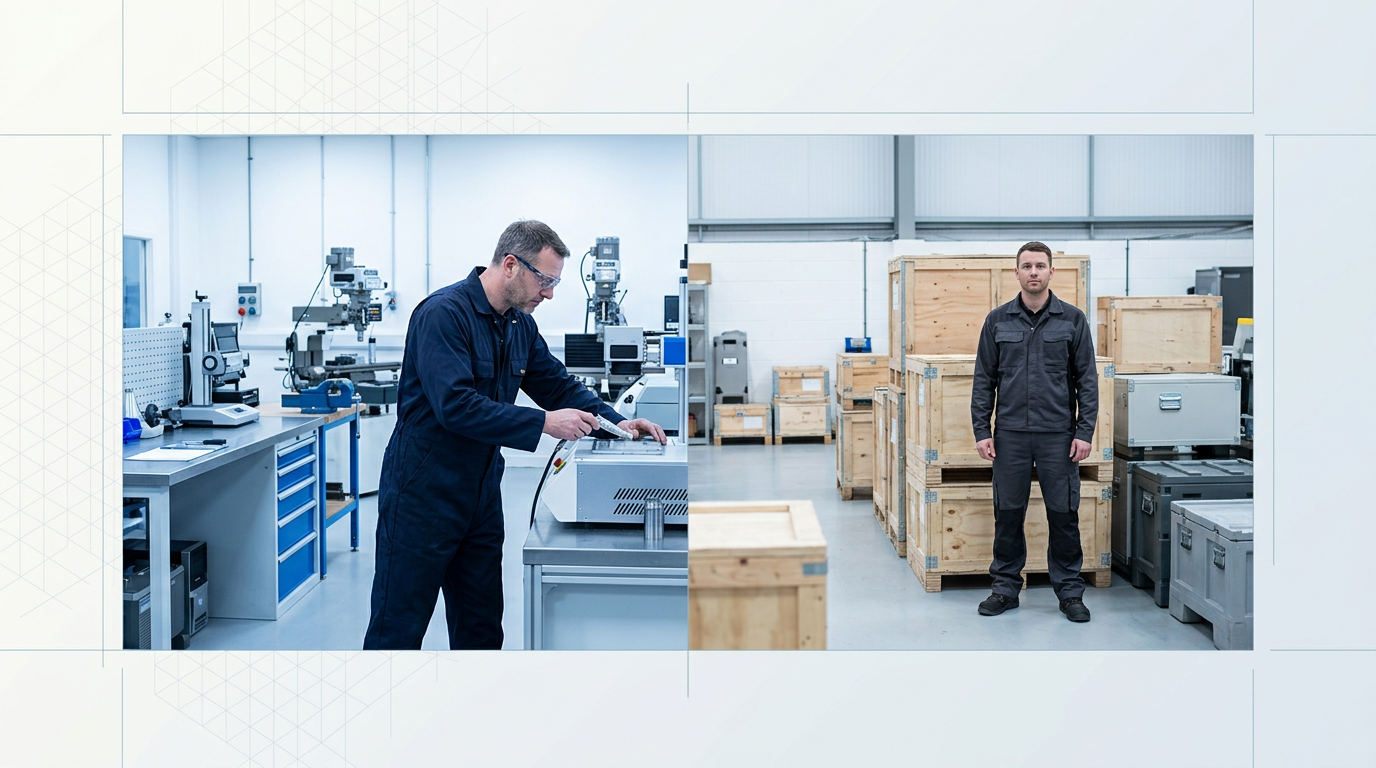
Resellers source hardware from overseas OEMs, rebadge it, and cannot engineer fixes in-house.
The Only UK-Based Laser Cleaning Manufacturer
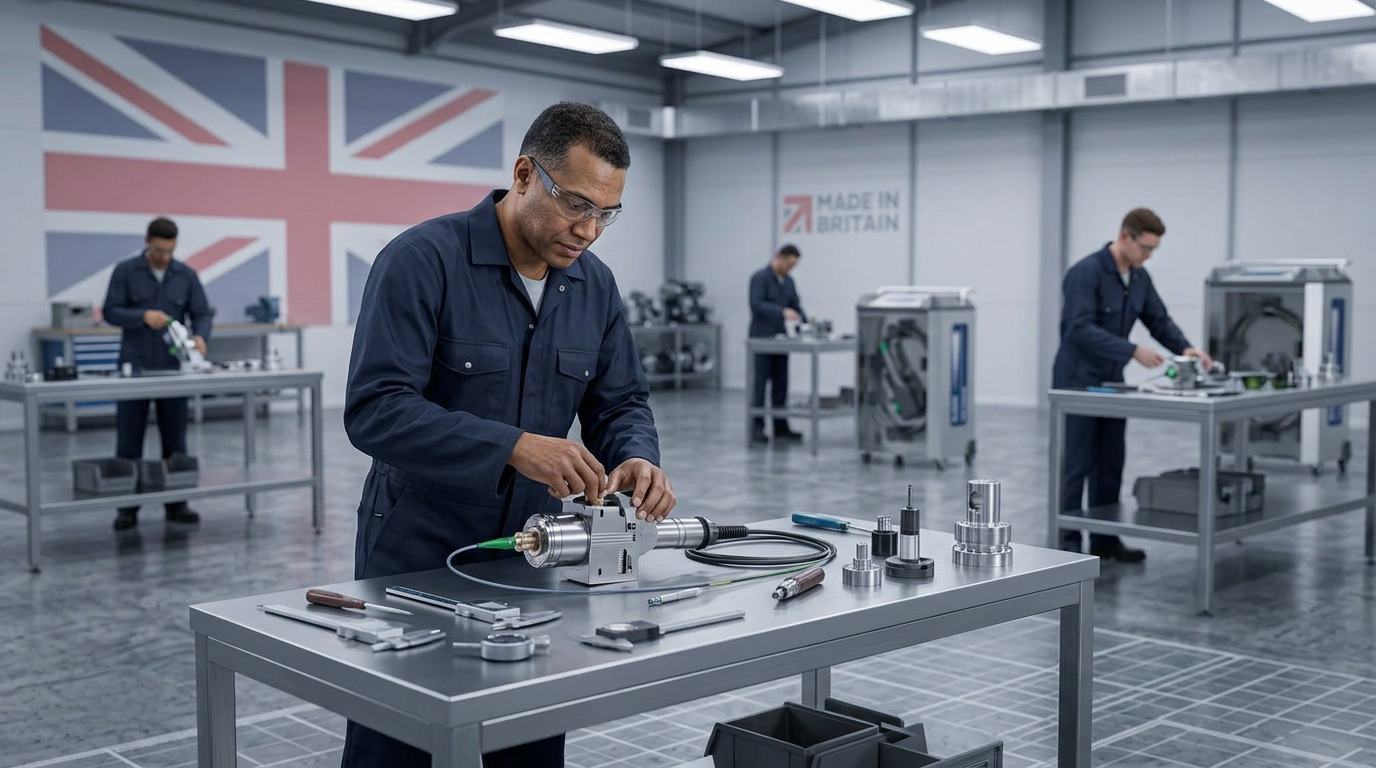
WSL (founded 2012) designs, builds, services, and improves every machine in-house, in Britain.
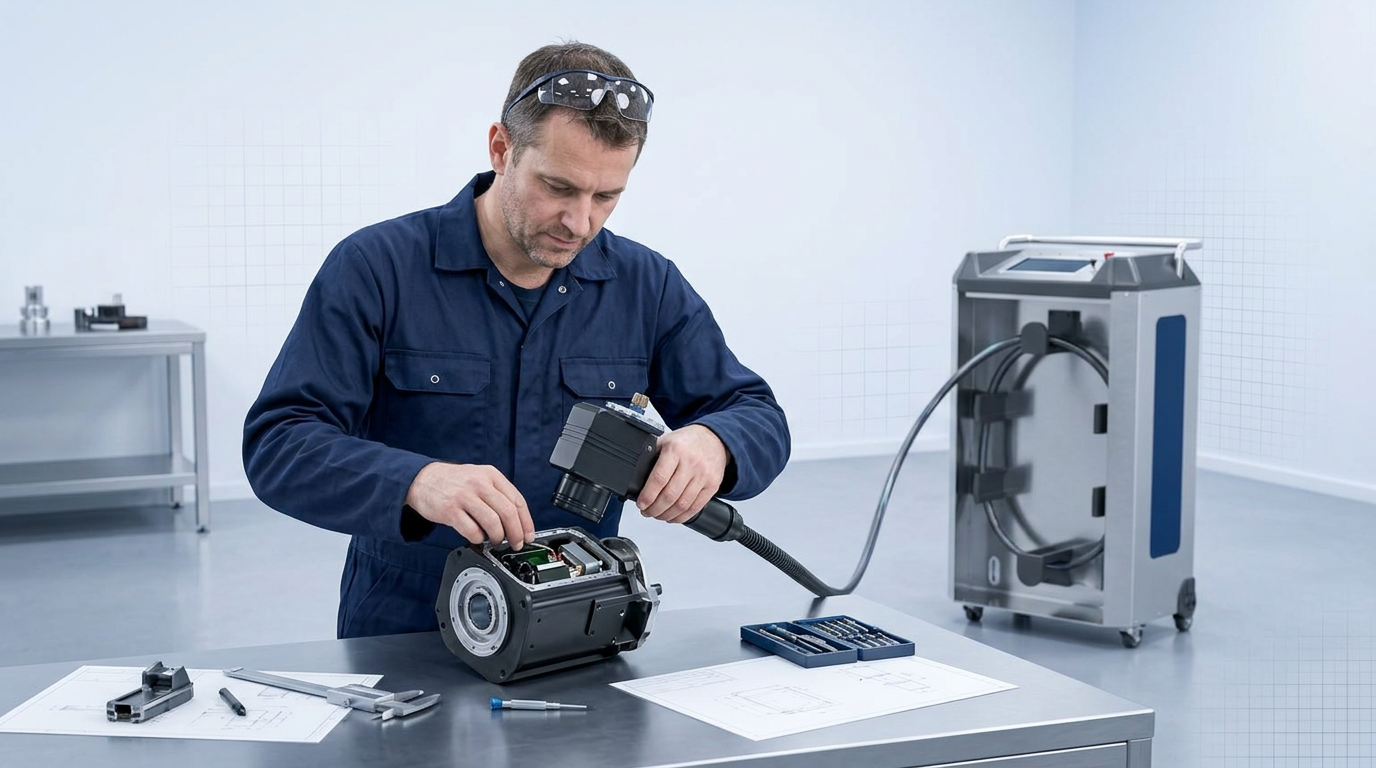
Support from the Engineers Who Built It
Problems get solved by the team that designed the system — faster resolution, less downtime.
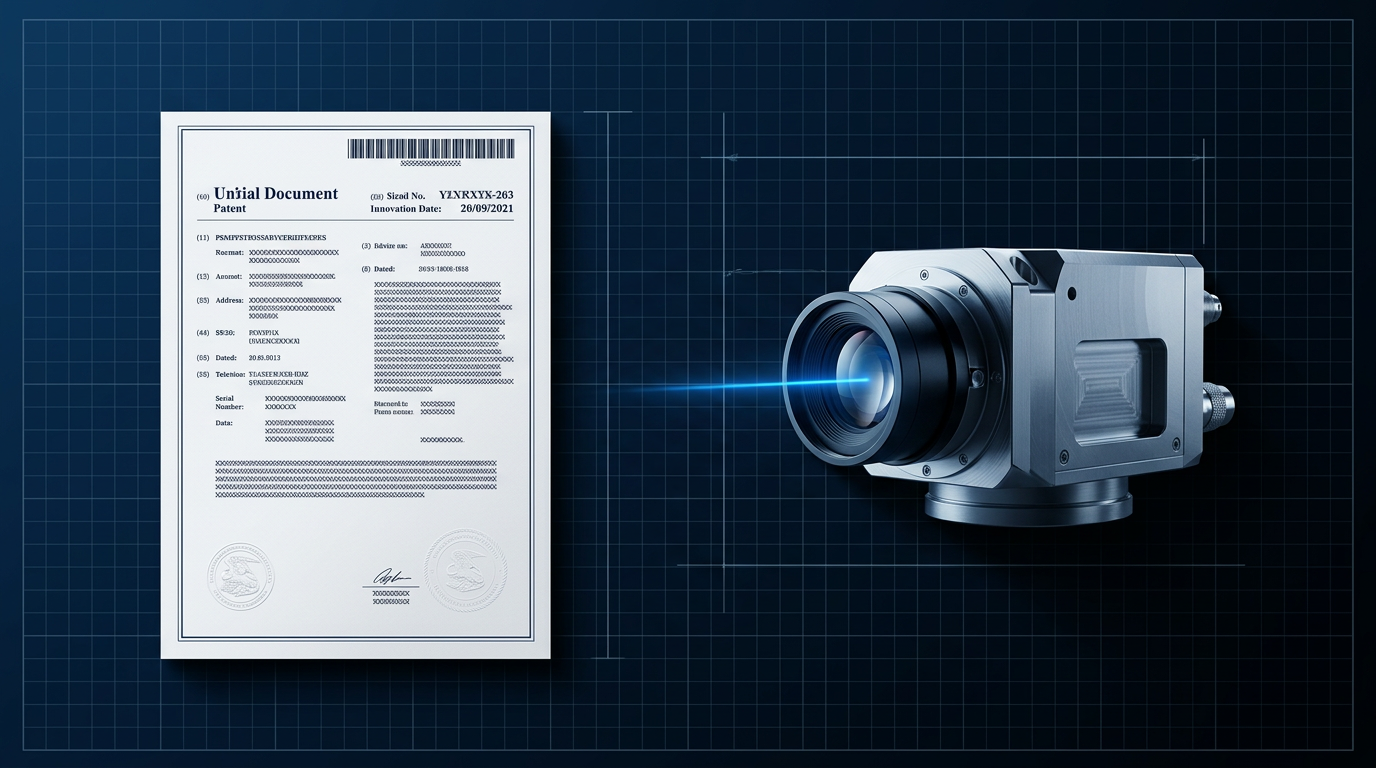
Patented World-First Technology: The RHZ System
WSL invented, patented, and built the RHZ eye-safe system — a reseller cannot do that.
No Reseller Margin Built into the Price
Buying direct from the manufacturer means competitive pricing through efficiency, not intermediary markups.
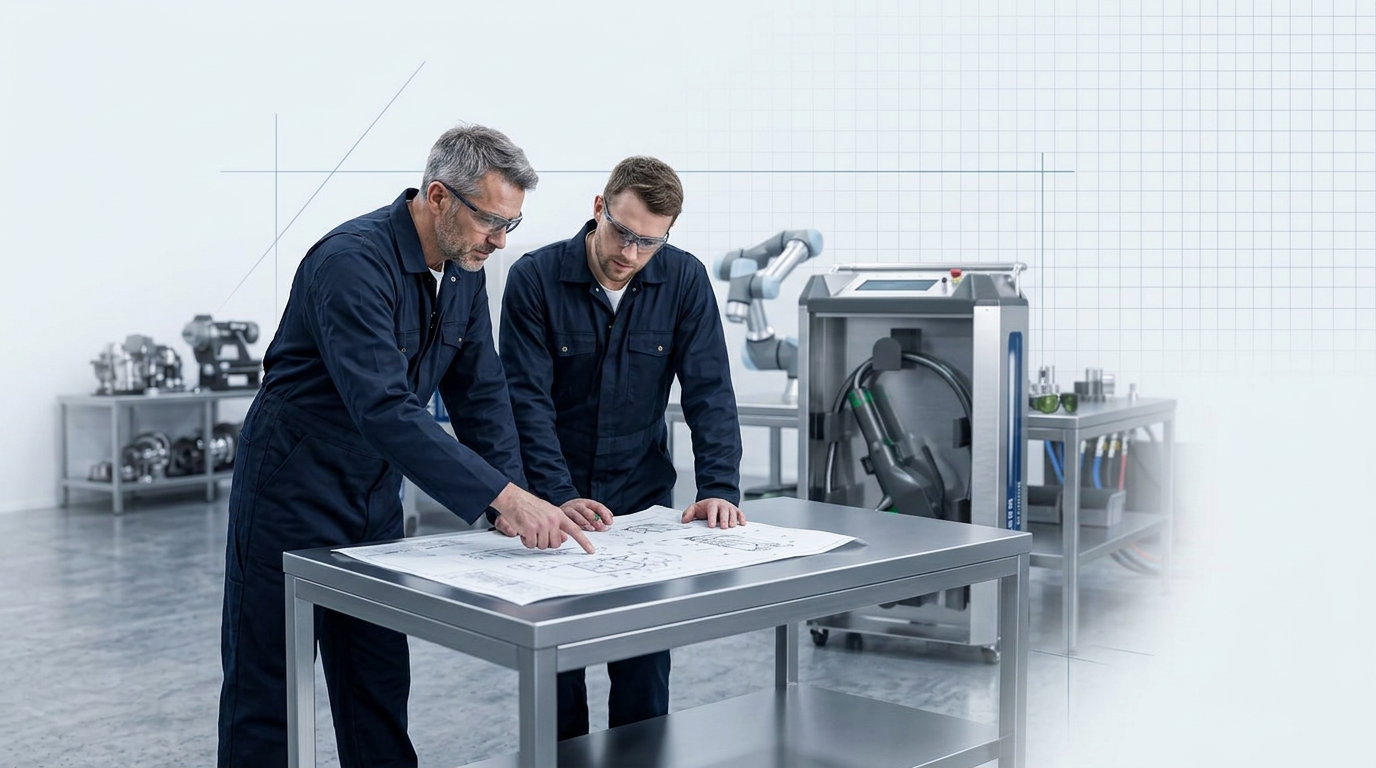
200+ Years of Combined Engineering Experience
WSL's engineering team brings over 200 years of combined experience to every machine built.
The Hidden Cost of Conventional Laser Cleaning Safety
Both ELASER-RHZ and AutoLASE carry CE and UKCA certification, meeting UK and EU conformity requirements and reducing procurement friction for regulated buyers.
What most buyers miss: conventional Class IV systems require controlled areas, personnel evacuation, and warning signage before each use — as HSE guidance and IEC 60825-1 make clear. That overhead is real operational cost, accumulating every shift.
WSL's patented Reduced Hazard Zone technology collapses the hazard zone to a fraction of conventional size, enabling continuous cleaning in open workshops without shutdowns. No exclusion zone management, no interrupted production — a direct operational saving built into the system.
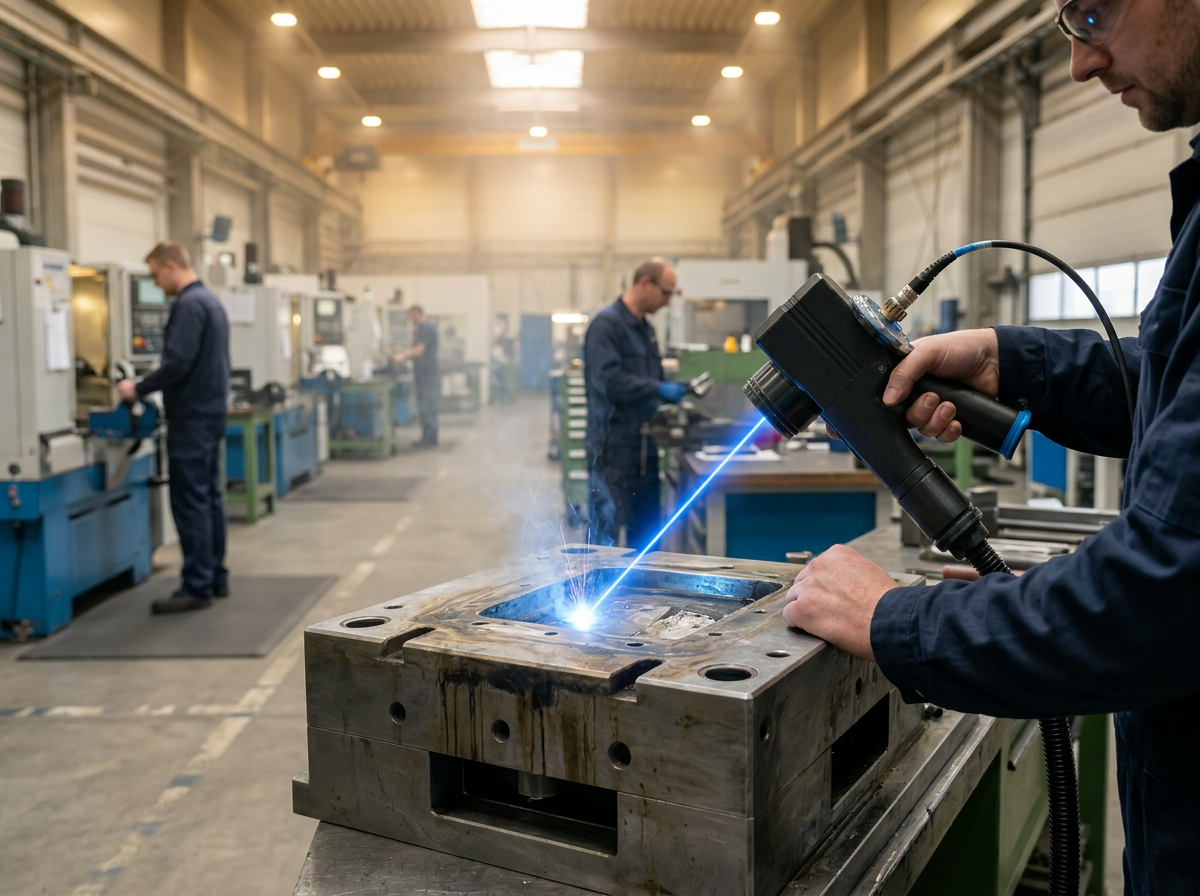
Laser Cleaning
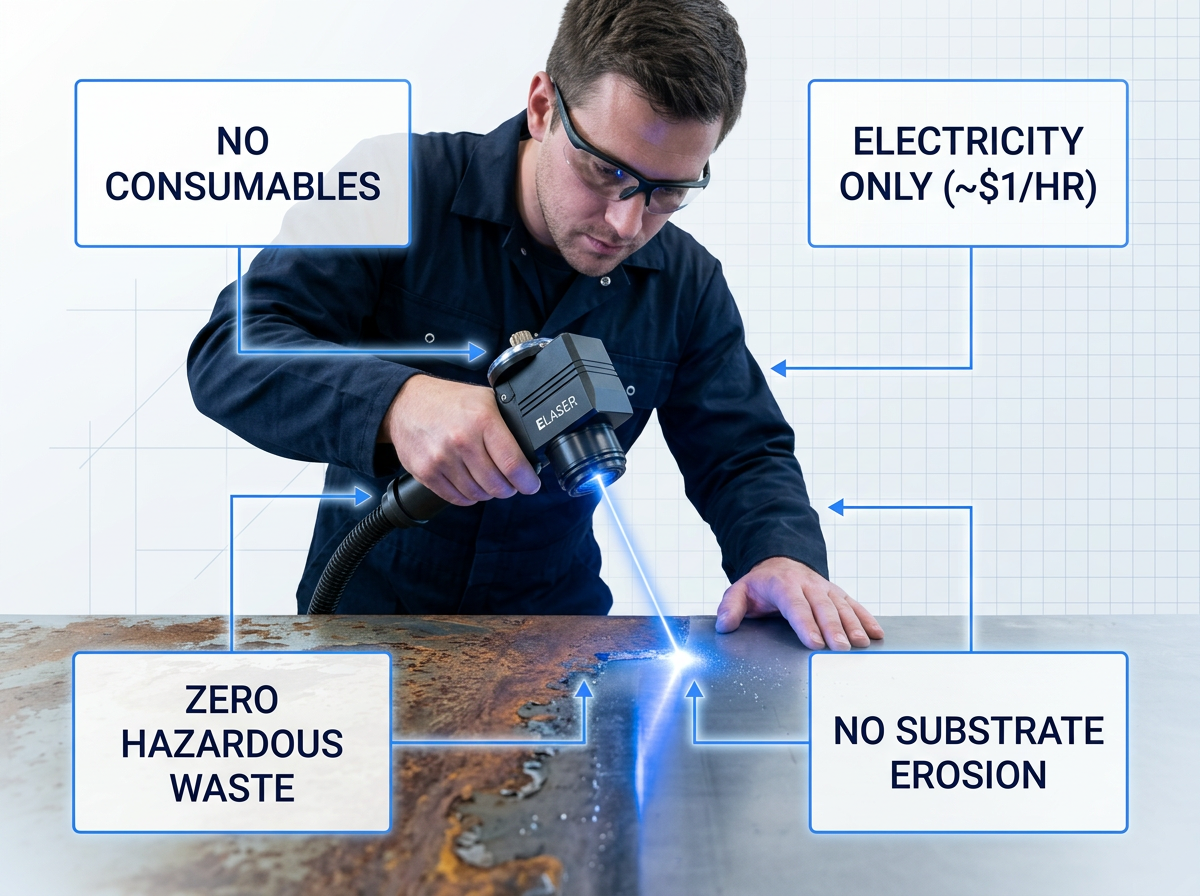
Running costs are electricity and occasional protective lens replacements — nothing else. No abrasive media, no chemicals, no water. A 500W system operating 1,000 hours per year incurs roughly $200–300 in electricity and under $120 in lens replacements, compared to several thousand dollars in abrasive media for an equivalent sandblasting operation.
Waste output is minimal: fine particulate captured by extraction. No contaminated media, no hazardous liquid waste, no licensed disposal. The beam stops at the base material — no substrate erosion, no rework cost. Single-operator setup, no masking required.
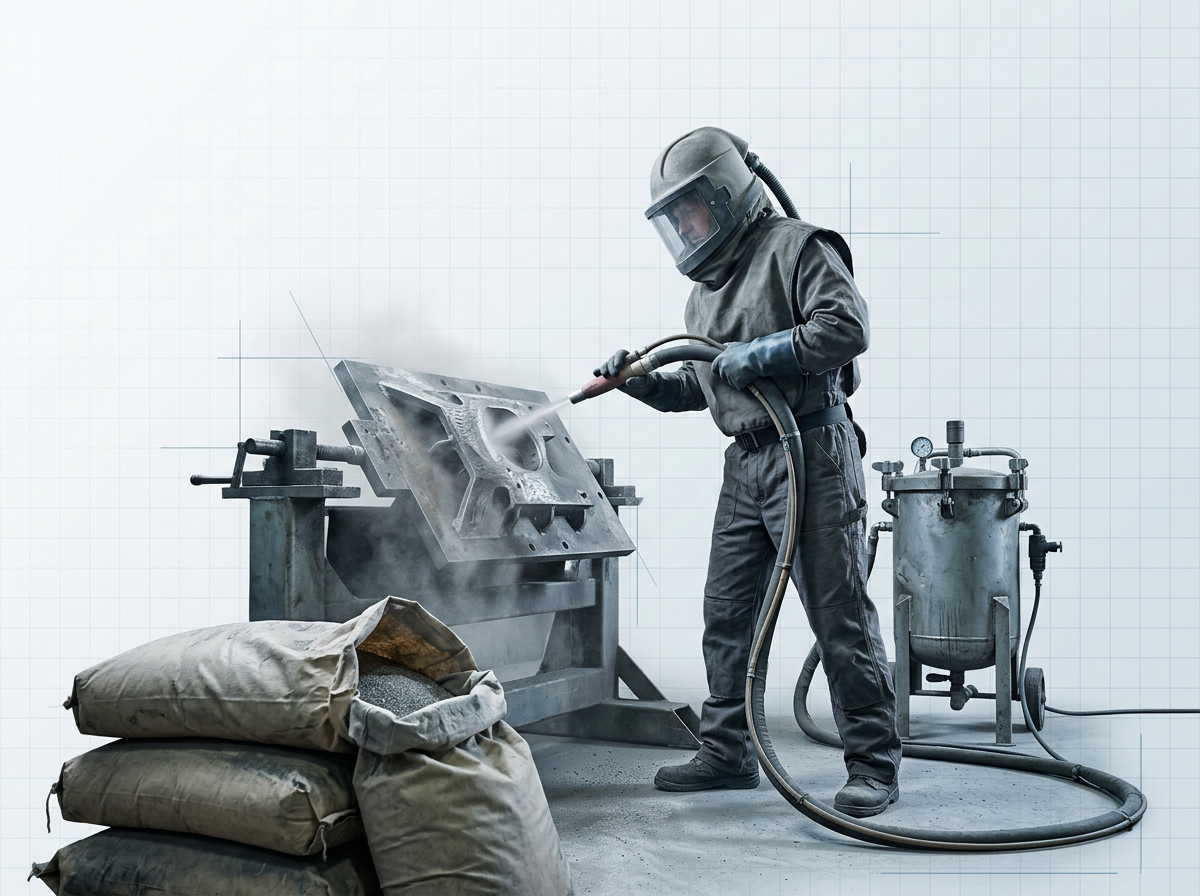
Sandblasting
Abrasive media is consumed on every job and must be continuously replenished. Once contaminated with rust, paint, or coating residue, used blast media becomes a regulated waste stream requiring licensed disposal. One published monthly comparison puts sandblasting OpEx at approximately $2,200 versus $170 for laser — driven by grit, compressor fuel, and hazardous waste fees.
Abrasives remove material from the substrate as well as the contaminant, creating surface erosion and dimensional change. Labour overhead is significant: masking, media loading, containment, and post-blast cleanup. Each job takes roughly four times longer than an equivalent laser operation when full labour burden is counted.
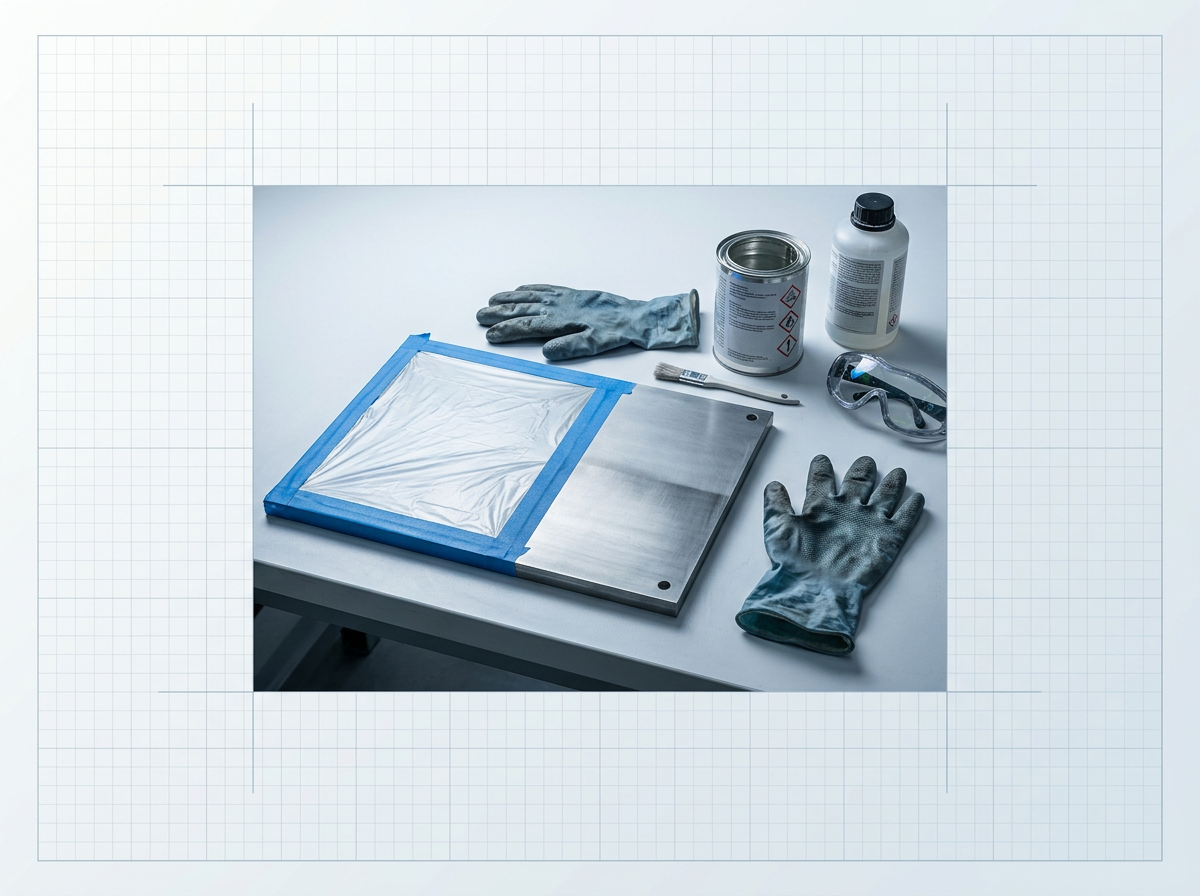
Chemical Stripping
Solvent procurement is a recurring cost, but hazardous liquid waste disposal is often the larger burden at scale. Spent chemicals mixed with stripped coatings require licensed collection, transport, and disposal. Published fully-burdened cost comparisons for chemical solvent stripping on aircraft components range from $10 to $22 per square foot, versus $2–3 for laser cleaning.
Compliance overhead includes COSHH assessments, chemical storage requirements, PPE, and disposal manifests. Masking adjacent surfaces adds labour before work begins. Risk of chemical attack on the substrate is present if dwell time is exceeded or chemistry is mismatched to the material.
Water-Jetting
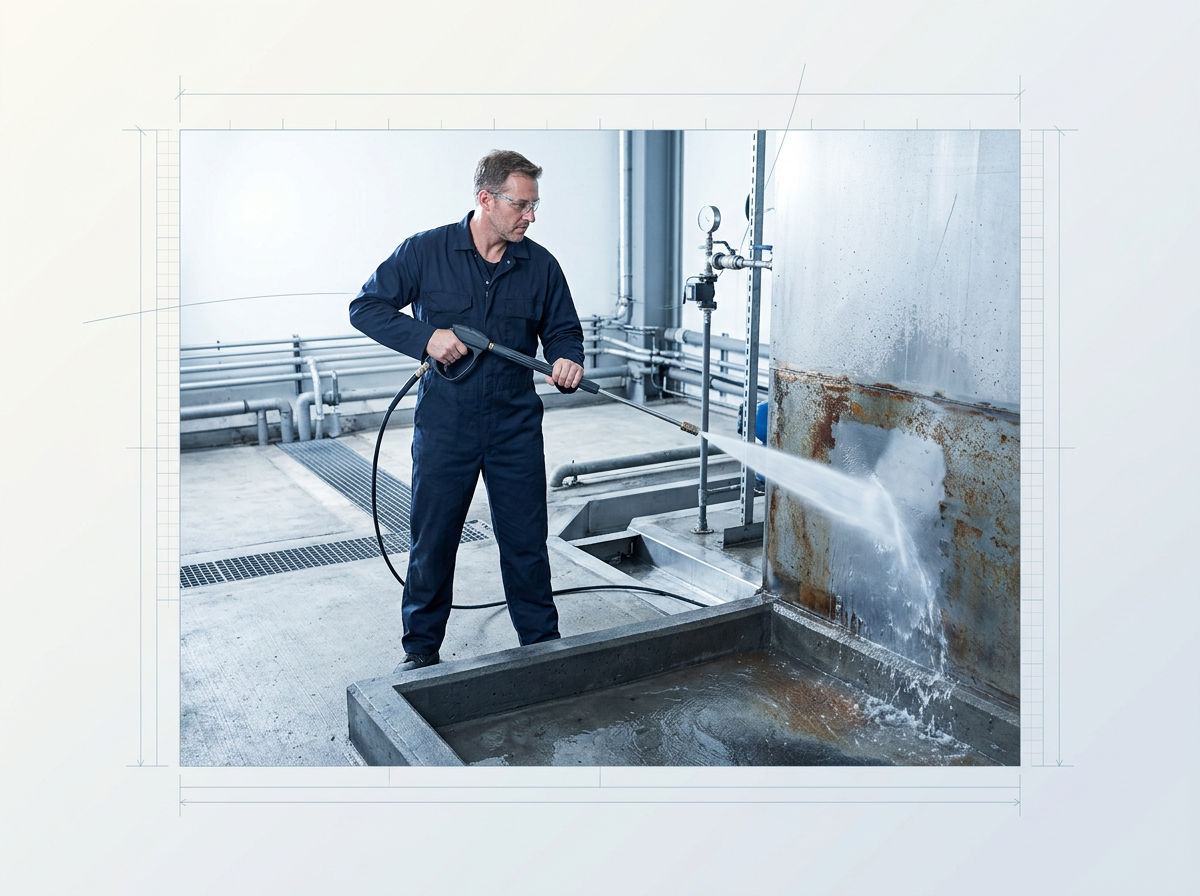
Water and additive costs are ongoing, but wastewater management is the more significant recurring burden. Contaminated water from industrial cleaning creates a regulated waste stream requiring treatment before discharge. Infrastructure requirements — water supply, drainage, containment — add capital cost and limit field portability.
Selectivity is limited: water pressure is difficult to modulate with laser-like precision, increasing substrate damage risk on sensitive surfaces. Post-process drying adds time and energy cost. Water-based cleaning also requires pump operation and water heating, adding to the utility cost per cycle.
Industries Where Laser Cleaning Investment Is Clearly Justified
From high-volume production to heritage restoration, these are the sectors where the operational case for laser cleaning is strongest — covering both portable and automated applications.
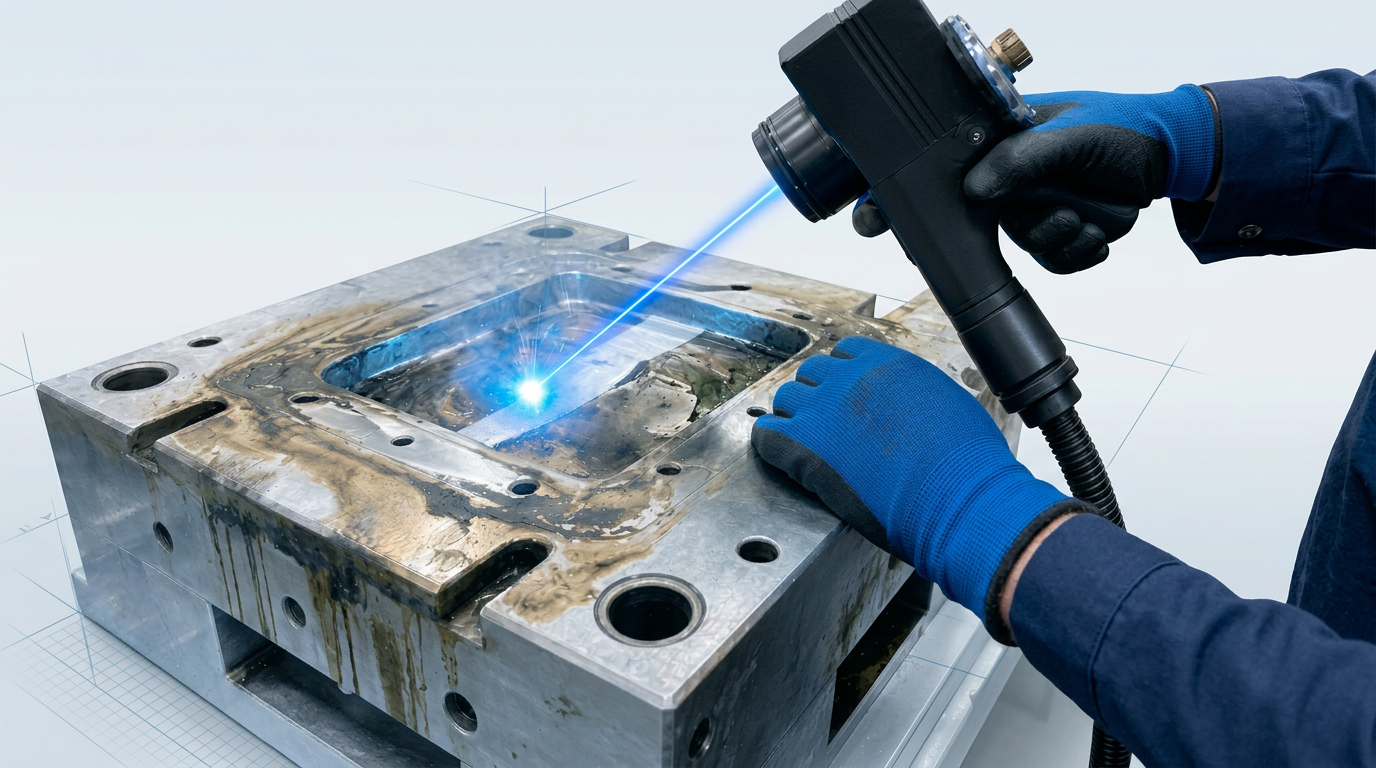
Automotive Manufacturing and Bodyshop
Pre-weld prep, rust removal, and EV battery cleaning demand consistency at scale. Surfaces stay dimensionally intact — no abrasive erosion on parts that must be clean and precise.
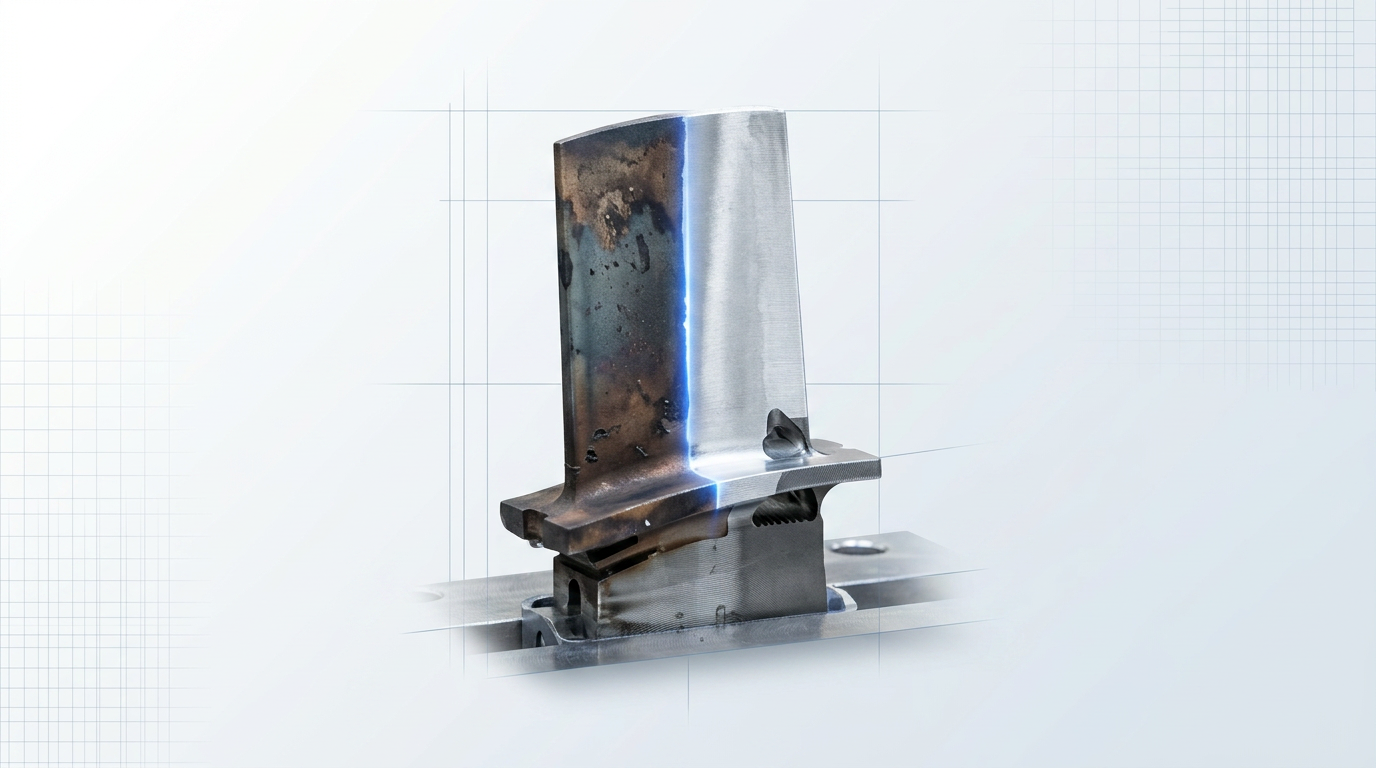
Aerospace Component Cleaning and Surface Prep
On tight-tolerance components, abrasive alternatives risk dimensional loss. Rework or scrap on high-value parts is the real cost of the wrong cleaning method.
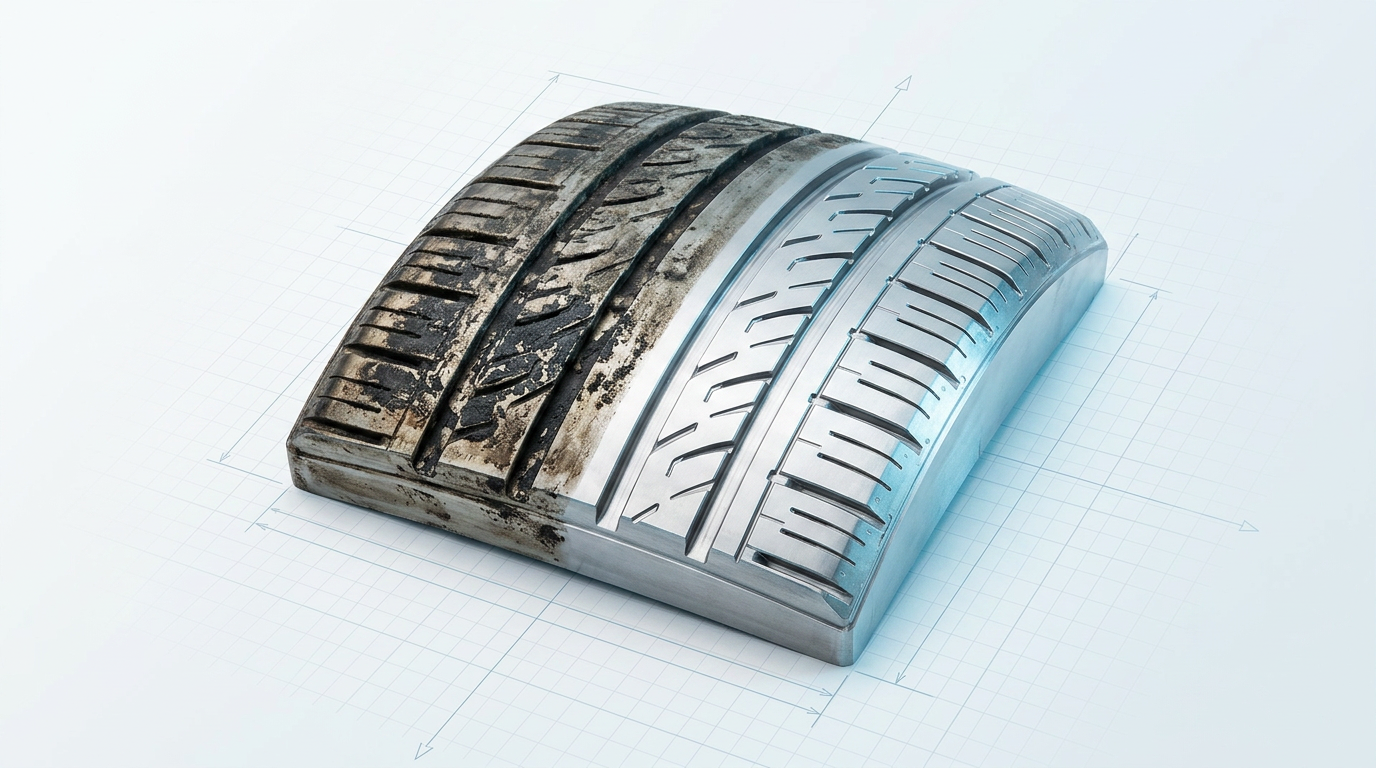
Tyre and Rubber Mould Cleaning
Vulcanisation residue builds in moulds, segments, and vents. Cleaning without abrasive contact preserves mould geometry — and mould longevity is a direct, measurable cost saving.
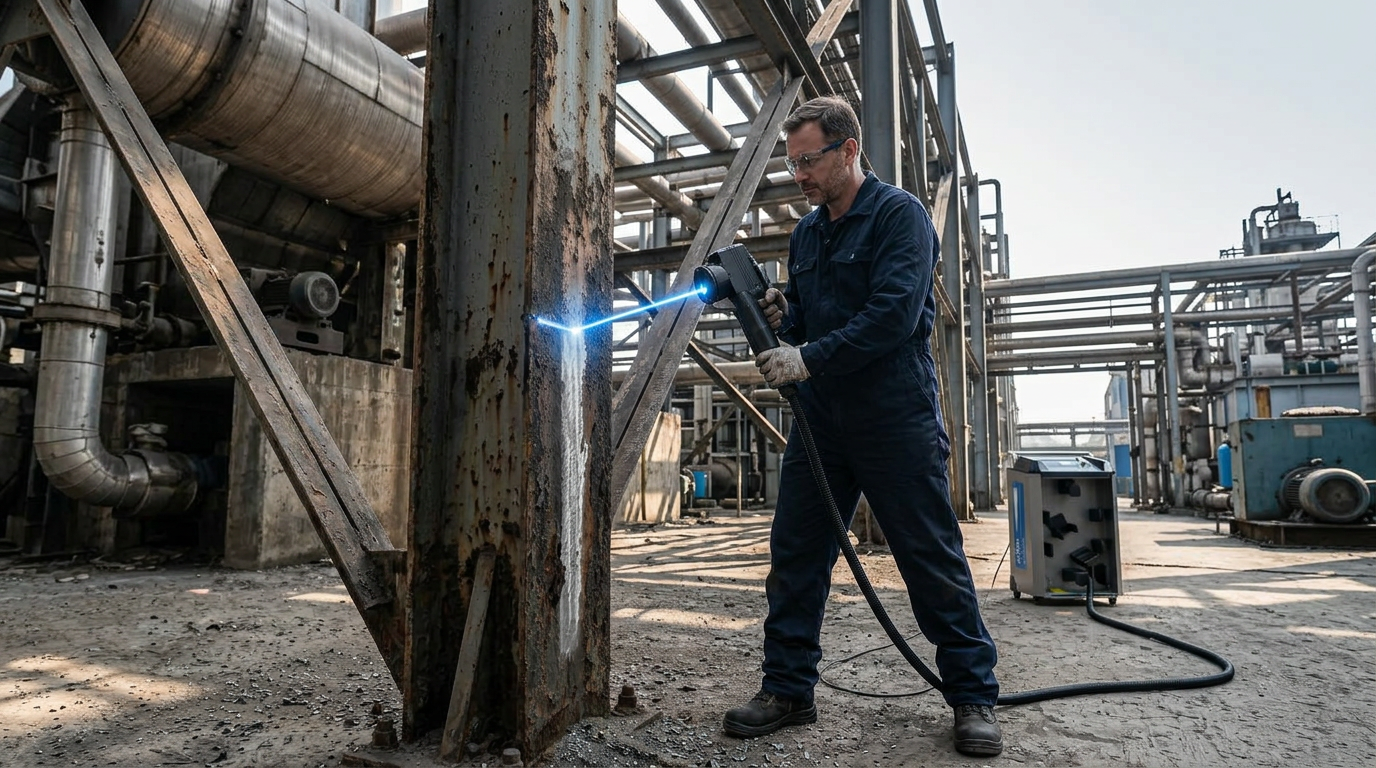
Industrial Maintenance and On-Site Cleaning
Plant and infrastructure cleaned in situ — no disassembly, nothing to mask, no media to clear. One operator, open-plan operation, no area shutdown required.
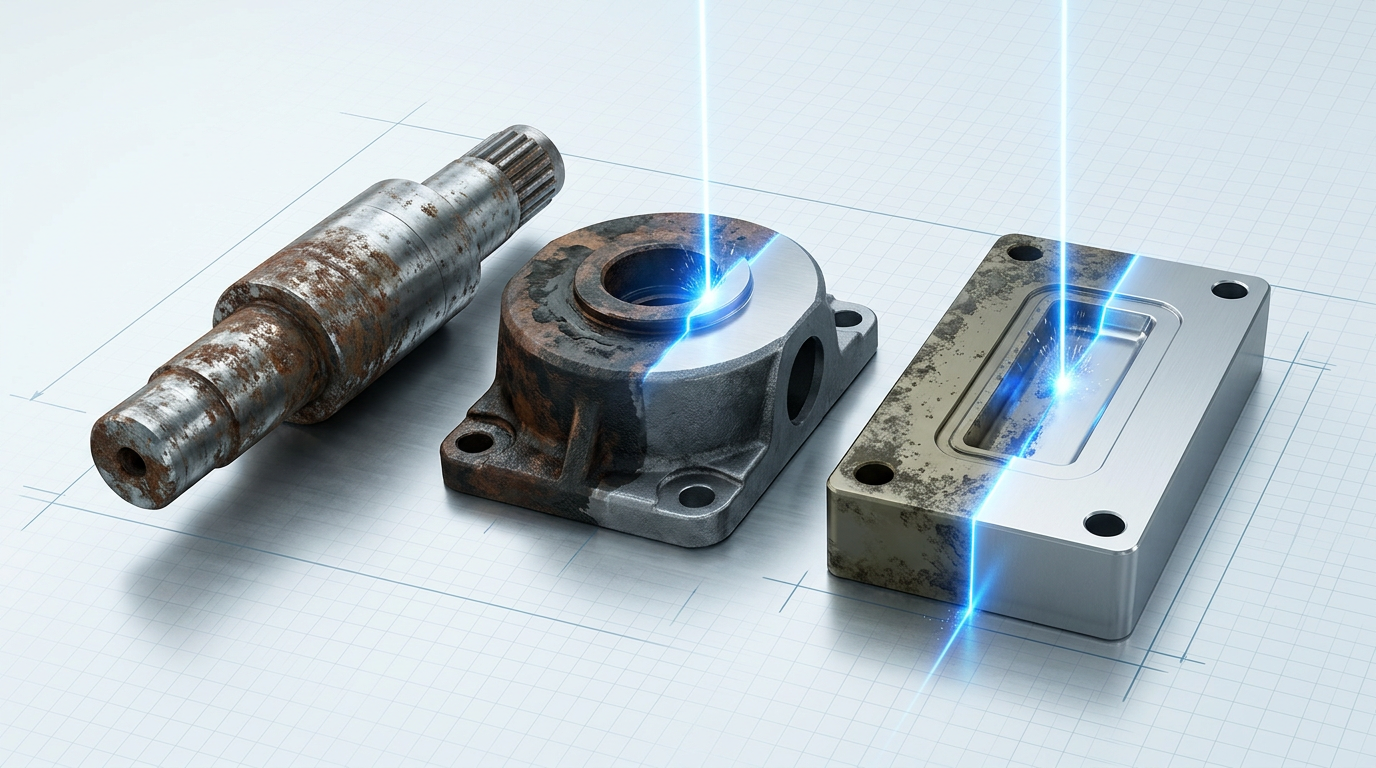
Remanufacturing and Component Refurbishment
Stripping corrosion and coatings from worn parts before rebuild only delivers value when results are consistent. Repeatable batch cleaning cuts inspection failures and rework.
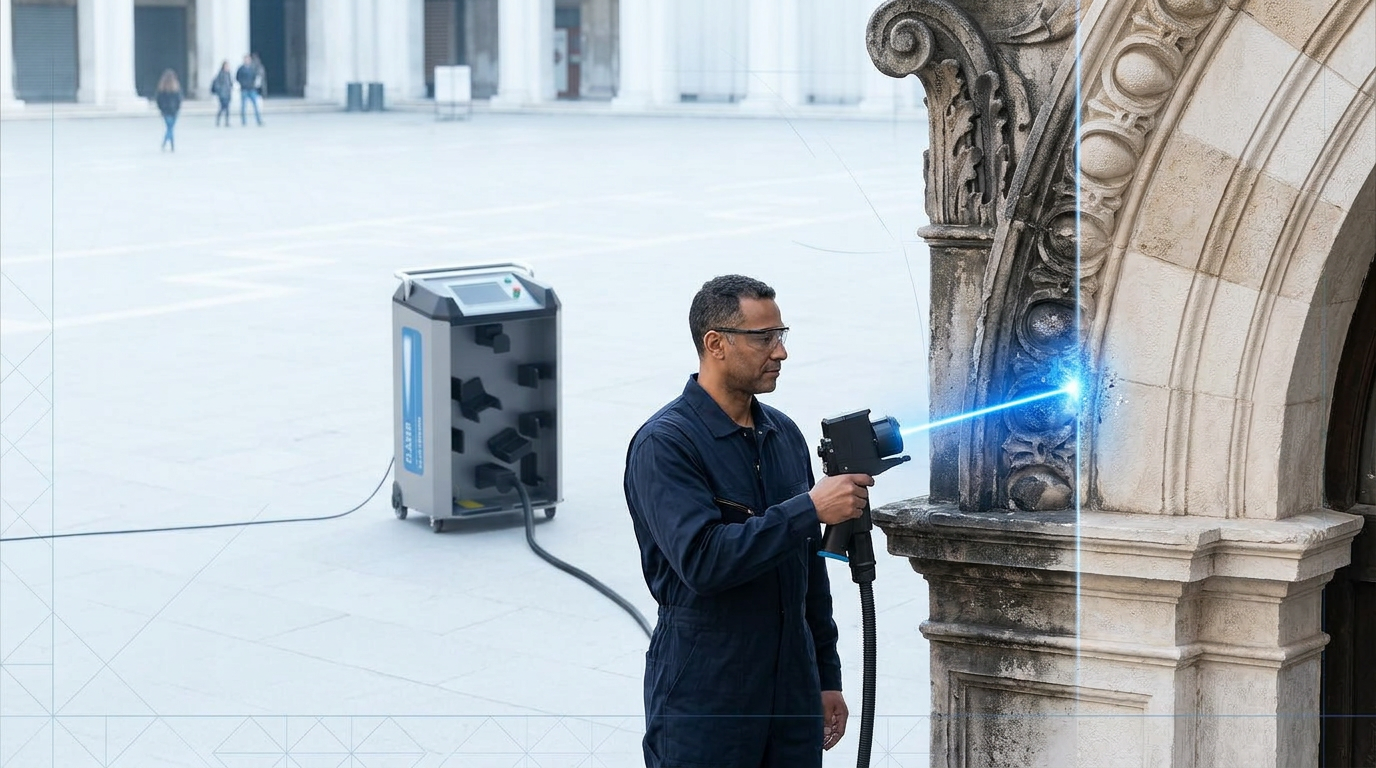
Heritage Restoration and Public Space Cleaning
Cleaning stone and masonry in open public settings is only viable with RHZ technology. Conventional laser cleaning cannot operate here — WSL's patented RHZ makes it possible.
Request a Quote for Your Laser Cleaning Machine
Every system is configured to your application, so a quote is the right way to get an accurate price. WSL's engineering team responds directly — genuine technical guidance, built in Britain.
Laser Cleaning Machine Cost: Frequently Asked Questions
The questions buyers most commonly ask about laser cleaning machine cost — covering pricing expectations, how to choose the right system, how the technology works, and how the investment stacks up against alternative cleaning methods.
The ELASER and ELASER-RHZ are portable, single-operator systems built for flexibility: one operator, a sub-3 kg handheld scanner, and up to 50 m of reach, deployable on-site across multiple clients and industries. The AutoLASE is an automated robotic-arm system designed for high-volume, repetitive production cleaning — load the part, and the system handles the rest, cycle after cycle, to a consistent standard. The core distinction is use-case fit: ELASER for field deployment and multi-application versatility; AutoLASE for production throughput and hands-off consistency. Both are CE and UKCA certified, made in Britain by Woodrow Scientific Limited — the only UK-based laser cleaning manufacturer. If you are unsure which system fits your application, WSL's engineering team can advise — get in touch for a conversation.
Yes — the ELASER/ELASER-RHZ is particularly well suited to a laser-cleaning service business model. Its portability means a single operator can travel to clients across industries: injection moulding, automotive, industrial maintenance, heritage restoration, and more. WSL provides full operator training, so you can be commercially operational from day one. The unit economics are compelling because once the machine is purchased, the running cost is essentially electricity. There are no abrasives to replenish, no chemicals to procure, and no waste disposal overhead. That absence of consumable costs is the key margin driver — it makes laser cleaning far more profitable per job than methods that burn through materials on every clean. The capital investment pays for itself through service revenue.
The Reduced Hazard Zone (RHZ) is a patented, world-first technology developed by Woodrow Scientific Limited. It collapses the laser hazard zone to a fraction of the size produced by conventional laser cleaning systems — enabling cleaning in open workshops, mixed-use facilities, and public-facing settings without sealing off the area or evacuating personnel. No other laser cleaning manufacturer offers this technology. On the cost question: yes, RHZ directly affects your operational cost. Every time a conventional laser cleaning system is used, there is a safety overhead: exclusion zone management, area shutdown, and downtime while personnel clear the space. That overhead is a real, recurring cost that buyers often overlook when comparing upfront prices. RHZ removes it entirely. WSL provides full operator training as part of the package, so you are set up to work safely and efficiently from the outset.
The market spans a wide range. Entry-level continuous-wave (CW) imported systems sit at the lower end, while industrial-grade pulsed fibre laser systems — the category that includes WSL's ELASER/ELASER-RHZ and AutoLASE — occupy the premium segment. Pulsed systems command a premium over CW because they deliver precision cleaning with minimal substrate damage, which is critical for industrial applications. Within the premium pulsed segment, WSL is the European cost leader — the most competitively priced comparable industrial systems available, achieved through in-house manufacturing efficiency rather than any compromise on quality. Independent market analyses (see arcuscnc.com) provide useful context on how pricing varies across system types and power ratings. Pricing for WSL systems is quote-based — get in touch for a figure tailored to your application.
Yes — laser cleaning is a proven industrial process used at scale globally. The laser beam heats and vaporises the contaminant (rust, paint, oxides, release agents, carbon, and more) while leaving the base material intact, because the substrate and the contaminant absorb laser energy differently. The result is selective, precise cleaning with minimal substrate loss. The technology is deployed across automotive, aerospace, injection moulding, tyre and rubber, and industrial maintenance sectors worldwide. WSL's systems — the ELASER/ELASER-RHZ and AutoLASE — are CE and UKCA certified industrial systems, designed, built, and supported in-house by the only UK-based laser cleaning manufacturer. These are not imported or rebadged machines; they are engineered and improved in Britain by a team with over 200 years of combined experience.
Because the comparison on upfront cost alone is incomplete. Sandblasting requires continuous abrasive media spend, contaminated media disposal, and significant post-clean labour — masking, clearing blast residue, and managing regulated waste. Chemical stripping adds solvent procurement, hazardous liquid waste disposal, environmental compliance, and masking overhead. Those costs accrue on every single job, throughout the machine's working life. Laser cleaning runs on electricity alone. No consumables, no chemicals, no waste disposal. Over an operating life of years, those running-cost savings compound considerably. There is a further saving that consumable methods cannot match: laser cleaning causes minimal substrate damage, because the beam stops at the base material. Less rework, longer part life, fewer rejections — each of which carries its own cost. The correct frame for evaluating capital equipment is total cost of ownership, not the upfront line alone.