

L-Band Amplification Configured to Your Application
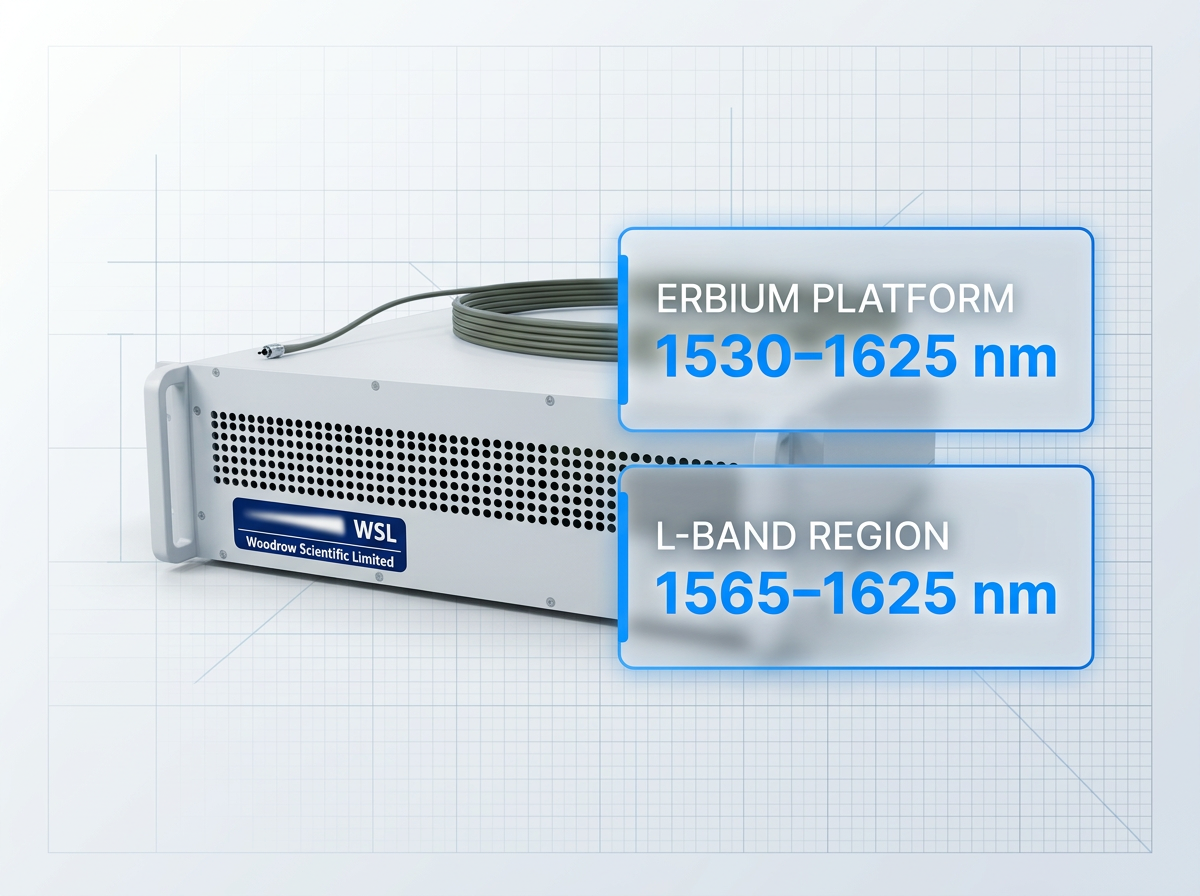
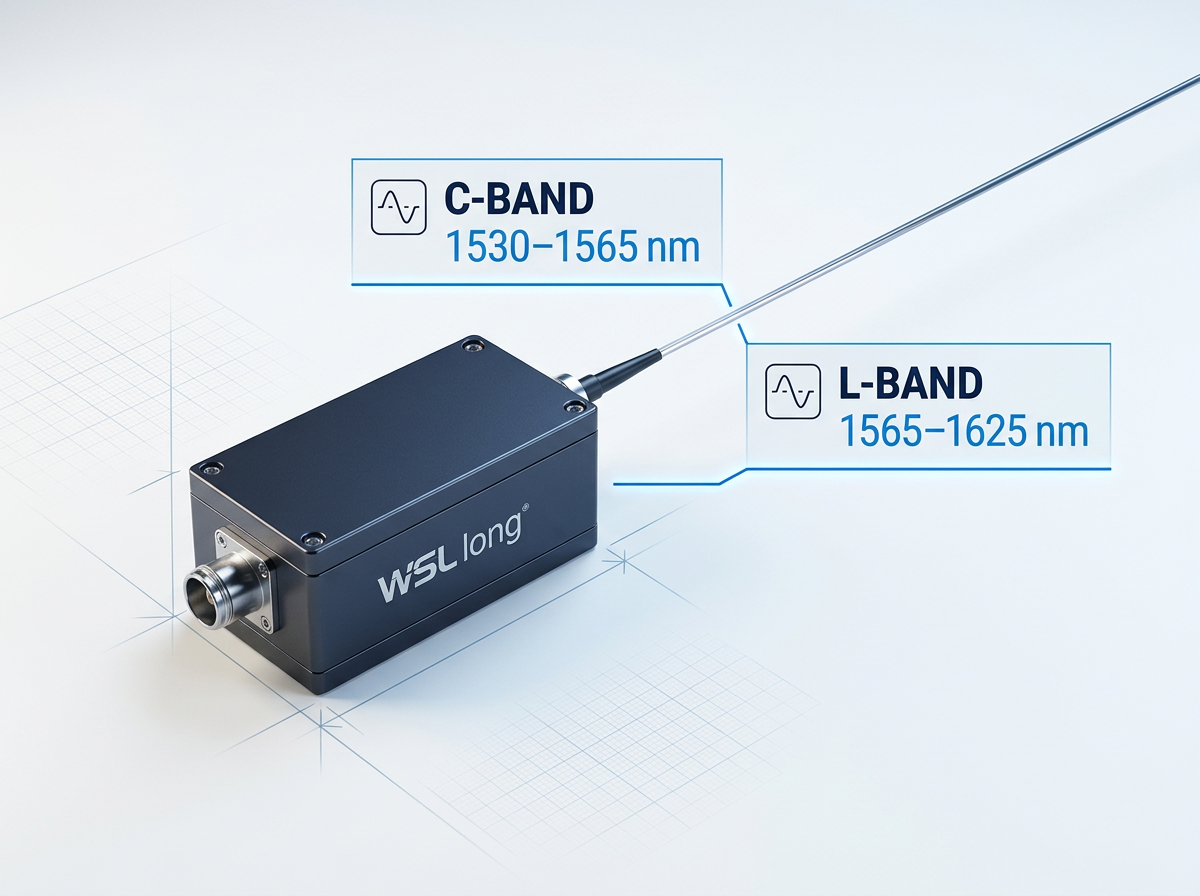
The erbium platform spans 1530–1625 nm: C-band from 1530–1565 nm, L-band from 1565–1625 nm. Every build uses a MOPA architecture on erbium-doped fibre — that is the fixed physical foundation. Everything above it is configured to the project.
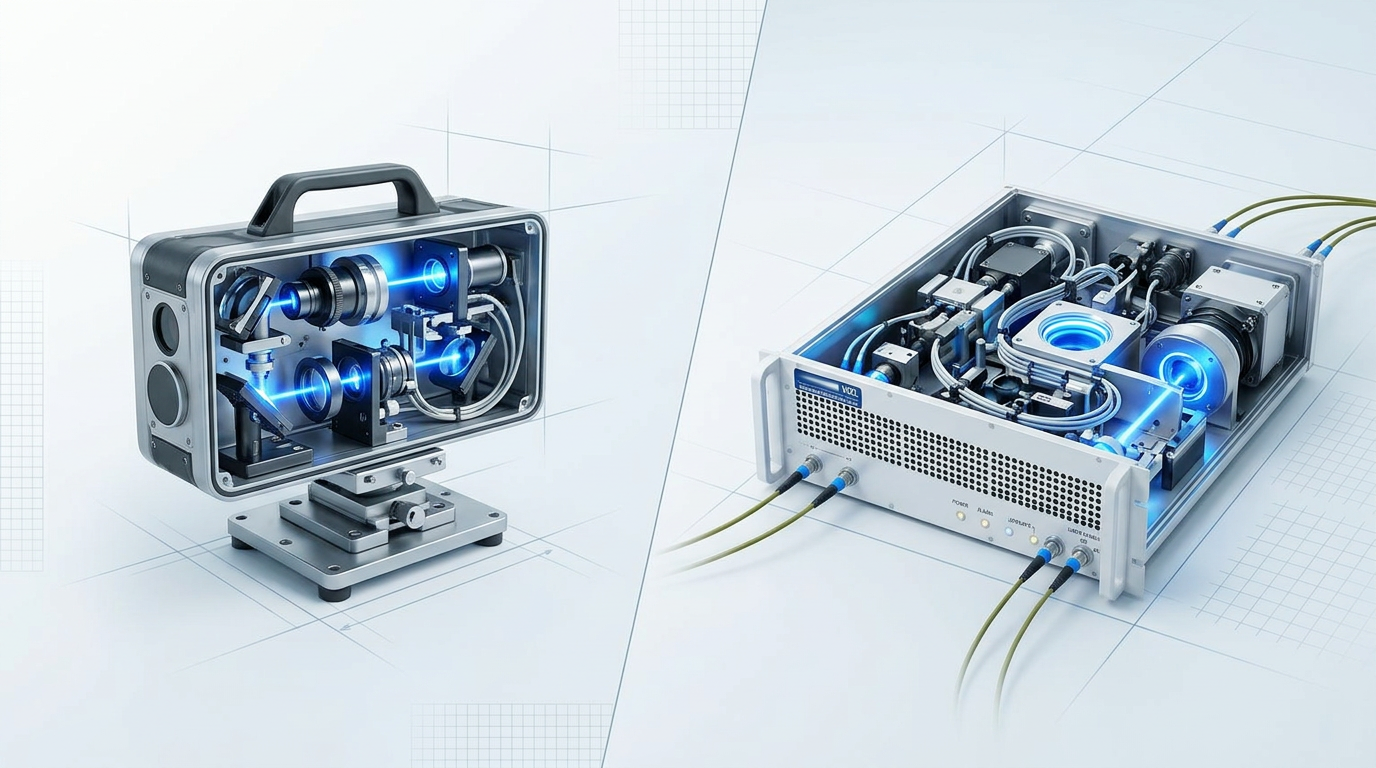
A catalogue amplifier fixes its parameters and the system architecture must accommodate them. A purpose-built L-band EDFA inverts that relationship: the amplifier is engineered around the system's actual requirements, with output continuously tunable from 0 to 100% of rated power as standard.
C-Band, L-Band, or Dual C+L
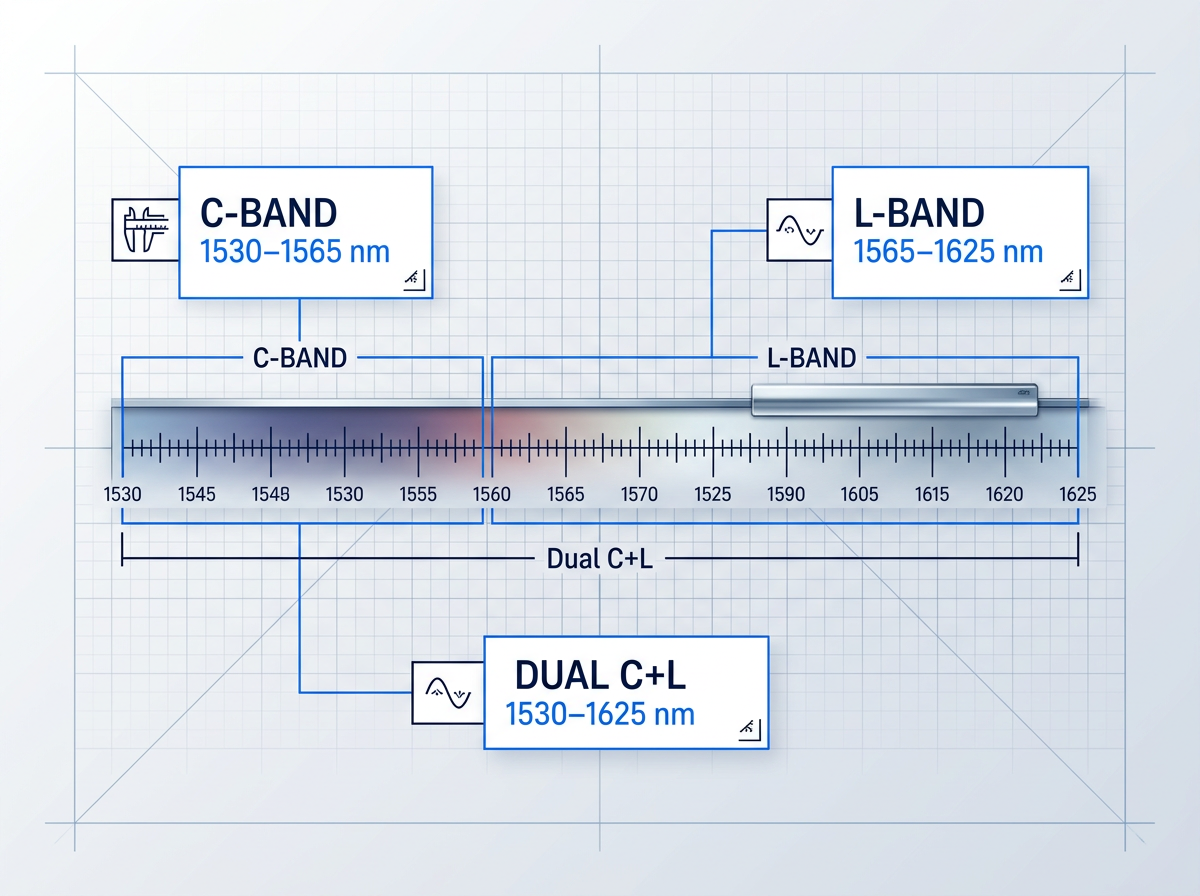
The erbium platform spans 1530–1625 nm. Your build is configured to C-band (1530–1565 nm), L-band (1565–1625 nm), or dual C+L — the band is a specification decision, not a fixed product boundary.
5 W to 200 W+
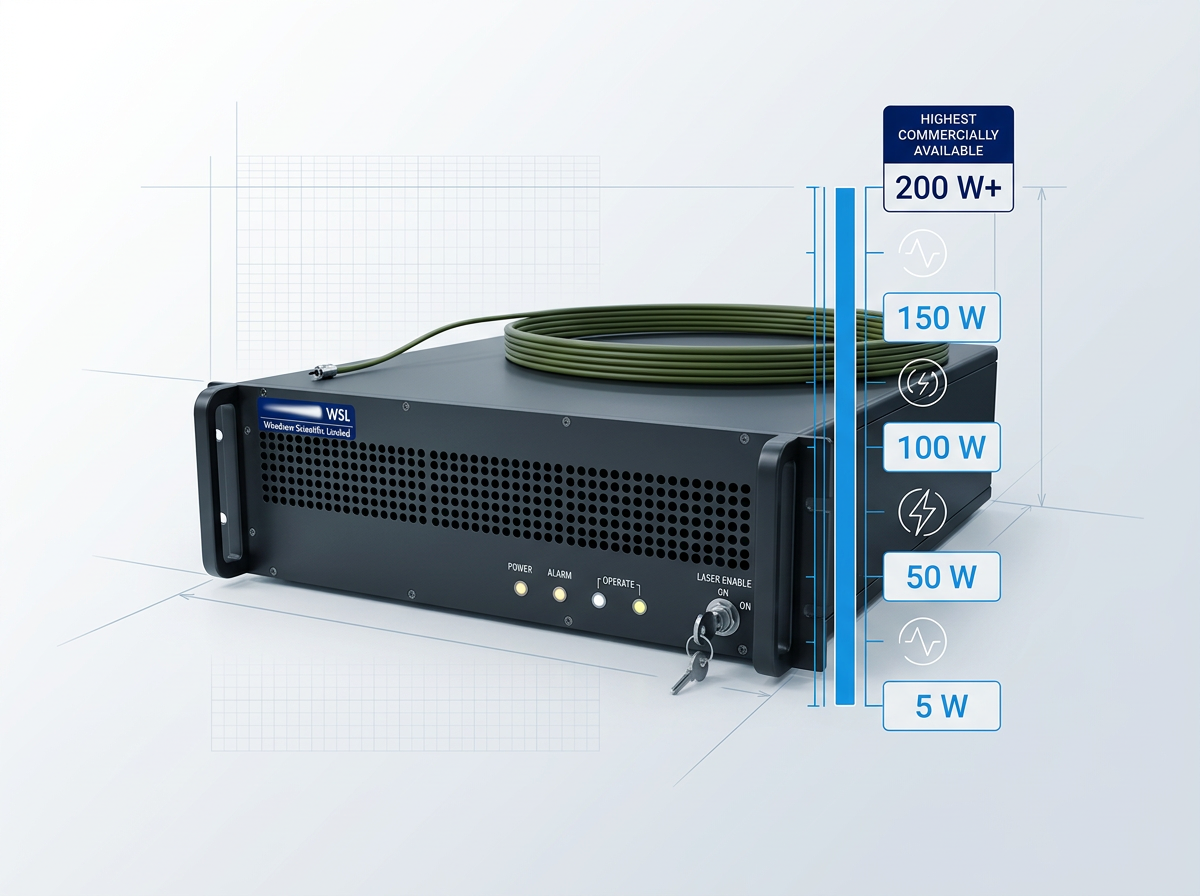
Builds are specified per project, from low-power units (e.g. 5 W) up to 200 W or more average power — the highest commercially available in this class. Output is tunable from 0 to 100% of rated power as standard.
CW, Short-Pulse, or Custom
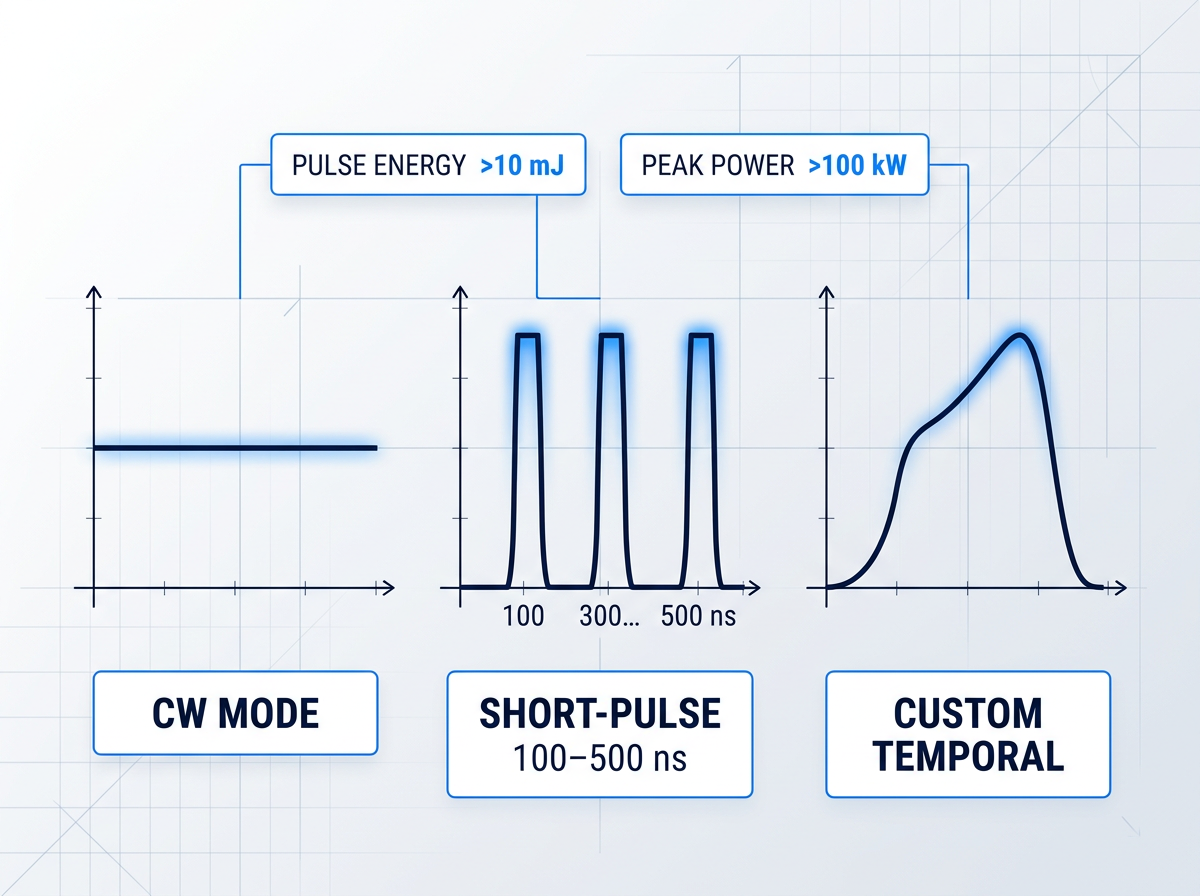
CW, short-pulse (e.g. 100–500 ns), or fully custom temporal modes are available. Pulse energy above 10 mJ and peak power above 100 kW are achievable — both specified to the project requirement.
Air-Cooled Standard, Water Optional
Air-cooled as standard — no chiller or coolant loop required, which simplifies integration into most system architectures. Water cooling is available as an option for applications where it is preferred or required.
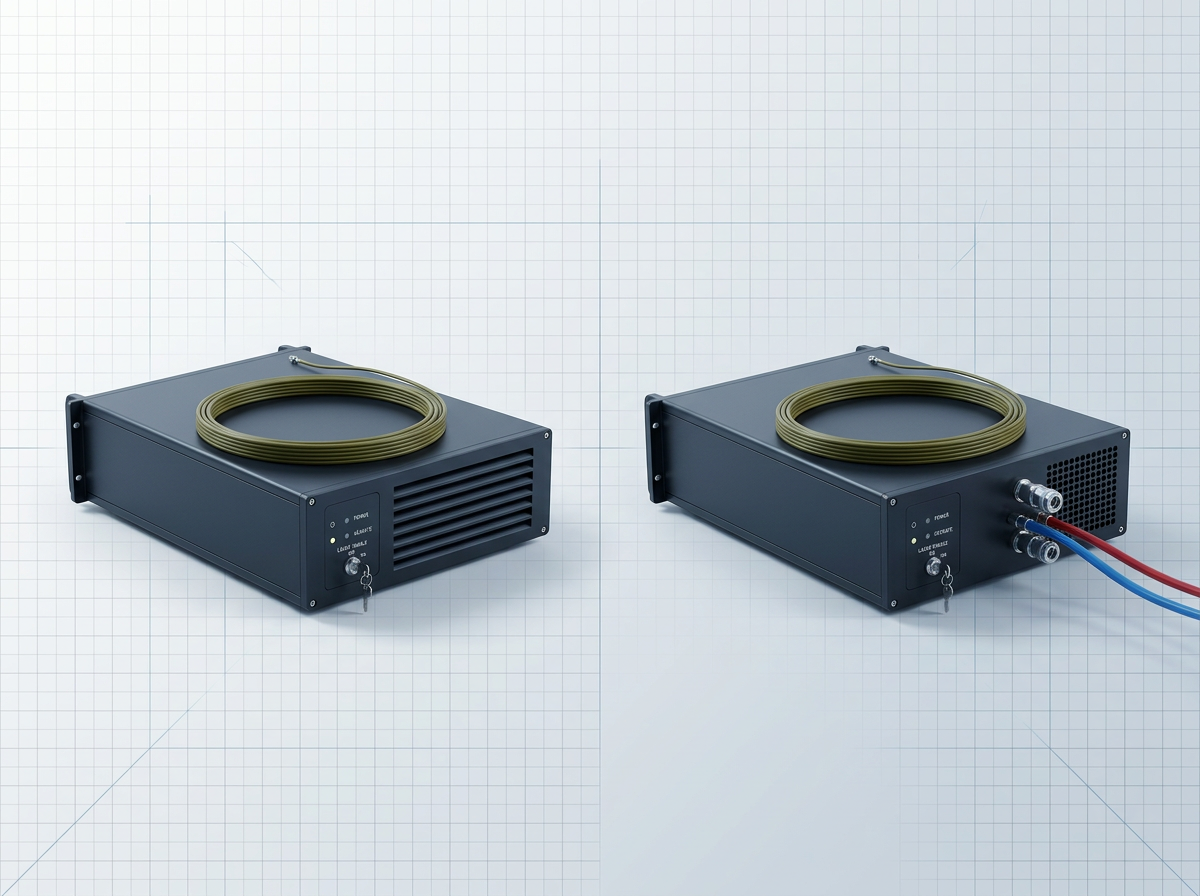
Length and Termination to Spec
Delivery cable length and termination are specified per project, matched to the system layout rather than fixed to a catalogue option. Specify what your integration requires.
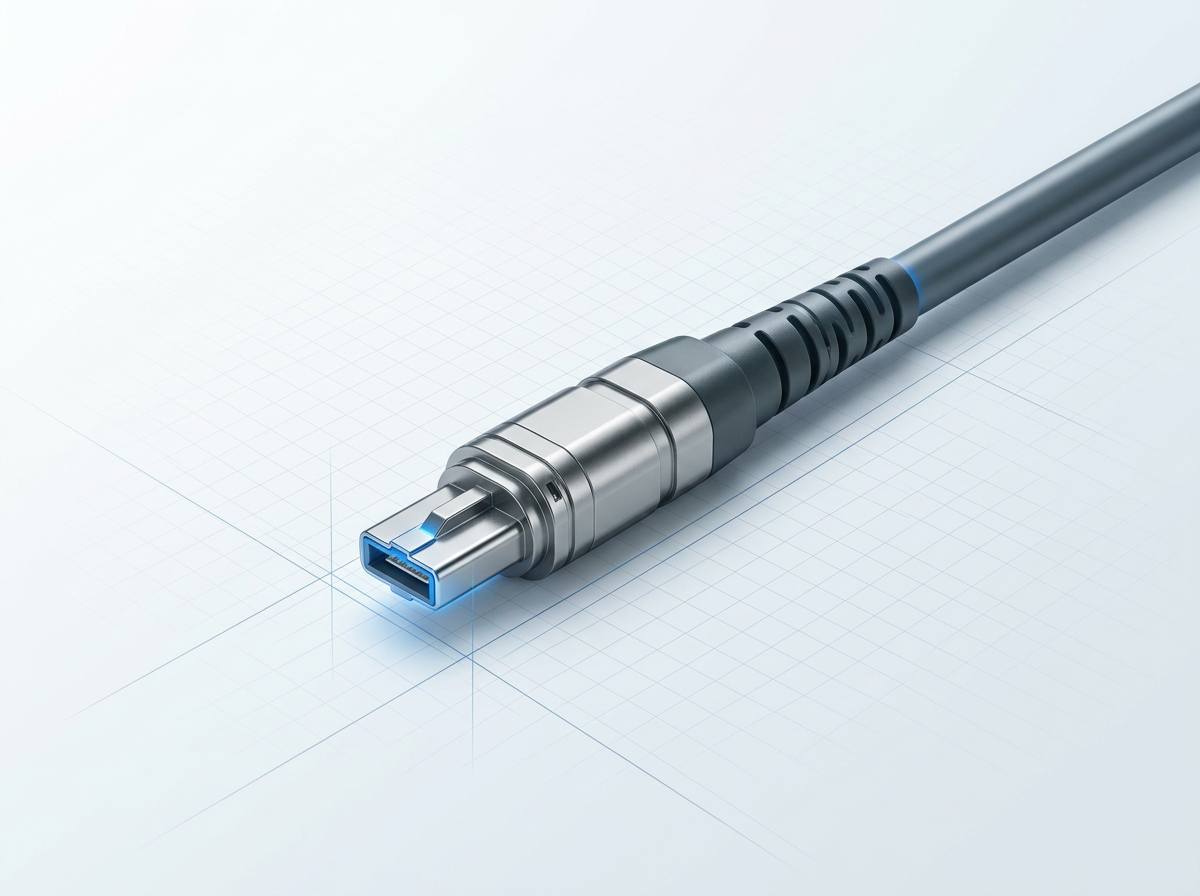
Power at the Highest Commercially Available Levels
WSL builds L-band EDFAs to 200 W or more average power, with pulse energies above 10 mJ and peak powers above 100 kW. Most catalogue L-band EDFAs reach well below 50 W.
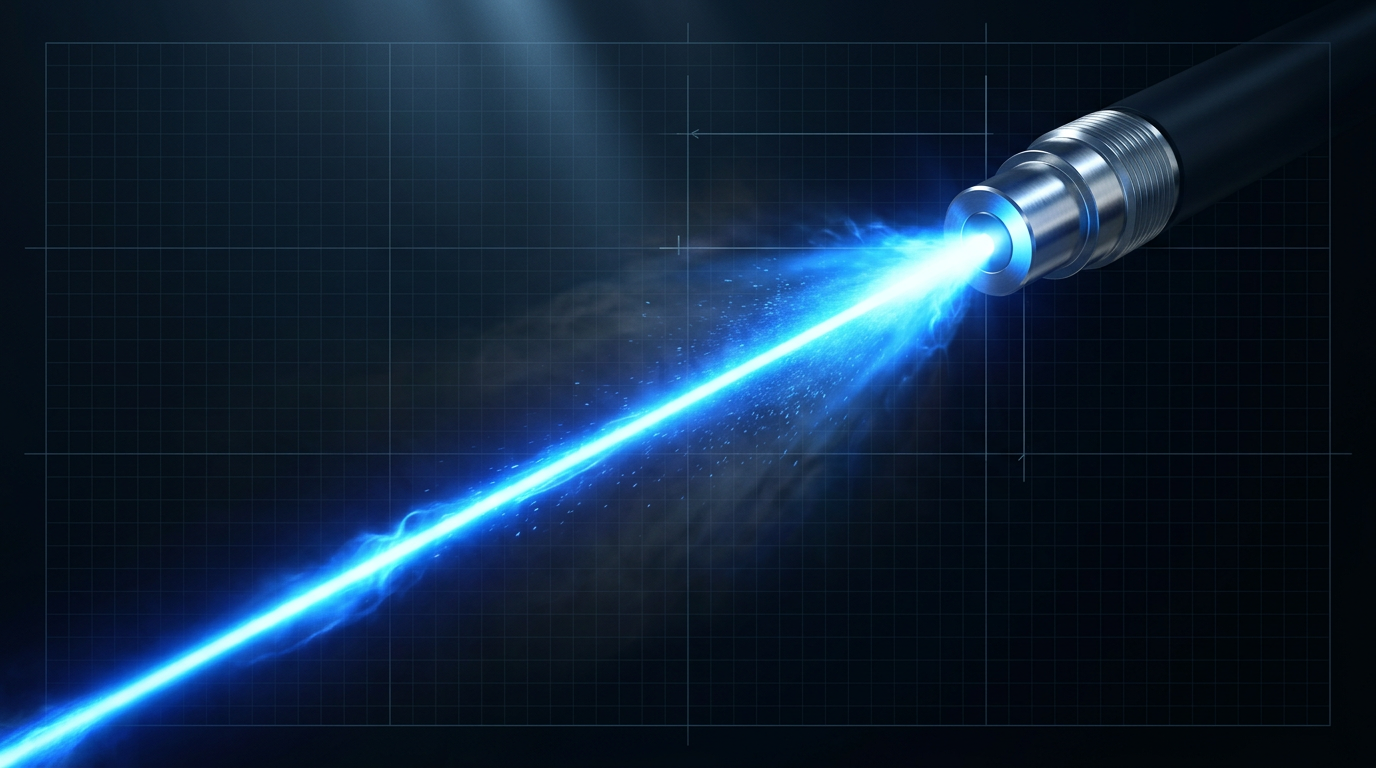
200 W or More Average Power, Built to Order
WSL builds L-band EDFAs from low-power units up to 200 W or more average power — the highest commercially available in this class.

Pulse Energy Configurable to Above 10 mJ
Pulse energy is specified per project, with builds configurable to above 10 mJ — set to the requirement, not a fixed catalogue limit.

Peak Power Configurable to Above 100 kW
Peak power is configured per project, with builds reaching above 100 kW — a configurable upper bound matched to each project's specification.
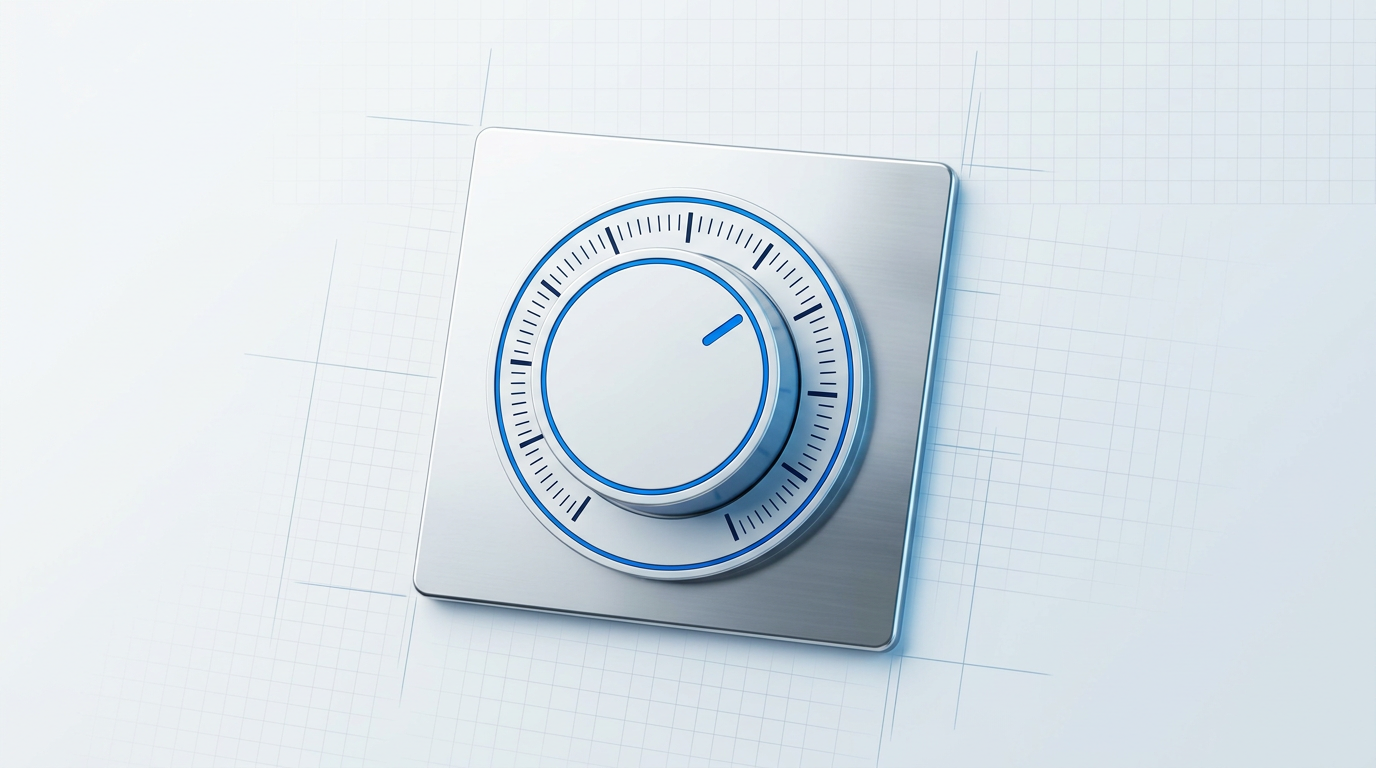
Full Output Control: 0 to 100% as Standard
Every build includes output control across the full 0 to 100% of rated power as standard — no add-on, no restriction.

Specify for Headroom, Not Just Today's Requirement
A platform capable of 200 W gives a 20 W project room to grow. Requirements scale; a ceiling-constrained amplifier does not.
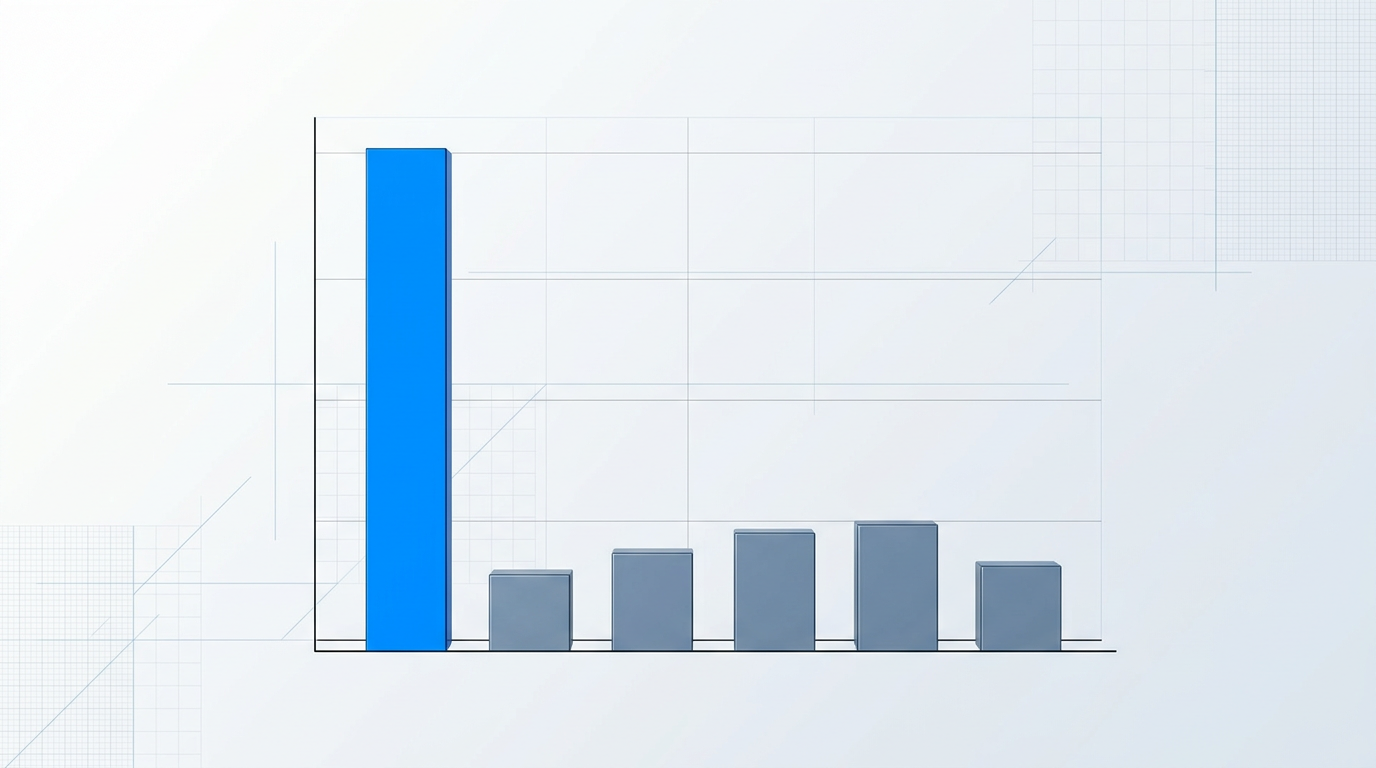
Most Catalogue L-Band EDFAs Top Out Below 50 W
The majority of catalogue L-band EDFAs reach well below 50 W average power. Builds above that level are rare in the market.
C-Band and L-Band from a Single Amplifier
The platform delivers both C-band (1530–1565 nm) and L-band (1565–1625 nm) through a single cable from one source. For engineers building multi-band systems, that removes the need for a second amplifier entirely — one fewer component to qualify, one fewer cable run, one fewer support relationship.
For DWDM deployments and multi-band sensing applications where both wavelength ranges are required from a single supply point, this platform covers both without additional hardware.
Eye-Safe 1550 nm Platform: Reduced-Hazard-Zone Operation
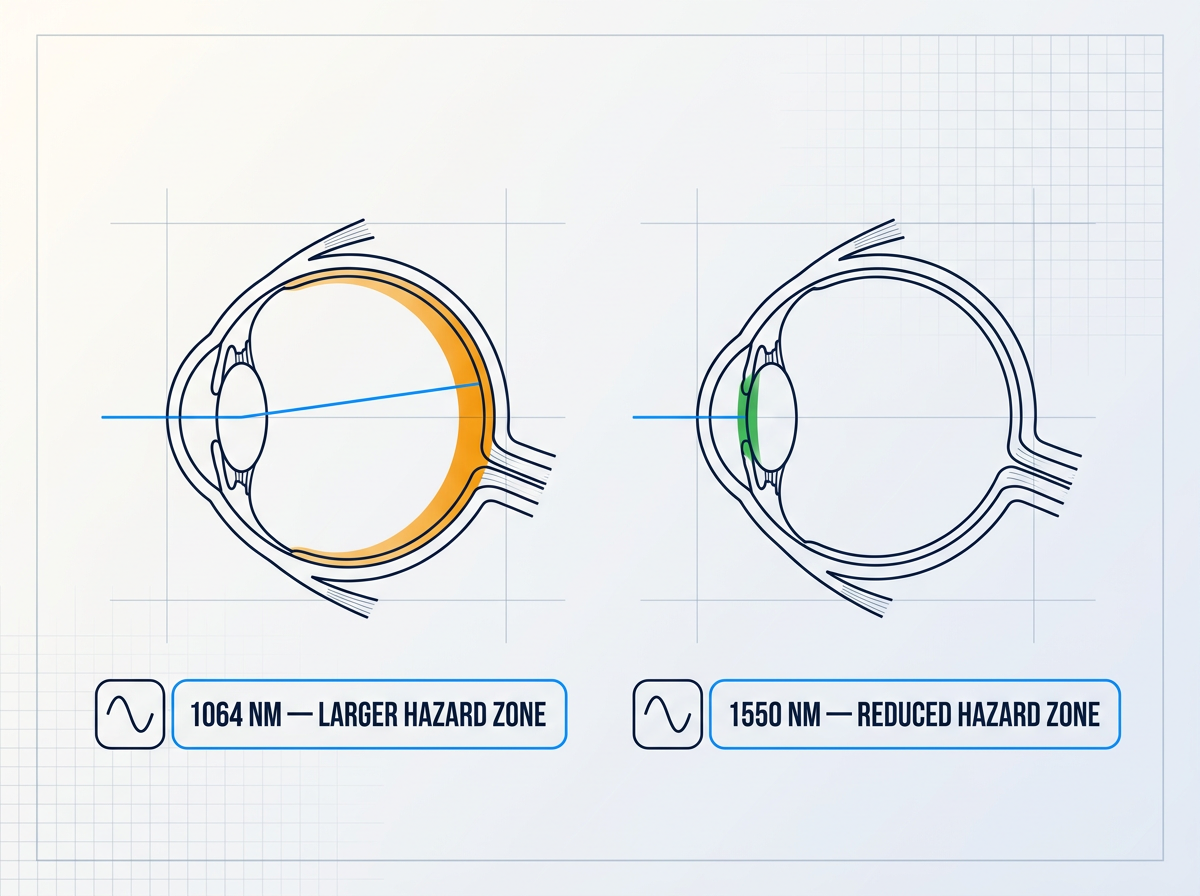
Above 1400 nm, the eye's internal media — lens, cornea, and vitreous fluid — become opaque through water absorption. Light at 1550 nm is absorbed before it reaches the retina, which is why laser safety standards permit substantially higher permissible exposure levels at this wavelength than at 1064 nm, translating directly into a smaller laser hazard zone.
For LiDAR, FSOC, and open-air sensing — where the beam operates at range in uncontrolled environments — this is a system-design advantage, not a footnote. Reduced-hazard-zone builds are available for projects where minimising the safety perimeter is a hard requirement.
Applications for the L-Band EDFA
Each build is configured per project to the application's specific power, pulse, and integration requirements. The domains below represent a cross-section of where the platform is deployed — not a closed list.
LiDAR
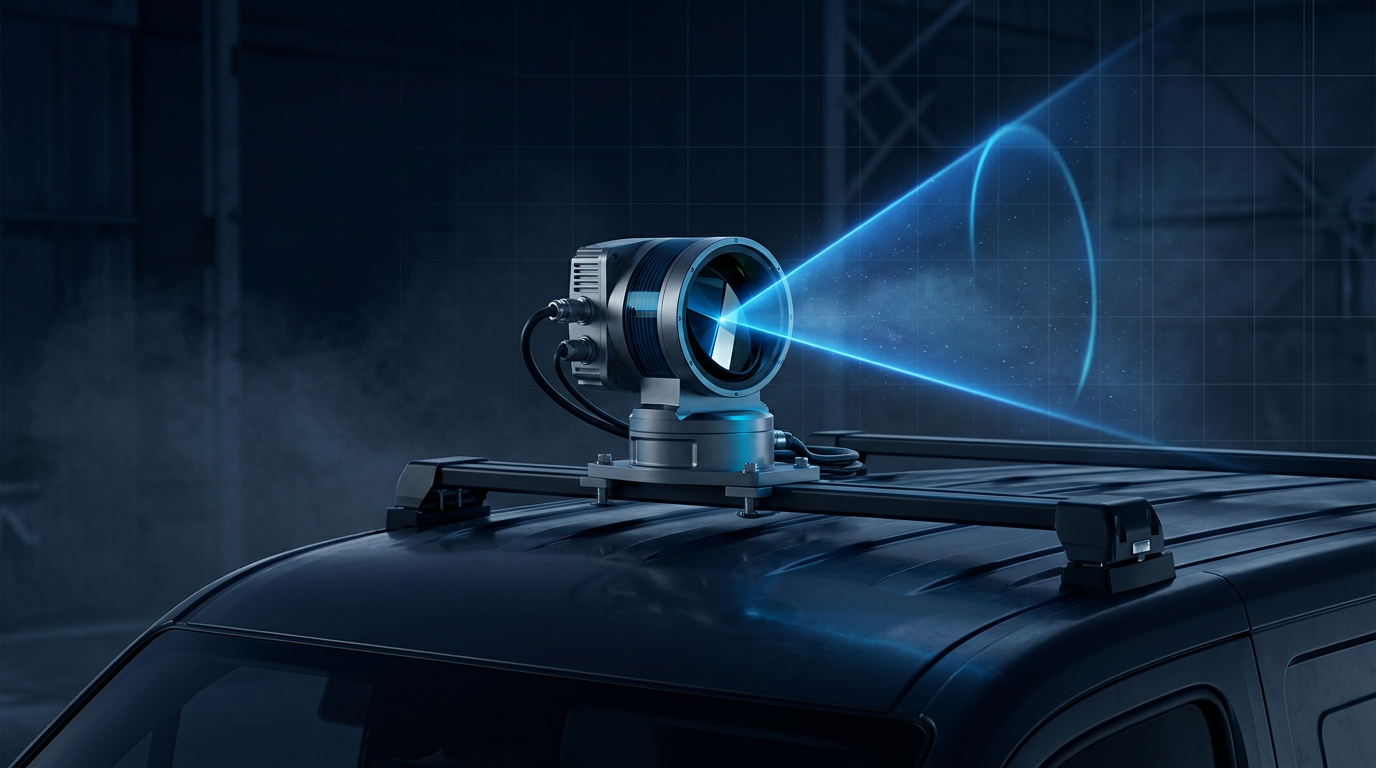
Eye-safe, high-power 1550 nm amplification for airborne and vehicle-mounted LiDAR systems.
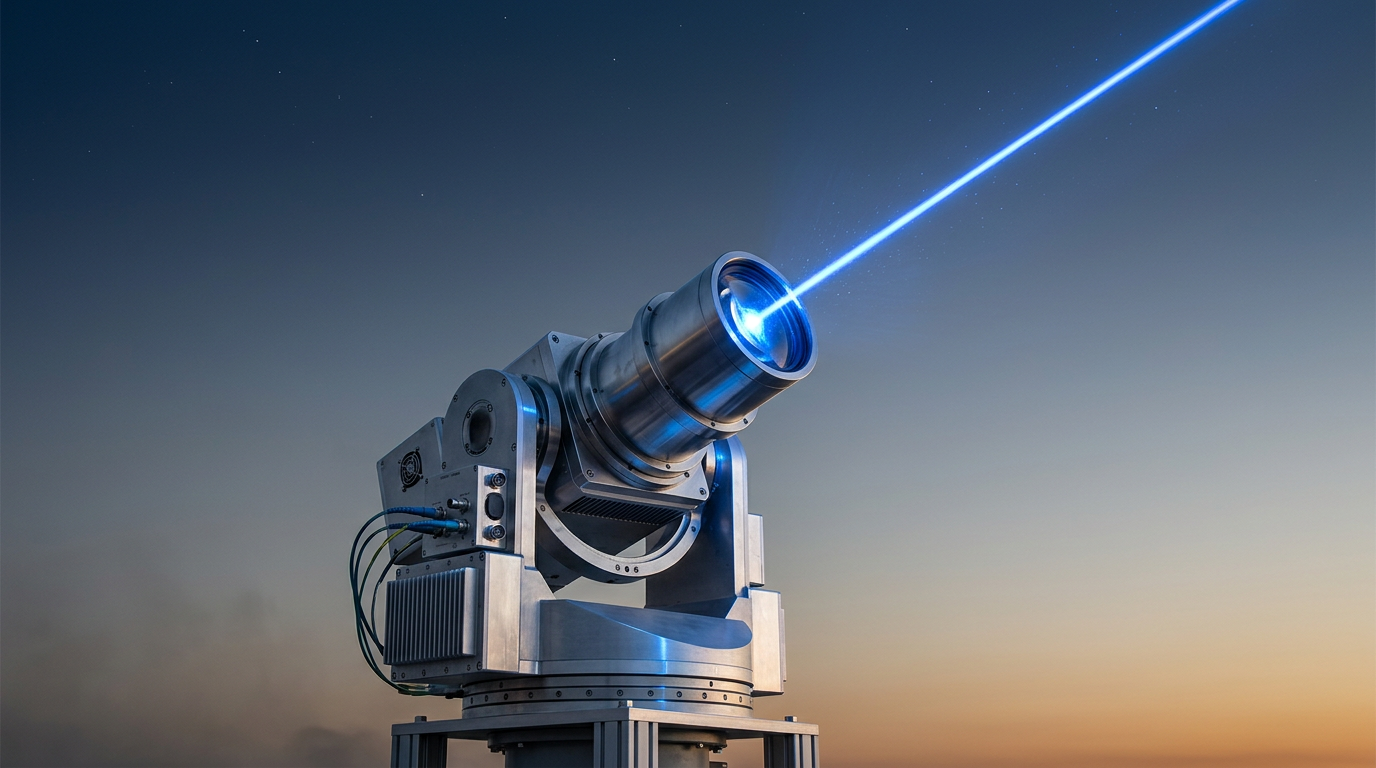
Free-Space Optical Communications
Ground-station uplink and beacon amplification, including the EDF-UL-10 reference build for FSOC uplink.
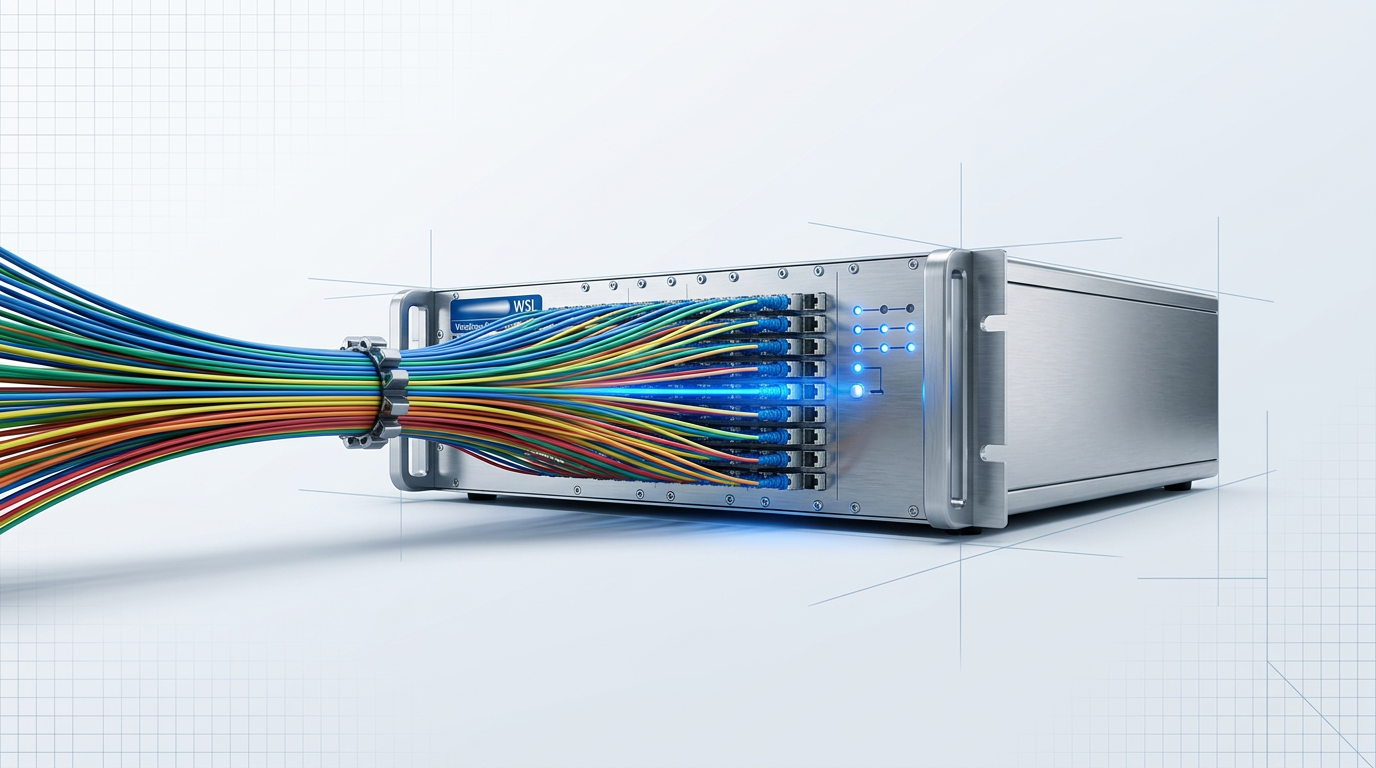
DWDM and Optical Communications
L-band amplification for extended-spectrum WDM transmission across long-haul and metro networks.
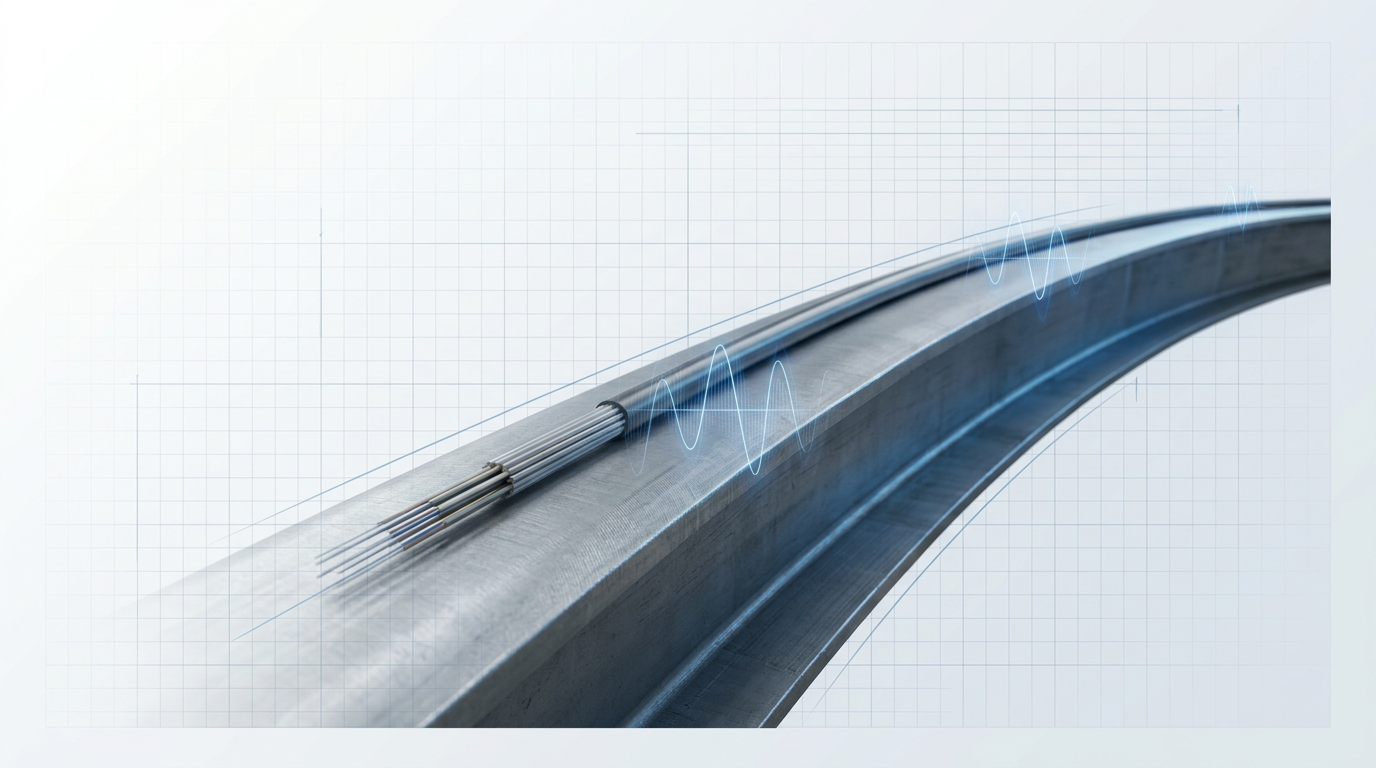
Fibre Sensing: DAS and Structural Monitoring
High-power amplification for distributed acoustic sensing and structural fibre monitoring systems.

Quantum Sensing and Communications
Erbium-platform amplification for quantum sensing and communication systems in the 15xx nm window.
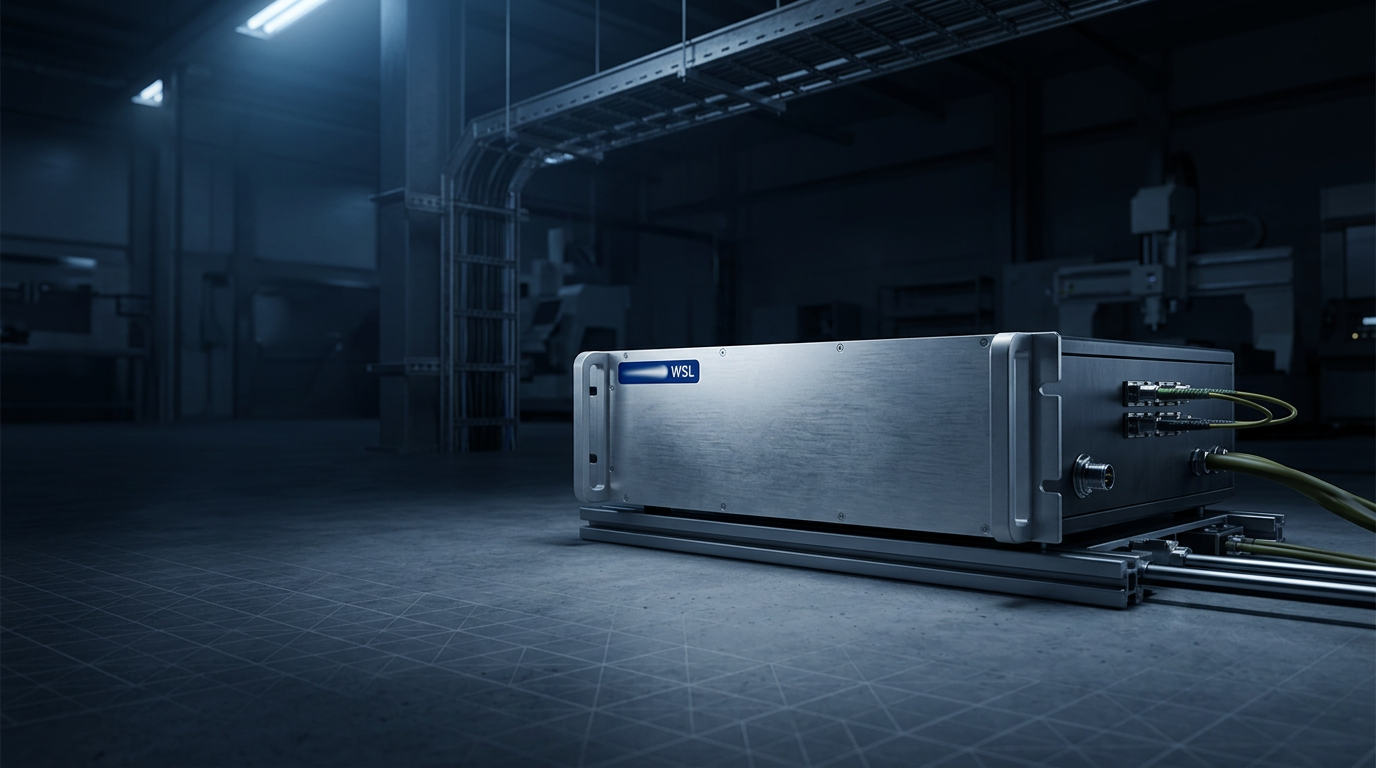
Defence and Directed-Energy Research
Scalable fibre amplification to 200 W-plus average power for defence and directed-energy programmes.
Remote Sensing and Research Instrumentation
High-power 15xx nm amplification for atmospheric sensing and tailored laboratory instrument builds.
Recognised Your Application? Let's Talk.
Whether your project is FSOC, LiDAR, defence, or research, WSL configures the amplifier to the requirement. Speak with an engineer about your specific application.

Designed, Built, and Supported in Southampton — Not a Reseller
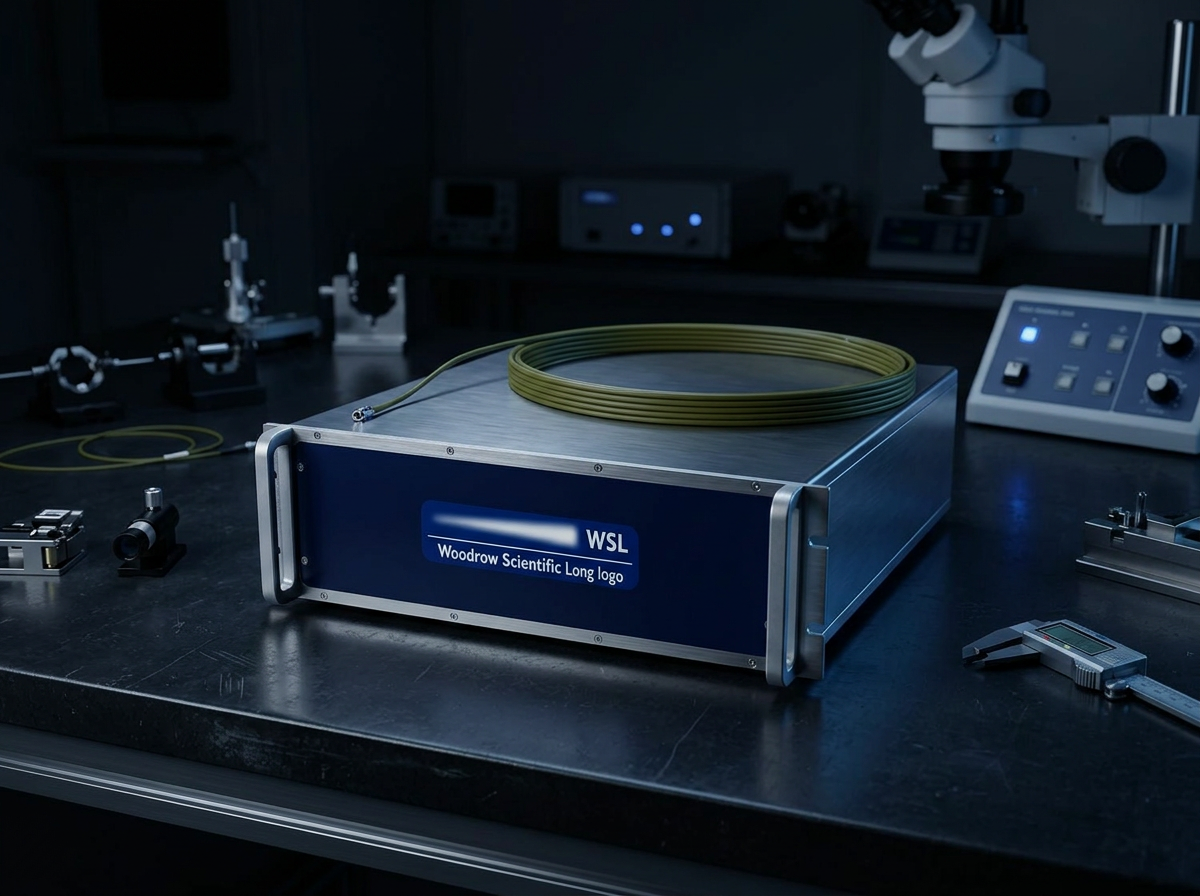
Every WSL amplifier is designed, built, qualified, and supported in-house in Southampton — not assembled from bought-in modules, not rebadged from a third-party platform. WSL's fibre-amplifier expertise is rooted in Southampton's Optoelectronics Research Centre (ORC), the institution where the EDFA was invented, on patented technology developed in-house.
Many suppliers in this market are resellers or importers: no in-house engineering means slower fault resolution and no real ability to evolve the product. With WSL, the engineers who built your amplifier are the engineers who support your integration.
CE and UKCA Certified
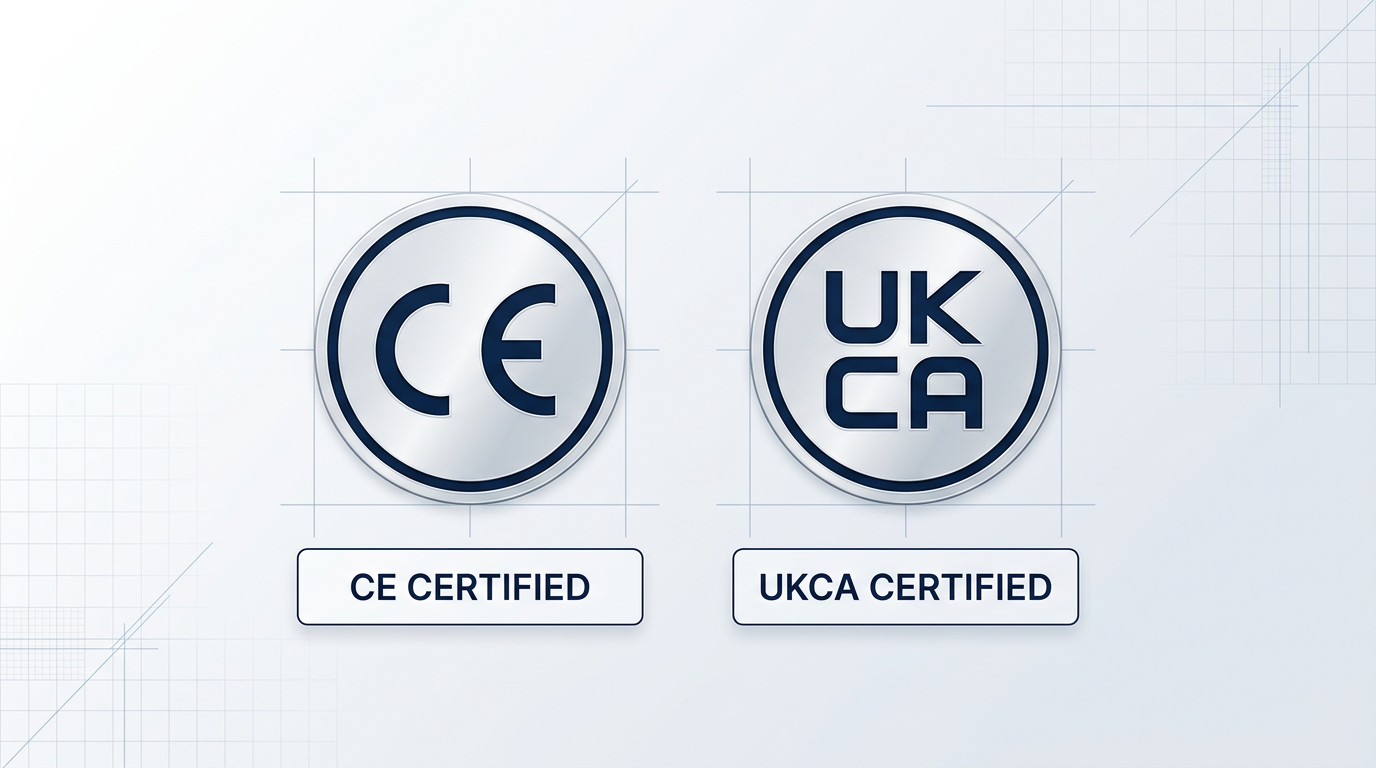
The Custom EDFA holds both CE and UKCA certification. CE confirms conformity with applicable European safety, health, and environmental requirements — a prerequisite for placing the amplifier on the EU market or integrating it into a CE-marked system.
UKCA is the UK's equivalent mark, introduced post-Brexit for products supplied into Great Britain. Buyers supplying into both markets, or building systems that must carry both marks, can do so with this amplifier.
How to Specify Your L-Band EDFA
Every build is configured per project, so the quote is where the specification begins — not a sales step, but the start of the engineering process. Submit your requirements and WSL's engineers evaluate them directly.
Prepare the parameters that matter most at first contact: operating band, target output power, pulse regime (CW or pulsed), pulse energy and peak power requirements, cooling preference, form factor and integration constraints, and control interface requirements.
Requirements beyond published specifications are assessed on a case-by-case basis — WSL does not rule them out in advance.

L-Band EDFA: Frequently Asked Questions
Technical and procurement questions about the WSL Custom EDFA, L-band wavelength, and EDFA operation in DWDM systems.
The practical difference is which side of the specification boundary you are on. A catalogue L-band EDFA ships with a fixed output power, fixed form factor, and a standard control interface — the system is designed around the amplifier. The WSL Custom EDFA is configured to the project: operating band, output power, pulse regime, cooling, delivery cable, form factor, and control firmware are all specified per build. The amplifier is engineered around the system. The power dimension is where the gap is most pronounced. Most catalogue L-band EDFAs operate well below 50 W average power. WSL builds to 200 W or more, with pulse energies above 10 mJ and peak powers above 100 kW. For demanding or non-standard requirements — high average power, pulsed operation, a specific integration envelope, or a control interface that does not match catalogue options — a purpose-built amplifier is the appropriate choice.
Yes. The WSL platform delivers both C-band (1530–1565 nm) and L-band (1565–1625 nm) from a single source through one cable — no second amplifier is required. For engineers building DWDM systems or multi-band sensing architectures, this means both wavelength ranges are sourced from a single supply point. That simplifies system architecture, reduces component count, and removes the integration complexity of managing two separate amplifier units.
Air-cooled as standard, with water cooling available as a configurable option. Air cooling requires no chiller or coolant loop, which keeps the integration envelope straightforward — no coolant infrastructure to specify, route, or maintain. Water cooling is available for applications where it is preferred or where the installation environment specifies it.
Submit your requirements and WSL's engineers will assess the specification and respond directly — the quote is the start of the engineering conversation, not a sales step. Bring what you know: operating band (C, L, or dual C+L), target output power, pulse regime (CW or pulsed), pulse energy and peak power if applicable, cooling preference, form factor and integration constraints, and any control interface requirements. Requirements that sit beyond published parameters are assessed on a case-by-case basis. WSL does not rule them out in advance. The engagement is with the engineering team directly, so the conversation can go straight into the technical detail from the first exchange.
In optical communications, the L-band spans approximately 1565–1625 nm. It sits above the C-band (1530–1565 nm) within the broader erbium gain window, which covers 1530–1625 nm in total. The ITU-T designates this range the "long wavelength band" (L-band), commercialised in the early 2000s following the C-band. The L-band is used in DWDM systems to extend spectral capacity beyond the C-band, and is increasingly relevant for high-capacity and extended-reach transmission where the C-band alone is insufficient.
An EDFA (erbium-doped fibre amplifier) amplifies optical signals directly in the fibre domain through stimulated emission from erbium ions, without converting signals to electrical form. In a DWDM system, a single EDFA simultaneously amplifies all WDM channels present in its gain window — the amplifier count does not scale with channel count, which is what makes EDFAs the standard technology for long-haul optical transmission. EDFAs operating in the L-band (1565–1625 nm) extend DWDM spectral capacity beyond the C-band; published research in IEEE Xplore has shown that C+L-band transmission can more than double network capacity compared to C-band WDM transmission alone.