Two Systems, One Coherent Laser Cleaning Range
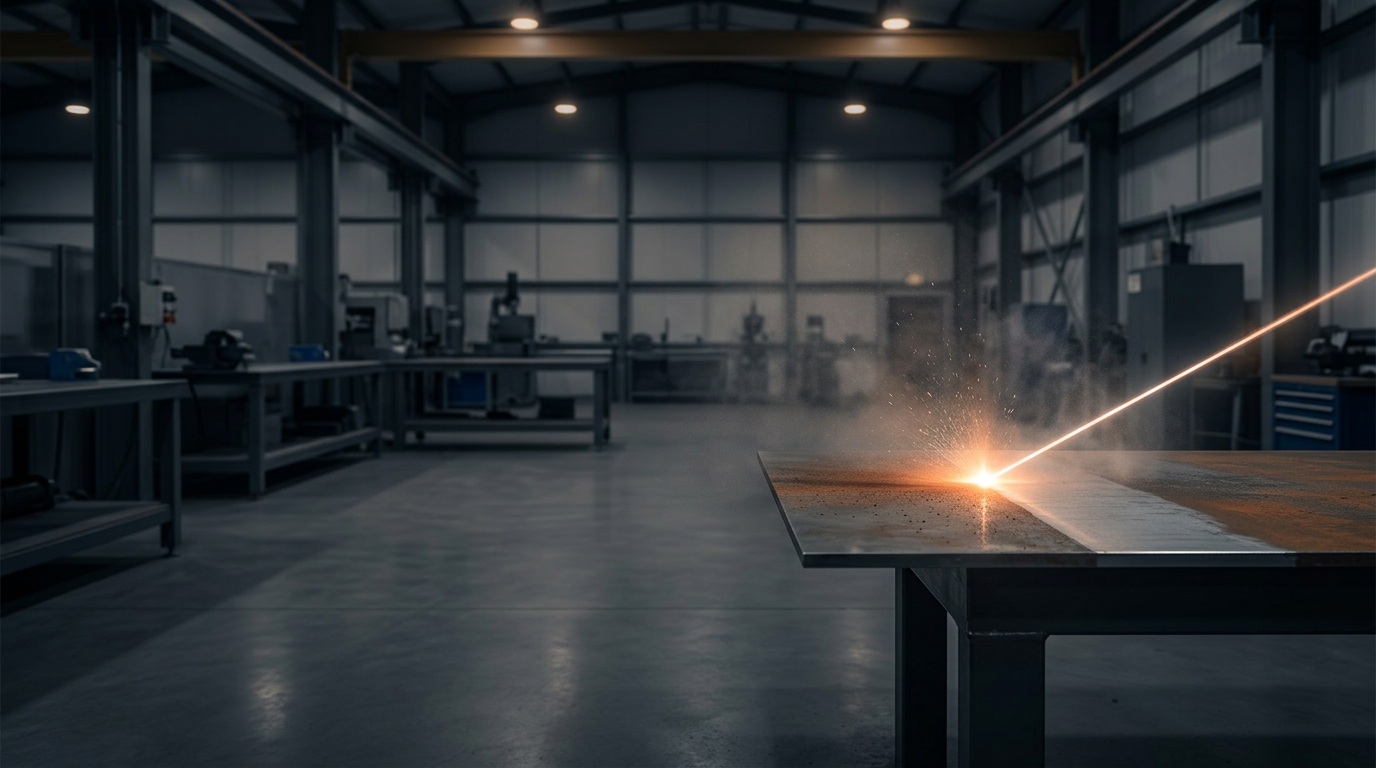
When rust, oxides, mill scale, coatings or weld discolouration are the problem — and abrasive blasting, chemical stripping or water-jetting are generating waste streams and substrate damage — fibre laser ablation is the cleaner alternative. Both systems share the same core technology: the beam removes the contaminant and stops at the base material, with no chemicals, abrasives, water or consumables.
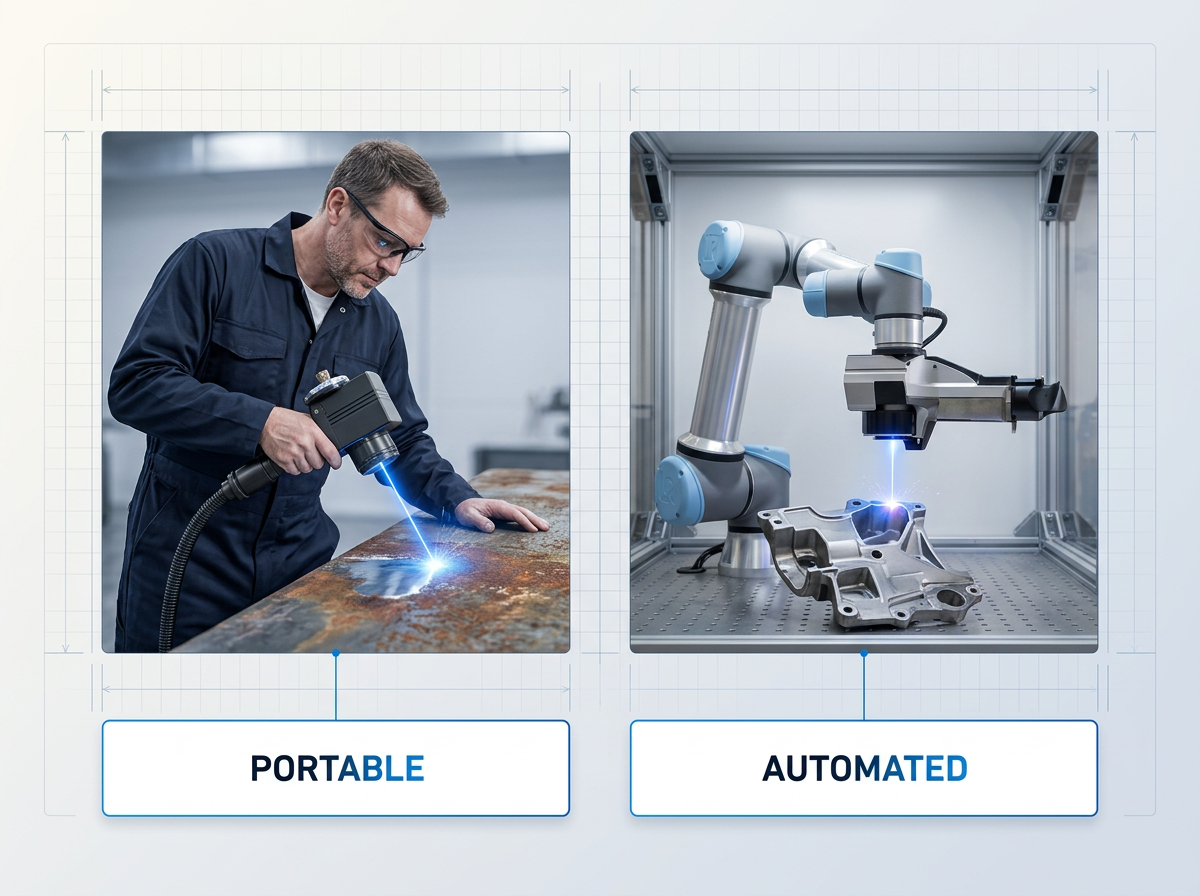
The difference is deployment. ELASER and ELASER-RHZ are portable, operator-led systems for flexible and on-site cleaning. AutoLASE is an automated production system for repeatable, hands-off cleaning at scale. Same foundation, two operational contexts — both from one UK manufacturer.
Reduced Hazard Zone: Clean Anywhere
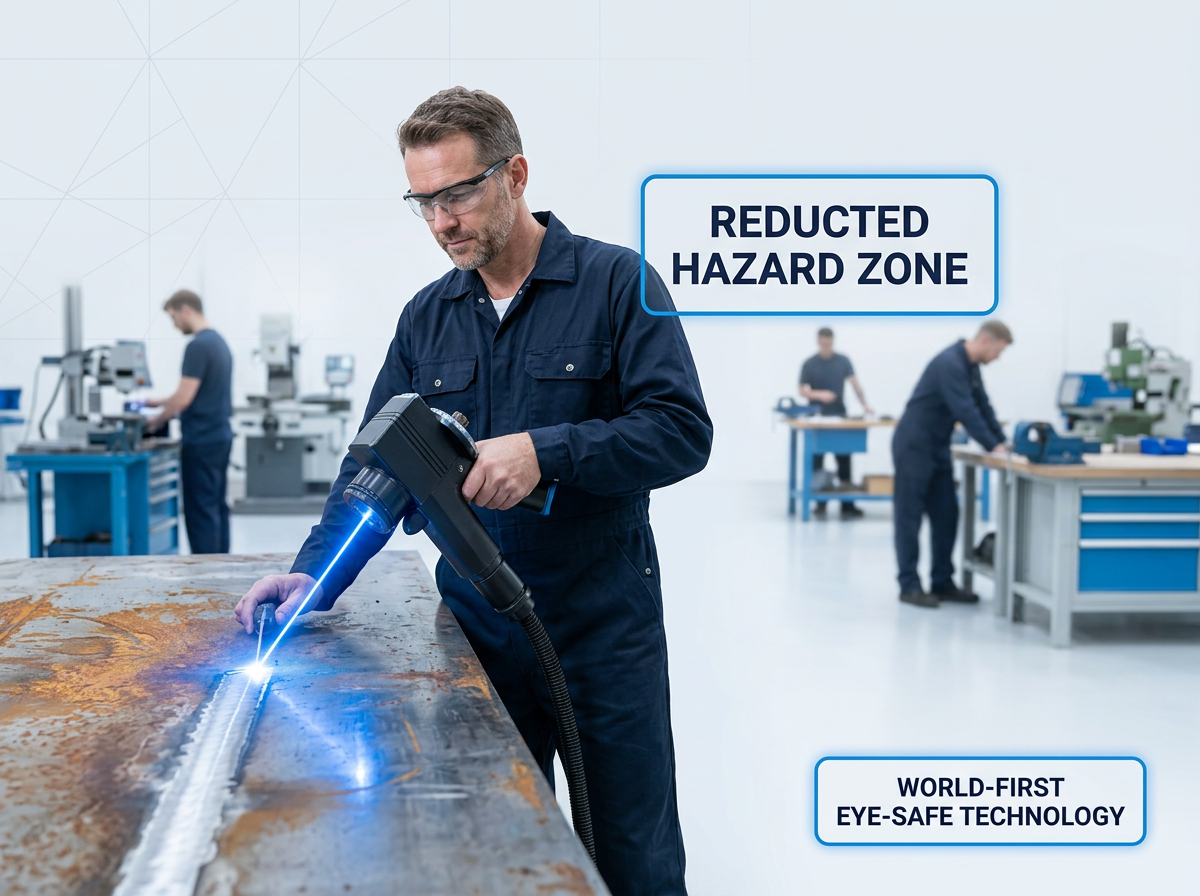
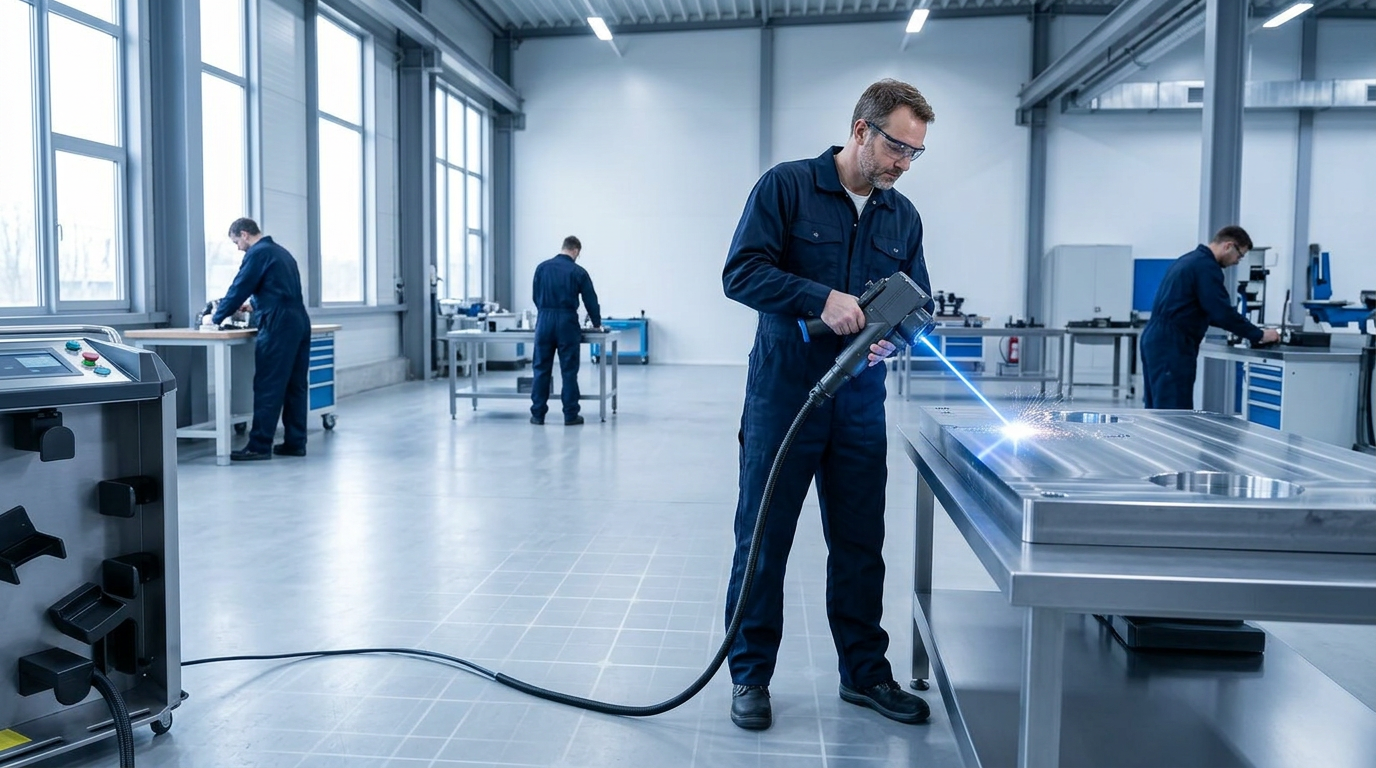
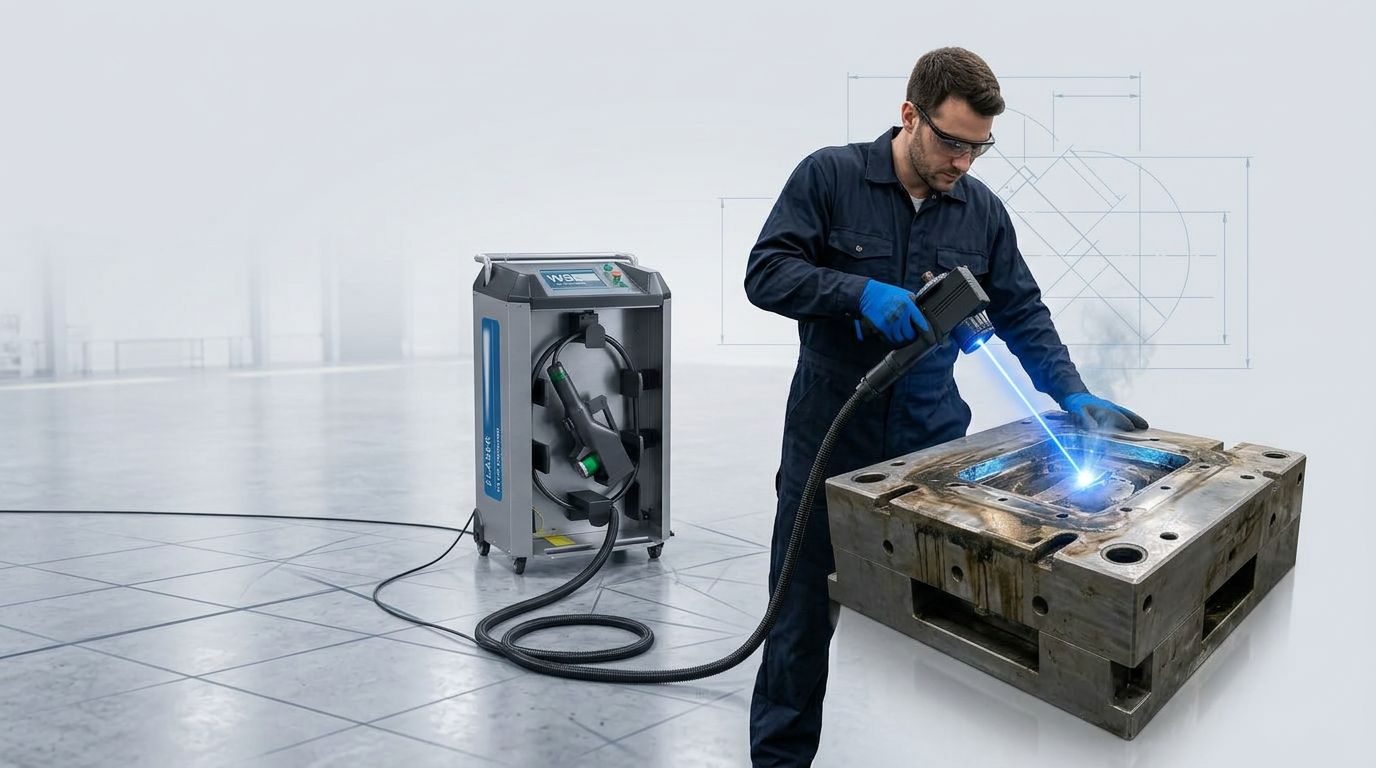
The ELASER-RHZ carries WSL's patented, world-first reduced hazard zone technology — the only capability of its kind available from any laser cleaning manufacturer, worldwide. It confines the laser hazard to a small area immediately around the work, so cleaning can proceed in open workshops, mixed-use manufacturing facilities, and publicly accessible spaces without sealing off the area or evacuating personnel.
Conventional laser cleaning requires full area lockdown before work begins. The ELASER-RHZ removes that constraint entirely — enabling continuous operation on the production floor and graffiti or heritage restoration in public-facing settings.
One Operator, No Infrastructure
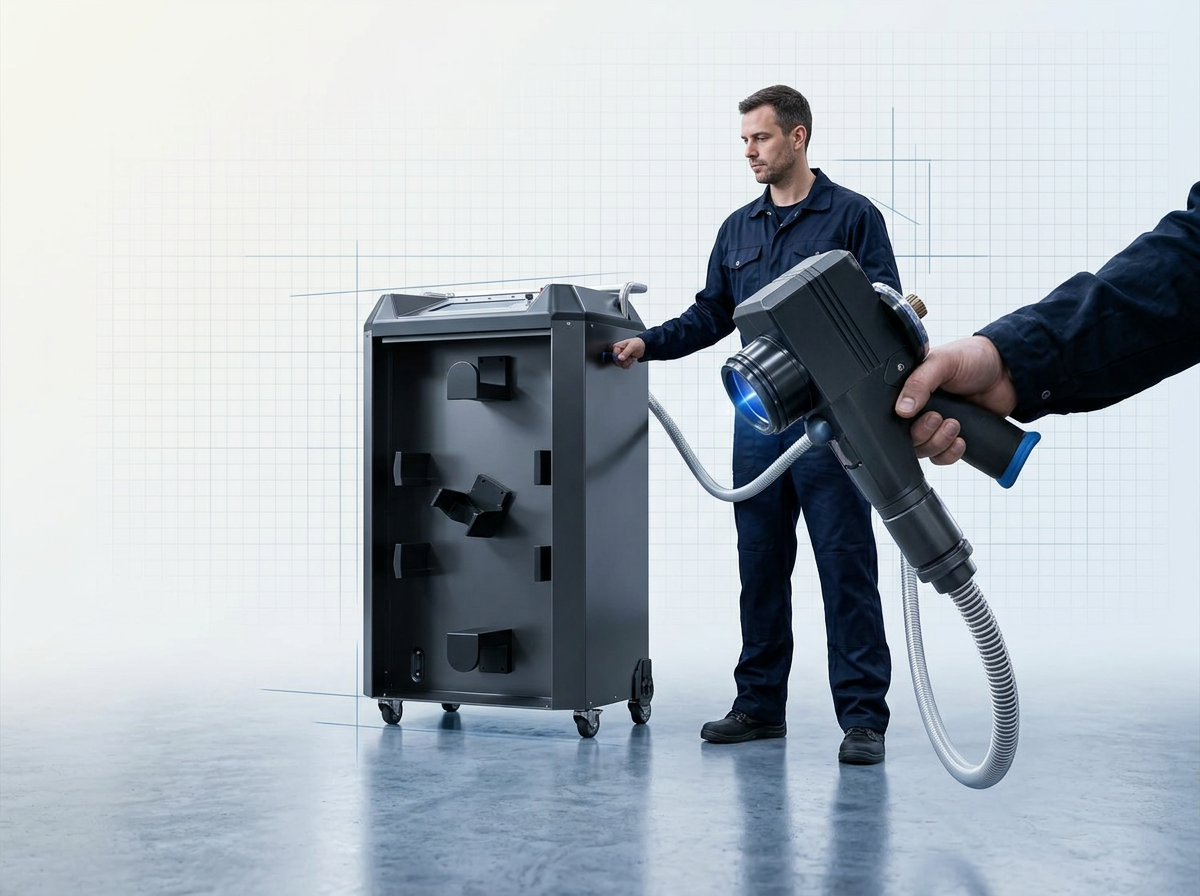
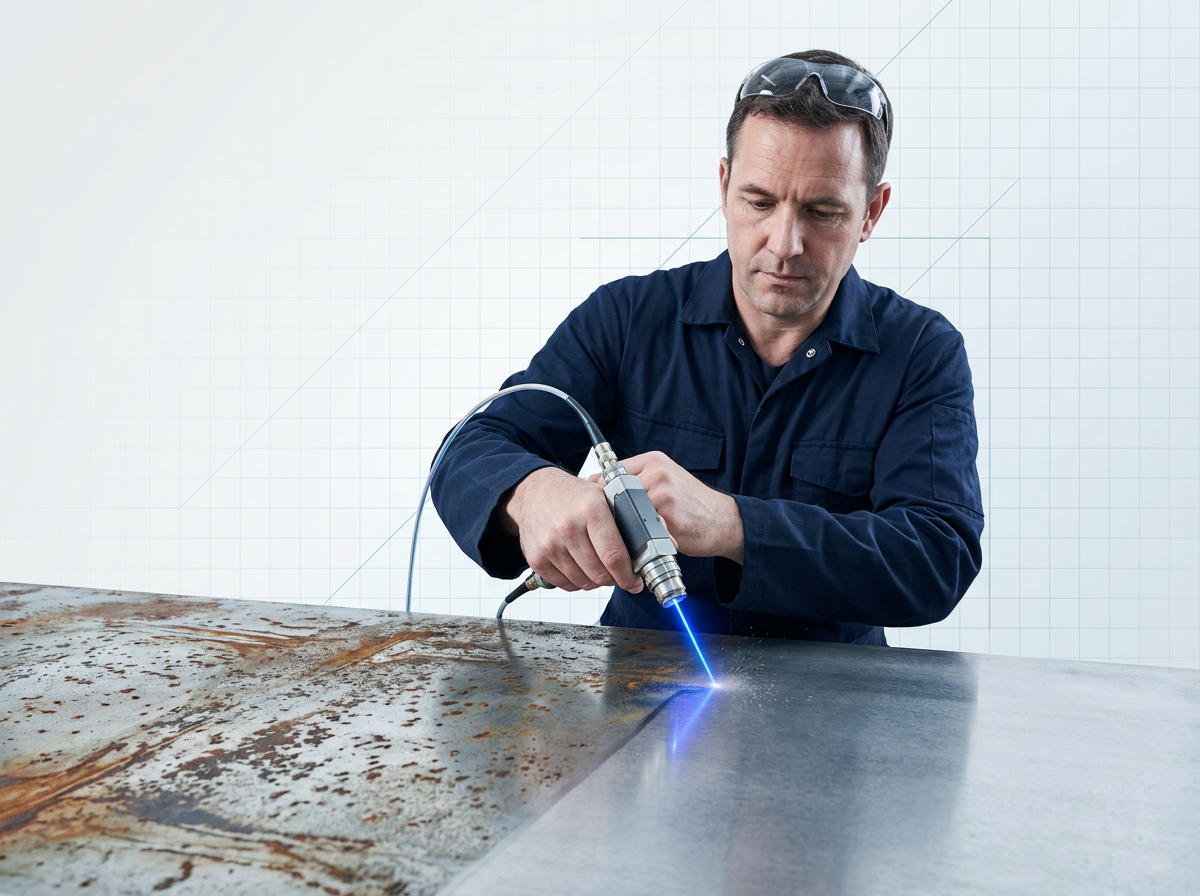
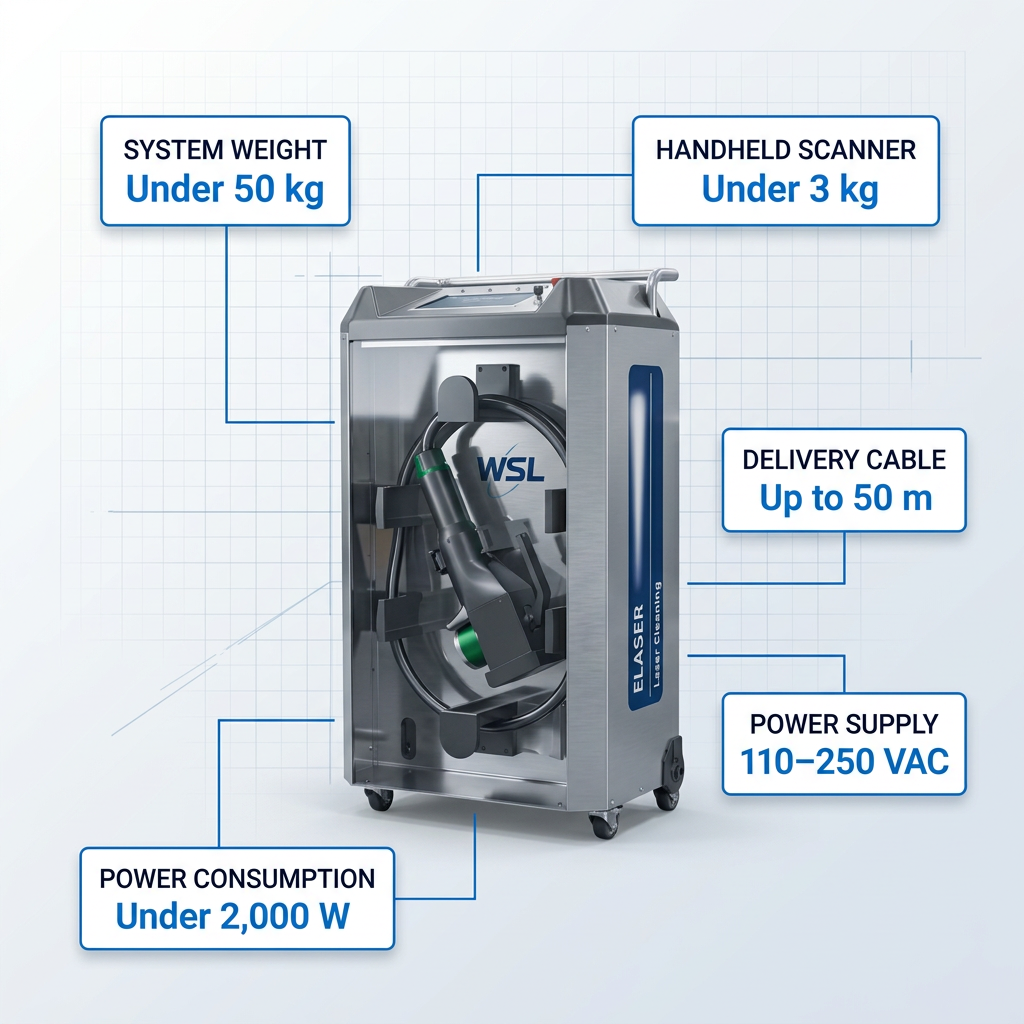
The ELASER system weighs under 50 kg on wheels, and the handheld scanner comes in at under 3 kg — light enough for sustained one-handed operation. The delivery cable extends up to 50 m, giving a single operator the reach to clean large structures, vessels, and infrastructure from a single position without repositioning the main unit.
The system is fully self-contained: no compressor, no water supply, and no external infrastructure required. Plug into a standard single-phase supply and work begins. One operator can deploy, set up, and run the entire system independently.
300 W, Fully Tunable Fibre Laser
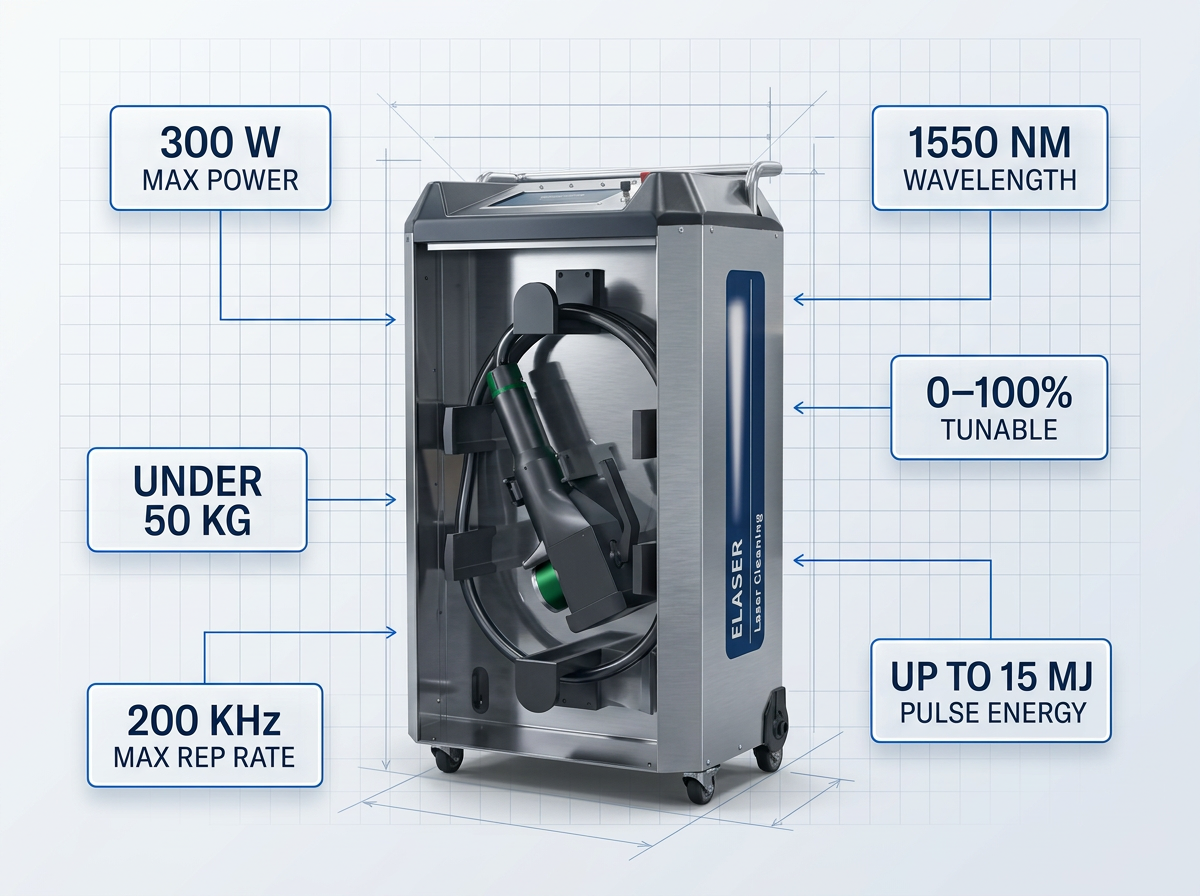
Peak output reaches 300 W at a 1550 nm wavelength, with power tunable across the full 0–100% range — one machine handles everything from delicate oxide removal to heavy coating stripping. Pulse energy goes up to 15 mJ, pulse duration is 100 ns, and the repetition rate is adjustable up to 200 kHz.
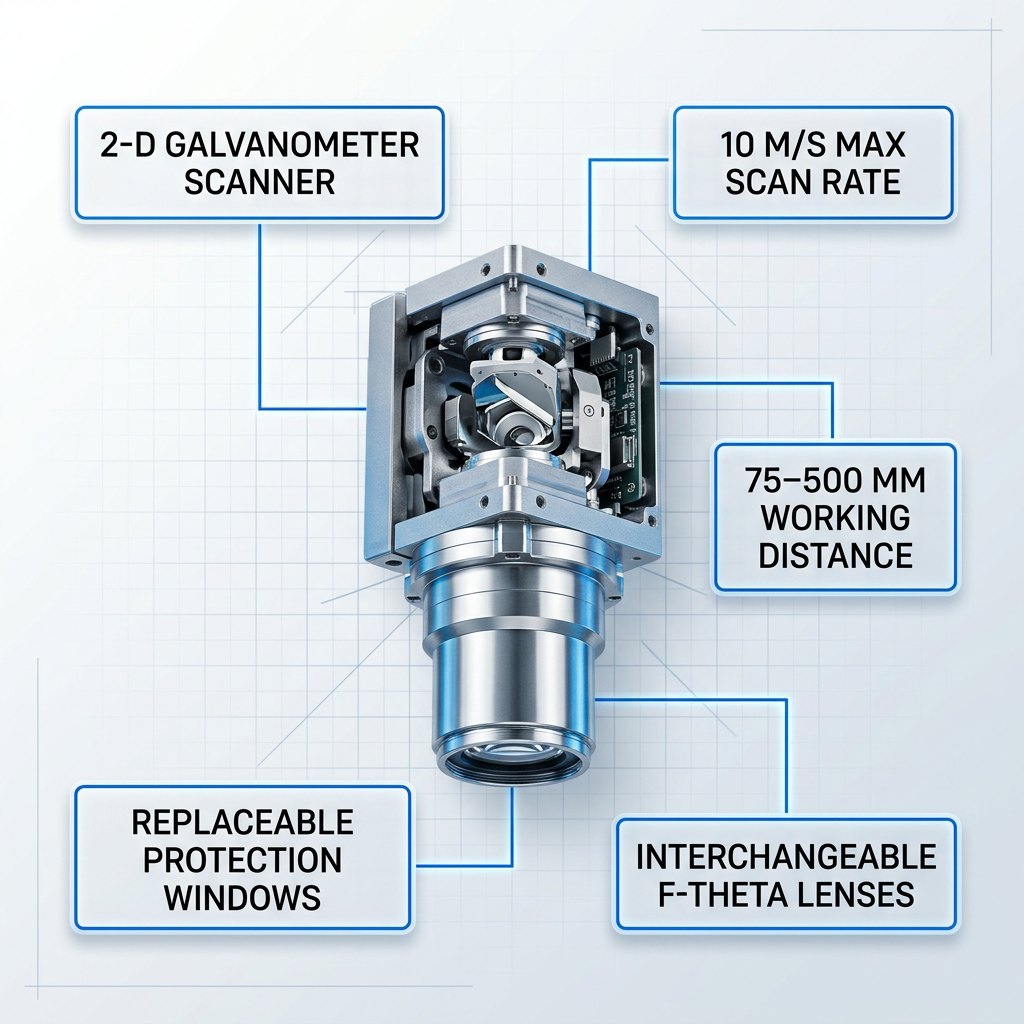
The 2-D galvanometer scanner delivers a maximum scan rate of 10 m/s, with scan shapes fully programmable via the touchscreen GUI. Power supply is 110–250 VAC single-phase, with total consumption under 2000 W — no special electrical infrastructure needed.
Metals, Stone, Masonry and More
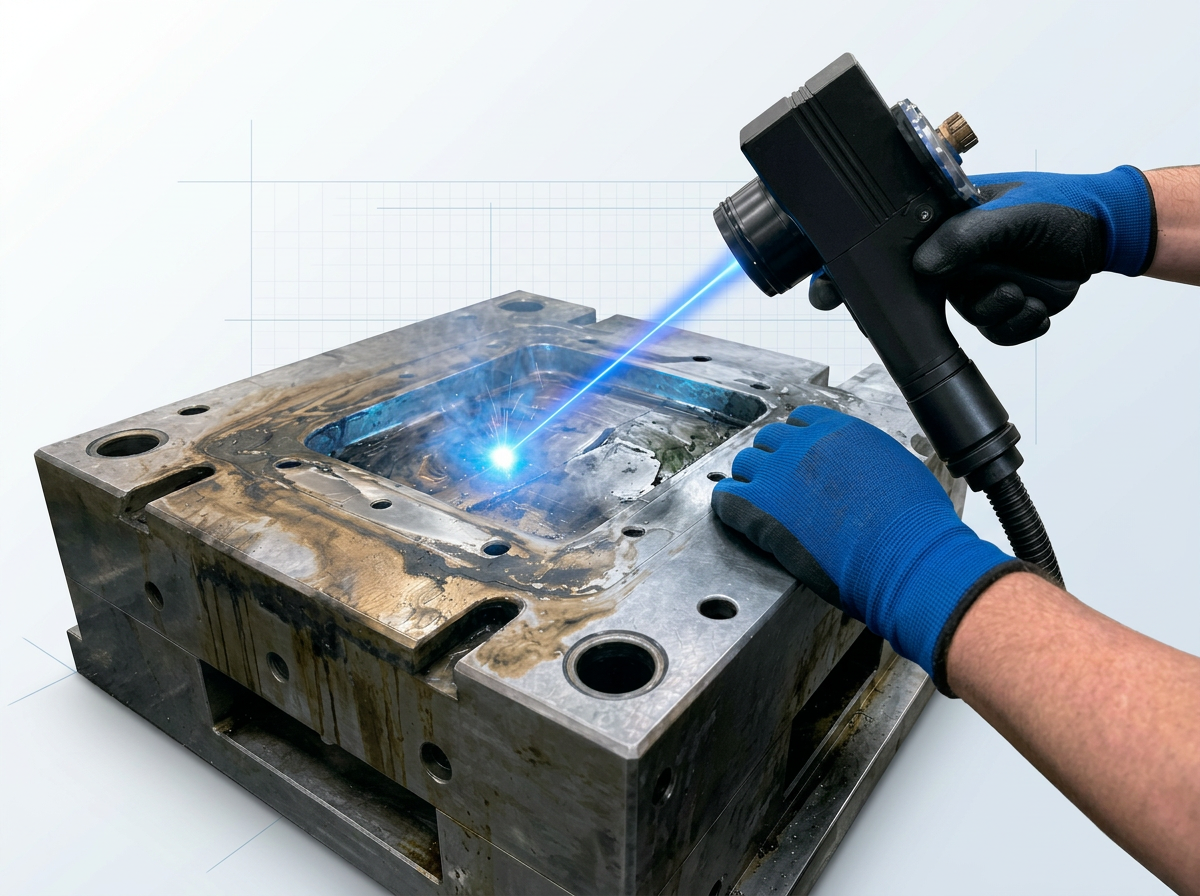
The ELASER cleans across a broad range of substrates: steel, aluminium alloys, cast iron, copper, brass, bronze, titanium and galvanised materials, plus stone, concrete, brick and masonry. Contaminants removed include rust, oxides, mill scale, paint, powder coating, oil and grease, carbon, mould, release agents, weld discolouration, and graffiti.
In each case, the beam stops at the base material — removing the contaminant while leaving the substrate intact. This means minimal substrate loss and less rework, across the full range of applications.
Certified, Controlled, Audit-Ready
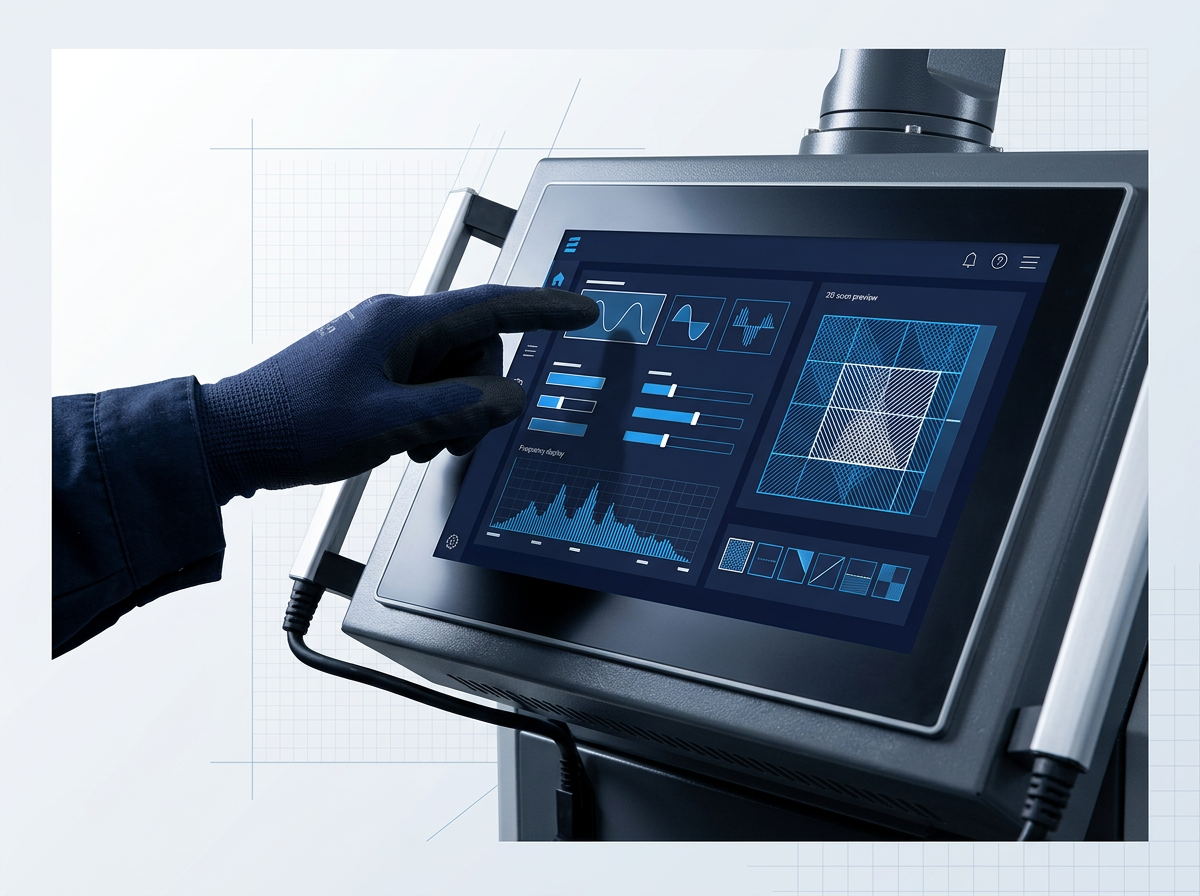
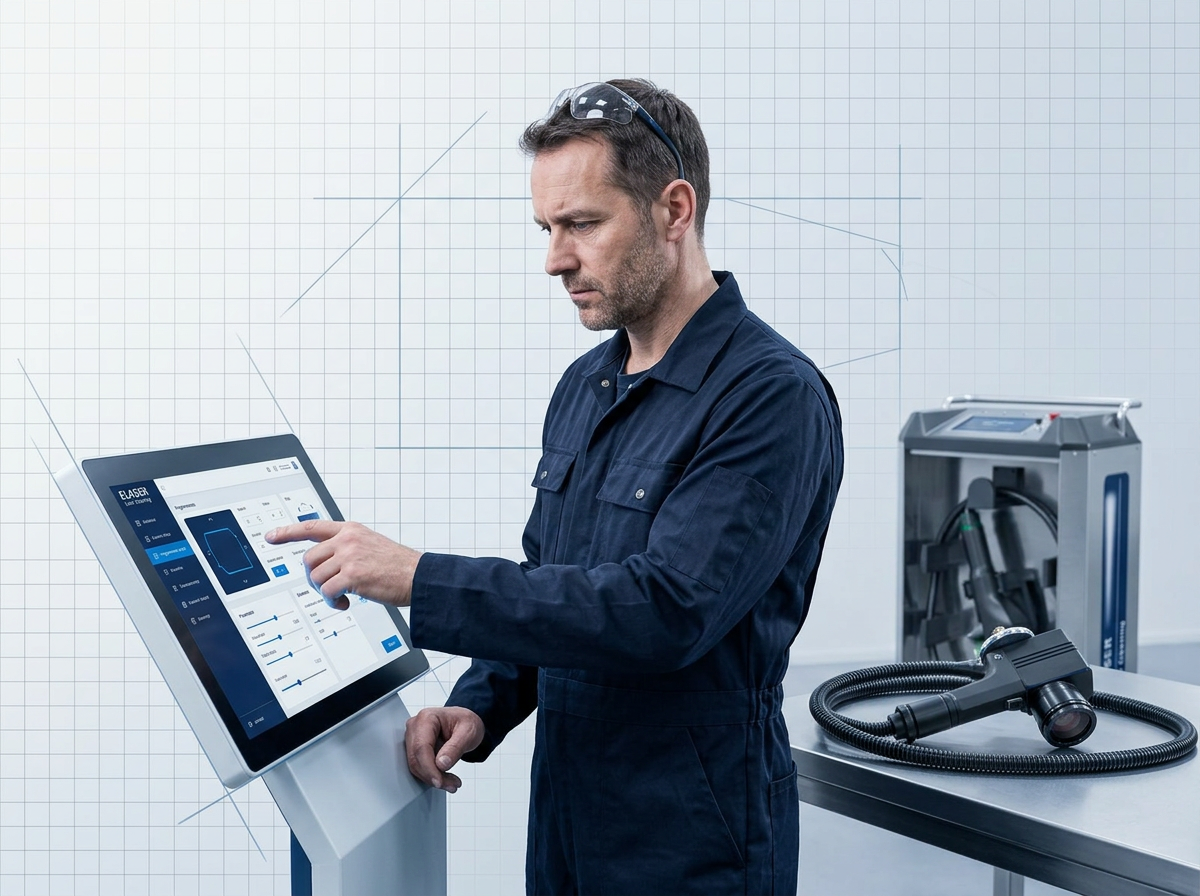
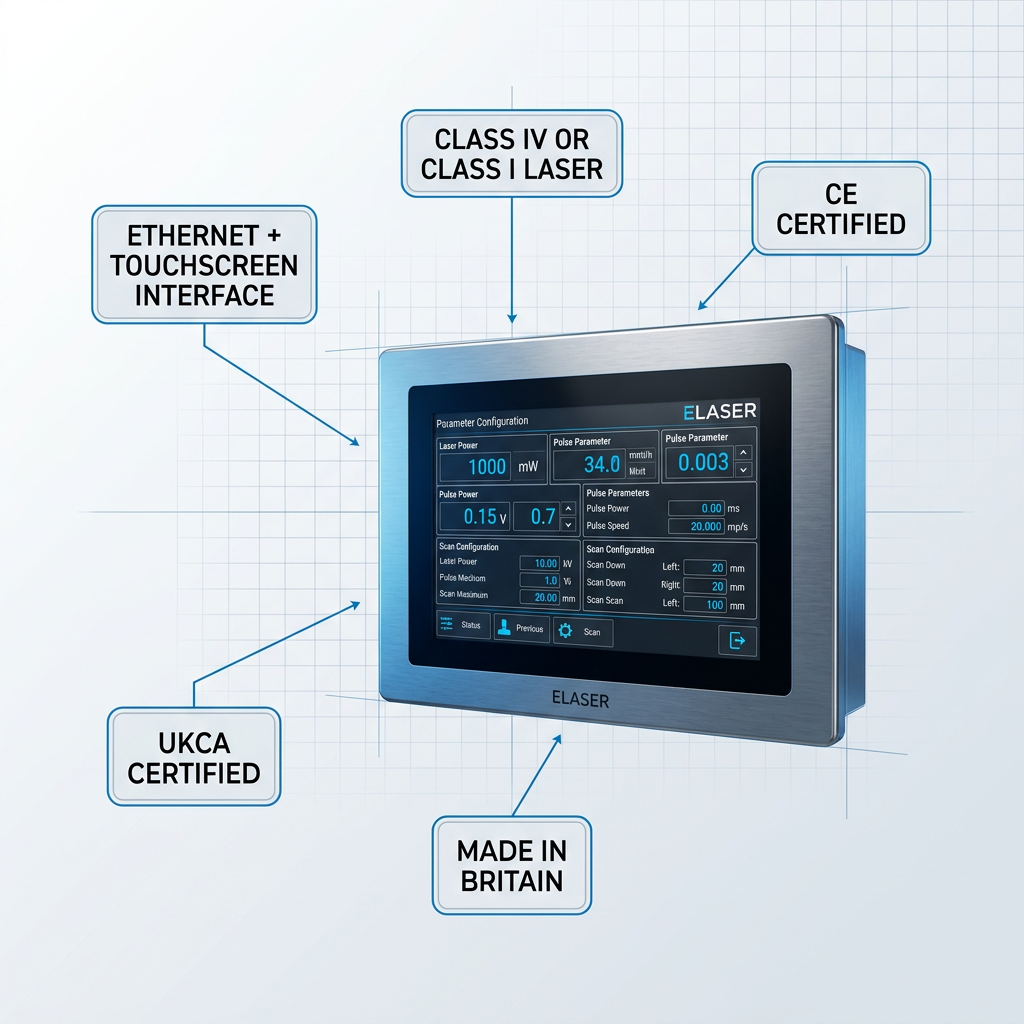
Setup and optimisation are handled through a graphical touchscreen GUI, with password-protected access and per-user login tracking — giving multi-operator facilities a clear audit trail of who ran the system and when. The ELASER is available in Class IV or Class I laser configuration.
Both the ELASER and ELASER-RHZ carry CE and UKCA certification, covering UK and EU market compliance. WSL provides first-class laser cleaning safety and operation training, so operators do not need a specialist laser background to get productive quickly.
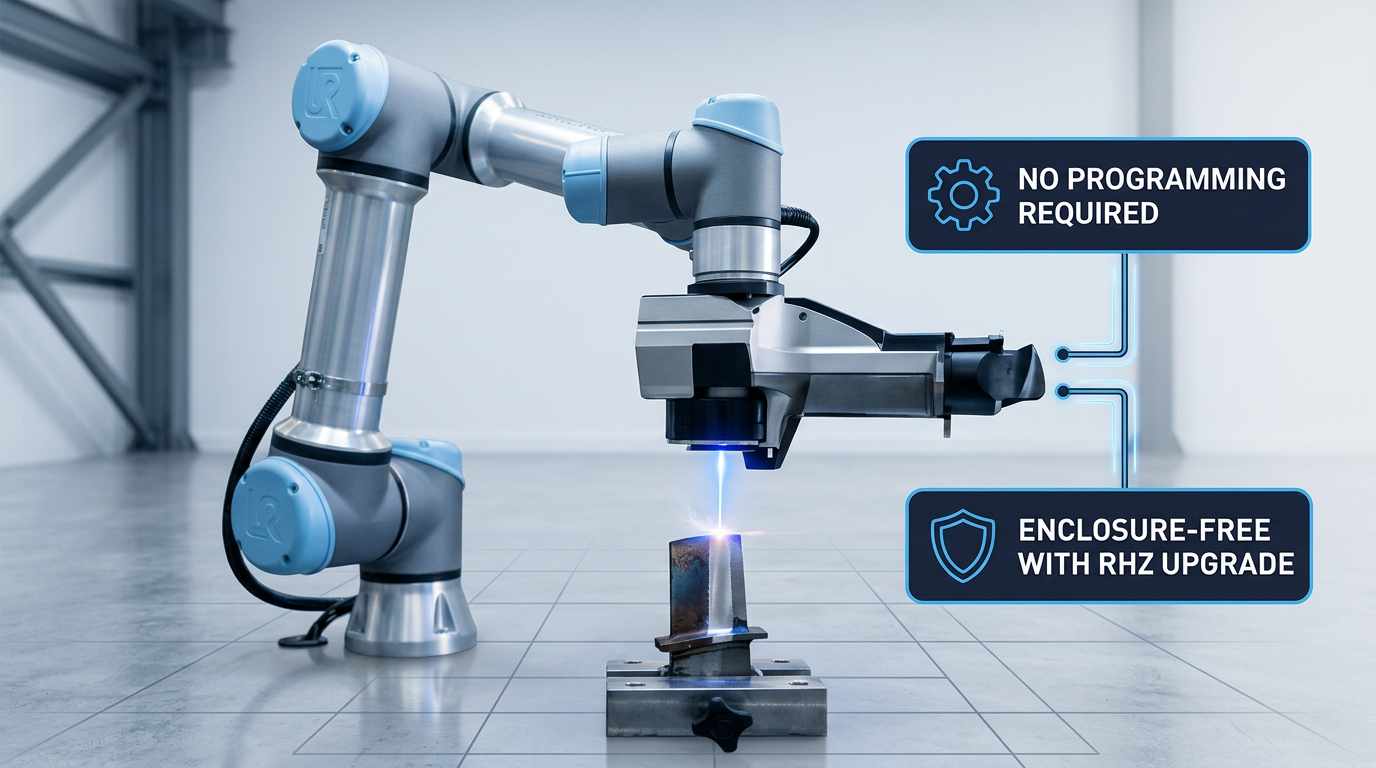
AutoLASE: Automated Laser Cleaning, No Programming Required
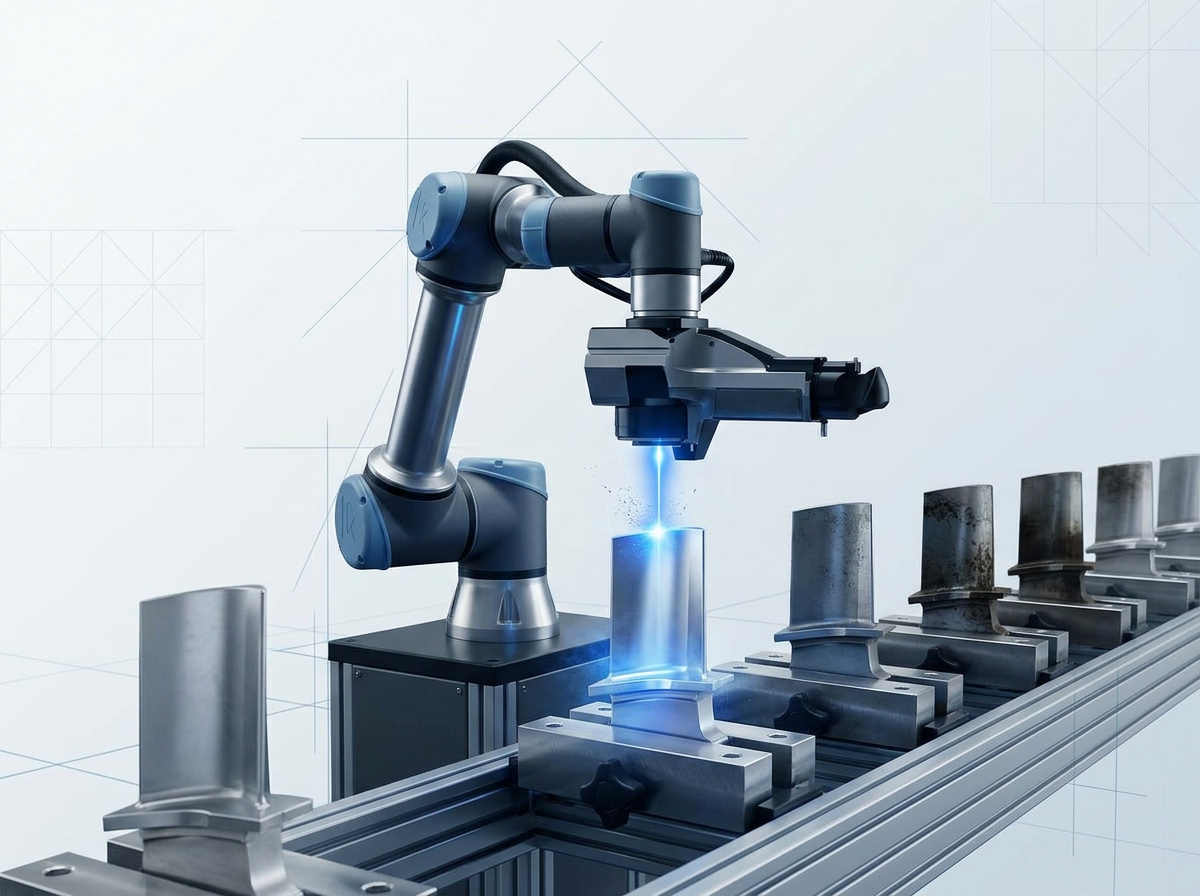
Load the part — AutoLASE does the rest. Its 3D machine-vision software scans the part, builds a 3D map, and generates the cleaning path automatically. No programming, no path-setting, no knowledge of part geometry required. Any operator can run it.
With the optional RHZ upgrade, AutoLASE is the only automated laser cleaning system in the world that can operate without an enclosure — bringing WSL's eye-safe Reduced Hazard Zone technology to a fully automated production cell.
The articulated multi-axis arm reaches complex 3D contours. AutoLASE integrates with your existing robots, or WSL can supply a complete custom cell.
Where These Systems Work: Industry Applications
Both systems cover a broad range of industries and cleaning challenges. Find your context below — each card identifies the application and the system that fits it.
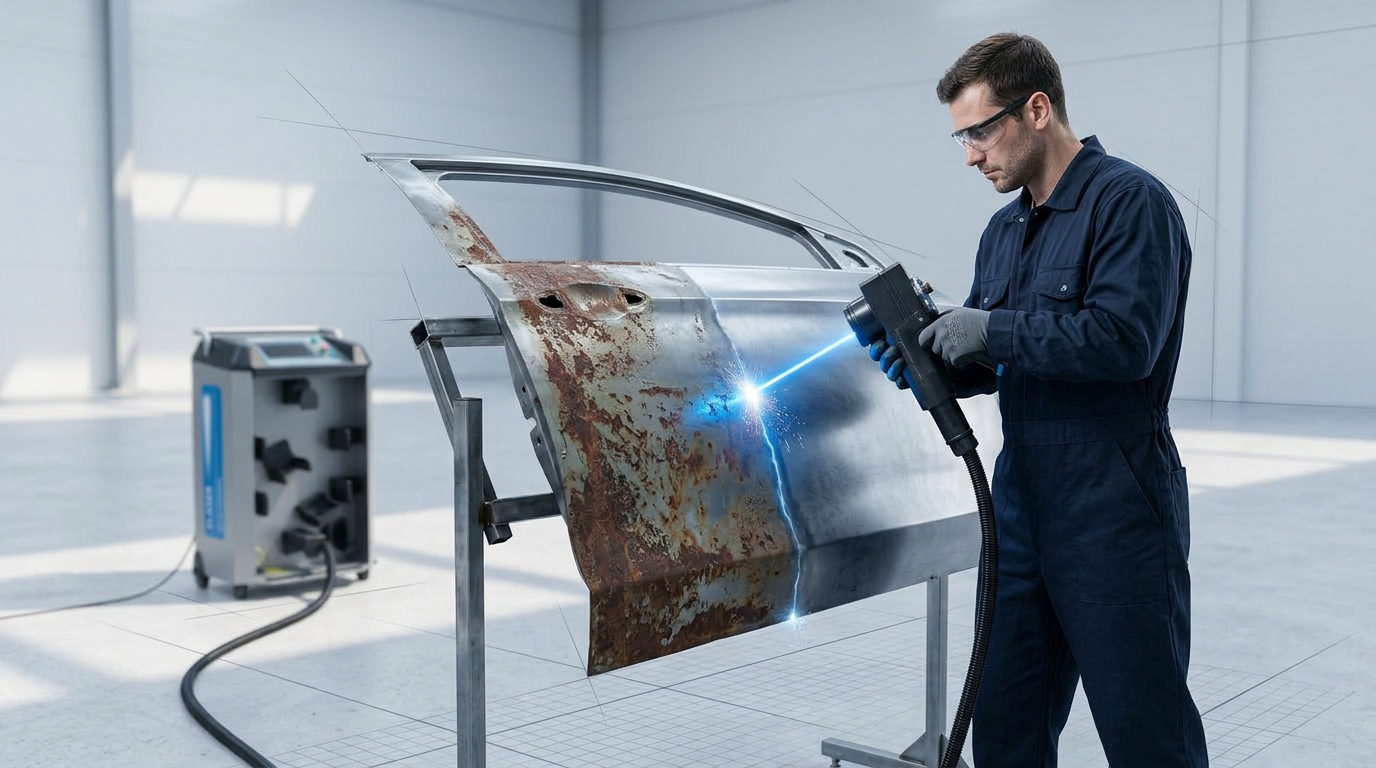
Automotive Surface Preparation
AutoLASE cleans EV battery components and production-line parts one after another to the same standard. ELASER handles bodyshop rust, paint and pre-weld prep.
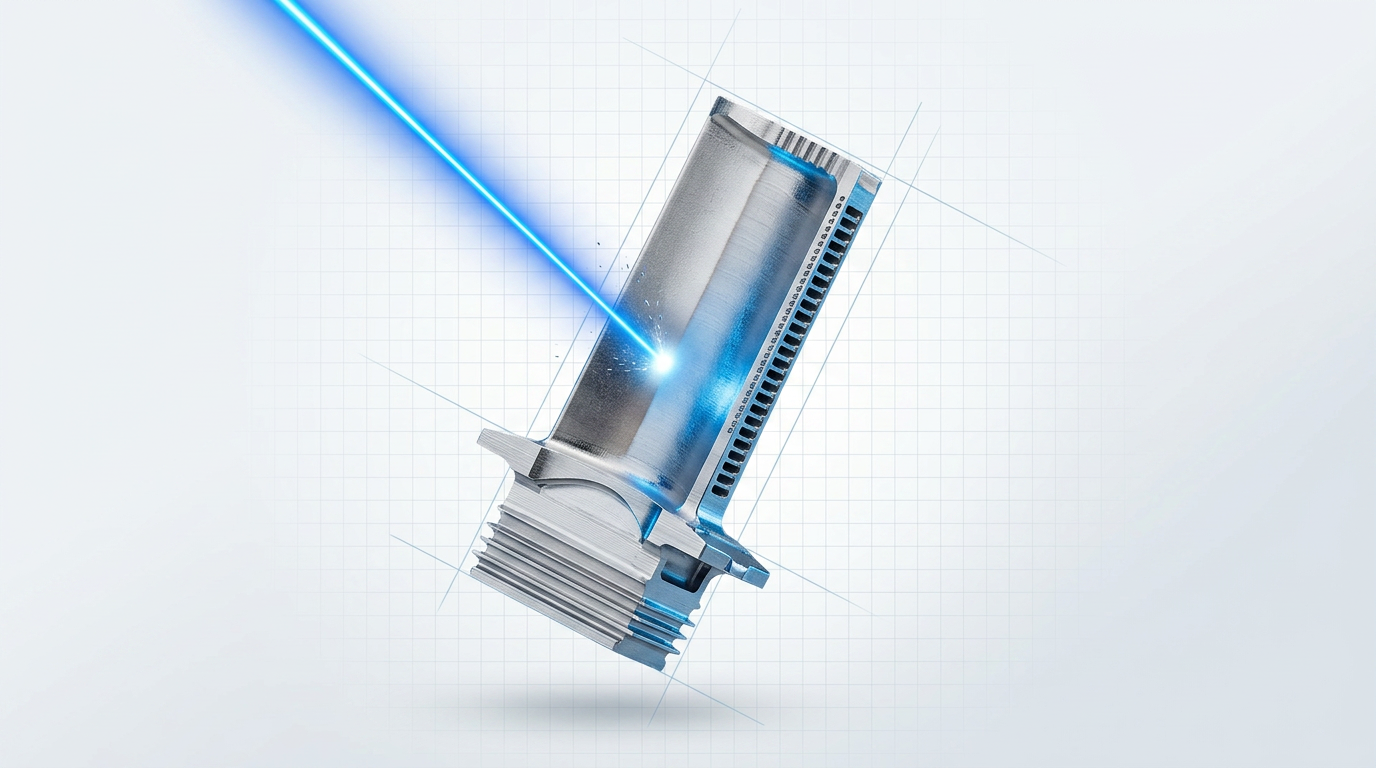
Aerospace Component Preparation
AutoLASE cleans turbine blades and engine components to the same standard every cycle — tight-tolerance prep that abrasive methods cannot reliably hold.
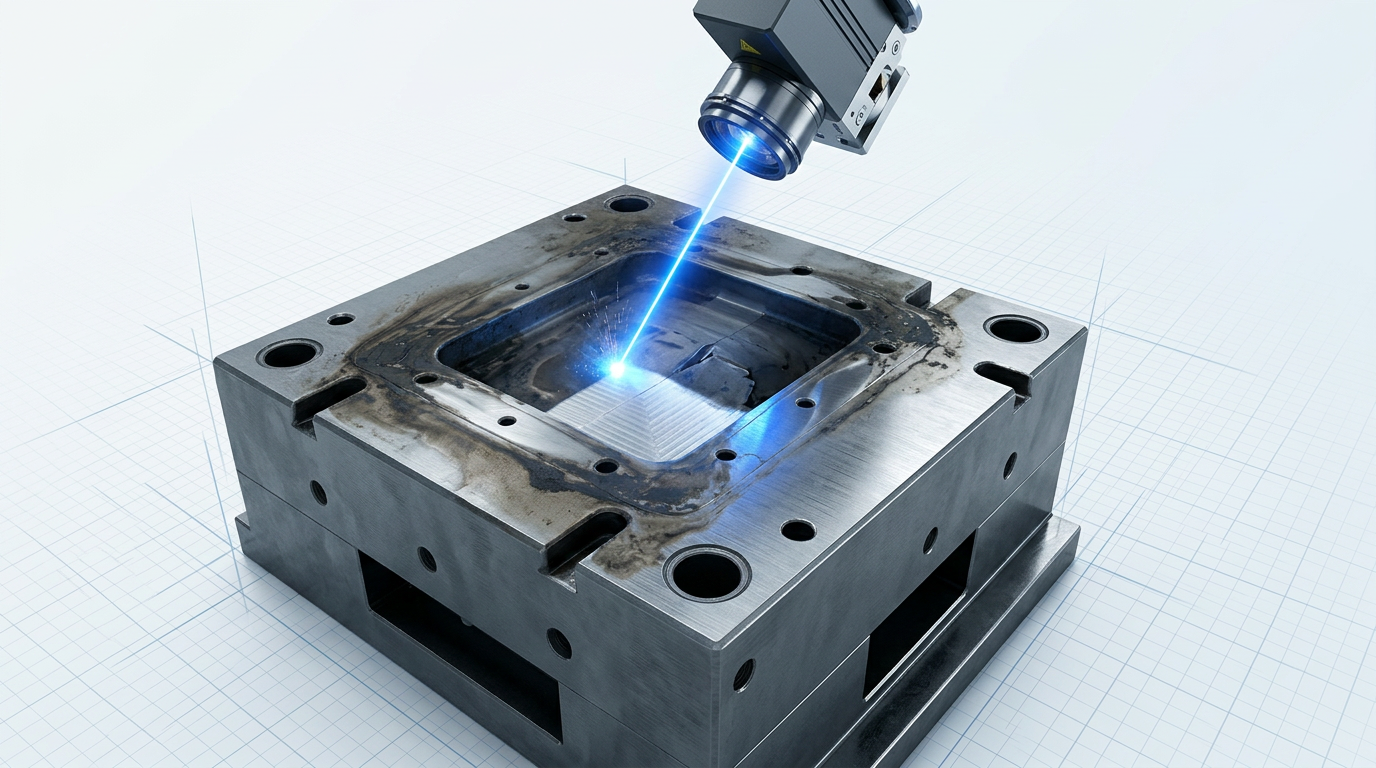
Tyre and Rubber Mould Cleaning
Vulcanisation residue cleared from moulds, segments and vents without abrasives — mould geometry stays precise. AutoLASE for cleaning cells; ELASER for manual maintenance.
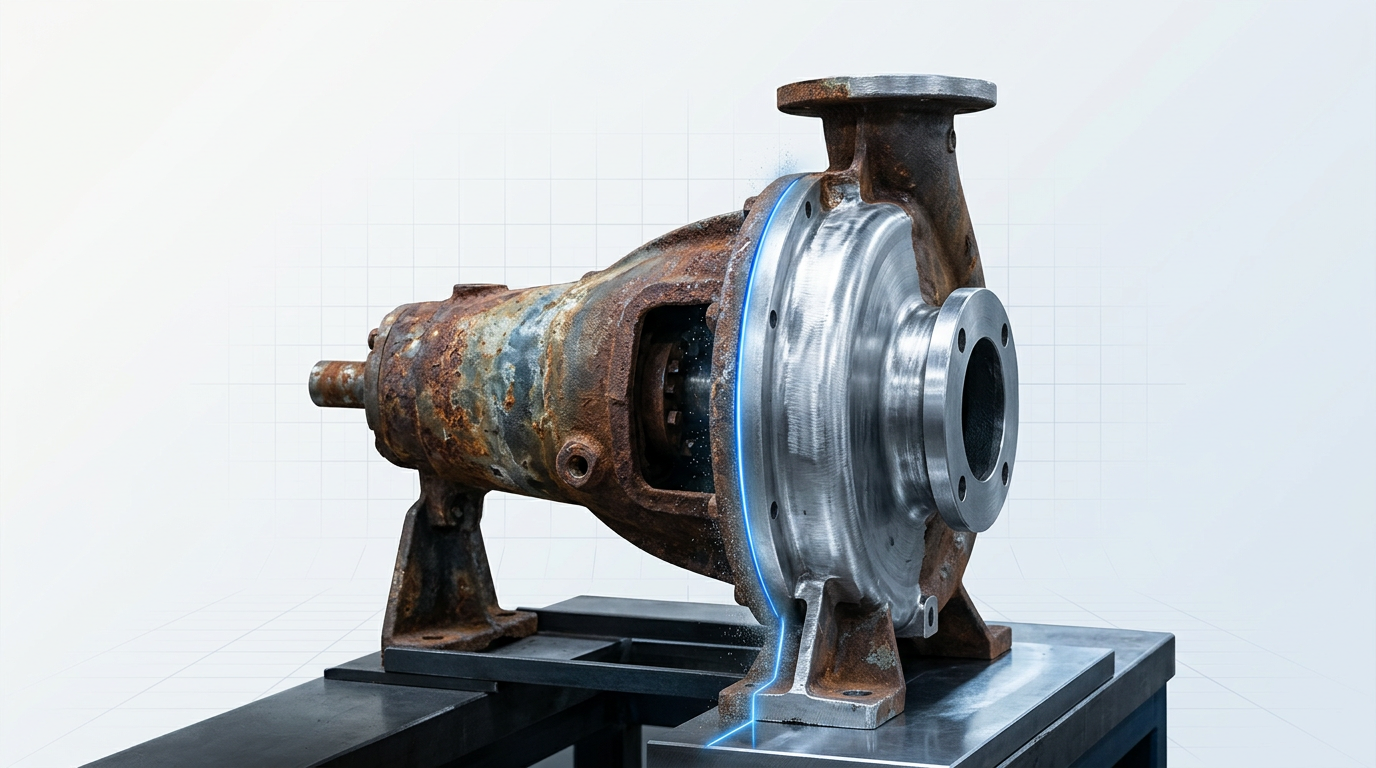
Remanufacturing and Component Refurbishment
Corrosion, coatings and contamination stripped from worn parts before rebuild. AutoLASE delivers consistent batch cleaning; ELASER handles varied geometries part by part.
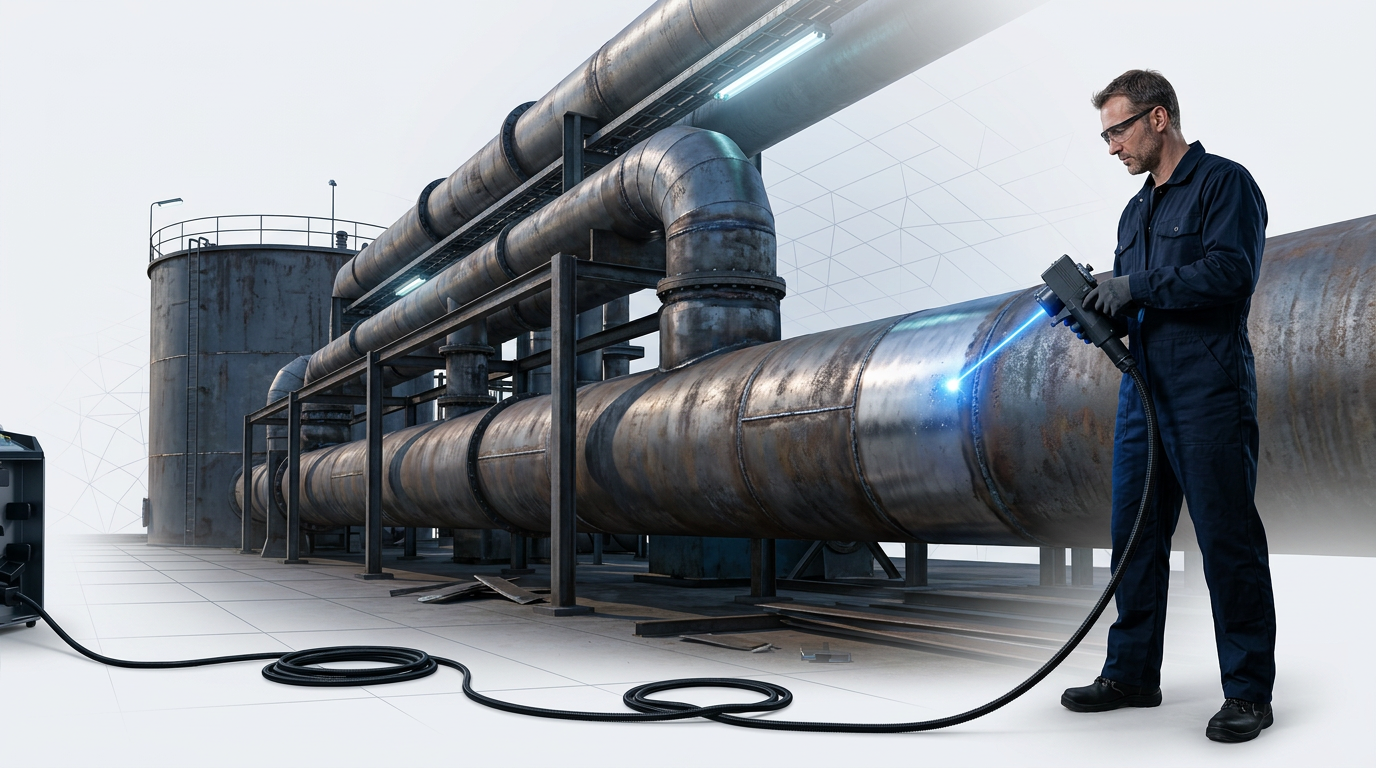
Industrial Maintenance On Site
ELASER's 50 m cable reach lets one operator clean plant and large structures in situ — nothing to mask off, no media to clear up.
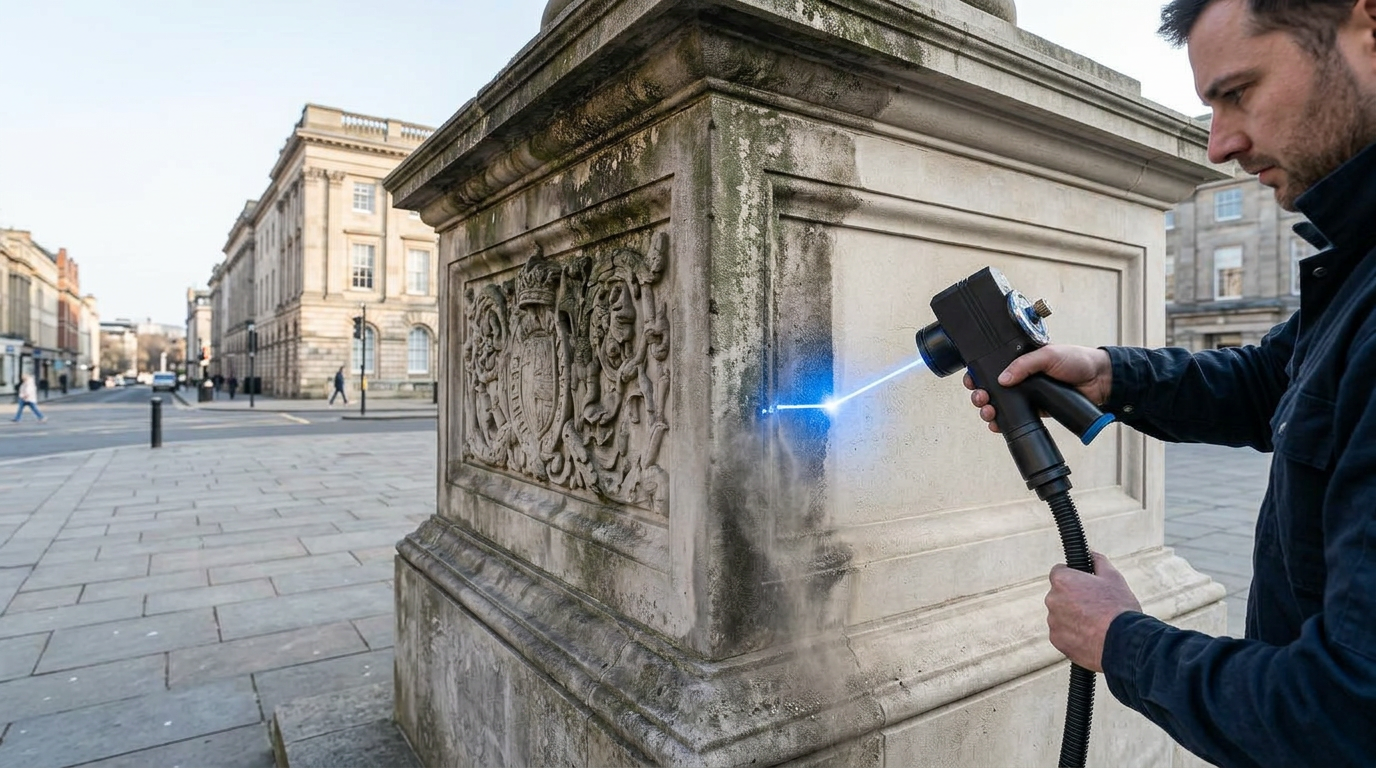
Heritage and Restoration
ELASER-RHZ's reduced hazard zone enables cleaning of stone, metal and masonry in publicly accessible settings — no area shutdown, no evacuation required.
Portable vs Production-Integrated
ELASER is a wheeled, self-contained unit under 50 kg. A single operator carries the sub-3 kg handheld scanner up to 50 m from the source — cleaning in place, on site, wherever the work is. It needs no external infrastructure.
AutoLASE mounts its cleaning head on an articulated robotic arm within a fixed or semi-fixed production cell. It attaches to your existing robots or is supplied as a complete custom cell. Both systems can be configured with WSL's exclusive RHZ technology: ELASER-RHZ for open-environment use; AutoLASE with optional RHZ for enclosure-free automated cleaning.
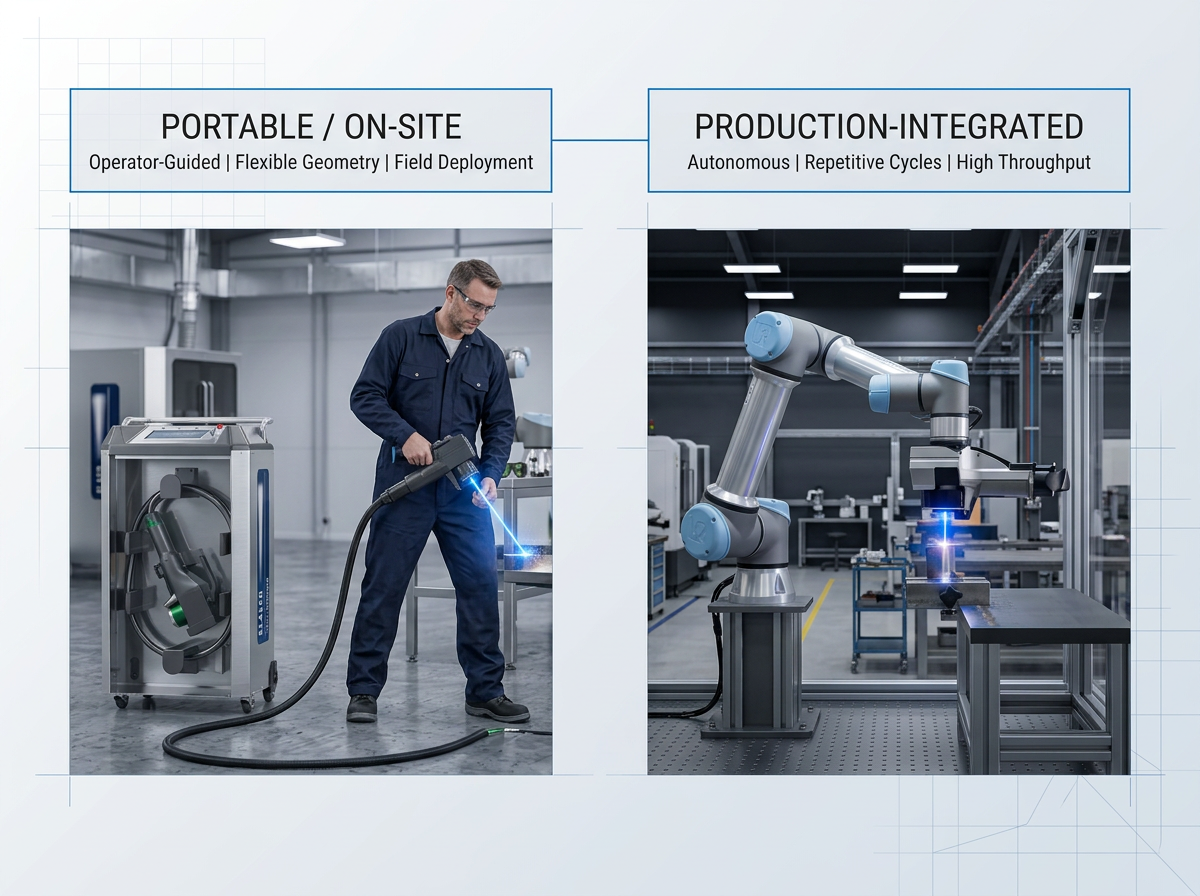
Operator-Guided vs Load-and-Go
With ELASER, the operator sets up cleaning parameters through a graphical touchscreen GUI, selects programmable scan shapes, and directs the handheld scanner across the surface. The operator controls the cleaning path throughout.
With AutoLASE, setup works differently. Load the part, and the system's 3D machine-vision software scans it, builds a map, and generates the cleaning path automatically. No programming, no path-setting, no knowledge of part geometry required.
Trained Operator vs Any Operator
ELASER requires a trained operator to guide the scanner, read the surface, and make cleaning judgements in real time. Training is available — but the quality of the clean depends on the person holding the scanner.
AutoLASE removes that dependency entirely. Anyone can load a part and initiate a cycle — the system handles all cleaning decisions autonomously. For production managers weighing labour flexibility or managing operator turnover, this distinction has direct implications for staffing, training overhead, and consistent output quality.
Flexible Volume vs High Throughput
ELASER suits varied part geometries, low-to-medium cleaning volumes, in-situ tasks, and service-business contexts where flexibility across different jobs and locations is the priority. If no two parts are the same, ELASER is the right fit.
AutoLASE is built for repetitive, high-volume production cleaning on defined part families — the same part, cleaned to the same standard, cycle after cycle. If your operation runs consistent batches and throughput consistency matters, AutoLASE delivers that reliably.
Find Your Right System
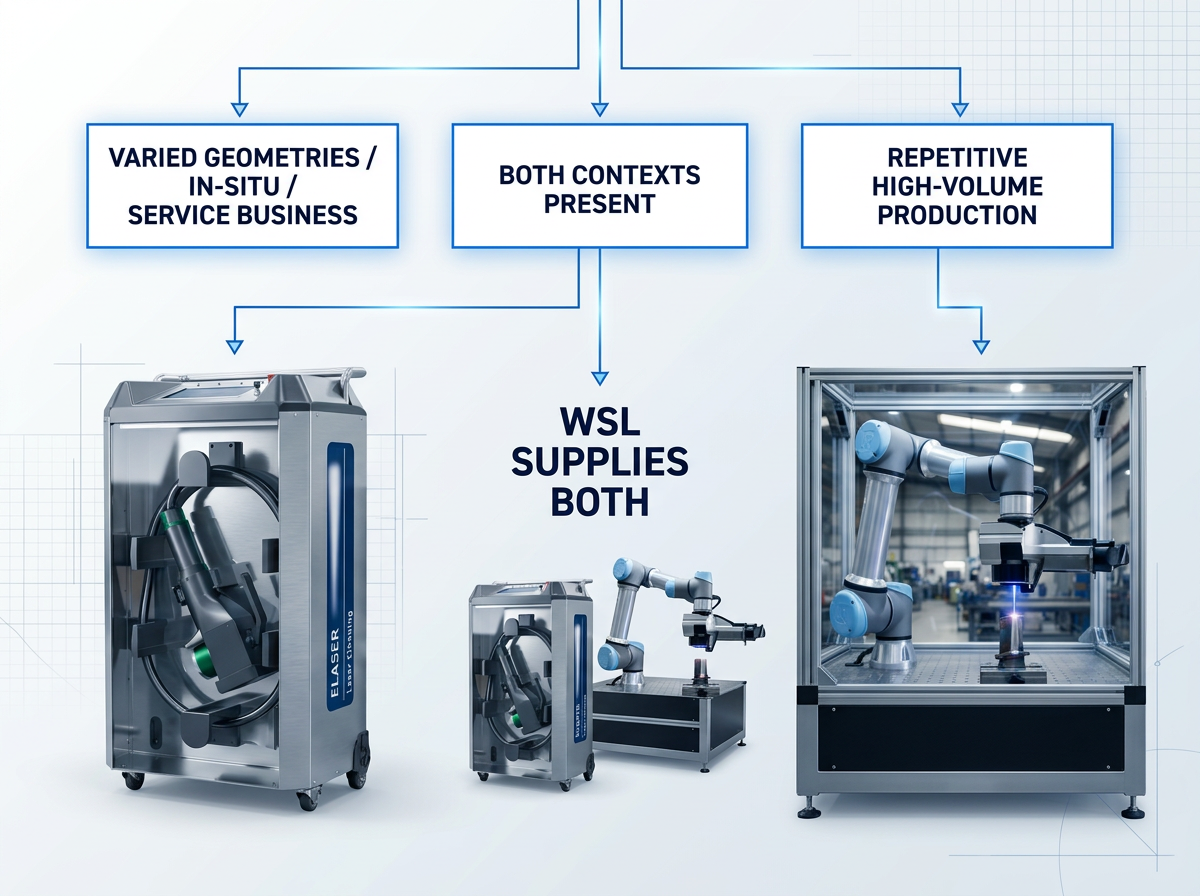
Choose ELASER for varied geometries, in-situ cleaning, or a service-business model. Choose AutoLASE for repetitive, high-volume production cleaning on defined part families.
If both contexts exist within your operation, both systems are available from one supplier. WSL is the only UK-based laser cleaning manufacturer, and both share the same core technology: up to 300 W, 1550 nm, tunable 0–100%, CE and UKCA certified, Made in Britain. Speak to WSL to find the right fit.
Ready to See AutoLASE in Your Production Line?
The comparison is clear. If high-volume, repeatable production cleaning is your priority, AutoLASE is built for it. Explore the full system specification and see how it fits your workflow.
Built in Britain: The Manufacturer Behind Your Machine
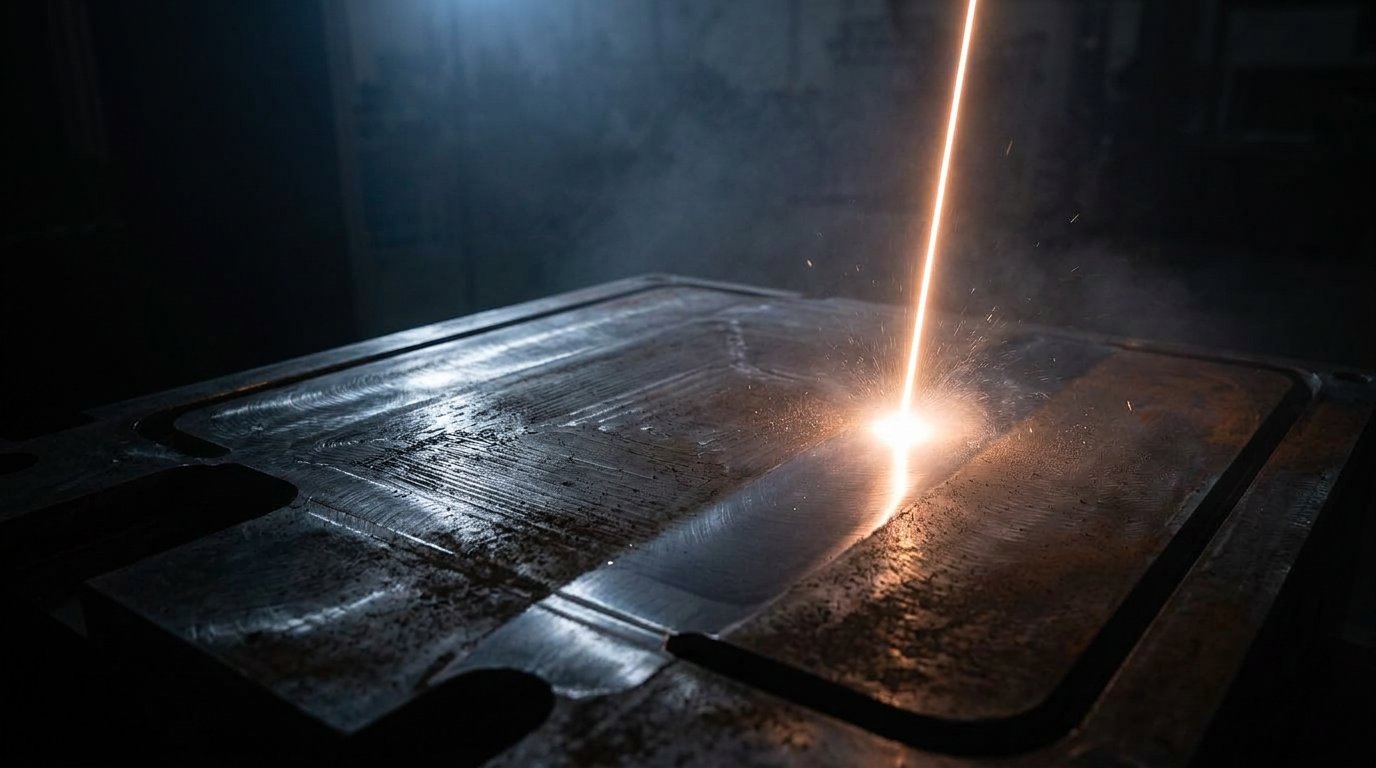
WSL is the only UK-based laser cleaning manufacturer — designing, building, servicing and improving every system in-house since 2012. That matters because a significant share of laser cleaning 'manufacturers' are actually resellers or importers rebadging third-party machines.
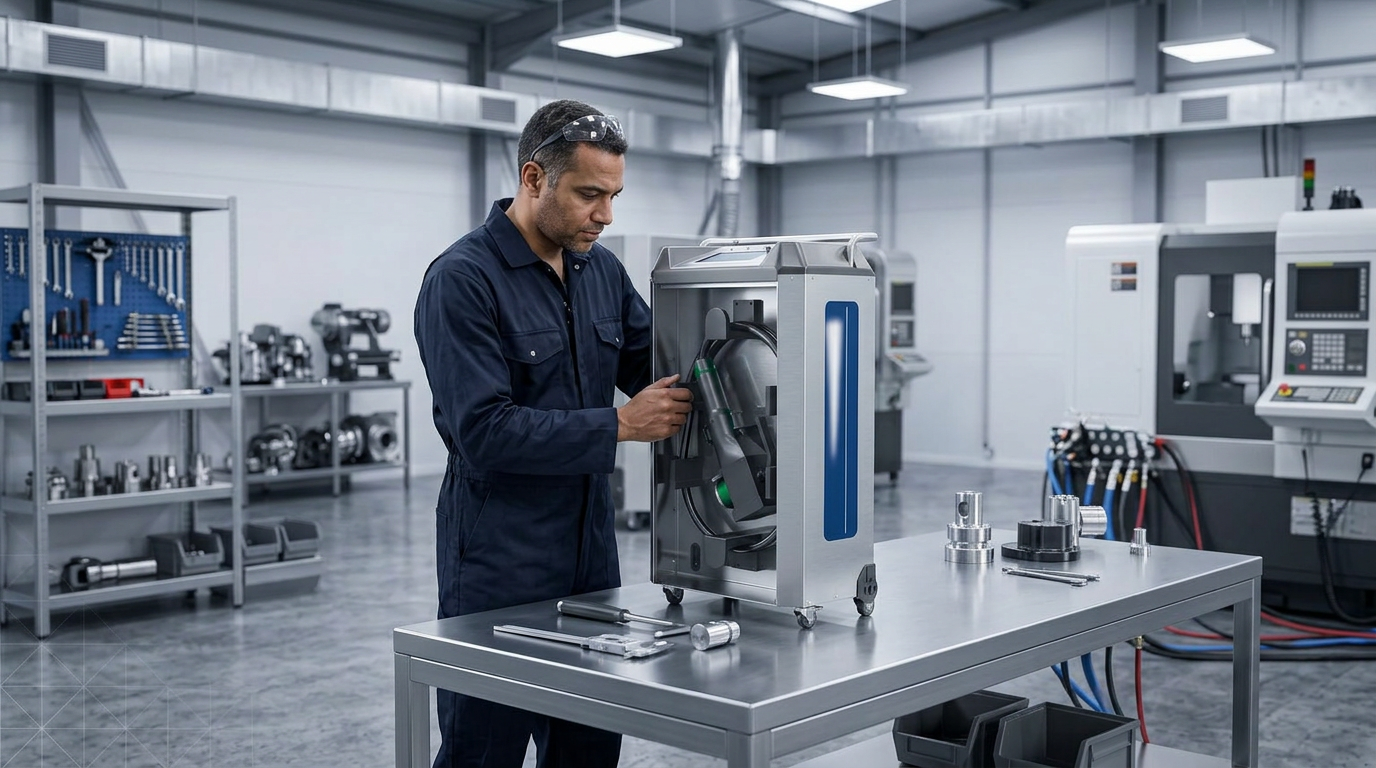
When a production line is down, a reseller cannot engineer a fix. They escalate to an OEM they have no direct relationship with. WSL's team — carrying over 200 years of combined engineering experience and holding patented, world-first RHZ technology — can act immediately, because they built the machine.
Total Cost of Ownership: The Right Evaluation Framework
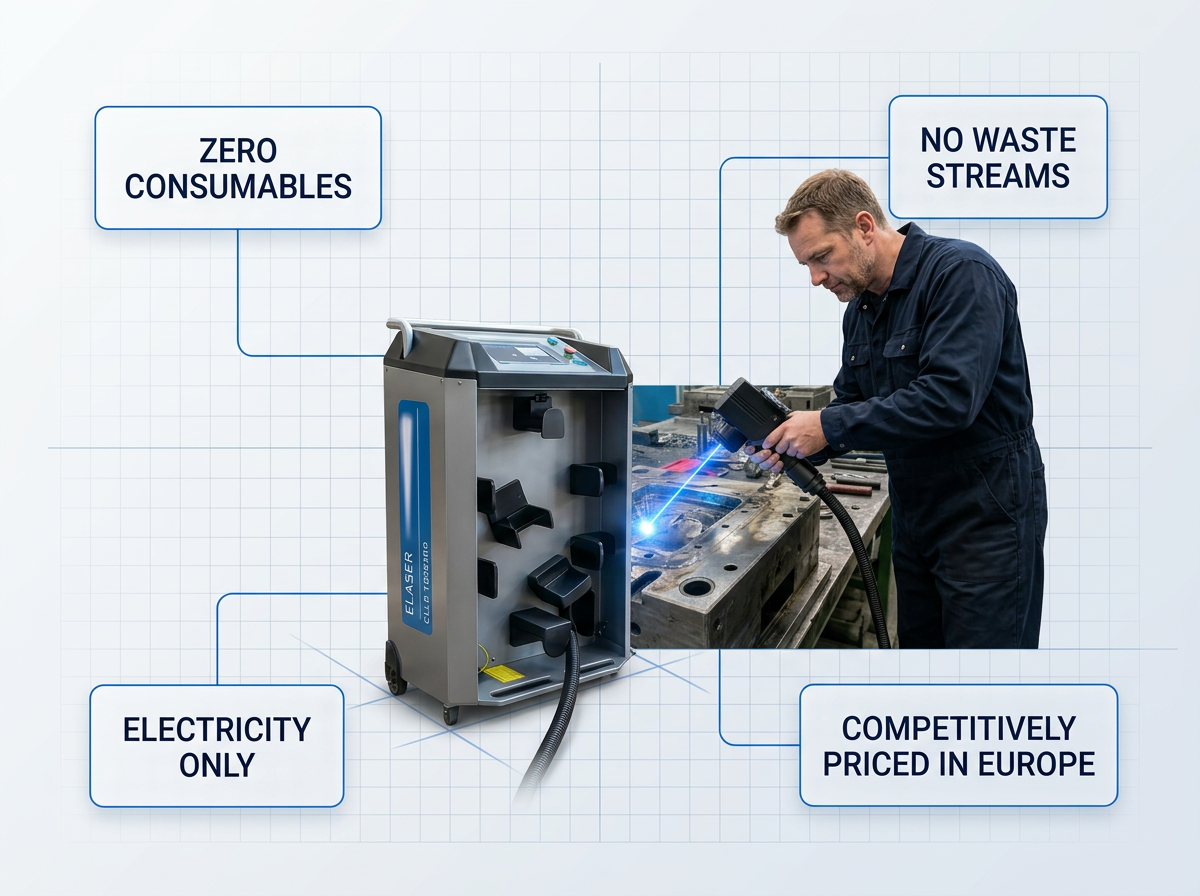
Upfront capital cost is one input. The complete picture includes running costs, downtime costs, and rework costs across the system's operational life. On that basis, laser cleaning's profile is structurally different from abrasive or chemical methods: the only consumable is electricity. No blast media, no chemicals, no waste streams to dispose of.
Minimal substrate damage matters too — the beam stops at the base material, so less rework is needed. WSL systems also carry the most competitive upfront pricing among comparable industrial laser cleaning machines in Europe, achieved through in-house manufacturing efficiencies, not by compromising on quality.
Laser Output Parameters
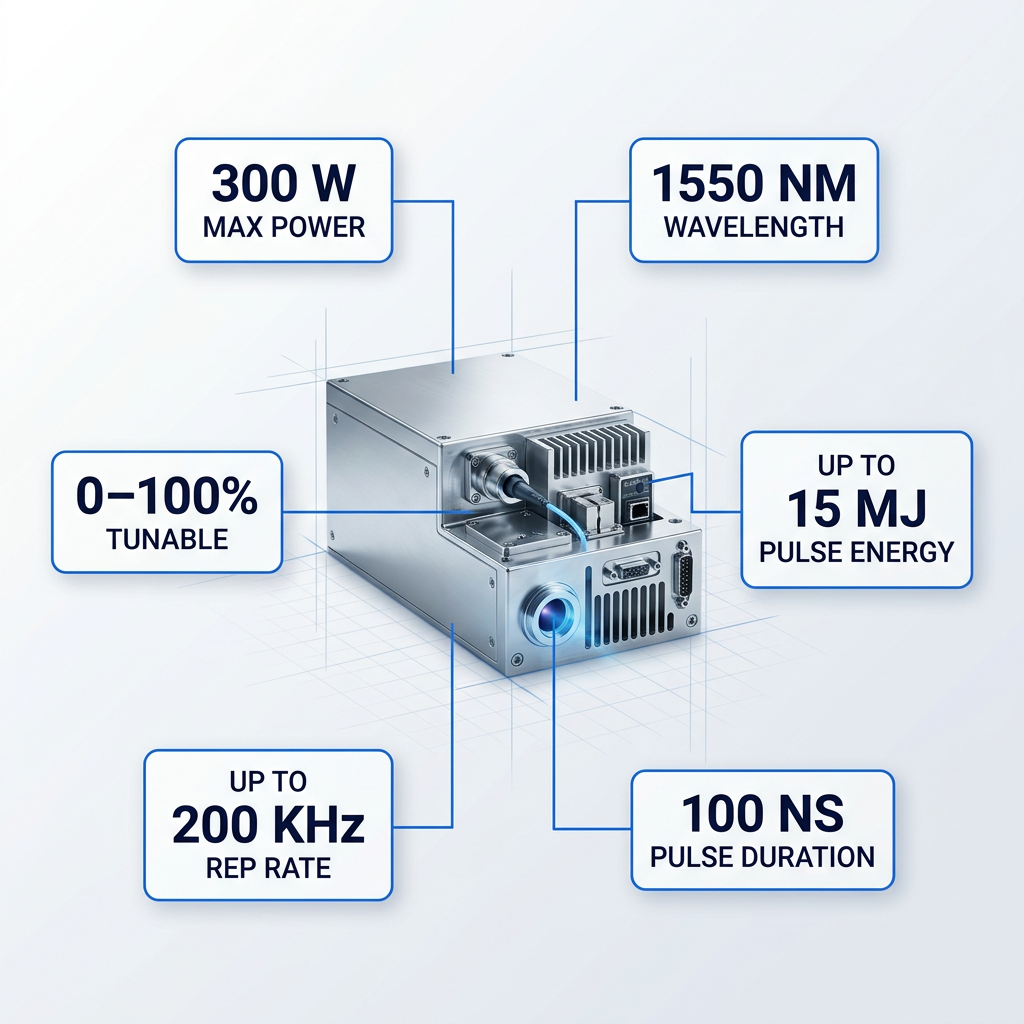
Applies to both ELASER/ELASER-RHZ and AutoLASE.
Max output power: Up to 300 W | Wavelength: 1550 nm | Pulse energy: Up to 15 mJ | Pulse duration: 100 ns | Pulse repetition rate: Adjustable up to 200 kHz (CW) | Power tunability: 0–100%
Scanner and Optical Specs
Applies to both ELASER/ELASER-RHZ and AutoLASE.
Scanner type: 2-D galvanometer | Max scan rate: 10 m/s | Scan shapes: Fully programmable via GUI | F-Theta lenses: Interchangeable, 75–500 mm working distance | Lens-protection windows: Included and replaceable
Power and Physical Specs
Power supply: 110–250 VAC single-phase (both systems) | Power consumption: <2,000 W (both systems) | Delivery cable: Up to 50 m; standard configurations 5 m / 15 m (both systems)
ELASER/ELASER-RHZ only — System weight: Under 50 kg (wheeled) | Handheld scanner weight: Under 3 kg. Weight data for AutoLASE (robotic-arm system) is not specified here.
Interface and Compliance
Applies to both ELASER/ELASER-RHZ and AutoLASE.
Interface: Ethernet + touchscreen | Laser class: Class IV or Class I | Certifications: CE and UKCA | Manufacture: Made in Britain (UK)
How WSL Laser Cleaning Systems Compare to the Market
WSL's ELASER and AutoLASE systems lead the market on five verifiable axes. Each differential below is grounded in published specifications and first-party product data — not marketing claims.
The Only Reduced Hazard Zone Laser Cleaning Worldwide
No other manufacturer offers RHZ technology — WSL's ELASER-RHZ cleans in open environments without evacuation.
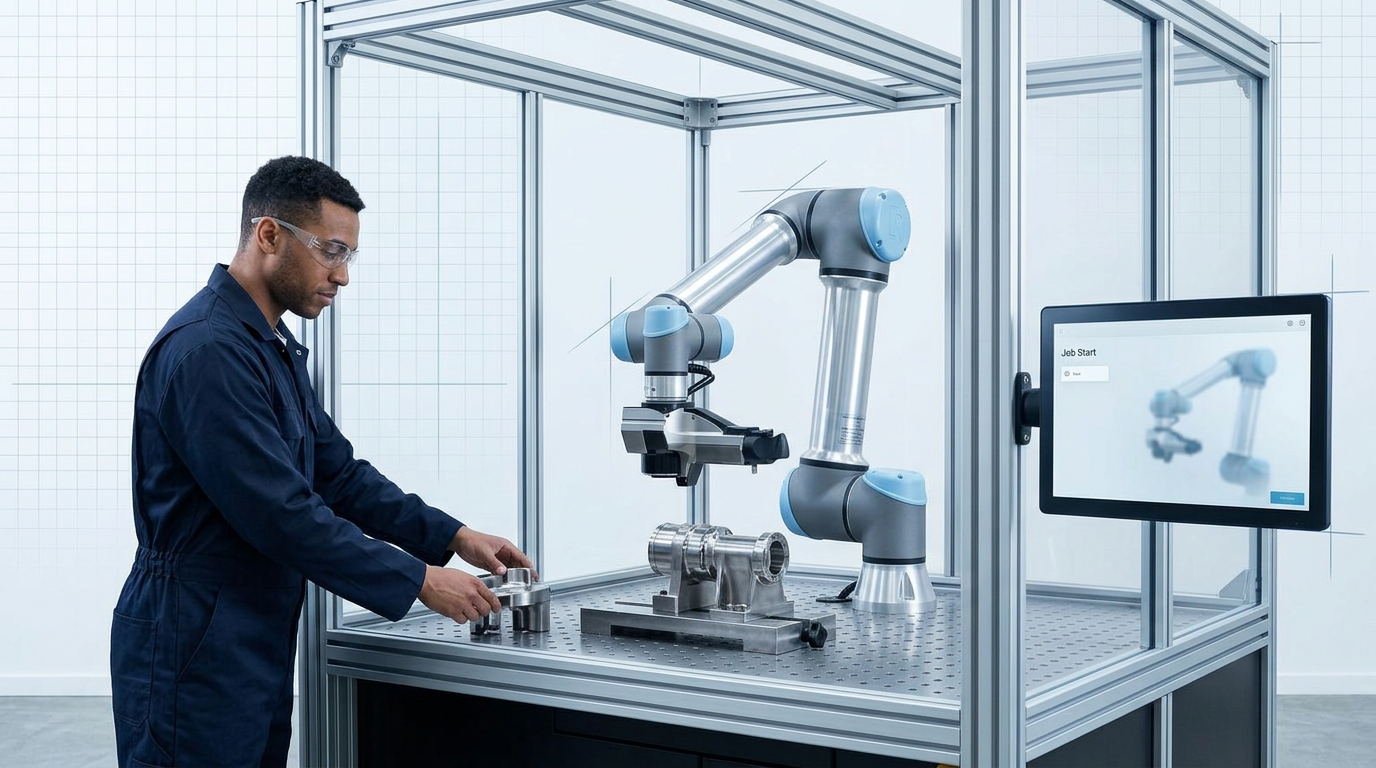
AutoLASE: Load the Part, No Programming Required
AutoLASE generates cleaning paths automatically; competitor automated cells require prior programming and technician configuration.
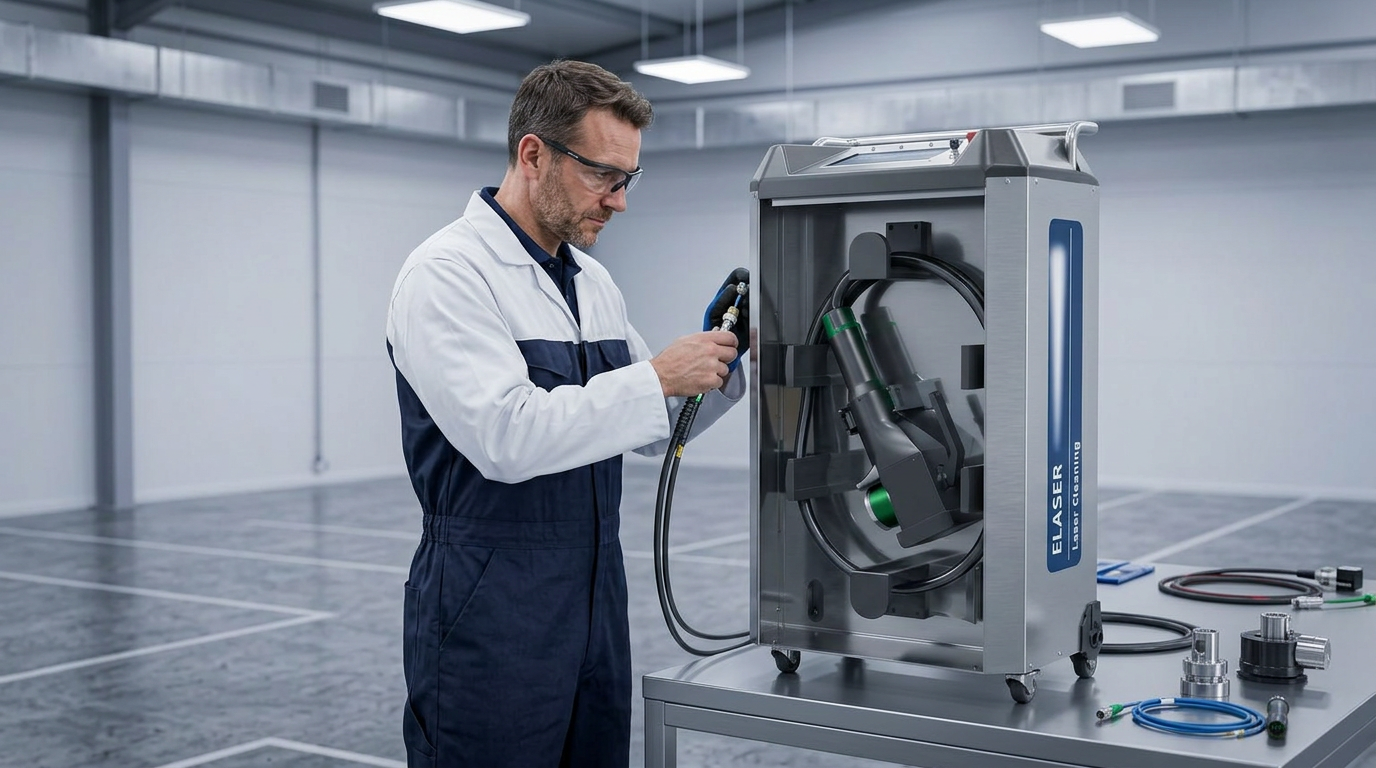
Designed, Built and Supported In-House in the UK
WSL designs, builds and supports every machine in-house; many market suppliers are resellers without in-house engineering.
Europe's Most Competitively Priced Industrial Laser Cleaning
WSL is the European cost leader for comparable industrial laser cleaning systems, without quality compromise.
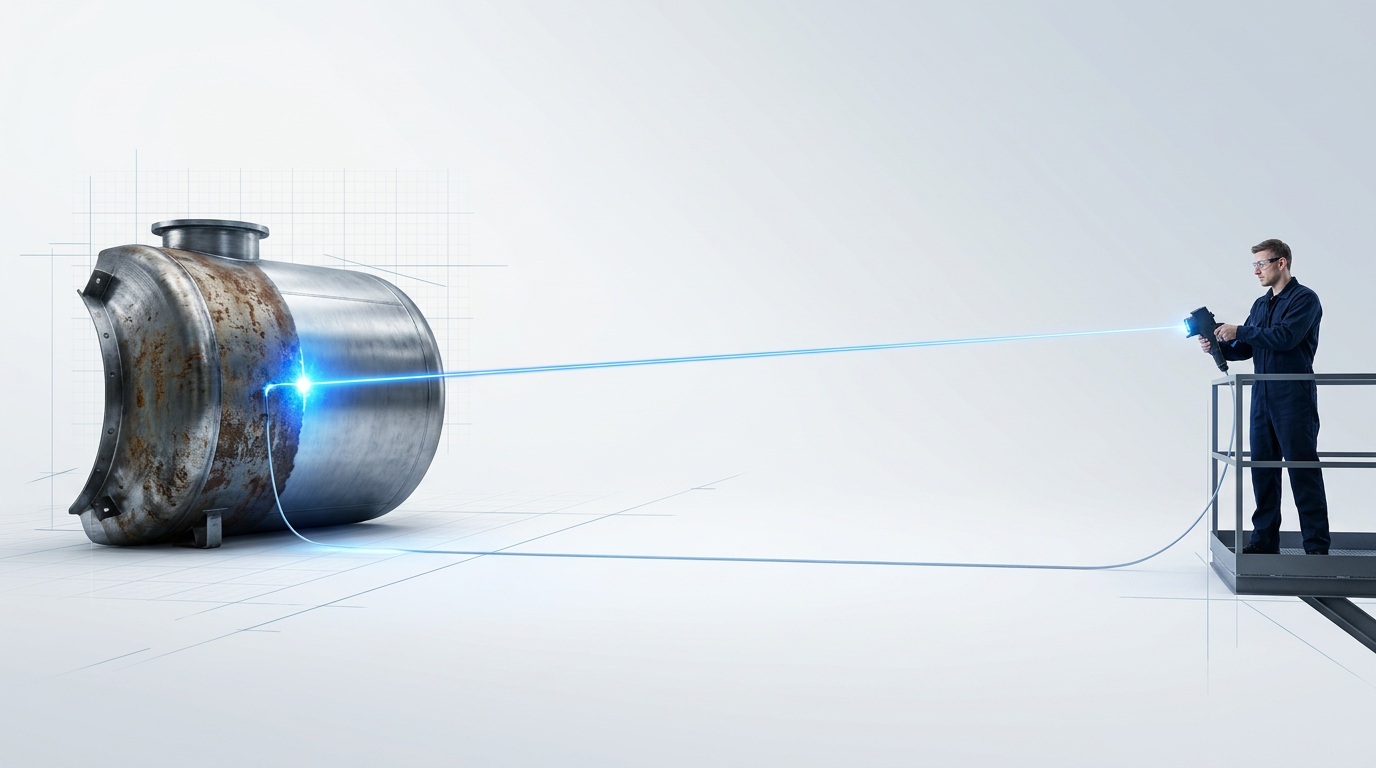
50 m Cable Reach: Clean Large Structures From One Position
ELASER's 50 m cable far exceeds comparable portables — the Rocklin MobiLase and 4JET M100 reach just 5 m.
Frequently Asked Questions
Common questions about WSL's industrial laser cleaning systems — from how the RHZ technology works to system selection, integration, and total cost of ownership.
WSL's patented Reduced Hazard Zone (RHZ) technology collapses the laser hazard to a small area immediately around the work — rather than requiring the entire surrounding space to be sealed off and evacuated. That changes where and how you can clean: open workshops, mixed-use facilities, graffiti removal in public settings, heritage restoration on monuments, in-plant maintenance alongside active operations. None of that requires shutting the area down. This technology is available exclusively from WSL — no other laser cleaning manufacturer offers it anywhere in the world. WSL provides full laser safety and operation training with every system, and operators are trained to work safely within the reduced hazard zone.
AutoLASE uses 3D machine-vision software to do the work that would otherwise require a programmer or technician. The operator loads the part; the system scans it, builds a 3D map, and generates the cleaning path automatically. No manual programming, no path-setting, no knowledge of the part's geometry required. Anyone can load a part and run it. The differentiator is not simply that the process is automated — it is that the vision software eliminates the need for any technical setup entirely. The system works out what to clean and how to clean it, then gets on with it.
Yes. AutoLASE attaches to collaborative or industrial robots from major suppliers, or can be supplied by WSL as a complete custom cell if you prefer a turnkey solution. If you have specific integration requirements, contact WSL directly — bespoke engineering capability is available, and the team can advise on the right configuration for your setup.
Both ELASER/ELASER-RHZ and AutoLASE clean a wide range of substrates: metals including steel, aluminium alloys, cast iron, copper, brass, bronze, titanium, and galvanised materials, plus stone, concrete, brick, and masonry. Contaminants removed include rust, oxides, mill scale, paint, powder coating, lacquer, primer, oil and grease, carbon and soot, mould, graffiti, adhesives and residues, tarnish, weld discolouration, and release agents. These are representative examples — the systems suit many further applications across industries. If your specific substrate or contaminant isn't listed, contact WSL to discuss.
Both systems run on a 110–250 VAC single-phase supply, with power consumption under 2,000 W. That is a standard industrial socket — no three-phase power, no dedicated circuit, no special infrastructure. Both systems are also air-cooled, so there is no water supply or chiller circuit required. You can deploy either system wherever a standard industrial supply is available.
Yes — WSL provides first-class laser cleaning safety and operation training with its systems. Operators do not need a specialist background; the training is designed to get people productive quickly and safely. Because these are Class IV laser systems, safety training is a necessary part of deployment — WSL's training covers both safe operation and effective cleaning technique, so your team is equipped from day one.
Yes. Both ELASER/ELASER-RHZ and AutoLASE hold CE and UKCA certification, covering compliance requirements for EU and UK markets respectively.
The right evaluation framework is total cost of ownership, not point-of-purchase price. Laser cleaning's running cost profile is structurally different from abrasive or chemical methods: there are no consumables (no abrasives, no chemicals, no media to buy or dispose of), minimal substrate damage that reduces rework, and no waste disposal costs to manage. Over a system's operational life, those savings compound materially. Sandblasting and chemical stripping carry ongoing consumable and disposal costs on every job, every day — laser cleaning does not. The TCO case is made across the operational life of the system, which is where the comparison genuinely favours laser cleaning.
Yes. WSL has bespoke engineering and customisation capability for both ELASER/ELASER-RHZ and AutoLASE. As the only UK-based laser cleaning manufacturer — designing and building every system in-house — WSL has the engineering depth to work on non-standard requirements. Get in touch to discuss your specific application and WSL can advise on the right approach.