

High Path Loss Demands High Power at the Aperture
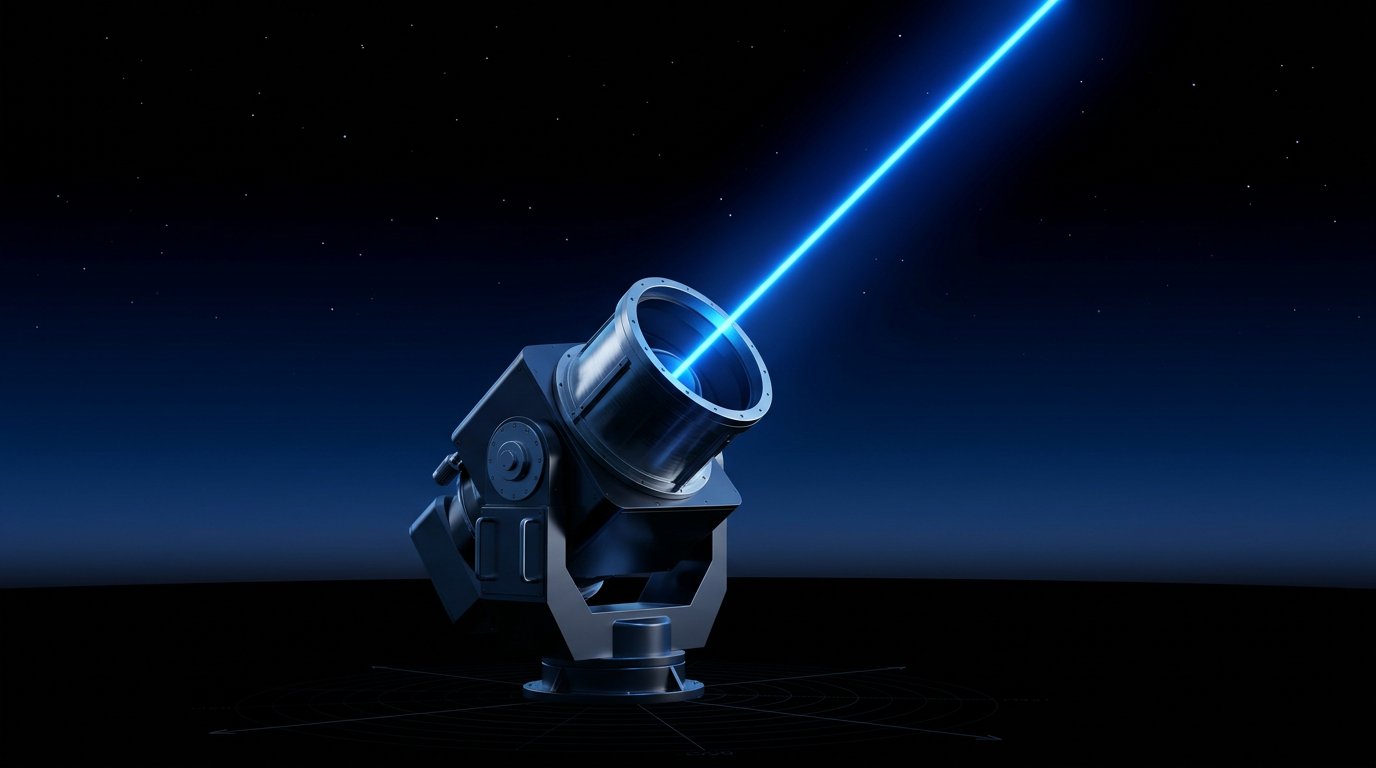
Free-space path loss scales with the square of distance. At LEO and GEO ranges, the losses are severe enough that closing the link reliably requires maximising transmitted power at the ground aperture — as documented in JPL's optical link design monograph. Optical ground links also operate outside congested, licensed RF spectrum, carrying substantially more data than radio.
The ground-station operator controls two primary levers: output power and beam quality. The EDF-UL is engineered around both. At full power in a narrow-linewidth fibre amplifier, Stimulated Brillouin Scattering is a genuine constraint; the EDF-UL addresses it by design.
Beacon and Data in One Amplified Beam
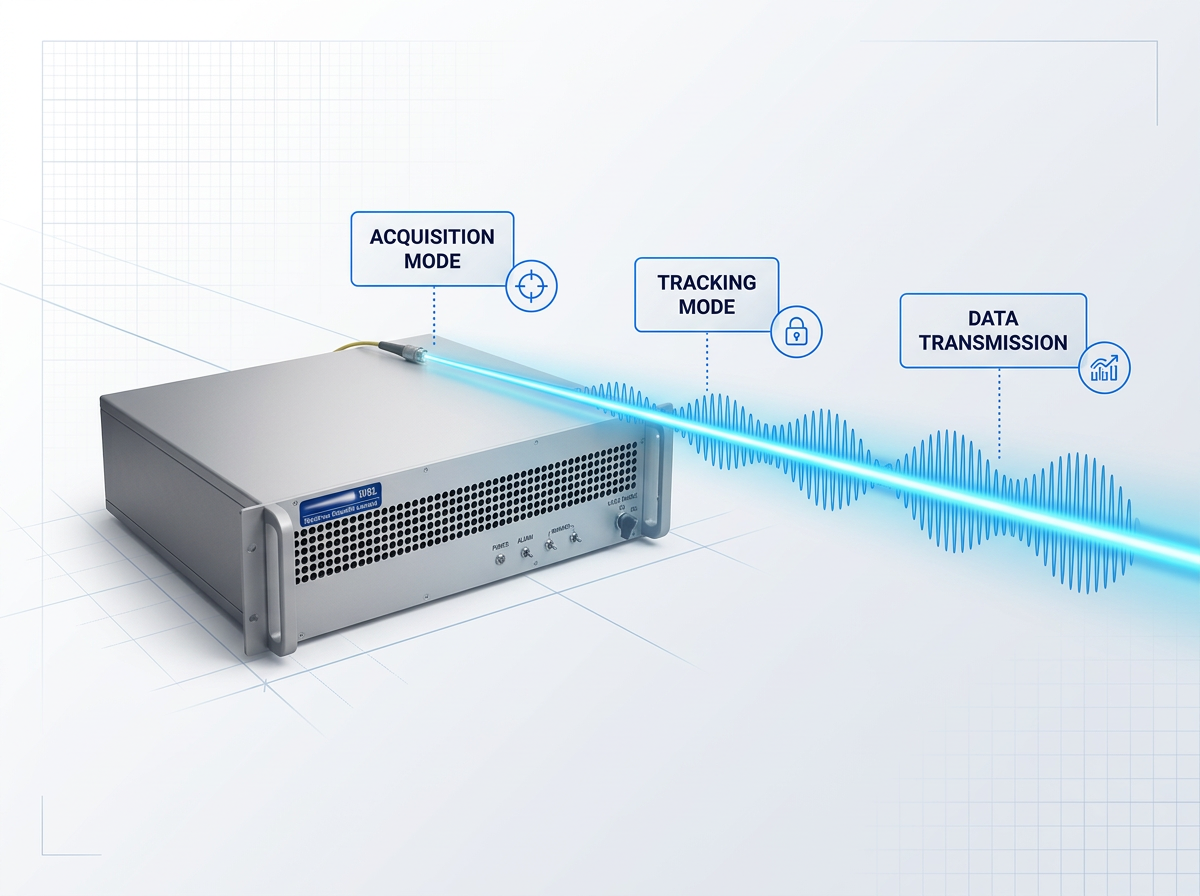
The EDF-UL carries the tracking beacon and uplink data in a single amplified beam — one optical path, one aperture, no separate beacon transmitter. The beacon tone rides at low modulation depth; data modulation is layered above it, with frequency adjustable from CW to 10 MHz, sinusoidal or rectangular waveforms, and modulation depth from 0–100%.
A single module covers acquisition, tracking, and data-transmission modes. The same unit is configurable as beacon-only, uplink amplifier, or both — adapting to the programme's ground-station architecture without additional hardware.
Modulation-on-Demand: Compatible with Evolving Standards
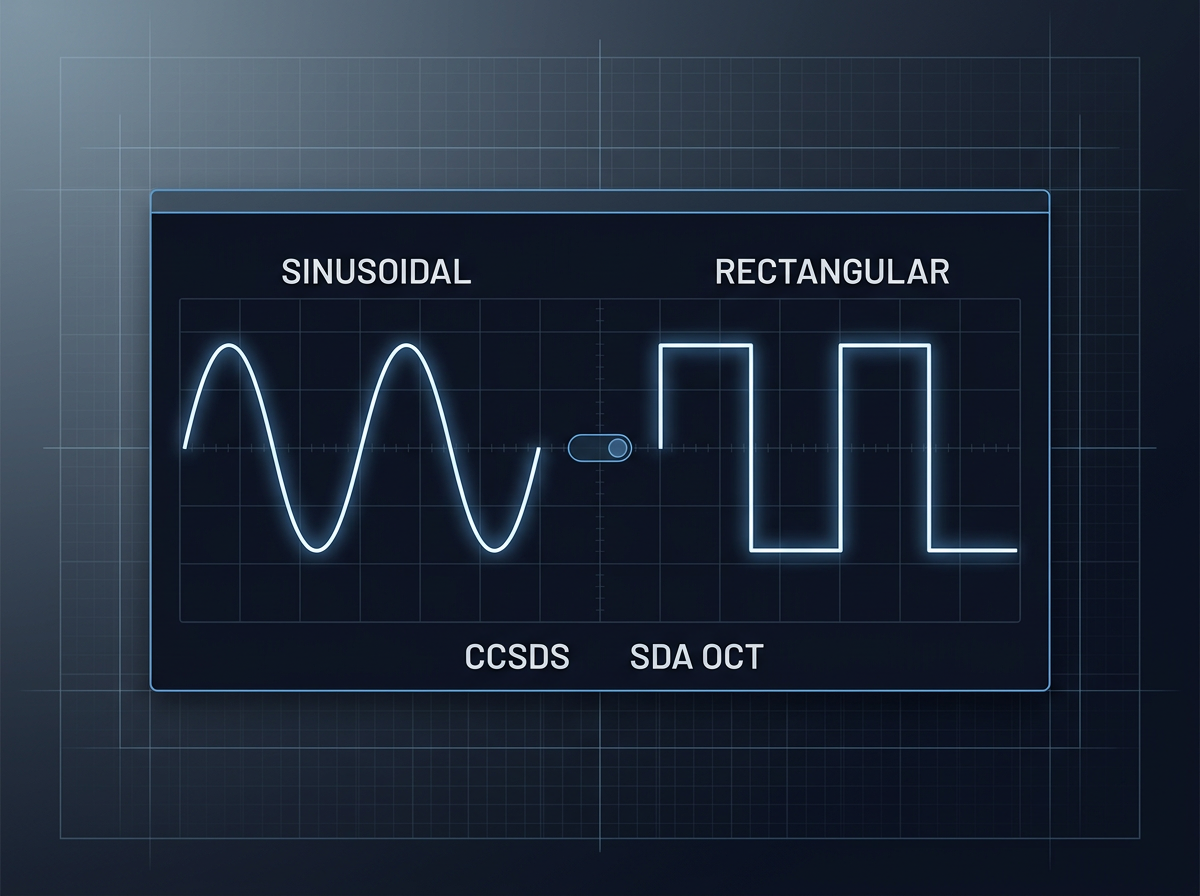
WSL's Modulation-on-Demand makes the EDF-UL software-definable at the signal layer: amplitude modulation is software-selectable, with square or sinusoidal waveforms, adjustable frequency and modulation index — no hardware change required.
The amplifier switches between CCSDS, SDA OCT, and proprietary protocols at high power across C- and L-band. As standards revise, the configuration follows in software. A programme specifying a fixed-function amplifier today carries real compatibility risk tomorrow.
Wavelength tunability of ±2 nm (broader on request) and uplink rates to 10 Mbps OOK with the integrated seed — or set by your own modem through the external input — extend reconfigurability to the data layer.
Hardware Configured to Your Ground Station
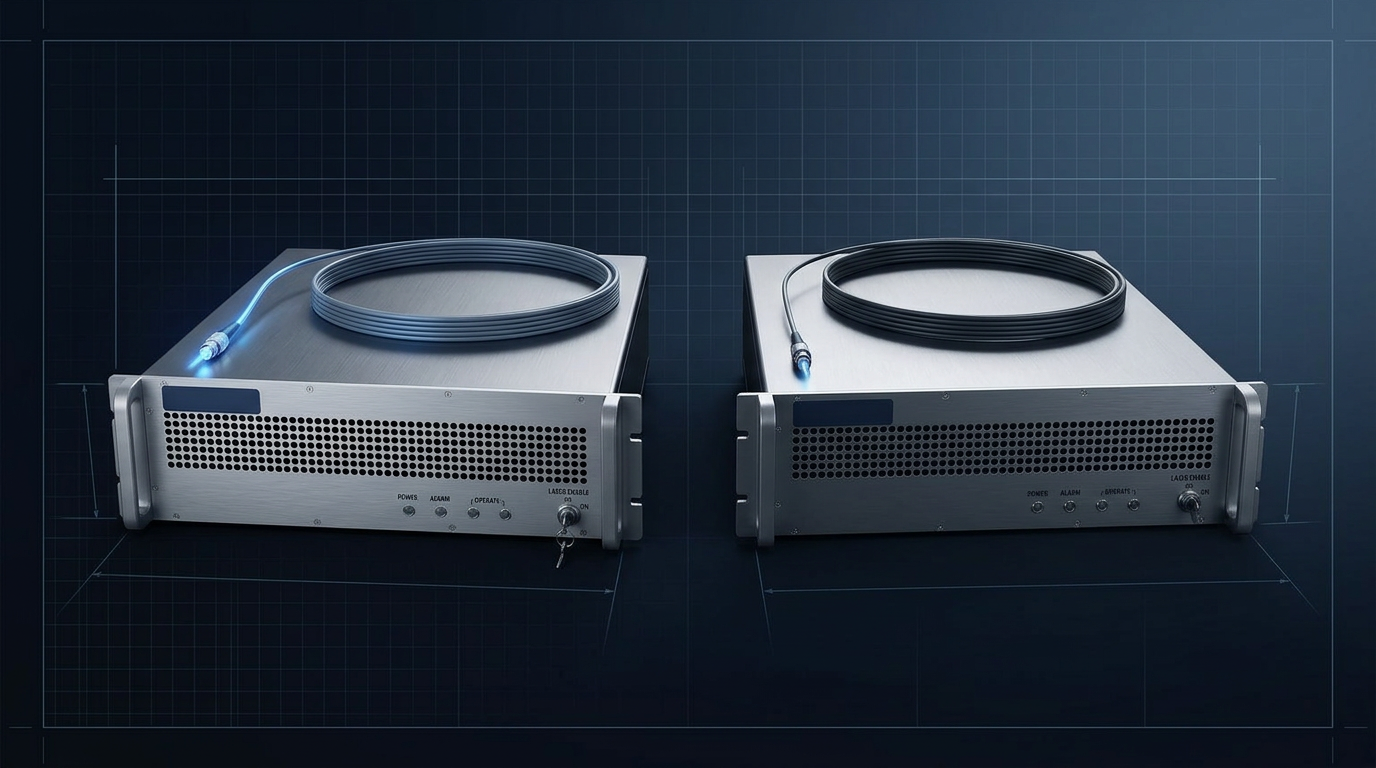
WSL designs and builds the EDF-UL in-house, so every dimension below is a genuine configuration option — not a catalogue selection. Catalogue resellers cannot tailor hardware to this depth. Each axis is specified to your ground station's architecture.
Band Selection: C-Band, L-Band or Dual-Band
EDF-UL-10-C for C-band, EDF-UL-10-L for L-band, or dual-band from one source.
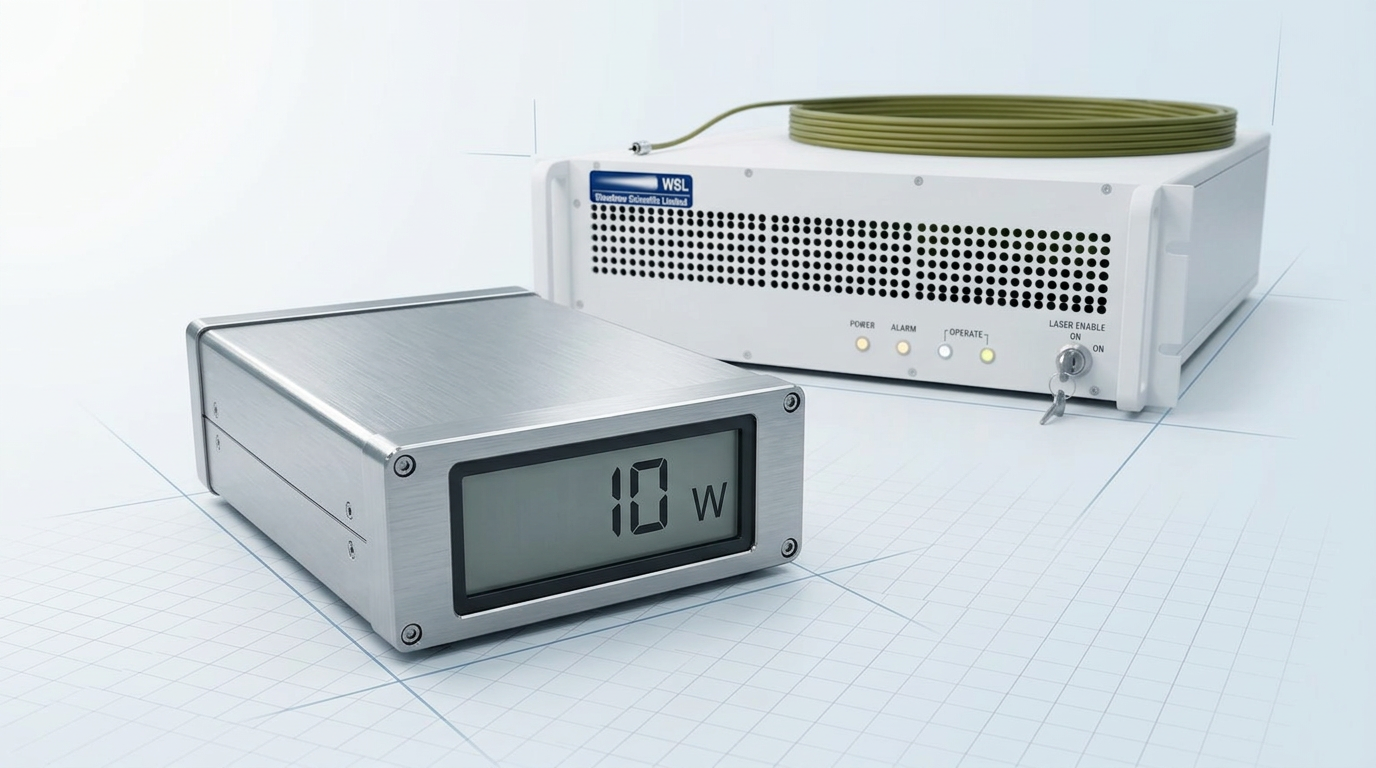
Output Power: 10 W Standard, Higher Available
10 W standard; higher on request. Full 0–100% power control with under 2% stability.
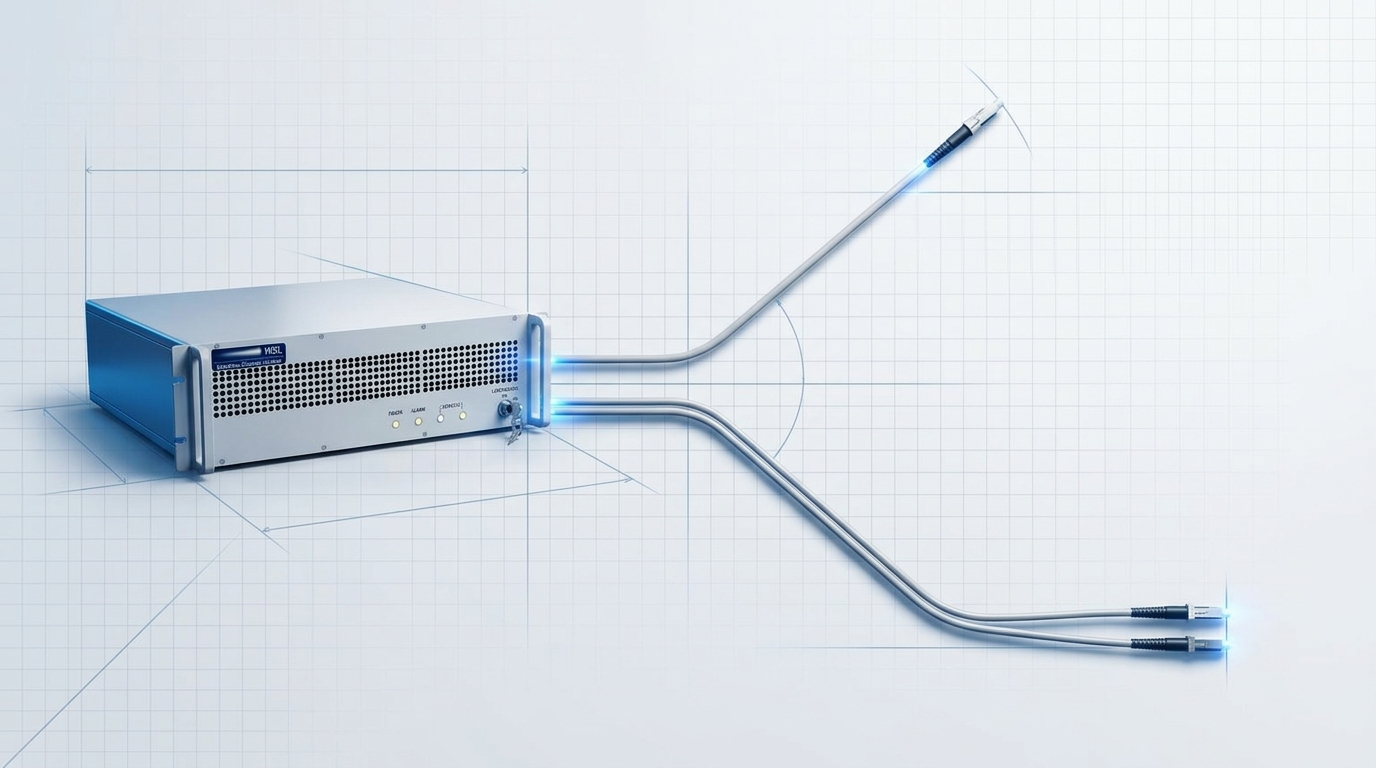
Direction: Beacon-Only or Bi-Directional
Configure as beacon-only or full bi-directional operation to suit your optical architecture.
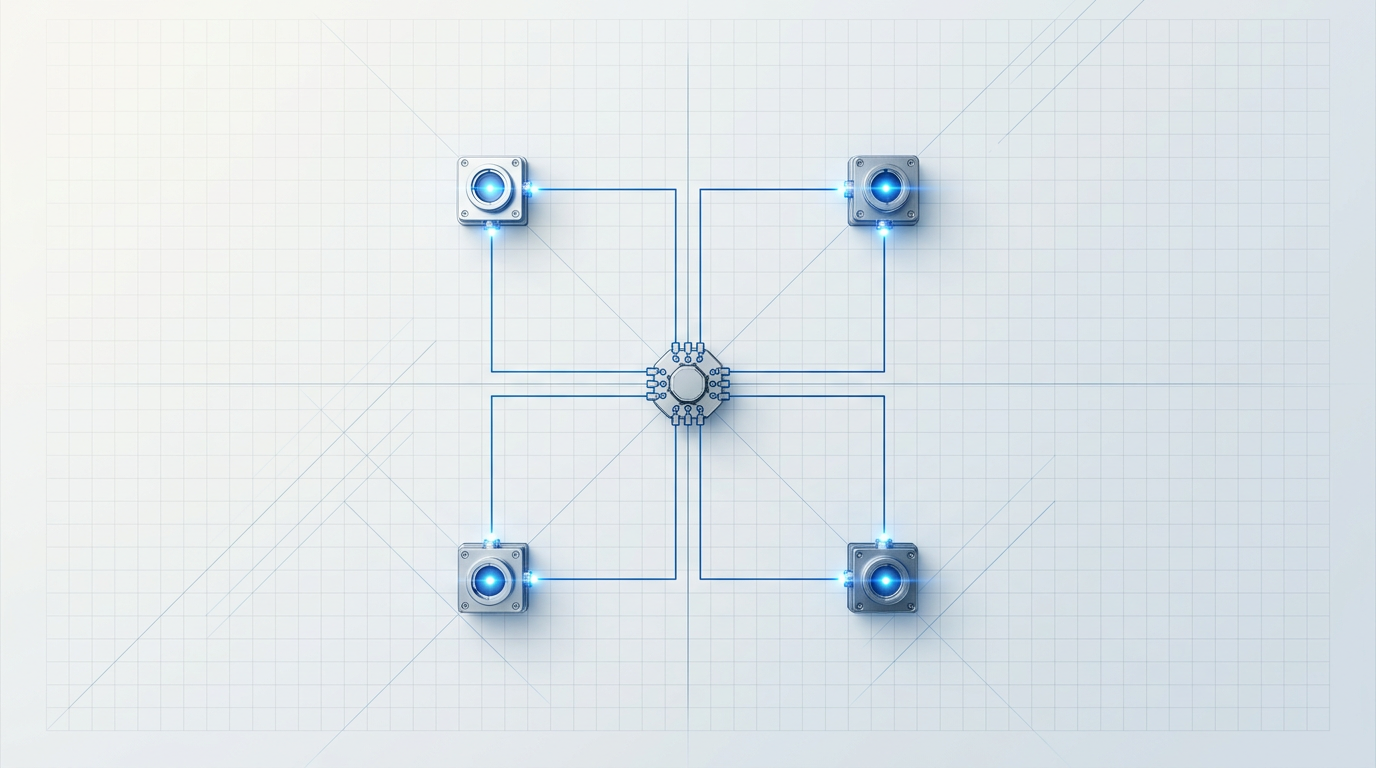
Emitter Arrays: 2- or 4-Emitter with Synchronisation
2- and 4-emitter configurations available, with multi-station synchronisation for site and emitter diversity.

External Optical Input for Third-Party Transmitters
Amplifies your own transmitter: data rate set by your modem, drive electronics handle external OOK up to 20 Mbps; 2 mW minimum input power required.
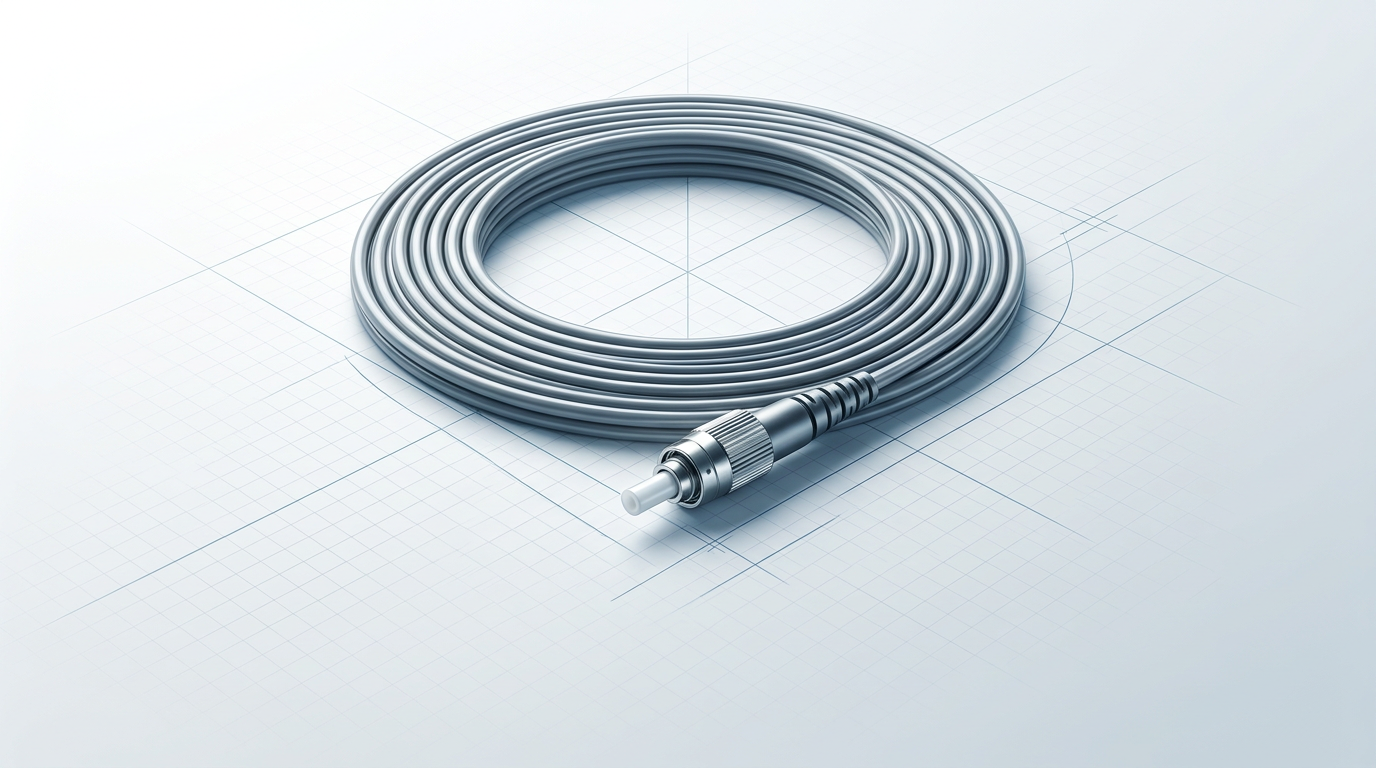
Fibre Delivery: 10 m Standard, Longer on Request
FC/PC output with optical isolation; 10 m standard cable, longer runs available on request.

Form Factor: 3U Rack, Air or Water Cooled
3U 19" rack; under 20 kg, under 250 W. Water cooling available on request.
Get the Full EDF-UL-10 Specifications
Download the EDF-UL-10 datasheet for complete link-budget parameters, modulation specs, and integration details. Or speak directly with the WSL engineering team about your ground-station requirements.

Multi-Emitter and Site Diversity for Link Availability
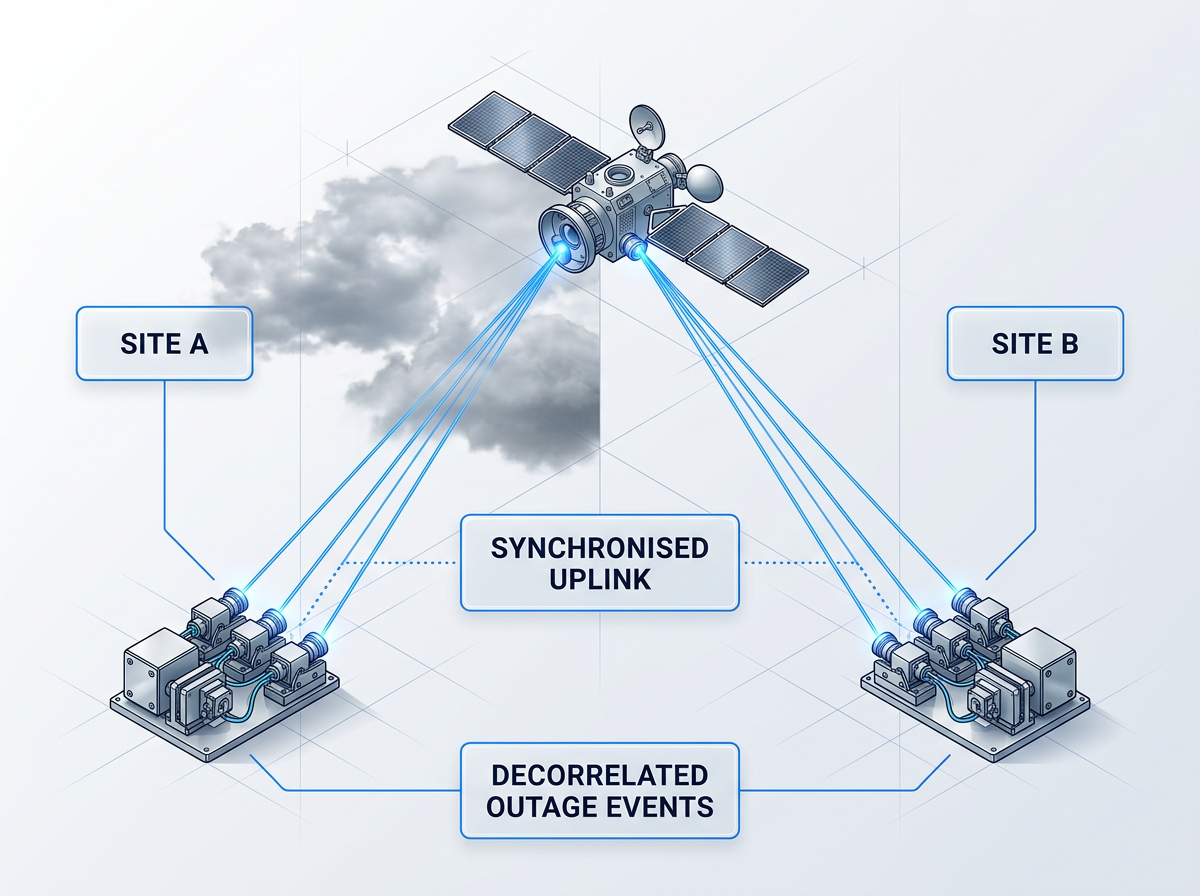
Cloud cover can reduce single-site optical ground station availability dramatically — the NASA/NTRS literature documents figures from 30% in Central Europe to 80% at favourable locations — while atmospheric turbulence drives uplink beam wander and scintillation on every pass. Spatially separated beams passing through largely uncorrelated atmospheric cells reduce correlated fading at the satellite receiver; geographically separated stations decorrelate cloud-outage events so sites unlikely to be obscured simultaneously can sustain the uplink. The EDF-UL is built for both architectures from the outset: 2- and 4-emitter arrays with synchronisation are native to the platform, as is multi-station diversity network compatibility.
Standard Control Interfaces
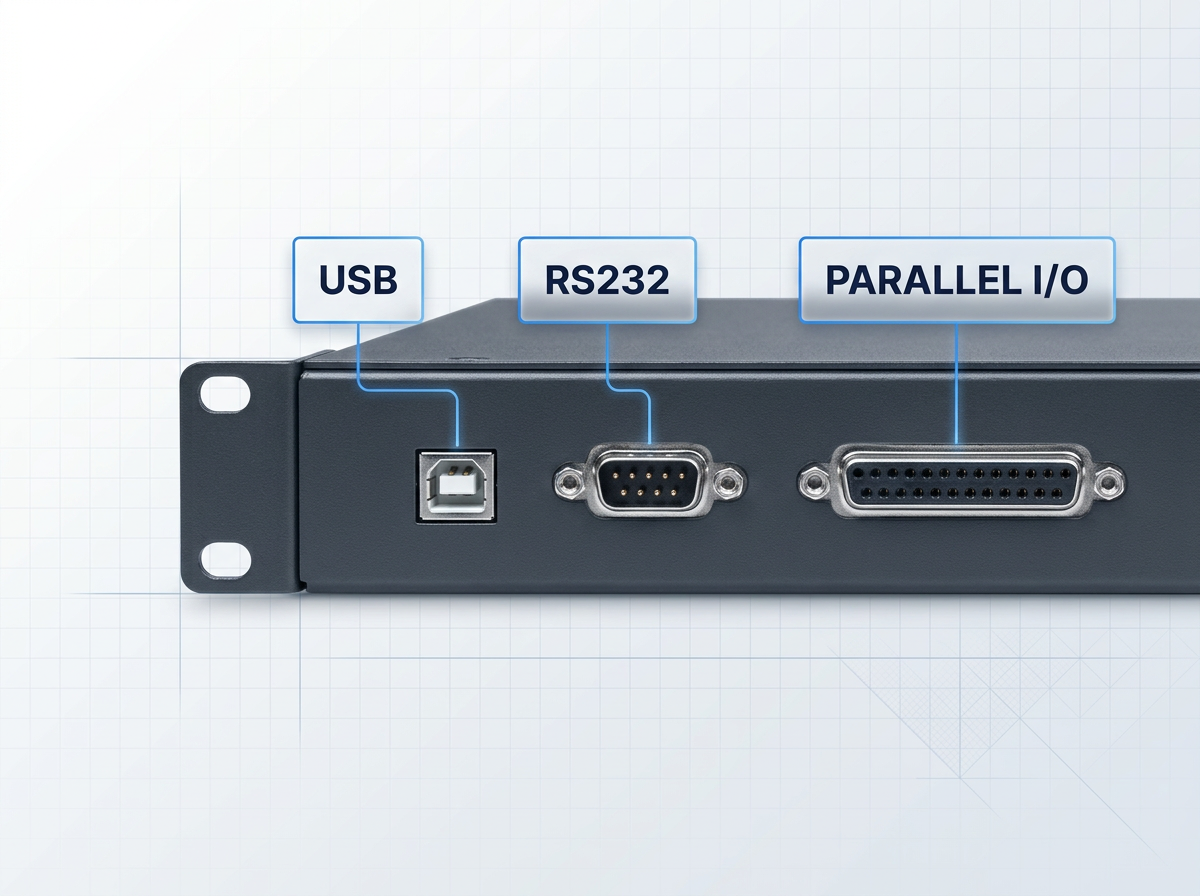
The EDF-UL provides USB, RS232, and Parallel I/O as standard control interfaces. These are the interfaces ground-station control systems already support, so connecting the EDF-UL to an existing control architecture is a wiring task, not a development project.
External Optical Input Port
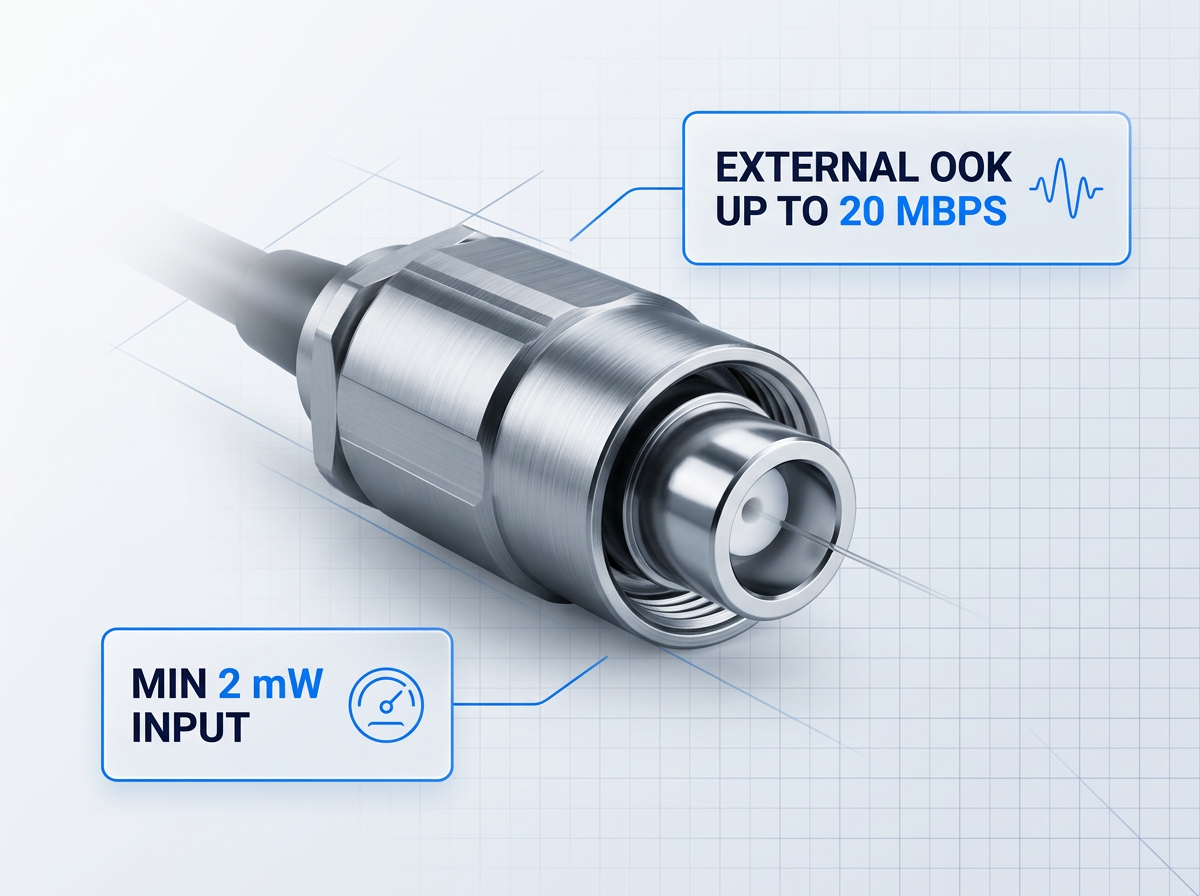
The EDF-UL accepts a third-party seed via its external optical input port, amplifying signals from transmitters the ground station already has. With the integrated seed, OOK data rates up to 10 Mbps are supported. With your own transmitter on the external input, the EDF-UL acts purely as the power amplifier: the data rate is set by your modem, and the drive electronics handle external OOK signals up to 20 Mbps, subject to a minimum input power of 2 mW.
Universal AC Input, Worldwide
The EDF-UL accepts 110–250 VAC, covering ground-station power infrastructure worldwide without a transformer or voltage converter. Power consumption is under 250 W, a straightforward figure for site power planning.

Platform & Models
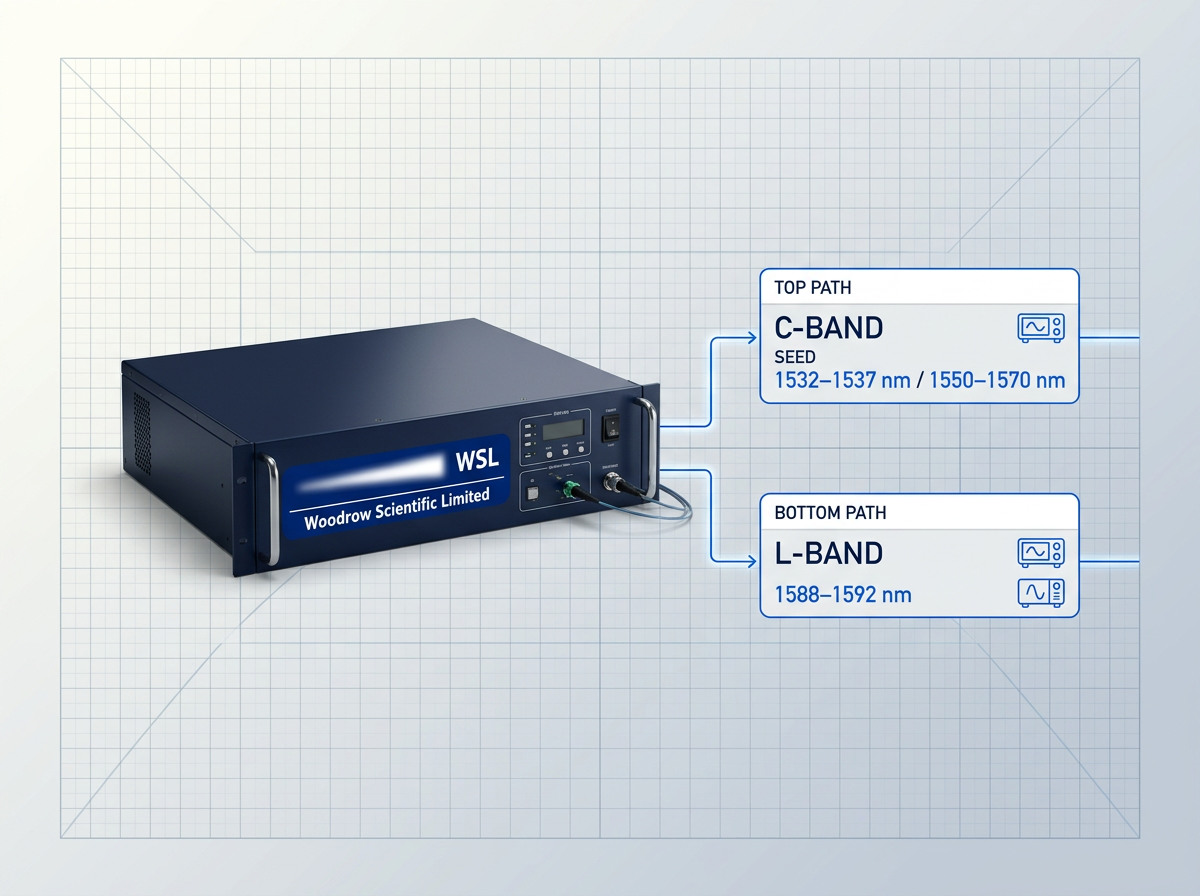
The EDF-UL is an erbium-doped fibre amplifier (EDFA) with an integrated seed laser; it also amplifies an external seed. Two models are available: EDF-UL-10-C for C-band and EDF-UL-10-L for L-band.
C-band seed wavelengths: 1532–1537 nm and 1550–1570 nm. L-band seed wavelength: 1588–1592 nm. Standard wavelength tunability is ±2 nm; broader tunability is available on request.
Power & Beam Quality
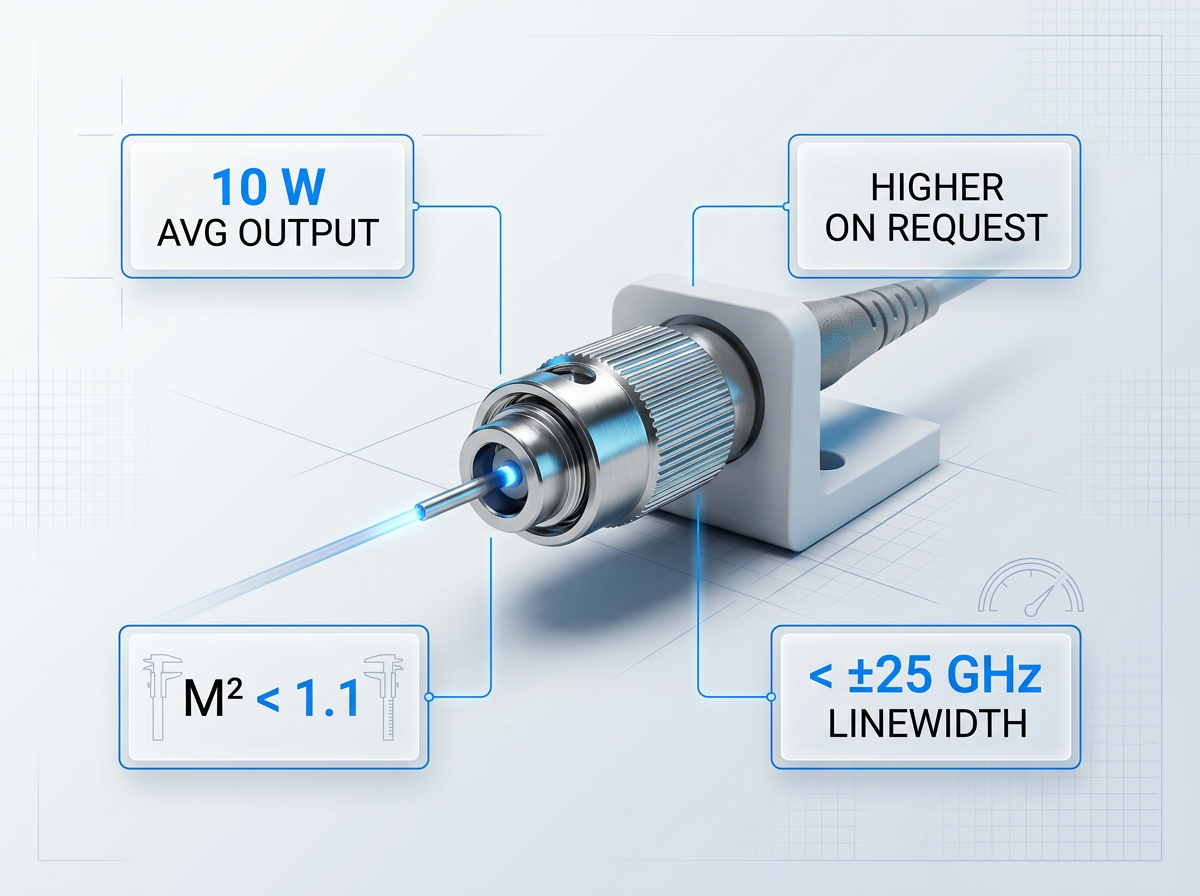
Average output power is 10 W; higher power is available on request. Power control spans 0–100% with stability of <2%.
Beam quality is M² < 1.1. Output linewidth is <±25 GHz.
Modulation & Data Rates
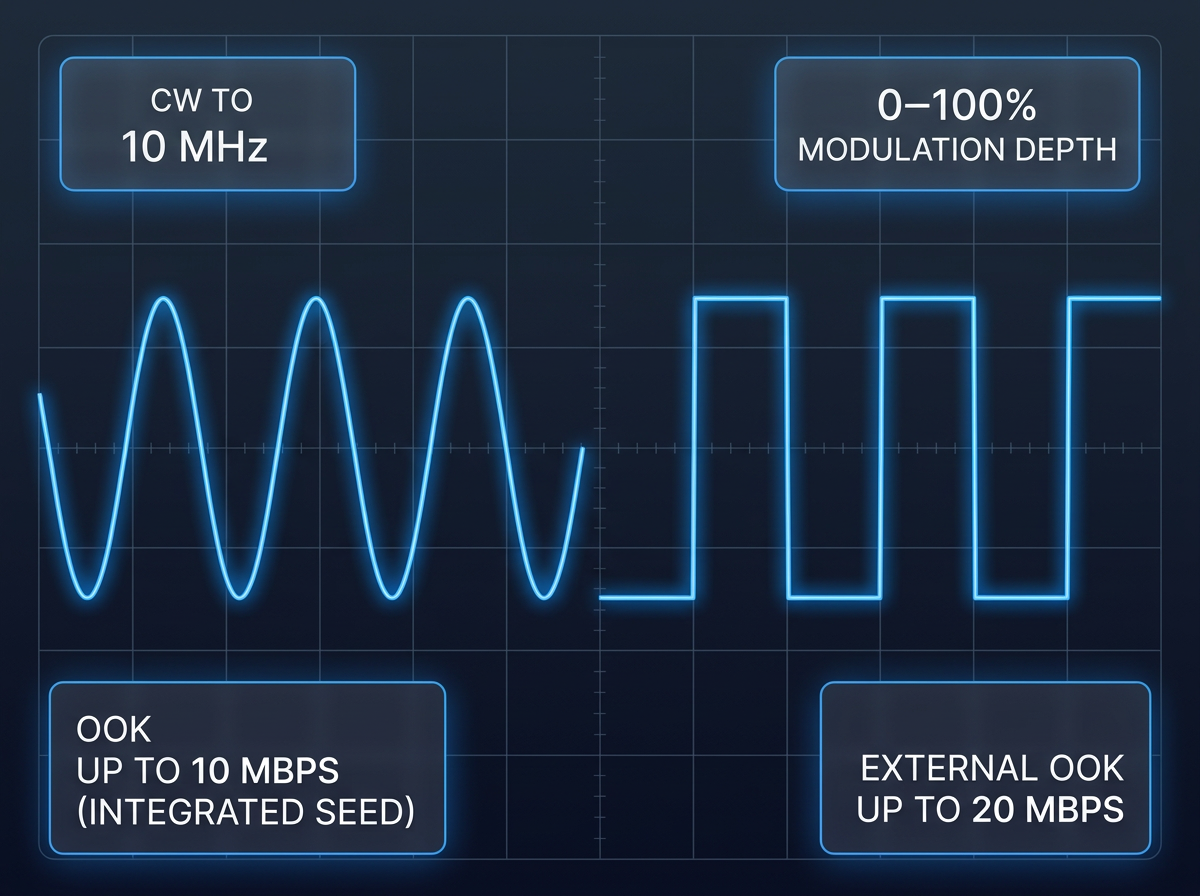
Beacon/tracking frequency range: CW to 10 MHz. Waveform options: sinusoidal or rectangular (built-in functions). Modulation depth is adjustable from 0–100%.
With the integrated seed, OOK uplink data rate reaches up to 10 Mbps. With your own transmitter on the external input, the data rate is set by your modem and the drive electronics handle external OOK signals up to 20 Mbps; minimum external seed input power is 2 mW.
Form Factor & Interfaces
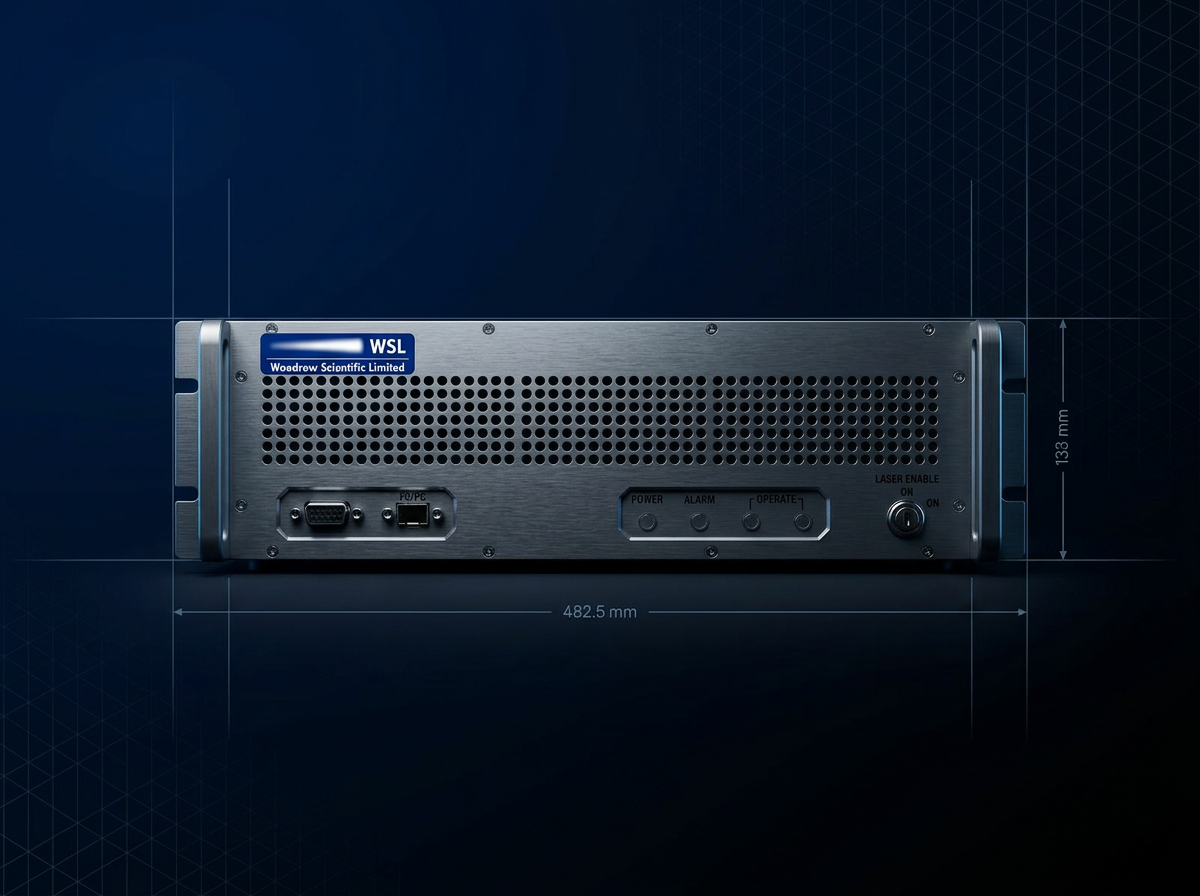
Form factor: 3U 19" rack, 482.5 × 500 × 133 mm (w × d × h), <20 kg. Power supply: 110–250 VAC, consumption <250 W. Cooling is air-cooled as standard; water cooling is available on request.
Fibre delivery: 10 m standard cable (longer on request); FC/PC output with optical isolation. Control interfaces: USB, RS232, and Parallel I/O.
Laser Safety & Certifications
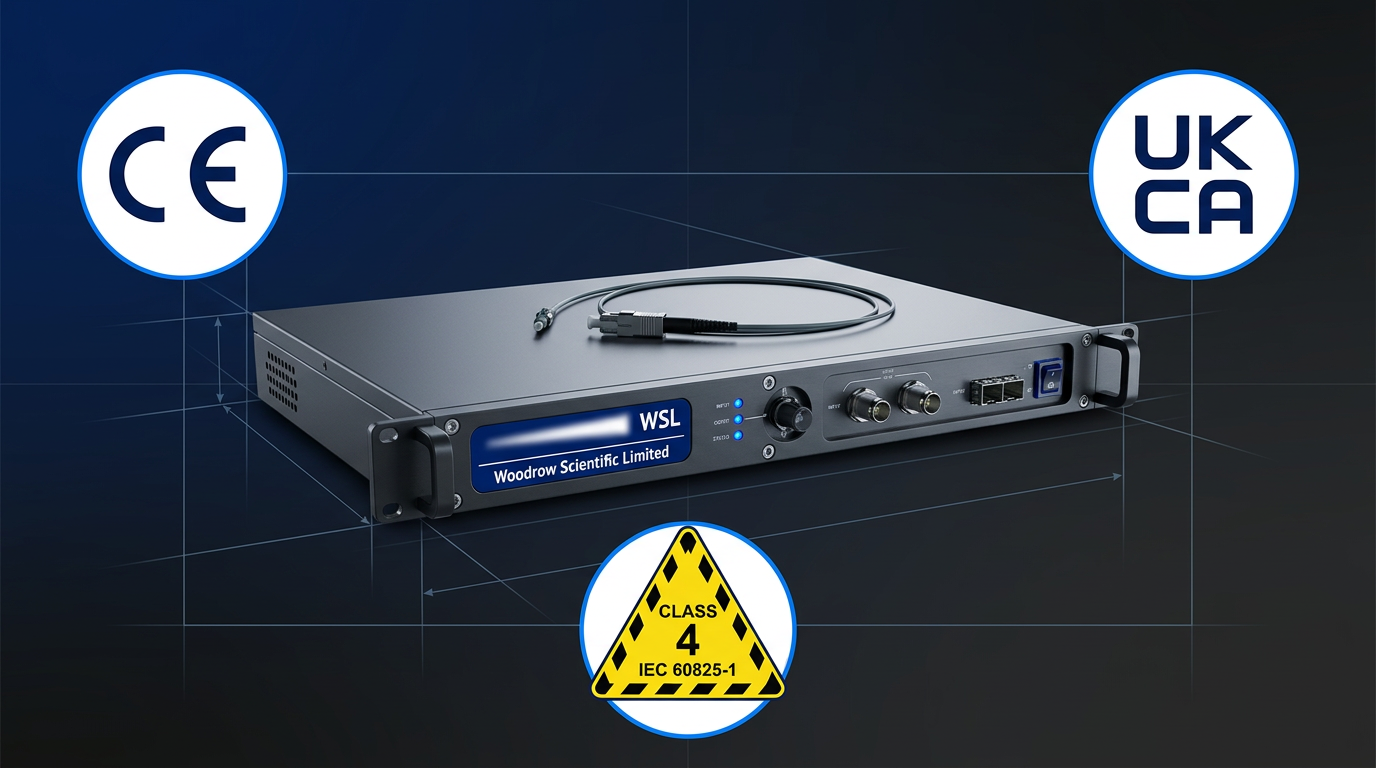
The EDF-UL is classified as Class 4 under IEC 60825-1. The 15xx nm wavelength has a higher eye-damage threshold than 1064 nm — the cornea and lens absorb the beam before it reaches the retina — providing a larger safety margin, though this does not remove the Class 4 hazard; appropriate eyewear and laser-safety procedures remain required.
Certifications: CE and UKCA certified. Manufacture: Made in Britain.

Built and Supported In-House by Woodrow Scientific
In-house manufacture is what makes deep configuration and genuine post-delivery support possible. Every amplifier WSL ships was designed, built, and qualified by the same engineering team that supports it.

Designed, Built, Qualified and Supported In-House
WSL is a manufacturer, not a reseller or importer. Every amplifier is built on patented in-house technology, from design through qualification and ongoing support.
Hardware and Software Configured to Your Ground Station
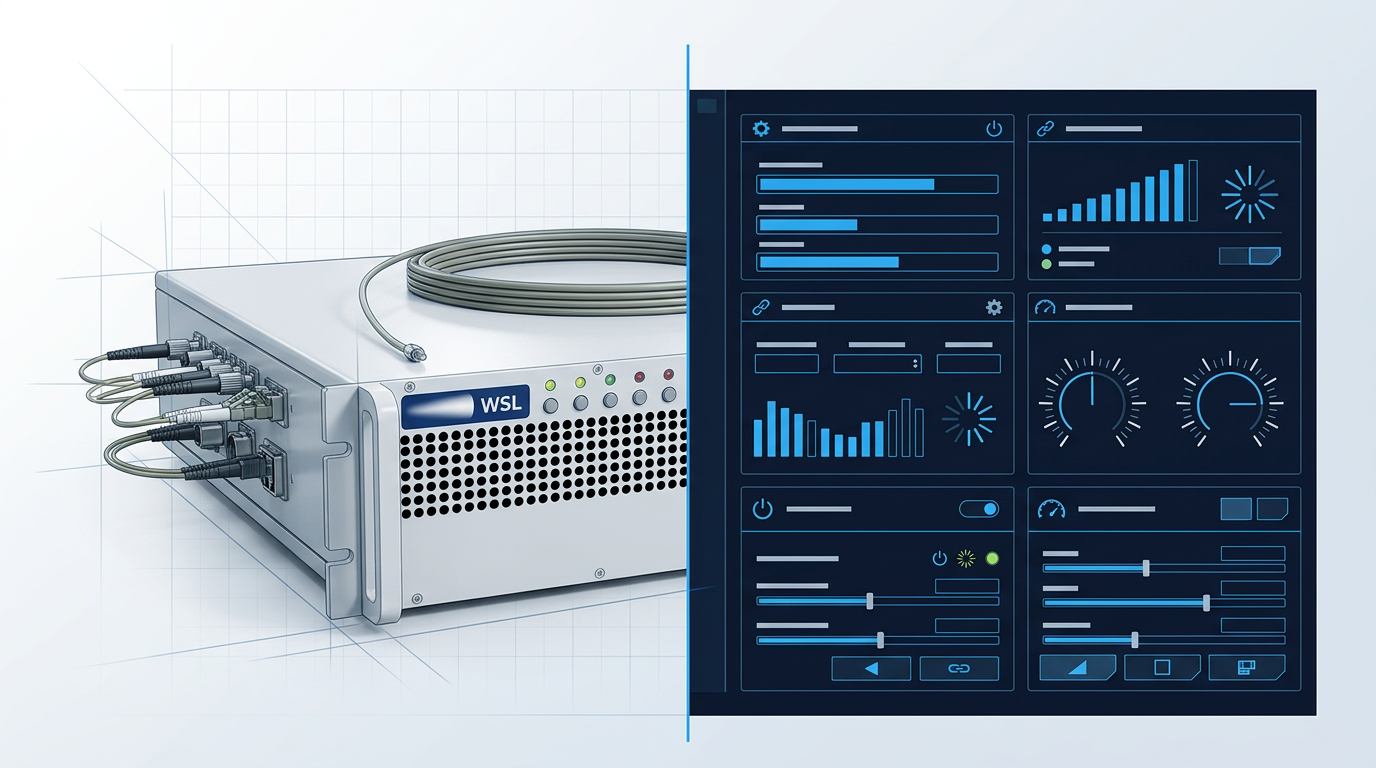
Because WSL builds in-house, both the physical unit and control software are configured to each client's programme requirements — not selected from a fixed catalogue.

Direct Support from the Engineers Who Built It
Post-delivery support comes from WSL's own developers — no reseller intermediary between the client and the people who can actually modify or improve the product.

Rooted in Southampton's ORC, Birthplace of the EDFA
WSL's fibre-amplifier expertise traces to Southampton's Optoelectronics Research Centre, where the EDFA was invented. The team brings 200+ years of combined engineering experience.

Founded 2012, Made in Britain, Supplied Worldwide
Woodrow Scientific was founded in 2012. Amplifiers are manufactured in the UK under the Made in Britain mark and supplied to clients across the world.
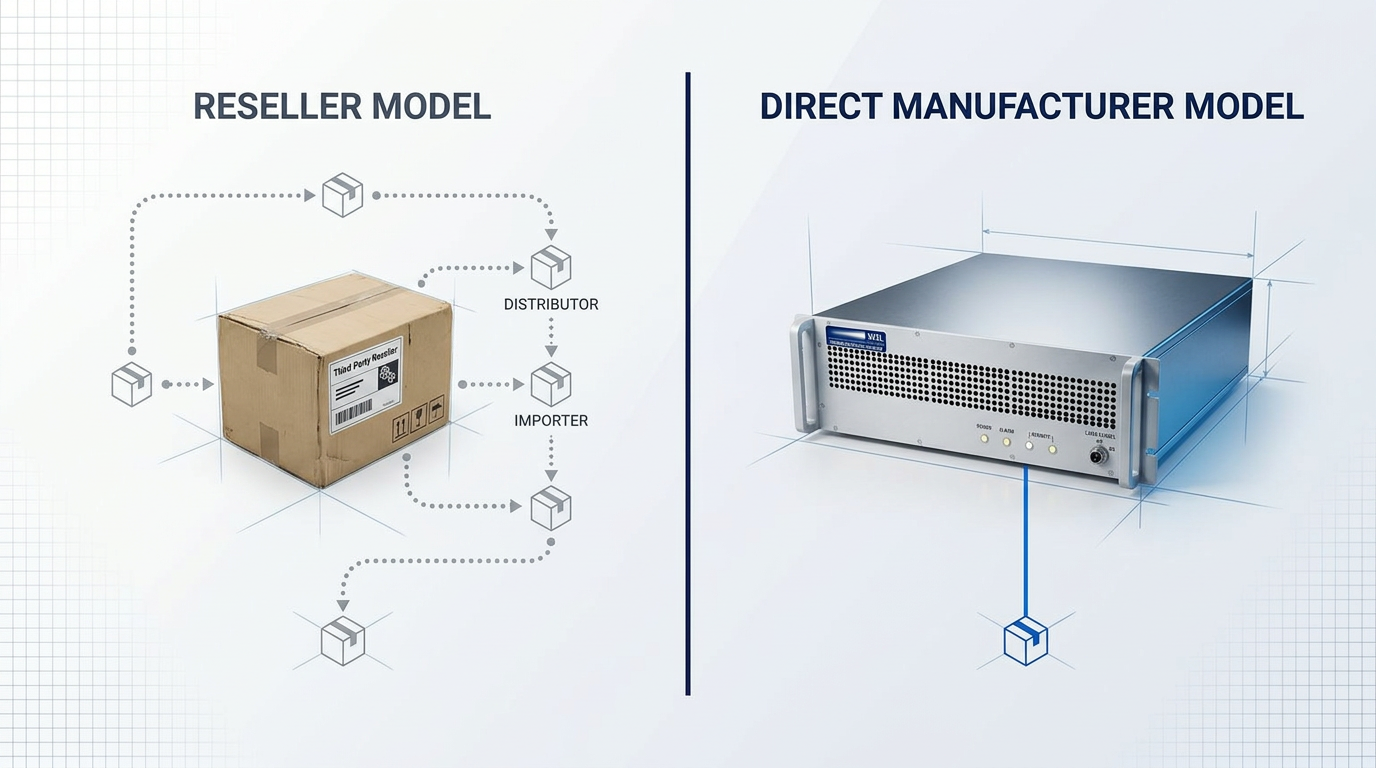
Many EDFA Suppliers Are Resellers, Not Manufacturers
Much of the EDFA market is resellers of third-party modules: slower spares, no in-house engineering, and limited ability to configure or support at programme level.
Certifications and Laser Safety
The EDF-UL carries CE and UKCA certification, confirming conformity with EU and Great Britain market requirements respectively. It is manufactured in Britain under the Made in Britain mark.
The EDF-UL is classified as Class 4 under IEC 60825-1 — the highest laser hazard class. Engineering controls, appropriate laser eyewear, and formal safety procedures are required. The 15xx nm wavelength has a higher eye-damage threshold than 1064 nm systems, as the cornea and lens absorb the beam before it reaches the retina; this does not reduce the Class 4 classification or the requirement for full controls.
Frequently Asked Questions
Common questions about the EDF-UL satellite EDFA are answered below. If your question is not covered here, get in touch with WSL directly and an engineer will respond.
The EDF-UL is a ground-station amplifier — it is built for the ground end of a satellite optical link. WSL builds to order, and any requirement beyond the published specification — including requirements for other operating environments — is assessed directly with WSL's engineers. Get in touch to discuss your application.
10 W average output is the standard configuration. Higher output power is available on request — contact WSL with your link-budget requirements and the engineering team will assess the build. Power control spans 0–100% with less than 2% stability, which matters for managing link-budget margin across varying atmospheric conditions. Beam quality is M² < 1.1, so the full power reaches the aperture in a near-diffraction-limited beam. That combination of high power and beam quality is what closes the link against free-space path loss at LEO and GEO ranges.
Yes. The external optical input port is designed to accept third-party seeds — the EDF-UL is built for this use case, not merely tolerant of it. With the integrated seed path, OOK data rates up to 10 Mbps are supported. With your own transmitter on the external input, the EDF-UL acts purely as the power amplifier: the data rate is set by your modem, and the drive electronics handle external OOK signals up to 20 Mbps, with a minimum input power of 2 mW. If you already have a transmitter and need a high-power amplifier downstream of it, the EDF-UL slots directly into that architecture.
WSL's Modulation-on-Demand supports CCSDS, SDA OCT, and proprietary standards, switchable in software at high power across C- and L-band without any hardware change. Standards in satellite optical communications are still evolving, and software switchability means the amplifier stays compatible as they develop — protecting the programme investment across the operational life of the ground station.
Yes. EDF-UL-10-C covers C-band (seed wavelengths 1532–1537 nm and 1550–1570 nm); EDF-UL-10-L covers L-band (1588–1592 nm). Dual-band operation from a single source is also available. Wavelength tunability of ±2 nm around the seed is standard, with broader tunability available on request.
The EDF-UL is quoted per configuration. WSL configures each unit to the client's ground-station specification — band, output power, direction, emitter arrays, cooling, modulation standards — so pricing reflects the specific build rather than a catalogue selection. Bring your spec to WSL and the team will return a configuration quote. Contact WSL to get started.
USB, RS232, and Parallel I/O are provided as standard — the interfaces ground-station control architectures already support, so integration requires no bespoke development. The universal 110–250 VAC power supply means the unit is equally compatible with ground-station power infrastructure worldwide.
Yes. 2- and 4-emitter arrays with synchronisation are supported, and the platform is compatible with multi-station diversity network architectures. Emitter diversity and site diversity are established techniques for mitigating atmospheric turbulence and cloud cover on optical ground links: multiple spatially separated beams reduce correlated fading at the satellite receiver, and geographically distributed stations provide statistical independence against cloud blockage. The EDF-UL is built for these architectures from the outset, not adapted to them after the fact.