
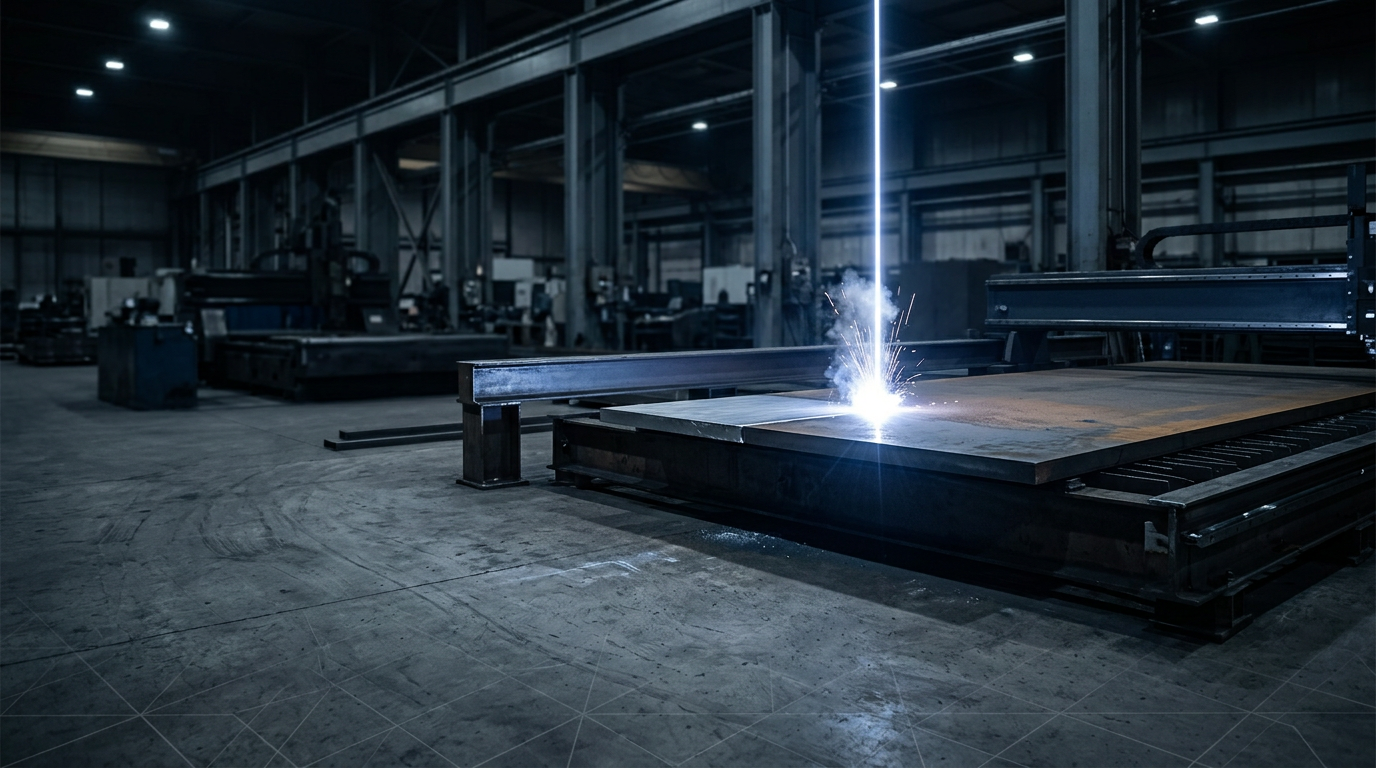
300 W Continuous Wave Fibre Laser
Sustained high-average-power output — not pulsed bursts. Up to 300 W at up to 200 kHz repetition rate drives throughput on heavy contamination and thick coatings.
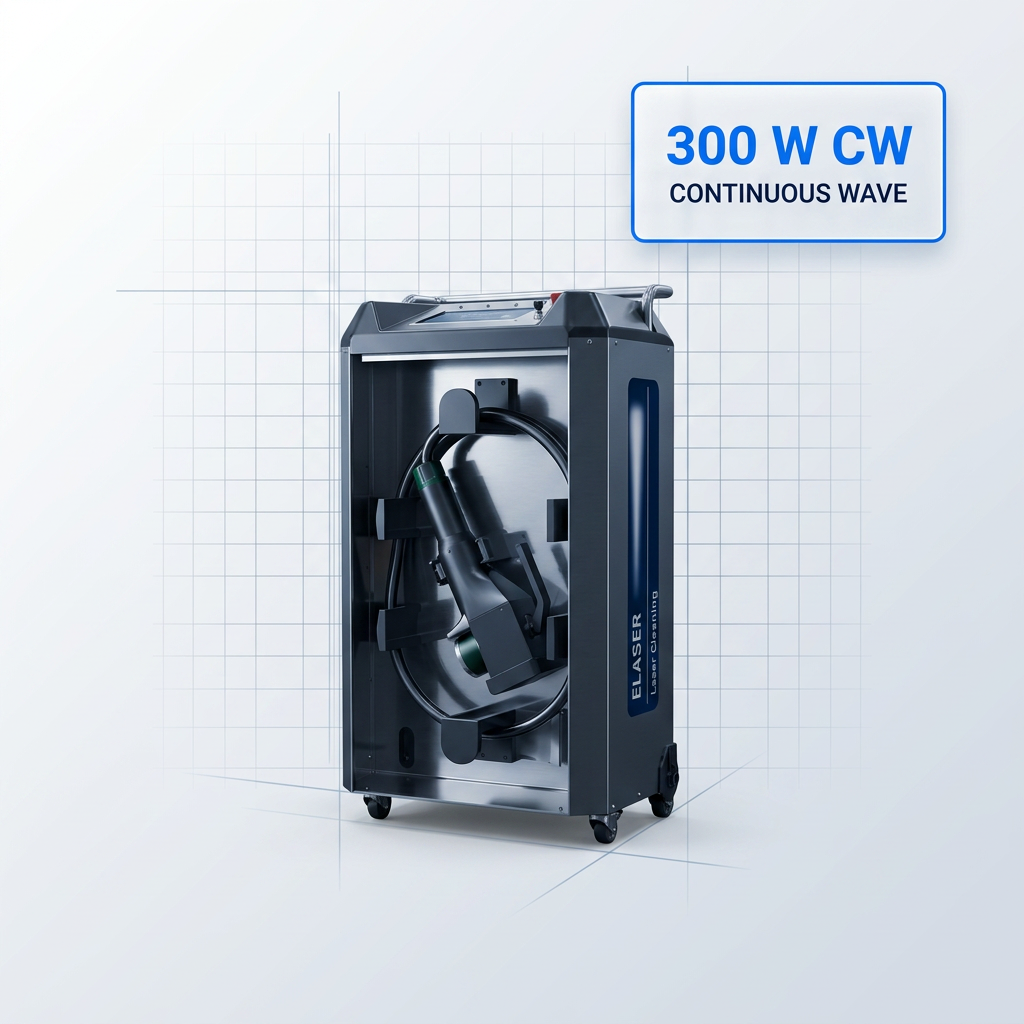
Full Range, One Machine
0–100% power tunability spans light oxide removal through thick coating stripping. Up to 15 mJ pulse energy, 100 ns pulse duration — no equipment changes required.
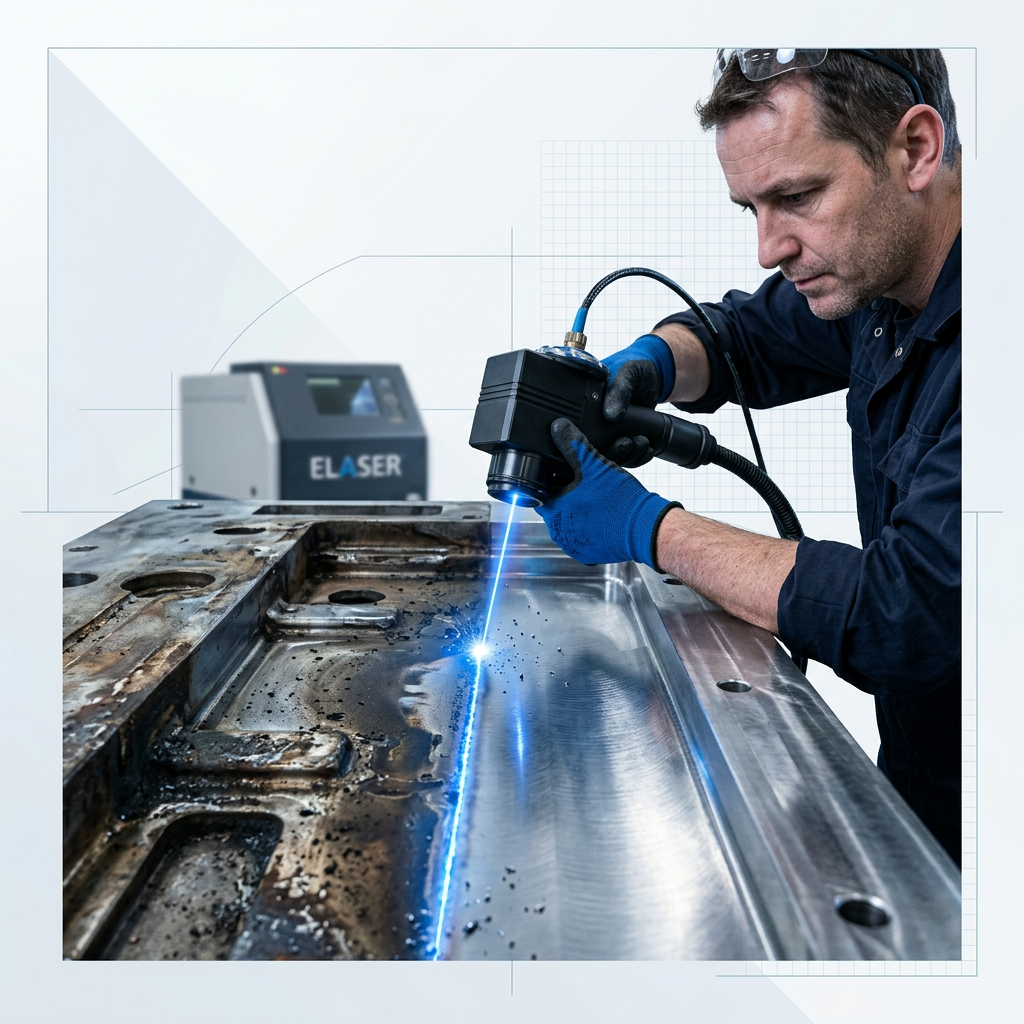
10 m/s Galvanometer Scanner
2-D galvanometer scanner at 10 m/s max scan rate. Interchangeable F-Theta lenses cover 75–500 mm working distance. Scan patterns fully programmable via touchscreen GUI.
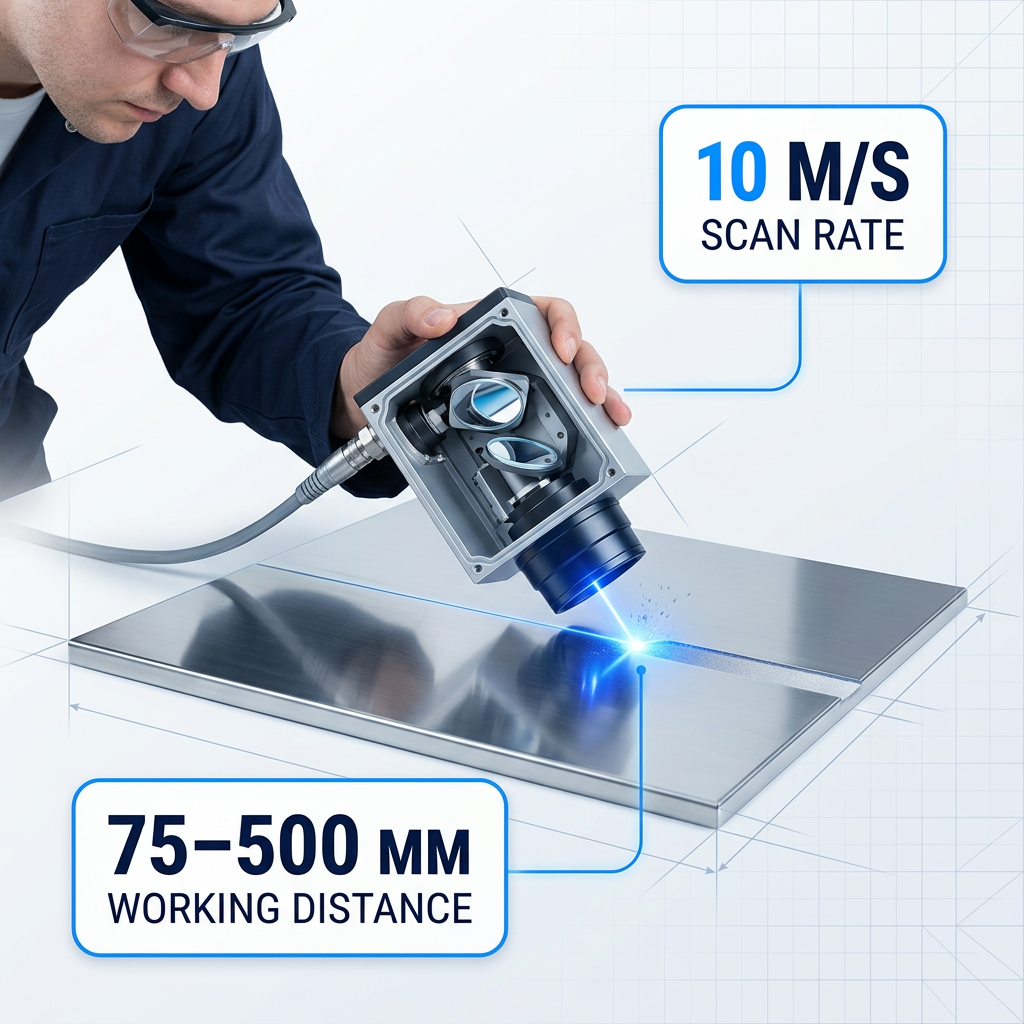
1550 nm, Class I or IV
The 1550 nm wavelength is the foundation of ELASER-RHZ's world-first reduced hazard zone capability. Select Class IV or Class I to match your operating environment.
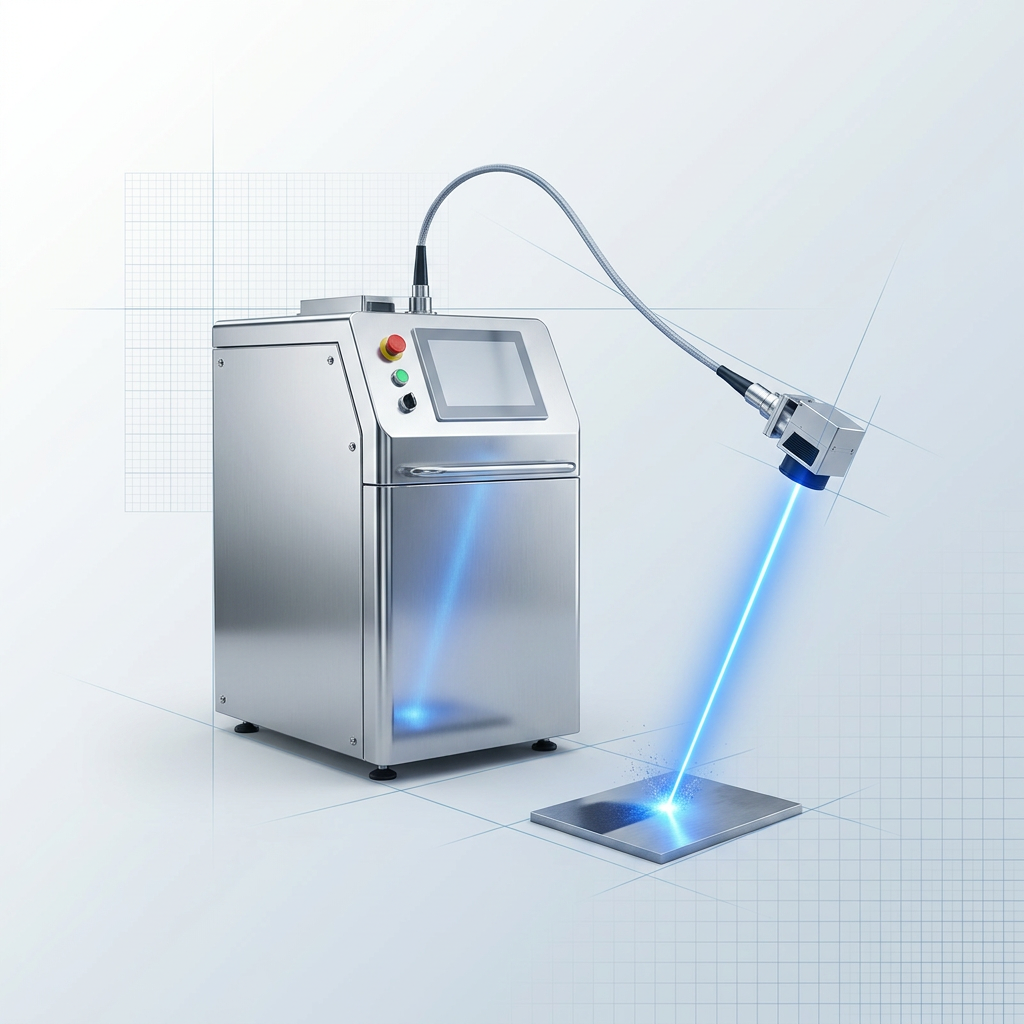
Standard Supply, CE and UKCA
110–250 VAC single-phase, under 2,000 W — no special infrastructure needed. Ethernet and touchscreen interface. Certified CE and UKCA for UK and EU deployment.
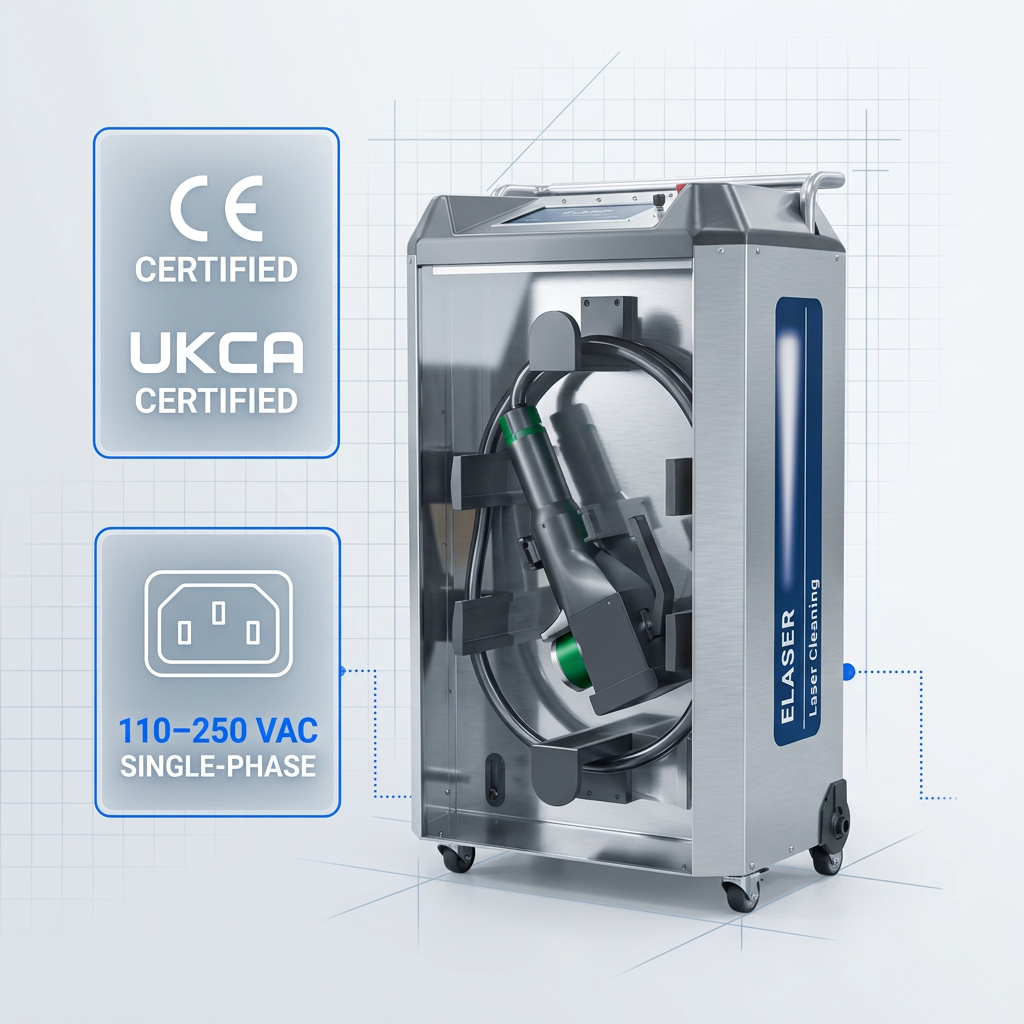
Air-Cooled CW Operation: No Chiller, No Coolant Circuit
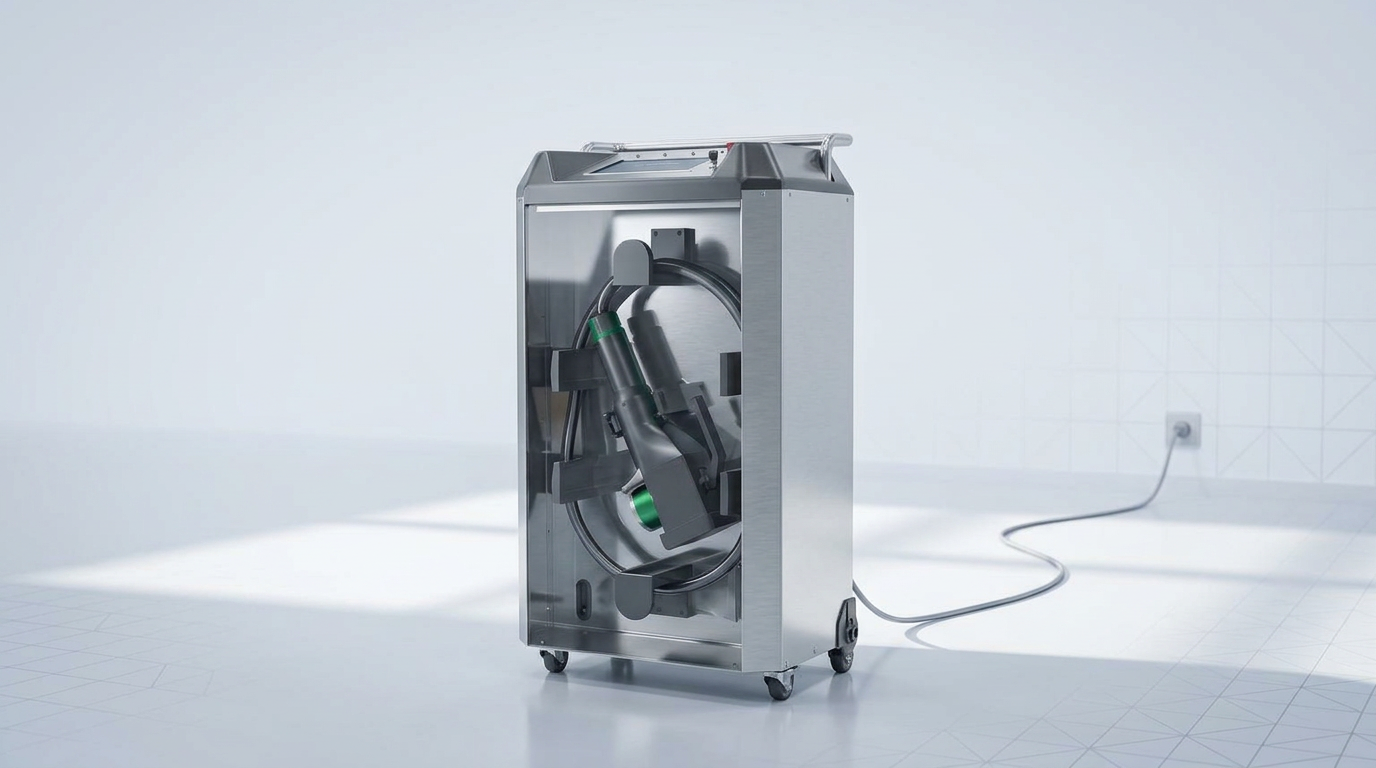
No water, no chiller, no coolant circuit. Plug into a standard 110–250 VAC supply and operate anywhere power is available. No site preparation required.
Selective by Design
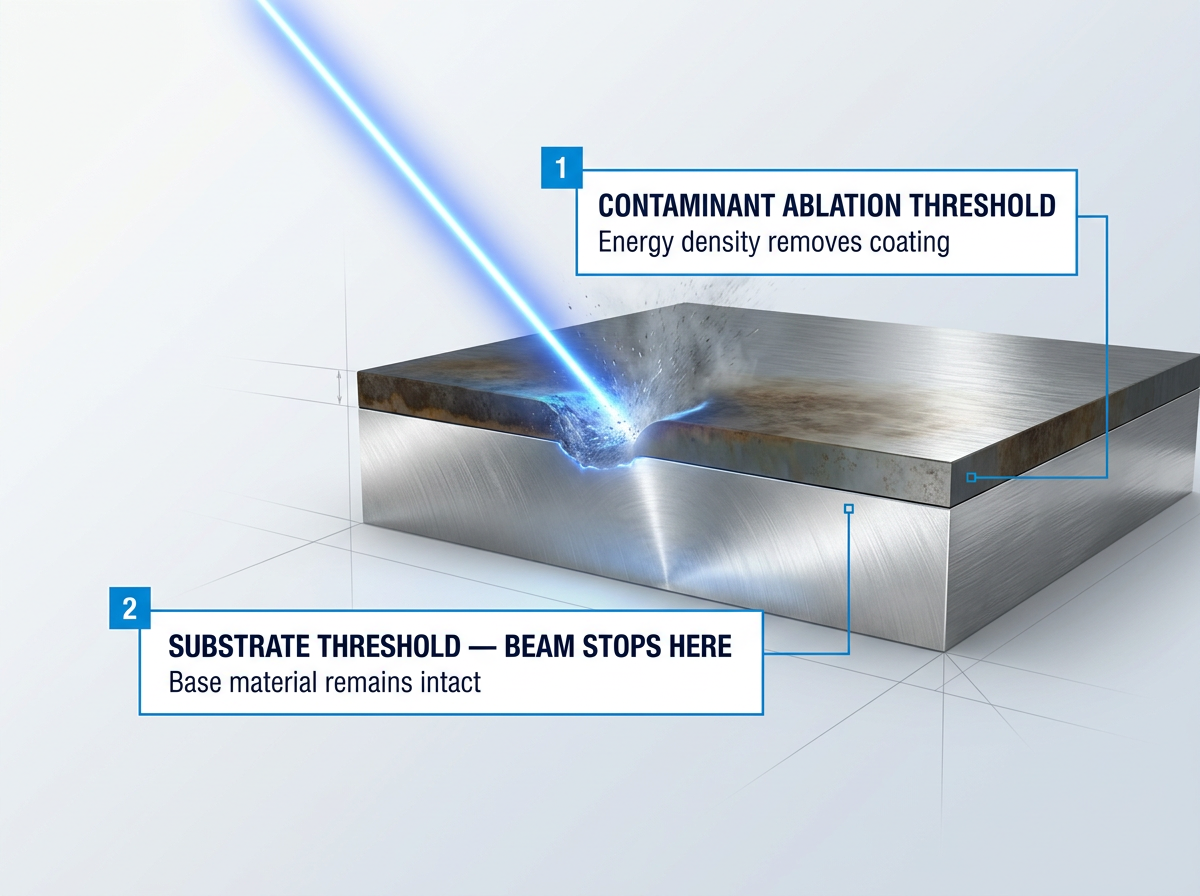
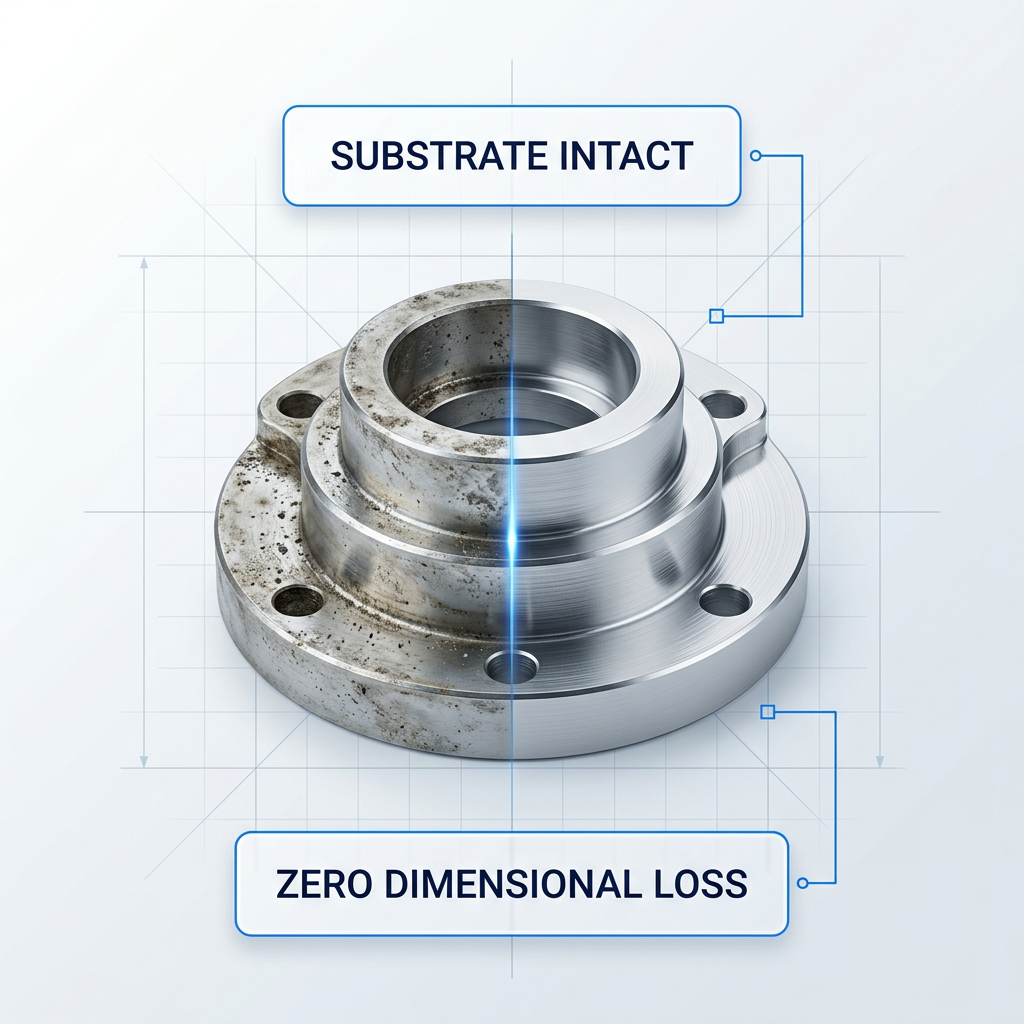
Every material has an ablation threshold — the energy density at which it begins to be removed. ELASER's 0–100% power tunability lets the operator set beam intensity above the contaminant's threshold and below the substrate's. The contaminant vaporises; the beam stops at the base material.
Metals, Stone and Masonry
Ferrous: steel, carbon steel, cast iron, galvanised steel. Non-ferrous: aluminium alloys, copper, brass, bronze, titanium. Non-metallic: stone, concrete, brick and masonry — extending ELASER's reach into heritage, restoration and construction maintenance.
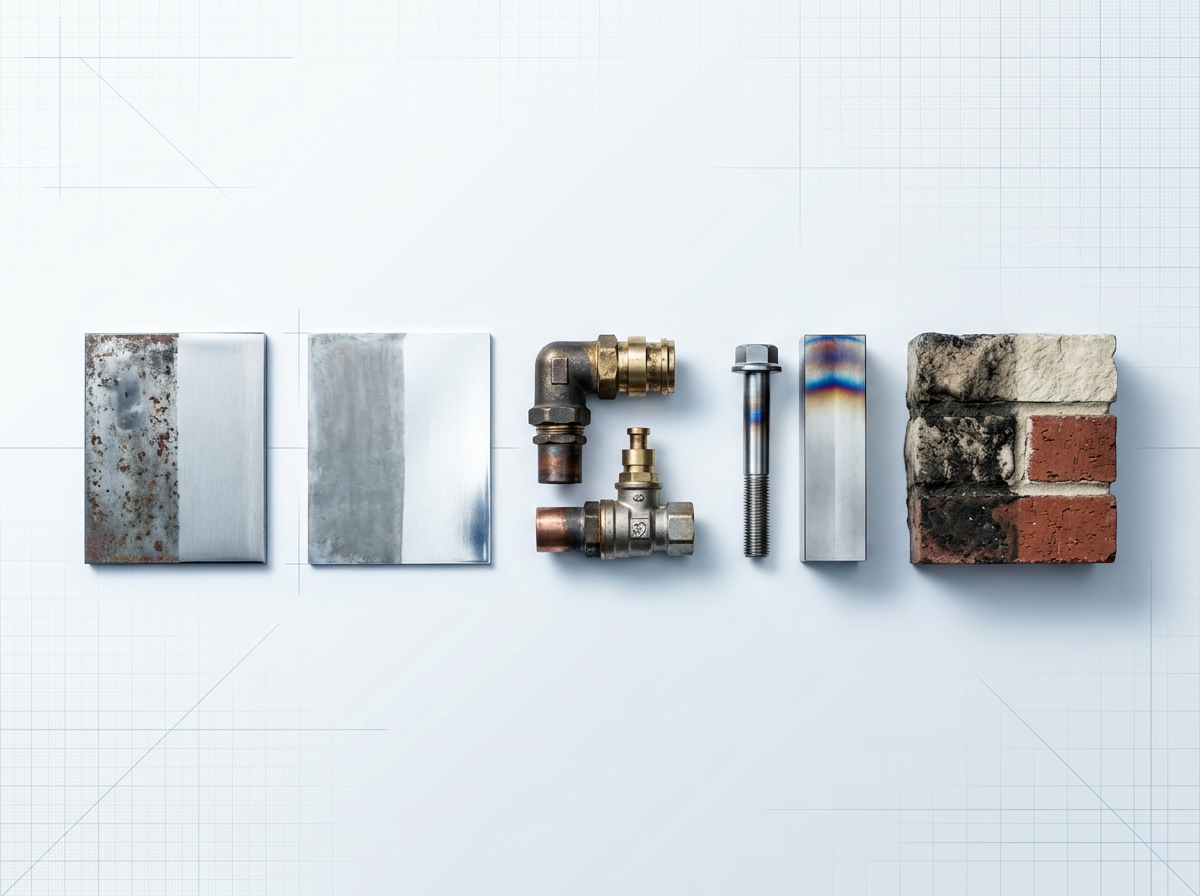
Heavy to Fine Contamination
Heavy industrial: rust, oxides, mill scale. Coatings: paint, powder coating, lacquer, primer. Precision and specialist: weld discolouration, release agents, oil and grease, carbon and soot, adhesives, tarnish, mould, graffiti. Tunable power spans the full contamination range on a single machine.
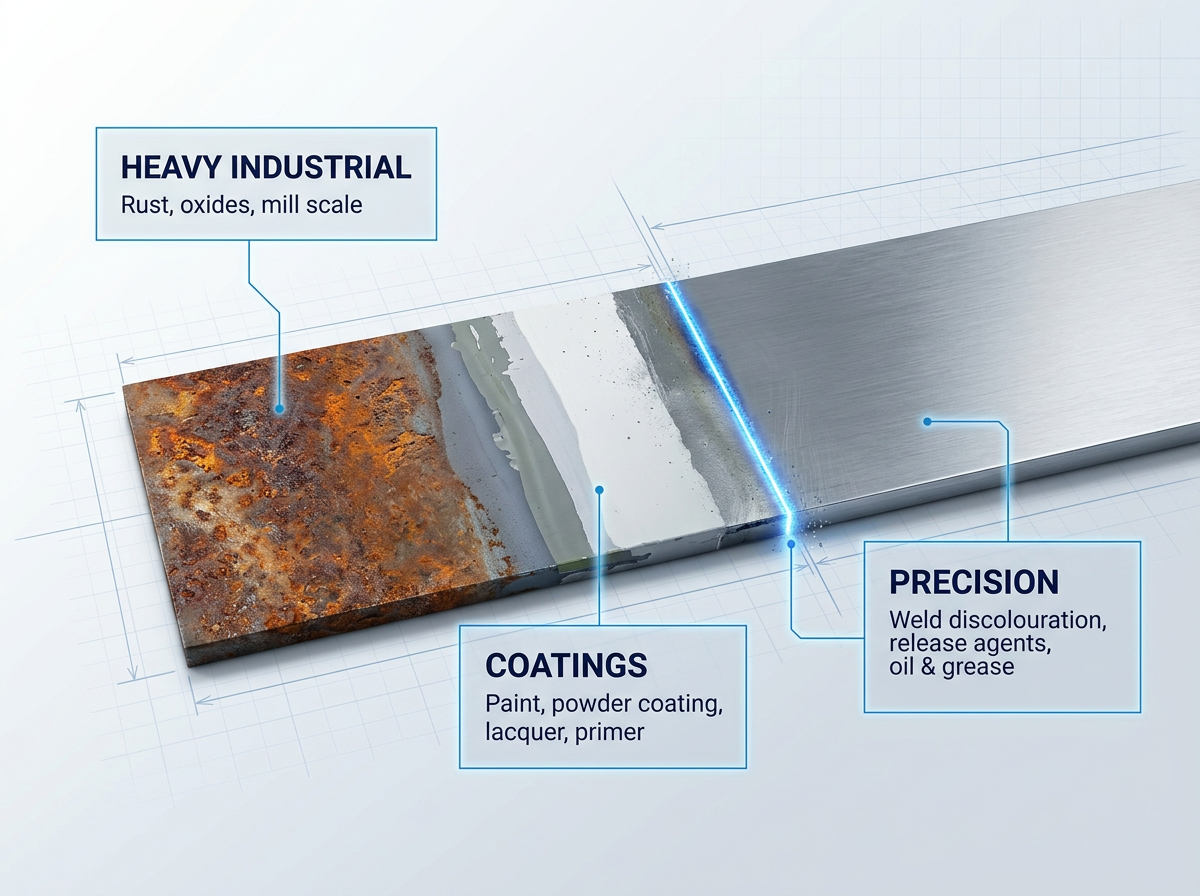
Substrate Left Intact
Once the contaminant is gone, the substrate's higher ablation threshold stops further removal. Unlike abrasive blasting, the beam does not erode the base material.
The result: less rework, less scrap, tighter tolerances maintained — critical in aerospace, precision tooling and heritage restoration.
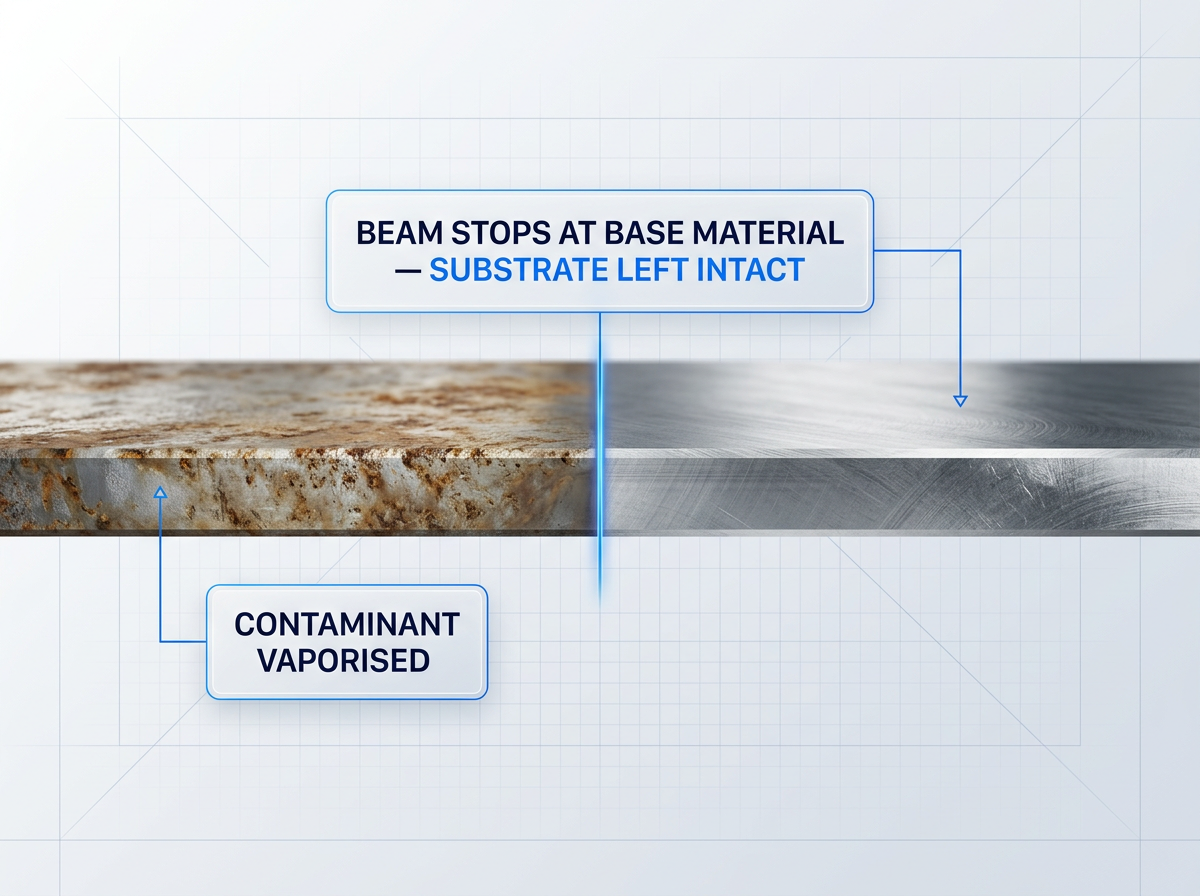
Light Oxides to Thick Coatings
One ELASER covers light oxide removal through thick coating stripping — no separate machines, no consumable grades to manage.
Interchangeable F-Theta lenses (75–500 mm working distance) adapt the same system to different part geometries and standoff requirements.
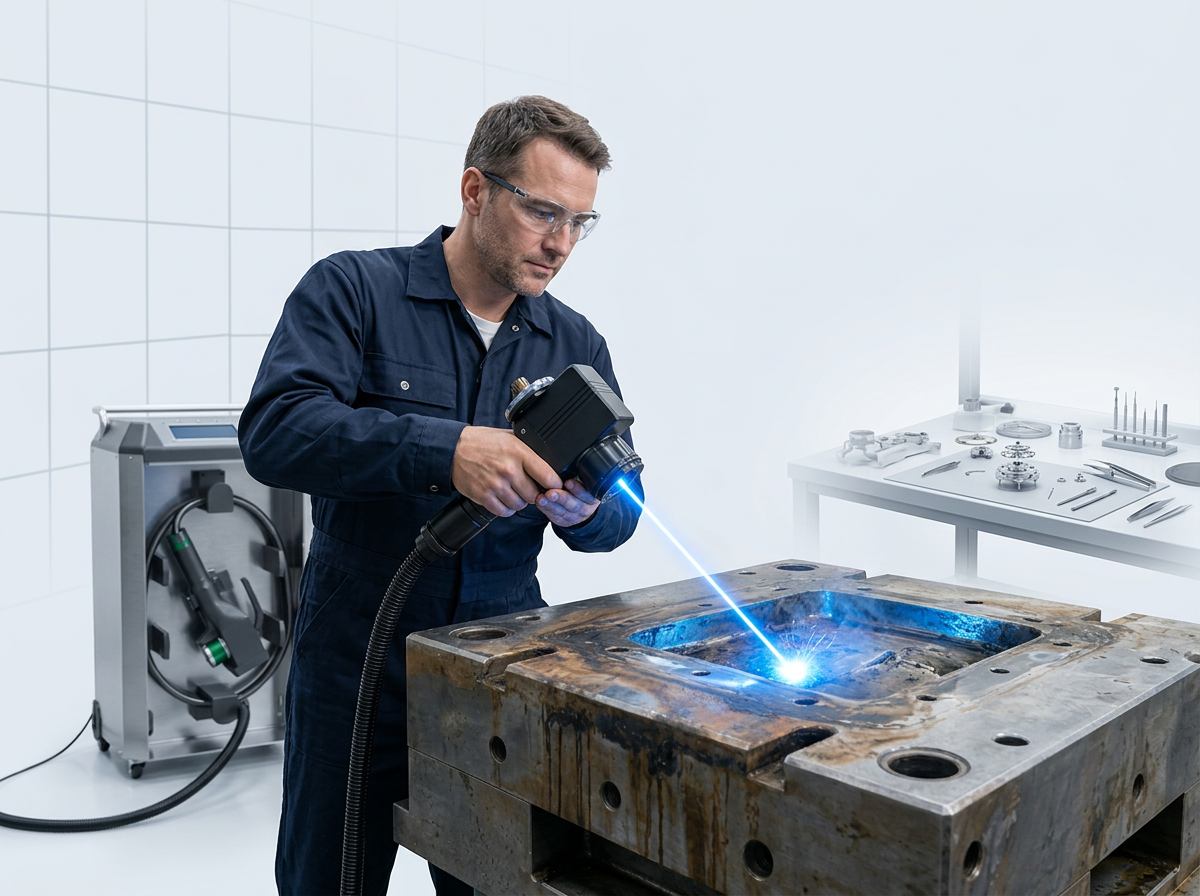
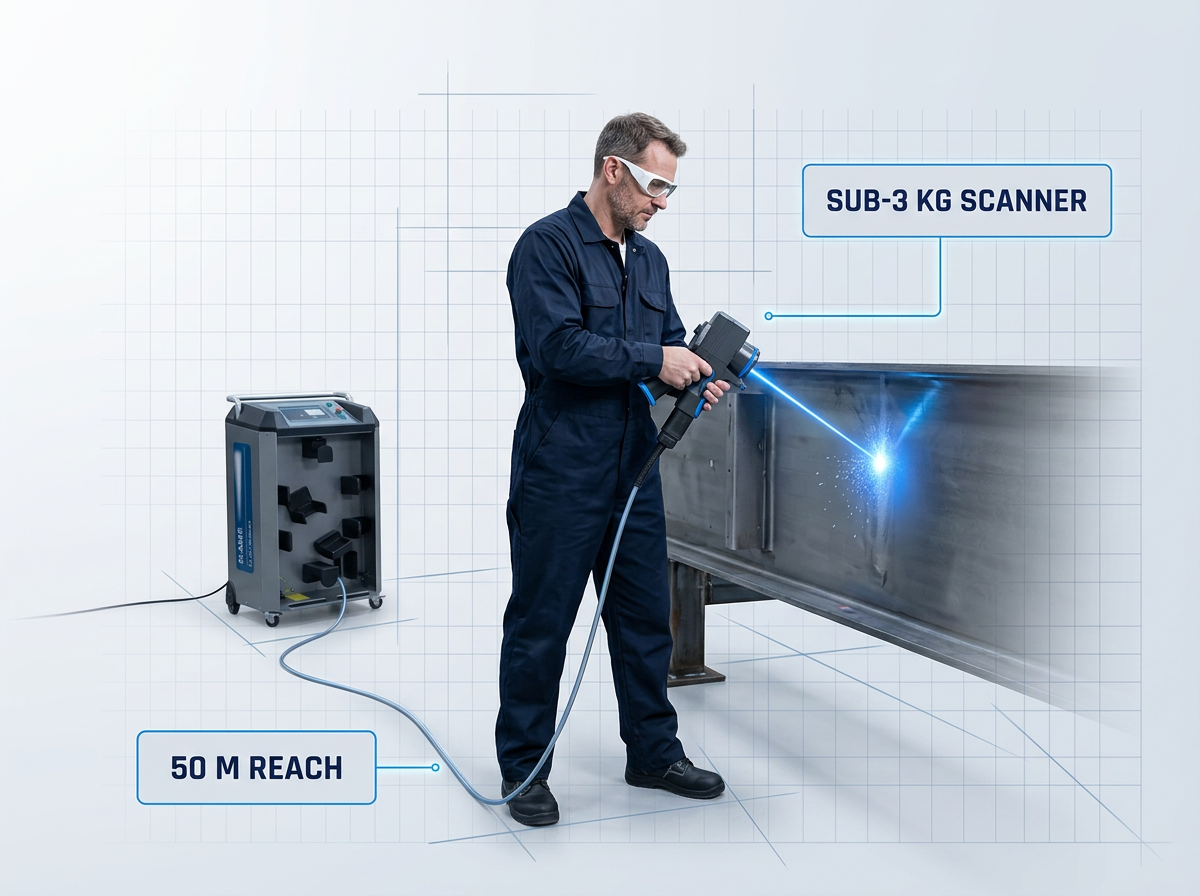
One Operator, One Cable, Up to 50 Metres
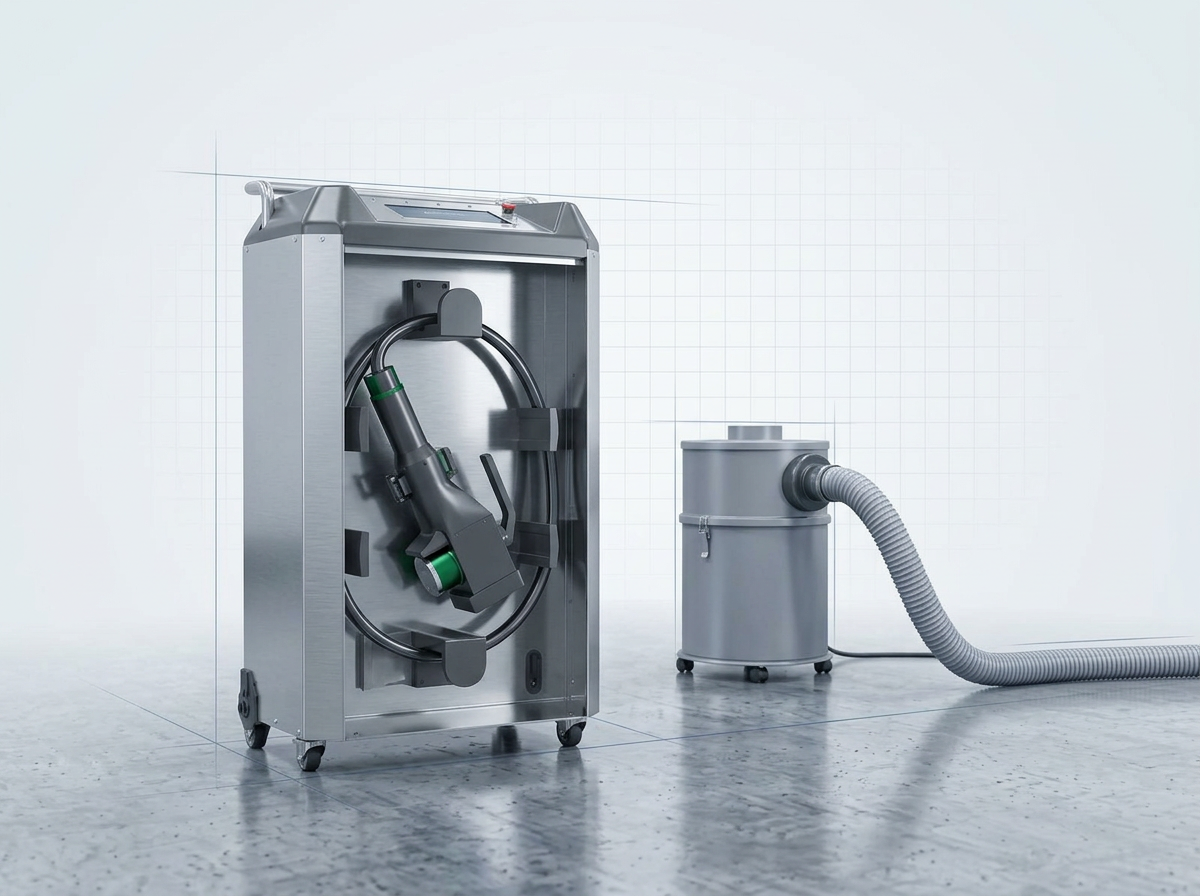
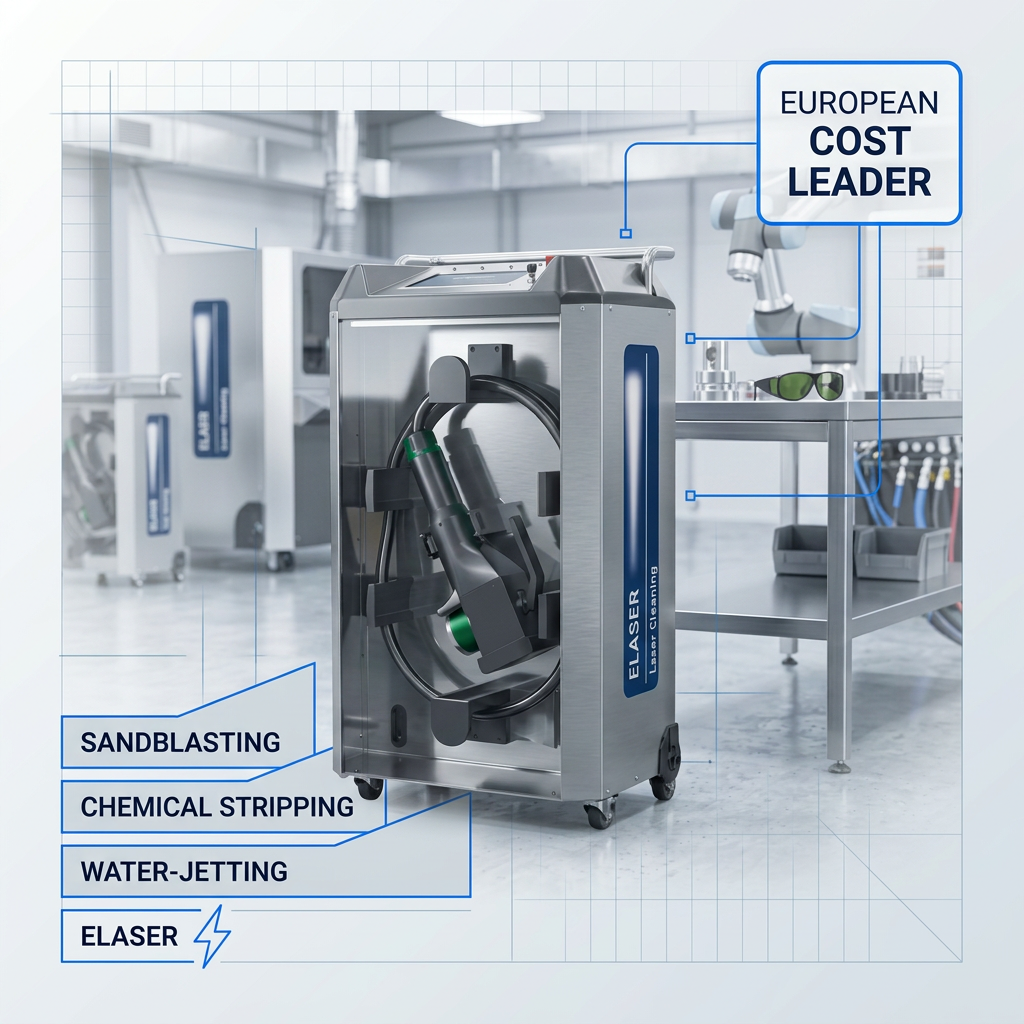
Sub-3 kg handheld scanner. Under-50 kg wheeled unit. 50 m delivery cable. One operator deploys the system — no crew, no compressor, no consumables.
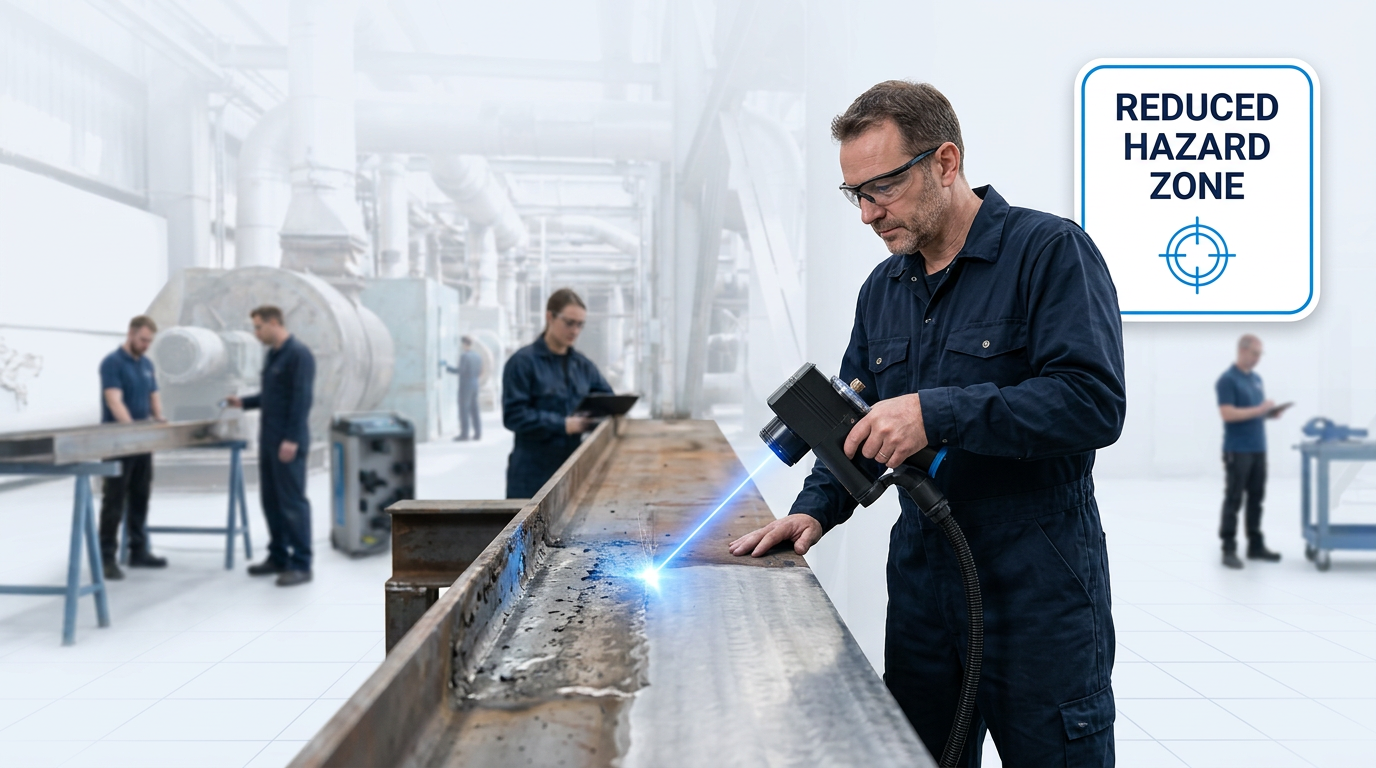
ELASER-RHZ: Clean Open Spaces Without Sealing Off
WSL's patented ELASER-RHZ collapses the laser hazard zone, enabling cleaning in open workshops, mixed-use facilities, and public-facing settings — no area evacuation required.
Explore the ELASER-RHZ in Full Detail
The ELASER-RHZ brings eye-safe CW laser cleaning to open workshops and public-facing sites. See the full technical specifications, configuration options, and deployment capabilities on the dedicated product page.
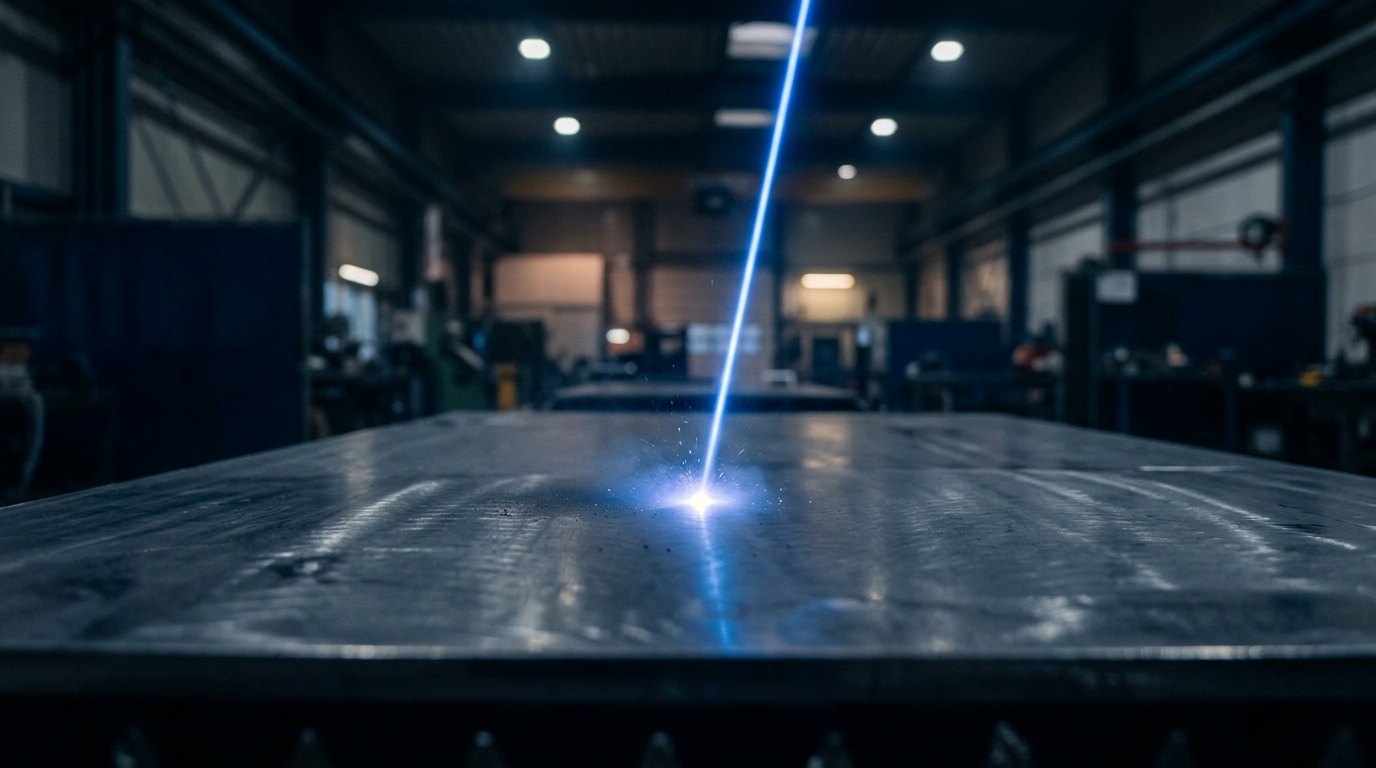
Industrial Applications: Where ELASER Works
These seven applications are examples, not a complete list. For high-volume repetitive production cleaning, WSL's AutoLASE automated system may be the better fit — enquire to find out.
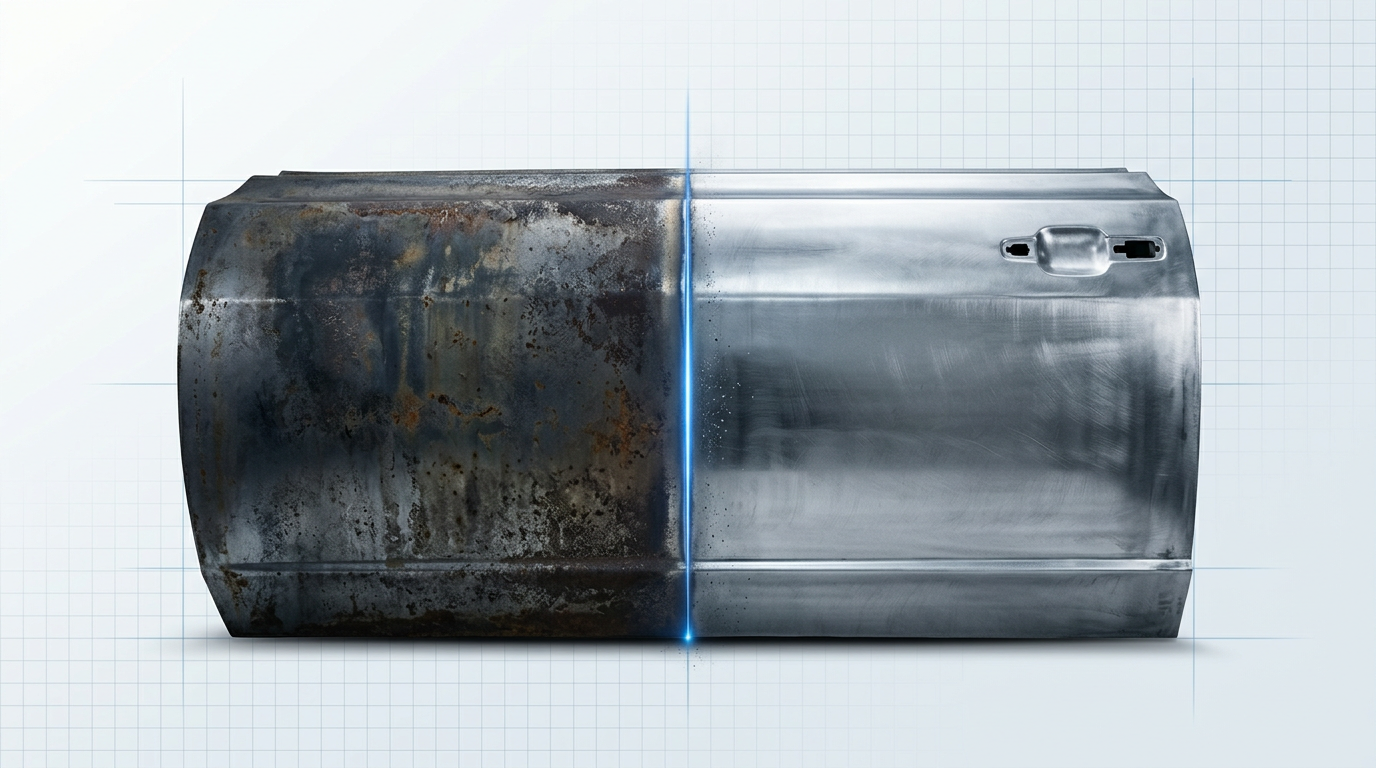
Automotive
Pre-weld oxide removal on the production line, rust and paint stripping in the bodyshop, and EV battery component cleaning — one system, multiple tasks.
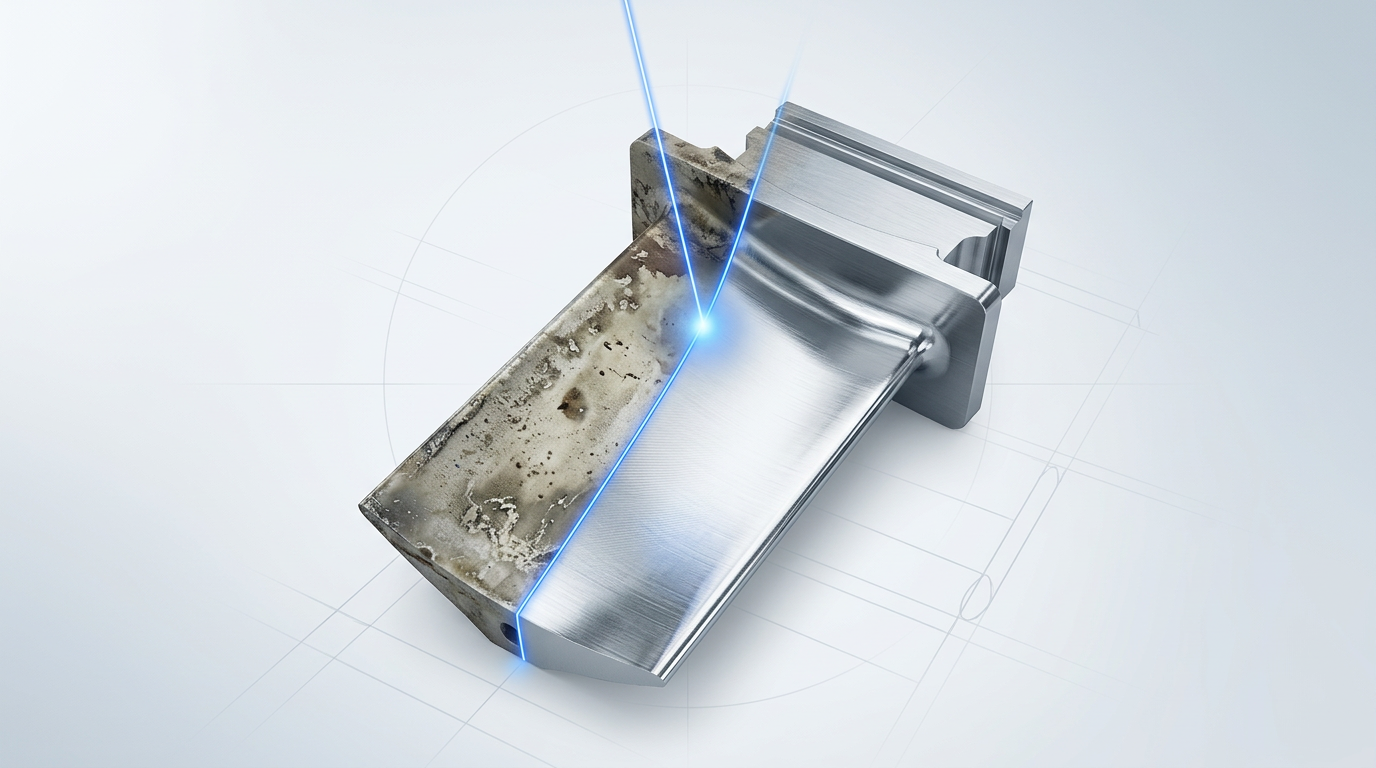
Aerospace
Surface preparation and component cleaning to tight tolerances. ELASER removes contamination without touching the base material — dimensional integrity stays intact.
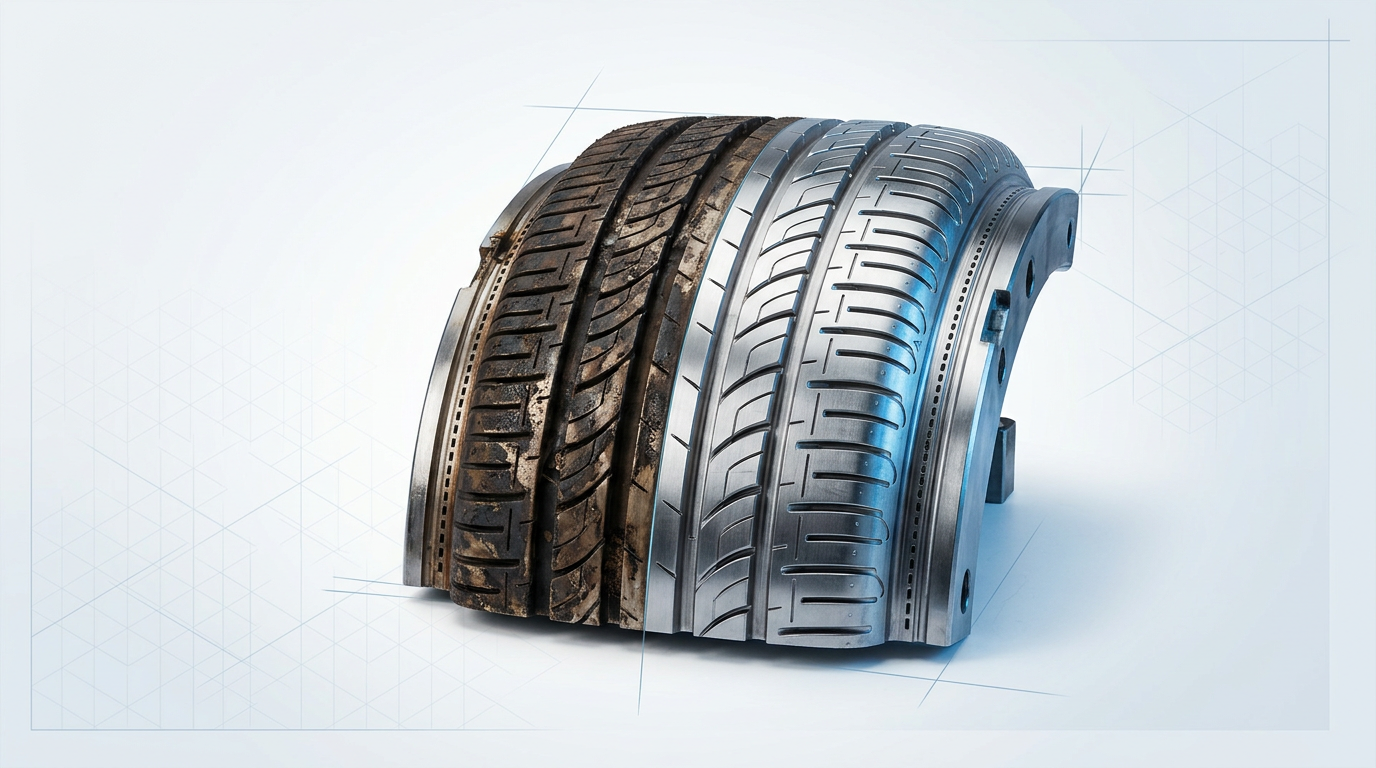
Tyre and Rubber Moulds
Vulcanisation residue cleared from moulds, vents and segments without abrasives. Mould geometry and fine vent detail preserved, extending mould service life.
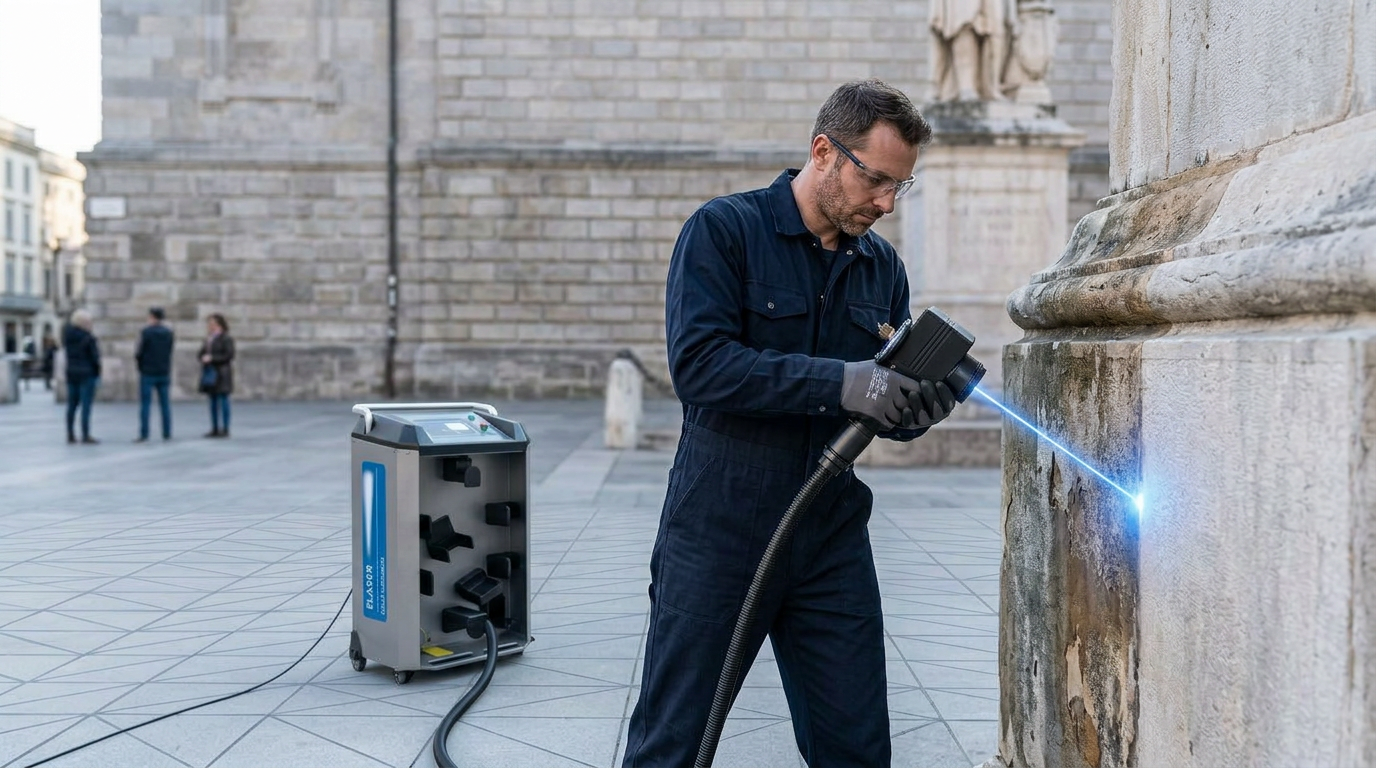
Heritage and Restoration
Soiling, paint and corrosion lifted from stone, metal and masonry without surface damage. The ELASER-RHZ enables cleaning at publicly accessible heritage sites.
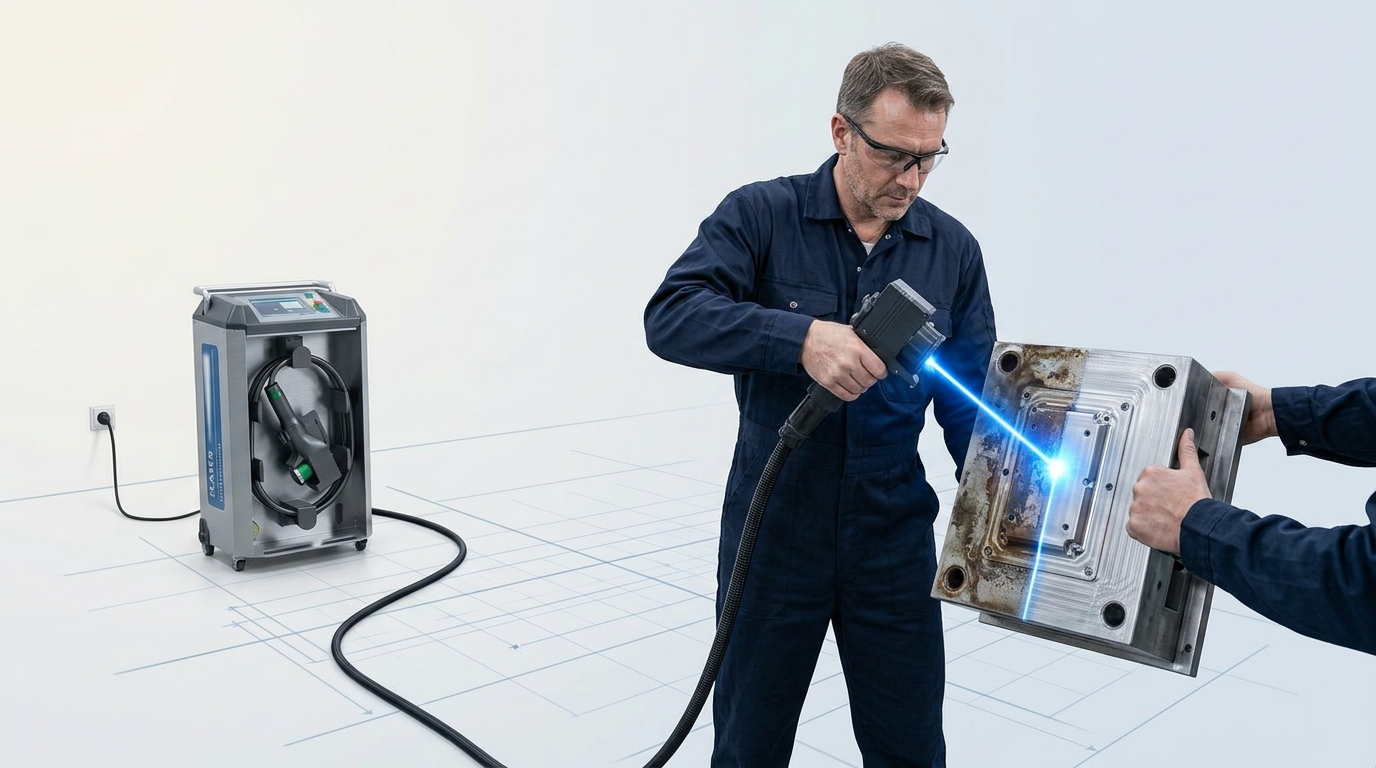
Launch a Laser Cleaning Service Business
Portability, broad surface and contaminant compatibility, and WSL's full operator training give you a credible platform to offer laser cleaning commercially.
No Chemicals, No Hazardous Waste
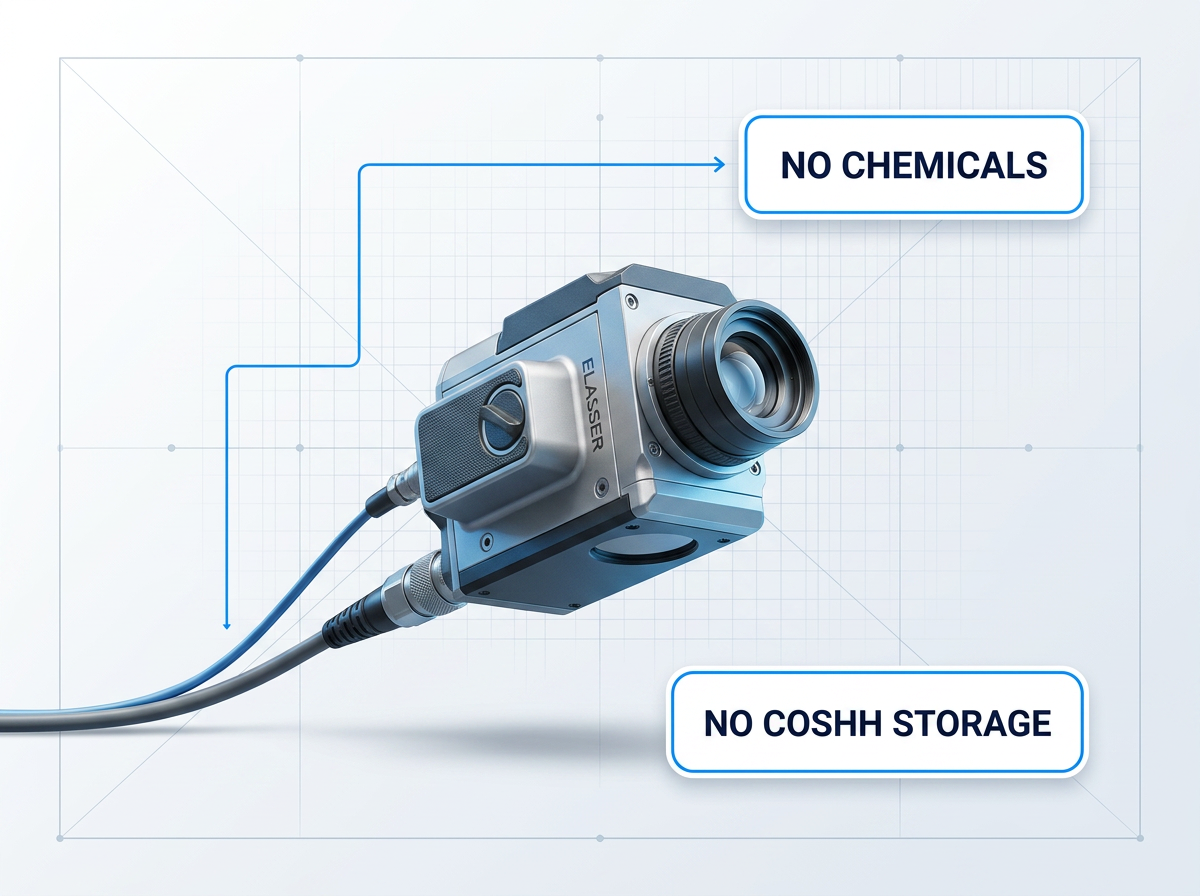
Chemical stripping requires COSHH compliance, hazardous materials storage, and licensed waste disposal — each carrying its own regulatory overhead. ELASER uses laser light alone; no solvents, no stripping agents, no hazardous waste to manage.
No Media, No Waste Stream
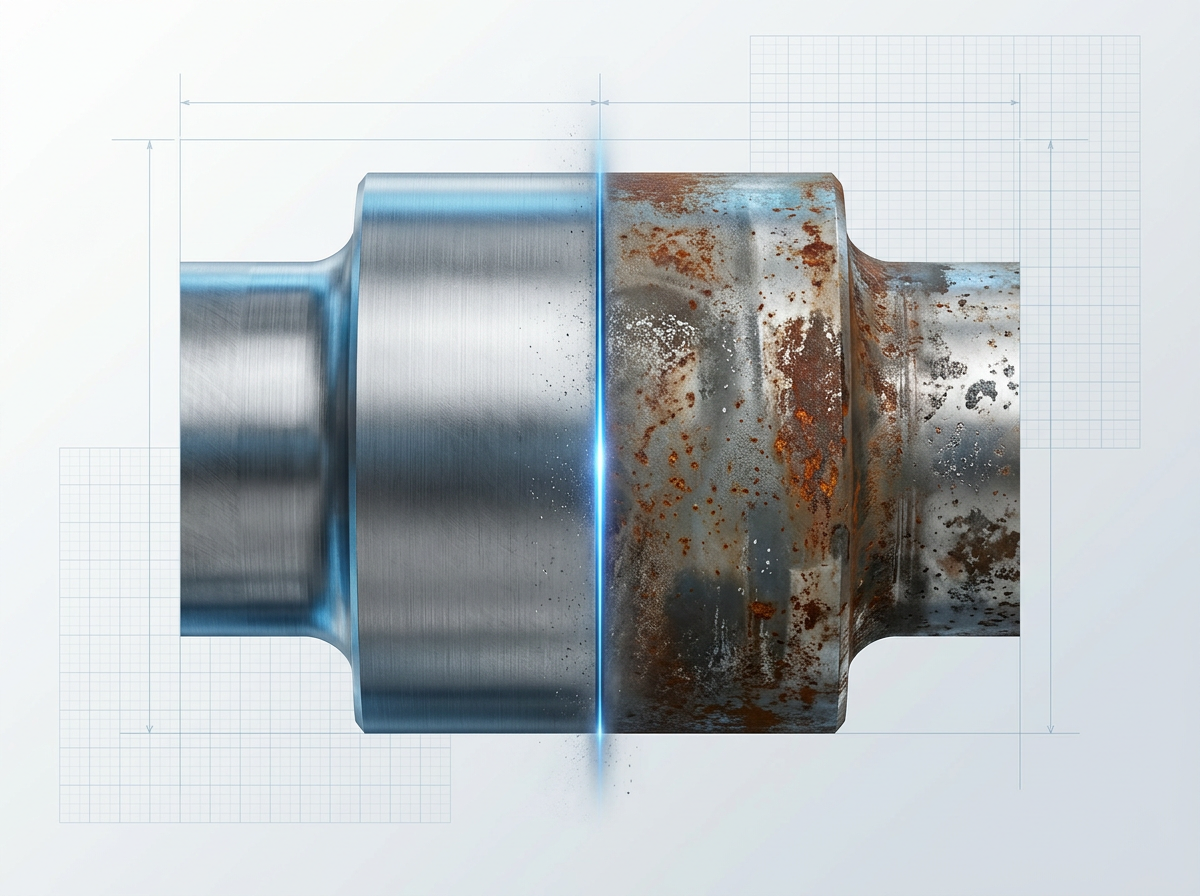
Sandblasting and shot-blasting produce spent media contaminated with removed material — requiring containment, collection, and disposal as industrial waste, often classified as hazardous. ELASER generates no blasting media and no secondary solid waste stream.
No Water, No Discharge Permit
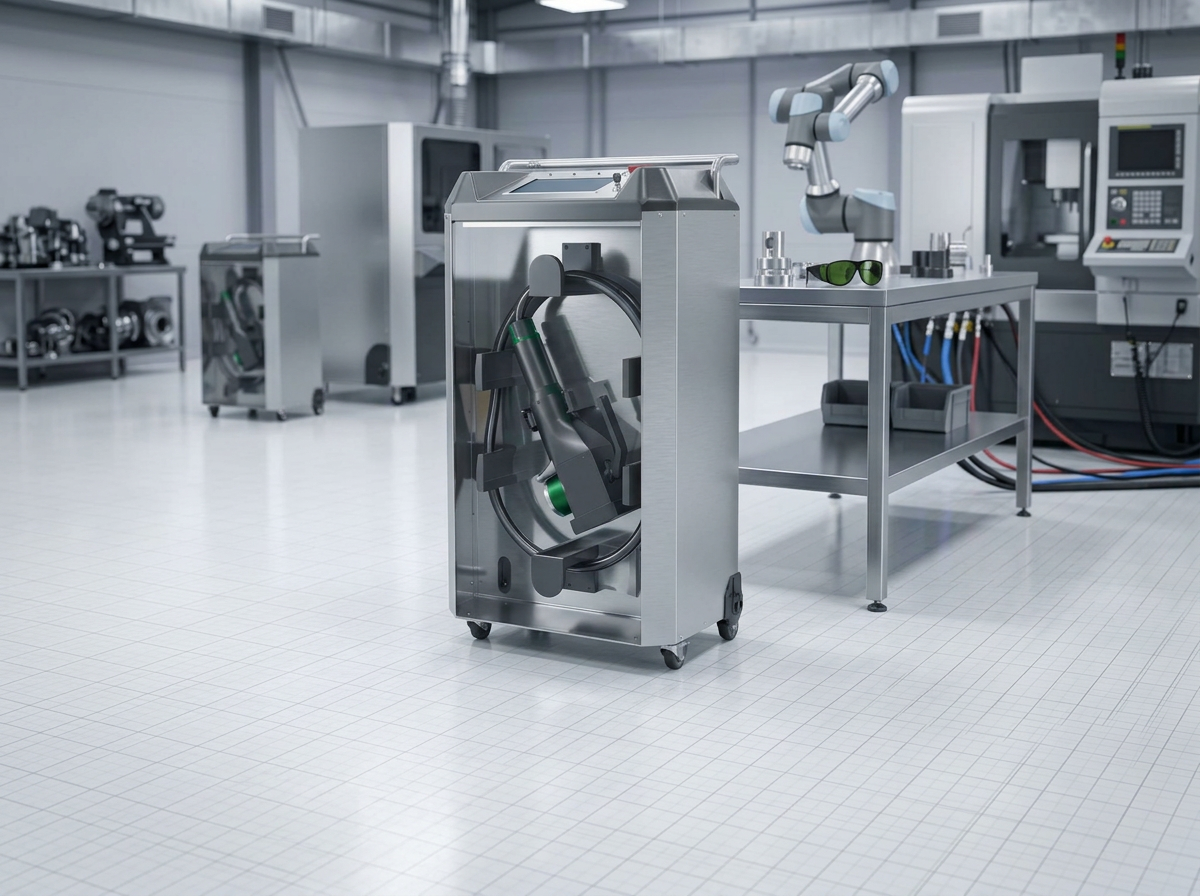
Water-jetting generates contaminated effluent requiring active management — particularly on sites near watercourses or operating under environmental permit conditions. ELASER uses no water and produces no effluent.
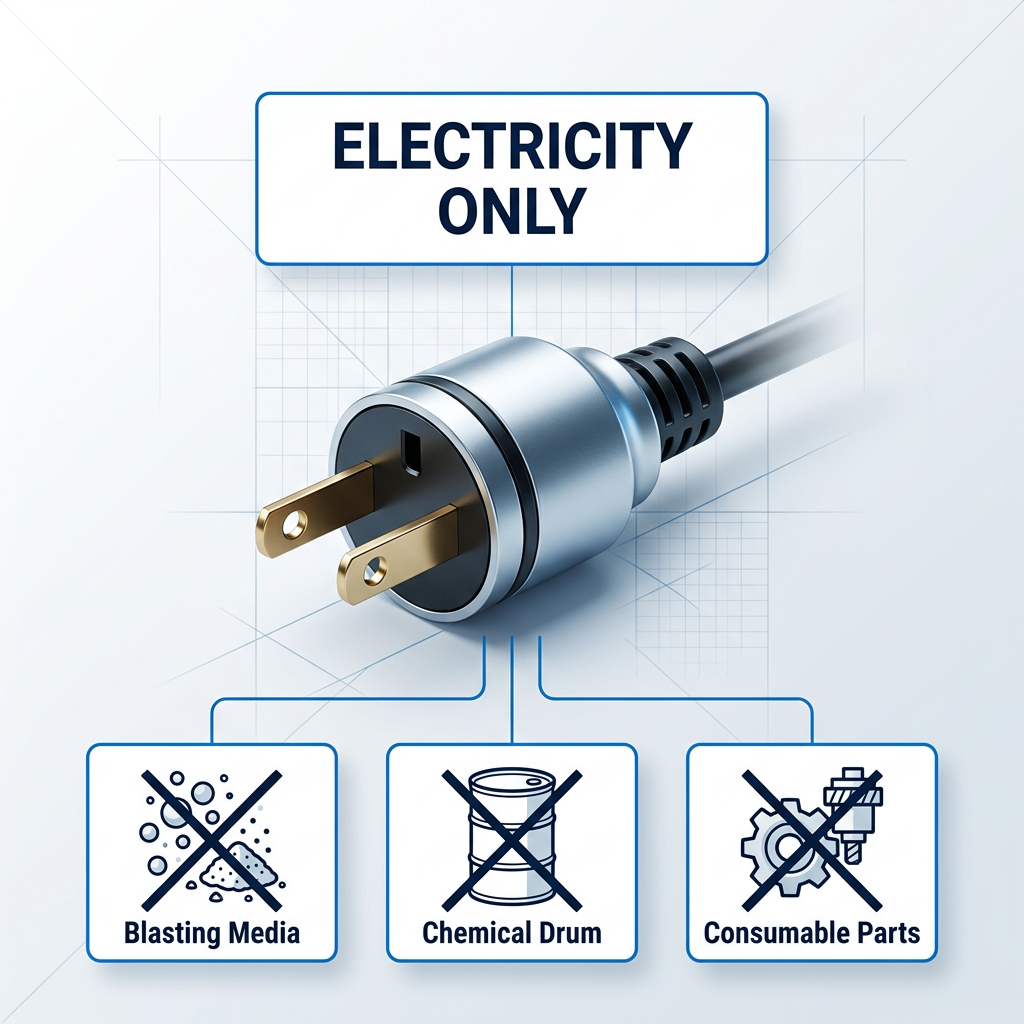
Electricity In, Nothing Out
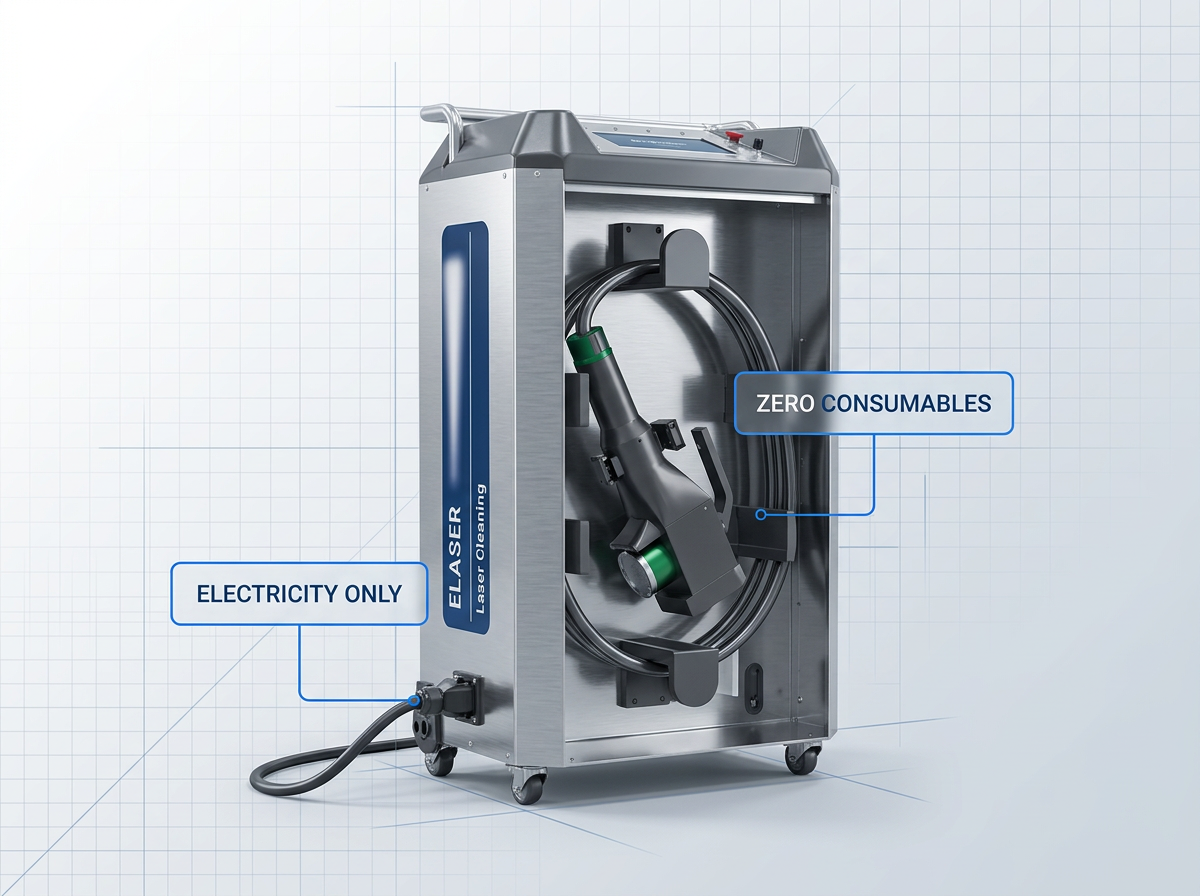
Electricity is the only input. No media, no chemicals, no consumable parts to order, stock, or dispose of across the machine's operating life — zero consumable waste stream.
One Step: Extract the Fume
Laser ablation vaporises contaminants, releasing particulates. A fume extraction unit is recommended to capture them — a standard industrial requirement, and the primary environmental management step laser cleaning involves.
A fume extraction unit is a standard industrial requirement — far simpler than the waste disposal obligations of abrasive or chemical cleaning methods.
Woodrow Scientific: Britain's Only Laser Cleaning Manufacturer
Designed, built and supported in-house since 2012. 200+ years of combined engineering experience. A patented world-first — not a rebadged import.
Electricity Is the Running Cost
No blasting media to reorder, no chemicals to procure or dispose of, no consumable parts on a wear cycle. The only ongoing operational input is electricity. That is a materially different cost profile from every traditional cleaning method it replaces.
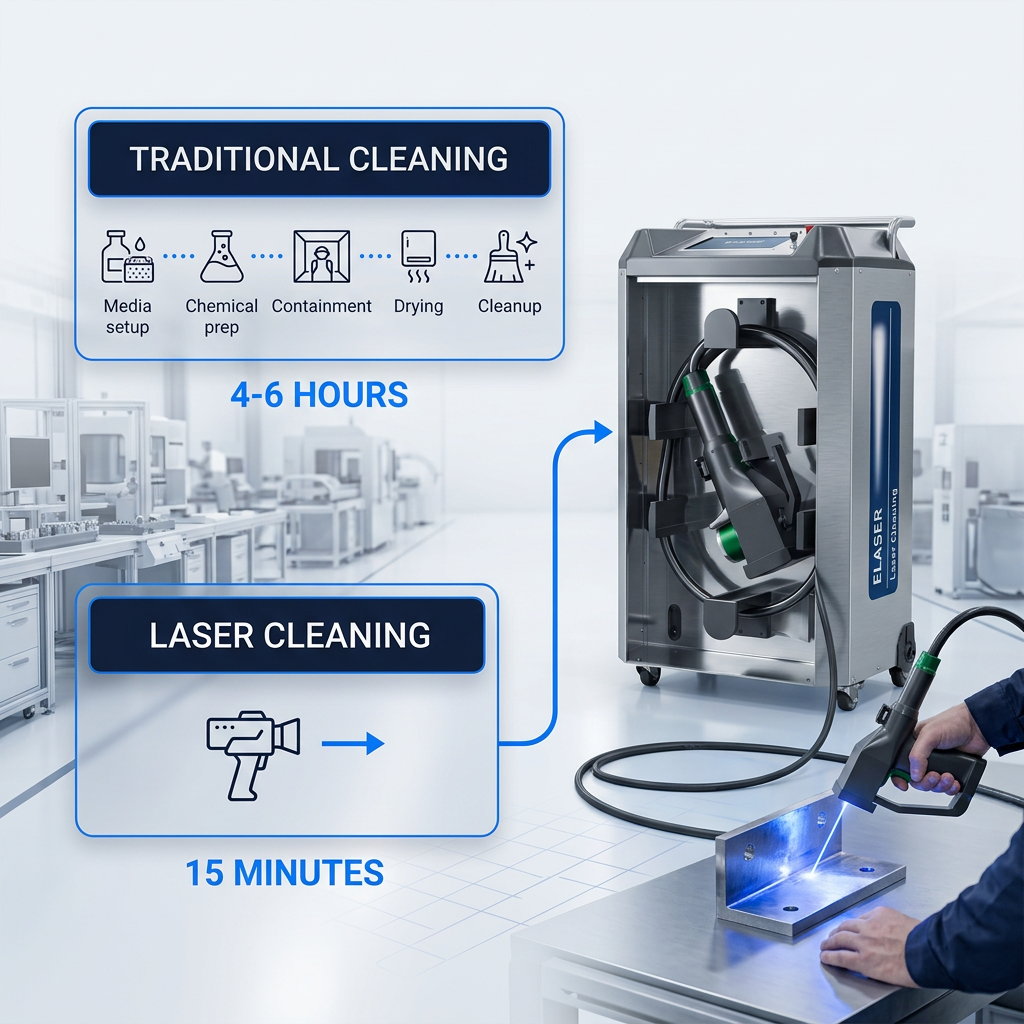
No Setup, No Clearance, Restart Sooner
Traditional methods carry process overhead: media containment, chemical setup and teardown, drying time, masking adjacent areas. Laser cleaning eliminates each of these steps. Downtime has a calculable value in any production environment — and ELASER's process simplicity reduces it directly.
Substrate Intact, Scrap Rate Down
Because the beam stops at the base material — as covered in the ablation threshold section — parts are not damaged during cleaning. Fewer components are scrapped or require remediation, a particularly significant saving on high-value aerospace, tooling, and heritage work.
European Cost Leader
ELASER is the most competitively priced comparable industrial CW laser cleaning machine in Europe, achieved through WSL's technological and operational efficiencies — not by cutting quality. Pricing is application-specific. Contact WSL for a quote tailored to your configuration and requirements.
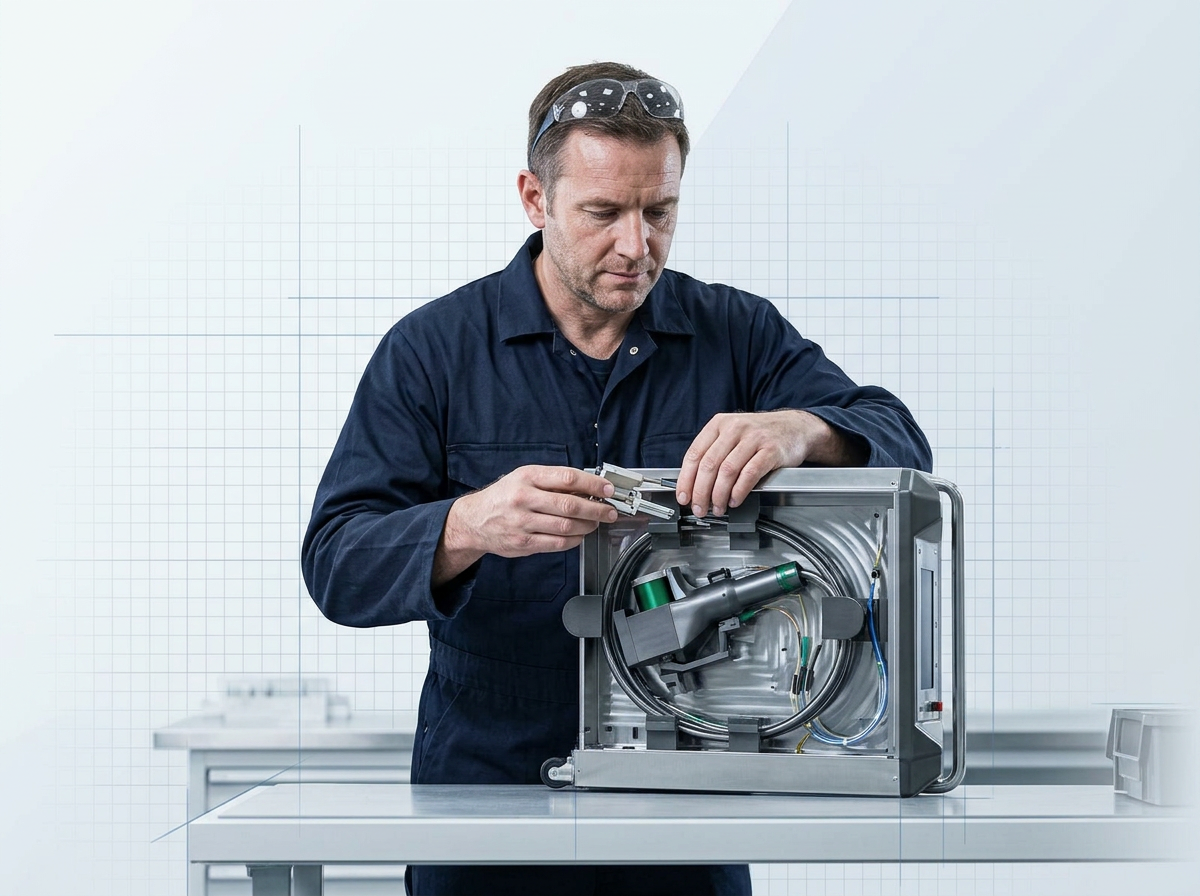
Spares and Upgrades from the Maker
WSL designs, builds and supports every ELASER in-house. Spares, servicing and upgrades come from the original manufacturer across the machine's full operating life. No obsolescence risk from a reseller exiting the market. A machine that remains supportable and upgradeable holds its TCO advantage for longer.
Ready to Discuss the ELASER for Your Application?
Pricing is application-specific. Speak directly with the WSL team to get a quote tailored to your requirements, your surfaces, and your production environment.
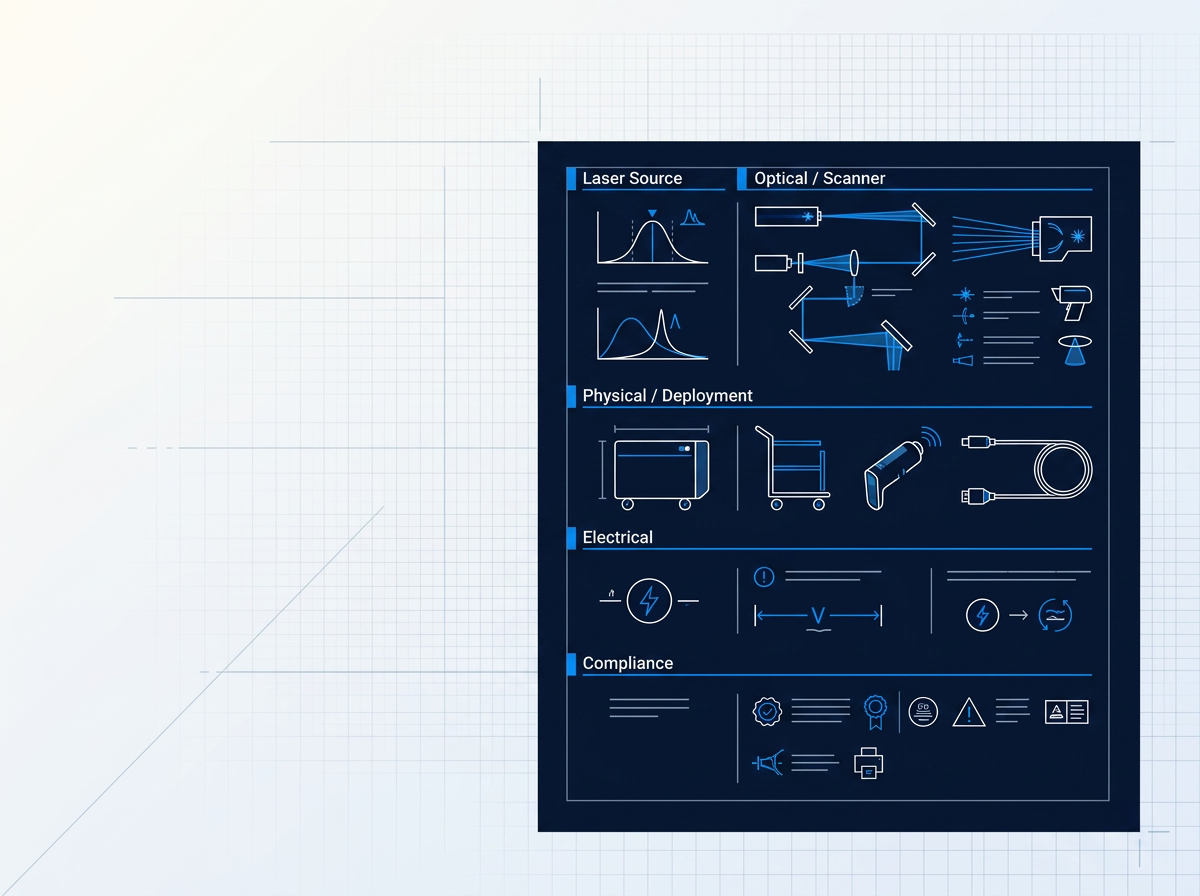
ELASER Technical Specifications at a Glance
All key ELASER parameters in one place — a complete reference for shortlist comparison.
Frequently Asked Questions About the ELASER
Specific questions about the ELASER CW laser cleaning machine, answered directly. Each answer stands on its own — find the question that matters to you and expand it.
A CW (continuous wave) laser cleaning machine delivers a sustained, uninterrupted beam output throughout the cleaning pass. Unlike a pulsed system, which fires in discrete bursts, the CW laser fires continuously — maintaining high average power across the entire stroke. That uninterrupted energy delivery is what drives throughput on heavy contamination and thick coatings. Pulsed systems deliver higher peak power in very short bursts, which suits precision cleaning of delicate or heat-sensitive surfaces where brief, controlled energy deposition is preferable. Neither is universally superior — they address different cleaning regimes. ELASER operates at up to 200 kHz with an adjustable pulse repetition rate, giving the operator direct control over the cleaning regime and allowing the machine to be tuned toward different surface and contaminant combinations.
No. ELASER is fully air-cooled — no water connection, no chiller, and no coolant circuit is required. This is a genuine operational differentiator at this power level; many high-power CW laser cleaners require external cooling infrastructure. ELASER runs from a standard single-phase 110–250 VAC supply and needs no site preparation or plumbing. In practice, that means the machine deploys wherever a power socket is available: factory floor, outdoor sites, heritage locations, mixed-use facilities — without any advance infrastructure work.
ELASER is available as Class IV or Class I. Class IV is the standard industrial classification for high-power laser systems and requires a controlled laser zone with appropriate PPE. Class I is the highest built-in safety classification, suitable for environments where the machine itself must carry the classification. The critical differentiator is the ELASER-RHZ: WSL's patented, world-first technology collapses the laser hazard zone to a fraction of conventional size, enabling cleaning in open workshops, mixed-use facilities, and publicly accessible settings without requiring full area evacuation or shutdown. Operator training remains important regardless of variant — WSL provides full safety and operation training to all buyers. The HSE publishes guidance on laser safety classifications at hse.gov.uk/radiation/optical/lasers.htm for buyers who want further regulatory context.
ELASER cleans a wide range of surfaces: metals including steel, carbon steel, aluminium alloys, cast iron, copper, brass, bronze, titanium, and galvanised steel; plus stone, concrete, brick, and masonry. On those surfaces it removes rust, oxides, mill scale, paint, powder coating, lacquer, primer, oil and grease, carbon and soot, mould, graffiti, adhesives and residues, tarnish, weld discolouration, and release agents. The breadth is possible because of 0–100% power tunability: the operator sets beam intensity above the contaminant's ablation threshold and below the substrate's — the beam stops at the base material, leaving the surface intact.
The handheld scanner weighs under 3 kg; the wheeled system unit is under 50 kg; the delivery cable reaches up to 50 m. One operator deploys and runs the full system without assistance. The sub-3 kg scanner is light enough for sustained use without fatigue. The wheeled unit moves between workstations or into the field without lifting equipment. The 50 m cable reach means the operator can access the work without relocating the main unit. A standard single-phase 110–250 VAC supply is all that is needed — no compressor, no water supply, no consumables to manage.
WSL provides first-class safety and operation training directly to buyers — no dependency on a third-party training provider. The touchscreen GUI with password-protected access and per-user logins is designed for straightforward day-to-day operation; it does not require a laser engineering background to use. That said, proper operator training is a requirement, not optional. ELASER is a Class IV laser (or Class I), and safe use depends on trained operators. WSL trains your team directly, so you have the knowledge to use the machine confidently from day one.
Yes. ELASER carries both CE and UKCA certification. CE confirms compliance for EU markets; UKCA confirms compliance for the UK market following Brexit. For UK industrial buyers, UKCA is the relevant mark for placing equipment on the UK market. The HSE provides guidance on the UKCA marking and its relationship to CE at hse.gov.uk/work-equipment-machinery/brexit.htm.
Pricing is application-specific — contact WSL directly for a quote tailored to your requirements. In terms of market positioning: ELASER is the European cost leader among comparable industrial CW laser cleaning machines, competitively priced relative to the market. That competitive pricing is achieved through WSL's technological and operational efficiencies, not by reducing quality. To request a quote, get in touch with the WSL team.
Yes. WSL offers bespoke engineering and customisation for buyers with specific requirements. If you have an unusual application, a specific integration need, or a non-standard requirement, contact WSL directly to discuss what is possible — the team is the right starting point for that conversation.
ELASER is designed, built, and supported by Woodrow Scientific Limited (WSL) — the only UK-based laser cleaning manufacturer. WSL is not a reseller or importer; every machine is engineered in-house in Britain. Founded in 2012, WSL brings over 200 years of combined engineering experience to the product, including the patented ELASER-RHZ reduced hazard zone technology as evidence of genuine original engineering capability. For buyers, in-house manufacturing means the engineers who designed the machine are the same team who support it — faster problem resolution, real product improvement capability, and no dependency on an overseas third party for spares or fixes. It is worth noting that a number of suppliers in the laser cleaning market are resellers or importers rebadging third-party machines; WSL's in-house model is a meaningful distinction when evaluating long-term support.